
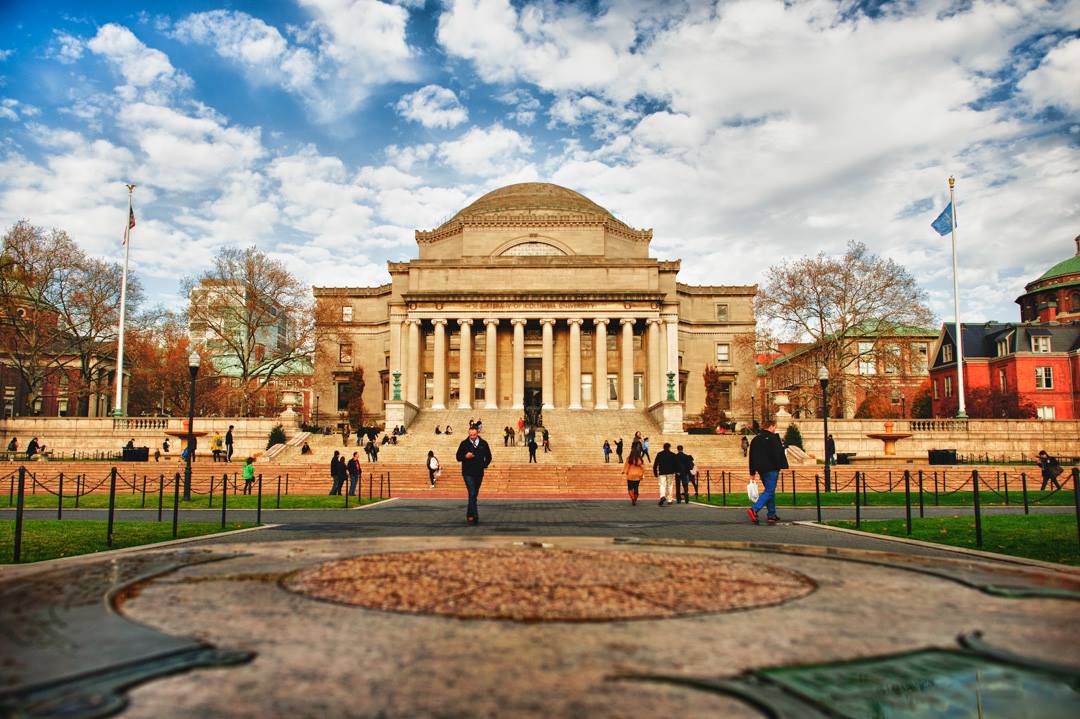








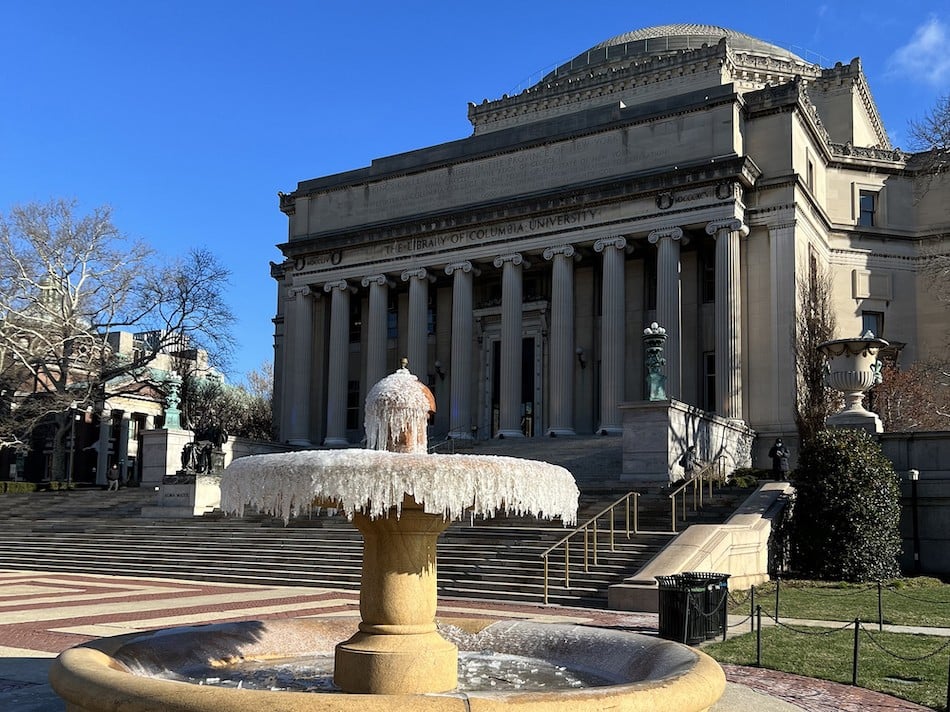
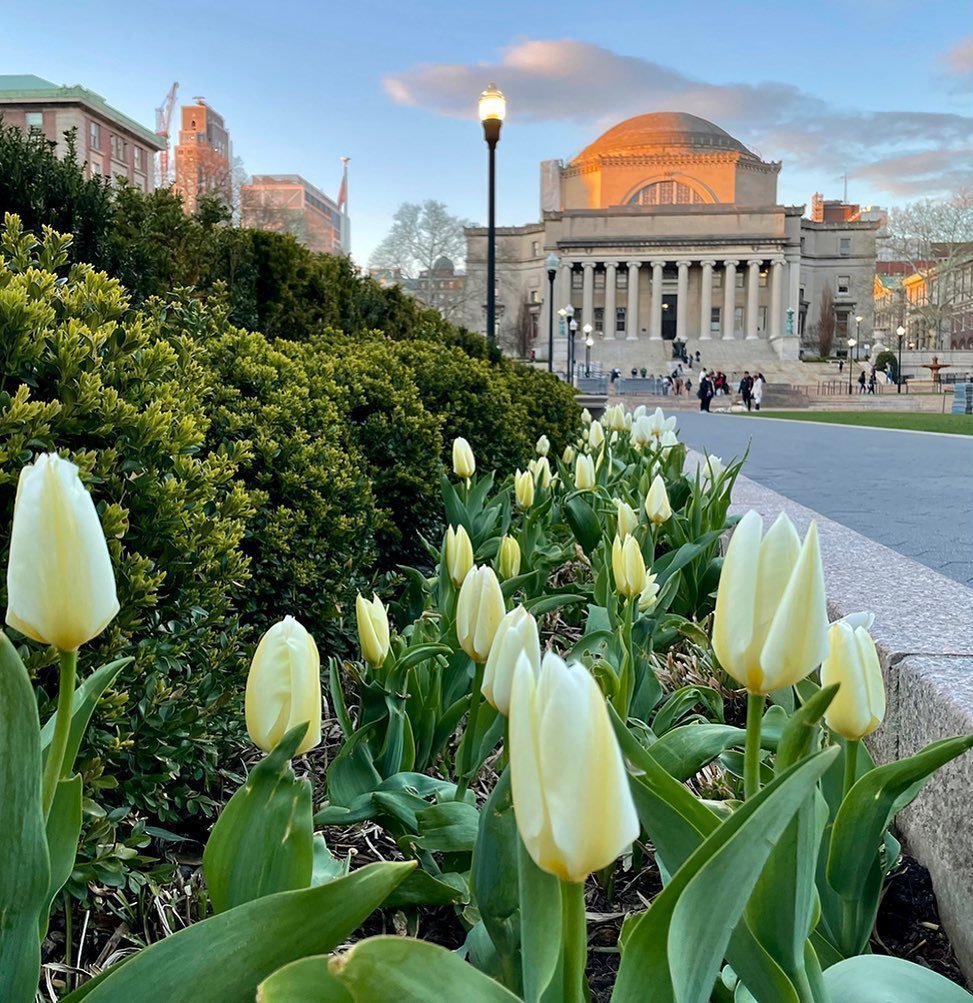





Columbia University is one of the most prestigious and well-respected universities in the United States. Located in the heart of New York City, the university has a rich history and a long tradition of academic excellence.
Columbia University was founded in 1754, making it one of the oldest universities in the country. The university was originally known as King’s College, and it was established by royal charter from King George II of England.
Over the years, Columbia has grown and evolved into a leading research university, with a strong focus on the liberal arts and sciences. The university’s reputation for academic excellence is well-deserved, with numerous programs and departments consistently ranked among the top in the country.
Columbia’s commitment to research and scholarship is a central part of its mission. The university has a long history of groundbreaking research and discovery, with its faculty and students making significant contributions to a wide range of fields, from the humanities and social sciences to the natural sciences and engineering.
The university’s faculty is comprised of some of the most distinguished scholars and researchers in the world. Columbia has produced a number of Nobel laureates and MacArthur fellows, as well as numerous other distinguished scholars and thinkers.
In addition to its academic programs, Columbia is also known for its commitment to public service and social justice. The university has a strong tradition of community engagement and activism, with many of its students and faculty involved in a wide range of social and political causes.
Columbia is also home to a number of well-regarded cultural institutions, including the Columbia University Press and the Columbia University Libraries. These institutions play an important role in supporting scholarship and research, and they provide valuable resources and services to the university’s faculty and students.
The university’s location in New York City is another important factor in its success. The city is home to a diverse and vibrant population, as well as numerous cultural and intellectual resources. Columbia students have access to a wealth of opportunities, from internships and cultural events to research collaborations and networking opportunities.
Columbia’s commitment to diversity and inclusion is also an important part of its mission. The university has made significant efforts to increase the diversity of its student body and faculty, and to create a welcoming and inclusive environment for all members of the community.
Despite its many strengths, Columbia has faced its share of challenges and controversies over the years. One of the most notable controversies involved the university’s relationship with Harlem, the historically African American neighborhood that surrounds the campus. In the 1960s, Columbia proposed a plan to expand its campus into the neighboring community, which led to protests and activism by local residents and activists.
In recent years, the university has also faced criticism for its handling of sexual assault and harassment allegations, with some students and faculty members calling for greater accountability and transparency.
Despite these challenges, Columbia University remains one of the most respected and influential universities in the world. Its commitment to academic excellence, research and scholarship, and public service and social justice continue to inspire and attract students and scholars from around the world. The university’s legacy of innovation and achievement ensures that its impact will endure for generations to come.