









The Eiffel Tower is an iconic symbol of Paris, France, and one of the most recognizable landmarks in the world. Located in the heart of the city, the tower attracts millions of visitors every year and has become a cultural icon of France. In this essay, we will explore the history, design, and significance of the Eiffel Tower.
History
The Eiffel Tower was built in 1889 as the centerpiece of the Paris World’s Fair. The fair was held to celebrate the 100th anniversary of the French Revolution and to showcase France’s cultural and technological achievements. The tower was designed by Gustave Eiffel, a French engineer and entrepreneur, who won the competition to design the structure.
The construction of the Eiffel Tower took two years, two months, and five days. It was completed in time for the opening of the Paris World’s Fair on March 31, 1889. The tower was an immediate success and became a symbol of the modernity and progress of France.
Design
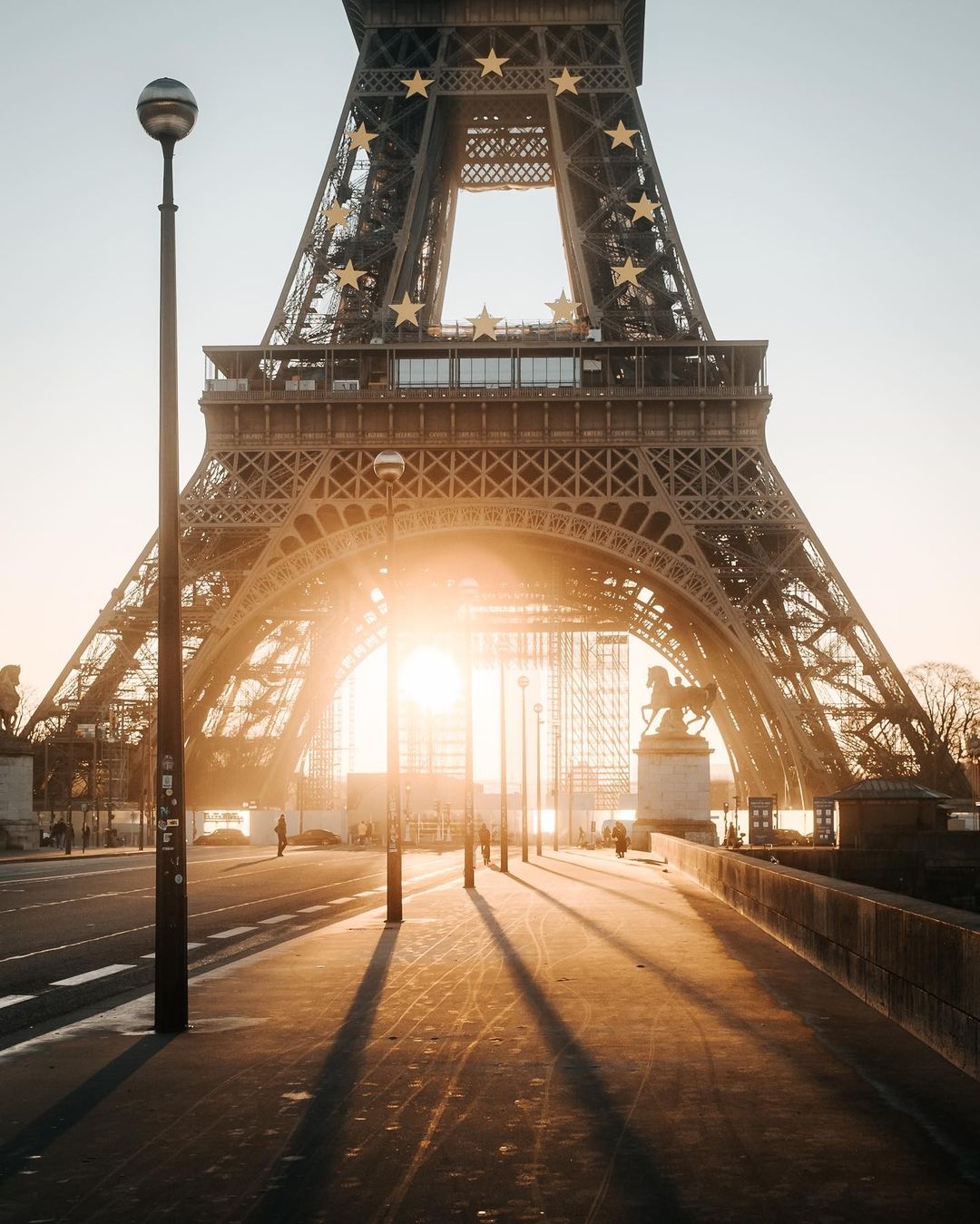
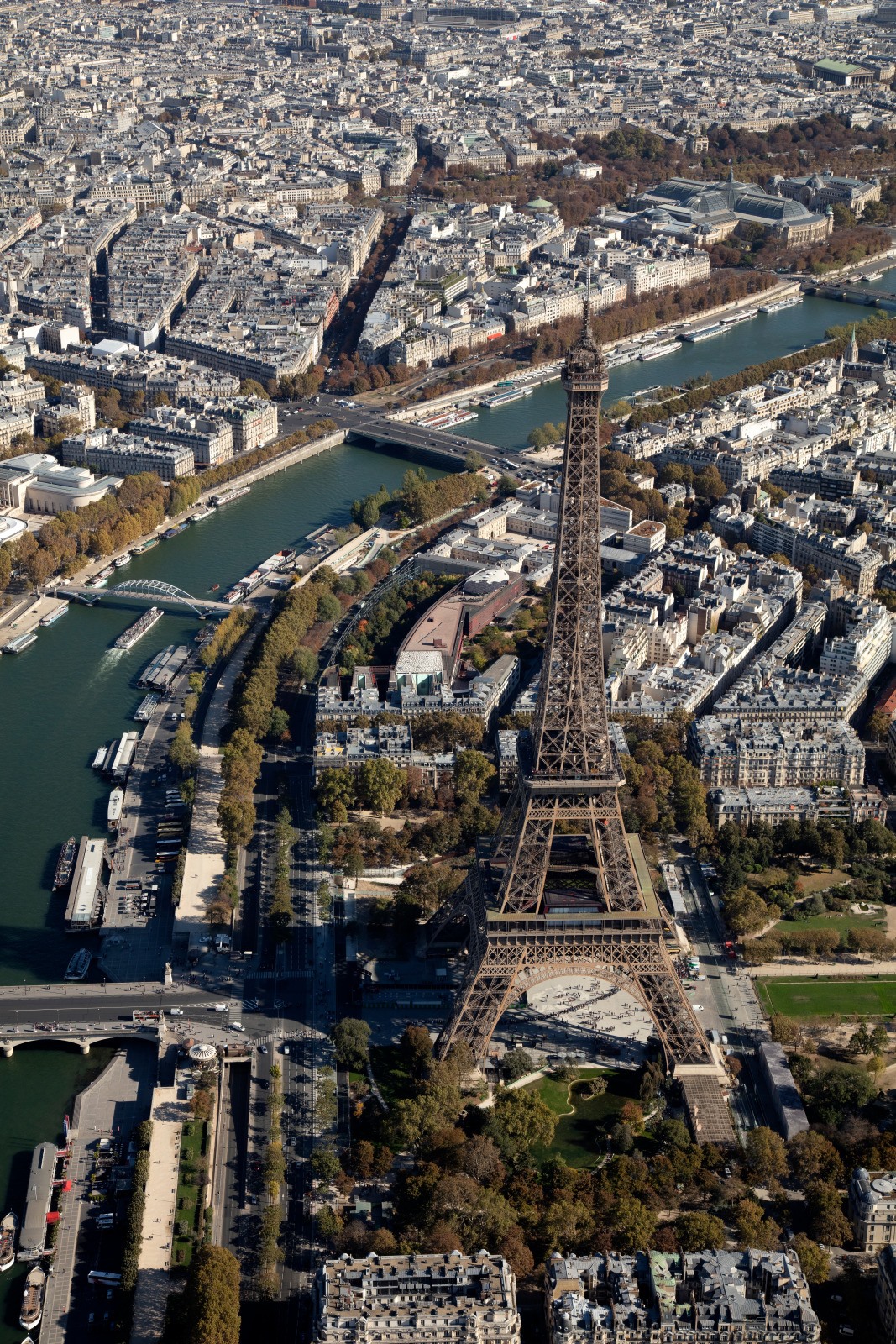
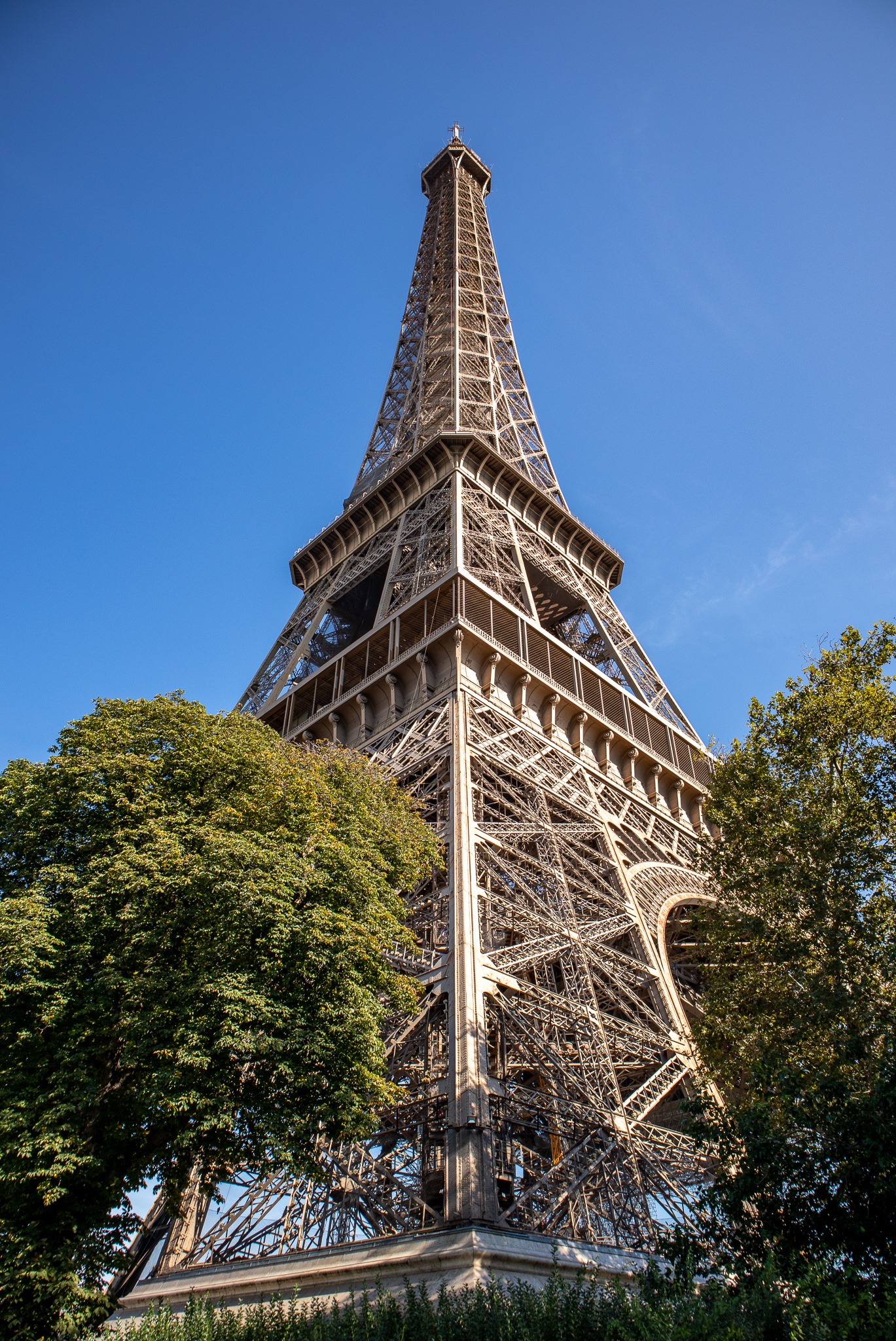
The Eiffel Tower is a wrought-iron lattice tower that stands 324 meters tall. It was the tallest structure in the world when it was built and remained so until the completion of the Chrysler Building in New York City in 1930. The tower has four legs that converge at a single point at the top, and it is divided into three levels that are accessible by stairs or elevators.
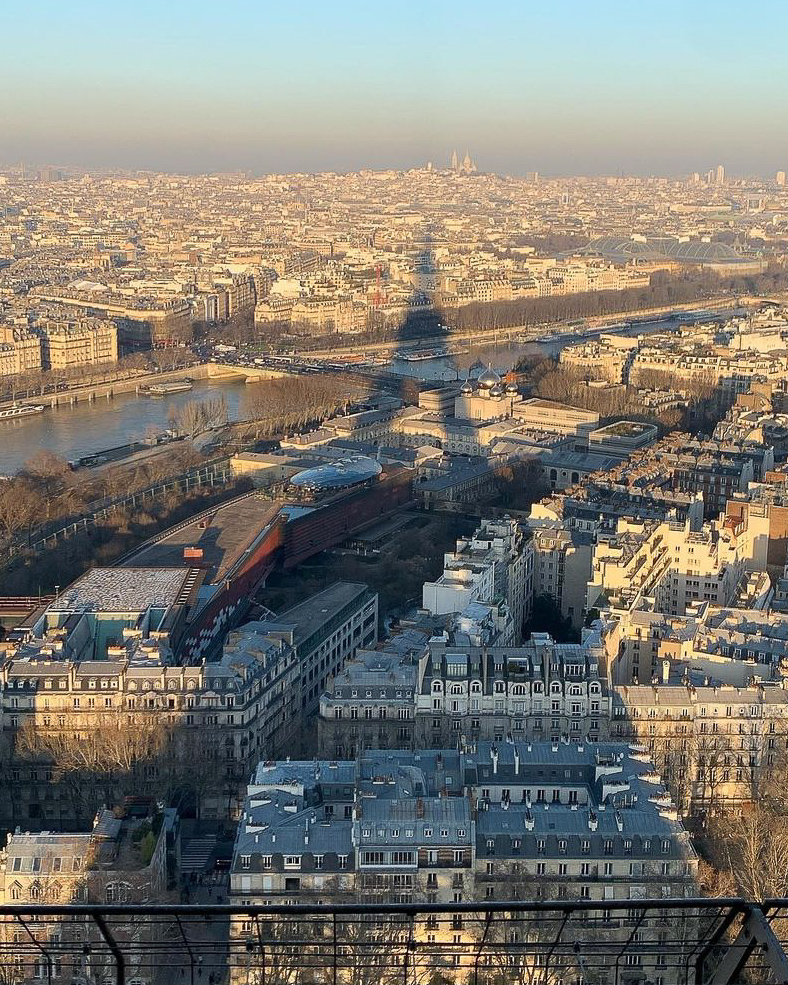
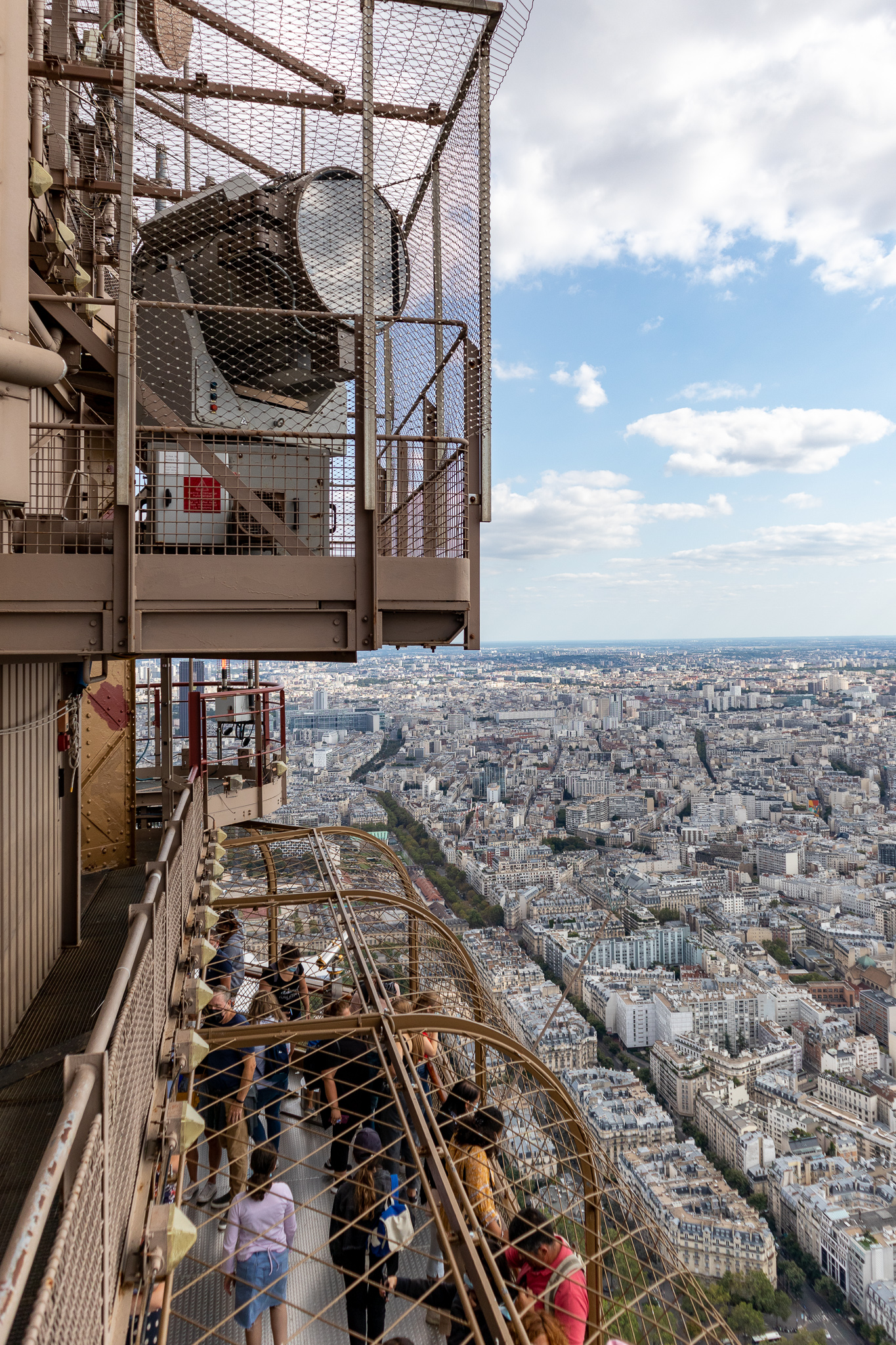
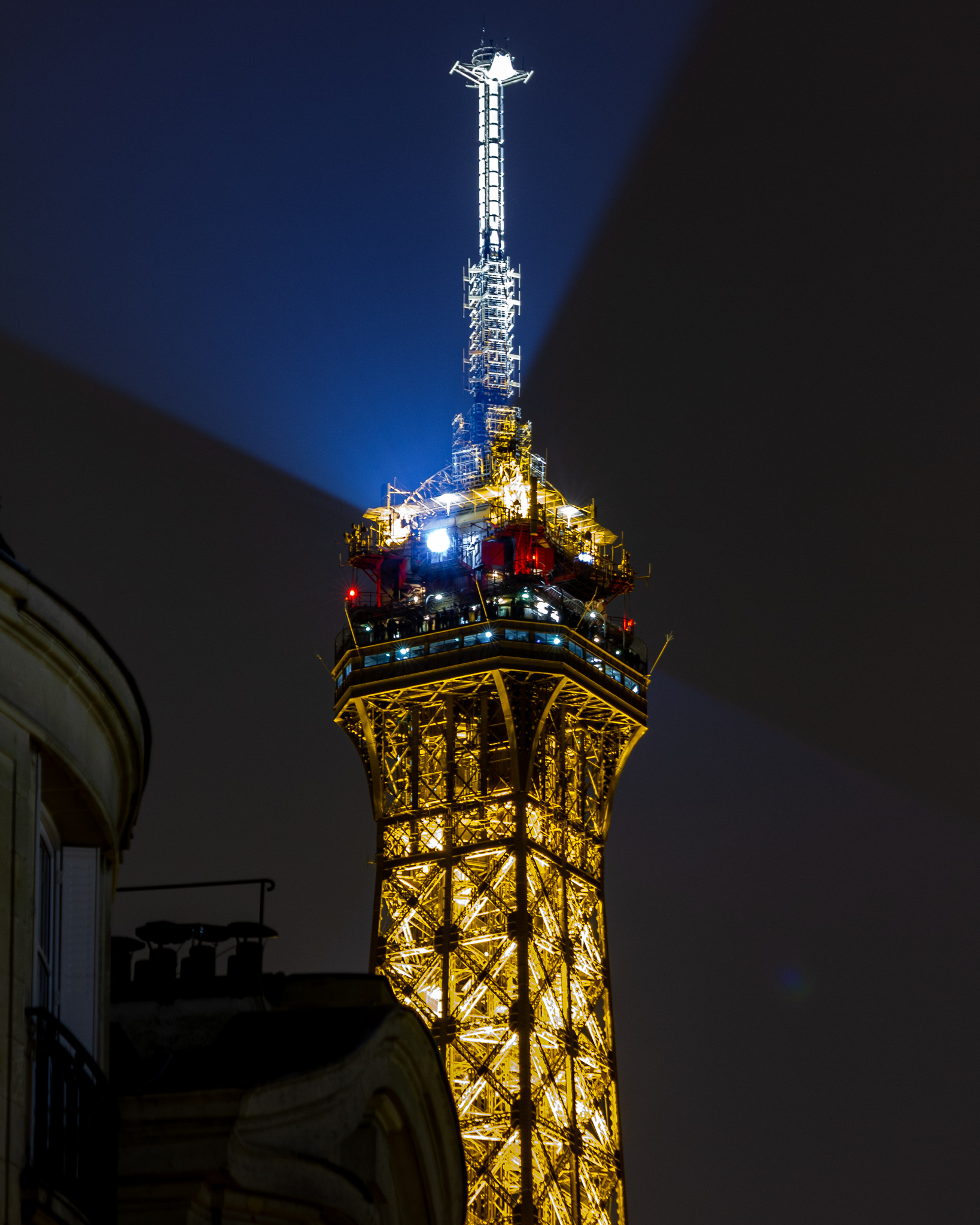
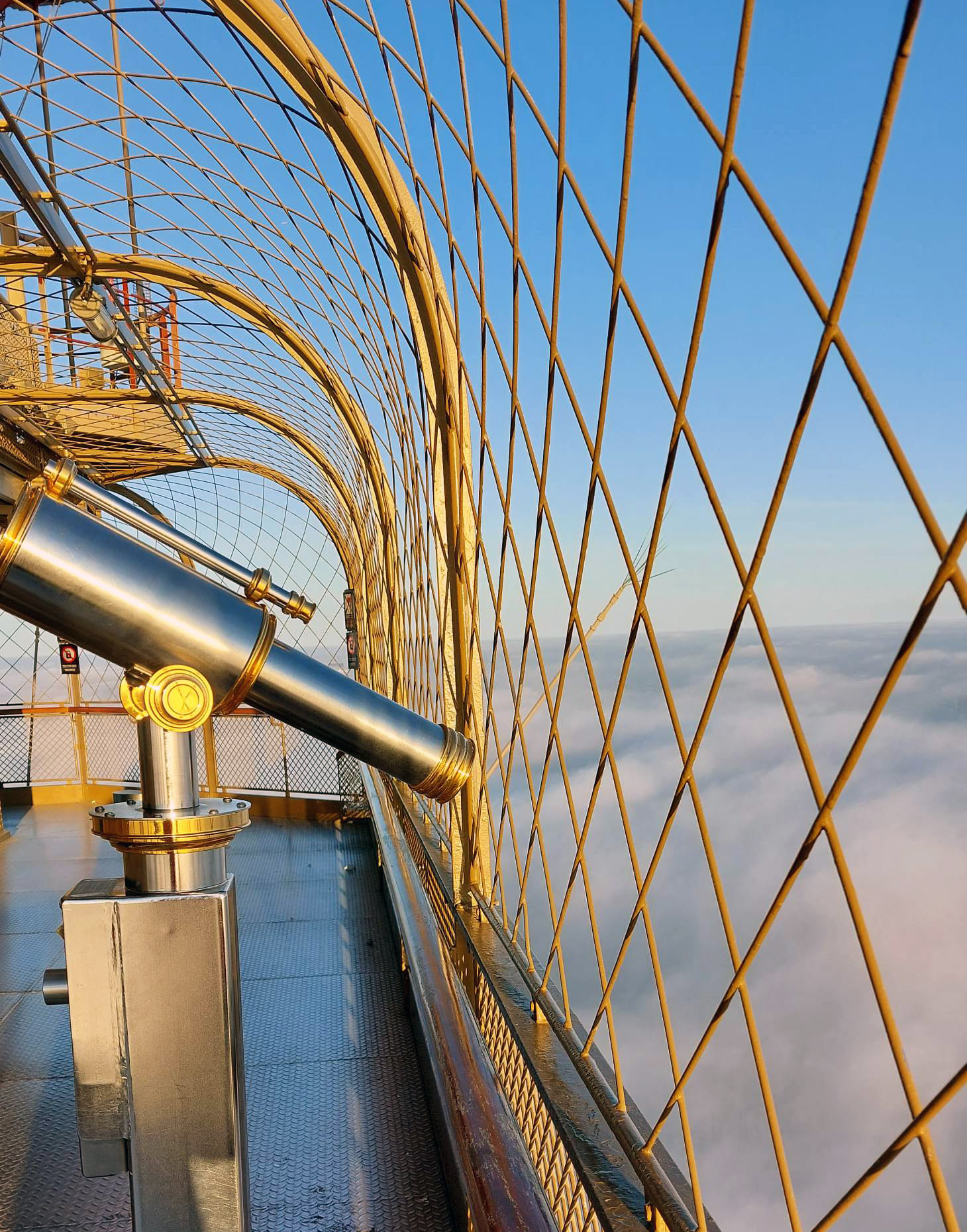
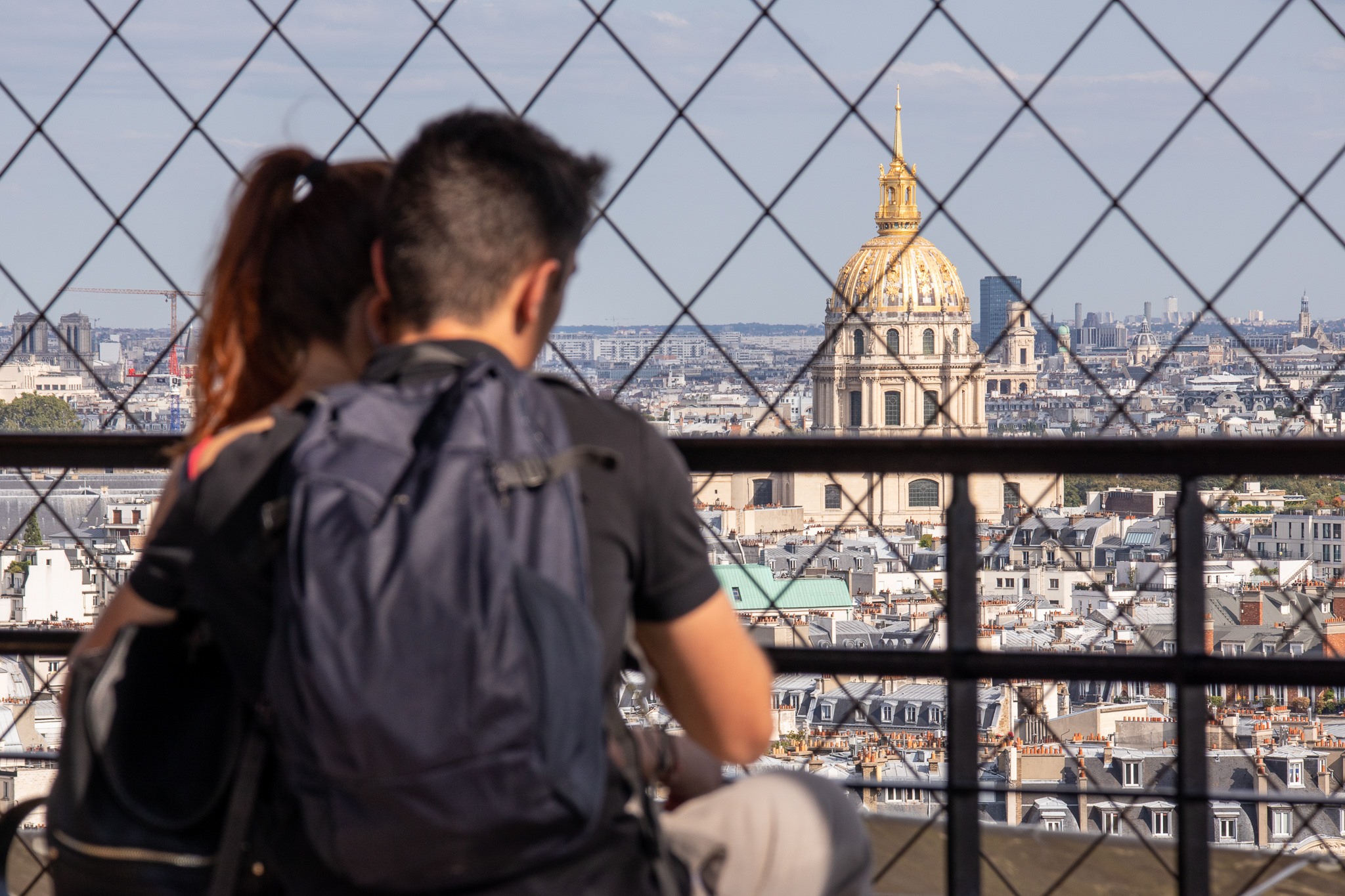
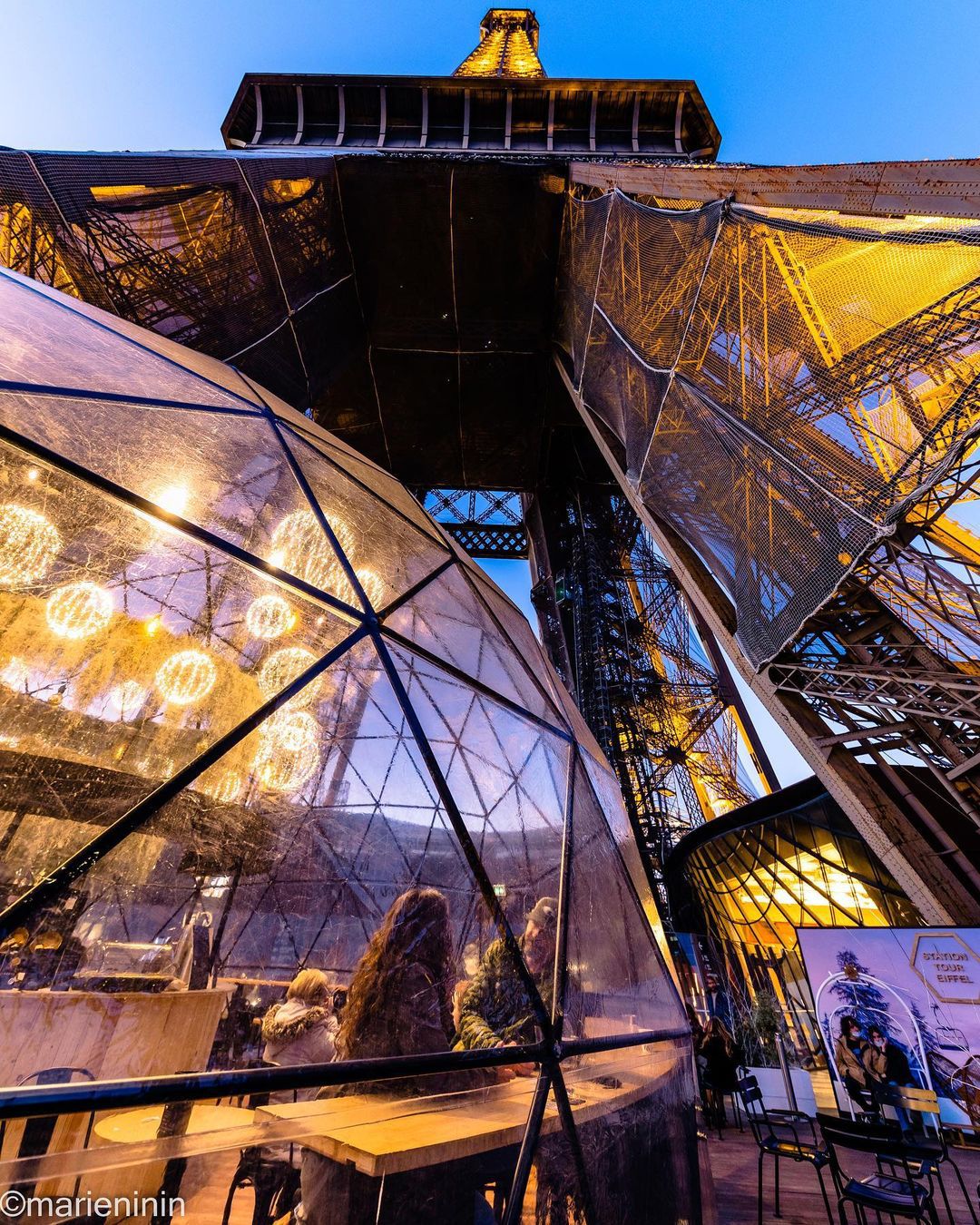
The first level is 57 meters above the ground and offers a panoramic view of Paris. It is home to a restaurant, a gift shop, and a glass floor that allows visitors to look down on the city below. The second level is 115 meters above the ground and offers an even more spectacular view of the city. It is home to another restaurant and a museum that tells the story of the Eiffel Tower. The third and highest level is 276 meters above the ground and offers a breathtaking view of the city and the surrounding countryside. It is accessible only by a small elevator.
The tower is made up of over 18,000 pieces of iron and weighs over 10,000 tons. Its design was a revolutionary engineering feat at the time, and it remains an impressive example of 19th-century architecture. The tower’s unique shape and elegant design have made it one of the most famous and recognizable structures in the world.
Significance
The Eiffel Tower has come to represent not just Paris, but France as a whole. It is a symbol of the country’s cultural and technological achievements and a reminder of its rich history. The tower has played a significant role in French culture and has been featured in countless works of art, literature, and film.
The tower has also been a source of controversy over the years. When it was first built, many Parisians were outraged by its modern design and felt that it was an eyesore that ruined the city’s skyline. Today, however, it is widely celebrated as a masterpiece of engineering and a testament to the creativity and ingenuity of human beings.
The Eiffel Tower is more than just a tourist attraction – it is a cultural icon that has come to represent the very essence of Paris and France. Its graceful curves and intricate design have captured the hearts of people all over the world, and it remains a testament to the power of human creativity and innovation.
Conclusion
The Eiffel Tower is one of the most iconic landmarks in the world, and a symbol of the creativity and innovation of human beings. Its history, design, and significance make it a fascinating subject for study, and its enduring popularity as a tourist attraction is a testament to its enduring appeal. Whether you are a history buff, an architecture enthusiast, or simply a lover of Paris, the Eiffel Tower is a must-see destination.
Maps
Contact
Opening Hours
Video
FAQ's
How can I visit the Eiffel Tower if there are no more online tickets available?
If there are no more online tickets available on the selected date, you can purchase tickets from the ticket office at the Eiffel tower itself at the individual rate for immediate use. If you are flexible about your visiting dates, try consulting the calendar to find another available date.
Getting to the Eiffel Tower on public transport?
The Eiffel Tower is served by different means of public transport. By the Metro: Line 9 (Pont de Sévres – Mairie de Montreuil : stop - Trocadéro) Line 6 (Nation – Charles de Gaulle Etoile : stop - Bir-Hakeim) Line 8 (Balard – Créteil : stop - Ecole Militaire) By RER: Line C (Versailles / Saint Quentin en Yvelines - Anthony / Massy Palaiseau : stop - champ de Mars - Tour Eiffel) By bus: Bus 82, stops: "tour Eiffel" or "Montessuy" Bus 30, stop: « tour Eiffel » Bus 86, stop: « Champ de Mars » Bus 69, stop: "Champ de Mars" Bus 72, stop: « Pont d’Iena » You can walk to the Eiffel Tower from all of these stops in only a few minutes.
Are there toilets or baby changing facilities?
There are free toilets on all floors of the Tower (1st, 2nd and the top) as well as on the parvis. There are baby changing facilities on all floors (parvis, 1st, 2nd) apart from the top of the Tower.
How long does a visit take?
How long does a visit take? We recommend that you take your time to enjoy your visit! It is advisable to plan a visiting time of at least 1 1/2 hours for visit to the 1st and 2nd floors and 2 1/2 hours for a visit to the top. Your visiting time will also depend of your choice of way to ascent from the ground to the second floor : by lift or stairs. If you choose the stairs to the second floor : you can count about 10 to 15 minutes per level. For visitors who take the lift, it is only a matter of a couple of minutes! If you have a ticket to go to the top, please bear in mind that you take a different elevator from the second floor to the summit. Depending on the day and the time, you might encounter a little bit of wait to take this elevator. Tickets are scanned again by our staff, at this stage. When going down (you will always start your visit by the highest level), we advise you not to miss the first floor where you can grab a bite or have a drink, enjoy the animations (and the transparent floor!) and shops there. Don't miss the Eiffel Tower's adventure game which is proposed at this floor and in the gardens. This fun treasure hunt like game can extend your enjoyment by 1 more hour.
Can visits be made by people in wheelchairs?
When the Eiffel tower was built in 1889 accessibility for disabled people was not yet a concern. Today, despite the monument's architecture, the nature of the means for ascending the Tower and safety regulations, we do our utmost to cater for disabled people. Disabled people can therefore go to the 1st and 2nd floors by lift but the top is not accessible to them for safety reasons, notably if they had to be evacuated urgently. Several facilities have been created to make it easier for disabled people to visit the Tower: access via the pillars in order to avoid steps and turnstiles large capacity lift cabins designed for people in wheelchairs services accessible on one level (buffets, shops) disabled toilets on the ground floor (behind the East pillar) and on the 1st and 2nd floors conversions to the windows on the balustrade on the 2nd floor so wheelchair users can enjoy the panoramic view audio induction loops at the ticket offices for visitors who are hard of hearing. However visits to the top of the Tower are not authorised for safety reasons. Tickets for disabled people can be purchased in advance from our online ticket office or from the ticket offices at the Tower.
Can I change the date and/or time of my ticket?
The purchase of a ticket is subject to booking a date and time for the visit and these parameters cannot be changed once your purchase has been confirmed. When making a purchase you are presented with a summary of your basket before the purchase is validated. A confirmation email is then sent to you as soon as your payment is registered, confirming the information you have validated. The General Conditions of Sale state that the ticket is valid exclusively for the floor, date and time indicated. Tickets cannot be exchanged modified or refunded after your purchase has been confirmed.
I've lost something, what do I do?
We have a dedicated service which will do its utmost to help you. We invite you to declare it on our online service. Connect here to register and describe what you have lost or found: https://toureiffel.franceobjetstrouves.fr/en/. Requests will be addressed from Monday to Friday, from 9am to 5pm. If your "property" has been recovered, you will be contacted.
Is the Eiffel Tower free for babies?
Children under 4 are the guests of the Eiffel Tower (proof such as an identity card may be requested). A free access ticket will be issued. For school trips, please refer to the price grid dedicated to school trips. To reduce queuing time we suggest that you purchase your ticket in advance on our online ticketing service, where you can book the date and time of your visit to avoid having to queue. Don't forget to select your free baby ticket when you purchase.
Is there a left luggage office?
Is there a left luggage office? There is no left luggage office at the Eiffel Tower. You are reminded that in accordance with our rules: It is not allowed to bring and use rollerblades, scooters, skateboards, overboards, or any other large rolling object (except foldable pushchairs, medical or assistance vehicles for persons with reduced mobility). You also cannot bring the following objects onto the Eiffel Tower:






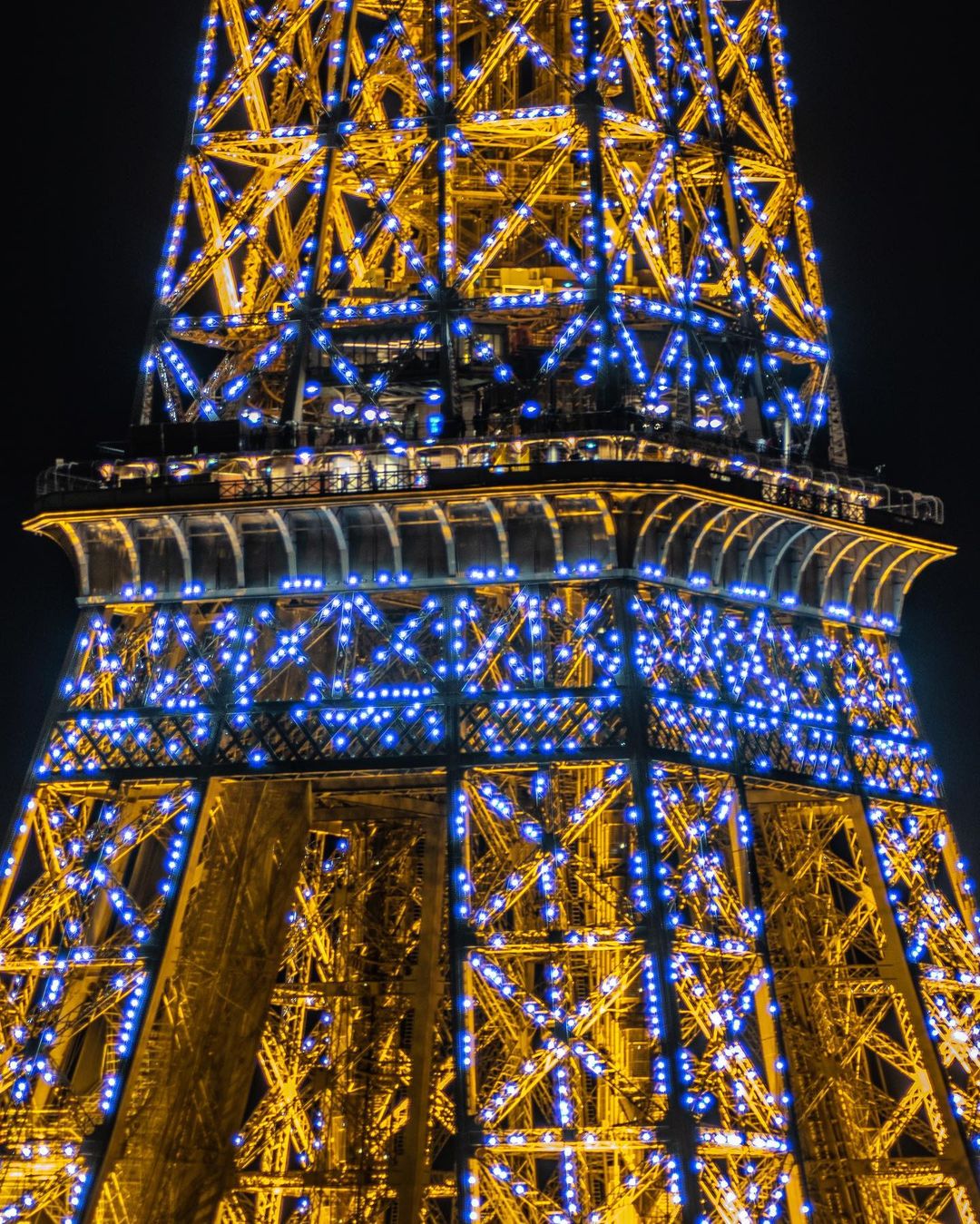
The most wonderful place in Paris. The Eiffel tower is historical place, but looks modern at the same times magnificent and wonderful. The view of skyscraper is amazing. The real beauty of Eiffel is in the night, when it glows with colorful lights. It is one of the amaze of Engineering structure in the planet.