

Shibuya
Shibuya is a bustling ward located in Tokyo, Japan. It is one of the most popular and vibrant neighborhoods in Tokyo, known for its iconic Shibuya Crossing, busy streets, high-end fashion stores, and vibrant nightlife. Shibuya has become a hub of youth culture, fashion, and entertainment, drawing visitors from all over the world. This article will take a closer look at Shibuya, exploring its history, attractions, and culture.
History
Shibuya has a rich history dating back to the Edo period when it was a small village on the outskirts of Tokyo. It was primarily an agricultural community until the early 20th century when it began to develop into a commercial district. The construction of the Shibuya Station in 1885 was a significant turning point for the area, as it opened up the neighborhood to more significant economic growth.
During the post-World War II period, Shibuya emerged as a cultural and fashion hub, attracting young people from all over Tokyo. In the 1970s and 1980s, Shibuya became synonymous with youth culture, with its fashion boutiques, record stores, and clubs catering to the city’s trendsetting youth. Today, Shibuya remains a vibrant and dynamic neighborhood, a place where modernity and tradition coexist seamlessly.
Attractions
Shibuya Crossing
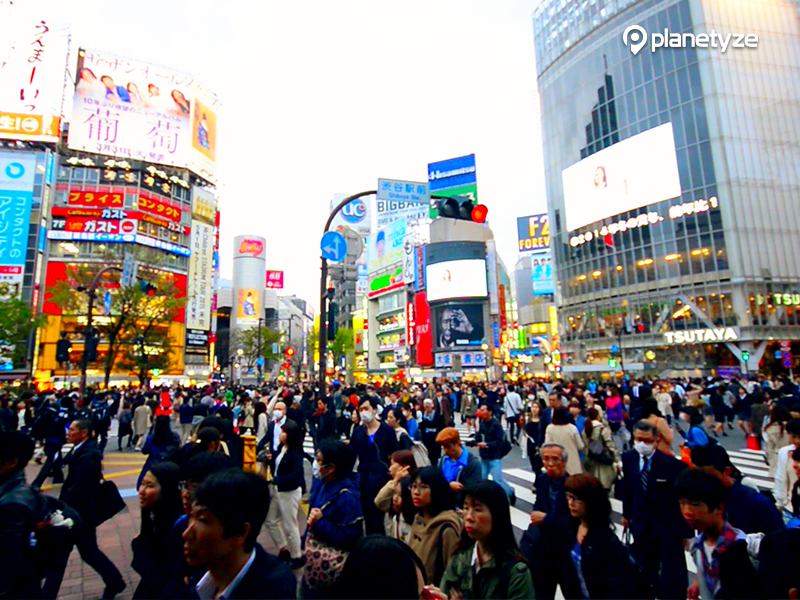
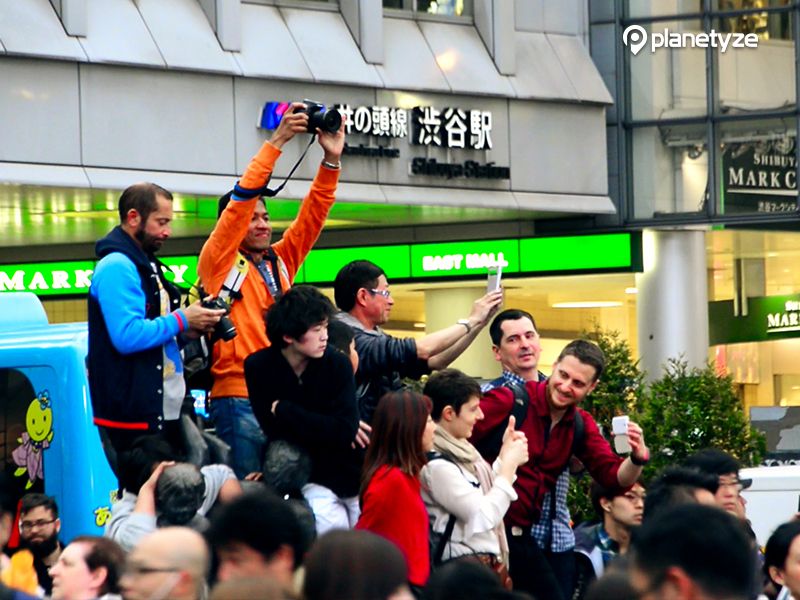
Shibuya Crossing is one of the most famous tourist attractions in Tokyo. It is a pedestrian scramble intersection, where thousands of people cross the street at once, creating a mesmerizing spectacle of human activity. The crossing is located just outside the Shibuya Station, and it is estimated that more than one million people cross the intersection every day. The best time to witness the crossing’s chaotic beauty is at night when the neon lights of the surrounding buildings create an even more dramatic effect.
Hachiko Statue
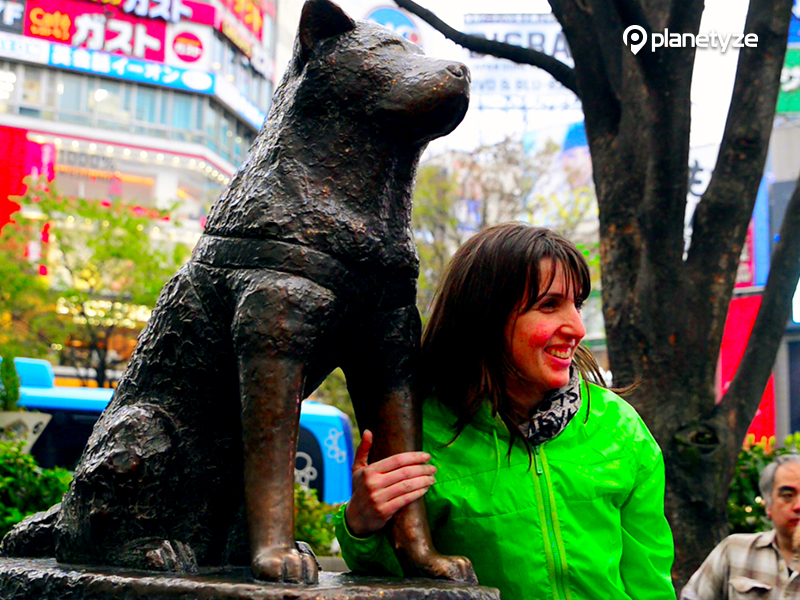
Located in front of the Shibuya Station is the Hachiko Statue, a tribute to a loyal dog that became a symbol of loyalty and devotion in Japan. The statue was erected in honor of a dog named Hachiko, who would greet his owner every day at the Shibuya Station after work. When his owner passed away, Hachiko continued to visit the station every day for nine years, waiting for his owner to return. The statue is a popular meeting spot for locals and tourists alike and serves as a reminder of the loyalty and devotion that is highly valued in Japanese culture.
Meiji Shrine
Meiji Shrine is one of the most important Shinto shrines in Japan, dedicated to the deified spirits of Emperor Meiji and his wife, Empress Shoken. The shrine is located in a forested area near the Harajuku Station, just a short walk from Shibuya. The shrine is a popular destination for visitors looking to experience traditional Japanese culture and spirituality. The shrine’s serene surroundings provide a respite from the hustle and bustle of the city, and the traditional architecture and design of the shrine are a testament to Japan’s rich cultural heritage.
Yoyogi Park
Yoyogi Park is one of the largest parks in Tokyo, located in the heart of the city, just a short walk from Shibuya. The park is a popular destination for locals and tourists alike, offering a peaceful escape from the busy city streets. The park is home to a wide range of attractions, including ponds, gardens, and temples. It is also a popular spot for outdoor activities such as jogging, cycling, and picnicking.
Culture
Fashion
Shibuya is a fashionista’s paradise, home to some of the trendiest and most exclusive fashion stores in Tokyo. The neighborhood is known for its cutting-edge fashion, with many of the world’s leading fashion brands setting up shop in Shibuya. The area is also home to numerous boutique stores, offering unique and one-of-a-kind fashion pieces that cannot be found elsewhere. Shibuya’s fashion scene is highly influential, with many designers and fashion icons looking to the neighborhood for inspiration.
Music
Shibuya has long been a center of the music scene in Tokyo, with numerous clubs and live music venues catering to a wide range of tastes. The neighborhood is known for its vibrant nightlife, with many young people flocking to Shibuya’s clubs and bars to dance the night away. Shibuya is also home to several record stores, catering to a diverse range of music enthusiasts. The neighborhood’s love for music and its role in shaping youth culture is a testament to Shibuya’s status as a cultural hub.
Food
Shibuya is a foodie’s paradise, offering a wide range of culinary delights to suit any taste. The neighborhood is known for its diverse food scene, with everything from traditional Japanese cuisine to international dishes available. The area is home to numerous restaurants, ranging from casual eateries to high-end dining establishments. Shibuya is also famous for its street food, with many vendors selling delicious snacks and treats on the neighborhood’s busy streets.
Conclusion
Shibuya is a vibrant and dynamic neighborhood in Tokyo, offering visitors a unique blend of modernity and tradition. Its rich history, cultural attractions, and dynamic fashion and music scenes have made Shibuya a must-visit destination for anyone traveling to Tokyo. From the iconic Shibuya Crossing to the serene Meiji Shrine, there is something for everyone in this bustling neighborhood. Shibuya’s love for fashion, music, and food, coupled with its role in shaping youth culture, make it a true cultural hub, and a testament to Tokyo’s unique and fascinating character.