


The High Line New York
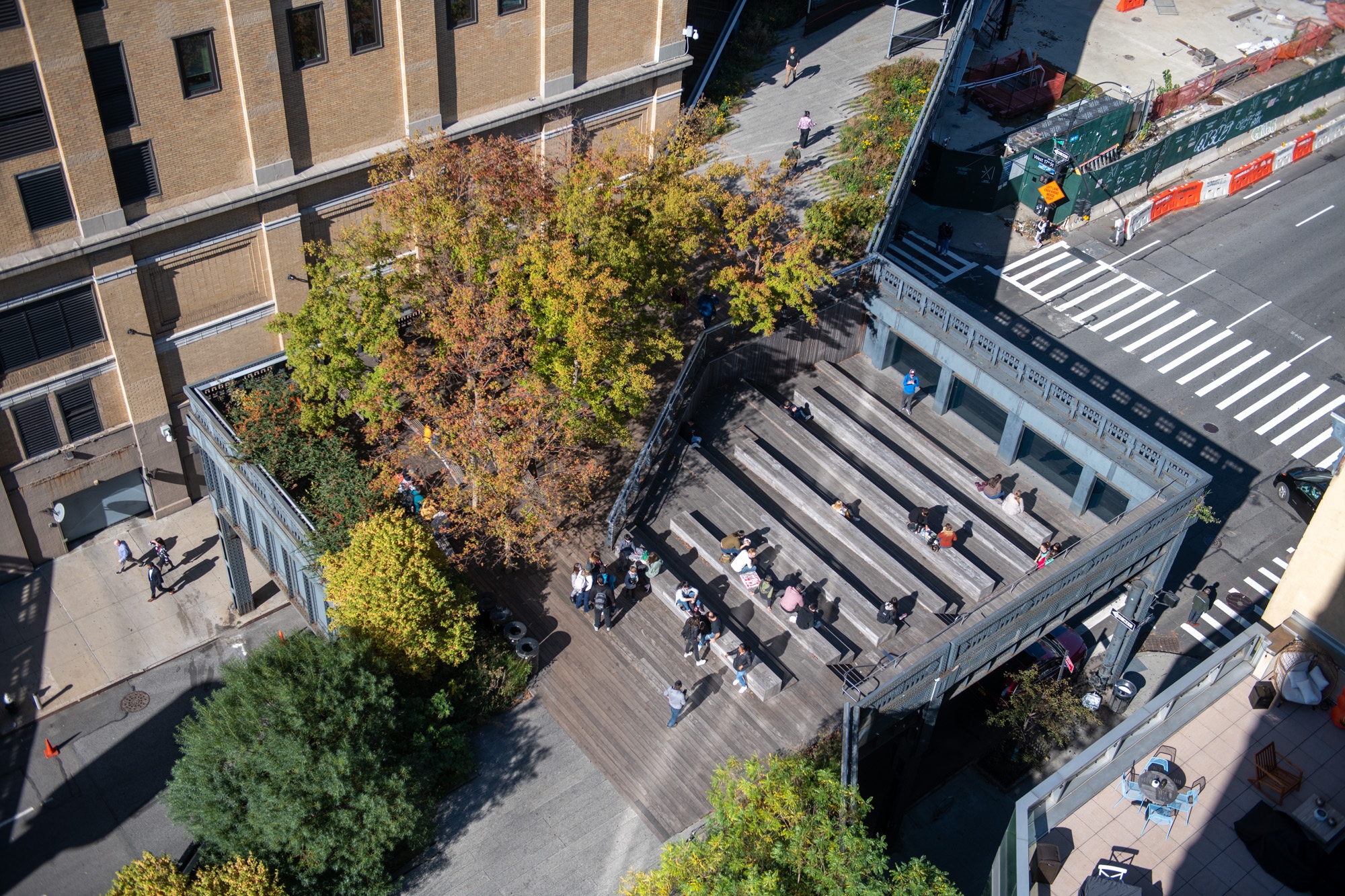
The High Line is a unique and popular public park in New York City, located on a former elevated railway track in the heart of Manhattan. The park is a prime example of urban renewal and adaptive reuse, and it has become a beloved destination for locals and tourists alike.
The High Line was originally built in the 1930s as part of a freight rail system that ran along the west side of Manhattan. The railway was used to transport goods to and from the city’s industrial district, and it was elevated above street level in order to reduce traffic congestion.
By the 1980s, however, the railway had fallen into disuse, and the elevated track had become an eyesore and a safety hazard. At the same time, the area around the track had begun to undergo a process of urban renewal, with a number of new residential and commercial developments being built in the neighborhood.
In the early 2000s, a group of local residents and community activists began advocating for the conversion of the abandoned railway track into a public park. The idea was to create a new green space in a densely populated and largely urban area, and to preserve the historic railway structure in the process.
The project was championed by Friends of the High Line, a non-profit organization that was formed to support the creation of the park. The organization worked with the city government, community groups, and private donors to secure funding and support for the project.
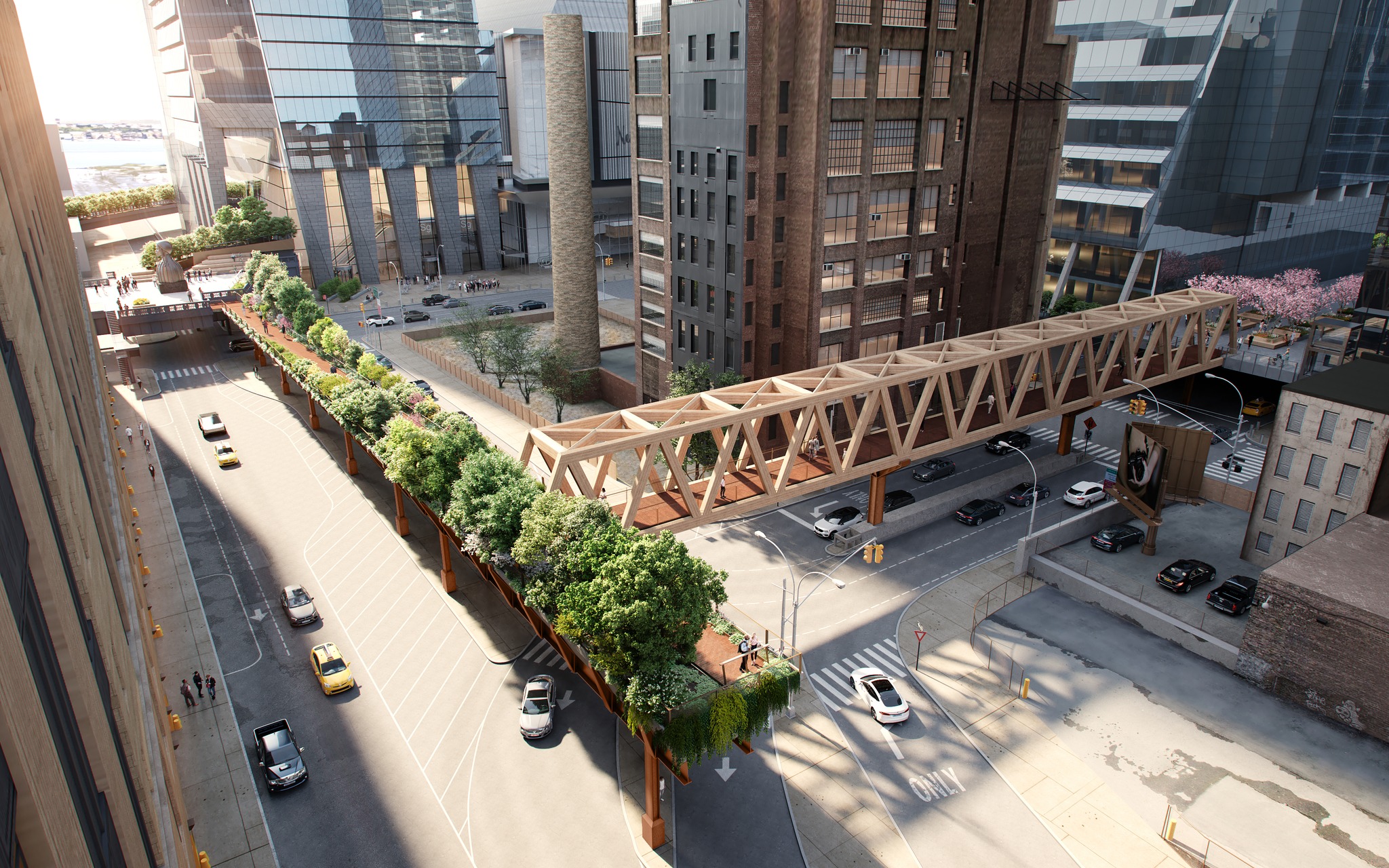
The design for the park was created by the landscape architecture firm James Corner Field Operations, in collaboration with the architecture firm Diller Scofidio + Renfro. The park’s design was intended to be both functional and aesthetically pleasing, with a series of meandering pathways, seating areas, and gardens that were designed to maximize the park’s limited space.
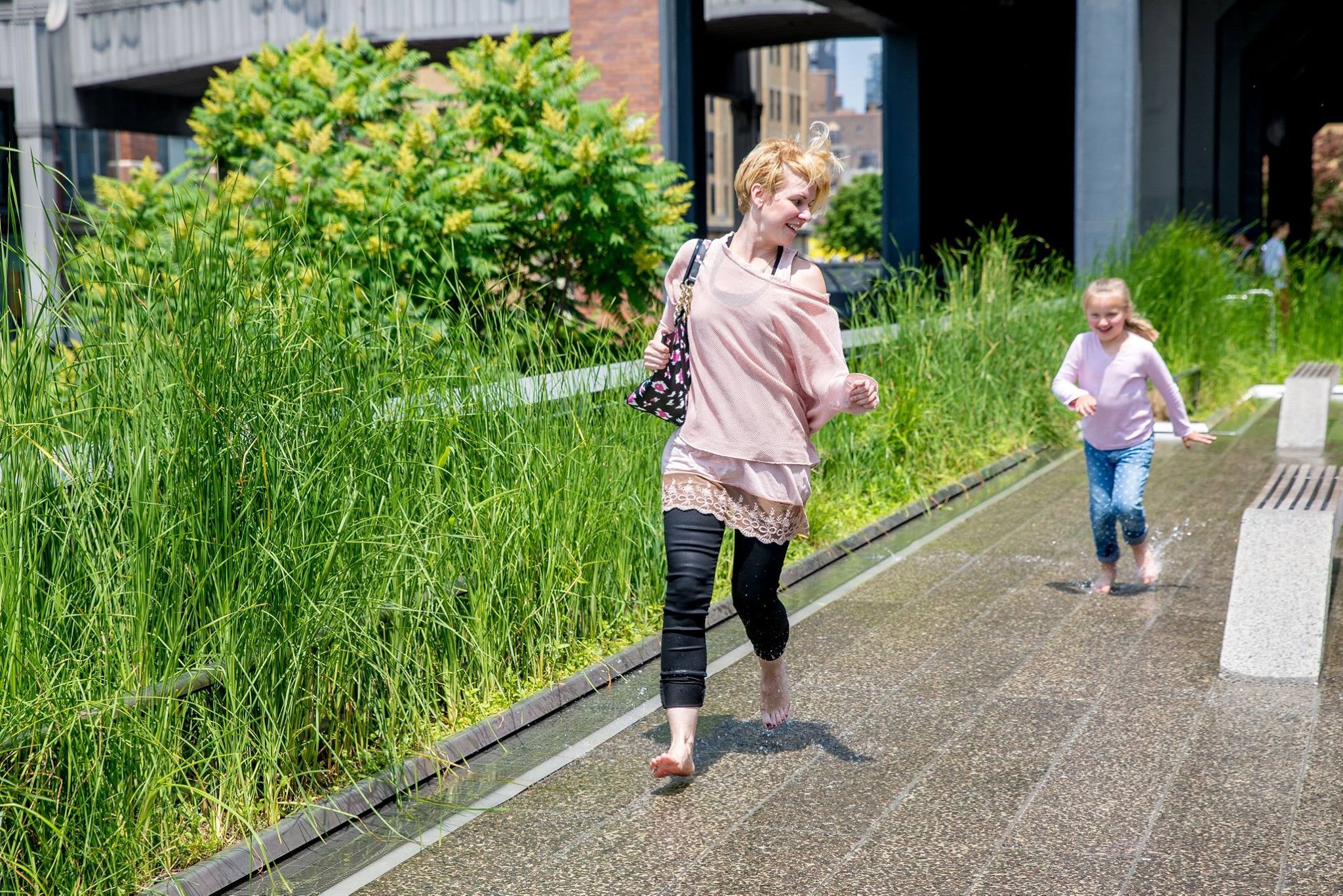
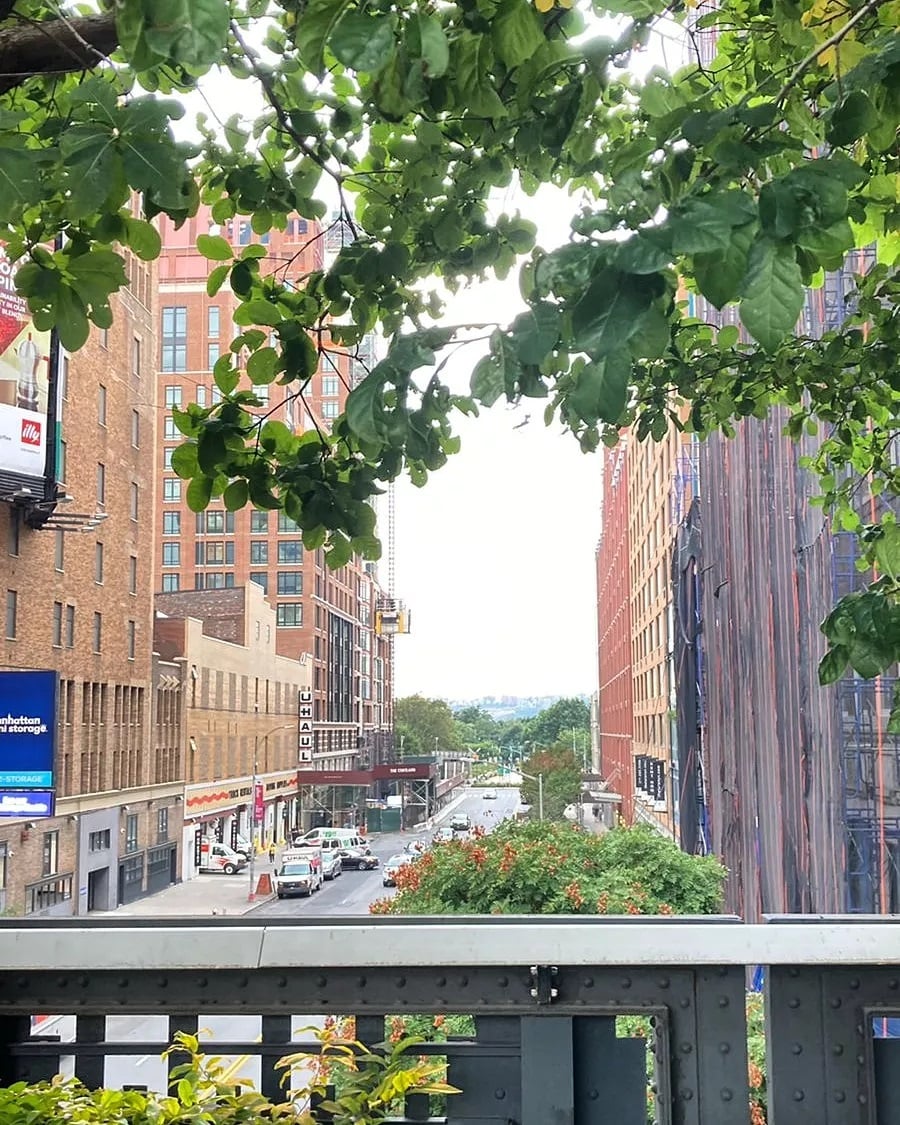
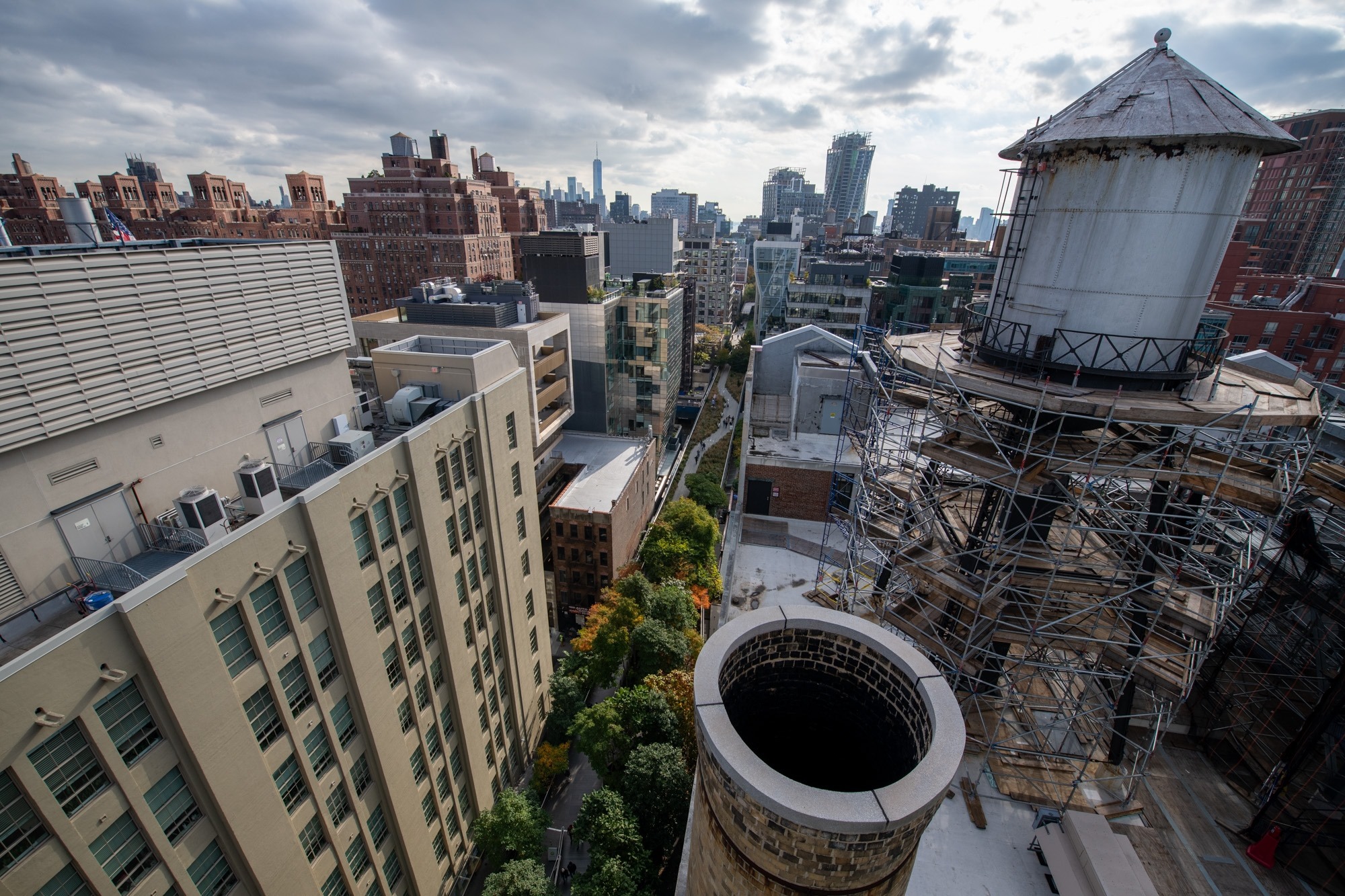
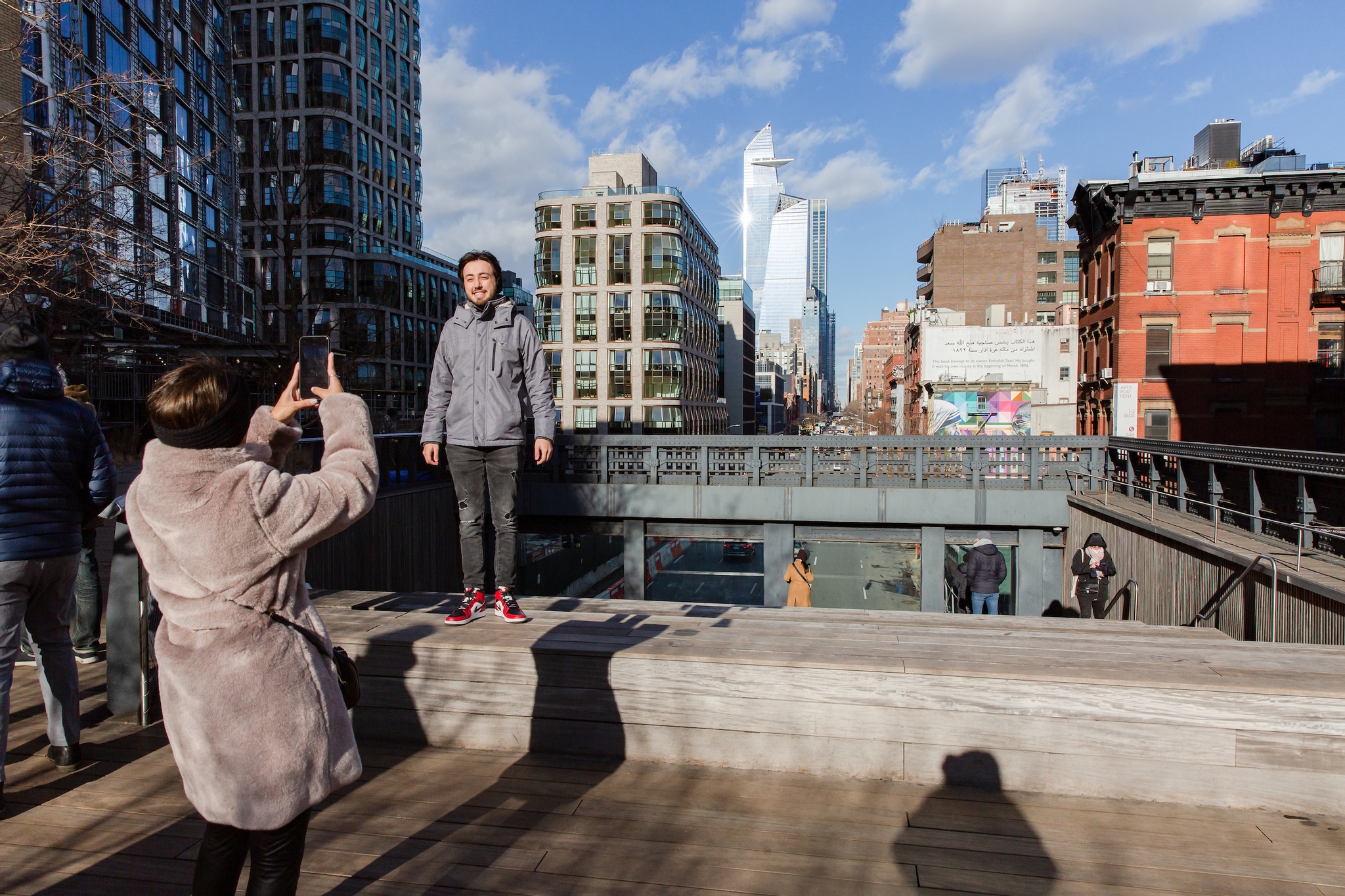
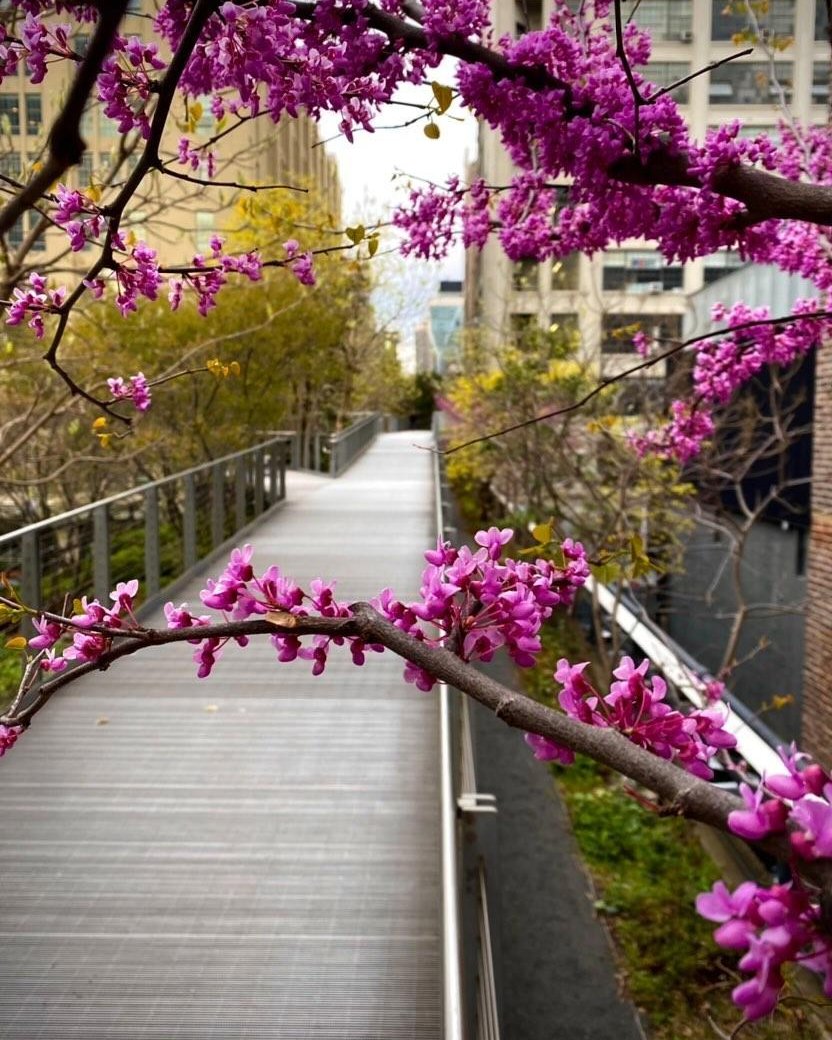
The park was opened to the public in 2009, and it quickly became a popular destination for locals and tourists alike. The park’s elevated location provides stunning views of the city skyline, while its unique design and greenery make it a peaceful and tranquil oasis in the midst of a busy city.
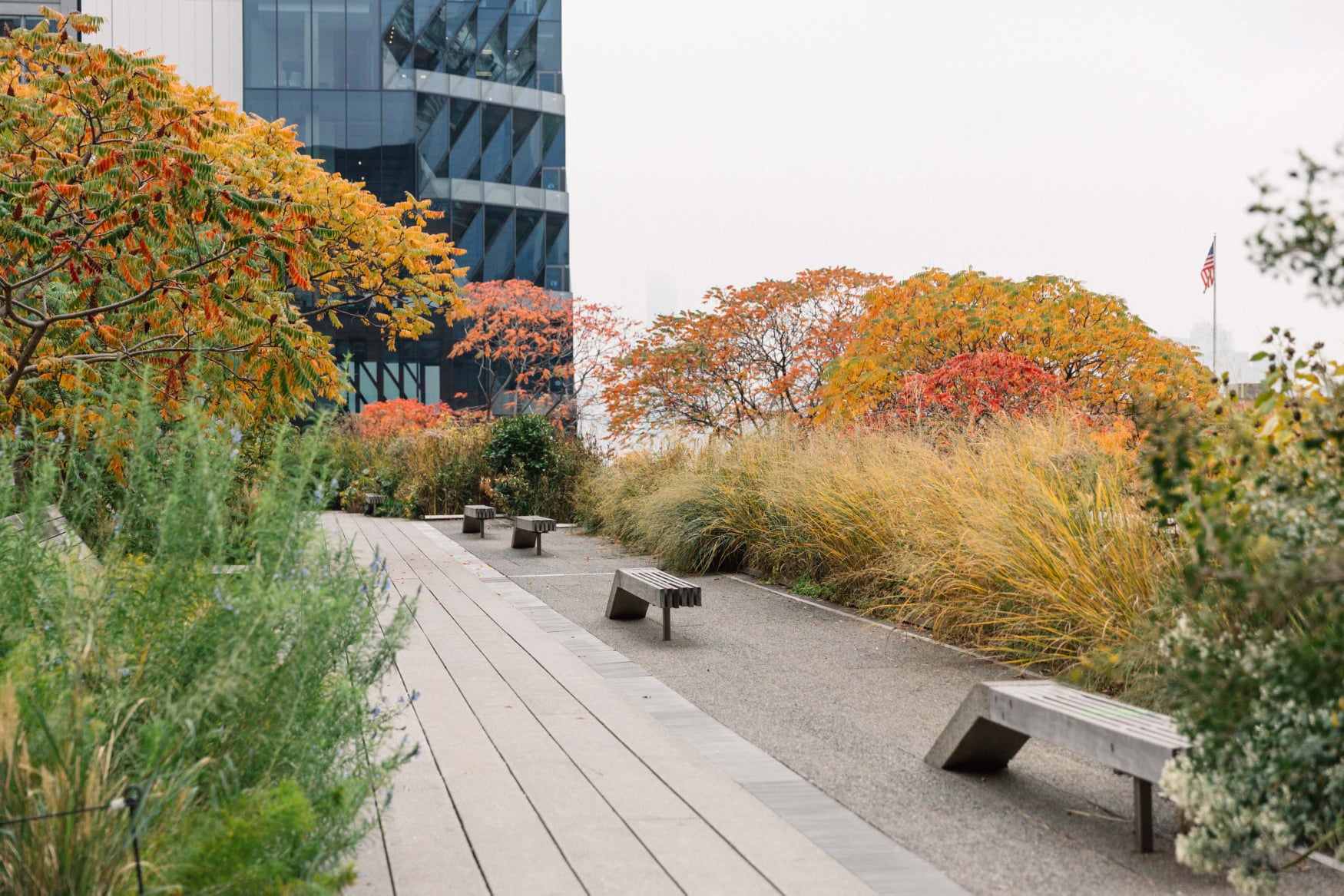
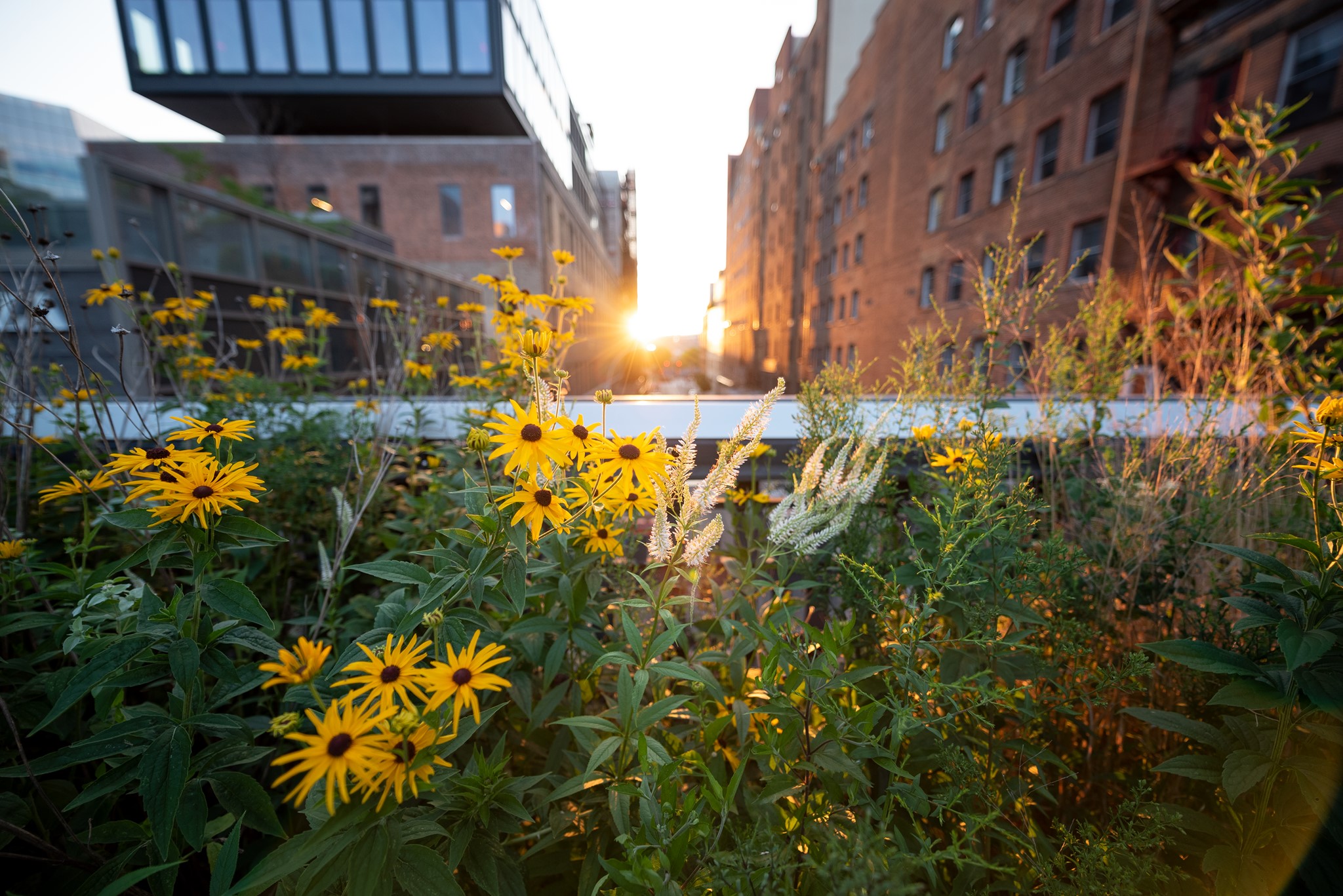
The High Line is home to a wide range of plant species, many of which are native to the area. The park’s gardens and green spaces are carefully maintained and curated, and they provide a habitat for a variety of wildlife, including birds and insects.
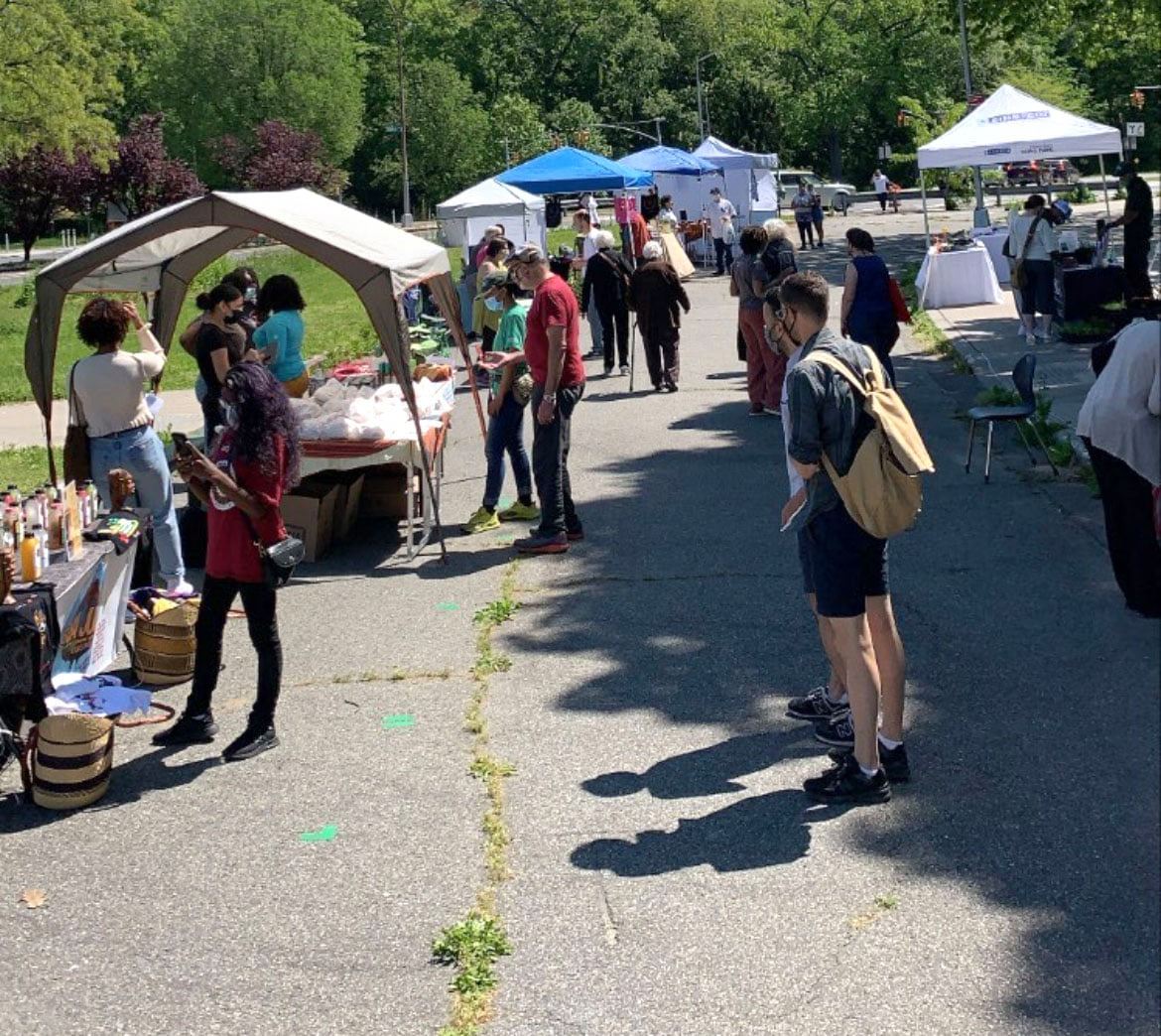
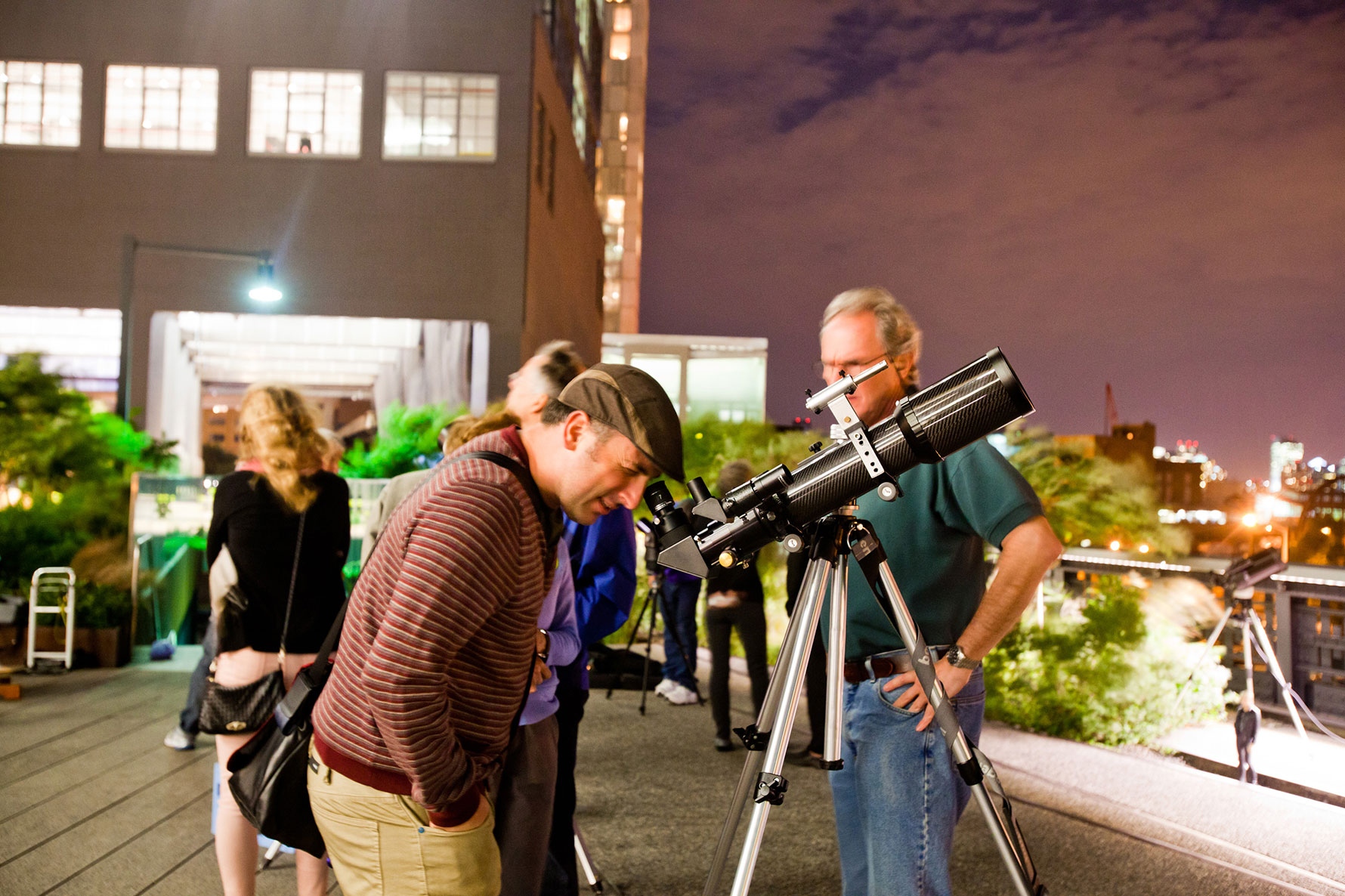
In addition to its natural beauty, the High Line is also home to a number of public art installations and cultural events. The park regularly hosts exhibitions, performances, and other events, many of which are free and open to the public.
The High Line’s impact on the surrounding neighborhood has been significant. The park has become a major attraction for visitors to the area, and it has helped to drive economic development and investment in the surrounding community. The park has also been credited with helping to preserve the historic character of the neighborhood, and with providing a new model for urban renewal and adaptive reuse in other cities around the world.
However, the park has also faced some criticism and challenges over the years. The park’s popularity has led to issues with overcrowding and noise, and there have been concerns about the impact of the park on nearby businesses and residents. In addition, the park’s success has led to rising property values and rents in the surrounding area, which has made it more difficult for some residents to afford to live in the neighborhood.
Despite these challenges, the High Line remains one of the most unique and beloved public spaces in New York City. Its success has inspired similar projects in cities around the world, and it has helped to demonstrate the potential for adaptive reuse and urban renewal in urban areas. The High Line is a testament to the power of community activism and collaboration, and it stands as a symbol of hope and possibility for the future of urban life.
Maps
Opening Hours
Video
FAQ's
How should I plan for my visit?
Before the date of your visit, make sure to review park rules and COVID-related visitor precautions.
Is there a fee to enter the High Line?
No
What are the hours of operation?
The High Line’s hours vary by season: Fall (October 1 – November 30): 7am to 10pm Winter (December 1 – March 31): 7am to 7pm Spring (April 1 – May 31): 7am to 10pm Summer (June 1 – September 30): 7am to 11pm
Can I book a group visit or guided tour?
Yes. Please visit our Private Tours page to learn more.
Will any activities or tours be available during my visit?
We are pleased to offer free public tours on Tuesdays, Wednesdays, and Saturdays from May to October and on Wednesdays and Saturdays from November to April. If you’re interested in a private tour, visit our Private Tours page for more information.
I have a mobility concern. Can I use any elevator?
Elevators are available at Gansevoort Street, 14th Street, 23rd Street, and 30th Street entrances. Access is also available through Hudson Yards at 30th Street. Be sure to check the elevator status before you arrive.
When will the Western Railyards Interim Connection be reopened?
There is no set date for when the High Line will fully reopen; it will be based on when we can do so safely.
How is the High Line working to keep visitors safe and healthy? What precautions are expected of me as a visitor?
Visit our Visitor Health & Safety page for more information on how we’re keeping our staff and visitors safe. We need visitors’ help too to maintain a healthy environment in the park; please read visitor precautions before you visit.
Will I be able to sit on a bench?
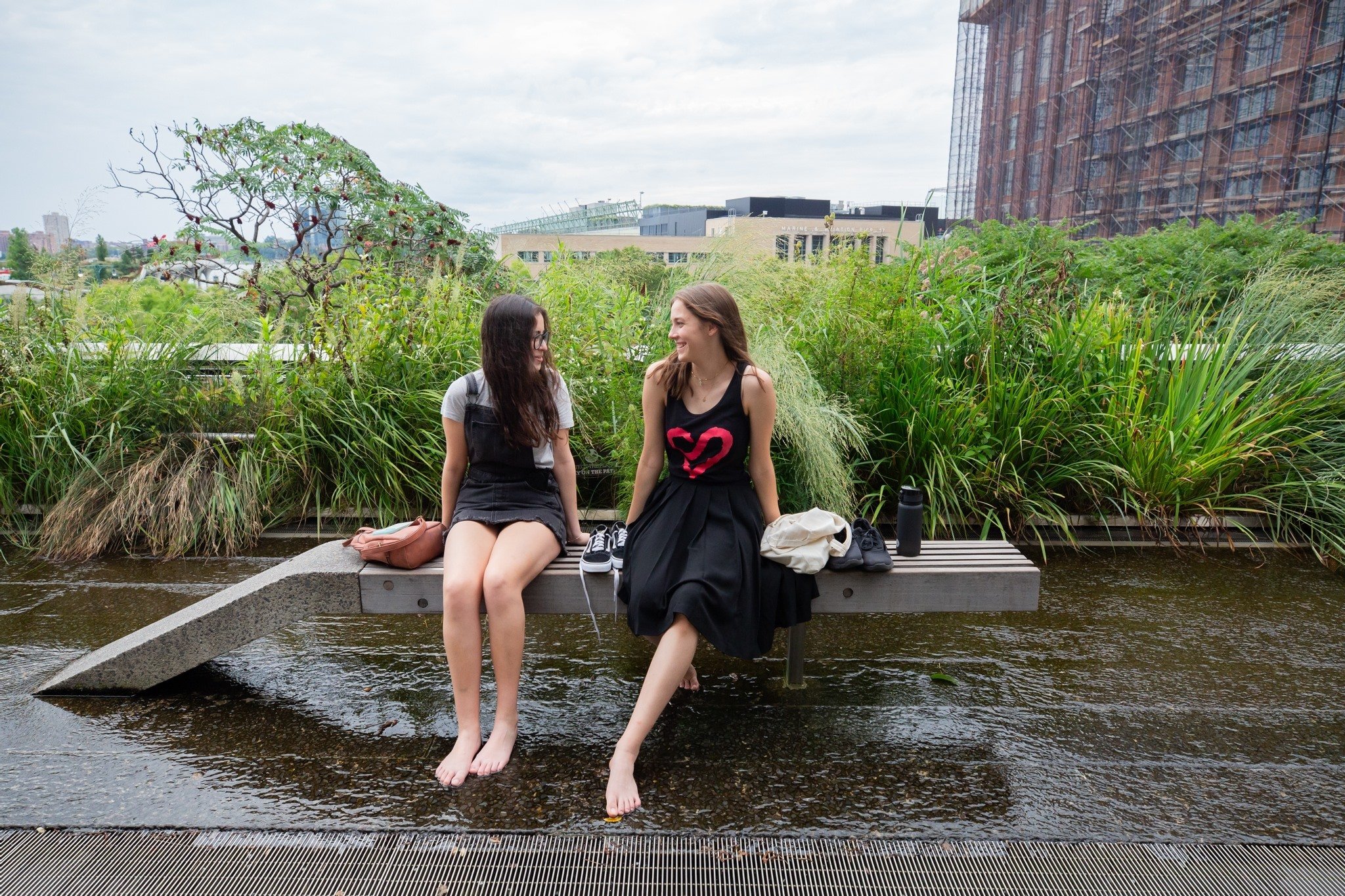
Benches are available. Please be courteous and give priority to elderly persons, persons with disabilities, and pregnant persons. Maintain social distancing while using benches.
Will food and beverage be available during my visit?
Our food and beverage vendors are open from April to October. More information on is available on our Eat & Drink page.
Should I wear a mask?
We ask that you wear a mask or face covering in restrooms and elevators. Masks are encouraged when walking the park.
What is the High Line?
The High Line is a public park built on a 1.45-mile-long elevated rail structure running from Gansevoort St. to 34th St. on Manhattan’s West Side. The High Line was founded by neighborhood residents in 1999 to prevent the elevated rail track from being demolished. With the close partnership of the New York City Department of Parks & Recreation, the High Line has transformed into a public space where every New Yorker and visitor is welcome and can experience the intersection of nature, art, and design. The High Line also facilitates a national learning community, called the High Line Network, for leaders of similar projects.
Who is Friends of the High Line?
Friends of the High Line, a nonprofit organization, oversees the public programming, public art, maintenance, and operations for the High Line. We raise nearly 100% of the High Line’s annual budget. You can spot our staff and volunteers in the park wearing t-shirts or other clothing with the High Line logo along with identification badges.
What was the High Line used for?
As a freight rail line, the High Line was in operation from 1934 to 1980. It carried meat to the Meatpacking District, agricultural goods to the factories and warehouses of the industrial West Side, and mail to the Post Office.
Who owns the High Line?
The High Line is owned by the City of New York and is under the jurisdiction of the New York City Department of Parks & Recreation. It was donated to the City by CSX Transportation, Inc. The land beneath the High Line is owned in parcels by New York State, New York City, and more than 20 private property owners.
Is the High Line wheelchair accessible?
Yes. The entire High Line is wheelchair accessible. Check out our Visitor Info page to learn more. If you’re planning a visit, please also visit our elevator status page.
Why aren’t dogs allowed on the High Line?
We know many of our supporters are dog owners, and setting our “no dogs” rule was a tough decision. Ultimately, the rule is necessary because of the limited space in the park, the large number of visitors, and—most importantly—the health of the High Line’s landscape. The park’s planking system was designed to direct rainwater runoff towards the planting beds. This means that dog urine, which is highly acidic, would end up in the soil and damage the plants. We appreciate your understanding.
Who can I ask for help while on the High Line?
You can spot our staff and volunteers, who wear t-shirts or other clothing with the High Line logo (and/or identification badges).
When did the High Line open to the public?
The High Line was constructed and opened in stages. The first section, from Gansevoort St. to 20th St., opened in June 2009. The park extended to 30th St. in 2011, and the High Line at the Rail Yards opened in 2014. The last section of the original High Line—the Spur at 30th Street and 10th Avenue—opened in spring 2019.
Who designed the High Line?
The design team was selected in 2004 by Friends of the High Line and the City of New York: James Corner Field Operations (project lead), a landscape architecture firm; Diller Scofidio + Renfro, an architecture firm; and planting designer Piet Oudolf.
How is the High Line sustainable?
The High Line is inherently “green”—it repurposes a piece of industrial infrastructure as public green space. As a landscape, the High Line also serves the function that a green roof would serve in the city, reducing the amount of storm-water that runs into the sewer system, because the park’s pathways allow water to drain into the adjacent planting beds. We at the High Line are committed to enhancing our sustainability in all operations and maintenance as well; read more on our Sustainable Practices page.