




Topkapi Palace Museum is one of the most important historical and cultural sites in Istanbul, Turkey. The palace served as the main residence and administrative center of the Ottoman sultans from the 15th to the 19th century. Today, it has been converted into a museum that showcases the rich cultural heritage of the Ottoman Empire. The palace is located on a hill overlooking the Golden Horn and the Bosphorus Strait and offers stunning views of the city.
History
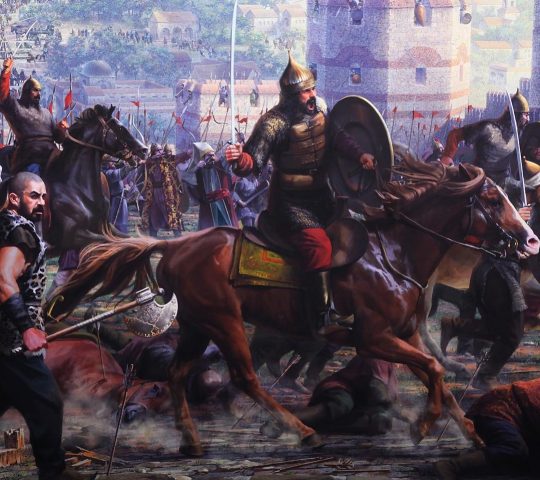
Topkapi Palace was constructed in the mid-15th century by Sultan Mehmed II after the conquest of Constantinople. The palace was designed to serve as the main residence and administrative center of the Ottoman sultans. Over the years, the palace underwent several renovations and additions, expanding in size and grandeur. At its peak, the palace complex had more than 4,000 rooms, with a total area of 700,000 square meters.
The palace served as the center of political power for the Ottoman Empire, and the sultans used it to conduct official business, host foreign dignitaries, and entertain guests. The palace also housed the sultan’s harem, which was home to his wives, concubines, and female servants.
The palace remained the seat of Ottoman power until the late 19th century, when the sultans moved their residence to the newly built Dolmabahce Palace. After the establishment of the Turkish Republic, the palace was converted into a museum and opened to the public in 1924.
Exhibits
The Topkapi Palace Museum is divided into several sections, each showcasing a different aspect of Ottoman life and culture. The exhibits include:
- Imperial Treasury: This section of the museum features a stunning collection of jewelry, gold, silver, and other precious objects. The highlights of the collection include the Spoonmaker’s Diamond, the Topkapi Dagger, and the 86-carat Kasikci Diamond.
- Islamic Art: This section of the museum features a vast collection of Islamic art, including calligraphy, ceramics, and textiles. The collection includes works from the 8th to the 19th century, and showcases the rich cultural heritage of the Islamic world.
- Arms and Armors: This section of the museum showcases the military history of the Ottoman Empire. The collection includes swords, shields, guns, and other weapons used by the Ottomans in battle.
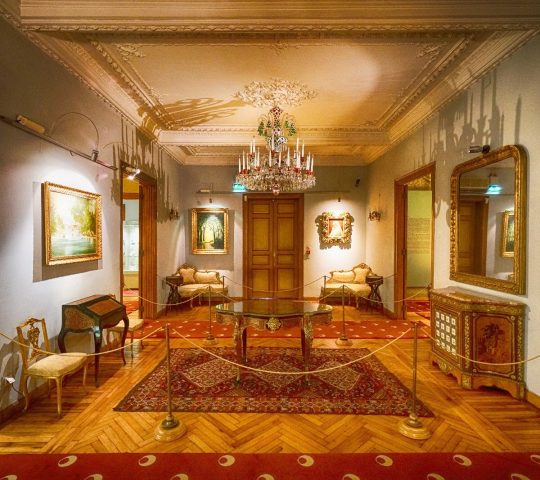
- Harem: This section of the museum provides a glimpse into the private lives of the Ottoman sultans. The harem housed the sultan’s wives, concubines, and female servants. The exhibits include the sultan’s throne room, the baths, and the apartments of the concubines.
- Imperial Kitchens: This section of the museum showcases the culinary traditions of the Ottoman Empire. The exhibits include the kitchen, the bakery, and the dining room, and provide a fascinating insight into the diet and dining habits of the sultans.
- Sacred Relics: This section of the museum features a collection of holy relics, including the sword of the Prophet Mohammed and the cloak of the Prophet. The collection is considered one of the most important in the Islamic world.
Visitors can also explore the palace gardens, which offer stunning views of the Bosphorus and the Golden Horn. The gardens are home to several fountains, pavilions, and monuments, and provide a peaceful oasis in the heart of Istanbul.
Visiting Topkapi Palace Museum
The Topkapi Palace Museum is open to visitors every day except Tuesday. The museum is located in the heart of Istanbul, near the Sultanahmet district, and is easily accessible by public transportation.







It's such a beautiful place! Istanbul is stunning, and this place is a gem! This place is absolutely breathtaking in terms of its historical value! In the Islamic history, the story of the Emperor who lived here... every step was like walking in his footsteps. It was such a surreal experience. Views from here are also stunning! Must visit