
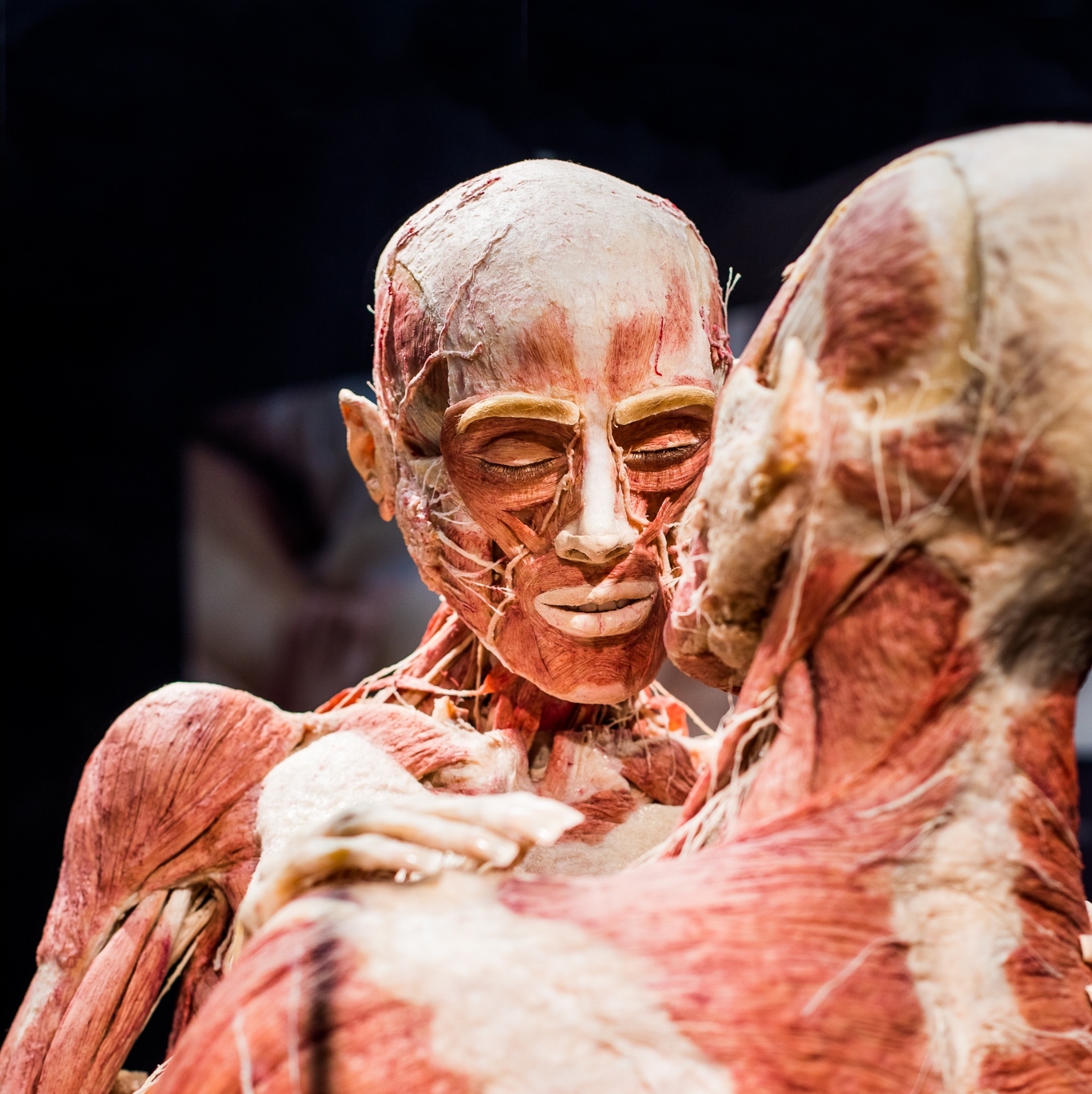
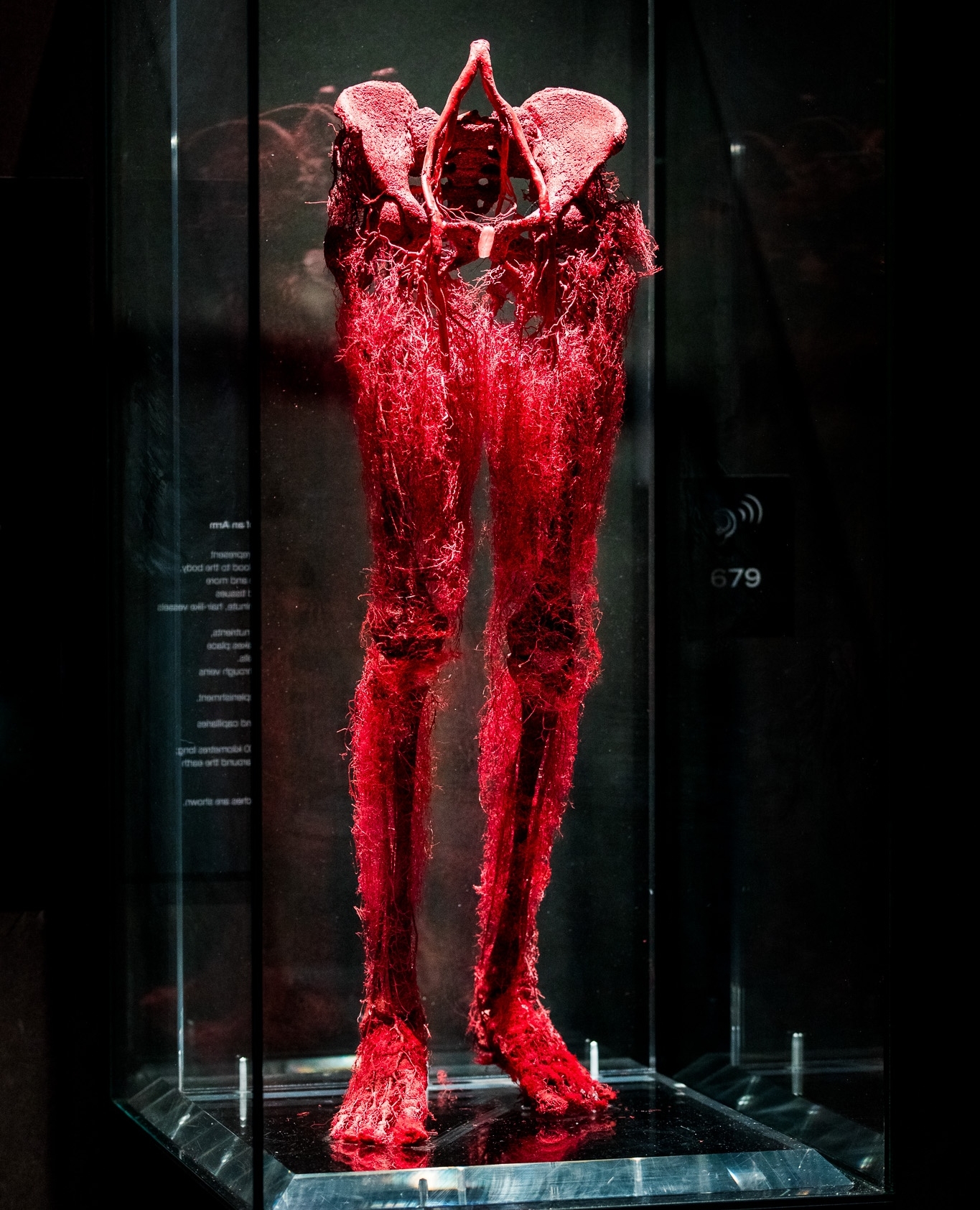

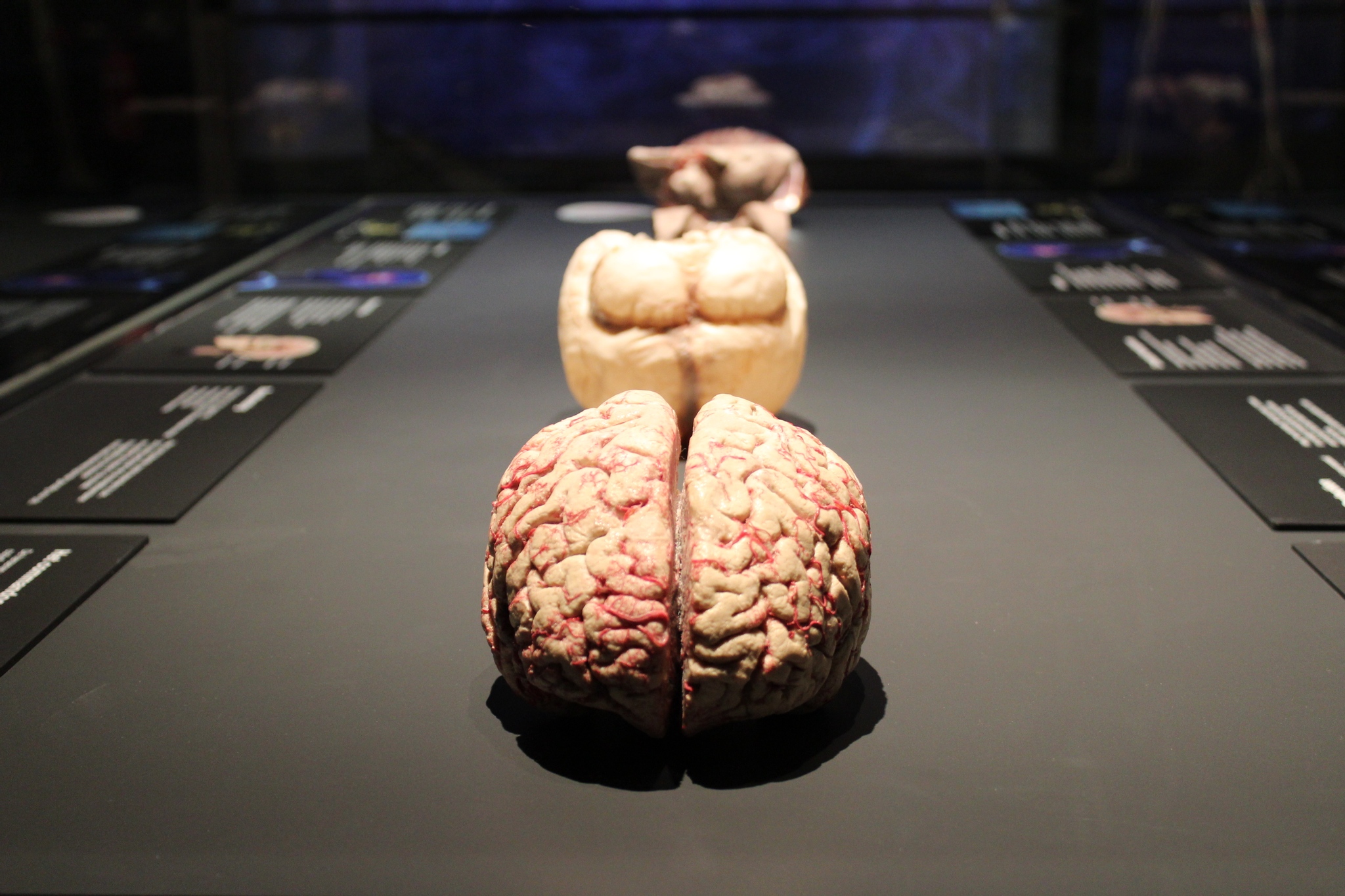

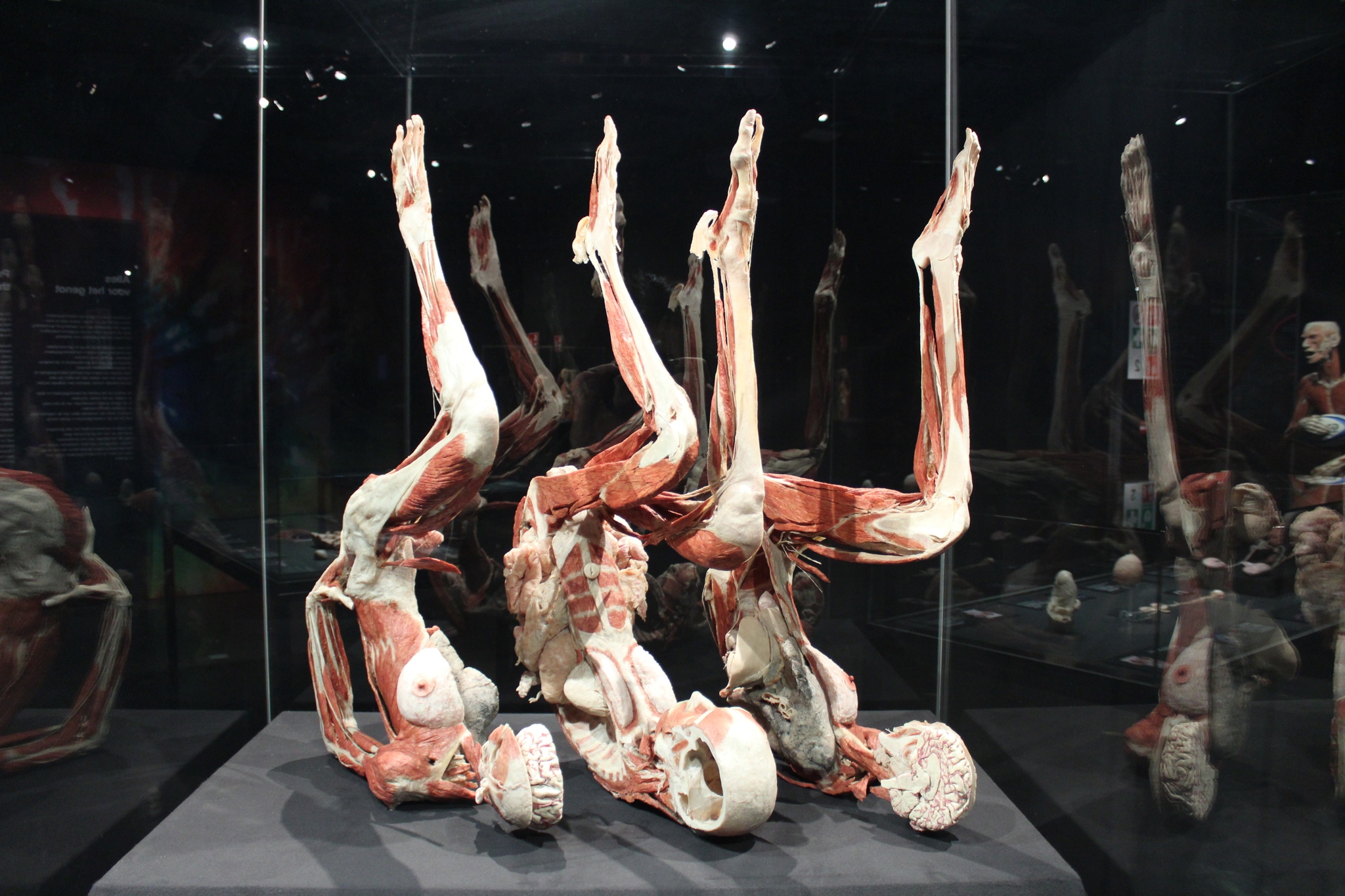

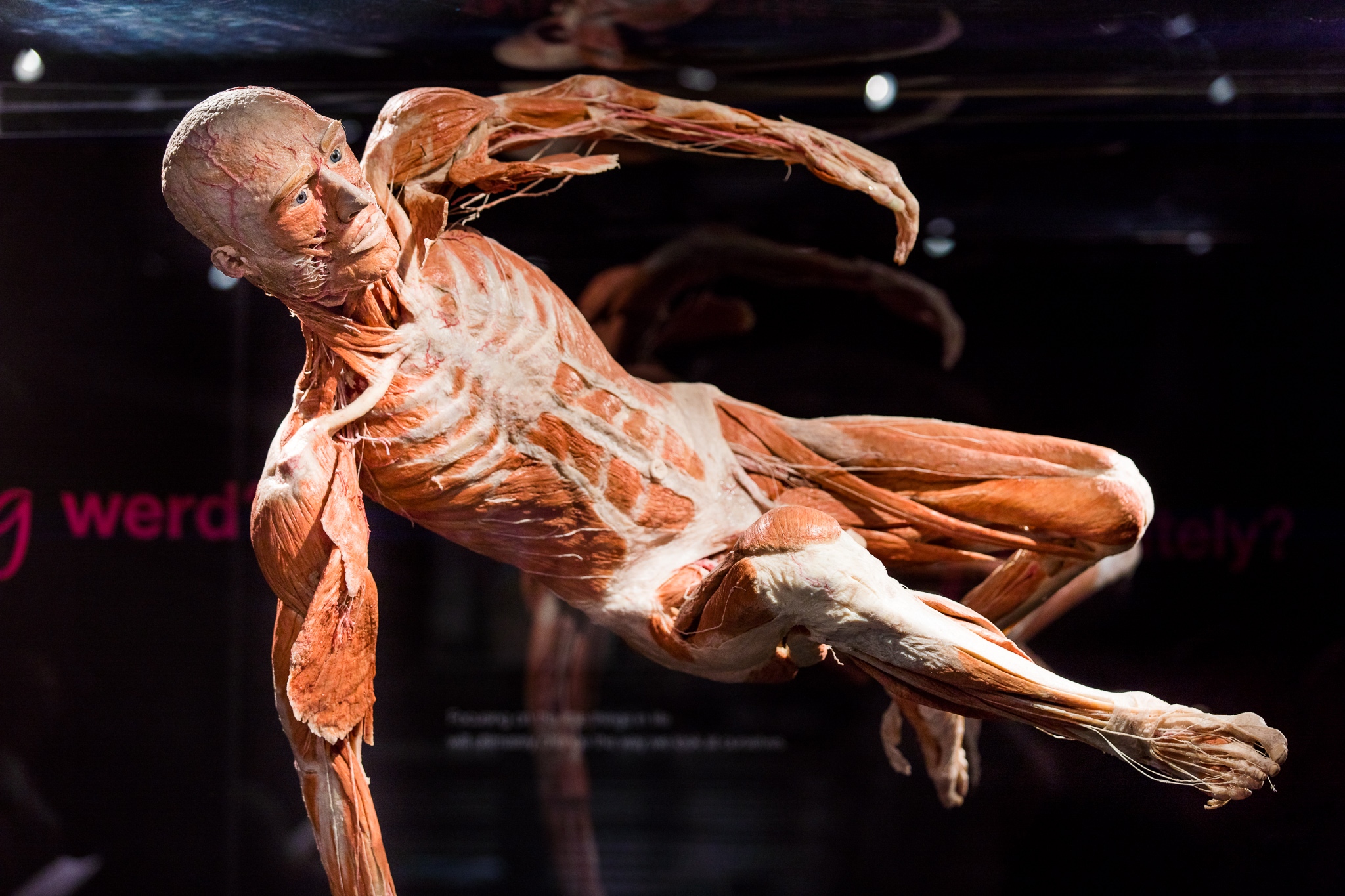


Body Worlds Amsterdam is a unique and fascinating cultural attraction that showcases the complex and amazing workings of the human body. The exhibition features real human bodies, preserved through a process known as plastination, that are used to demonstrate the complexity and intricacy of the human anatomy.
The exhibition was first created by German anatomist Gunther von Hagens in 1995, and has since been displayed in more than 100 cities around the world, attracting millions of visitors. The Amsterdam edition of Body Worlds is located in the city center and is one of the most popular tourist attractions in Amsterdam.
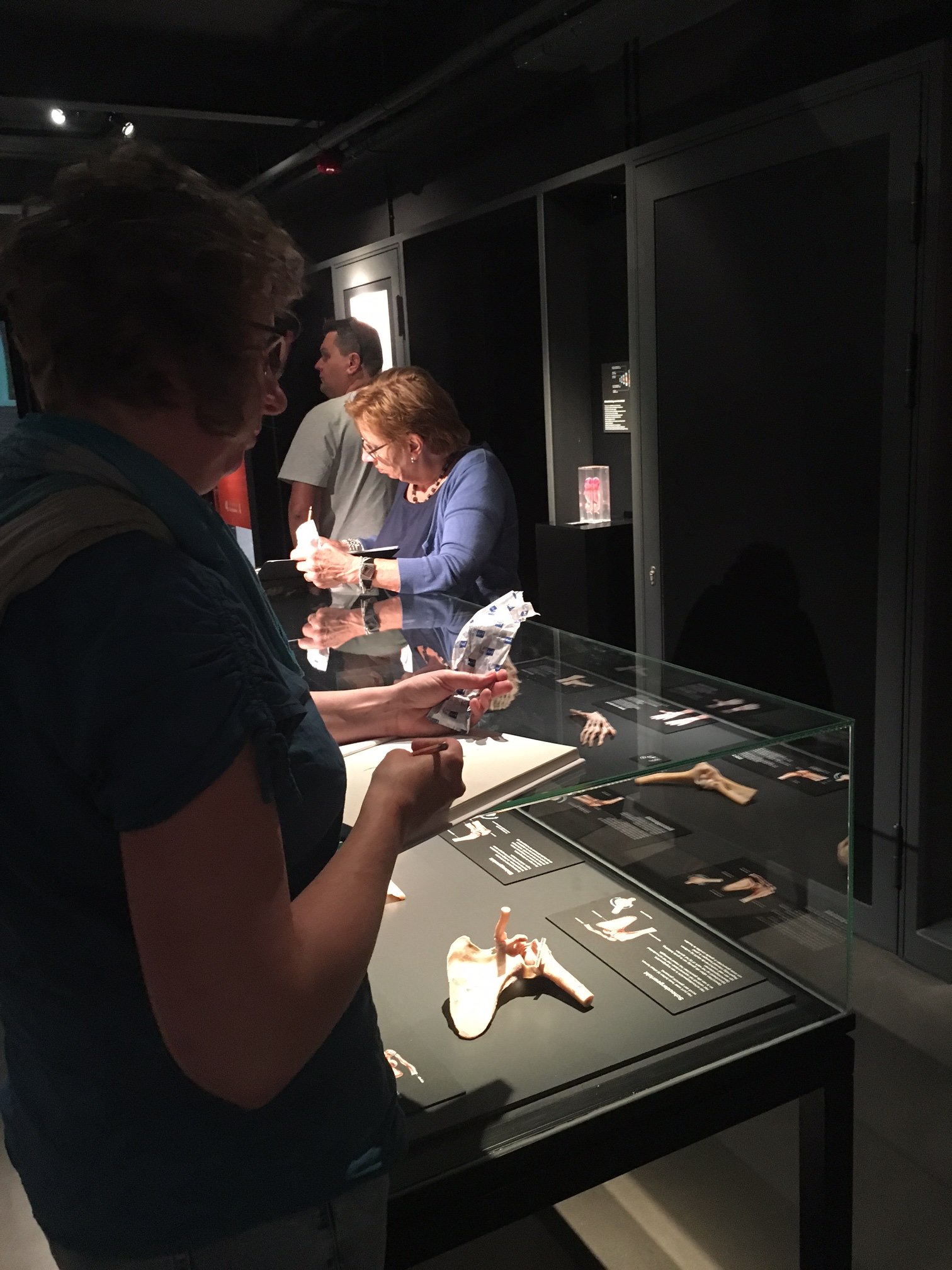
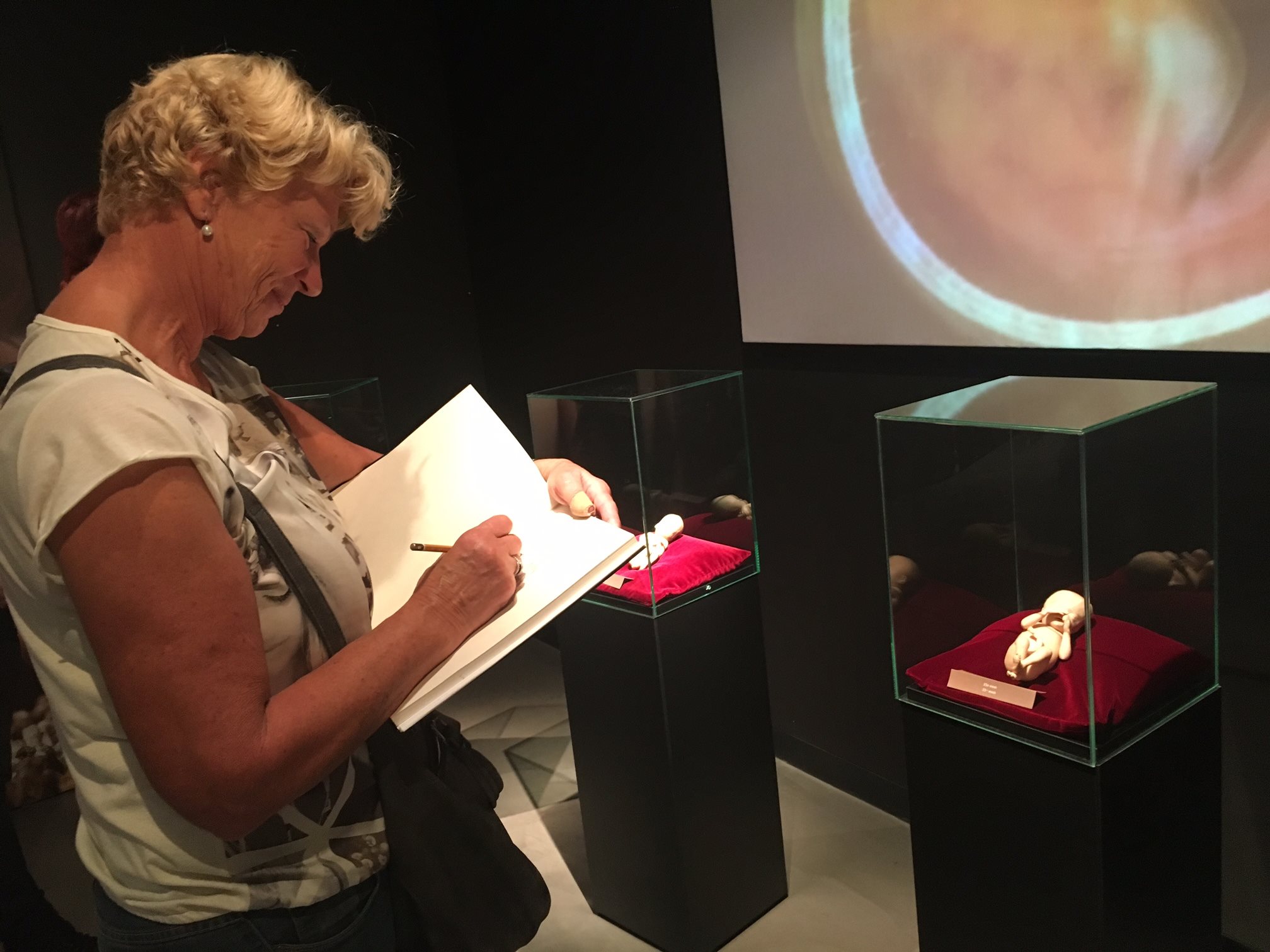
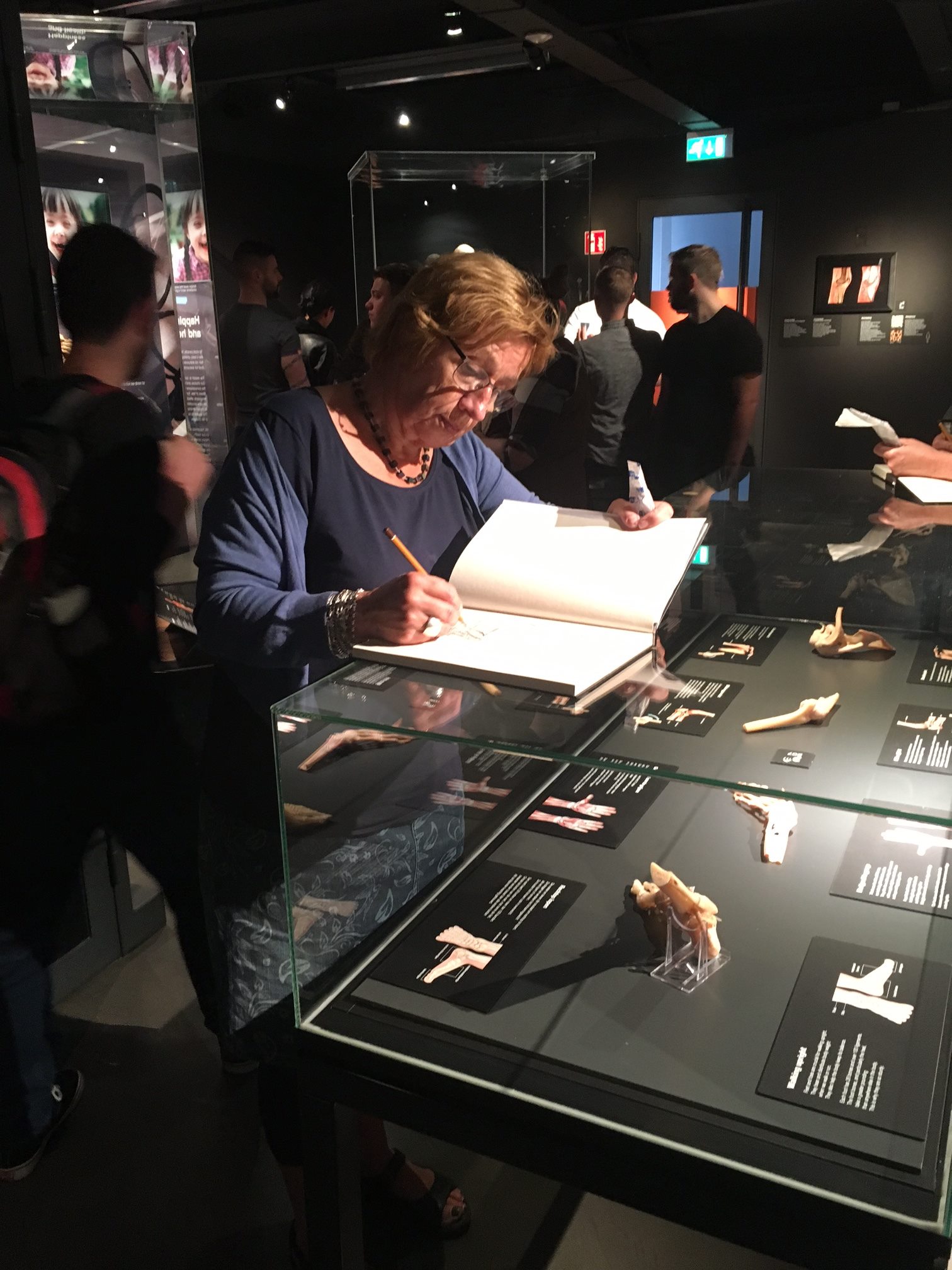
The exhibition features more than 200 real human specimens, including full body plastinates, individual organs, and transparent body slices, which are presented in a variety of interactive displays and exhibits. Visitors can explore the complexities of the human body through a range of multimedia installations, interactive exhibits, and informative displays.
One of the most fascinating aspects of the exhibition is the emphasis on the importance of healthy lifestyle choices, such as diet and exercise, in maintaining a healthy body. The exhibits showcase the effects of smoking, obesity, and other unhealthy lifestyle choices, providing visitors with a thought-provoking and impactful experience.
The exhibition is designed to be educational, informative, and engaging for visitors of all ages and backgrounds. The displays and exhibits are presented in a way that is accessible and easy to understand, providing a unique opportunity for visitors to learn about the human body and its complex systems in a way that is both fun and interactive.
Another unique aspect of Body Worlds Amsterdam is the ethical considerations that go into the creation and display of the plastinates. The bodies used in the exhibition are donated by individuals who have given their consent for their bodies to be used for educational and scientific purposes after their death. The exhibition takes great care to ensure that the bodies are treated with respect and dignity, and that the display is presented in a way that is appropriate and respectful.
In recent years, Body Worlds Amsterdam has become an important cultural institution in Amsterdam, providing a unique and engaging experience for visitors from all over the world. The exhibition is an important platform for promoting education, awareness, and appreciation of the human body, and for raising awareness of the importance of healthy lifestyle choices.
As Amsterdam continues to evolve and develop as a cultural destination, Body Worlds Amsterdam is likely to continue playing an important role in promoting education, awareness, and appreciation of the human body, and in inspiring and engaging visitors from all over the world.
In conclusion, Body Worlds Amsterdam is a unique and fascinating cultural attraction that provides visitors with a thought-provoking and impactful experience. The exhibition is designed to be educational, informative, and engaging for visitors of all ages and backgrounds, and showcases the complexities and intricacies of the human body in a way that is both fun and interactive. Whether you are a science enthusiast, a cultural explorer, or simply someone looking for a unique and unforgettable experience in Amsterdam, Body Worlds Amsterdam is an attraction that should not be missed.
Maps
Contact
Opening Hours
Video
FAQ's
What is BODY WORLDS: The Happiness Project?
BODY WORLDS: The Happiness Project is part of the world-famous exhibitions BODY WORLDS: The Original Exhibition of Real Human Bodies. These are worldwide exhibitions where real plastinated human bodies can be seen. Human bodies that have been treated in a special way so that the dissolution process is prevented. The plastination method was invented in 1977 by the German anatomist Dr. Gunther von Hagens.
What is plastination?
Plastination is a method in which the tissue fluid is replaced by reaction plastics such as silicone rubber with the aid of a special vacuum process. The decomposition and desiccation process is thus completely terminated. The patented plastination method makes it possible to view the inside of the human body in a unique way.
Where do the human preparations come from?
The exhibited pieces in the BODY WORLDS exhibitions all come from the donor program. People can sign up for this. They then indicate that their body, after death, may be used for medical science and education. Most of the whole bodies come from this donor program. Only a few organs, fetuses and specific preparations that have noticeable deviations come from old anatomical collections and institutes. It has been agreed with the donors that their identity and cause of death will not be made public. The exhibitions focus on the nature of the bodies and not on personal information. Currently, there are 13,000 registered donors in the Body Donation Program.
What is the purpose of BODY WORLDS?
The exhibitions of Gunter von Hägens aim to inform a broad public about the functioning of the human body. By means of the plastinates, the public gets an insight into the functioning of organs, the development of diseases and the effects that certain actions have on human health. With this BODY WORLDS wants to arouse the interest in anatomy and psychology, increase knowledge and encourage people to live healthier.
Why are the plastinates positioned this way?
The position of the plastinates has been determined with great care and serves an educational purpose. The bodies that are in an athletic position, for example, clearly show what the muscles do during exercise. The positions have been chosen to show the anatomy of the human body even better.
Can you touch the plastinates?
It is not allowed to touch the exhibited bodies.
Have the Ethical issues of these exhibitions been reviewed?
Before the opening of the American premiere of BODY WORLDS, a committee consisting of theologians, ethicists, academics and medical experts has extensively discussed the ethical issues that come with these exhibitions. Led by the Californian Science Center in Los Angeles, an 'Ethics Review of the origins of bodies in BODY WORLDS' was written based on this consultation.