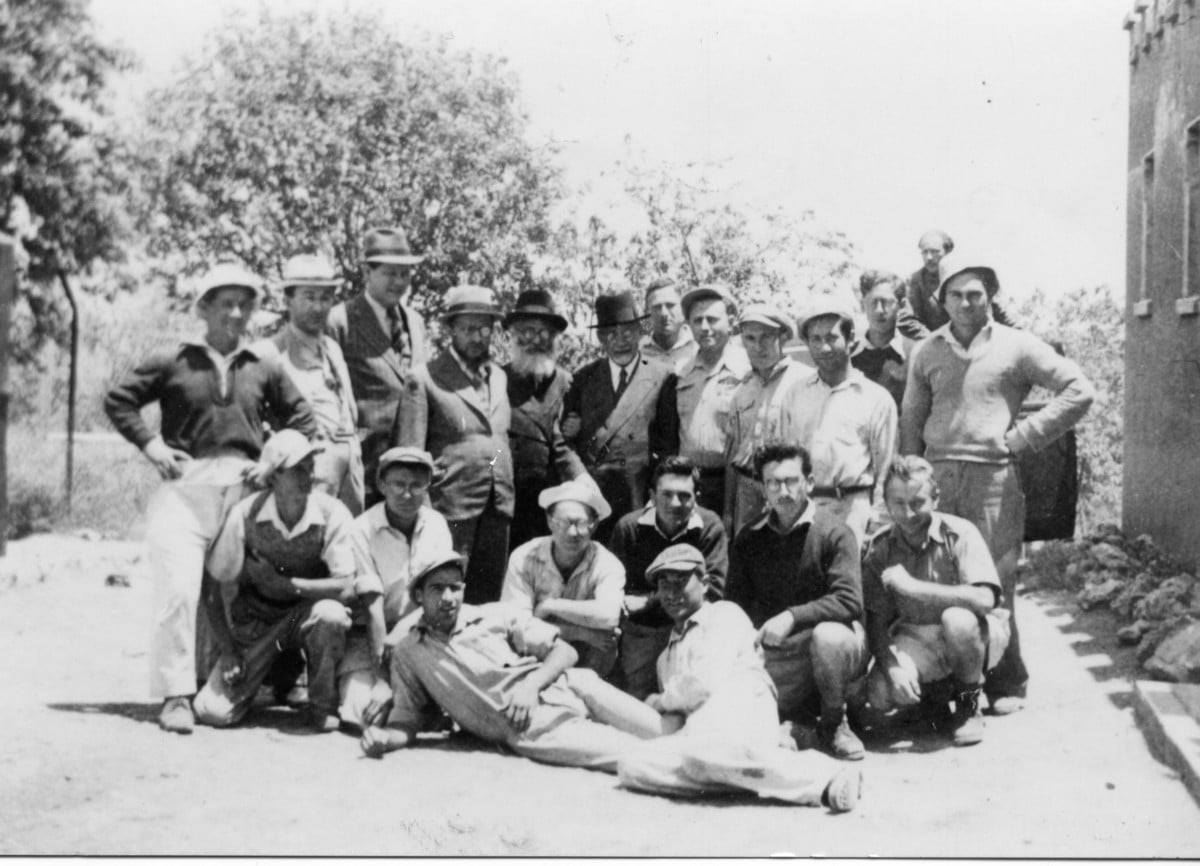
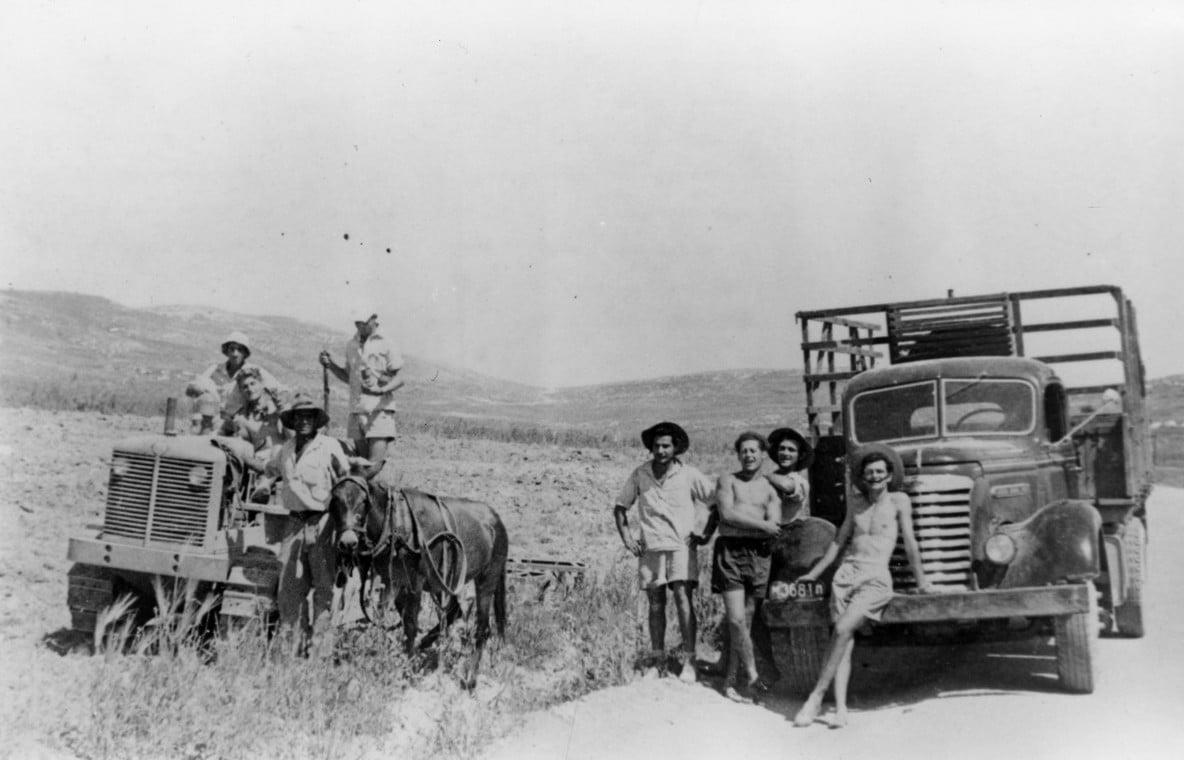
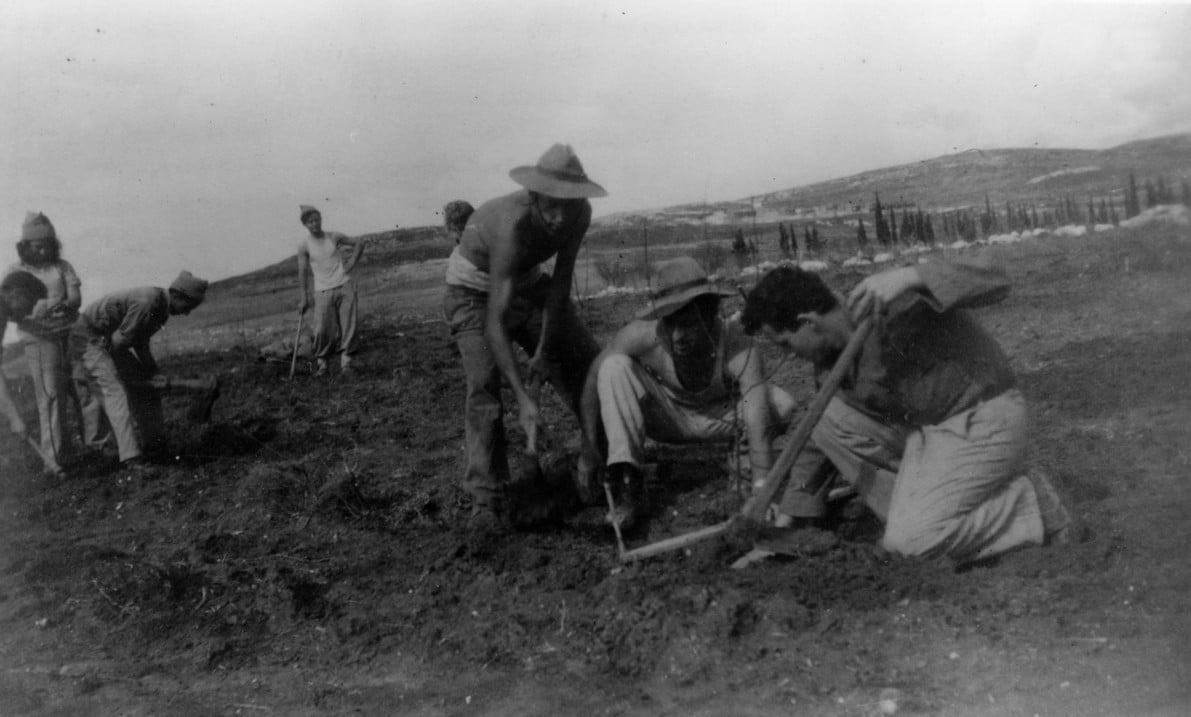
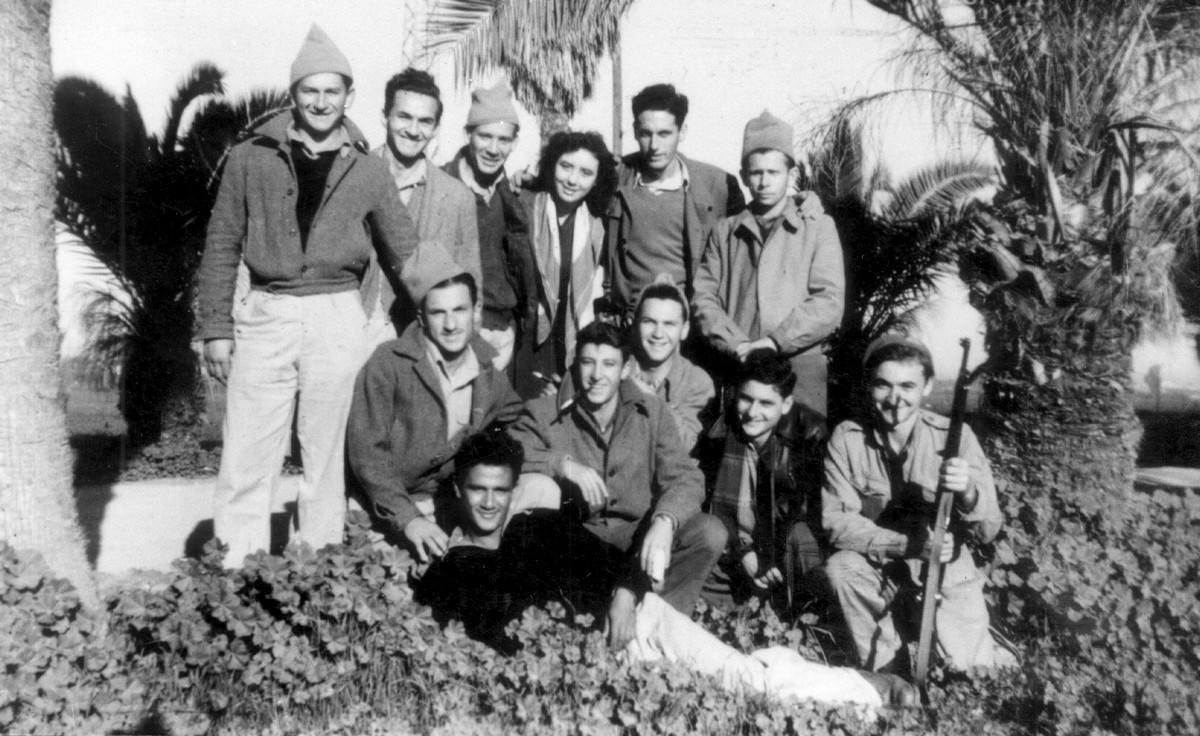
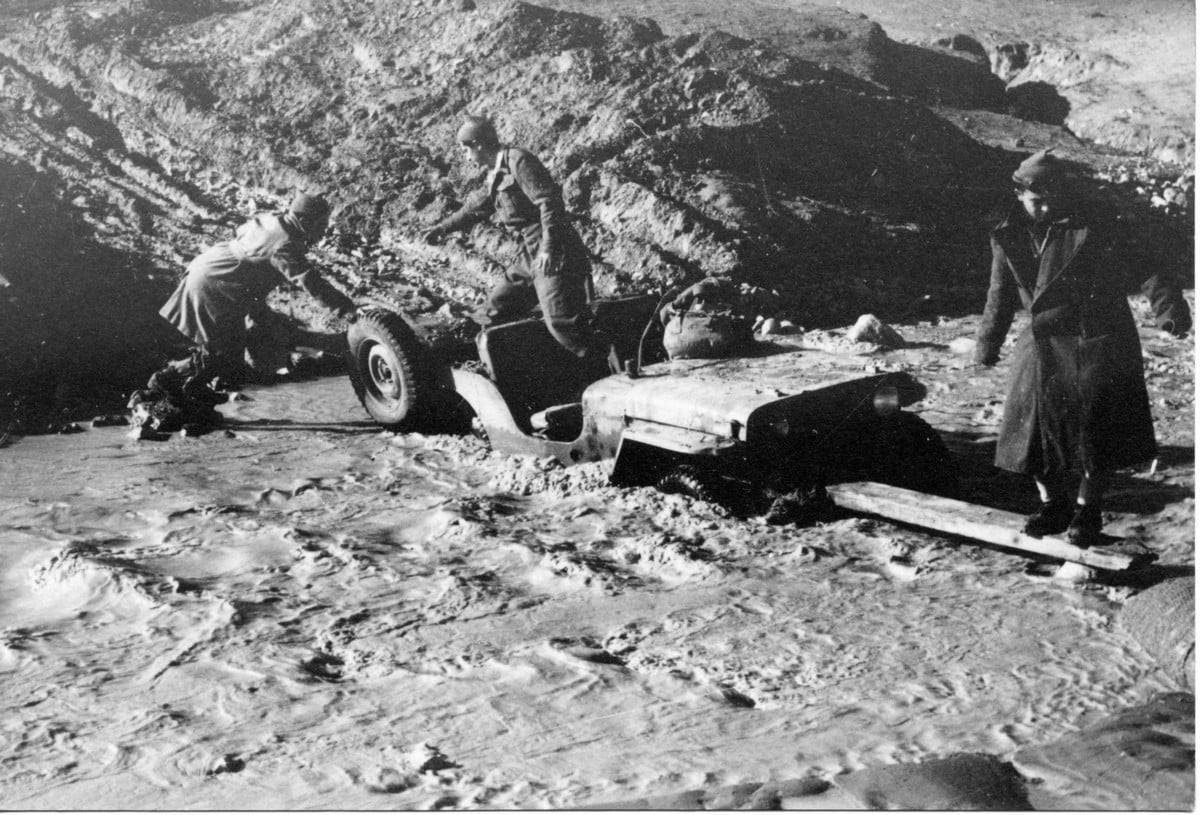
The Palmach House is a significant historical landmark located in Tel Aviv, Israel. The house is a symbol of the Jewish resistance movement during the British Mandate period, which lasted from 1920 to 1948. The Palmach House served as the headquarters of the Palmach, which was the elite fighting force of the Haganah, the Jewish underground organization.
The Palmach House is a three-story building that was constructed in 1923. It was initially designed as a residential building, and its architectural style is influenced by the Bauhaus movement, which was popular in Tel Aviv during the 1920s and 1930s. The building’s design reflects the functionalist style of Bauhaus architecture, which prioritizes function and simplicity over ornamentation.
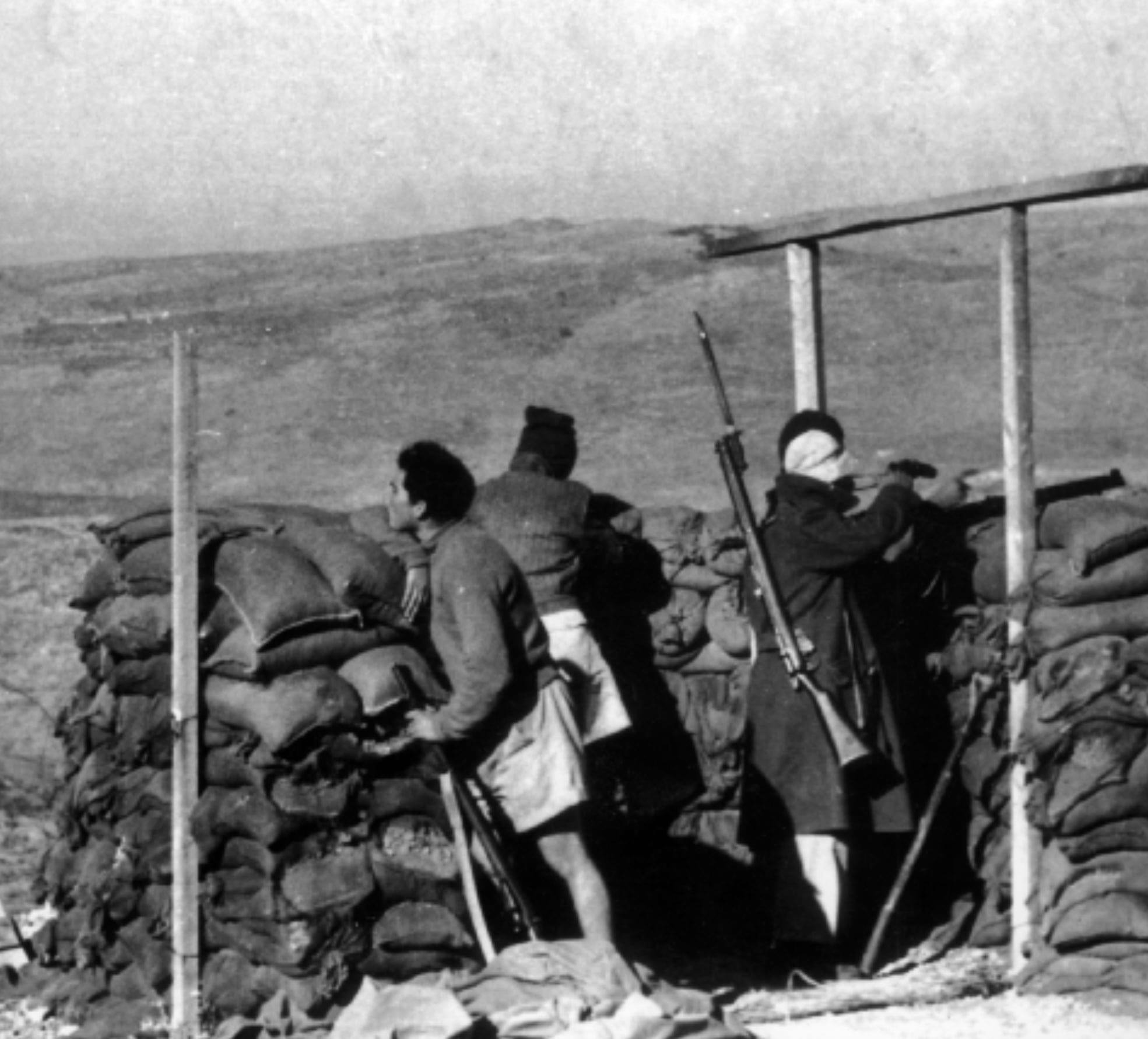
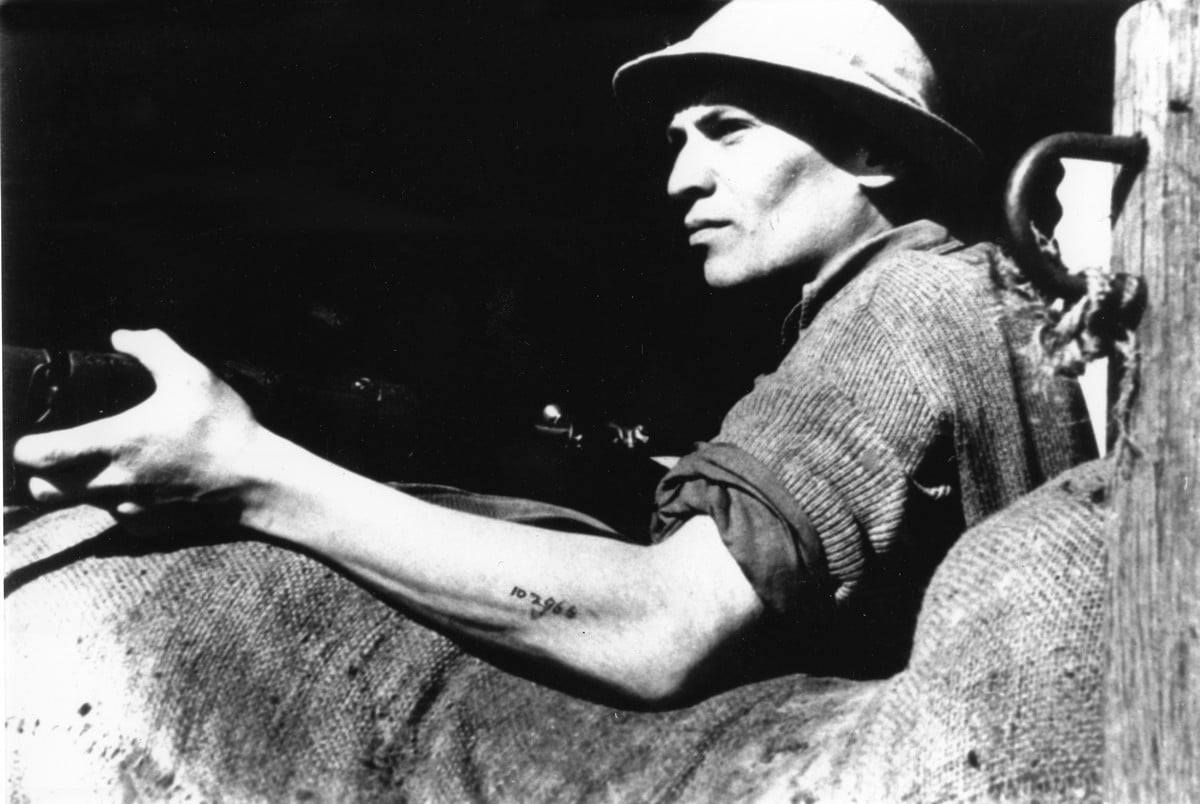
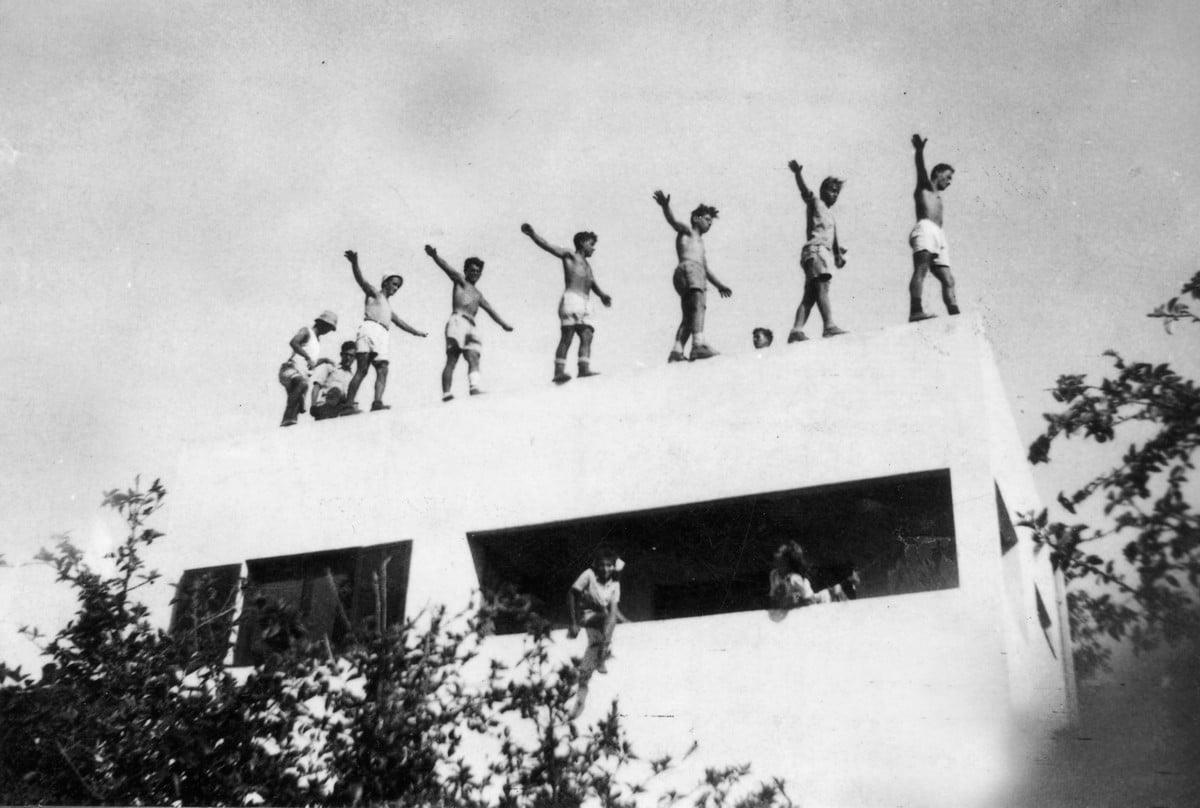
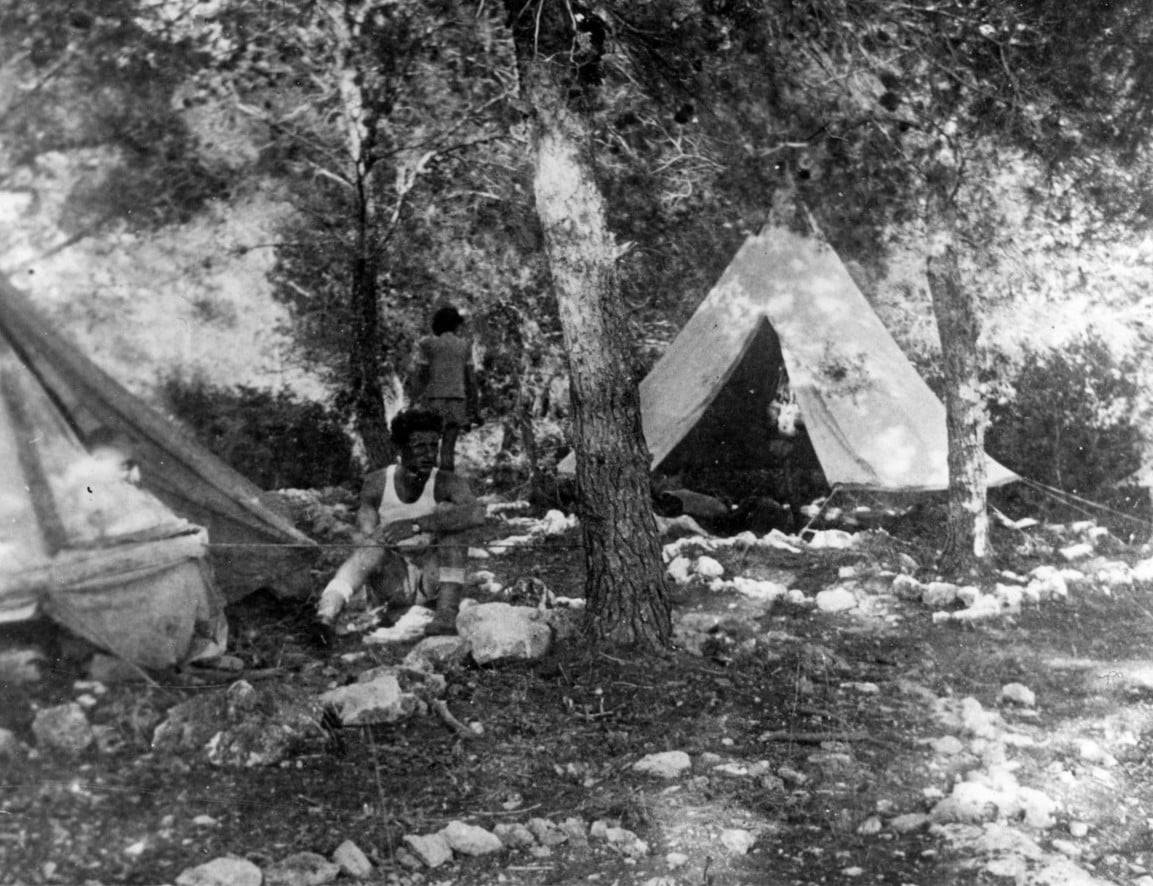
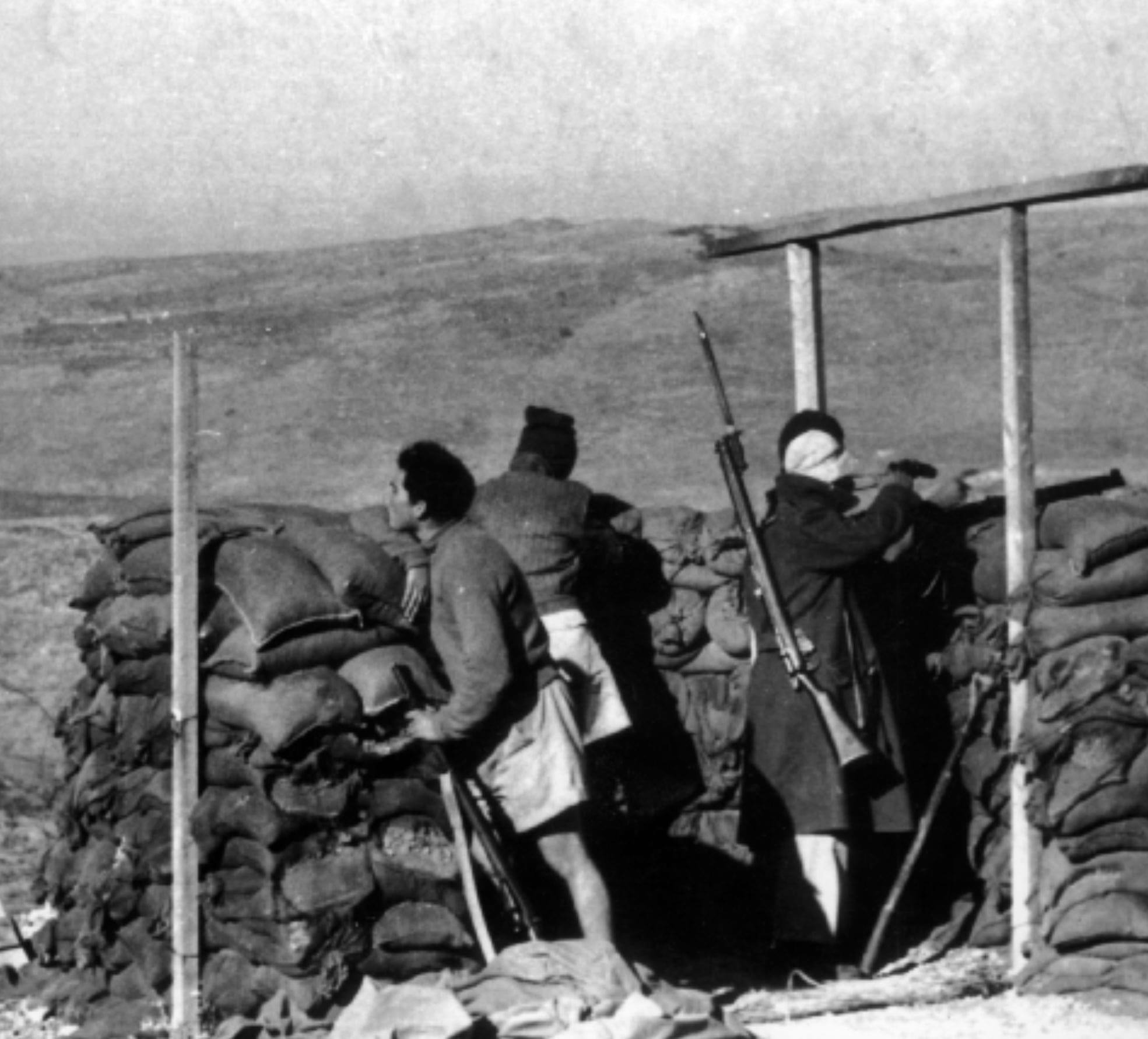
During the British Mandate period, the Palmach was formed in 1941 as a response to growing Arab violence against the Jewish population in Palestine. The Palmach was a highly trained and well-equipped fighting force that operated underground, carrying out attacks against British and Arab targets. The Palmach House became the headquarters of the Palmach in 1942 and remained so until the end of the Mandate period in 1948.
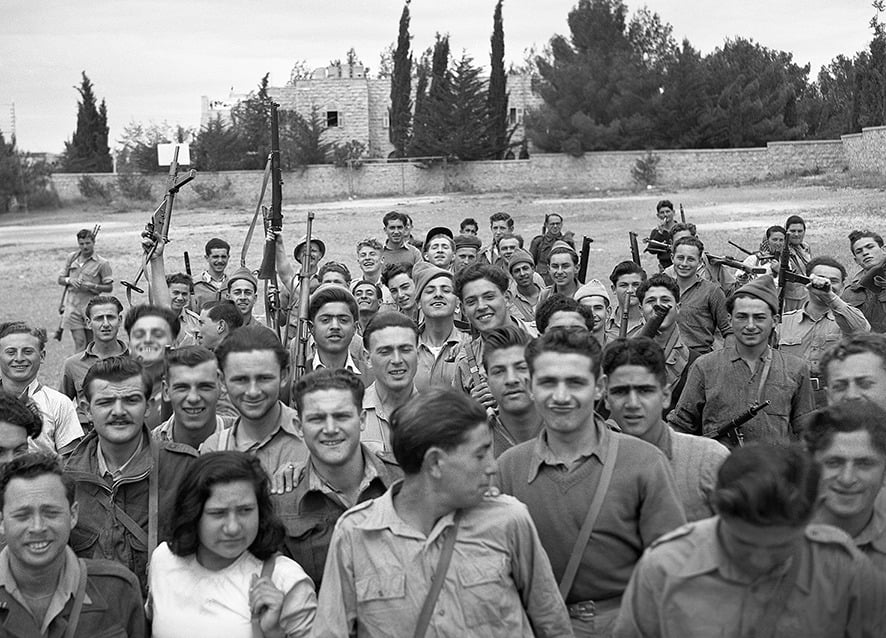
The Palmach House played a crucial role in the fight for Israeli independence. The Palmach was instrumental in defending Jewish settlements and carrying out attacks against British targets, including military installations and infrastructure. The Palmach’s actions were a significant factor in forcing the British to withdraw from Palestine and ultimately led to the establishment of the State of Israel in 1948.
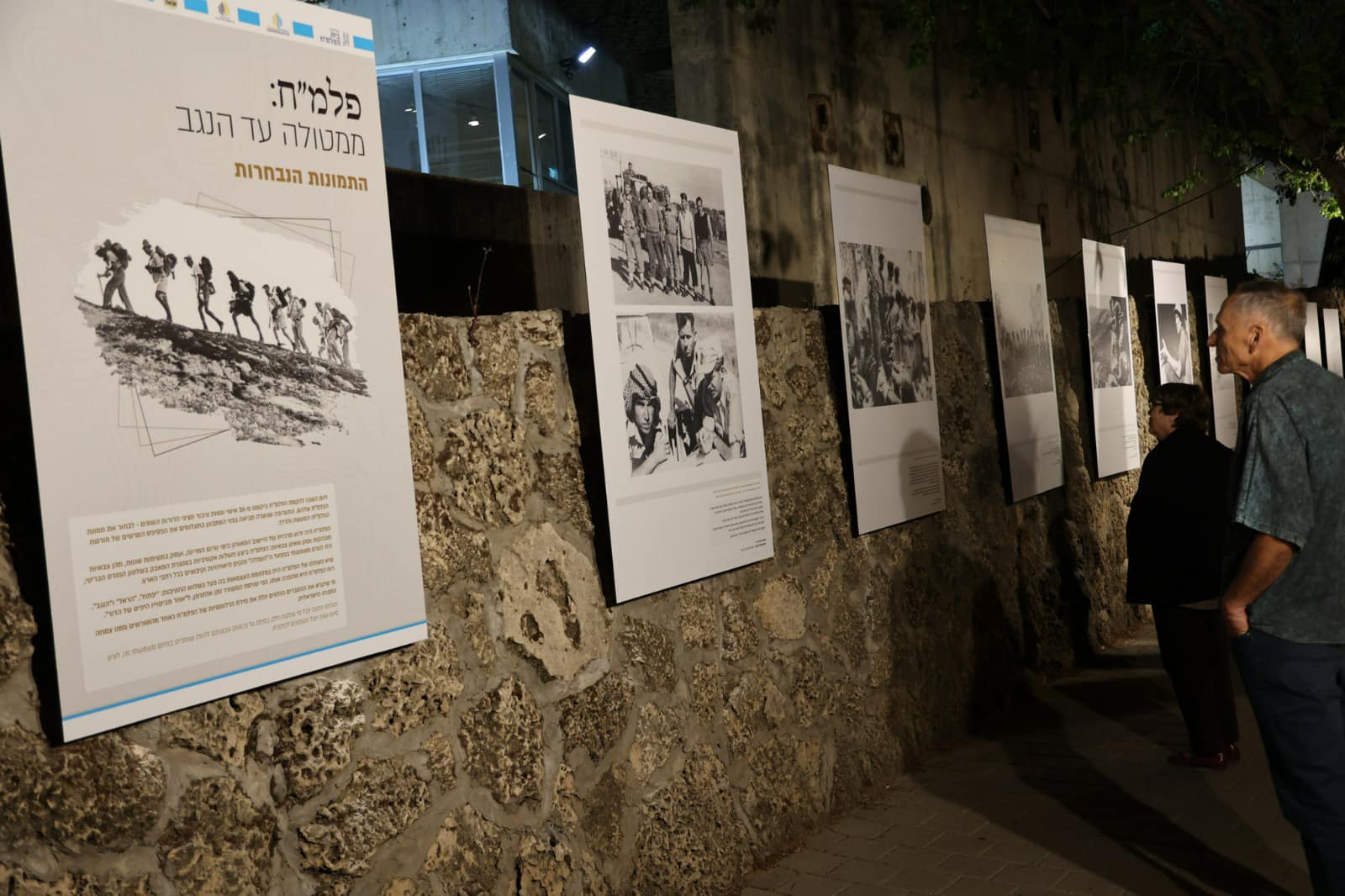
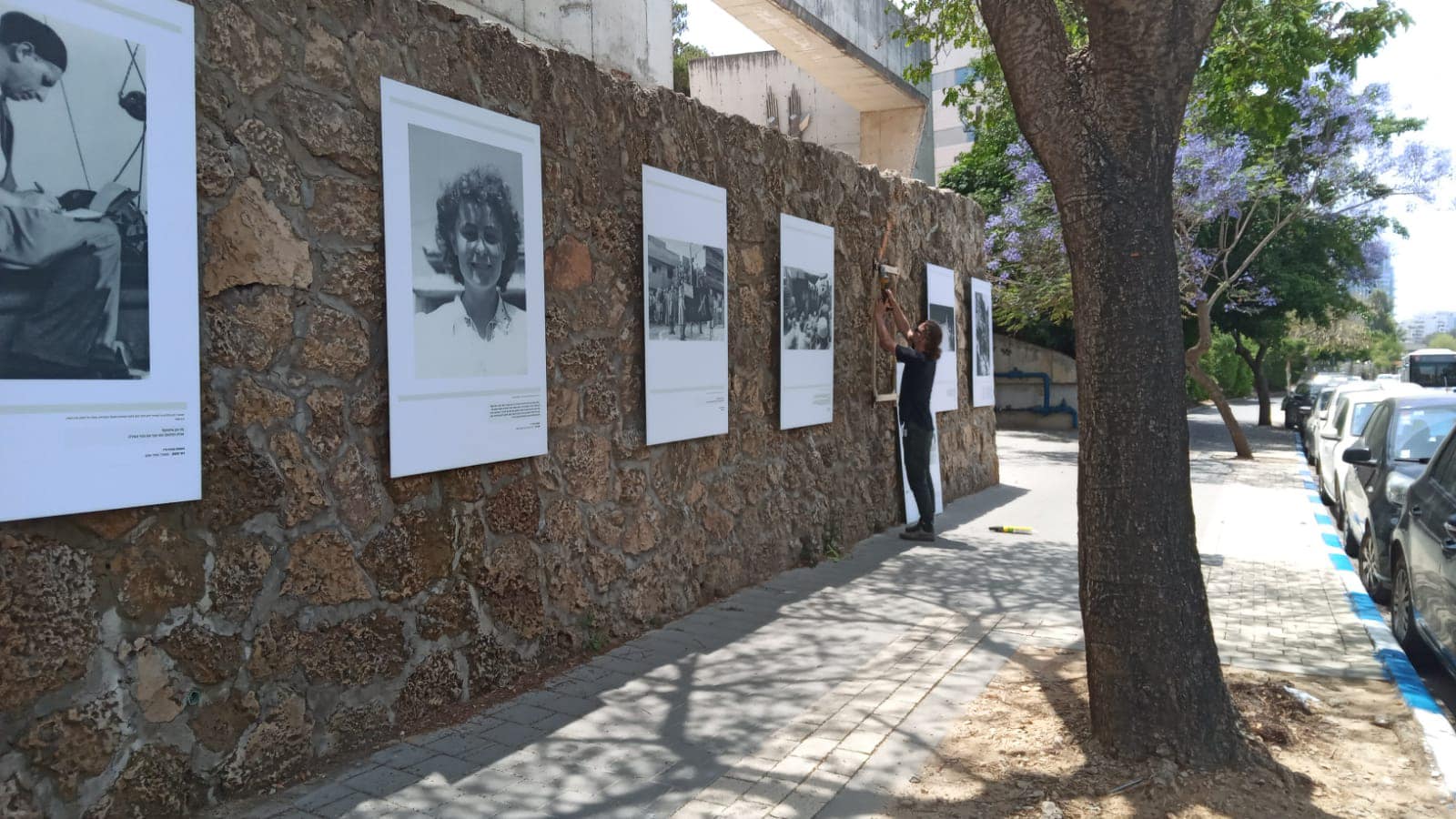
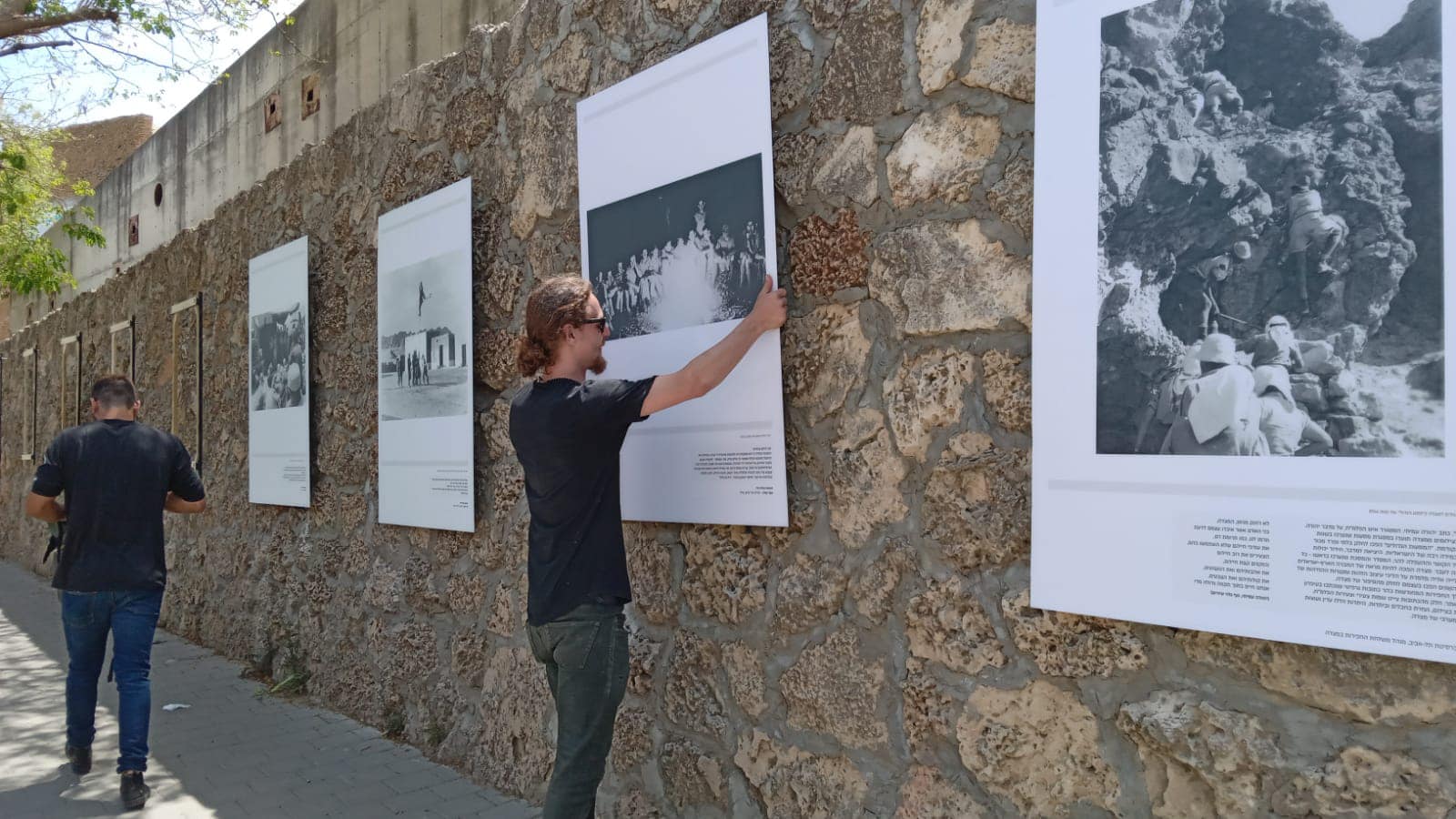
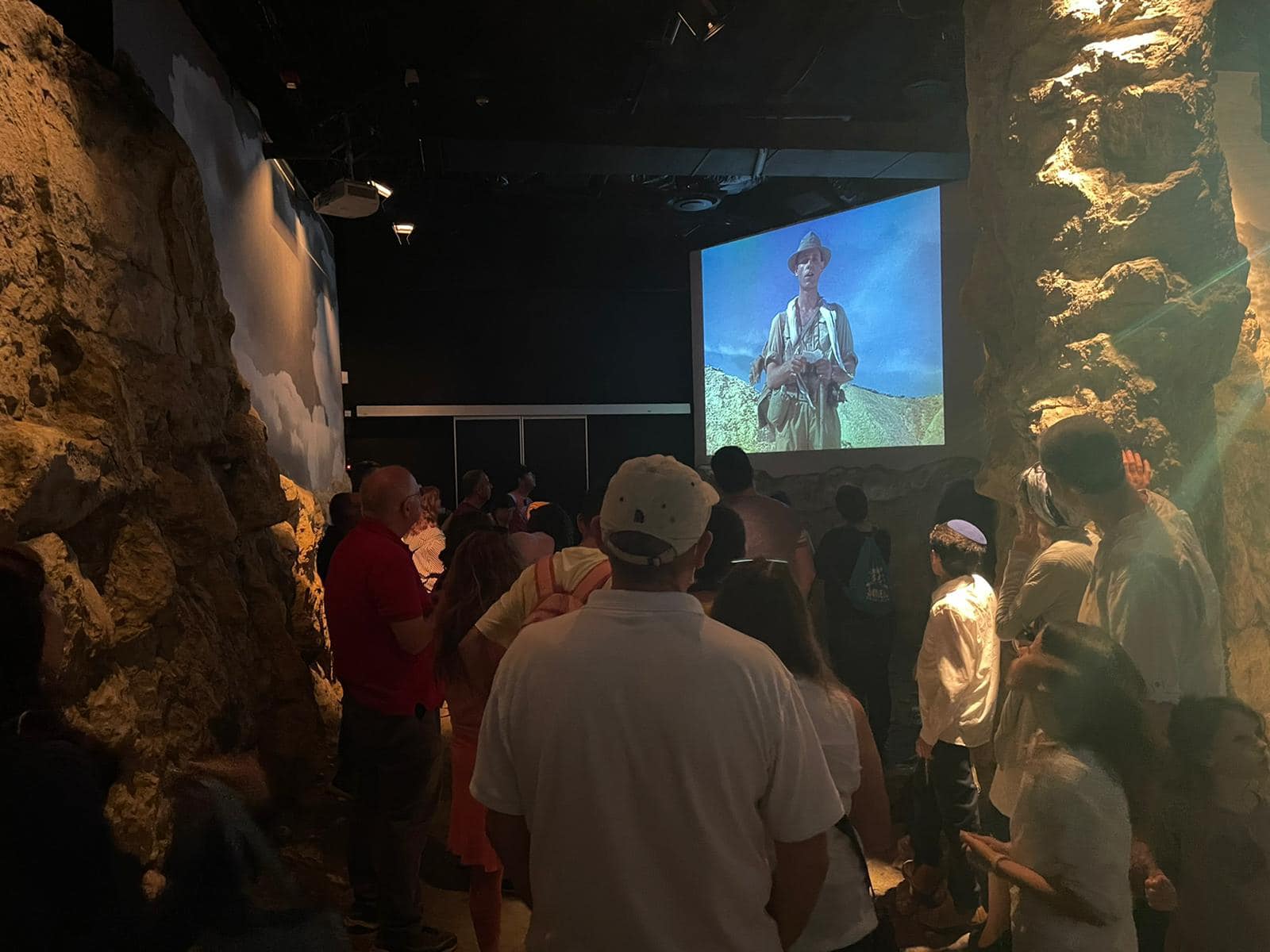
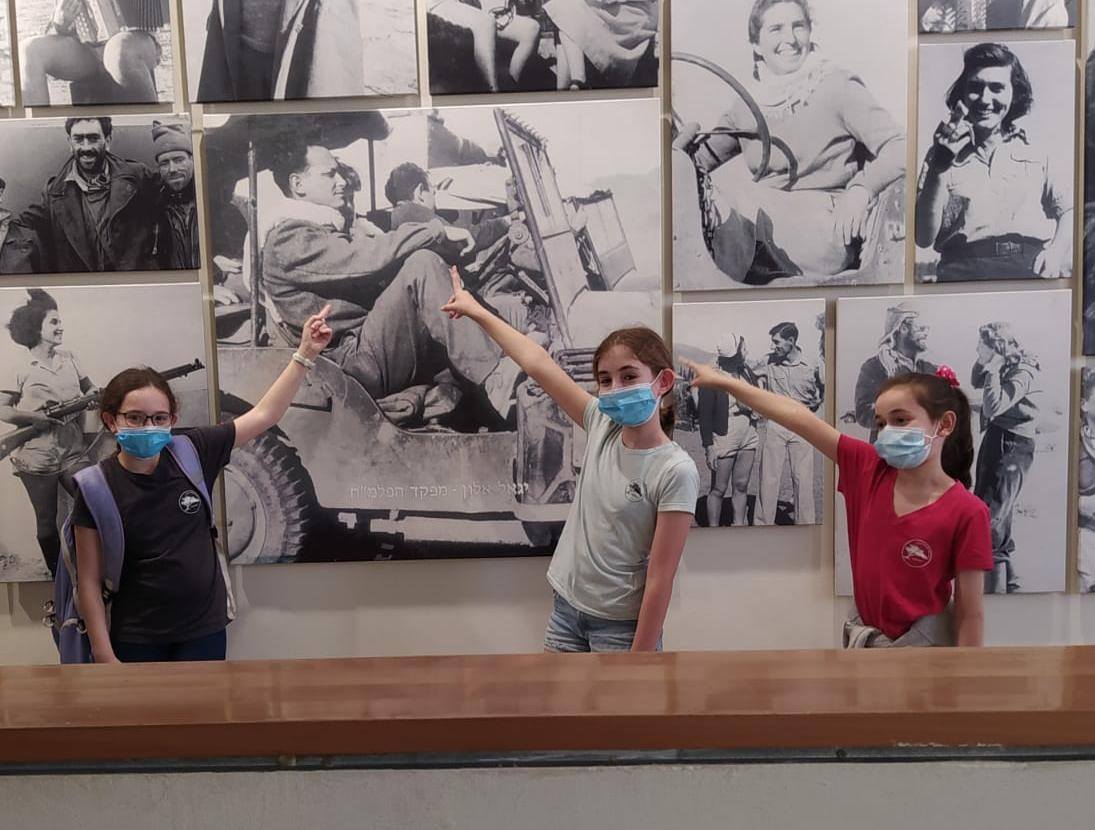
Today, the Palmach House is a museum that serves as a testament to the bravery and sacrifice of the Palmach fighters. The museum tells the story of the Palmach through exhibits that showcase their weapons, uniforms, and other artifacts. Visitors can also learn about the Palmach’s operations and the key figures who led the movement.
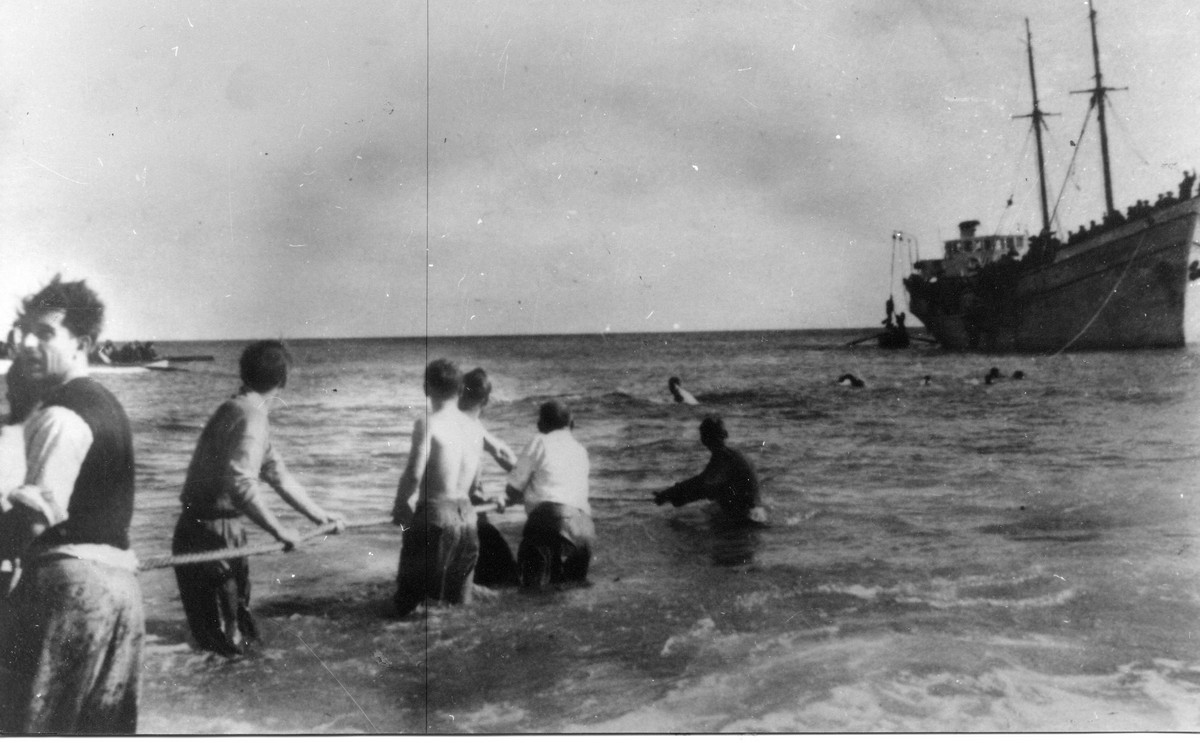
The Palmach House Museum is divided into several exhibits that tell the story of the Palmach from its inception in 1941 until the end of the British Mandate in 1948. The first exhibit introduces visitors to the Palmach’s founding members and its early operations. The exhibit features photographs, documents, and artifacts that tell the story of the Palmach’s formation and its role in the fight against British and Arab forces.
The second exhibit focuses on the Palmach’s operations during World War II. During this period, the Palmach fought alongside British forces against the Axis powers in North Africa and Europe. The exhibit showcases the Palmach’s role in the war effort, including its participation in the Allied invasion of Normandy.
The third exhibit covers the period of the Jewish insurgency against British rule, which began in 1945. The exhibit highlights the Palmach’s role in the insurgency, including its attacks on British military installations and infrastructure. The exhibit also showcases the Palmach’s leadership, including figures such as Yitzhak Rabin, who went on to become Israel’s prime minister.
The final exhibit covers the period of Israel’s War of Independence, which began in 1948. The exhibit showcases the Palmach’s role in the war, including its defense of Jewish settlements and its attacks on Arab forces. The exhibit also highlights the Palmach’s leaders, including David Ben-Gurion, who declared Israel’s independence in 1948.
In addition to the exhibits, the Palmach House Museum features a memorial hall dedicated to the Palmach fighters who lost their lives during the struggle for Israeli independence. The hall features photographs of the fallen fighters, along with their names and the dates of their deaths. The hall serves as a reminder of the sacrifices made by the Palmach fighters and their commitment to the cause of Jewish independence.
Overall, the Palmach House Museum is a significant historical landmark that tells the story of the Jewish resistance movement during the British Mandate period and the role of the Palmach in the fight for Israeli independence. The museum provides visitors with a unique opportunity to learn about a critical period in Israel’s history and the sacrifices made by the Palmach fighters in their struggle for independence.
The Palmach House also serves as a symbol of the Jewish resistance movement and the determination of the Jewish people to establish a state of their own. The building itself is a reflection of the Bauhaus movement, which was popular in Tel Aviv during the 1920s and 1930s. The functionalist style of the building reflects the practical and pragmatic nature of the Palmach and its leaders.
Today, the Palmach House Museum is a popular tourist attraction, attracting visitors from all over the world who come to learn about the Palmach and its role in the struggle for Israeli independence. The museum offers guided tours in Hebrew, English, and other languages, making it accessible to a wide range of visitors.
The Palmach House Museum is also an important educational resource for Israeli schools, providing students with a firsthand look at a critical period in their country’s history. The museum’s exhibits and educational programs help to foster a sense of pride and patriotism among Israeli youth and inspire them to continue the fight for their country’s future.
In conclusion, the Palmach House is an essential historical landmark that serves as a reminder of the sacrifices made by the Palmach fighters in the struggle for Israeli independence. The museum provides visitors with a unique opportunity to learn about this critical period in Israel’s history and the role played by the Palmach in the fight for independence. The building itself is a reflection of the practical and pragmatic nature of the Palmach and its leaders, making it an enduring symbol of the Jewish resistance movement.