




Yitzhak Rabin Center
The Yitzhak Rabin Center is a museum and educational center dedicated to the life and legacy of former Israeli Prime Minister Yitzhak Rabin. Located in Tel Aviv, Israel, the center was opened in 2005, a decade after Rabin’s assassination. The center aims to preserve Rabin’s memory and promote his ideals of peace and social justice.
Yitzhak Rabin was one of the most prominent figures in Israeli politics. He was born in Jerusalem in 1922, and joined the Haganah, the Jewish paramilitary organization, at the age of 18. He served in the British Army during World War II, and after the establishment of the State of Israel in 1948, he played a key role in the Israeli military and government.
Rabin served as Israel’s Prime Minister twice, first from 1974 to 1977, and then from 1992 until his assassination in 1995. During his first term, he oversaw Israel’s withdrawal from the Sinai Peninsula as part of the Camp David Accords. In his second term, he worked towards a peace agreement with the Palestinians, signing the Oslo Accords in 1993.
Rabin’s efforts to make peace with the Palestinians were controversial in Israel, and he faced opposition from both the political right and the left. He was assassinated by a Jewish extremist in November 1995, during a peace rally in Tel Aviv.
The Yitzhak Rabin Center was established in Rabin’s memory, with the aim of preserving his legacy and promoting his ideals. The center is located on a 16-acre site in Tel Aviv, overlooking the Mediterranean Sea. The building was designed by the Israeli architect Moshe Safdie, and features a striking modernist design, with large concrete panels and a steel-and-glass facade.
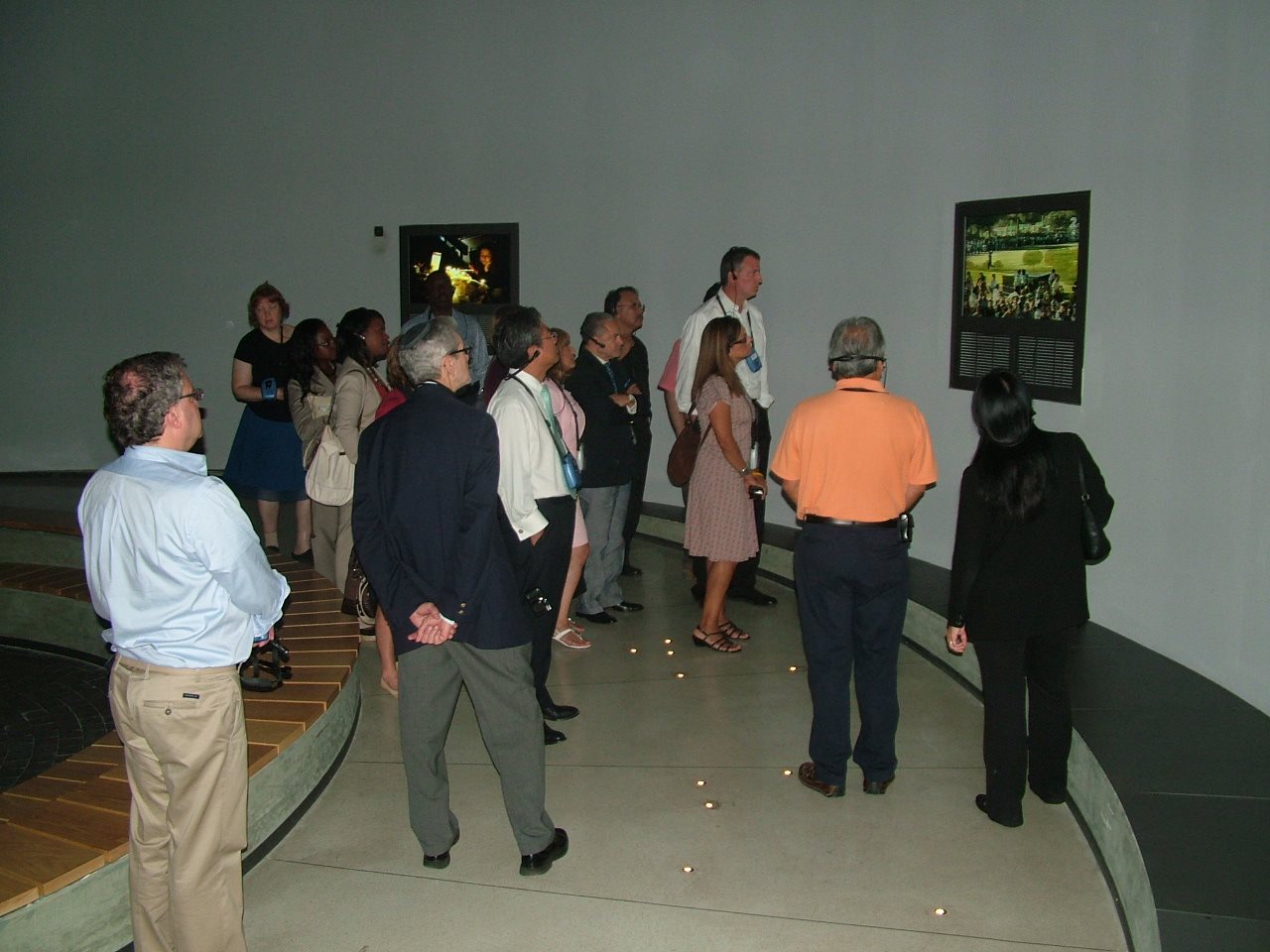
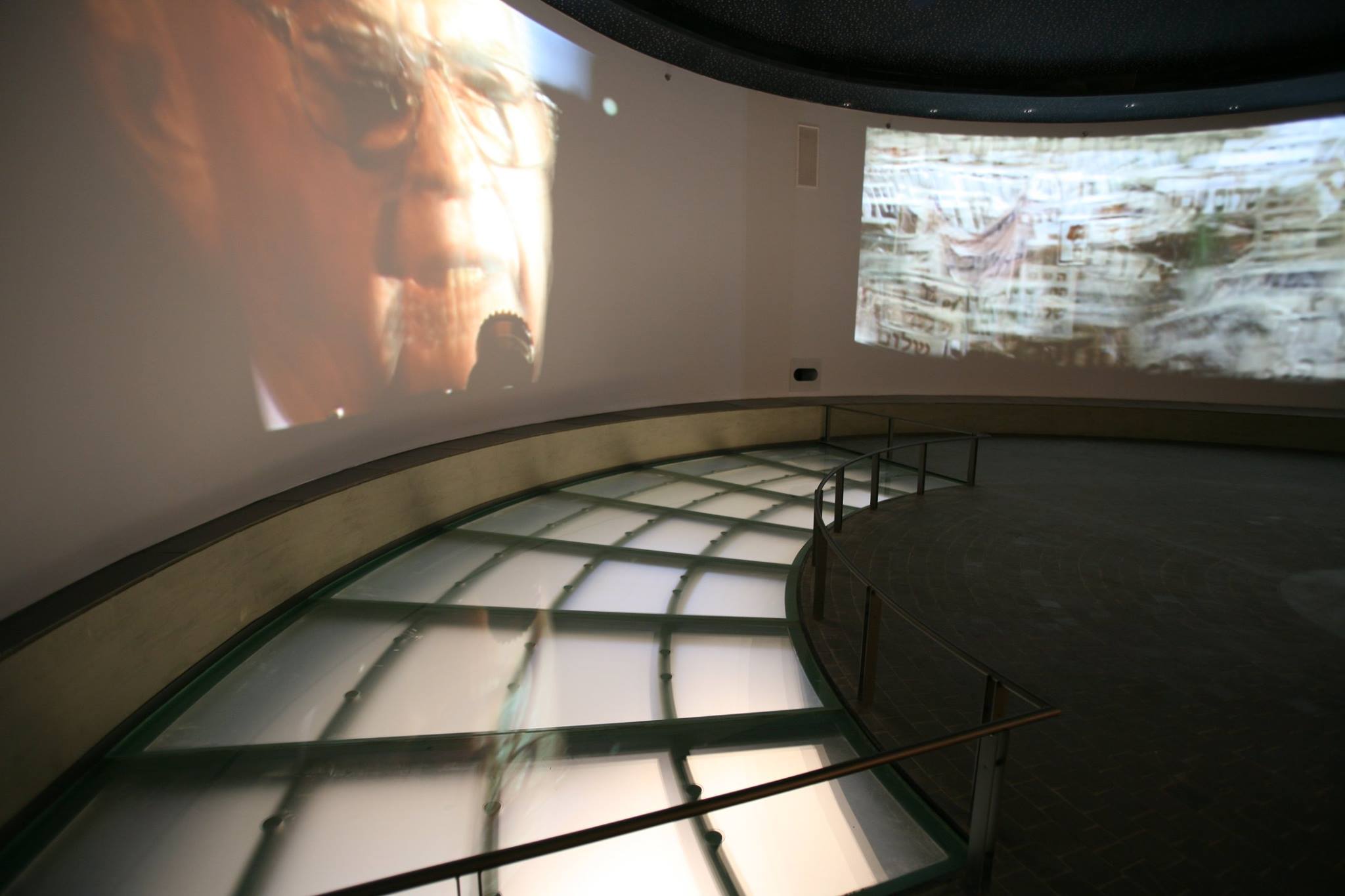
The center includes a museum, a library, and a conference center, as well as outdoor spaces and gardens. The museum tells the story of Rabin’s life and career, as well as the history of Israel from its founding to the present day. The exhibits include photographs, documents, and artifacts, as well as interactive displays and multimedia installations.
One of the highlights of the museum is the “Rabin Assassination” exhibit, which tells the story of Rabin’s assassination and its aftermath. The exhibit includes a replica of the square where the assassination took place, as well as video footage and artifacts from the event.
Another important exhibit is the “Peace Process” exhibit, which tells the story of Rabin’s efforts to make peace with the Palestinians. The exhibit includes documents and artifacts related to the Oslo Accords, as well as video footage and interactive displays.
In addition to the museum, the center includes a library with a collection of books and documents related to Rabin’s life and career, as well as the history of Israel. The library is open to the public and serves as a research center for scholars and students.
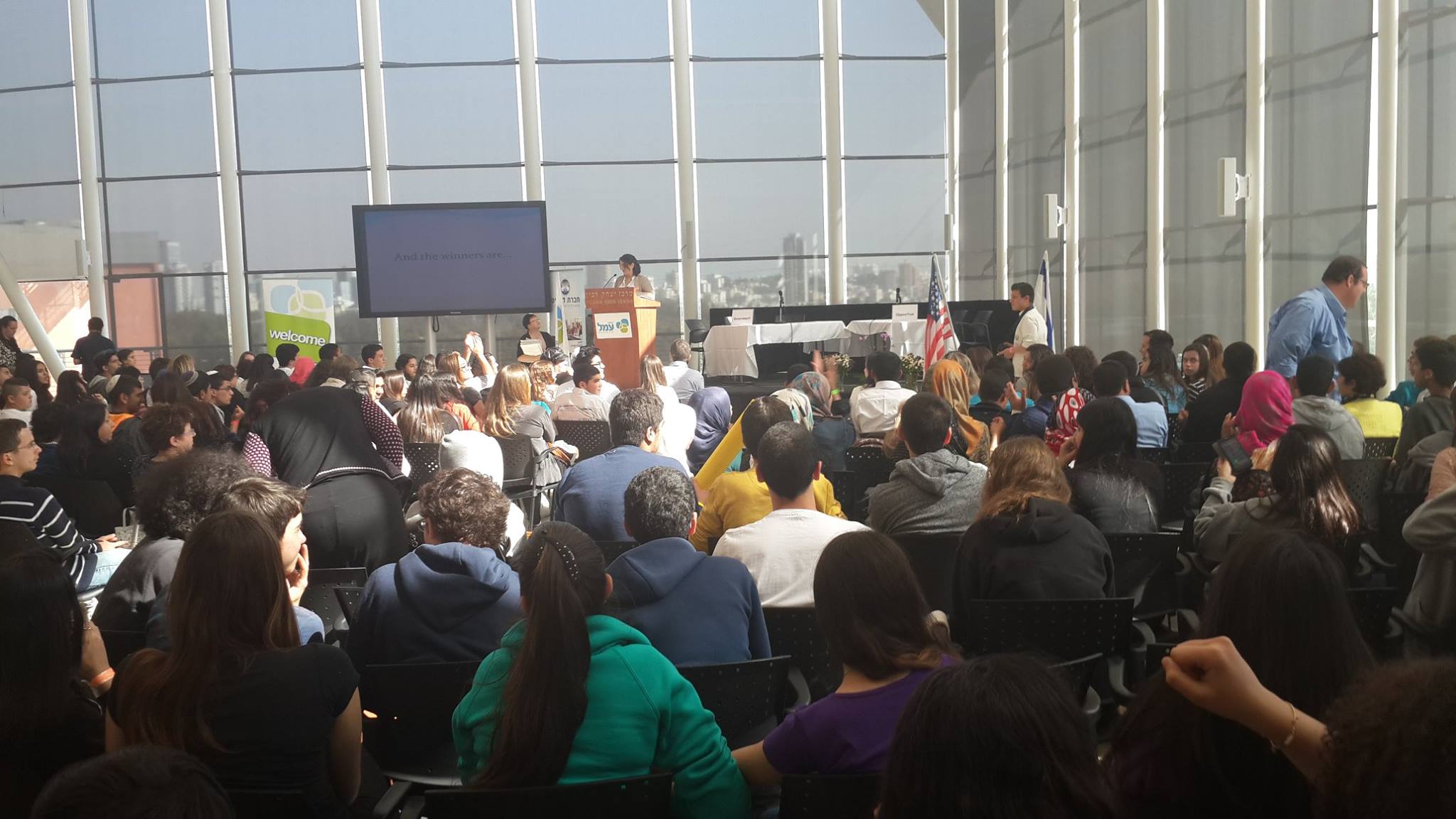
The conference center at the Yitzhak Rabin Center is a state-of-the-art facility that hosts conferences, seminars, and other events related to the center’s mission. The center also offers educational programs for students and teachers, including workshops, lectures, and guided tours of the museum and the gardens.
The outdoor spaces at the center include gardens and a park, which offer a peaceful retreat from the bustle of Tel Aviv. The gardens feature a variety of plants and trees, as well as sculptures and other works of art.
The Yitzhak Rabin Center is an important institution in Israel, and its mission of promoting peace and social justice is more relevant than ever. The center serves as a reminder of Rabin’s vision for Israel and the region, and his legacy continues to inspire people around the world.
The Yitzhak Rabin Center also serves as a venue for cultural events, including concerts, performances, and film screenings. The center has hosted events featuring renowned Israeli artists and musicians, as well as international performers.
The center’s location in Tel Aviv is significant, as the city has a rich cultural and political history. Tel Aviv was founded in 1909 as a Jewish neighborhood in the ancient port city of Jaffa, and has since grown into a vibrant and cosmopolitan city. Tel Aviv is known for its modern architecture, sandy beaches, and thriving arts and culture scene.
The Yitzhak Rabin Center is just one of the many cultural institutions in Tel Aviv, which include museums, galleries, theaters, and concert halls. The city also hosts numerous festivals and events throughout the year, including the Tel Aviv International Film Festival, the Tel Aviv Jazz Festival, and the Tel Aviv Pride Parade.
The Yitzhak Rabin Center has been praised for its innovative design and its use of technology to enhance the visitor experience. The museum’s exhibits incorporate multimedia installations, interactive displays, and video projections, creating an immersive and engaging experience for visitors.
The center has also been recognized for its commitment to education and outreach. The center’s educational programs are designed to engage students and teachers from diverse backgrounds, and to promote dialogue and understanding between different communities. The center’s outreach programs include initiatives aimed at promoting peace and social justice in Israel and the region.
In addition to its educational and cultural programs, the Yitzhak Rabin Center is also involved in research and scholarship. The center has a team of scholars and researchers who study the life and legacy of Yitzhak Rabin, as well as the history of Israel and the region. The center also publishes books and articles on these topics, and collaborates with other research institutions and universities.
The Yitzhak Rabin Center is a unique institution that combines history, culture, and education. The center serves as a tribute to one of Israel’s most important and influential leaders, and as a reminder of the challenges and opportunities facing Israel and the region today. The center’s mission of promoting peace and social justice is more important than ever, and the center continues to inspire visitors and scholars from around the world.