






The Museum of Photographic Arts (MOPA) is a world-renowned institution located in Balboa Park, San Diego. The museum is dedicated to the exhibition and preservation of photographic art, and its collection spans over 9,000 objects, making it one of the largest photographic collections in the world.
MOPA’s facilities include a range of exhibitions, educational programs, and community outreach initiatives, designed to promote photography as an art form and to engage the public in a dialogue about the role of photography in contemporary culture.
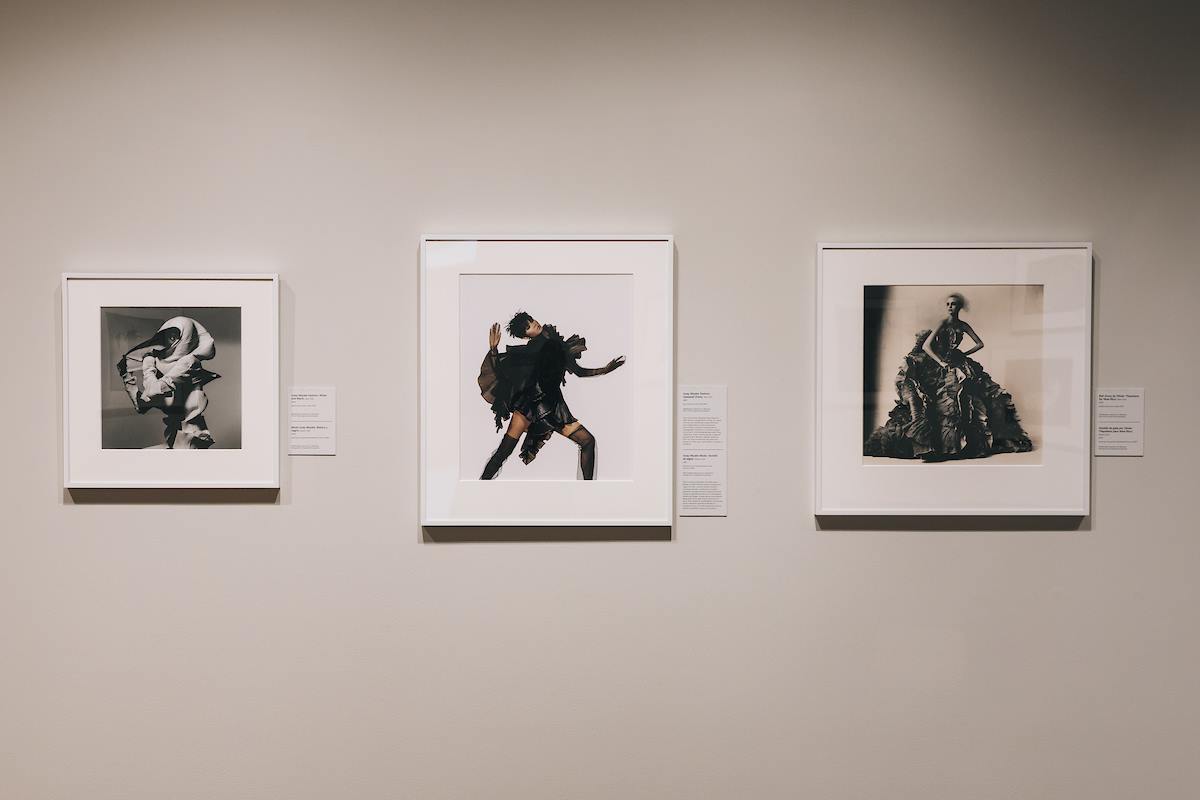
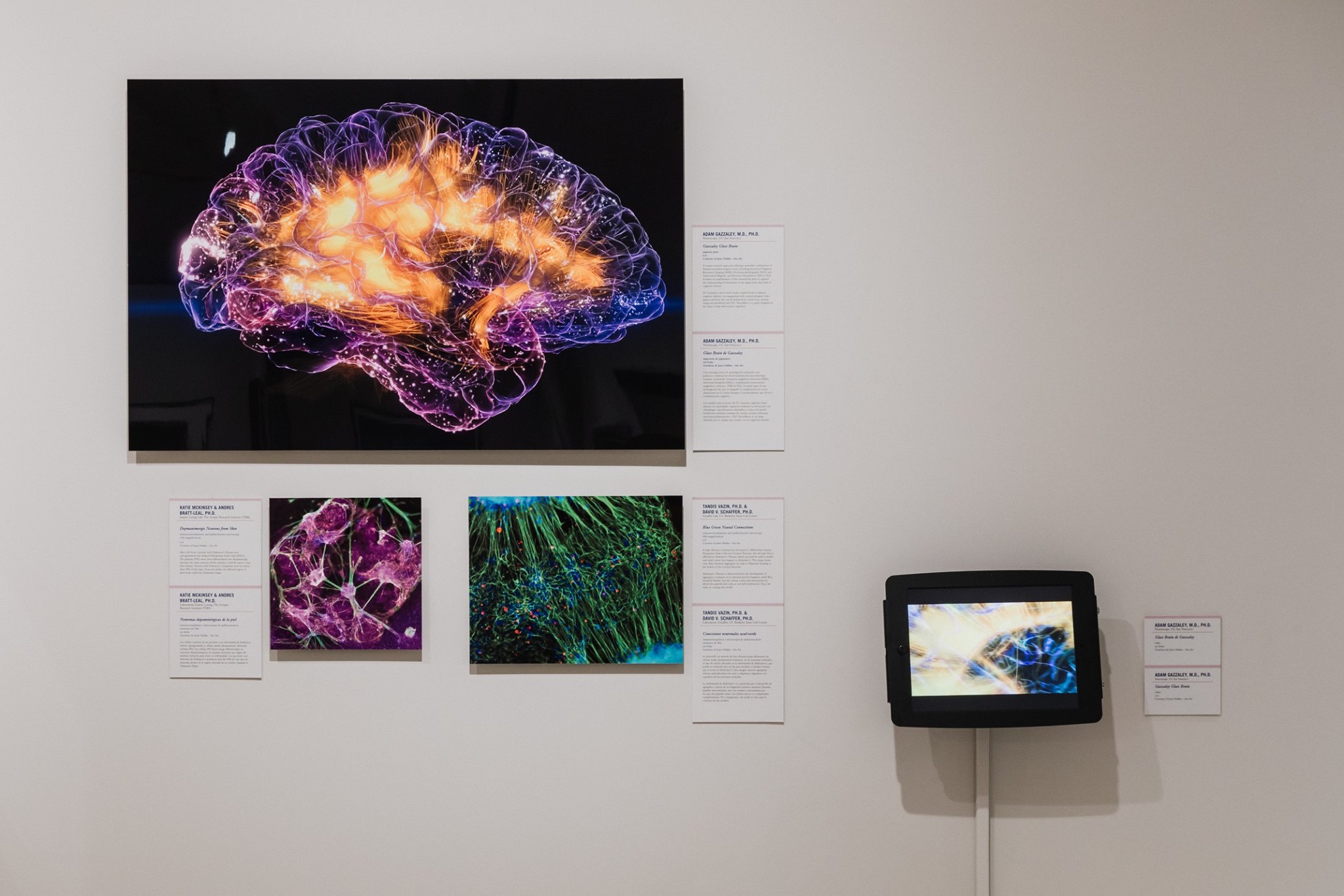
MOPA’s exhibitions showcase a range of photographic works, including contemporary and historical photographs, as well as video and installation works. The museum’s exhibitions are designed to explore a range of themes and issues, such as social justice, identity, and cultural diversity, providing visitors with a comprehensive view of the role of photography in contemporary culture.
MOPA’s educational programs provide visitors with a range of opportunities to learn about photography and its role in contemporary culture. The museum offers a range of workshops, lectures, and classes, providing visitors with an opportunity to engage with photography in a hands-on and interactive way.
MOPA’s community outreach initiatives aim to promote photography as an art form and to engage the public in a dialogue about the role of photography in contemporary culture. The museum partners with local schools, community organizations, and cultural institutions, providing access to the museum’s exhibitions, educational programs, and resources to a wider audience.
MOPA’s commitment to accessibility and inclusion is evident in its facilities, programs, and outreach initiatives. The museum offers a range of services and accommodations for visitors with disabilities, ensuring that everyone can enjoy the museum’s exhibitions and programs.
In addition to its exhibitions, educational programs, and community outreach initiatives, MOPA is committed to promoting environmental sustainability. The museum’s building is designed to be energy-efficient, and its operations are guided by principles of sustainability and environmental conservation.
MOPA is easily accessible by car and public transportation, and parking is available on site. The museum’s dedication to promoting photography as an art form, engaging the public in a dialogue about the role of photography in contemporary culture, and promoting accessibility and inclusion, make it a must-visit destination for anyone interested in photography and its role in contemporary culture.
In conclusion, the Museum of Photographic Arts (MOPA) is a world-renowned institution dedicated to the exhibition and preservation of photographic art. Its exhibitions, educational programs, and community outreach initiatives provide visitors with a comprehensive view of the role of photography in contemporary culture. Its commitment to accessibility and inclusion, as well as its dedication to promoting environmental sustainability, make it a valuable resource for the local community and beyond. MOPA is a must-visit destination for anyone interested in photography and its role in contemporary culture.