

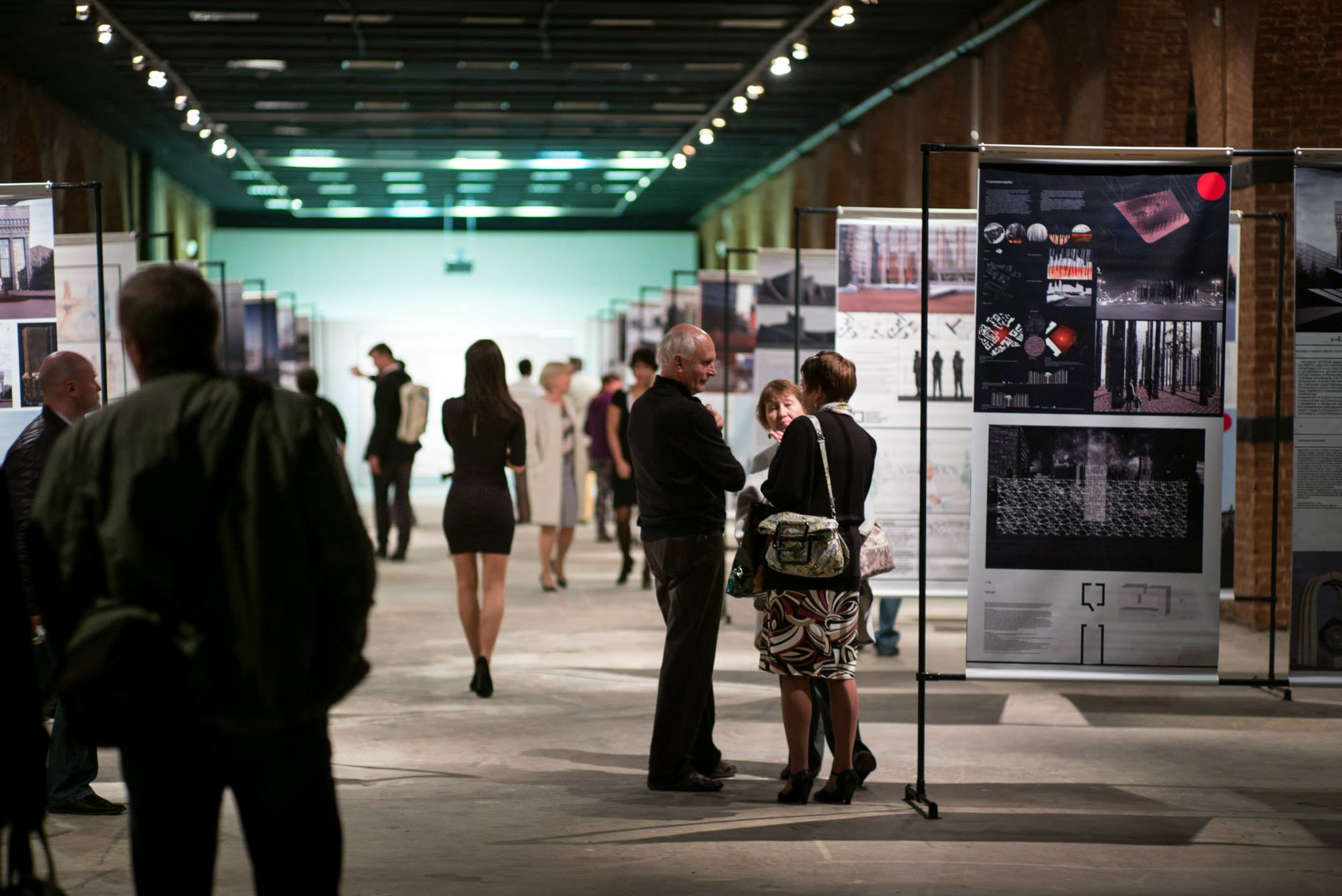






The GULAG History Museum, also known as the State Museum of the History of the Gulag and the Human Rights Movement, is a museum in Moscow that is dedicated to the memory of the Soviet Union’s notorious forced labor camp system, which was operated from the 1920s to the 1950s. The museum’s mission is to preserve the memory of the millions of people who suffered and died in the Gulag and to promote human rights and social justice in Russia and around the world.
The museum is located in a building that once housed the Moscow KGB headquarters, in the Lubyanka district of the city. The building has a dark history, as it was the site of interrogations, torture, and executions of political prisoners during the Soviet era. Today, it serves as a powerful reminder of the atrocities that were committed in the name of Soviet communism.
The museum was established in 2001 by the Memorial Society, a non-governmental organization that is dedicated to preserving the memory of the victims of Soviet repression. It is funded by donations from individuals and organizations, as well as by the Russian government.
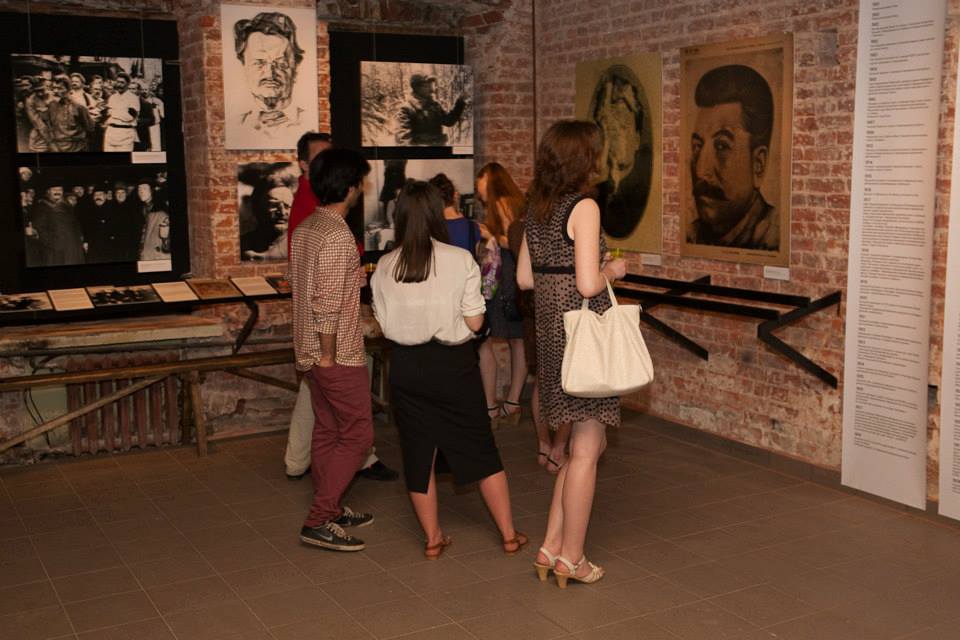
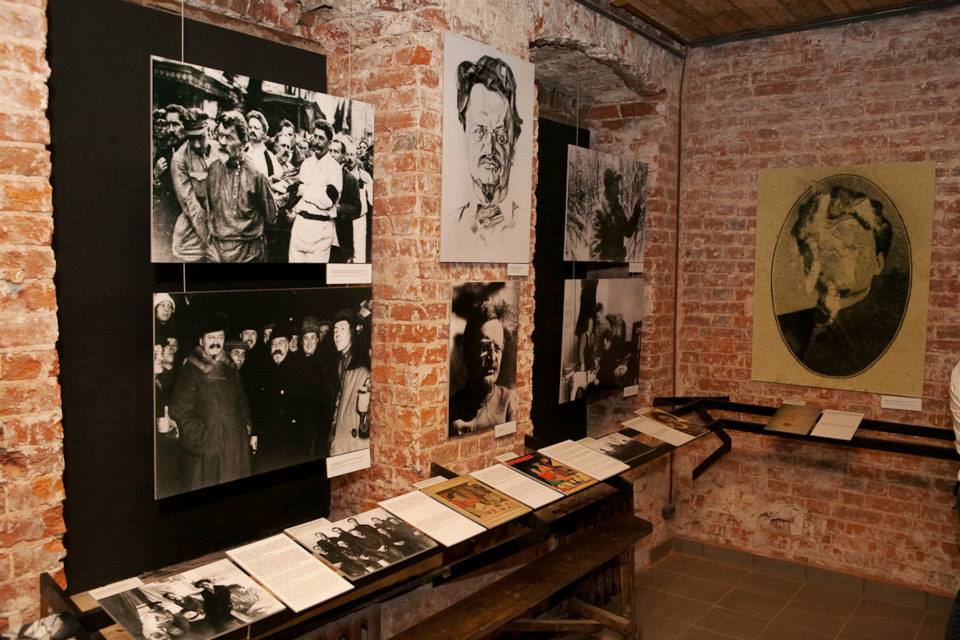
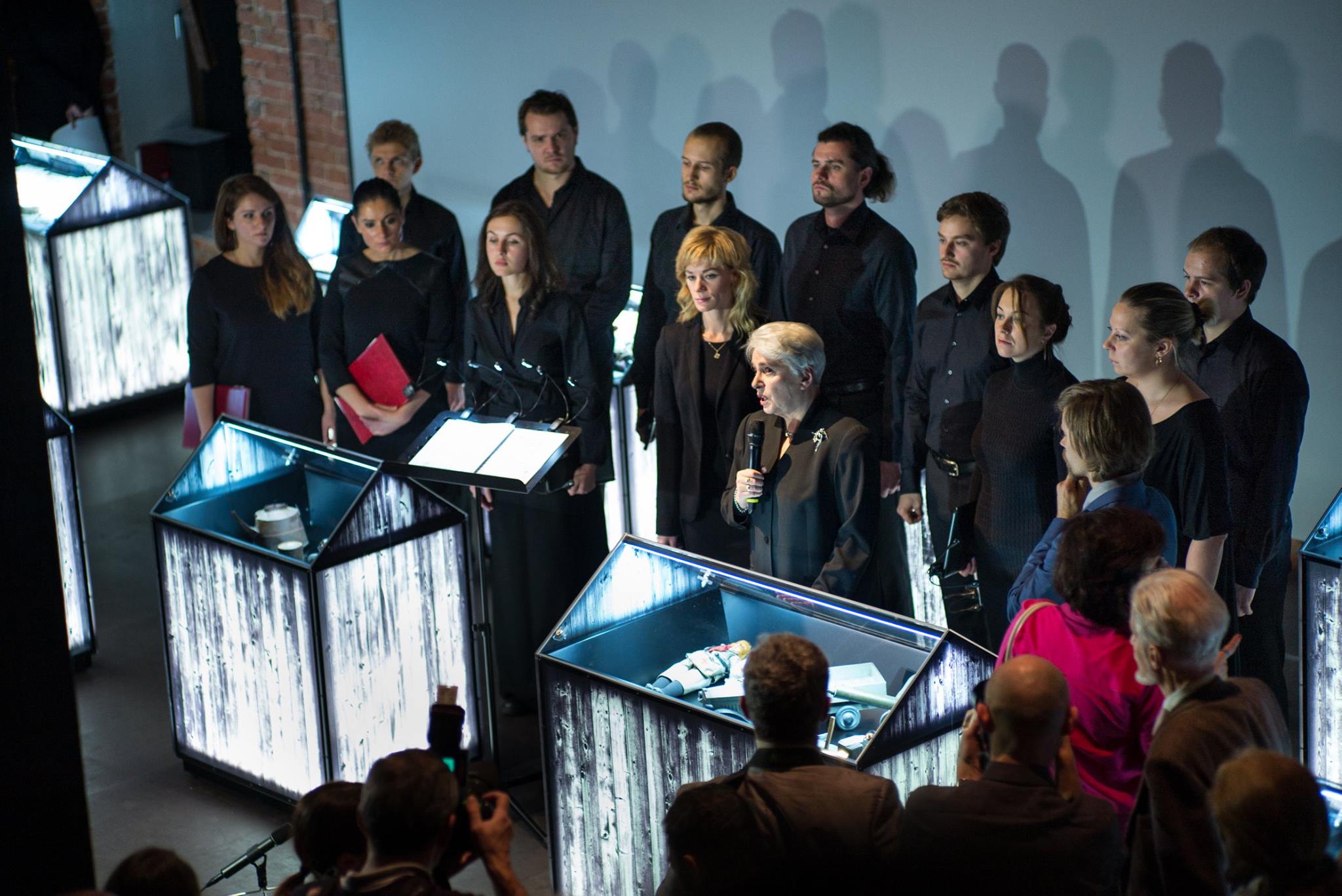
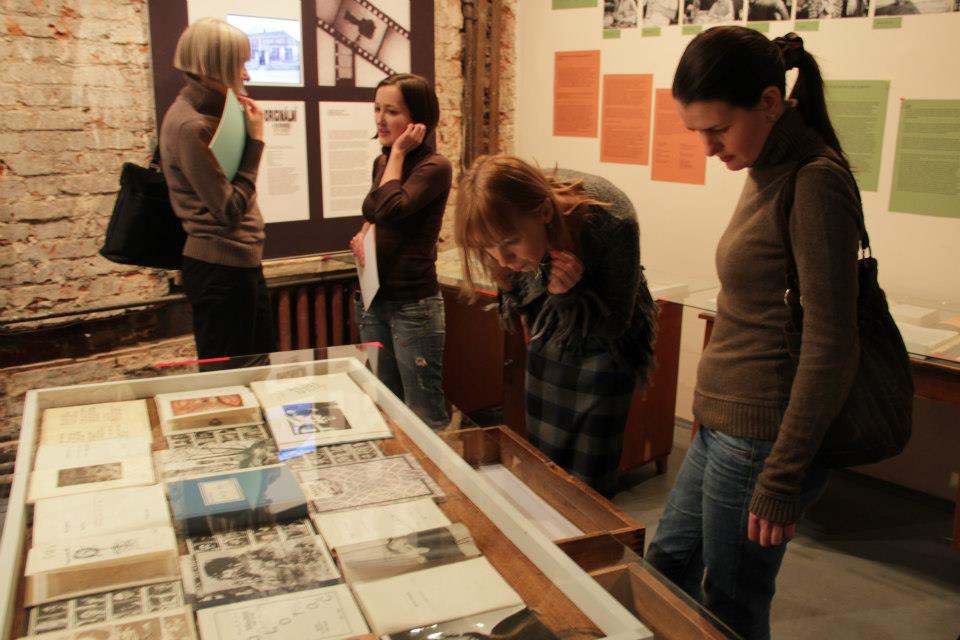
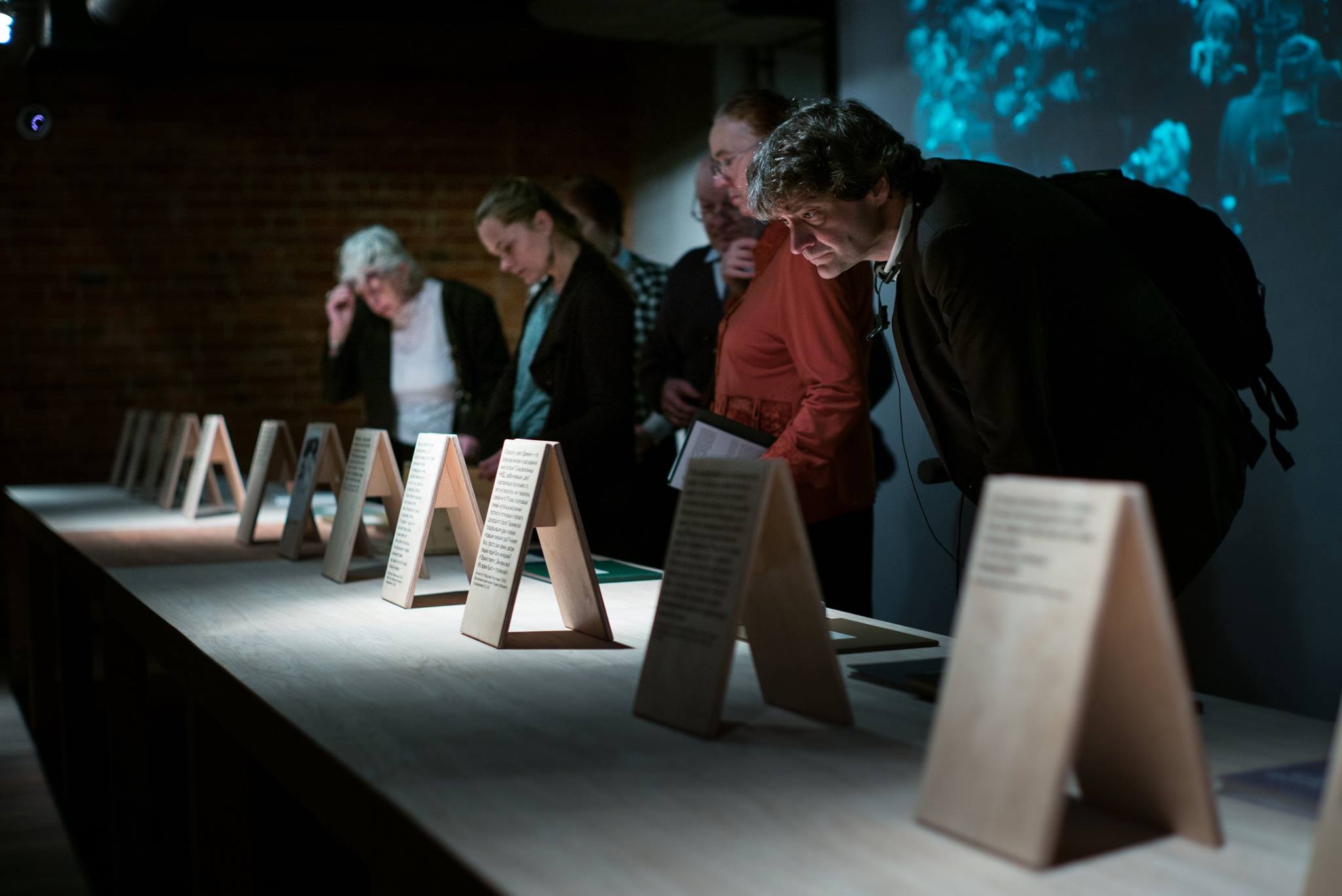
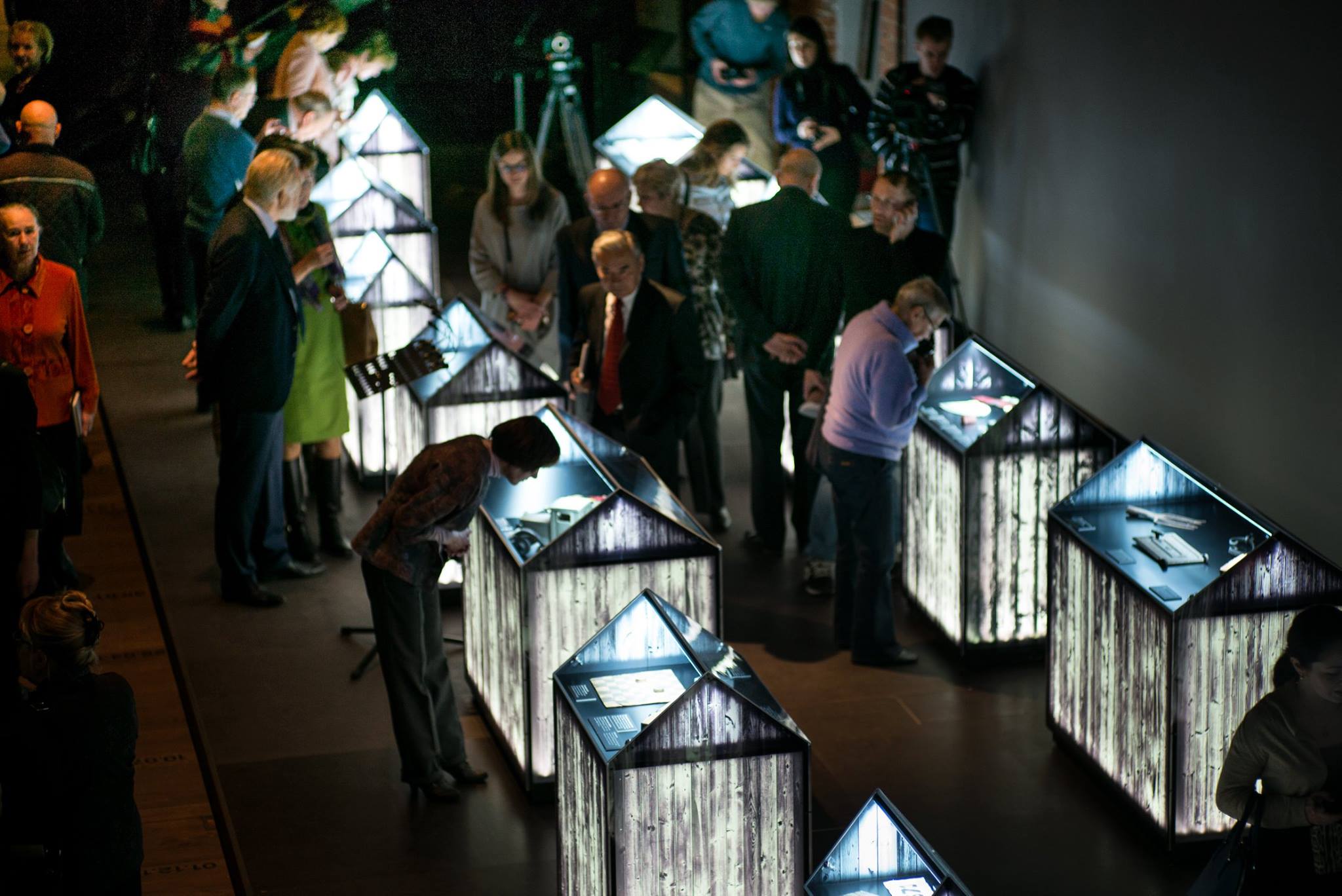
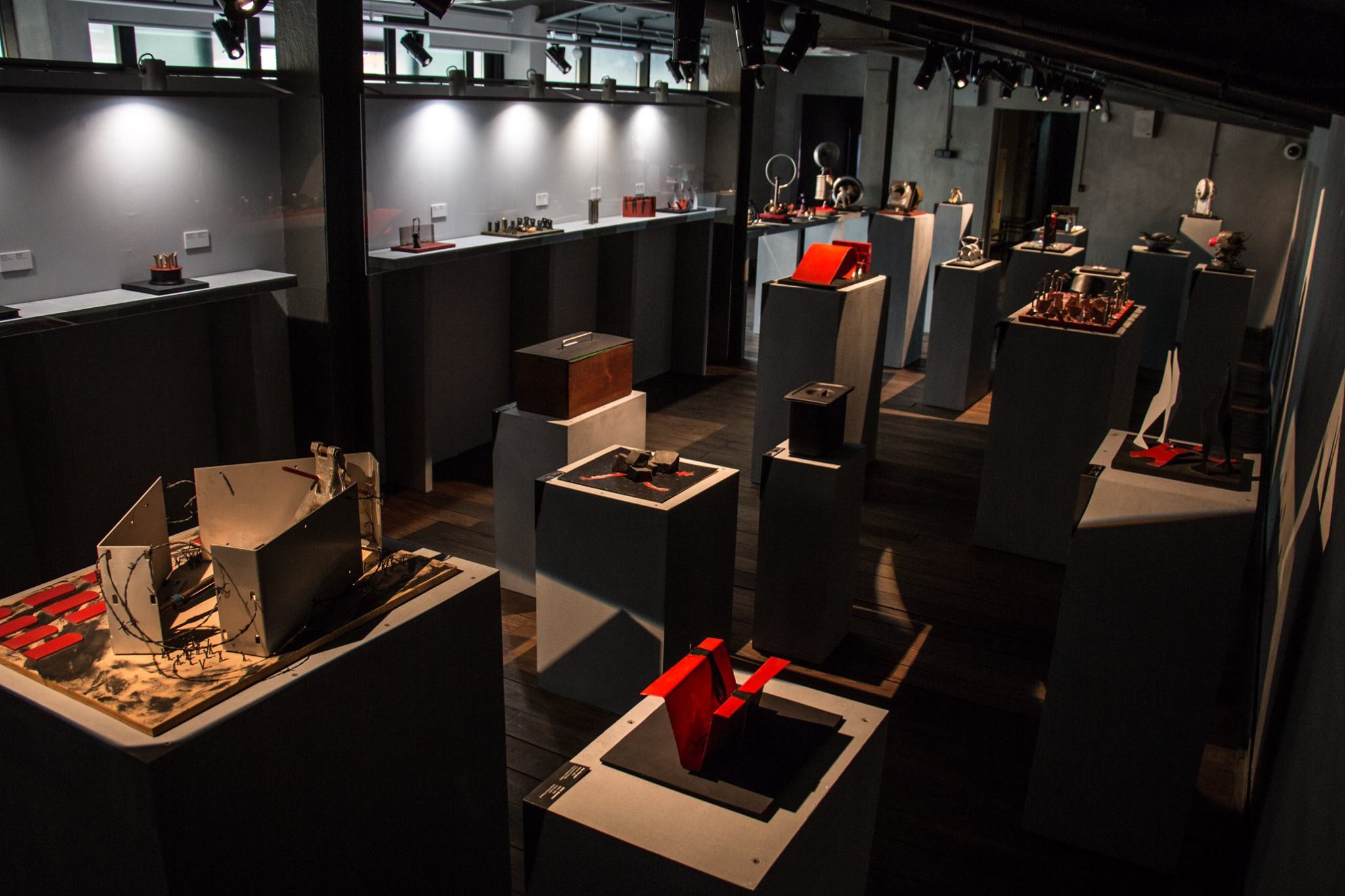
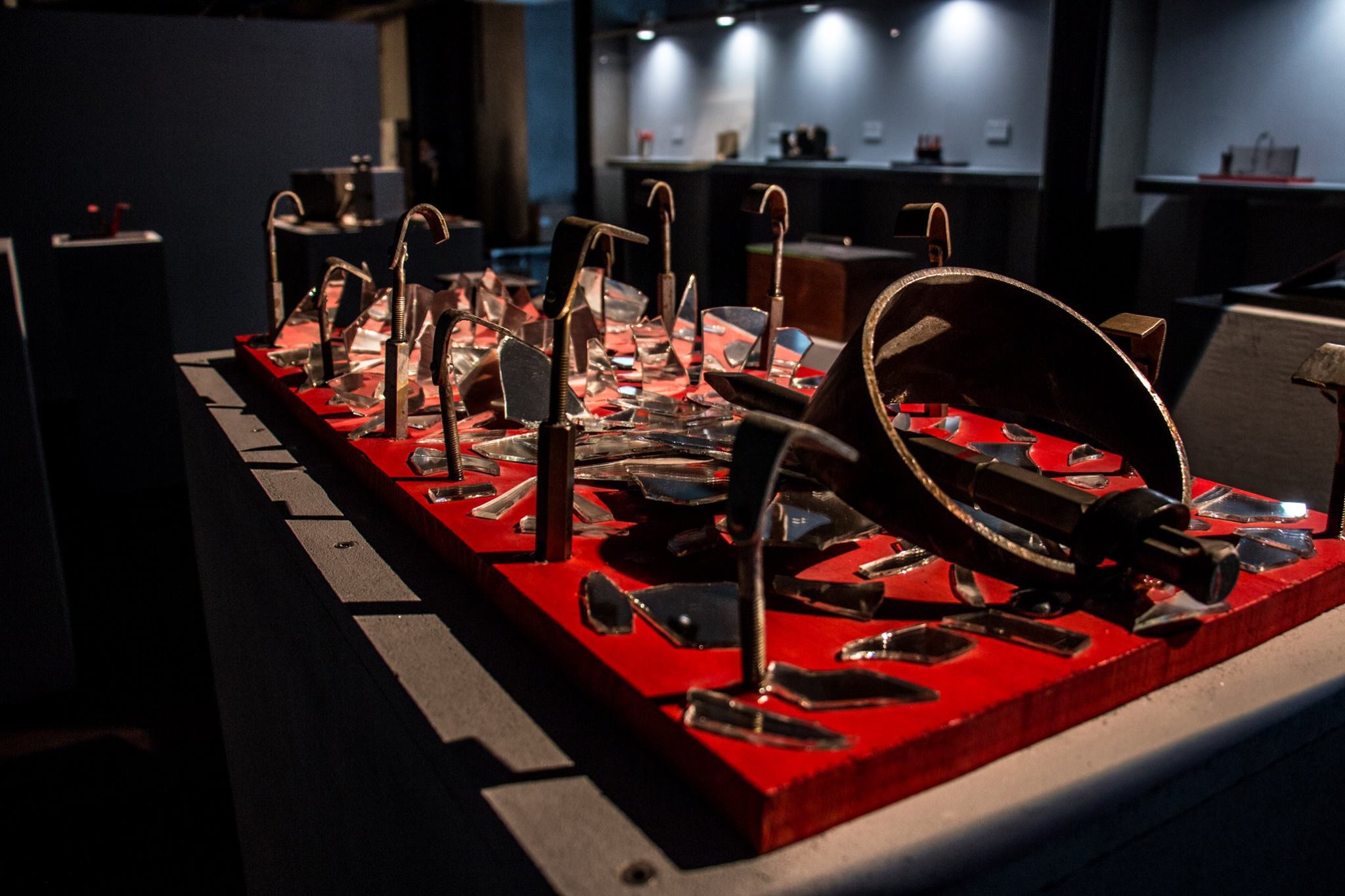
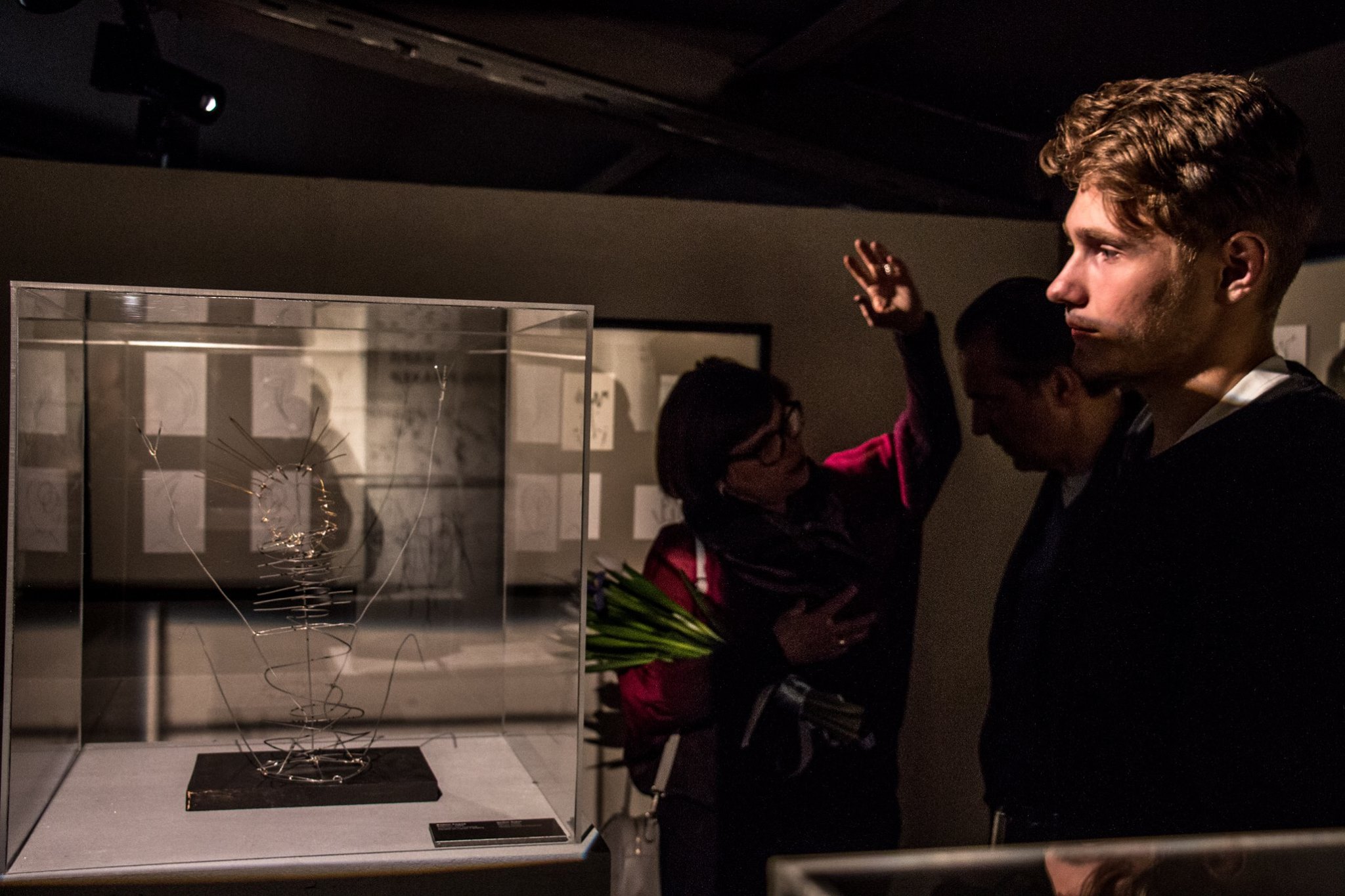
The museum’s exhibits cover the history of the Gulag system, which was a vast network of labor camps and prisons that spanned the Soviet Union. The exhibits include photographs, documents, and artifacts from the Gulag, as well as personal testimonies from survivors and their families. The museum also has an extensive collection of books and other materials on the history of the Gulag and human rights.
One of the most striking features of the museum is a replica of a Gulag barracks, which gives visitors a sense of what it was like to live and work in the camps. The replica is based on actual barracks that were used in the Vorkuta camp in the Arctic Circle. It includes bunks, blankets, and other basic necessities that were provided to prisoners, as well as tools and equipment that they used to perform hard labor.
The museum also has a section dedicated to the human rights movement in the Soviet Union, which was a grassroots movement that emerged in the 1960s and 1970s to challenge the abuses of the Soviet state. The section includes photographs and artifacts from the movement, as well as personal stories from its leaders and activists.
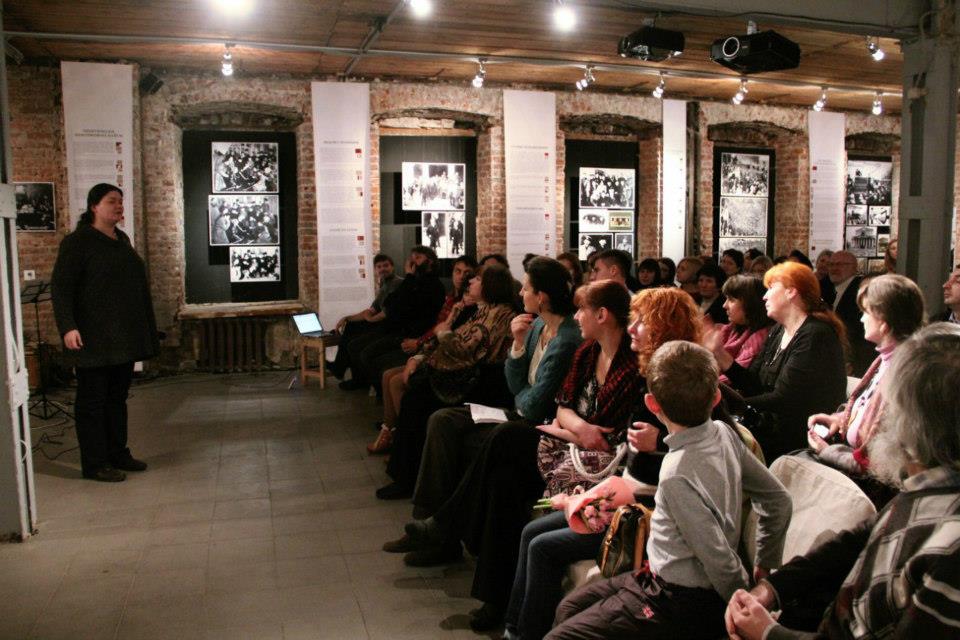
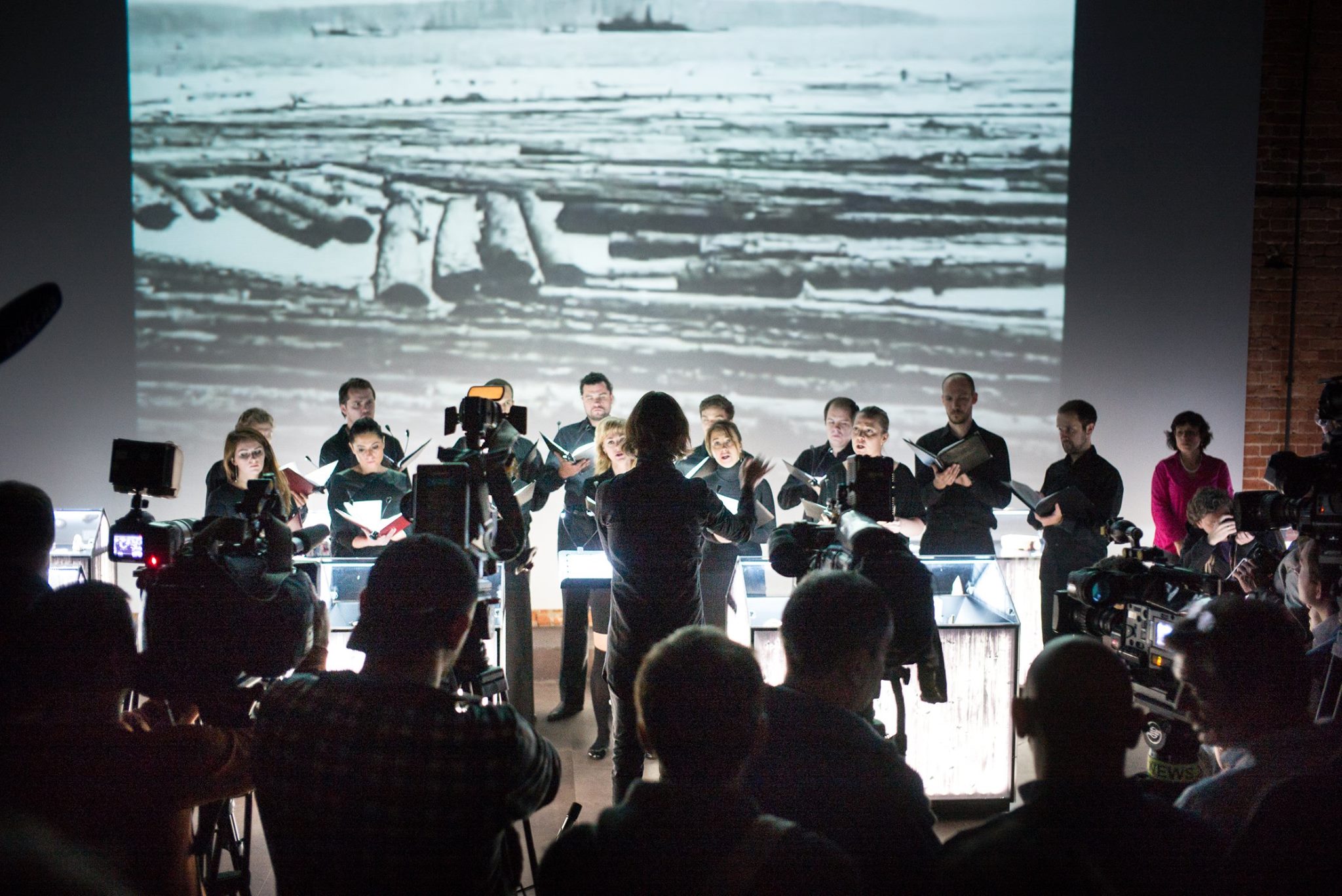
One of the goals of the museum is to promote awareness of human rights issues in Russia and around the world. To this end, the museum hosts a variety of events, such as lectures, film screenings, and panel discussions, on topics related to human rights and social justice. It also works with schools and other organizations to educate young people about the history of the Gulag and the importance of human rights.
The museum is open to the public six days a week, and admission is free. Visitors are encouraged to take a guided tour, which is available in several languages, to get the most out of their visit. The museum is also wheelchair accessible.
The GULAG History Museum is a powerful and moving reminder of the dark legacy of Soviet communism. It provides a valuable educational resource for people of all ages and backgrounds, and serves as a tribute to the millions of people who suffered and died in the Gulag. By promoting awareness of human rights and social justice issues, the museum is helping to create a better future for Russia and the world.