




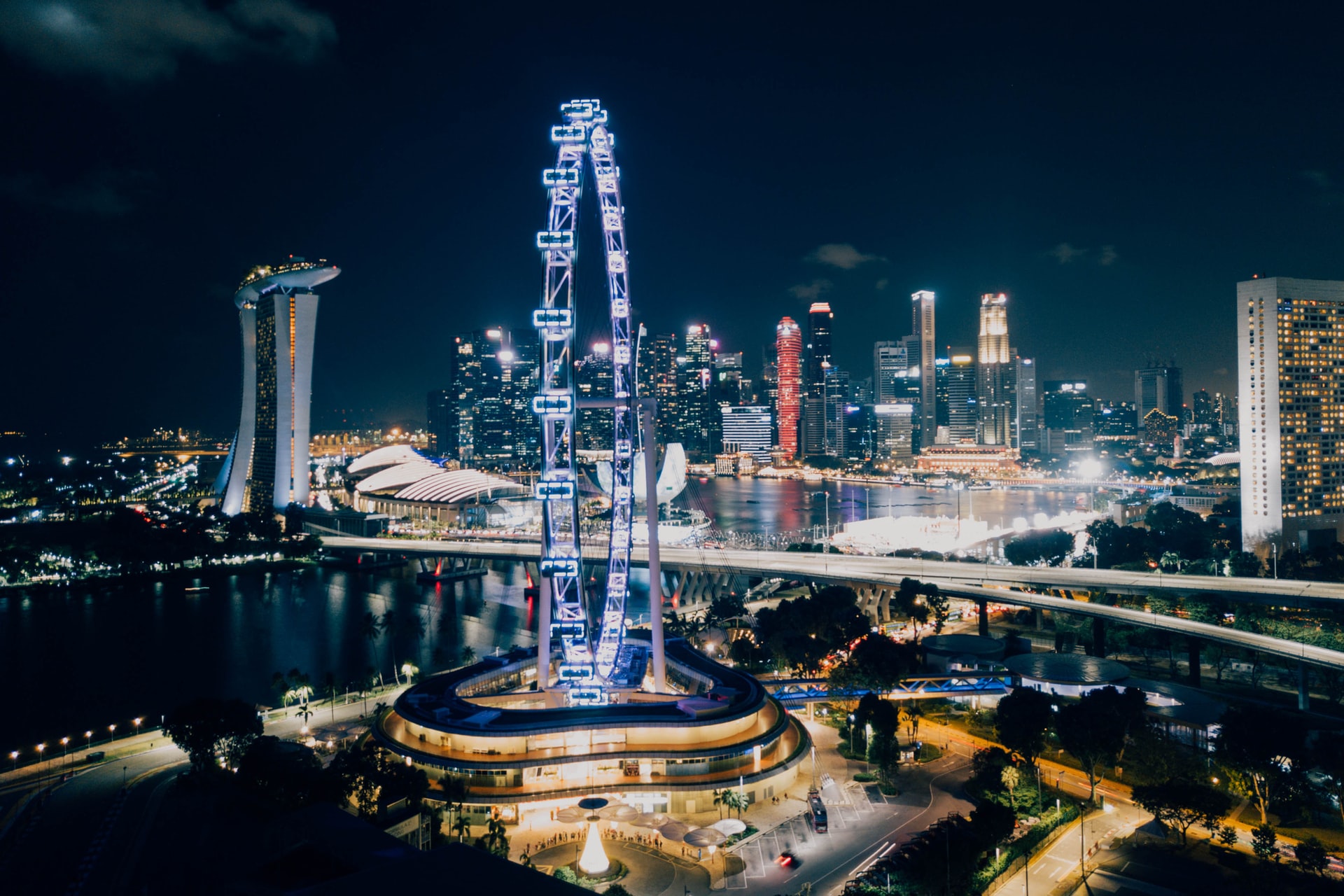


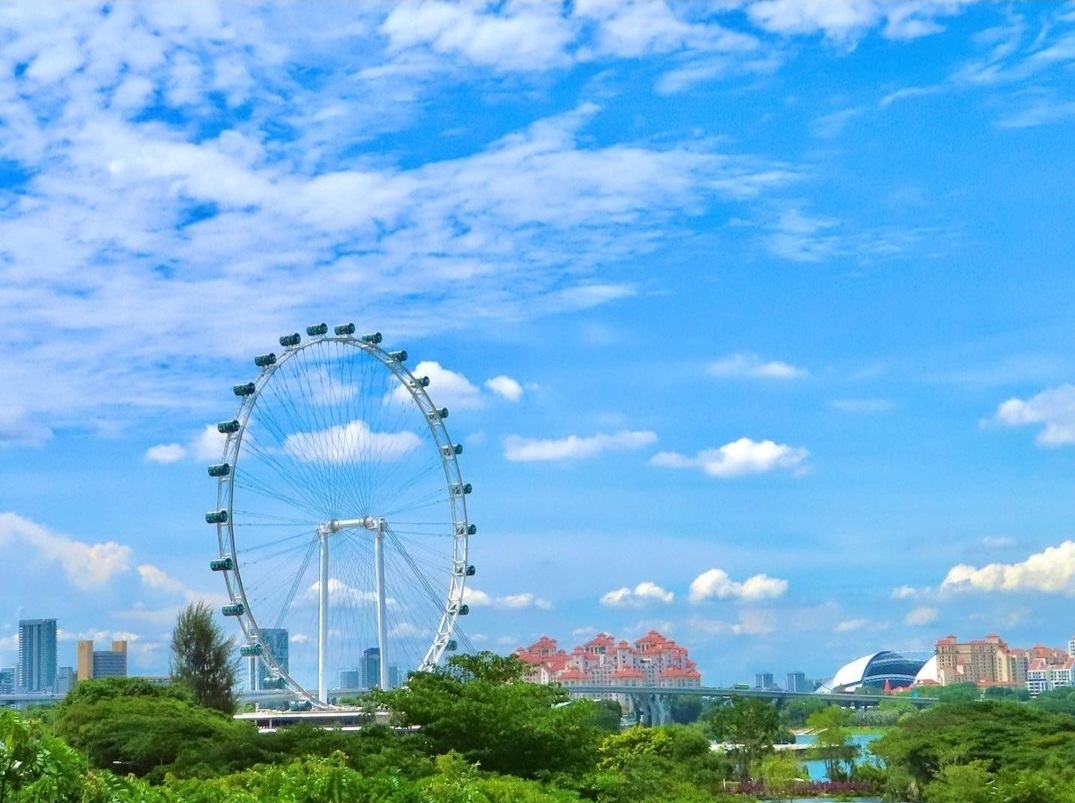
Singapore Flyer is a giant Ferris wheel located in Marina Bay, Singapore. It is one of the most popular tourist attractions in Singapore and is visited by thousands of tourists every day. The Singapore Flyer stands at a height of 165 meters, making it one of the tallest Ferris wheels in the world. The structure was opened to the public on 1st March 2008 and has since been a symbol of Singapore’s modernity and technological advancement.
History of Singapore Flyer
The idea of building a giant Ferris wheel in Singapore was first proposed in the early 2000s as part of Singapore’s effort to boost its tourism industry. The project was initiated by the Singapore Tourism Board and was led by the then-Chief Executive Officer of Singapore Flyer, Mr. Teng Eng Hwa. The construction of the Singapore Flyer began in September 2005, and it took about two and a half years to complete.
The Singapore Flyer was designed by a consortium of companies, including Mitsubishi Heavy Industries, RoyalHaskoning, and Arup, who provided the structural, mechanical, and electrical engineering expertise. The wheel was built by a joint venture between two companies, Penta-Ocean Construction and Shimizu Corporation. The total cost of building the Singapore Flyer was estimated to be around S$240 million.
Design and Structure
The Singapore Flyer has a unique design that sets it apart from other Ferris wheels. The wheel is supported by a massive triangular structure that is made up of steel tubes and cables. The triangular structure is connected to a series of pylons that anchor the wheel to the ground. The triangular structure also houses the wheel’s machinery, including the motors, gears, and cables that rotate the wheel.
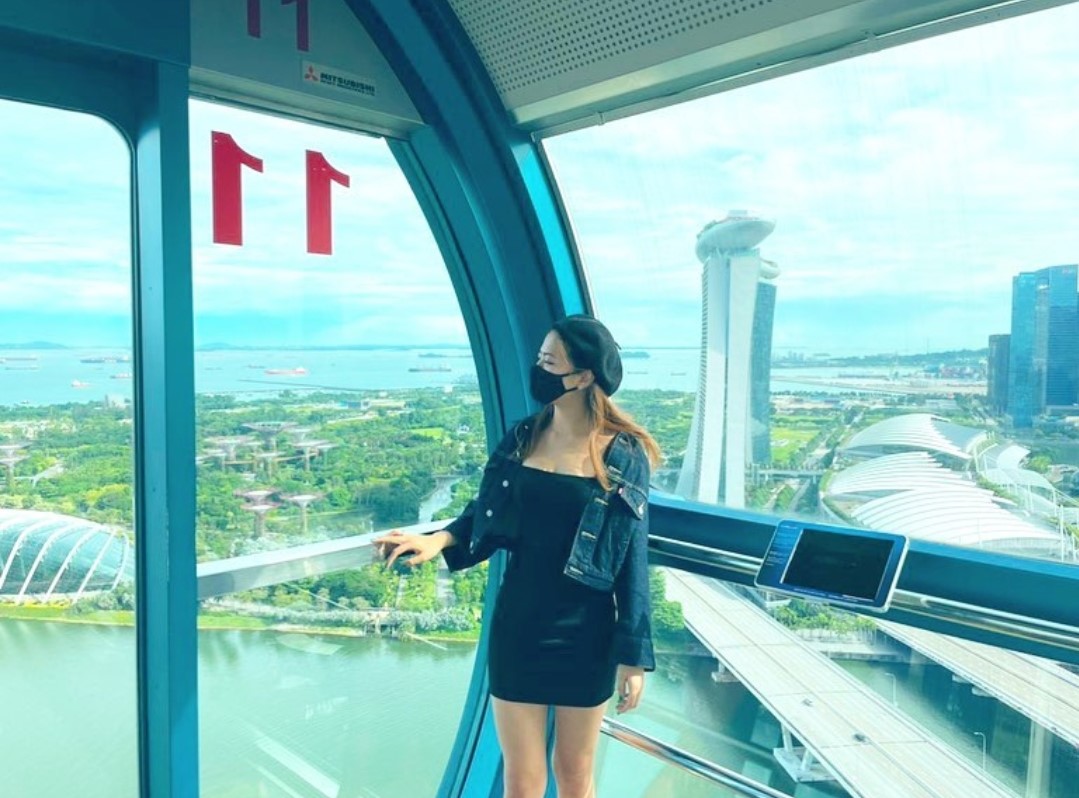
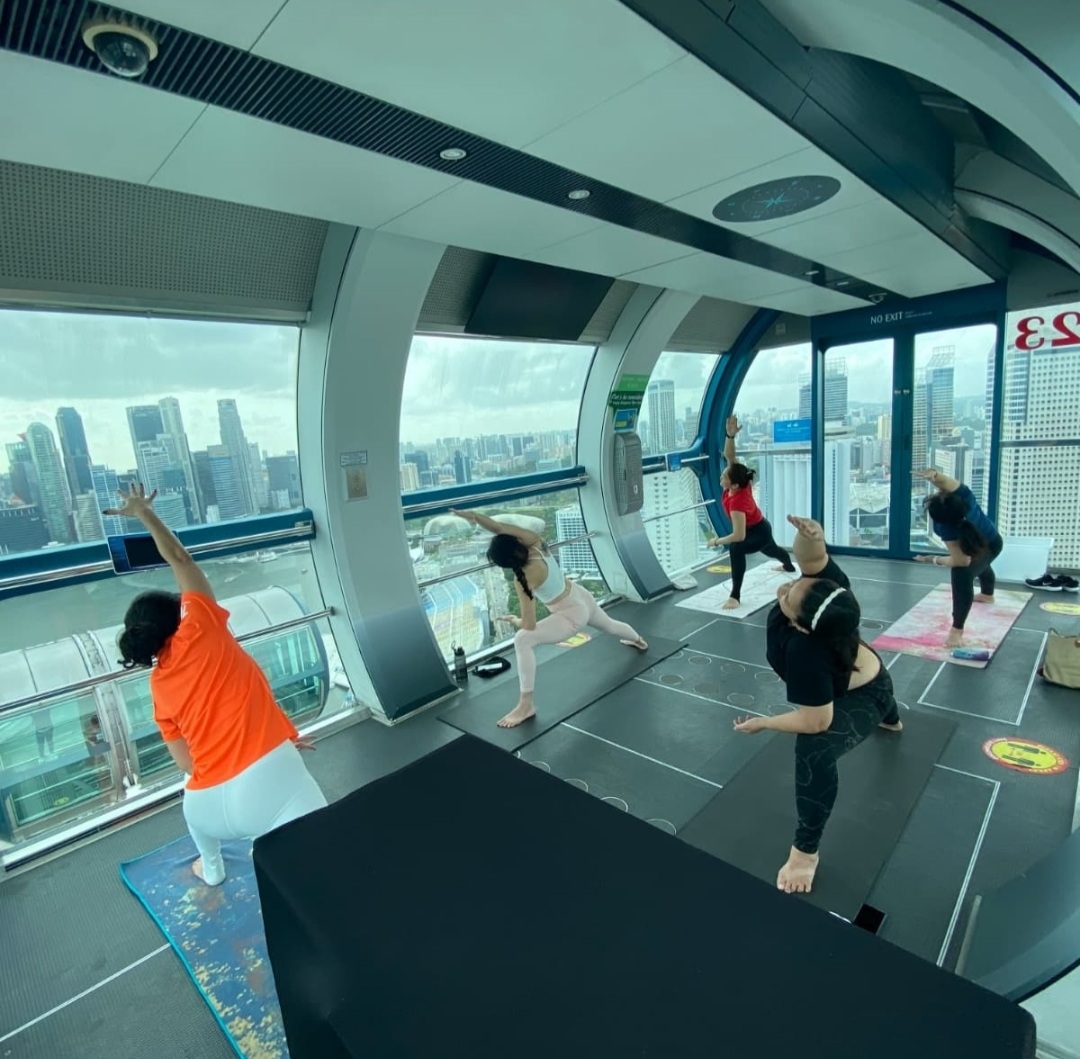
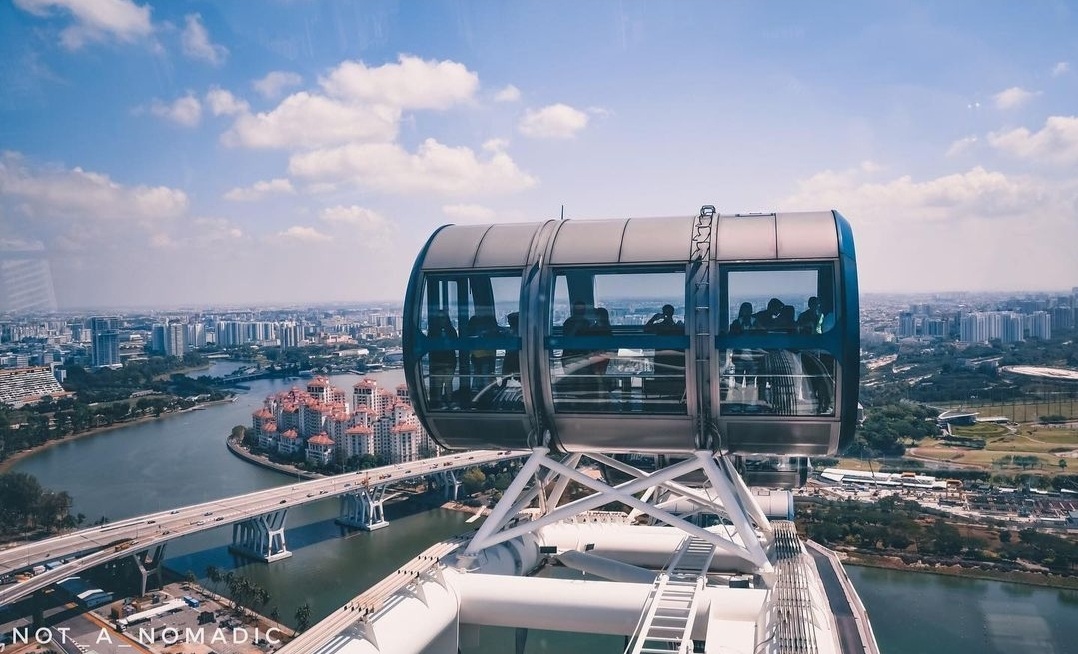
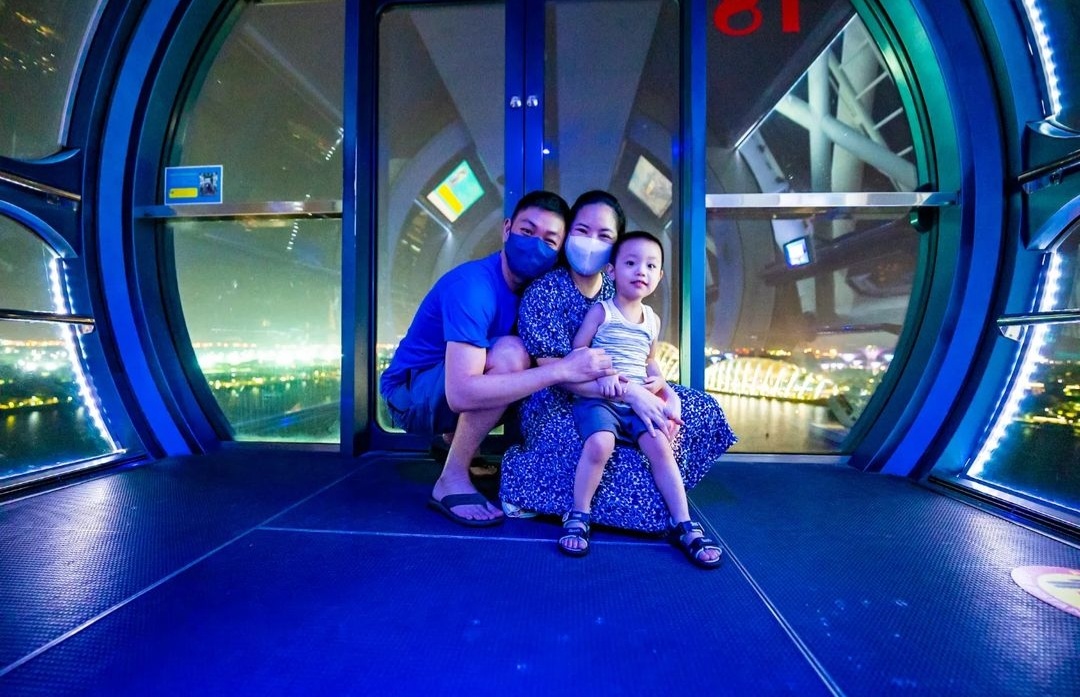
The wheel itself is made up of 28 air-conditioned capsules, each of which can accommodate up to 28 passengers. The capsules are designed to provide panoramic views of the city and are equipped with interactive touchscreens that provide information about the various landmarks visible from the wheel.
The Singapore Flyer is also equipped with several safety features, including a lightning protection system, emergency power supply, and a fire detection system. The wheel is also designed to withstand strong winds and earthquakes, and its stability is regularly monitored by a team of engineers.
Visitor Experience
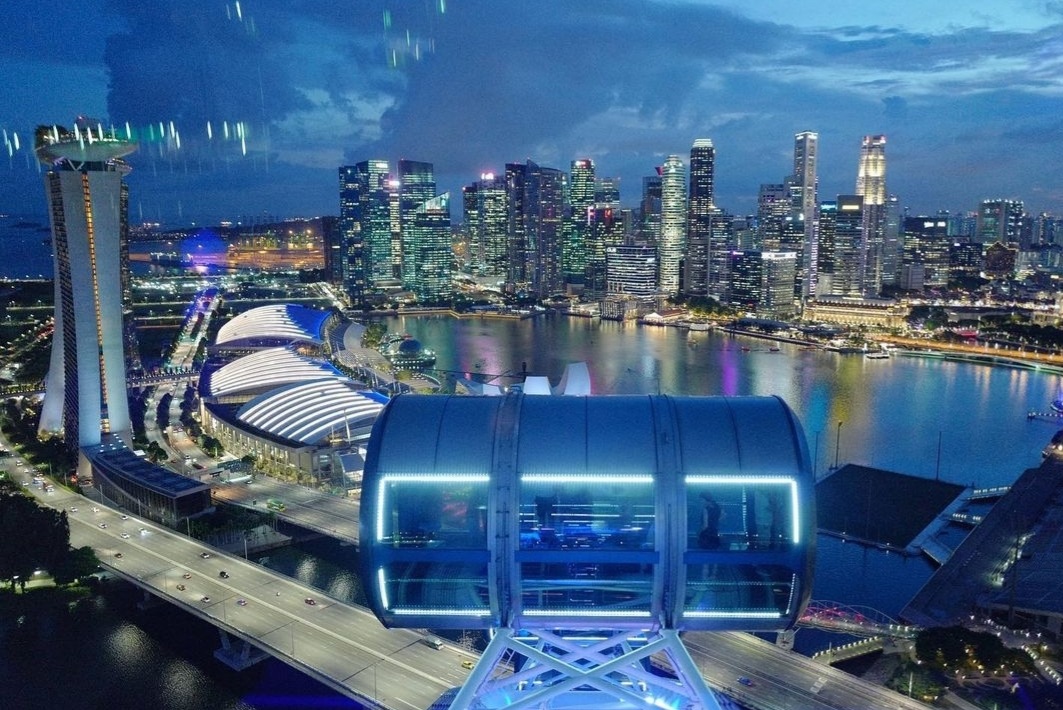
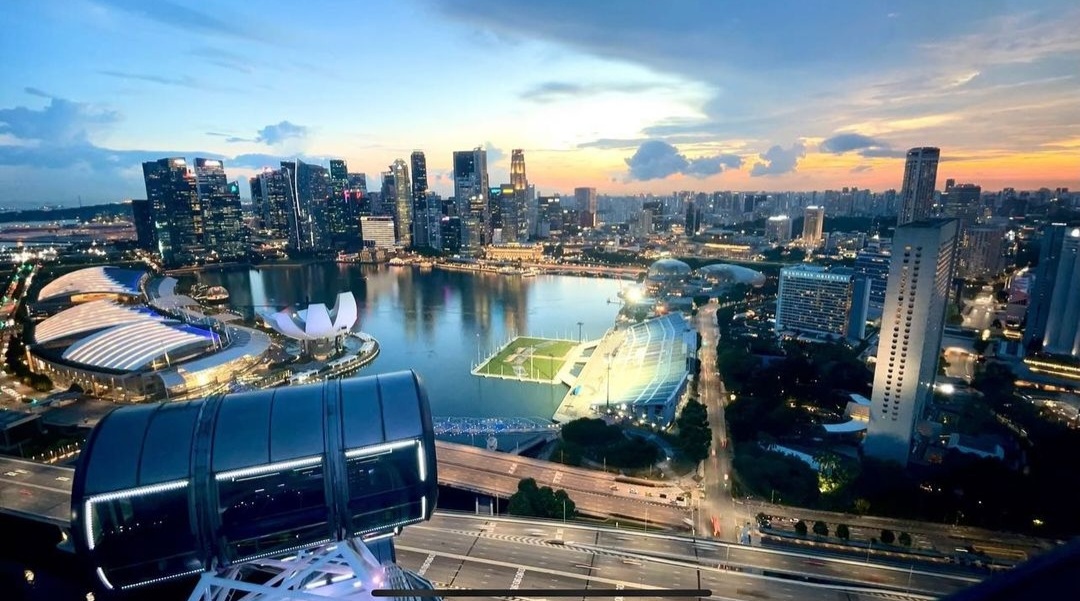
The Singapore Flyer offers visitors a unique and memorable experience. The ride lasts for approximately 30 minutes and takes visitors on a slow and gentle rotation around the wheel. The views from the top of the wheel are spectacular, and visitors can see the entire city skyline, including iconic landmarks such as Marina Bay Sands, Gardens by the Bay, and the Merlion statue.
In addition to the ride, the Singapore Flyer also offers a range of other attractions and experiences. There are several dining options available, including a luxurious fine-dining restaurant, a casual bistro, and a food court. The Flyer also has a range of shops selling souvenirs and other items.
For those looking for an even more exclusive experience, the Singapore Flyer offers several premium packages. These include a private capsule with a personal butler, a romantic sky dining experience, and a VIP package that includes access to the Flyer Lounge and a guided tour.
Impact on Singapore’s Tourism Industry
The Singapore Flyer has had a significant impact on Singapore’s tourism industry since its opening in 2008. It has become one of Singapore’s most popular tourist attractions, attracting millions of visitors from all over the world. The Flyer has also helped to boost the local economy by creating jobs and generating revenue for local businesses.
The Singapore Flyer has also played a role in promoting Singapore as a modern and technologically advanced city. The Flyer’s unique design and state-of-the-art features have helped to position Singapore as a leader in innovation and design. The Flyer has also been featured in numerous international media outlets, further increasing Singapore’s visibility on the global stage.
The Singapore Flyer has also helped to spur the development of Marina Bay as a major tourist destination in Singapore. The area around the Flyer has been developed into a vibrant entertainment and lifestyle hub, with a range of attractions, hotels, and dining options. The Flyer has helped to attract visitors to the area and has contributed to the development of the local economy.
Challenges Faced by Singapore Flyer
Despite its success, the Singapore Flyer has faced several challenges over the years. One of the most significant challenges has been competition from other tourist attractions in Singapore. In recent years, Singapore has seen the opening of several new attractions, including the Marina Bay Sands integrated resort and the Gardens by the Bay. These attractions have attracted a lot of visitors and have posed a challenge to the Singapore Flyer’s dominance as a tourist destination.
Another challenge faced by the Singapore Flyer has been maintenance and upkeep. The Flyer requires regular maintenance to ensure its safety and stability, and this can be a costly and time-consuming process. In 2008, the Flyer was closed for several months due to technical issues, which caused significant disruption to its operations and impacted its reputation.
The Covid-19 pandemic has also had a significant impact on the Singapore Flyer. The Flyer was closed for several months in 2020 due to the pandemic, and this had a significant impact on its revenue and operations. The Flyer has since reopened, but visitor numbers have been impacted by ongoing travel restrictions and concerns about the pandemic.
Conclusion
The Singapore Flyer is a unique and iconic attraction that has played a significant role in Singapore’s tourism industry. It has helped to promote Singapore as a modern and technologically advanced city and has contributed to the development of Marina Bay as a major tourist destination. While the Flyer has faced several challenges over the years, it remains a popular attraction and a symbol of Singapore’s progress and innovation. As Singapore continues to develop its tourism industry, the Singapore Flyer will undoubtedly continue to play an important role in the city’s future.