

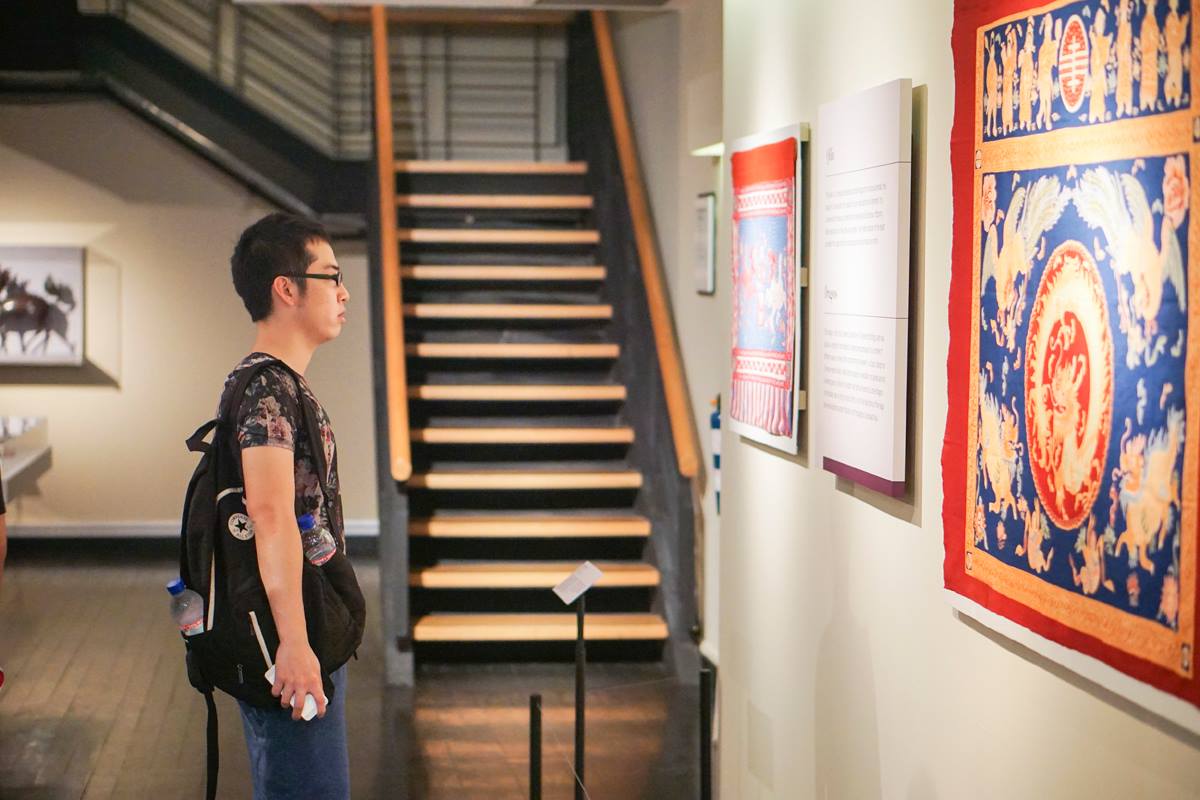
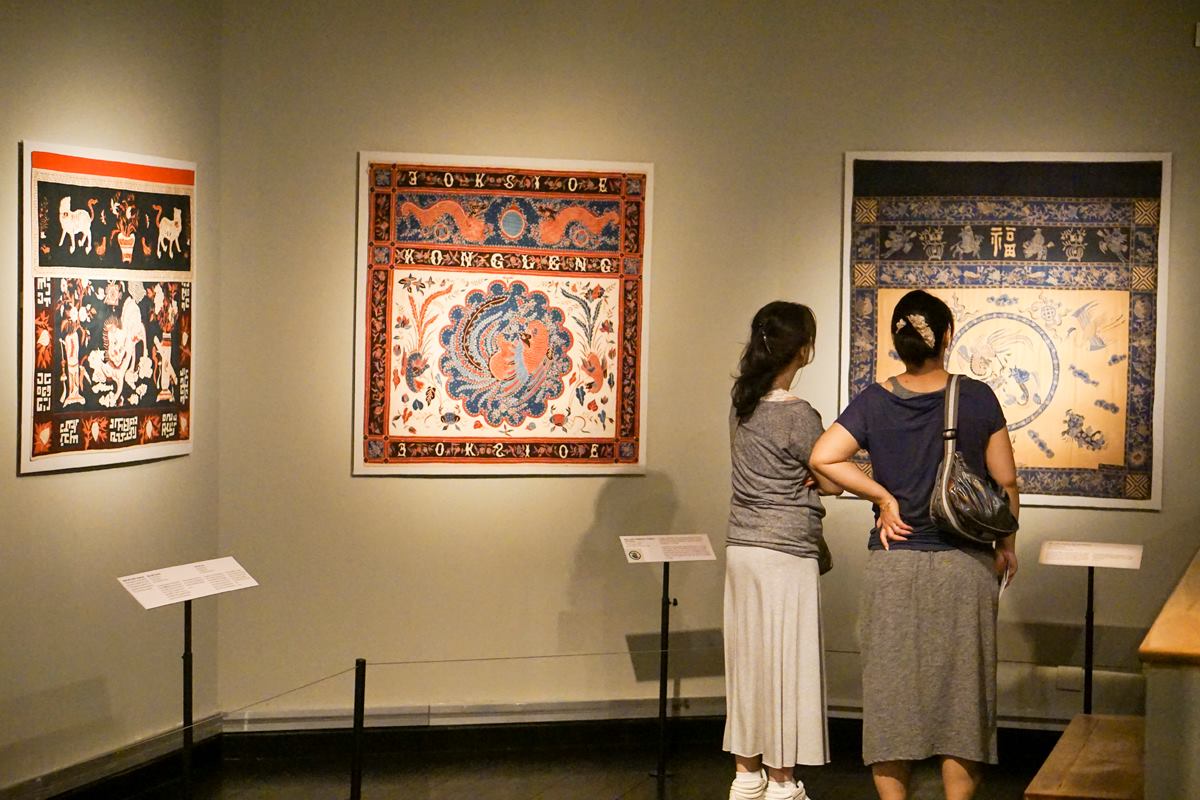
The Peranakan Museum Singapore is a unique institution dedicated to the Peranakan culture, also known as Baba-Nyonya or Straits Chinese culture. Located in the heart of Singapore’s historic district of Bras Basah, the museum houses a fascinating collection of artifacts, textiles, ceramics, and furniture that tell the story of the Peranakan people and their way of life.
The Peranakan Museum is housed in a beautiful three-story building that was originally the Tao Nan School, built in 1912. The school was founded by the Hokkien community, one of the largest ethnic groups in Singapore, and was dedicated to the education of their children. The building was later used as the Japanese military administration during World War II and as the headquarters of the Singapore Police Force before it was converted into a museum in 2008.
The museum’s collection is divided into ten galleries that showcase the different aspects of Peranakan culture. The galleries are arranged thematically, rather than chronologically, to provide a better understanding of the cultural practices and beliefs of the Peranakan people. The galleries are as follows:
- Introduction Gallery: This gallery provides an introduction to the Peranakan culture and its origins. It showcases the diversity of Peranakan communities in Southeast Asia and their distinctive customs, food, dress, and language.
- Wedding Gallery: Weddings are an important event in Peranakan culture, and this gallery displays the traditional wedding customs and practices of the community. It features elaborately embroidered bridal gowns, ornate wedding jewelry, and other wedding accessories.
- Family Gallery: This gallery showcases the daily life of a Peranakan family, including the roles of men and women, children’s education, and the use of traditional medicine. It also features displays of traditional furniture, household items, and personal belongings.
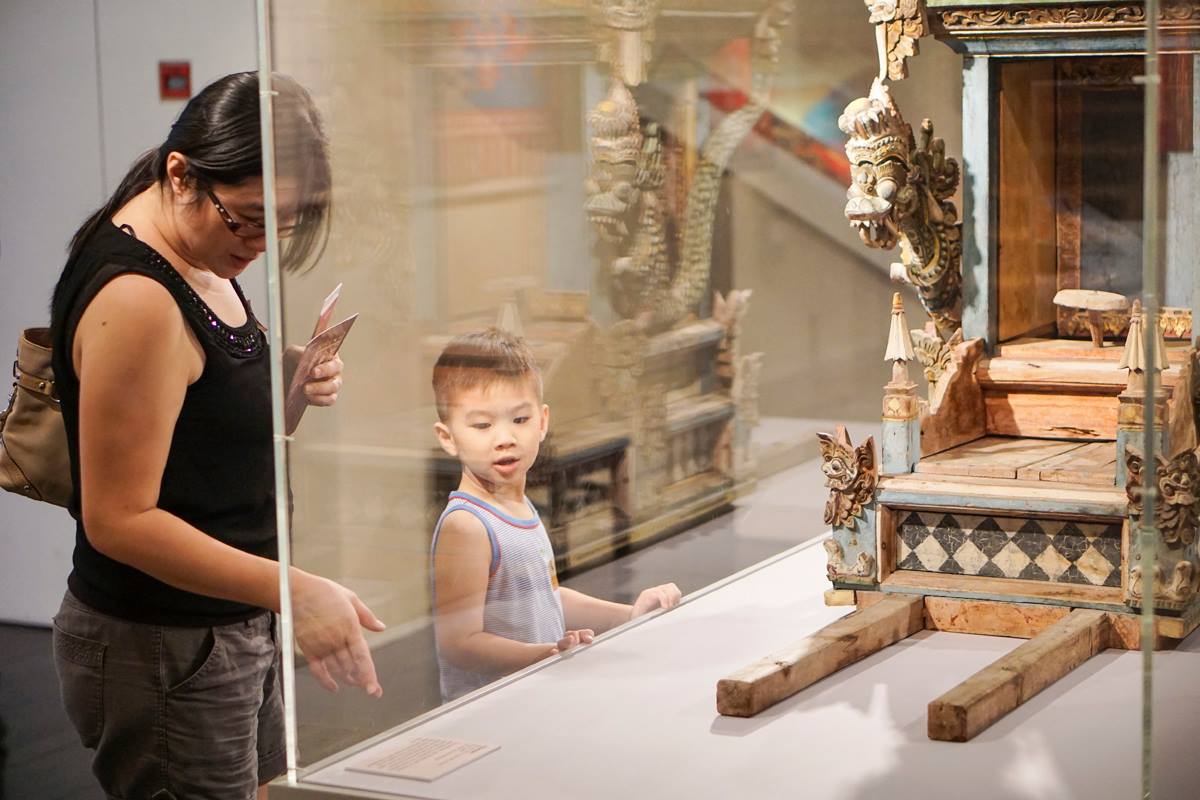
- Religion Gallery: Religion plays an important role in Peranakan culture, and this gallery displays the community’s religious practices, beliefs, and artifacts. It features elaborate altars, religious paintings, and ritual objects used in ancestor worship and other religious ceremonies.
- Food and Feasting Gallery: Food is an integral part of Peranakan culture, and this gallery displays the different types of food, cooking techniques, and dining customs of the community. It features displays of Peranakan cuisine, including the famous Nyonya cuisine, and traditional dining sets.
- Language and Literature Gallery: The Peranakan language, which is a mix of Malay and Chinese dialects, is an important aspect of the community’s identity. This gallery showcases the literature and language of the Peranakan people, including examples of traditional poetry, letters, and newspapers.
- Clothing and Jewelry Gallery: Peranakan dress is known for its vibrant colors, intricate embroidery, and ornate jewelry. This gallery showcases the different types of clothing and jewelry worn by men and women, including the kebaya, sarong, and baju panjang.
- Peranakan Baba House: The Peranakan Baba House is a traditional Peranakan house that has been preserved as it was in the early 20th century. Visitors can take a guided tour of the house and learn about the architecture, design, and lifestyle of a Peranakan family.
- Contemporary Gallery: This gallery showcases the ways in which Peranakan culture has evolved and adapted to the modern world. It features contemporary Peranakan art, fashion, and design, and highlights the ongoing contributions of the Peranakan community to Singapore’s cultural landscape.
- Special Exhibitions Gallery: The Special Exhibitions Gallery hosts temporary exhibitions on a range of topics related to Peranakan culture and heritage. These exhibitions offer visitors a chance to learn about specific aspects of Peranakan history and culture in greater detail
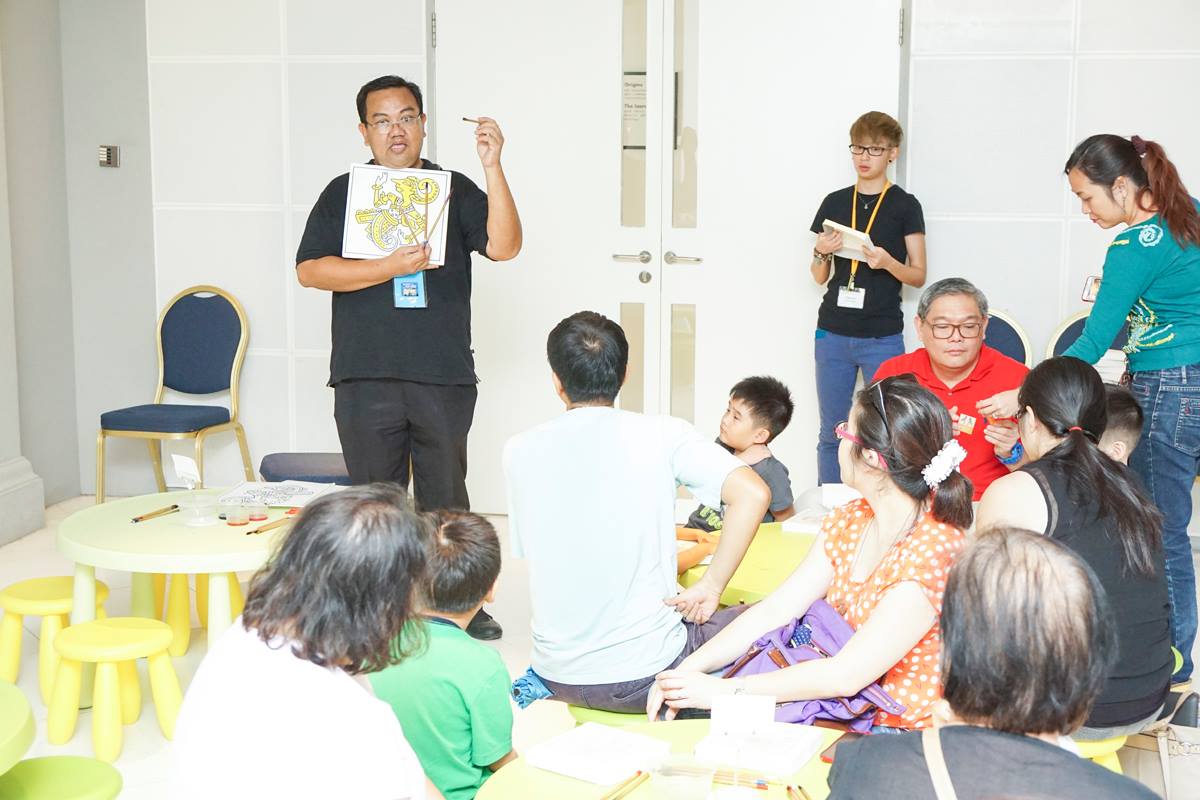
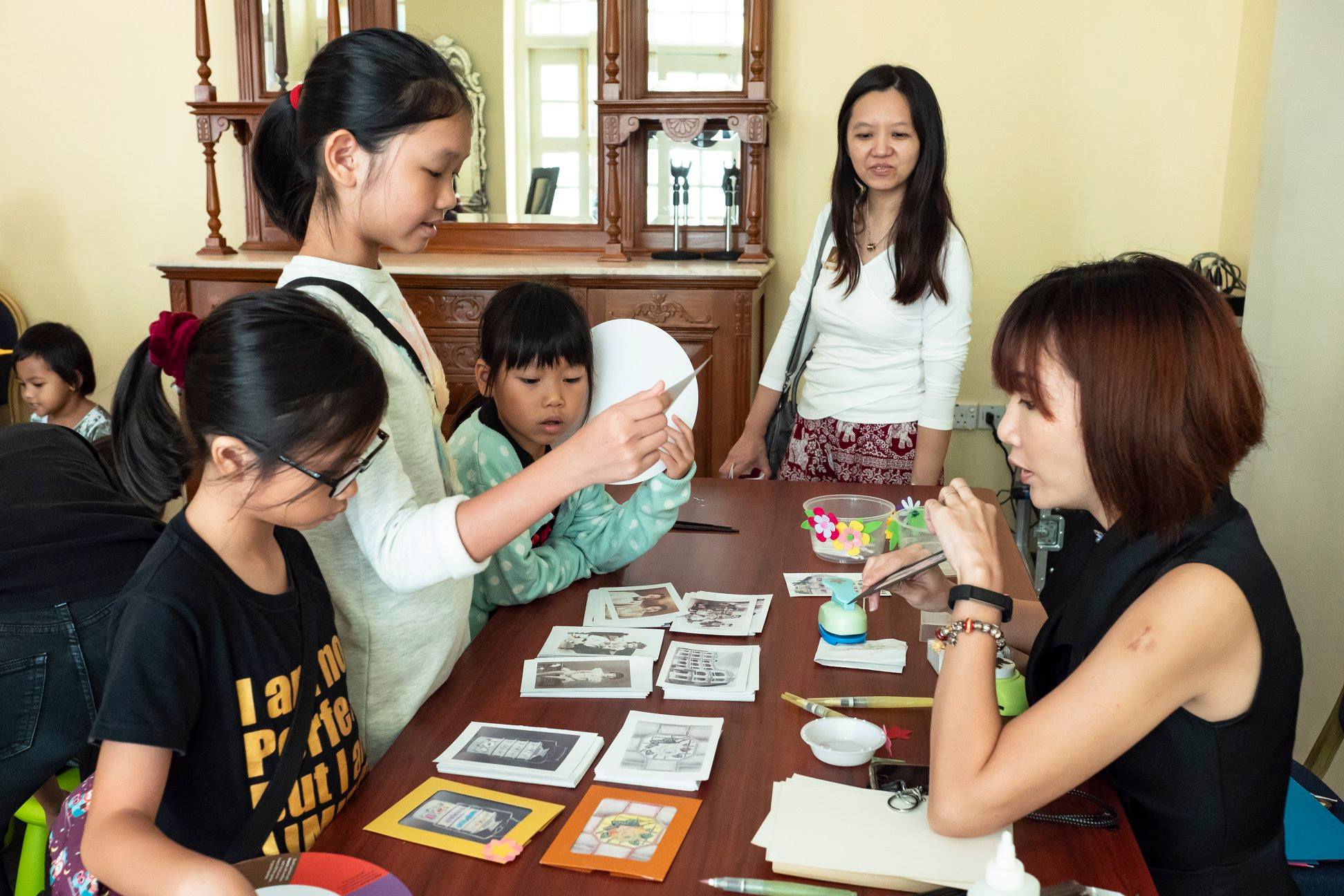
In addition to the galleries, the Peranakan Museum also hosts a range of programs and events throughout the year. These include talks, workshops, performances, and festivals that celebrate Peranakan culture and its contributions to Singapore’s multicultural society. The museum also offers educational programs for students, teachers, and families, designed to provide a deeper understanding of Peranakan history and culture.
One of the unique features of the Peranakan Museum is its focus on the Peranakan culture, which is a distinctive blend of Chinese and Malay influences. The Peranakan people are descendants of Chinese immigrants who settled in Southeast Asia and married local Malay women, creating a unique hybrid culture that has its own traditions, language, and customs. The Peranakan Museum is one of the few museums in the world that is dedicated solely to this culture, making it an important resource for scholars, researchers, and enthusiasts.
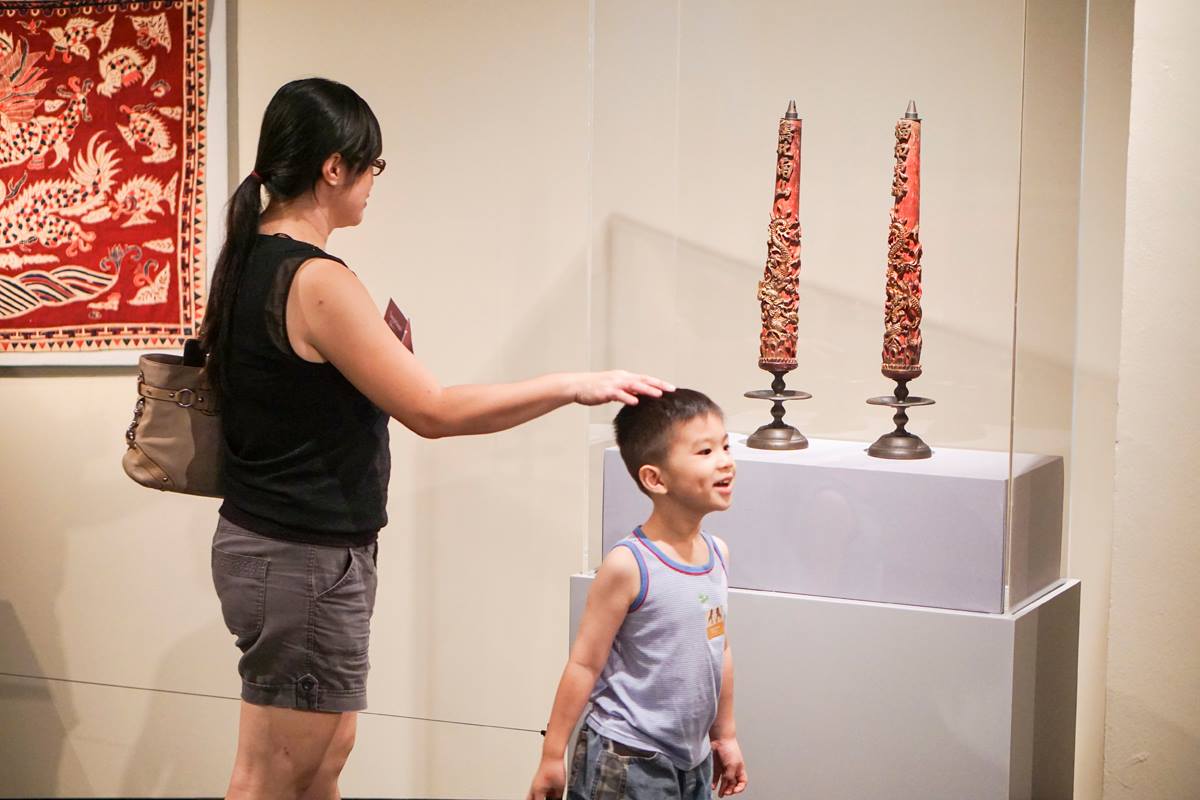
The museum’s collection includes over 1,000 artifacts, ranging from furniture and textiles to ceramics and jewelry. Many of these artifacts are rare and valuable, and provide a glimpse into the daily lives of the Peranakan people. For example, the museum’s collection of Peranakan wedding dresses is one of the largest in the world, and includes examples of intricate embroidery, beading, and lacework. The museum’s collection of ceramics is also noteworthy, featuring rare examples of Peranakan porcelain that were produced in China specifically for the Peranakan market.
Another highlight of the museum is the Peranakan Baba House, which is a fully restored Peranakan home that was donated to the museum by its owners. The Baba House is located in the nearby neighborhood of Blair Plain, and offers visitors a chance to experience a traditional Peranakan home firsthand. The house is furnished with traditional Peranakan furniture and decor, and provides a glimpse into the lifestyle of a Peranakan family in the early 20th century.