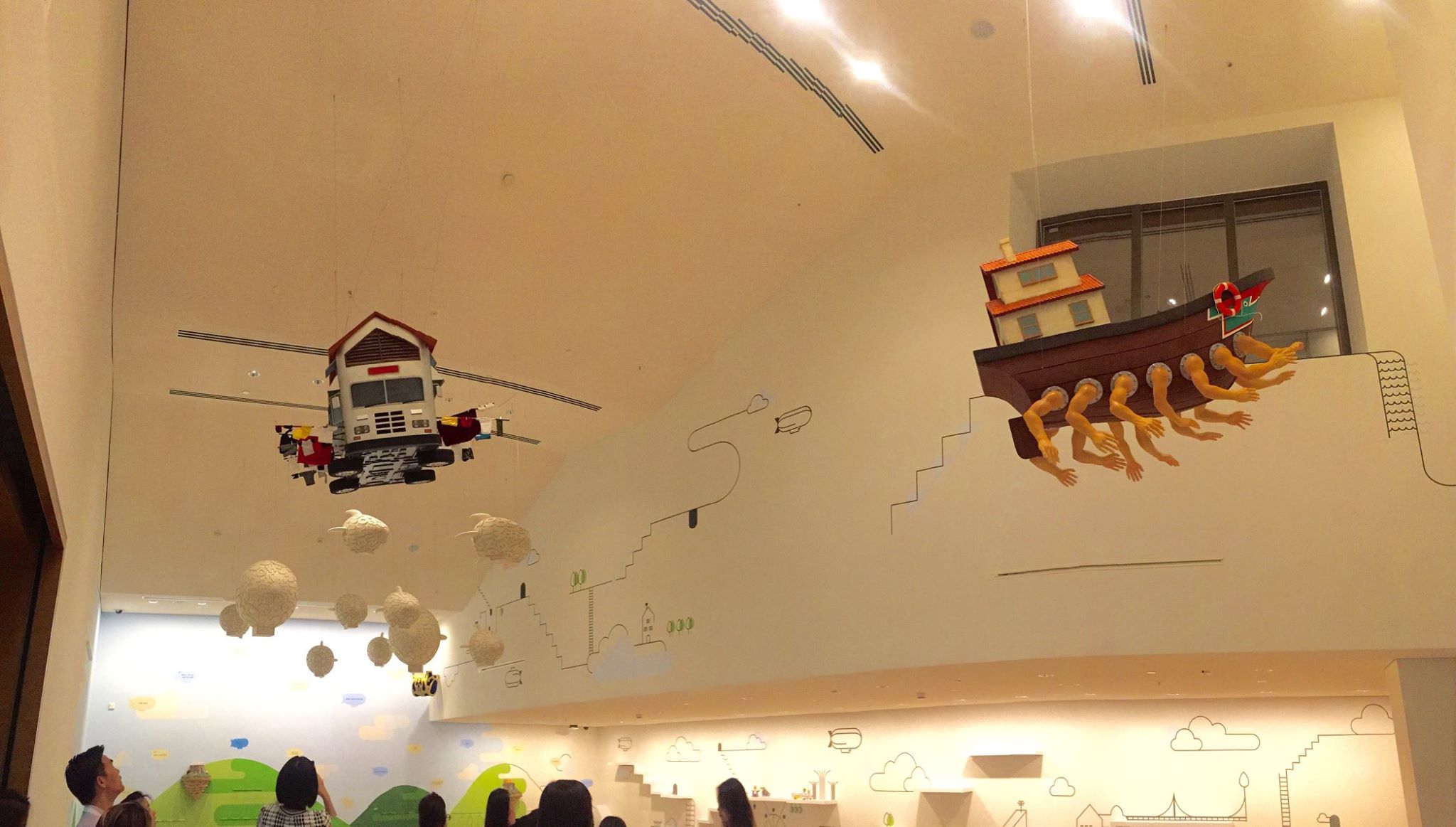
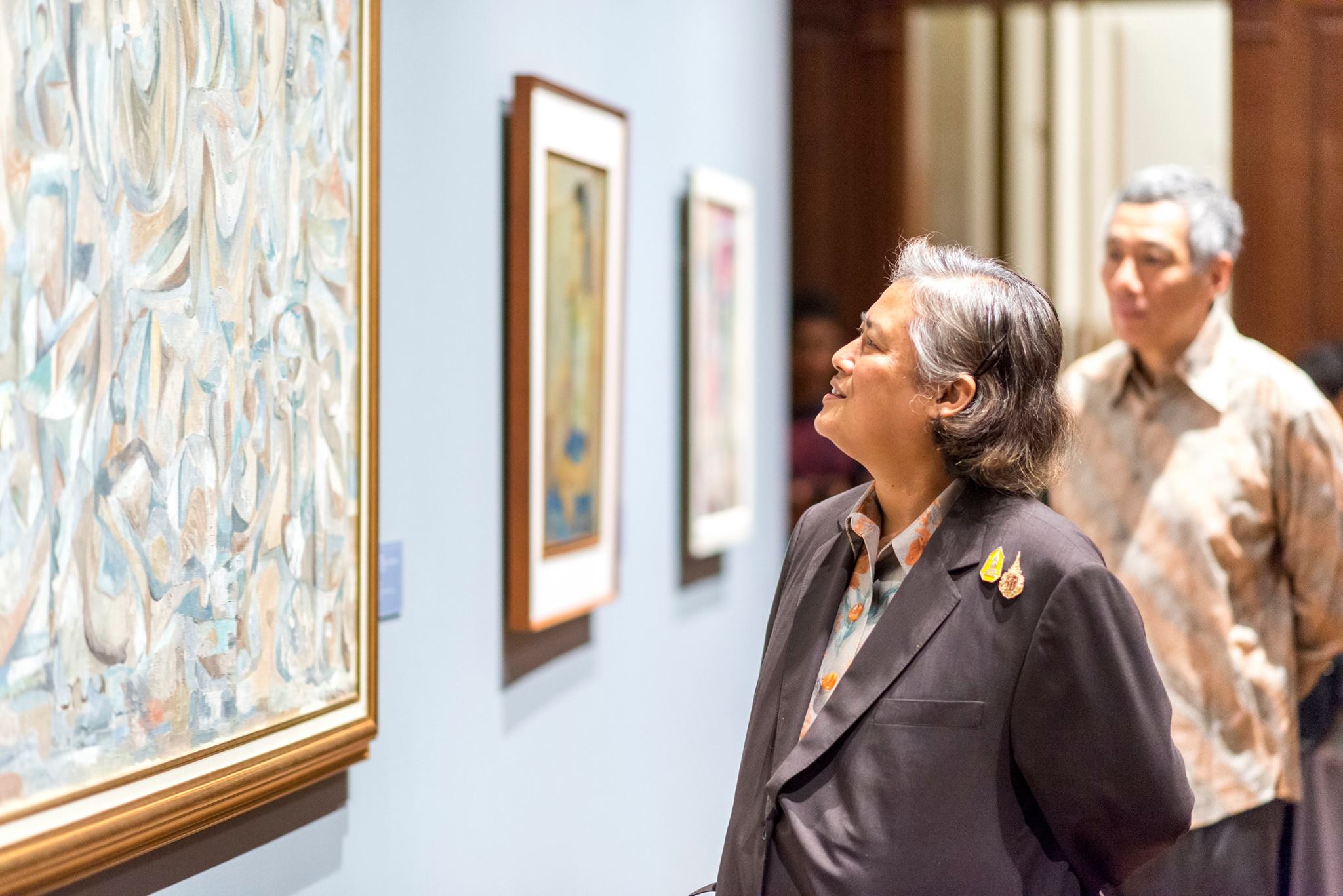

National Gallery Singapore is a premier museum located in the heart of the city-state. The museum is housed in two iconic buildings, the City Hall and the former Supreme Court, both of which were built in the early 20th century. The National Gallery Singapore opened its doors to the public in November 2015 and has since become one of the most visited cultural attractions in the region.
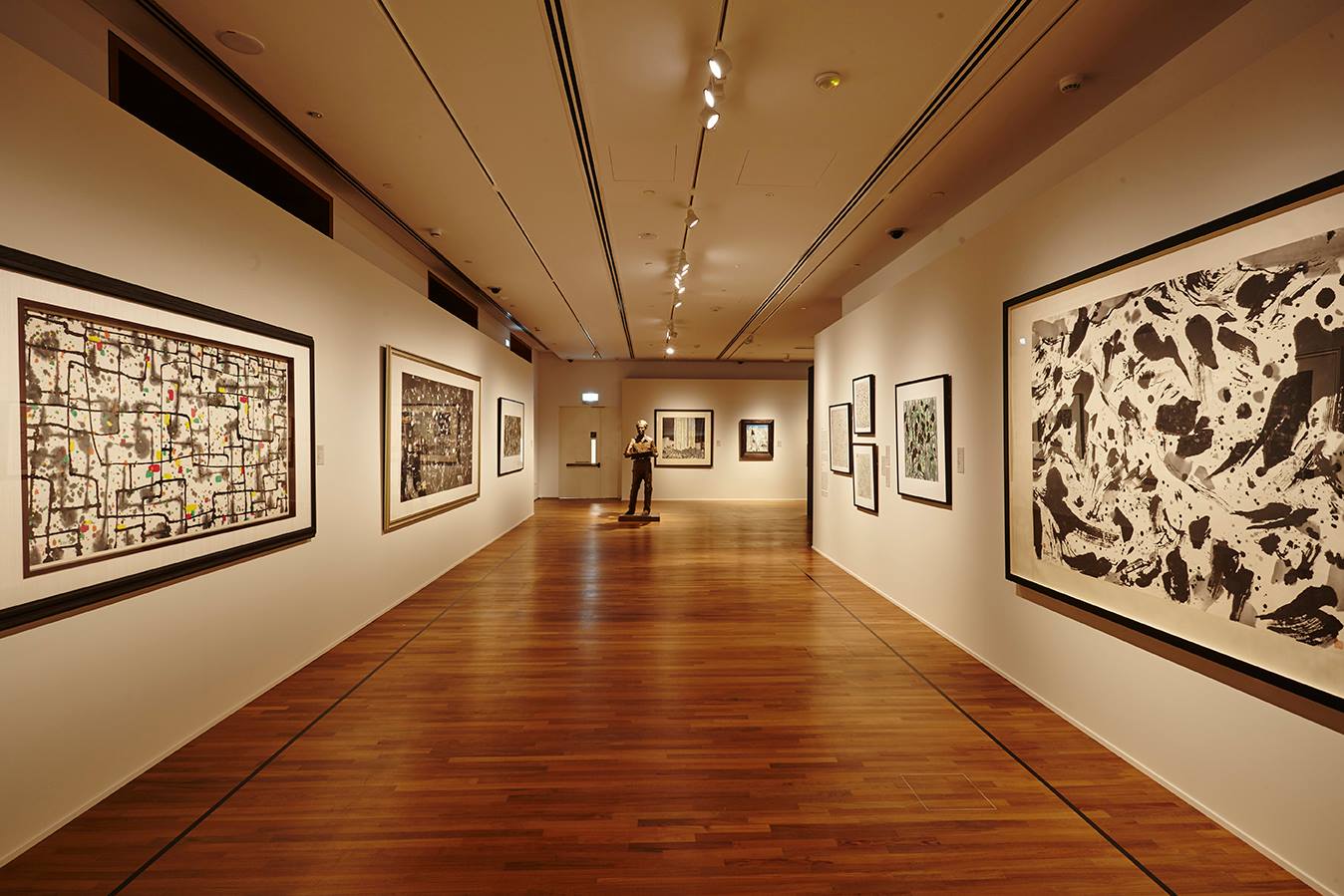
The National Gallery Singapore is home to the largest public collection of modern art in Singapore and Southeast Asia. The museum features over 8,000 works of art from the 19th century to the present day, including paintings, sculptures, installations, and multimedia art. The museum’s collection showcases the diversity and richness of Singaporean and Southeast Asian art, as well as international art from around the world.
One of the unique features of the National Gallery Singapore is the way the museum is structured. The museum’s galleries are organized thematically, rather than chronologically or geographically. This allows visitors to explore the museum’s collection through different themes and ideas, rather than a traditional art historical narrative.
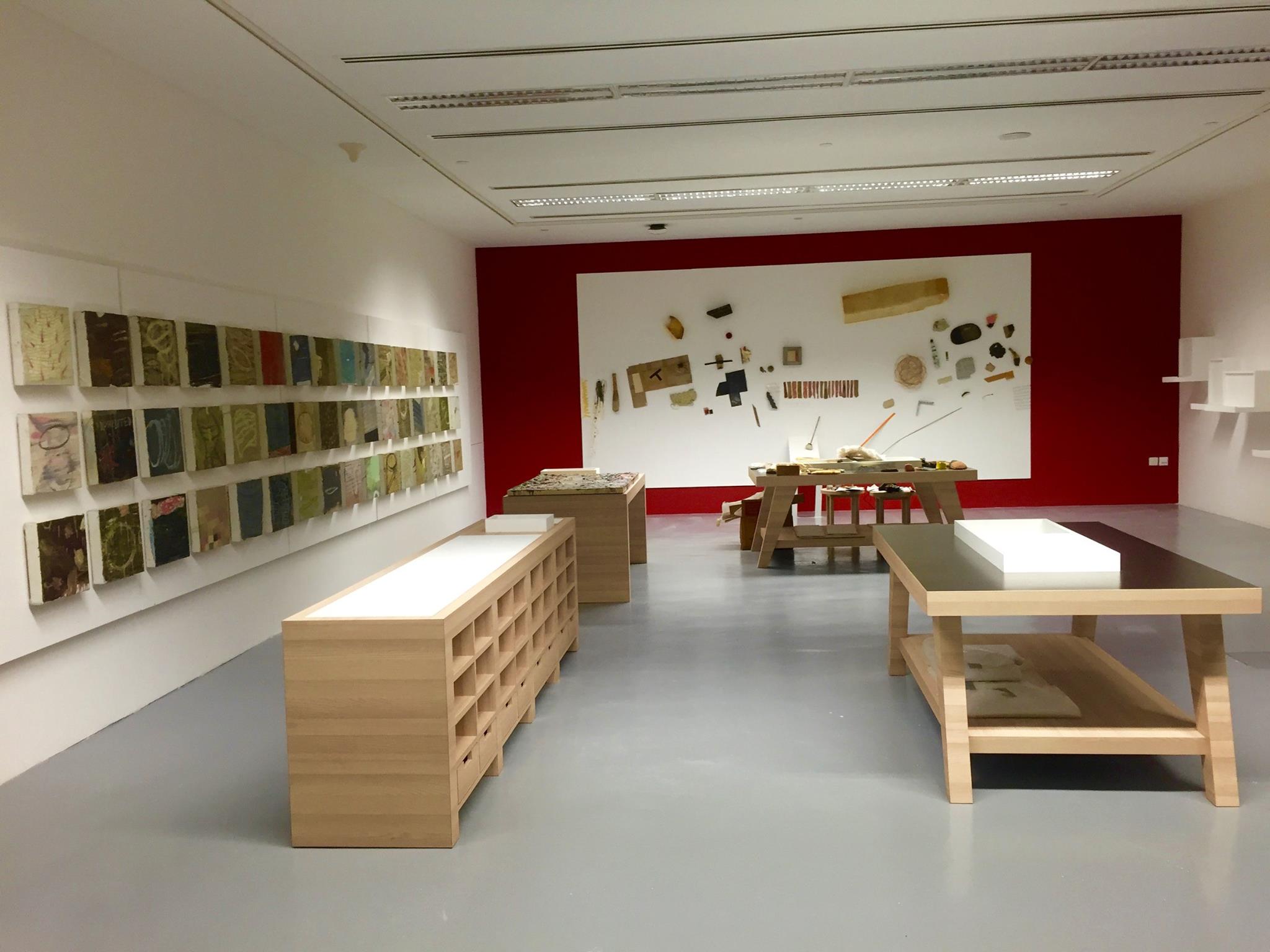
The museum’s permanent collection is divided into four main galleries: the Singtel Special Exhibition Gallery, the DBS Singapore Gallery, the UOB Southeast Asia Gallery, and the Wu Guanzhong Gallery. Each gallery focuses on a different aspect of art history and showcases different artists and works of art.
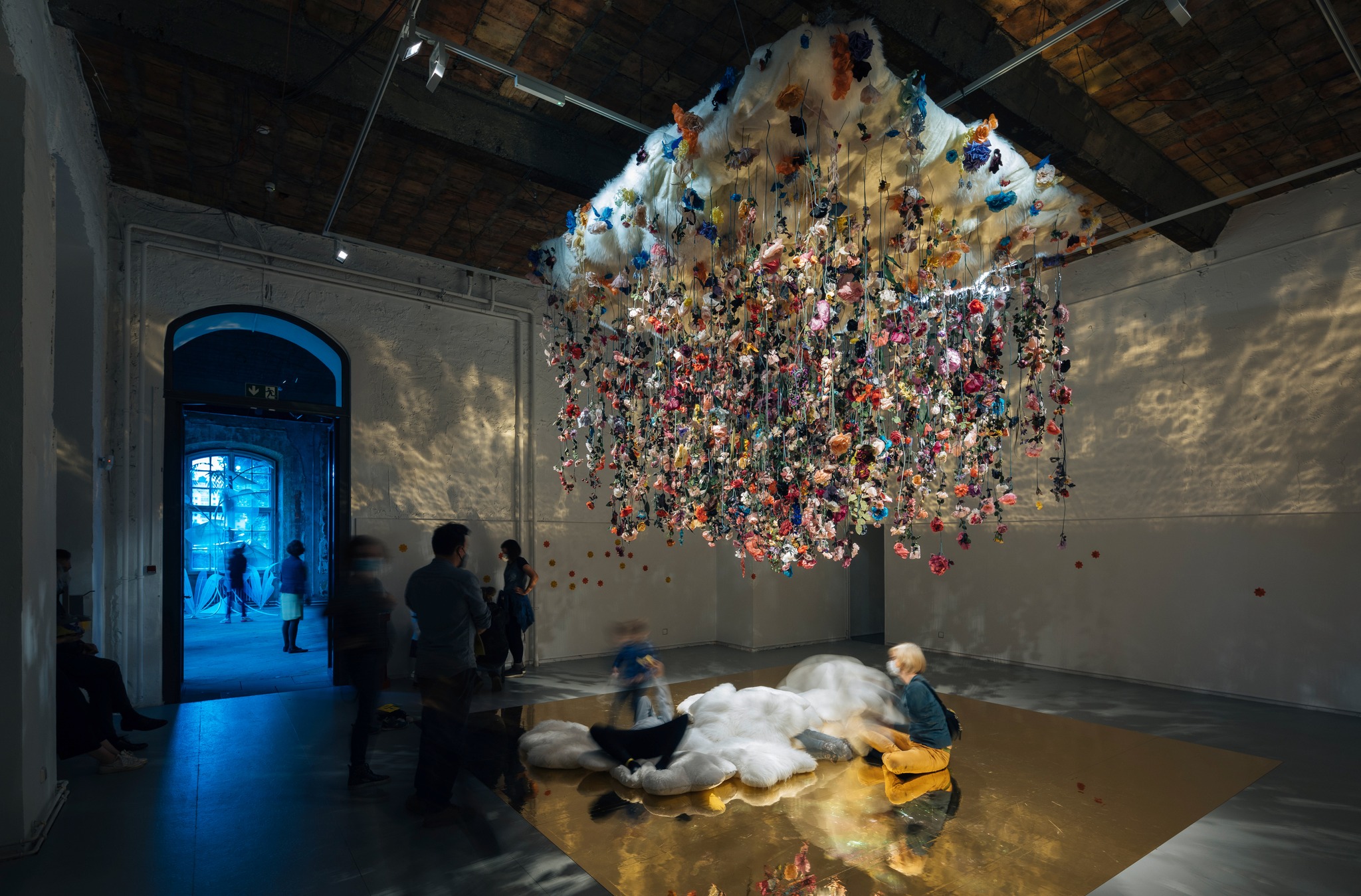
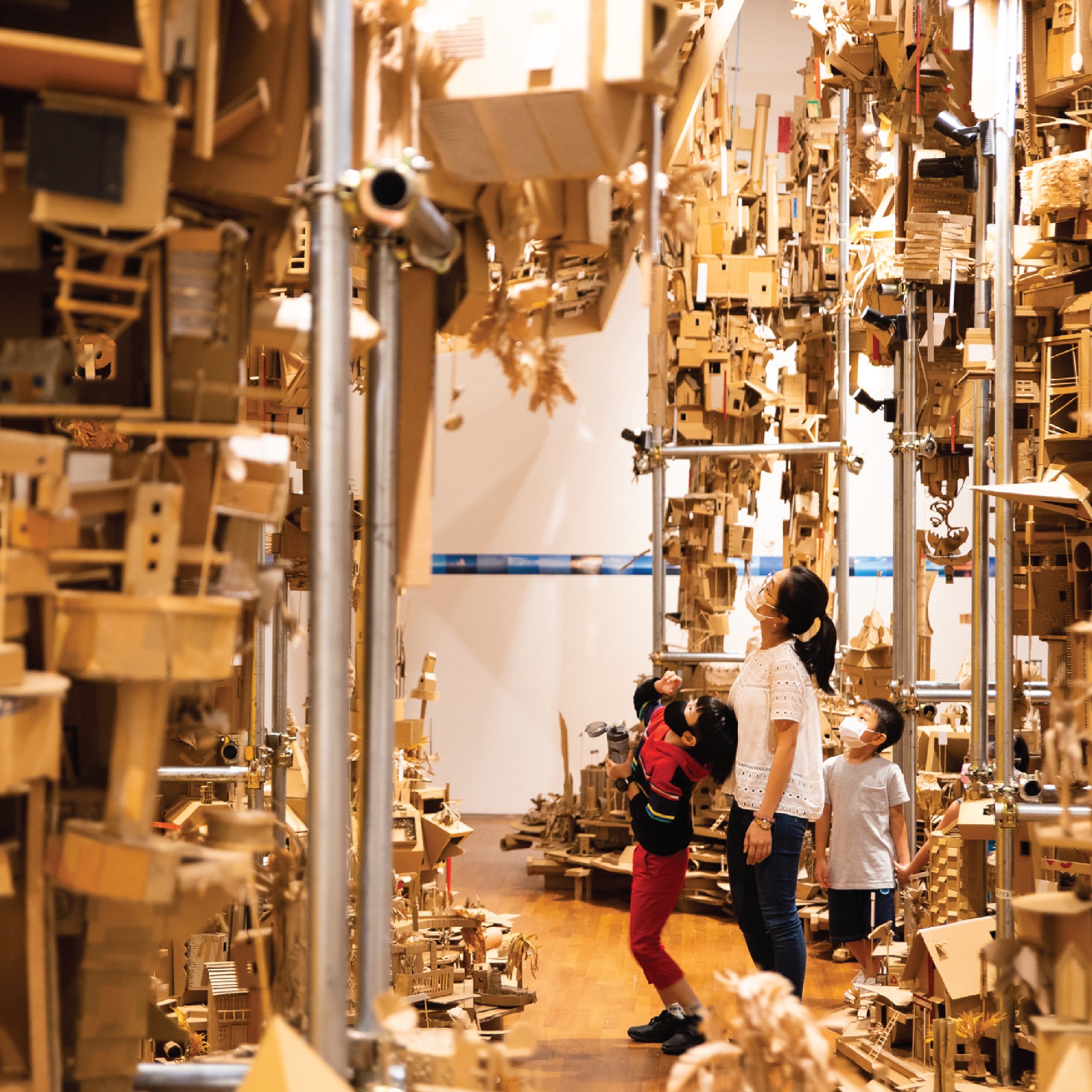
The Singtel Special Exhibition Gallery is dedicated to showcasing major exhibitions of modern and contemporary art from around the world. The gallery hosts exhibitions on a rotating basis, and visitors can expect to see works from some of the most renowned artists of our time.
The DBS Singapore Gallery is dedicated to Singaporean art from the 19th century to the present day. The gallery showcases the development of Singaporean art over time, from its early colonial roots to its emergence as a vibrant contemporary art scene. Visitors can expect to see works by some of Singapore’s most celebrated artists, such as Cheong Soo Pieng, Chen Wen Hsi, and Georgette Chen.
The UOB Southeast Asia Gallery is dedicated to the art and culture of Southeast Asia. The gallery features works from countries such as Indonesia, Malaysia, Thailand, Vietnam, and the Philippines, among others. The gallery’s collection includes traditional and contemporary art, as well as artifacts that showcase the cultural heritage of the region.
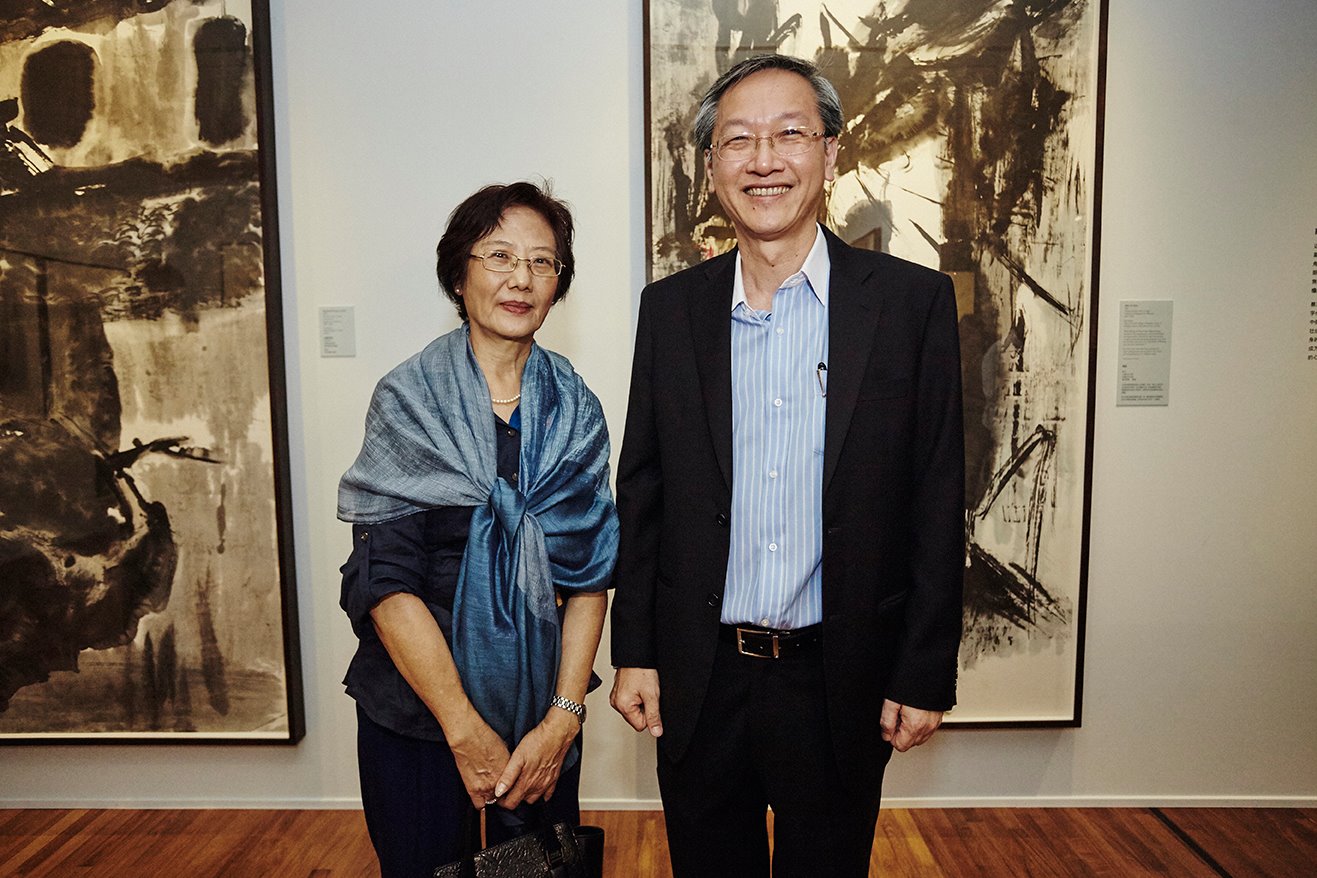
The Wu Guanzhong Gallery is dedicated to the work of one of China’s most celebrated artists, Wu Guanzhong. The gallery features a collection of over 100 of Wu’s works, including paintings, sketches, and calligraphy. Wu’s work is known for its combination of traditional Chinese techniques with Western modernist styles, and his work has had a profound impact on the development of modern Chinese art.
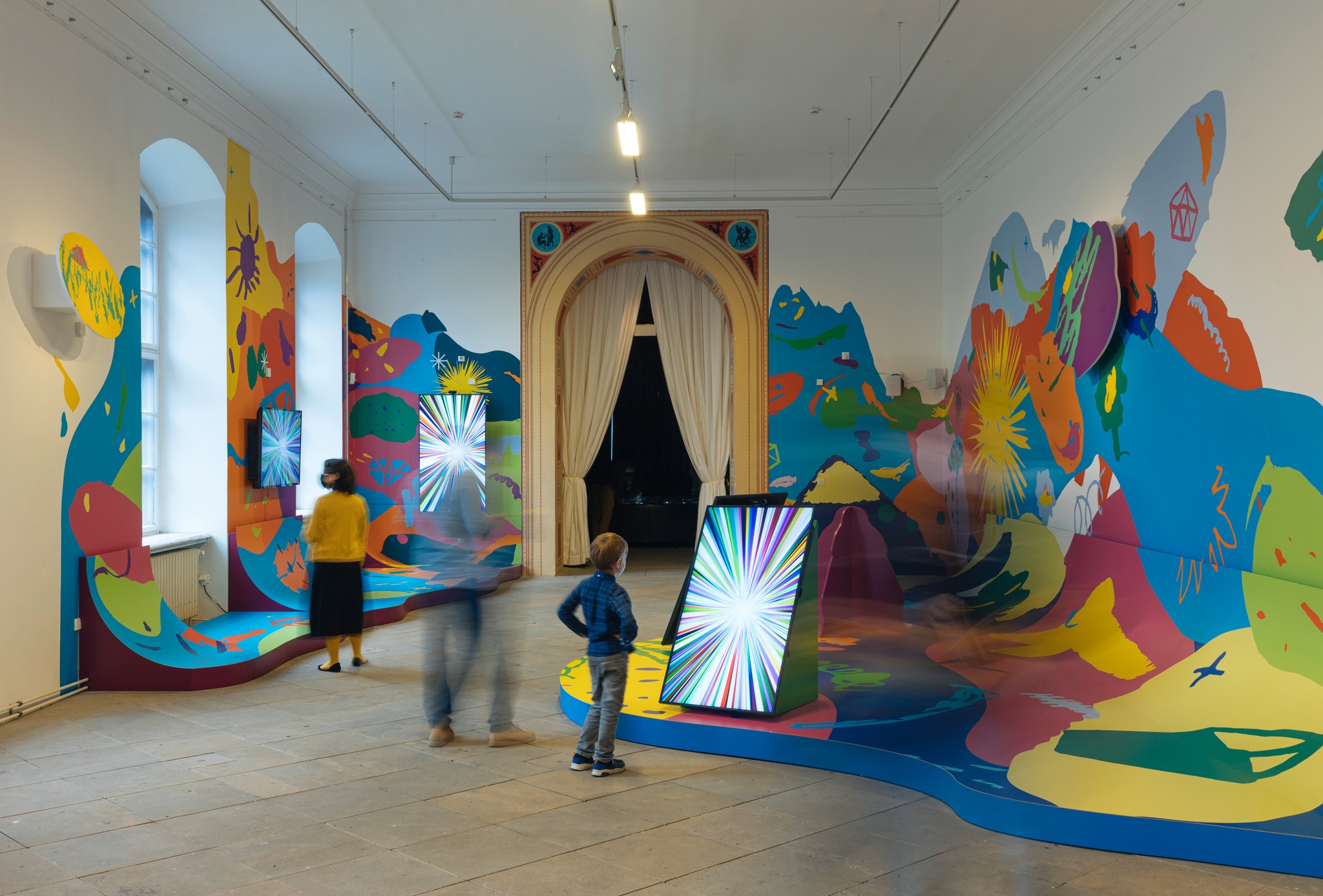
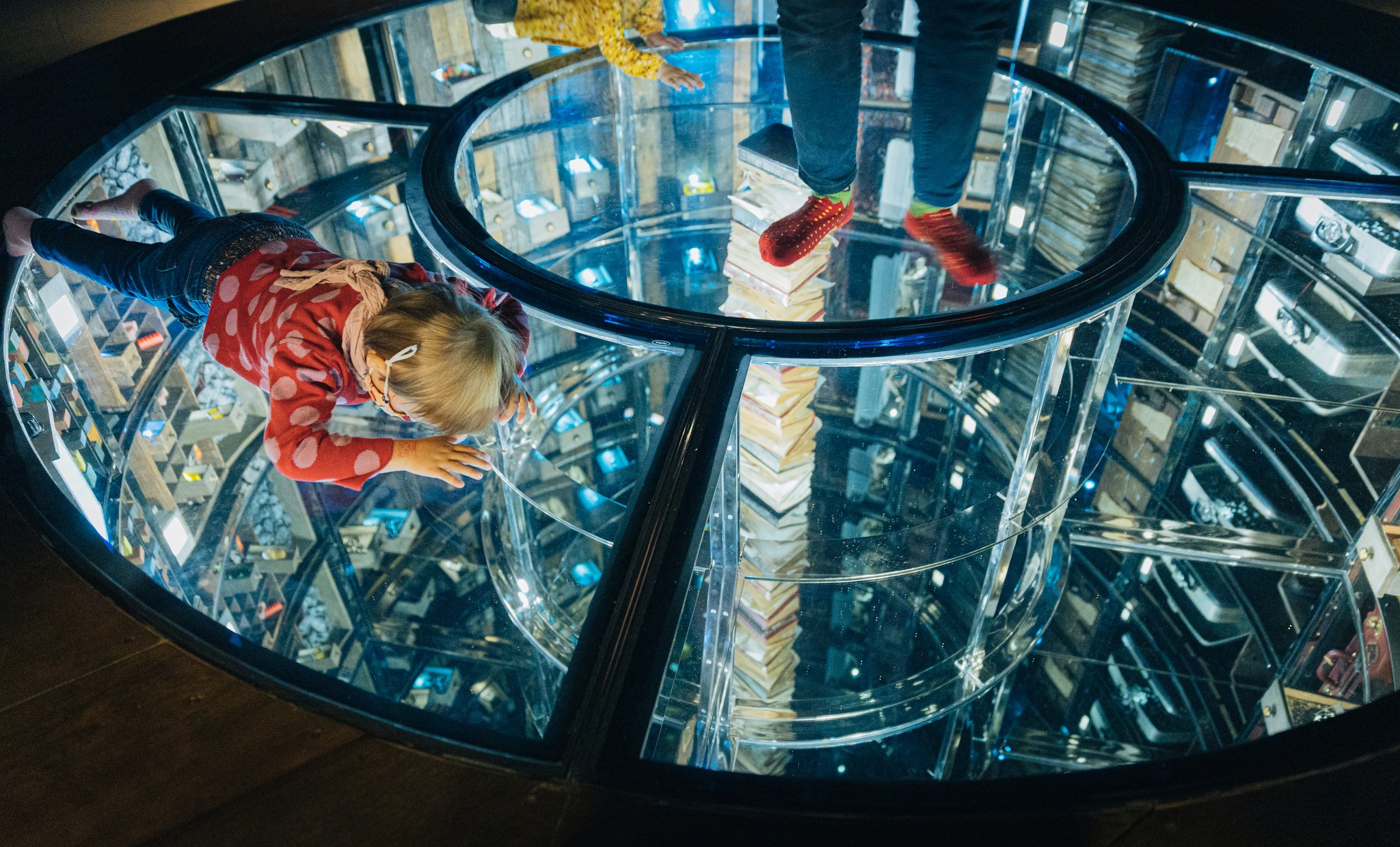
In addition to the museum’s permanent collection, the National Gallery Singapore also hosts a range of temporary exhibitions throughout the year. These exhibitions showcase the work of both local and international artists, and cover a wide range of themes and styles.
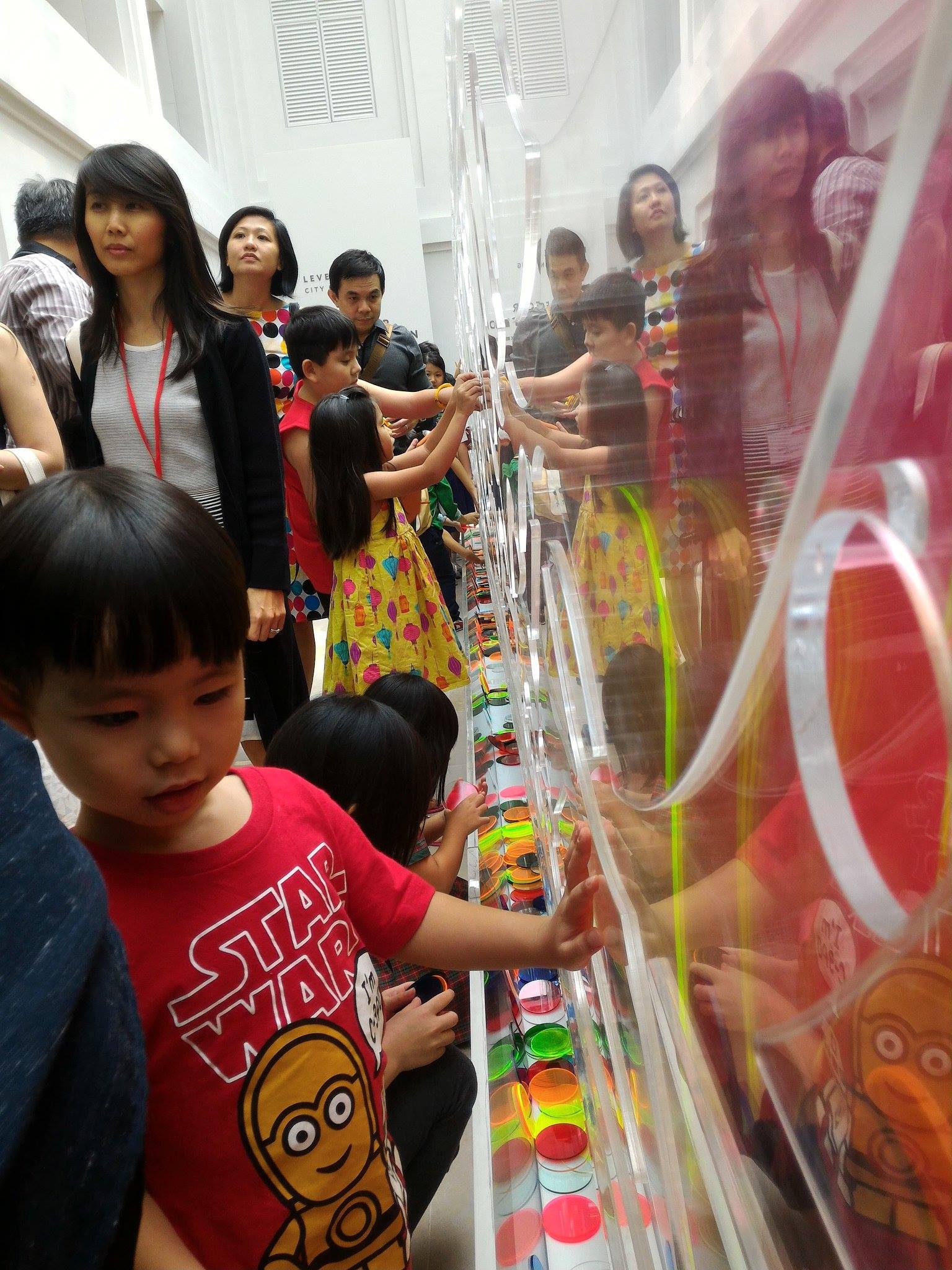
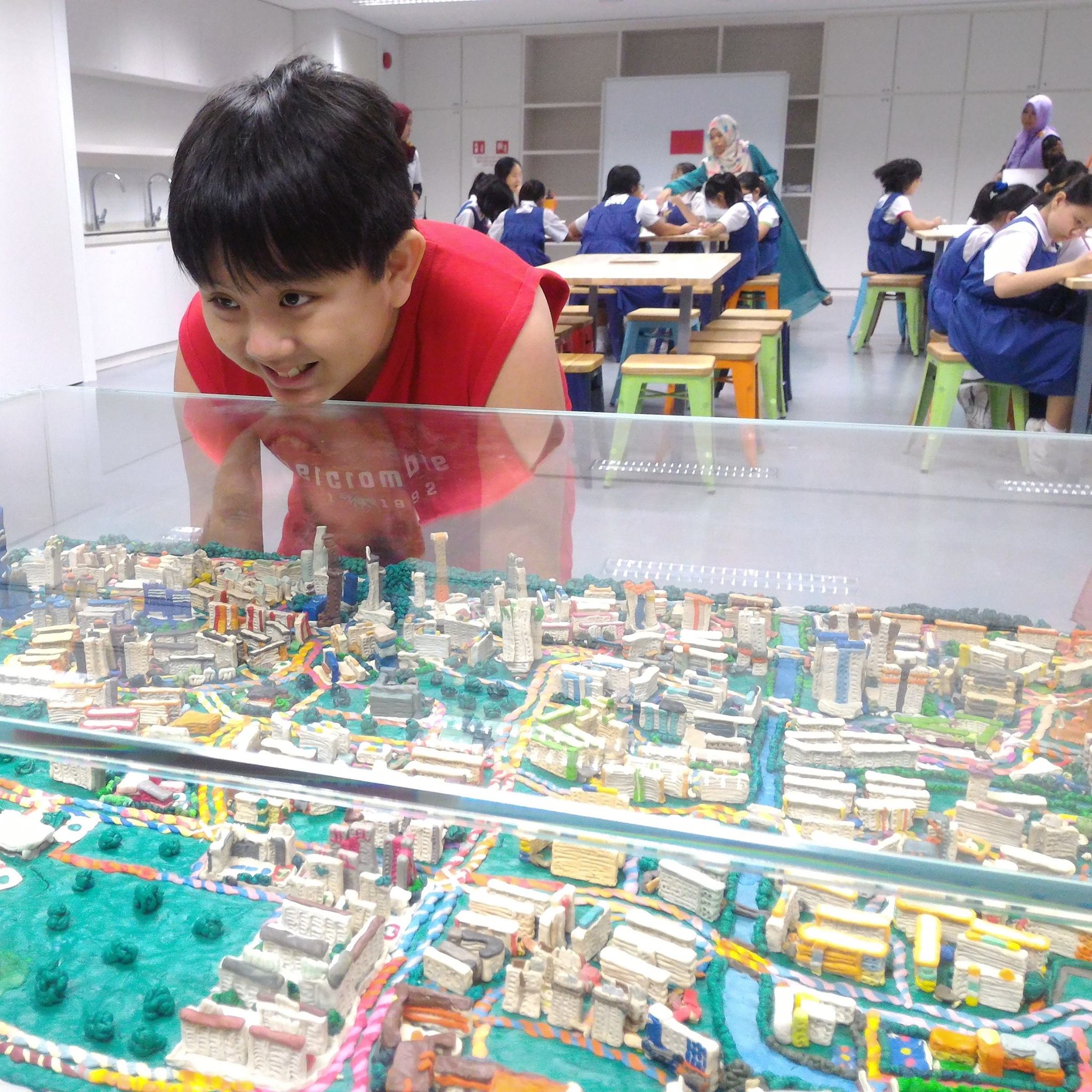
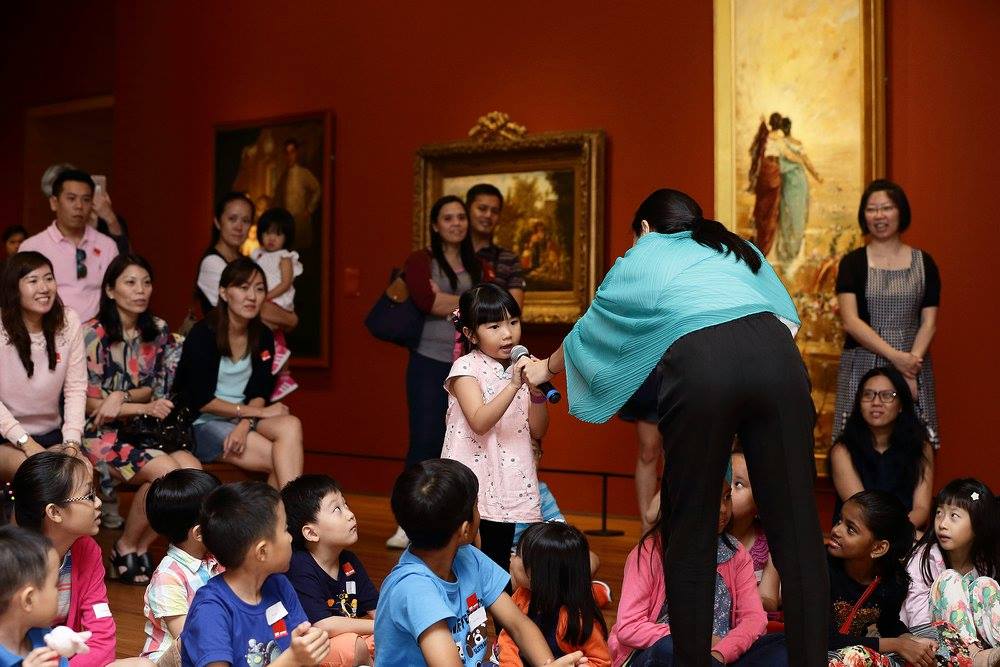
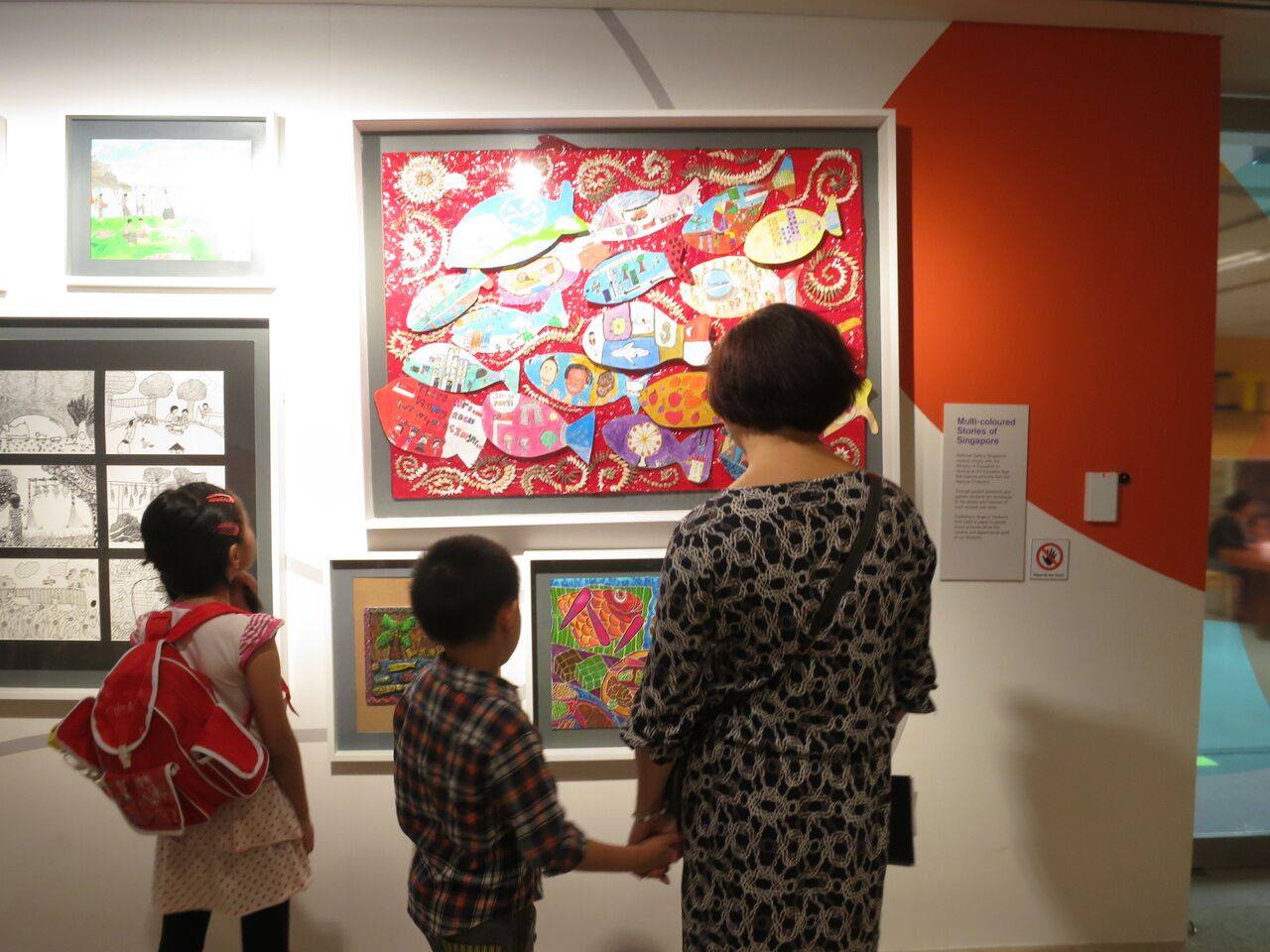
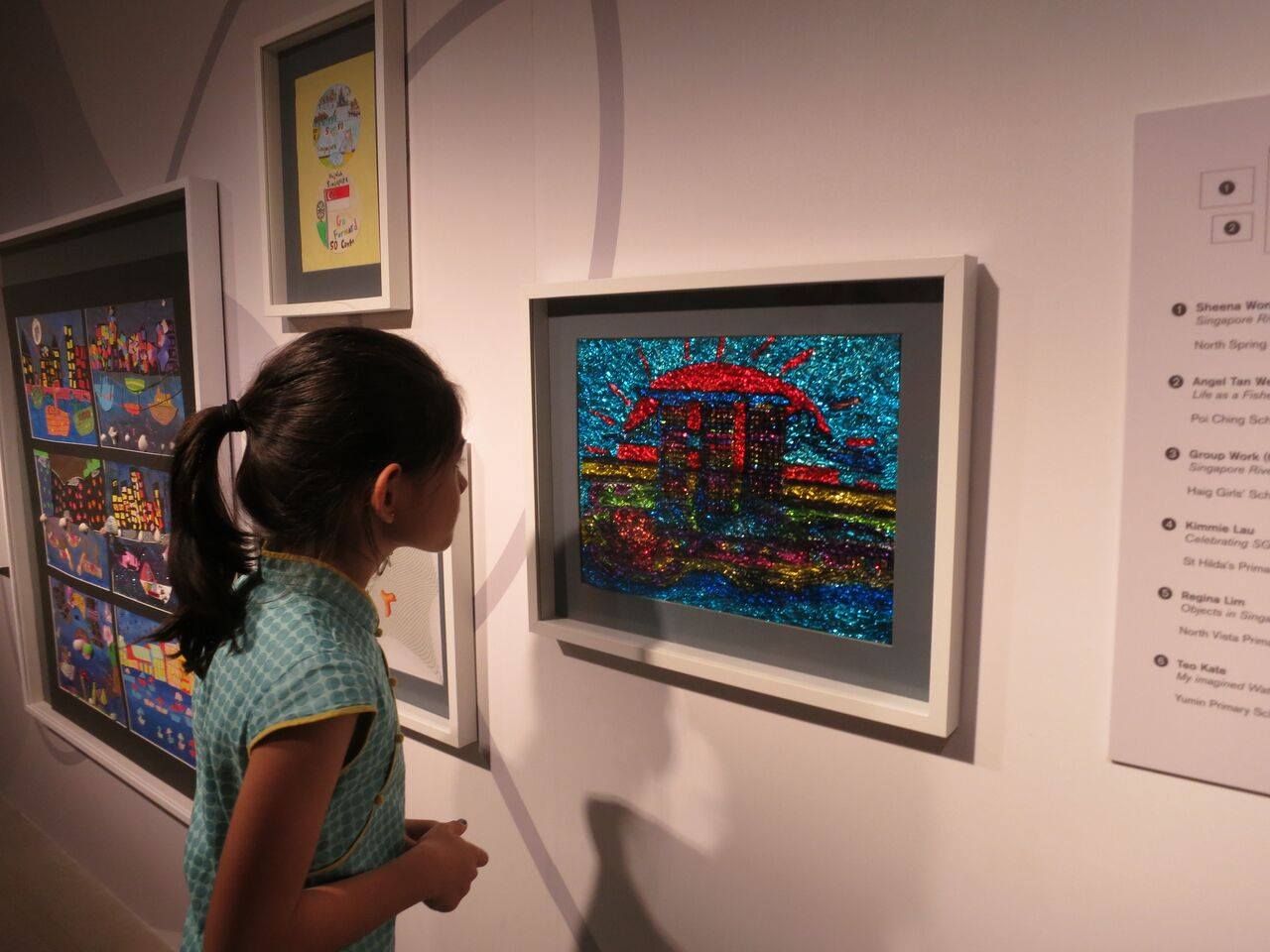
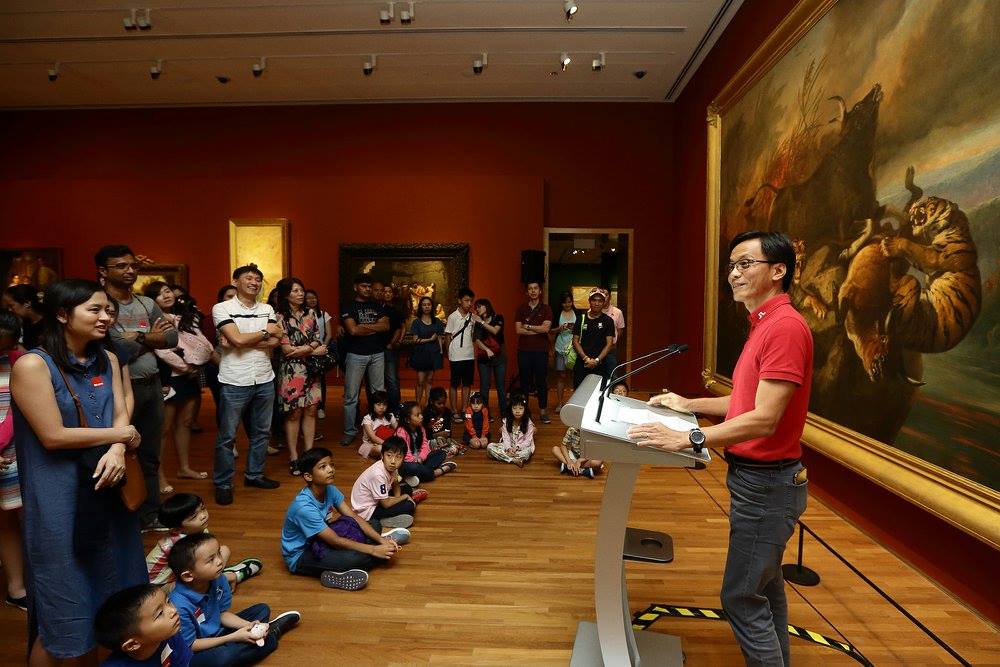
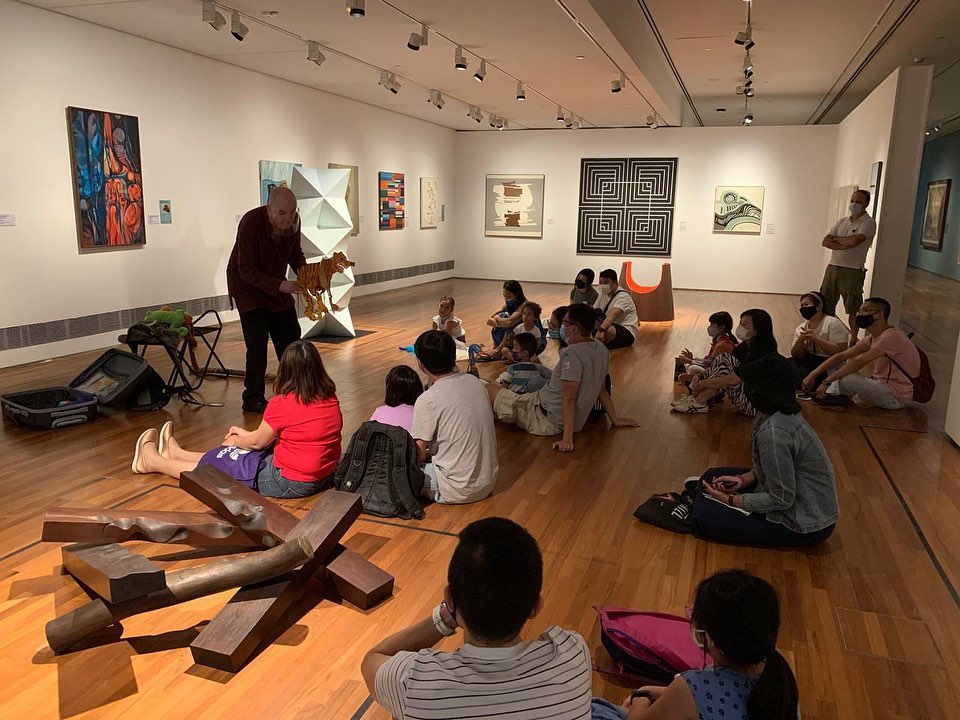
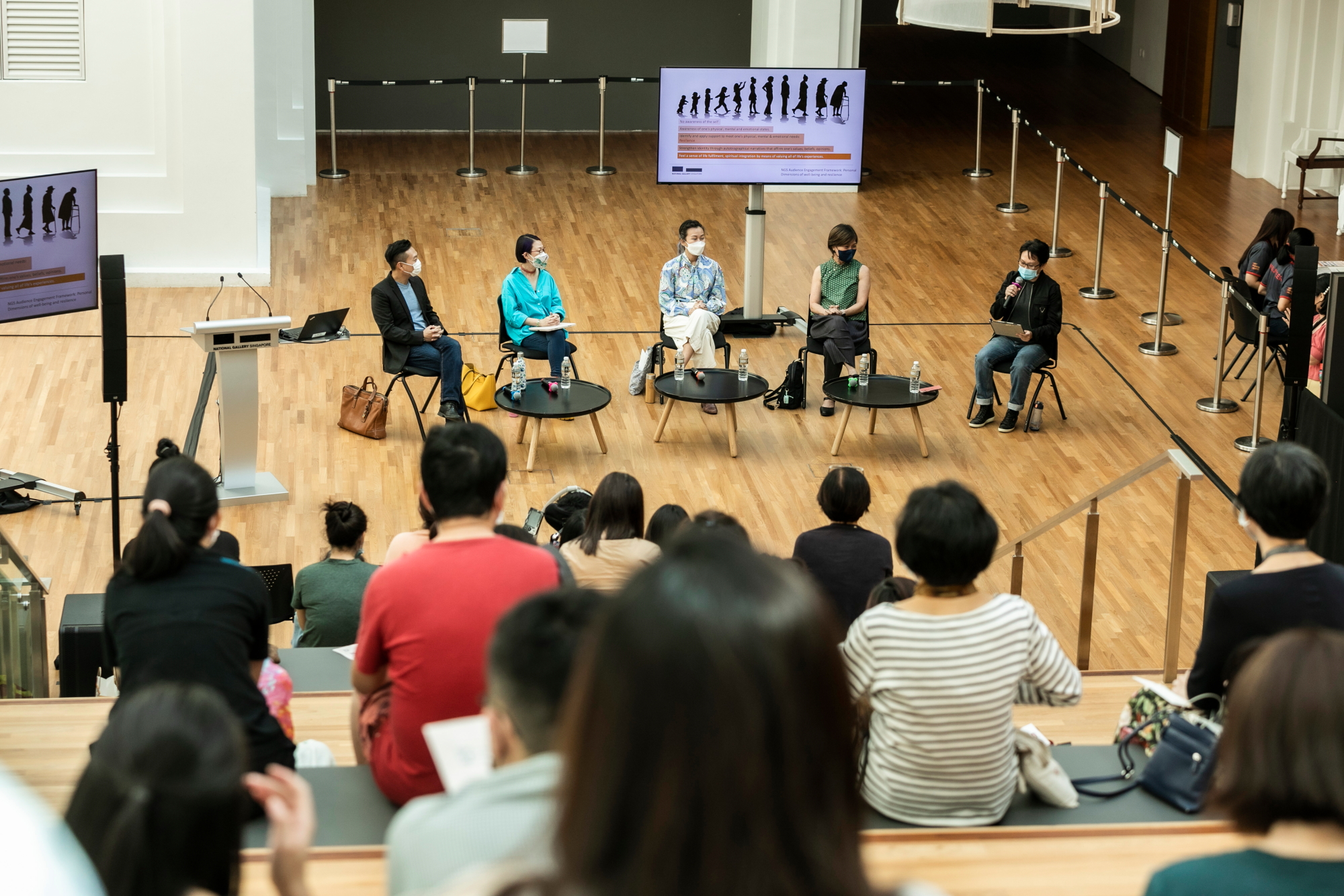
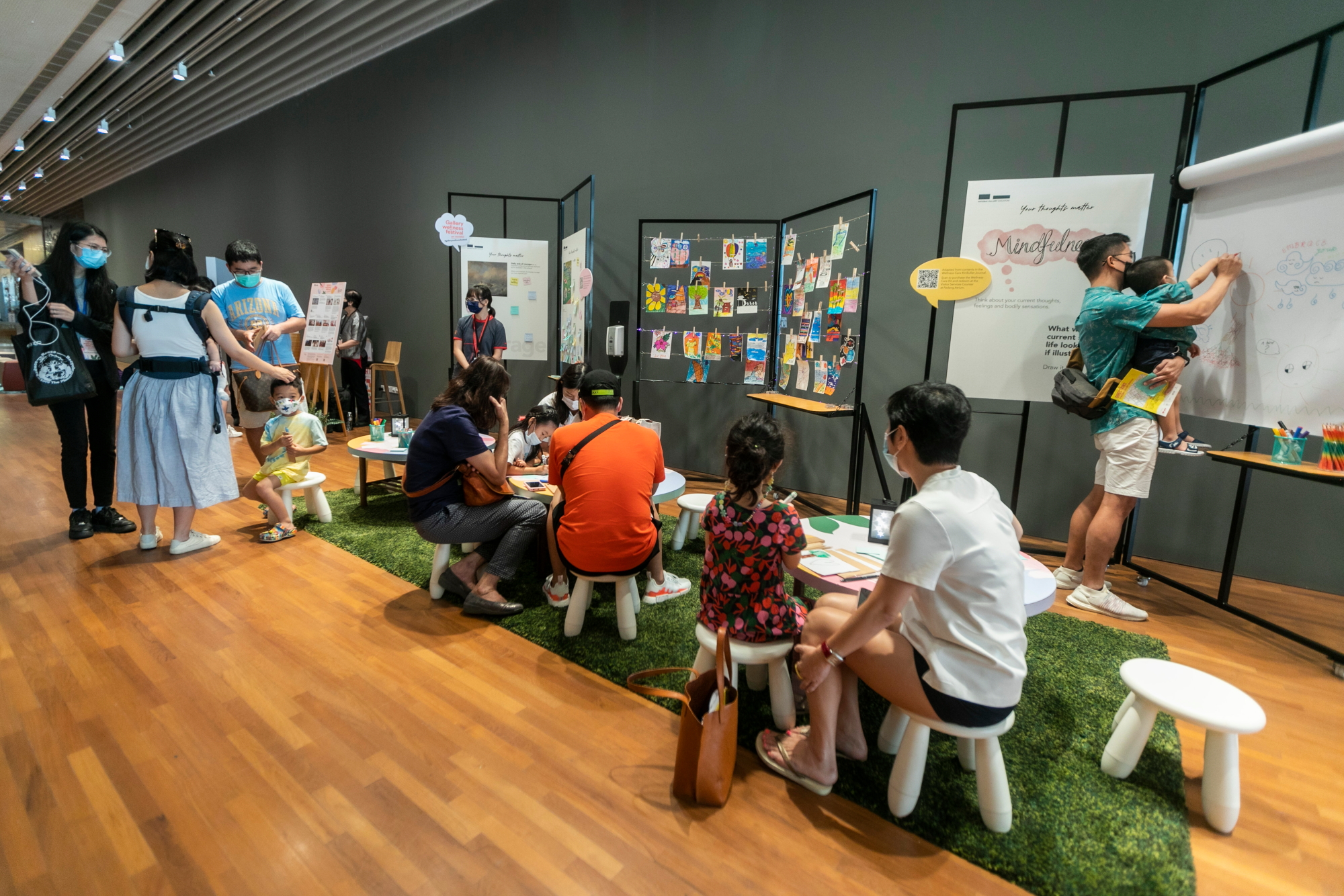
One of the unique aspects of the National Gallery Singapore is its commitment to education and community engagement. The museum offers a range of educational programs for visitors of all ages, including guided tours, workshops, and talks. The museum also hosts a range of community events and outreach programs, aimed at bringing the arts to a wider audience and encouraging participation in cultural activities.
The National Gallery Singapore is also home to a range of dining and retail options. Visitors can enjoy a meal or a drink at one of the museum’s cafes or restaurants, which offer a range of cuisines and dining experiences. The museum’s retail outlets offer a range of souvenirs, gifts, and books, as well as unique art-inspired products.
Overall, the National Gallery Singapore is a must-visit destination for anyone interested in art and culture. The museum’s unique structure, commitment to education and community engagement, and impressive collection of modern and contemporary art make it a world-class cultural institution.
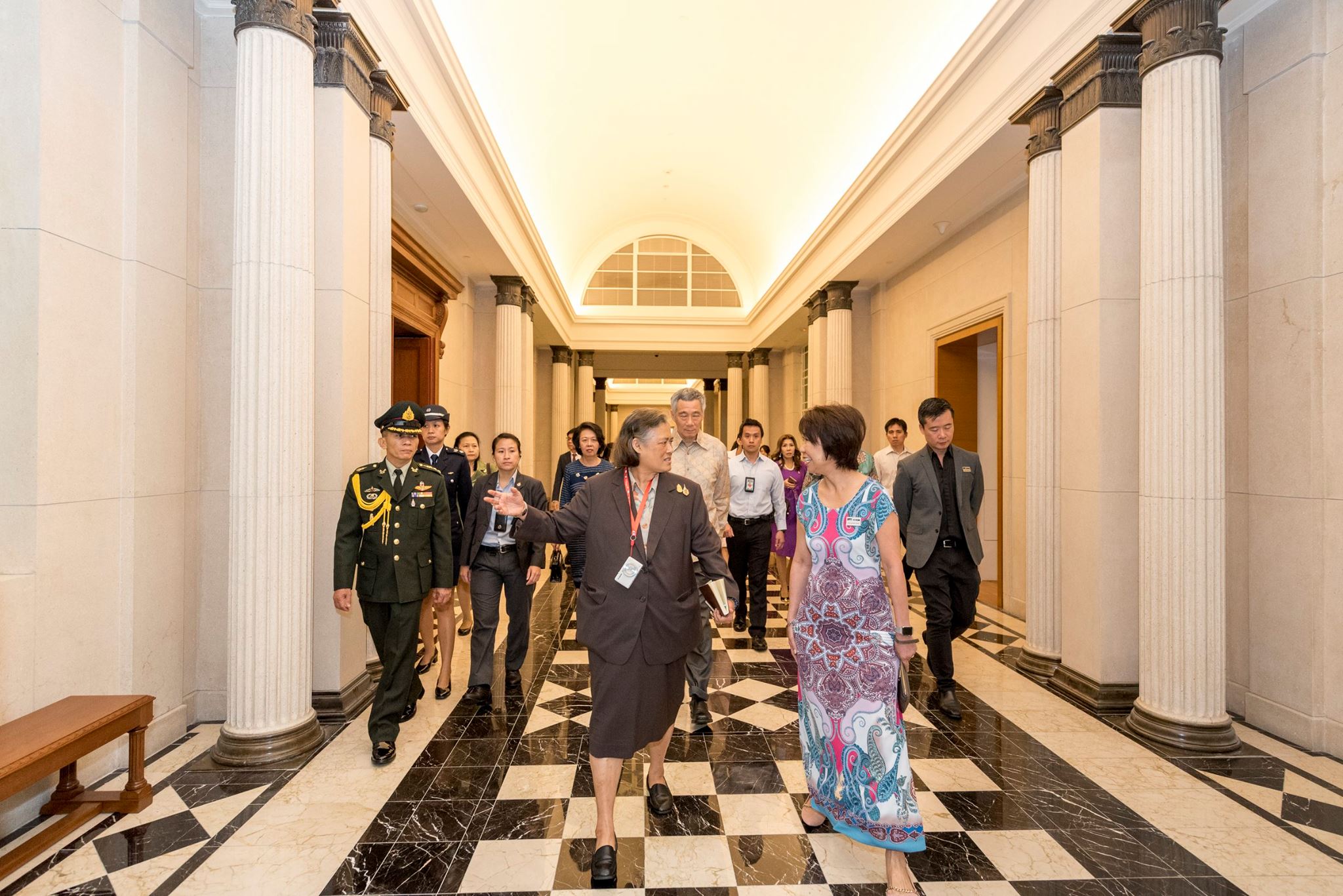
One of the most notable aspects of the National Gallery Singapore is its architecture. The museum is housed in two of Singapore’s most iconic colonial-era buildings, the City Hall and the former Supreme Court. The buildings were designed in the neoclassical style and are impressive examples of colonial architecture. The buildings underwent extensive renovations and restoration before they were converted into a museum, and the result is a stunning blend of old and new.
The National Gallery Singapore has been praised for its innovative approach to curating and presenting art. The museum’s thematic approach allows visitors to engage with the art in new and meaningful ways, and encourages them to make connections between different works and ideas. The museum’s focus on Southeast Asian art is also noteworthy, as it provides a platform for artists from the region to showcase their work to a global audience.
In addition to its permanent and temporary exhibitions, the National Gallery Singapore also hosts a range of events throughout the year. These events include talks, workshops, performances, and film screenings, and are designed to engage visitors in a range of cultural activities. The museum’s commitment to community engagement is also evident in its outreach programs, which aim to bring the arts to a wider audience and encourage participation in cultural activities.
The National Gallery Singapore has received numerous awards and accolades since it opened its doors in 2015. In 2017, the museum was named one of the “Top 25 Museums in the World” by TripAdvisor, and in 2018 it was awarded the “Best Attraction Experience” at the Singapore Tourism Awards. The museum has also been praised for its accessibility and inclusivity, with features such as wheelchair accessibility, audio guides, and braille descriptions for the visually impaired.
Despite its many achievements, the National Gallery Singapore faces some challenges. Like many museums, it has had to adapt to the impact of the COVID-19 pandemic. The museum has implemented a range of measures to ensure the safety of visitors and staff, including limiting capacity, requiring masks, and implementing social distancing measures. The museum has also increased its online presence, offering virtual tours and online exhibitions to reach a wider audience.
Another challenge the museum faces is the need to balance its role as a cultural institution with its role as a tourist attraction. As Singapore’s tourism industry continues to grow, the museum may face pressure to prioritize visitor numbers over its commitment to education and community engagement. However, the museum’s strong track record in these areas suggests that it will continue to prioritize its cultural and educational mission.
In conclusion, the National Gallery Singapore is a world-class cultural institution that offers a unique and innovative approach to the presentation and interpretation of art. The museum’s commitment to education and community engagement, its impressive collection of modern and contemporary art, and its stunning architecture make it a must-visit destination for anyone interested in art and culture. Despite the challenges it faces, the National Gallery Singapore is poised to continue its important role in promoting art and culture in Singapore and beyond.