
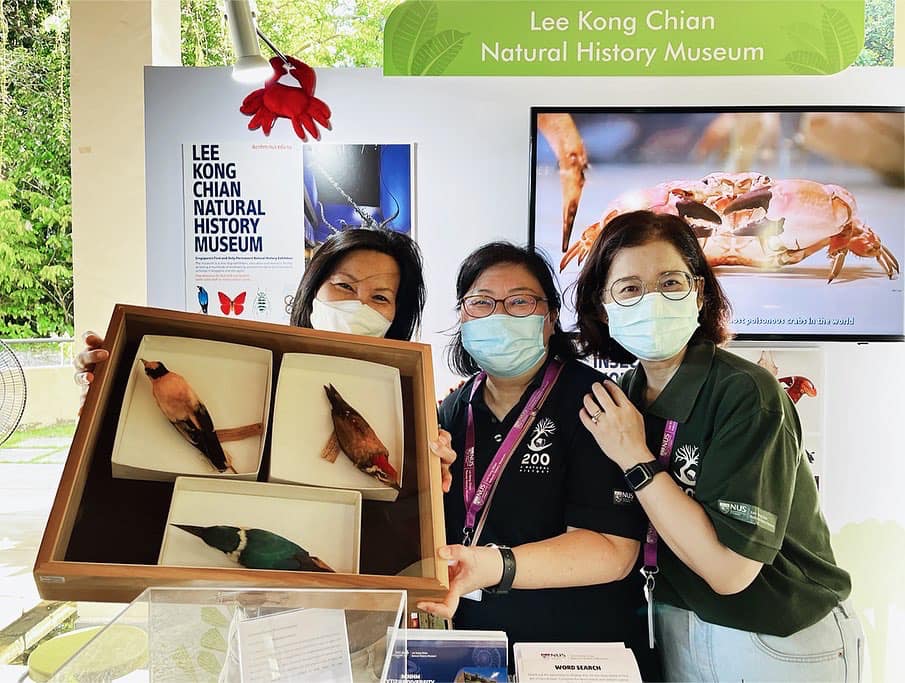
Lee Kong Chian Natural History Museum (LKCNHM) in Singapore is a fascinating and educational museum that showcases the incredible biodiversity and evolution of life on Earth. Opened in April 2015, the museum is located within the National University of Singapore campus, making it a popular destination for students, researchers, and families alike. The museum is named after the late Lee Kong Chian, a prominent businessman, philanthropist, and natural history enthusiast who donated a substantial amount of money towards the museum’s construction and development.
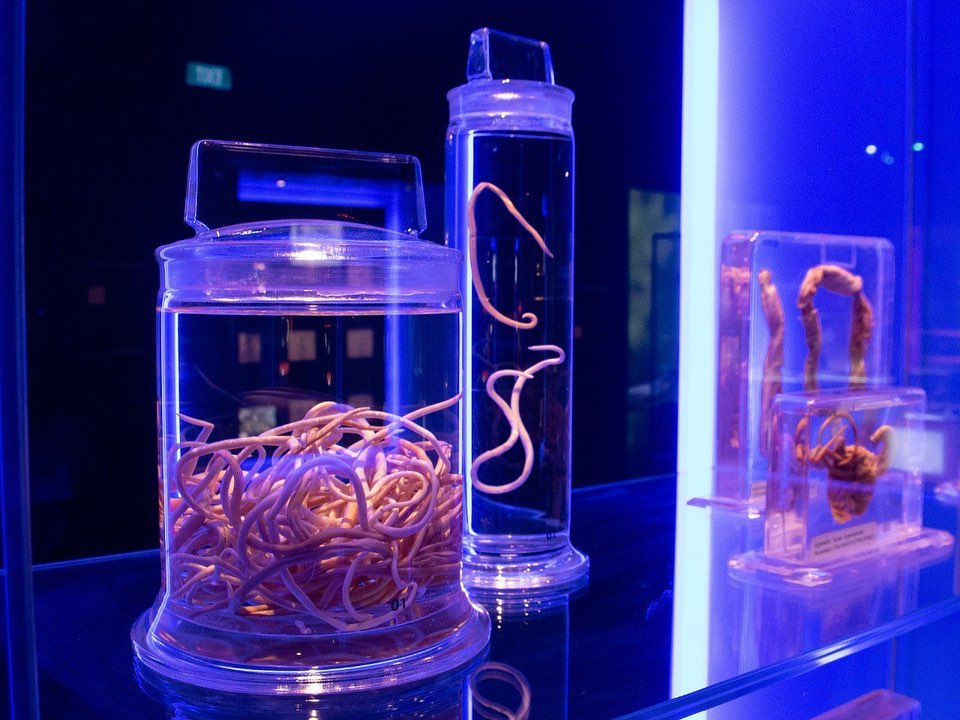
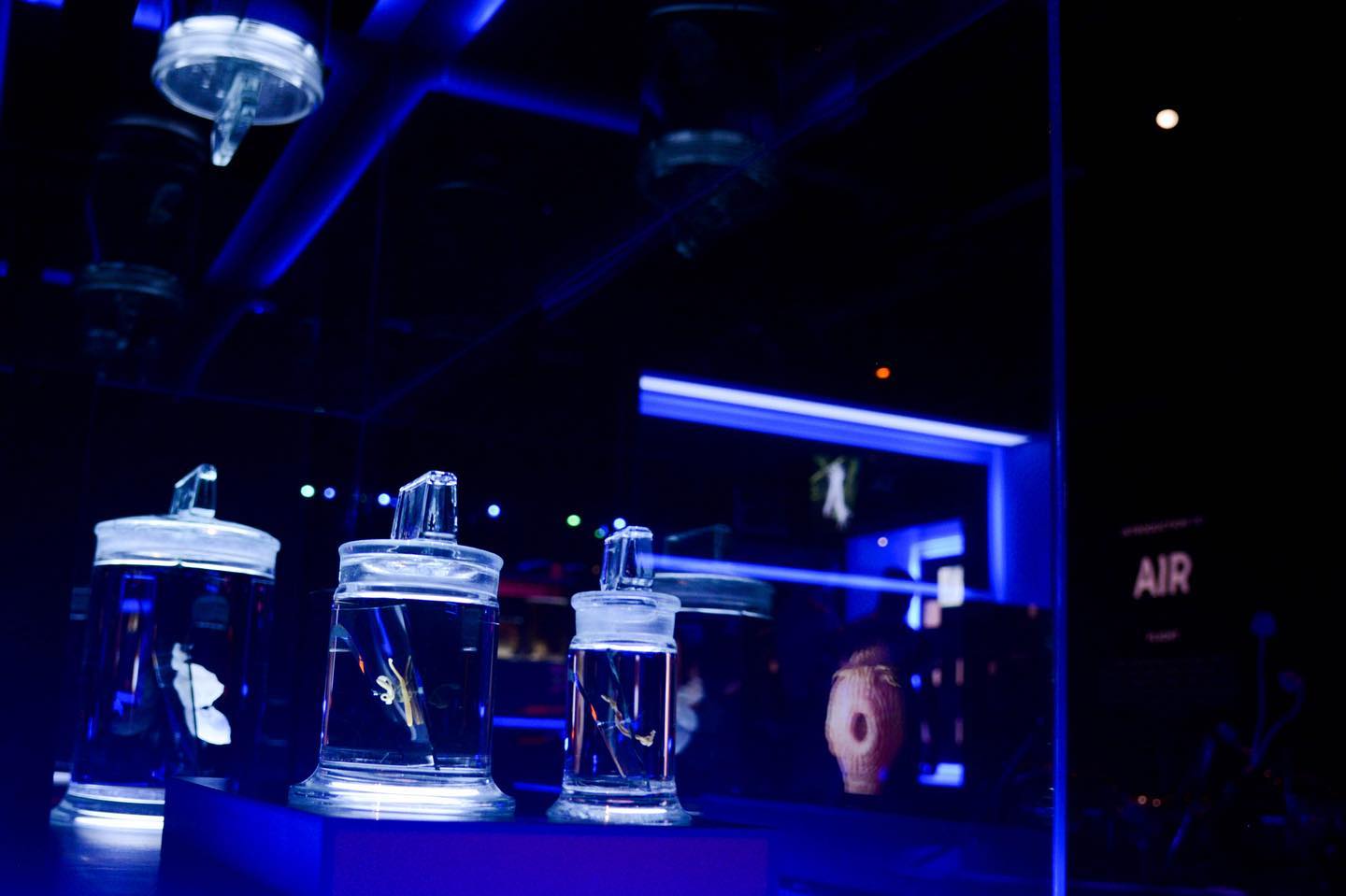
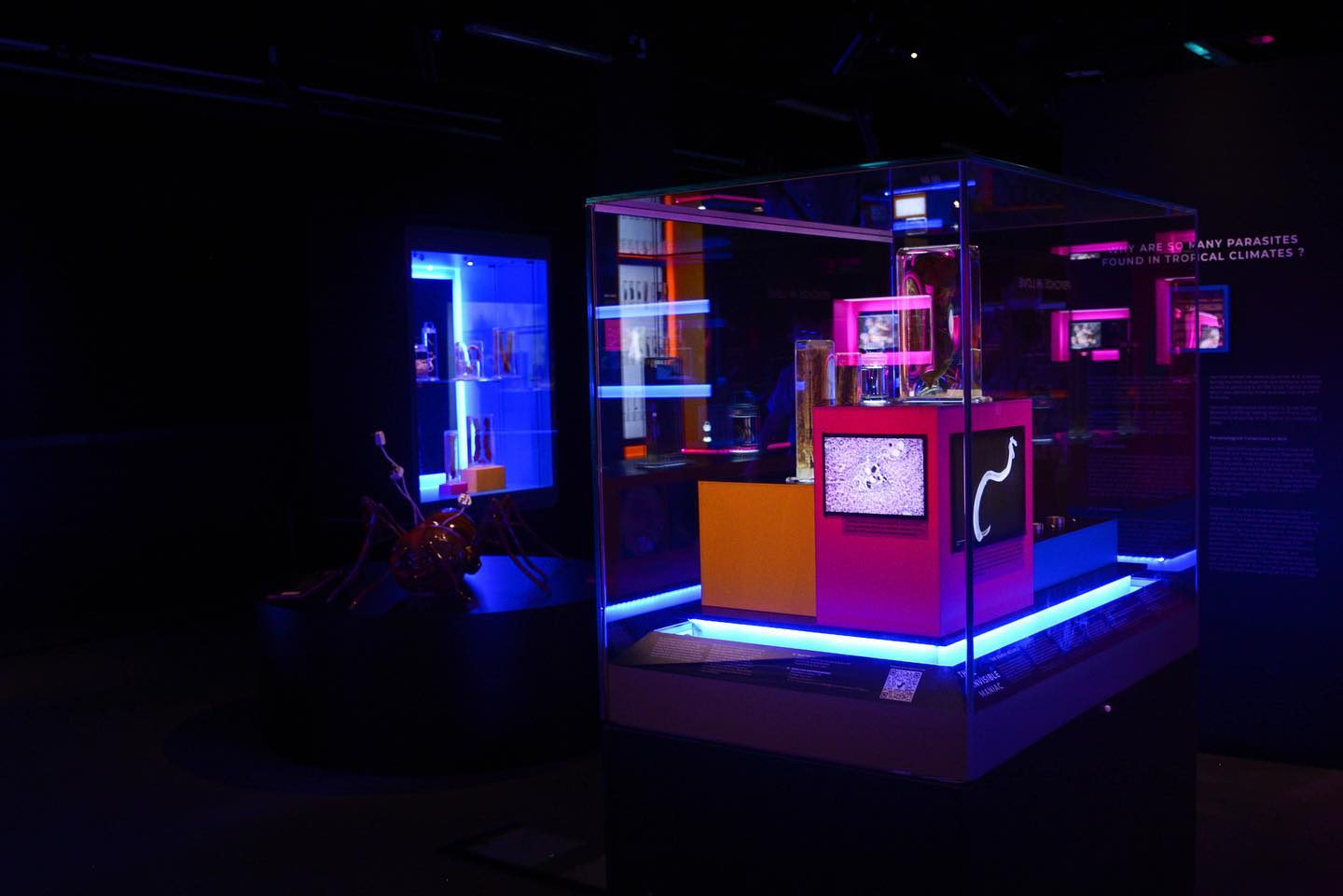
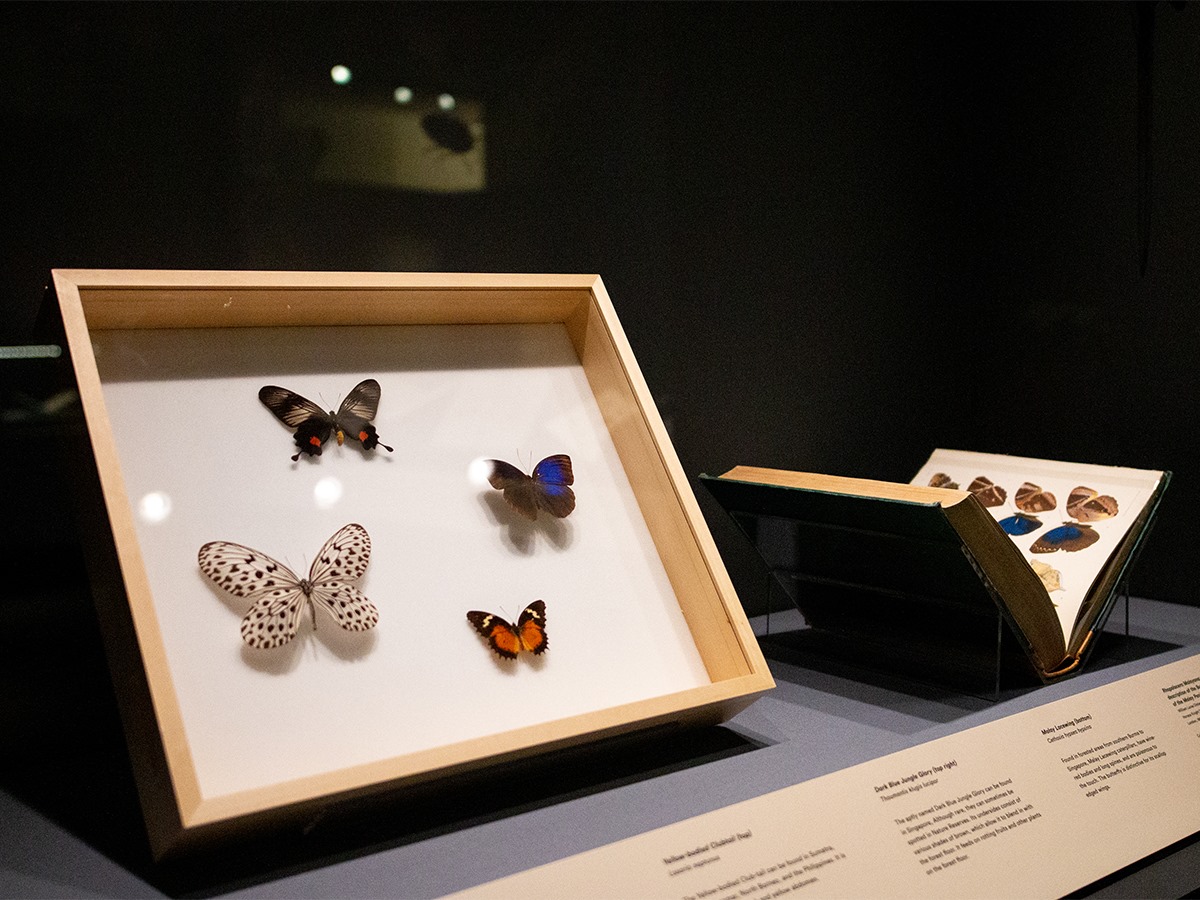
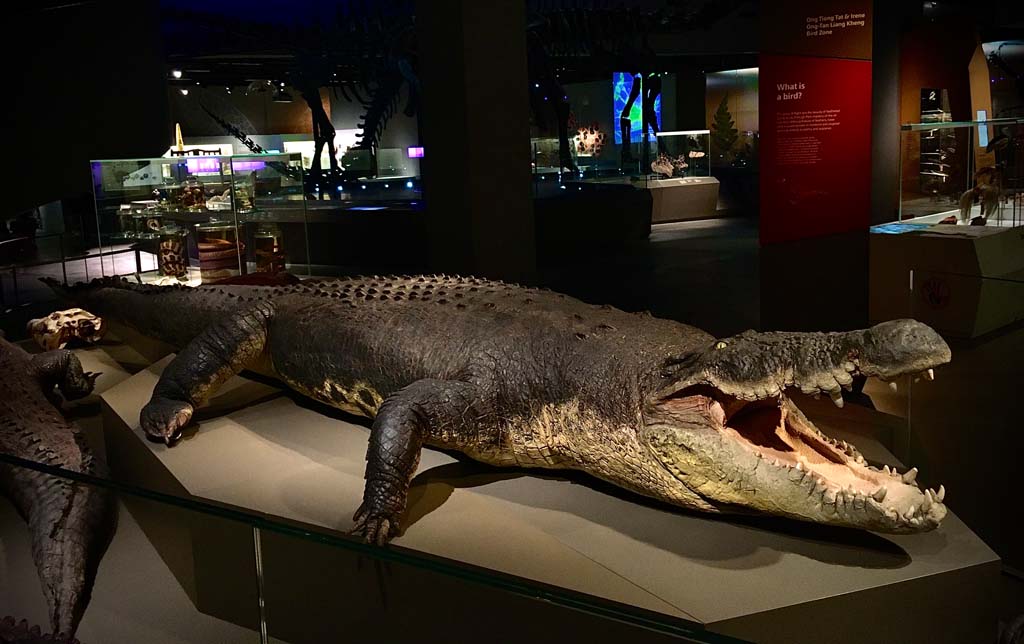
The LKCNHM boasts an impressive collection of over 2 million specimens, ranging from fossils and minerals to preserved specimens of plants, animals, and insects. The museum is divided into two main sections: the heritage gallery and the biodiversity gallery. The heritage gallery focuses on the geological history of Singapore and Southeast Asia, as well as the region’s cultural and environmental heritage. The biodiversity gallery, on the other hand, showcases the incredible diversity of life on Earth, with exhibits featuring specimens from different habitats, such as rainforests, coral reefs, and grasslands.
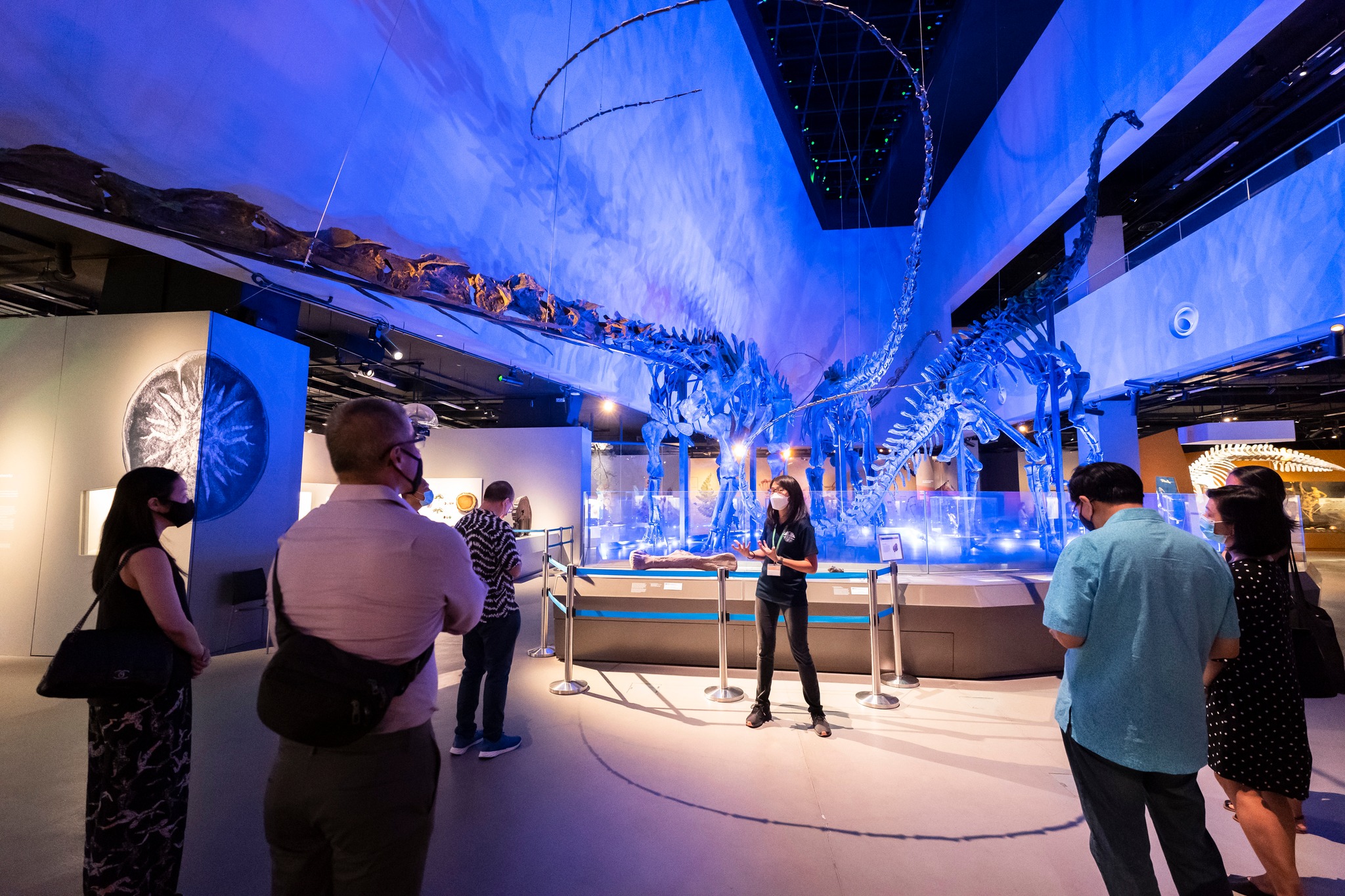
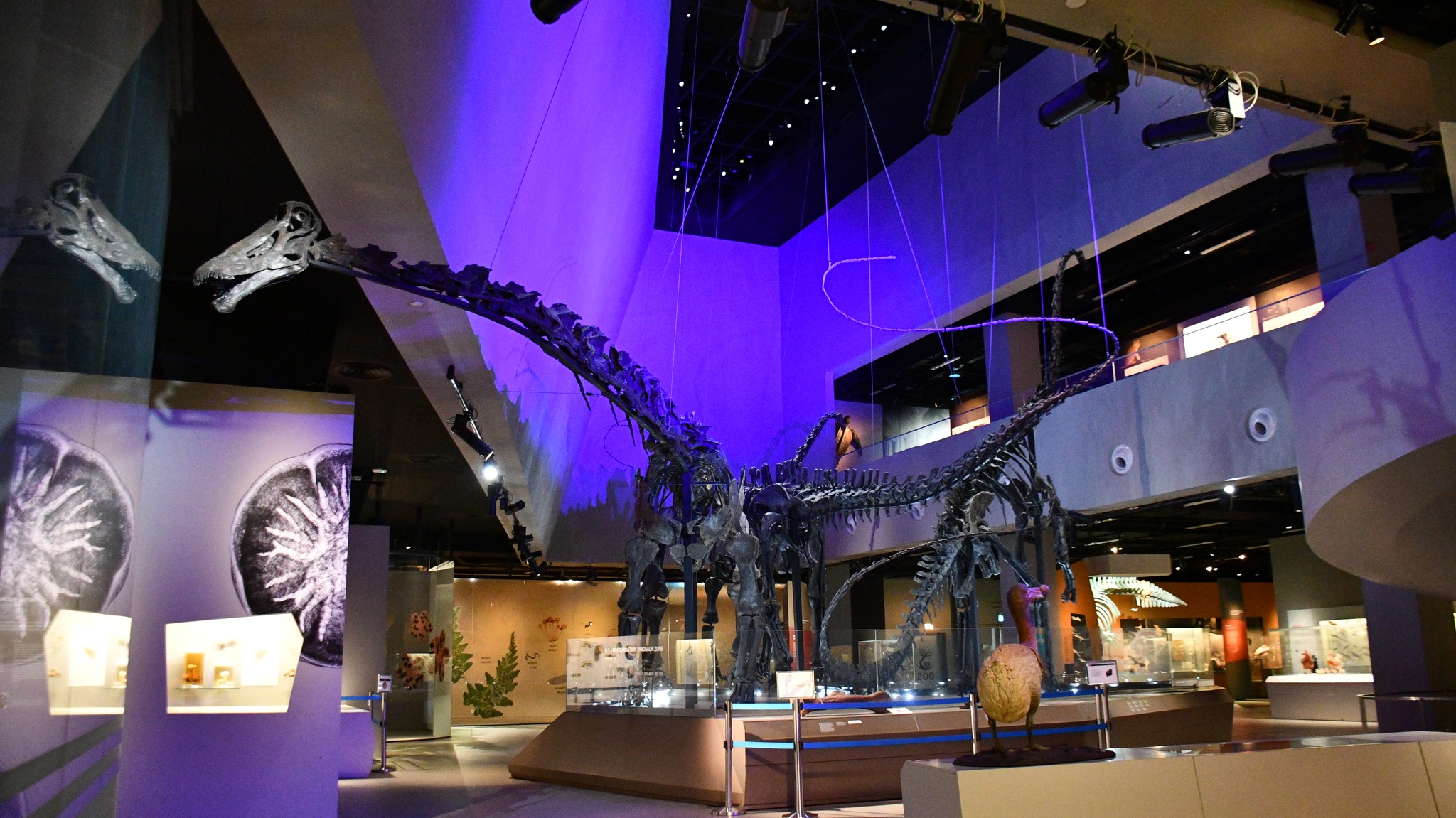
One of the highlights of the museum is the three-story high display of a 150-million-year-old diplodocid sauropod dinosaur, affectionately known as “Prince”. The skeleton was discovered in the United States in the early 2000s and was acquired by the museum in 2014. The display of the dinosaur is truly awe-inspiring, and visitors can get up close to the massive bones and learn about the biology and behavior of these incredible creatures.
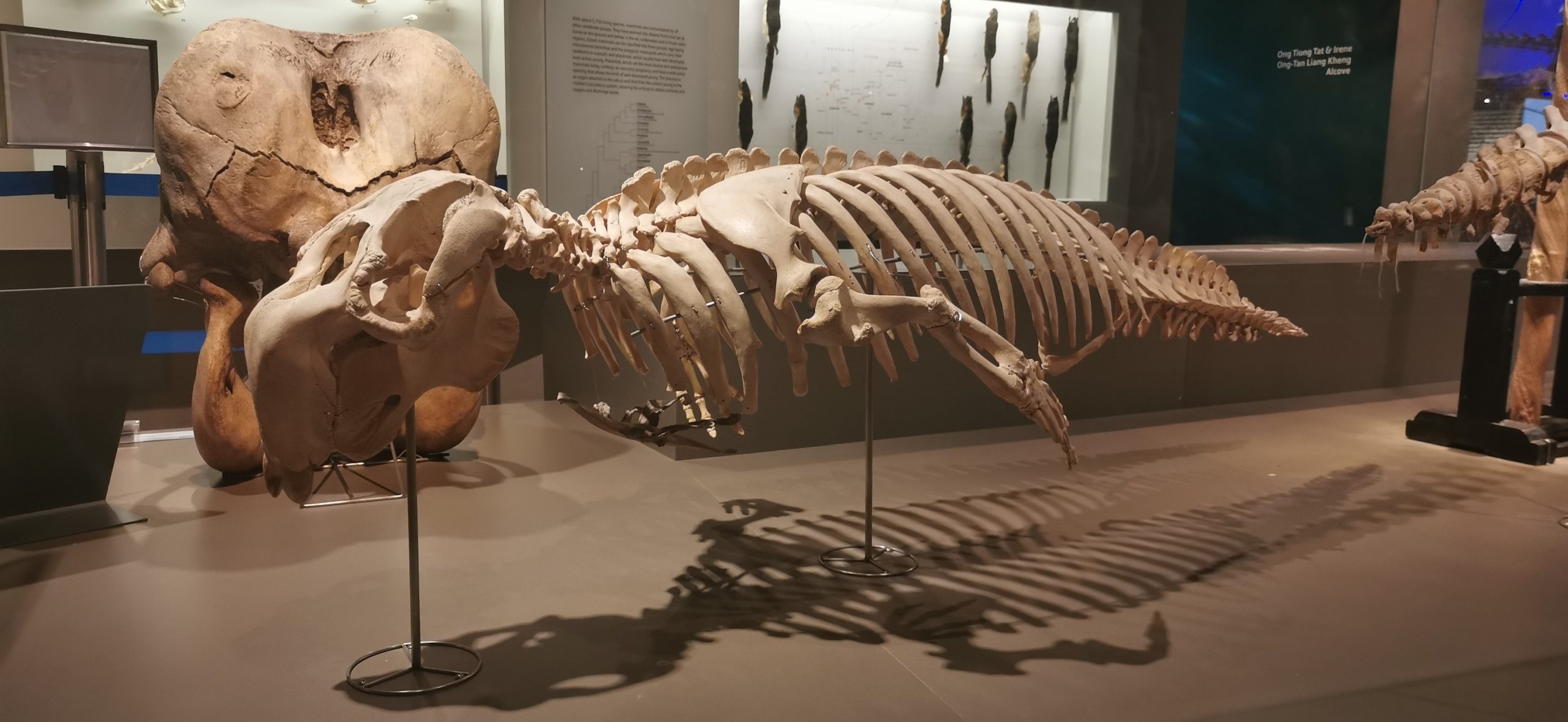
In addition to the diplodocid skeleton, the museum has an extensive collection of fossils, including those of ancient sea creatures like ammonites and trilobites. The fossils provide a glimpse into the distant past, revealing the evolution of life on Earth and the dramatic changes that have occurred over millions of years.
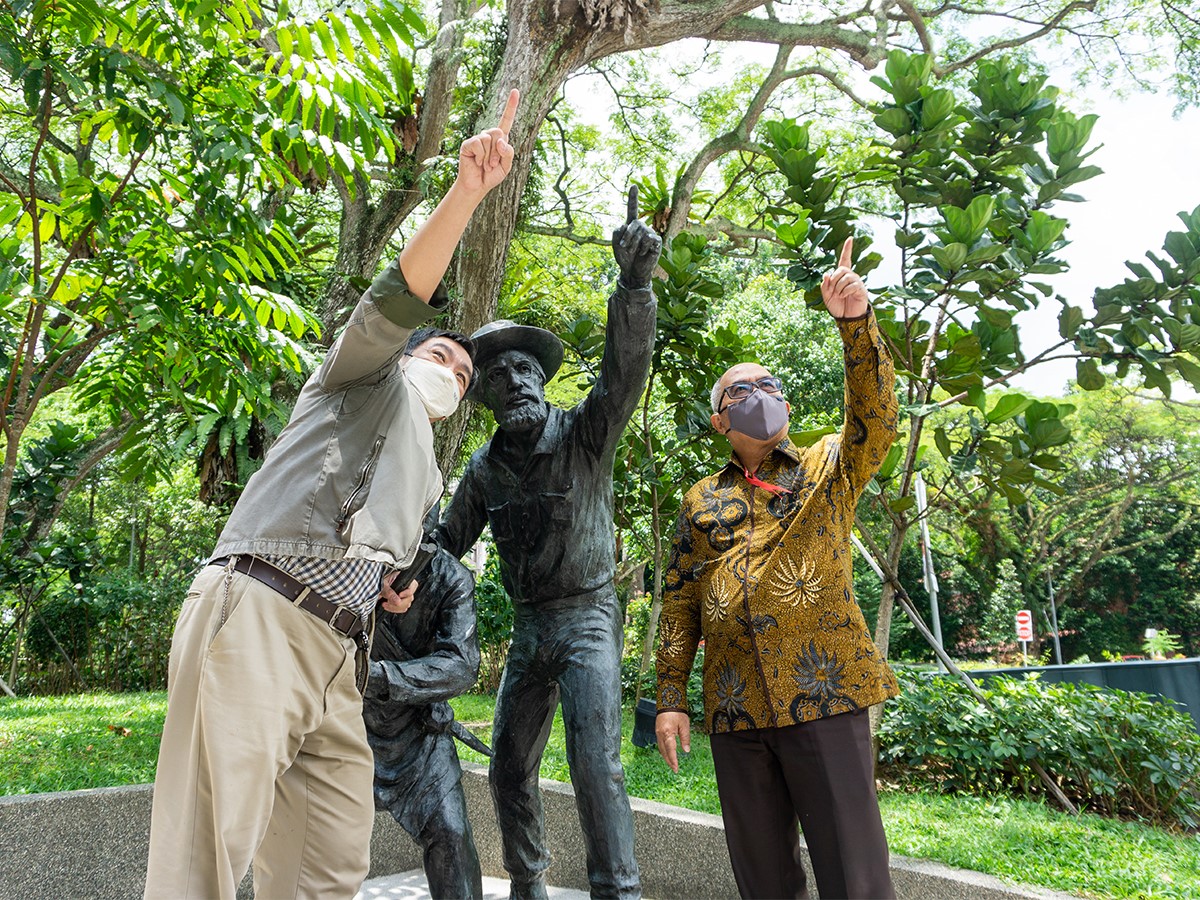
Another notable exhibit at the museum is the Wallace exhibition, which celebrates the life and work of Alfred Russel Wallace, a British naturalist who co-discovered the theory of evolution by natural selection alongside Charles Darwin. The exhibition features a replica of Wallace’s collection of specimens from his time in the Malay Archipelago, as well as a reconstruction of his study and a replica of his cabin.
The biodiversity gallery is equally impressive, featuring a wide variety of exhibits that showcase the diversity of life on Earth. Visitors can learn about the different ecosystems found on the planet, from rainforests to deserts, and see specimens of animals and plants from each habitat. One of the most popular exhibits is the coral reef display, which features a stunning array of colorful corals, fish, and other marine life.
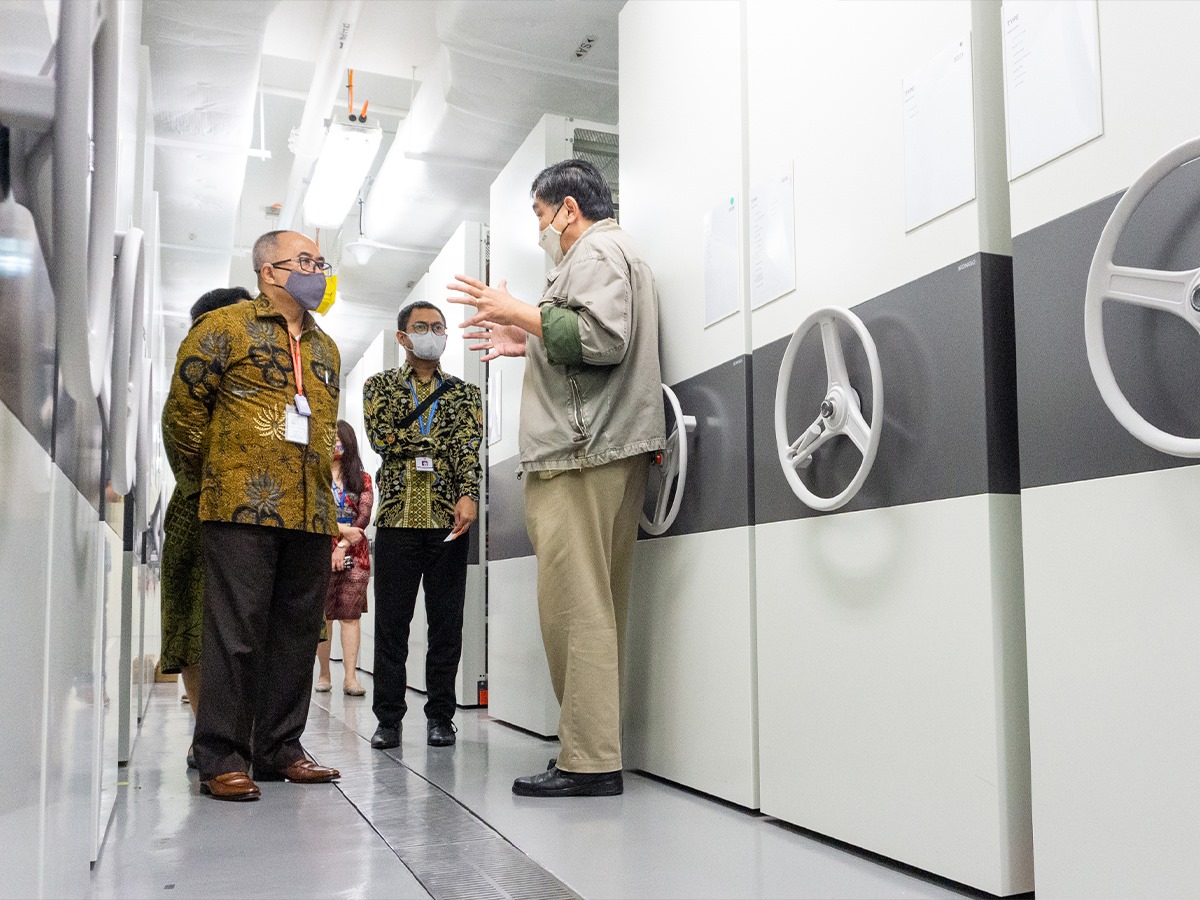
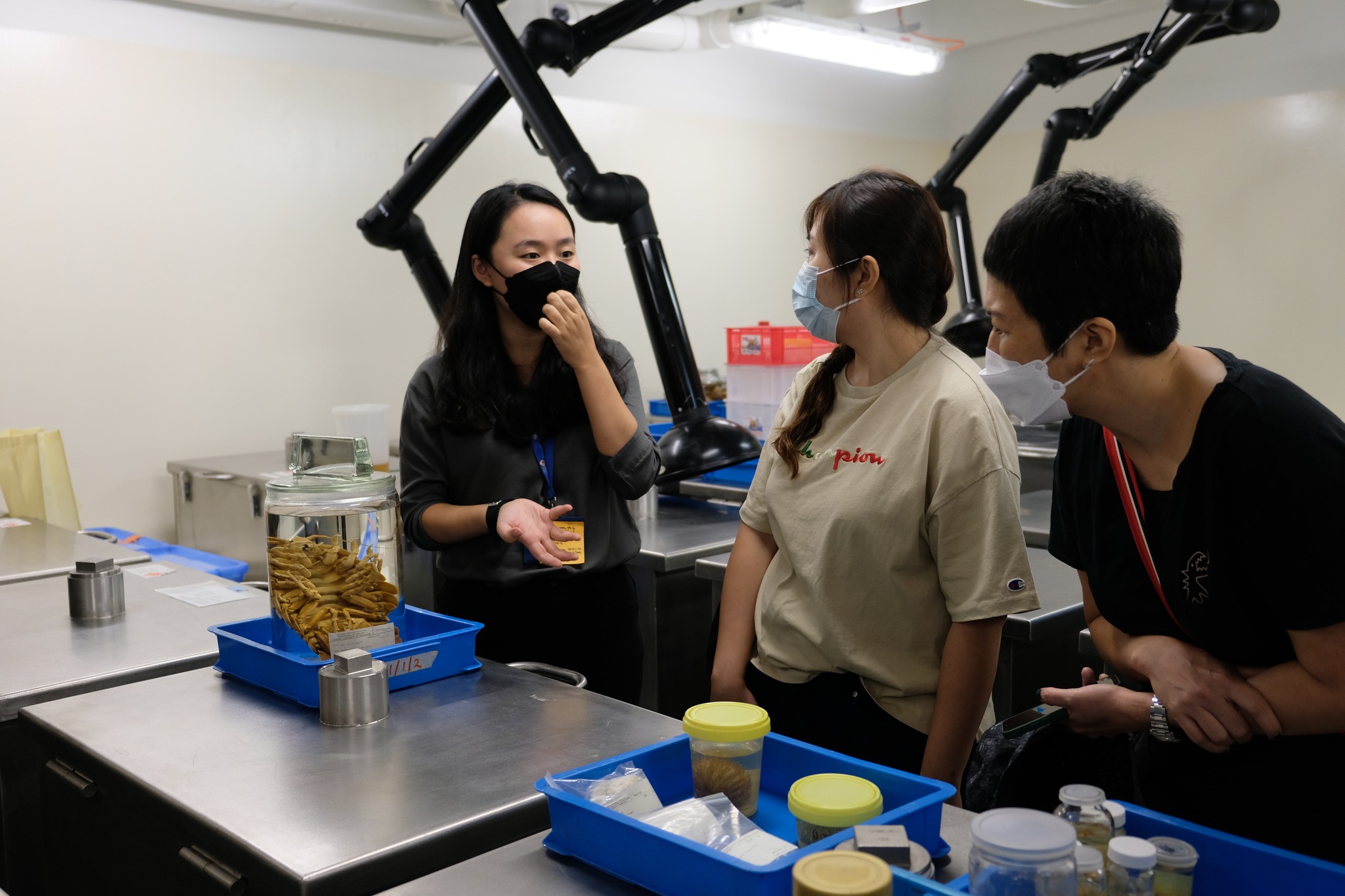
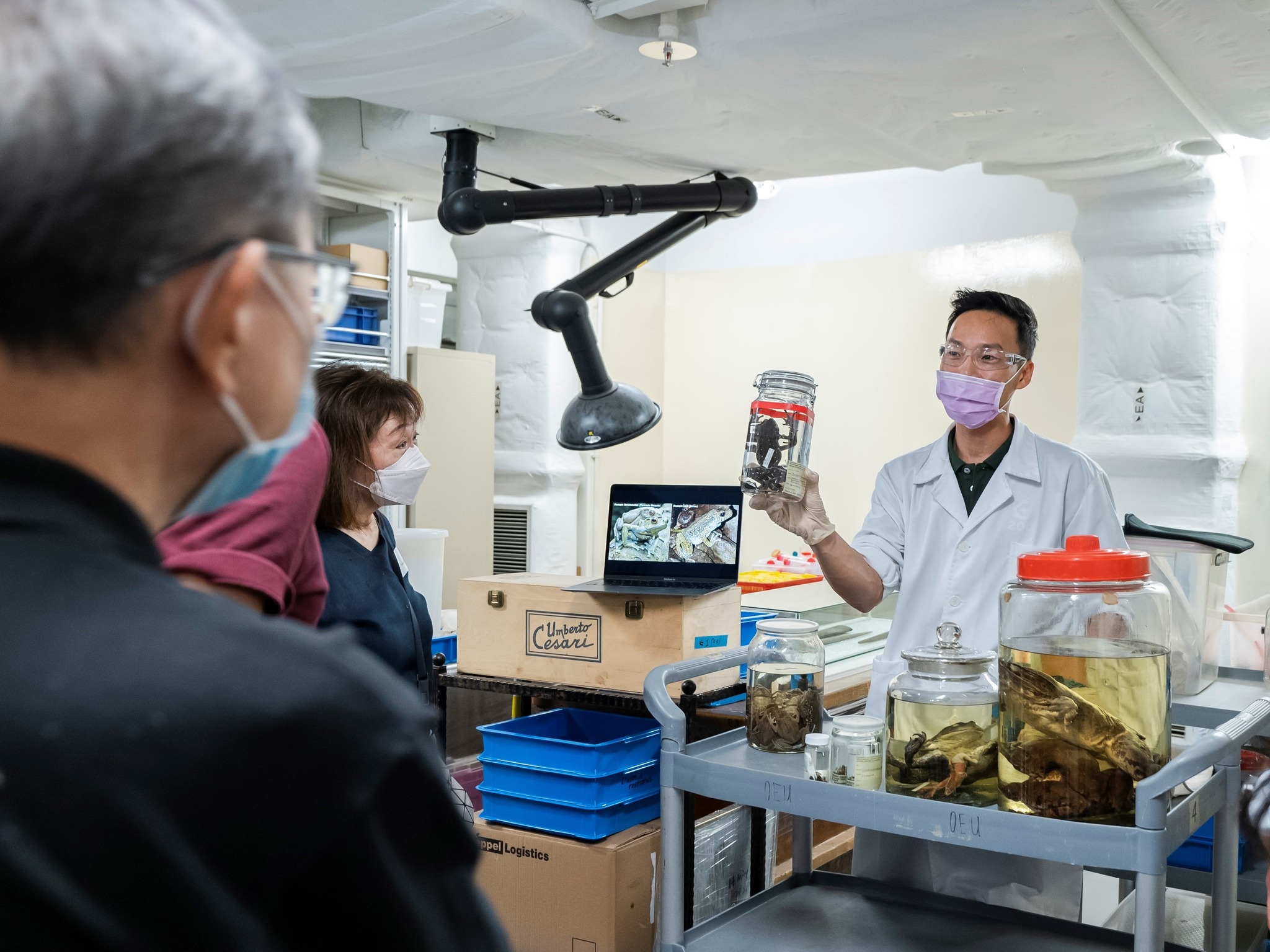
The museum also has a research facility, where scientists and researchers from around the world can study the specimens in the collection. The research facility is equipped with state-of-the-art laboratories, microscopes, and other scientific equipment, enabling researchers to conduct cutting-edge research on a wide range of topics related to biodiversity and evolution.
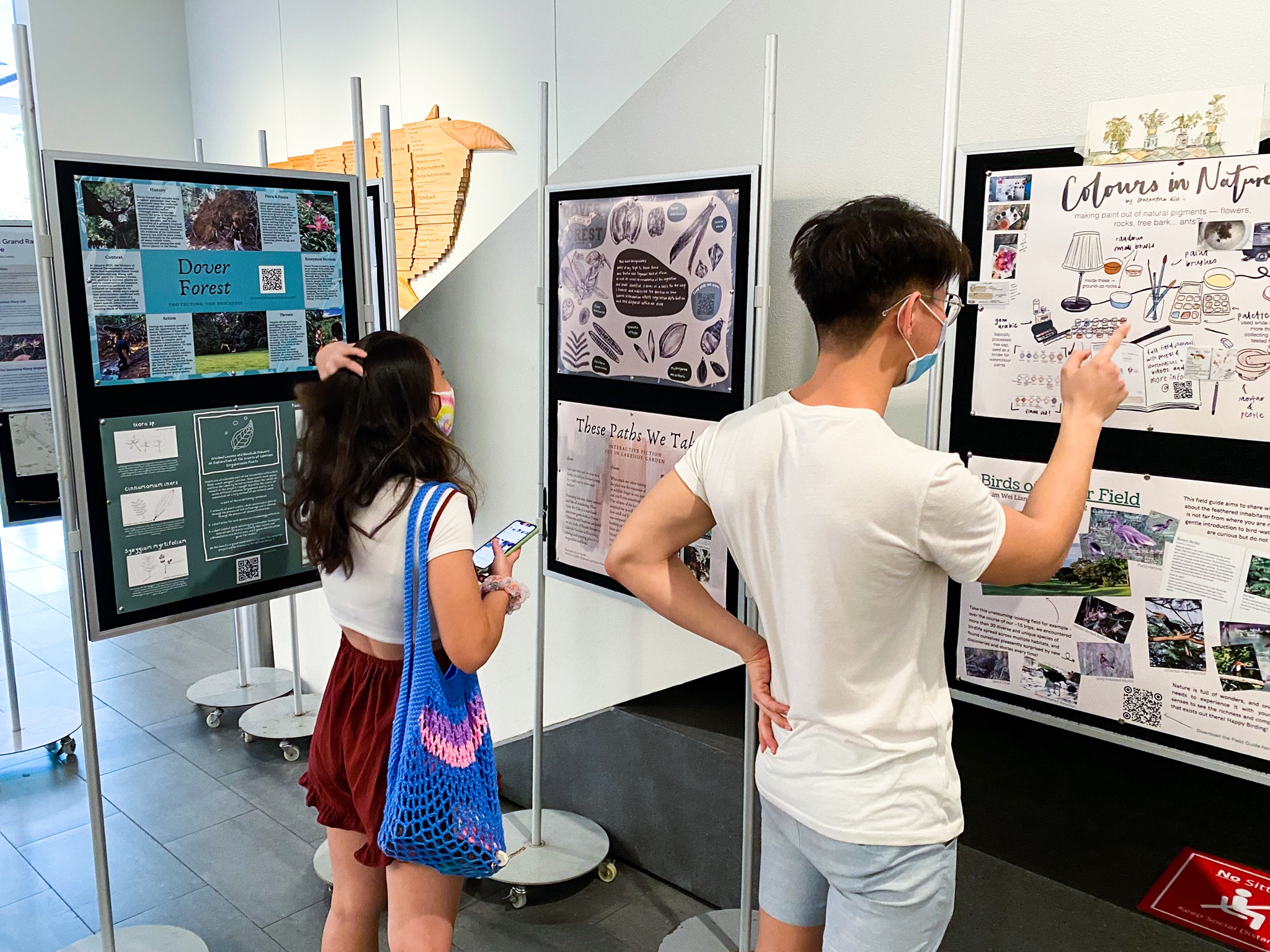
In addition to its permanent exhibits, the museum also hosts a variety of temporary exhibitions and events throughout the year. These events range from talks and lectures by experts in the field of natural history to interactive workshops and activities for children and families.
Overall, the Lee Kong Chian Natural History Museum in Singapore is a must-visit destination for anyone interested in the natural world. With its extensive collection of specimens, impressive exhibits, and state-of-the-art research facility, the museum is an educational and awe-inspiring experience that is sure to leave a lasting impression on visitors of all ages.
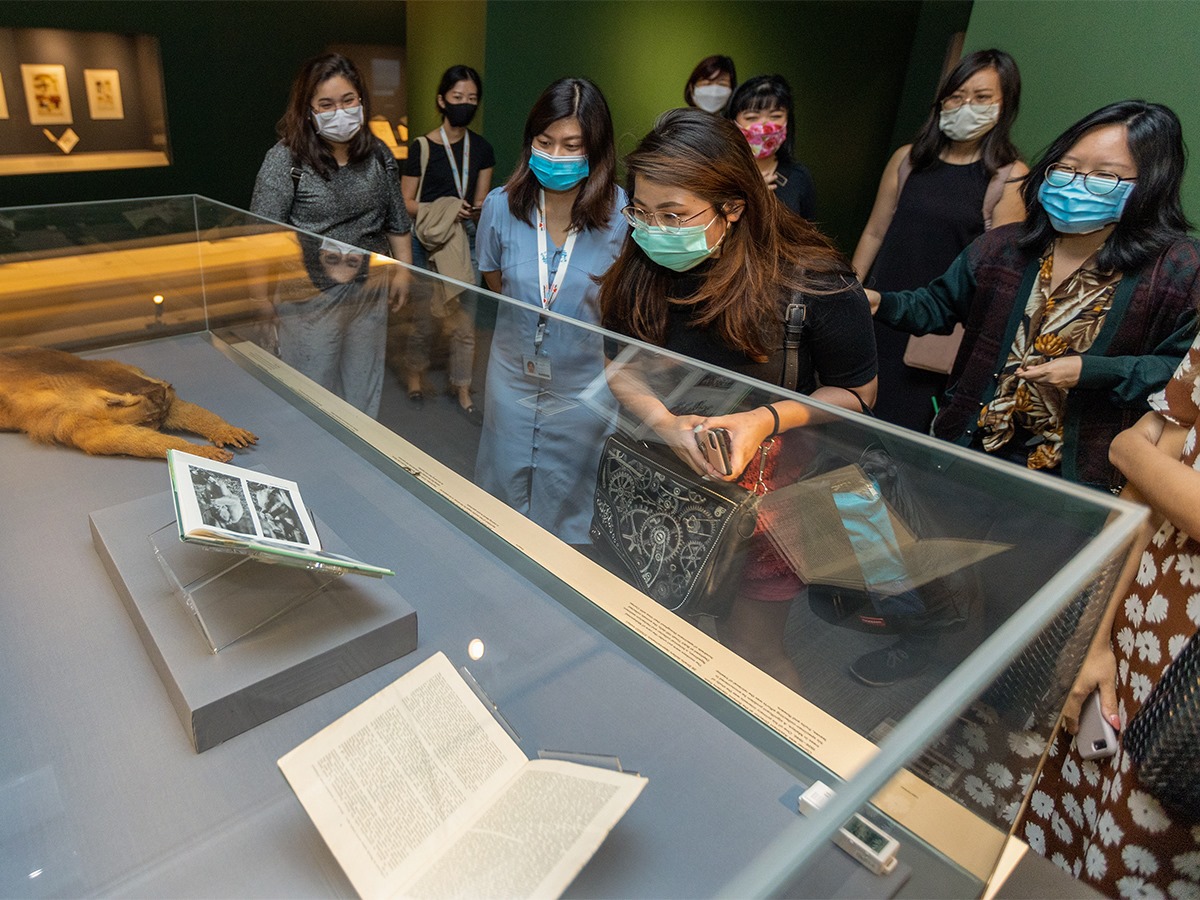
One of the unique features of the museum is the opportunity to see some of the rarest and most endangered species in the world up close. The museum has an extensive collection of preserved specimens, including some that are no longer found in the wild or are on the brink of extinction. This provides an important opportunity for visitors to learn about the impact of human activity on the environment and the importance of conservation efforts.
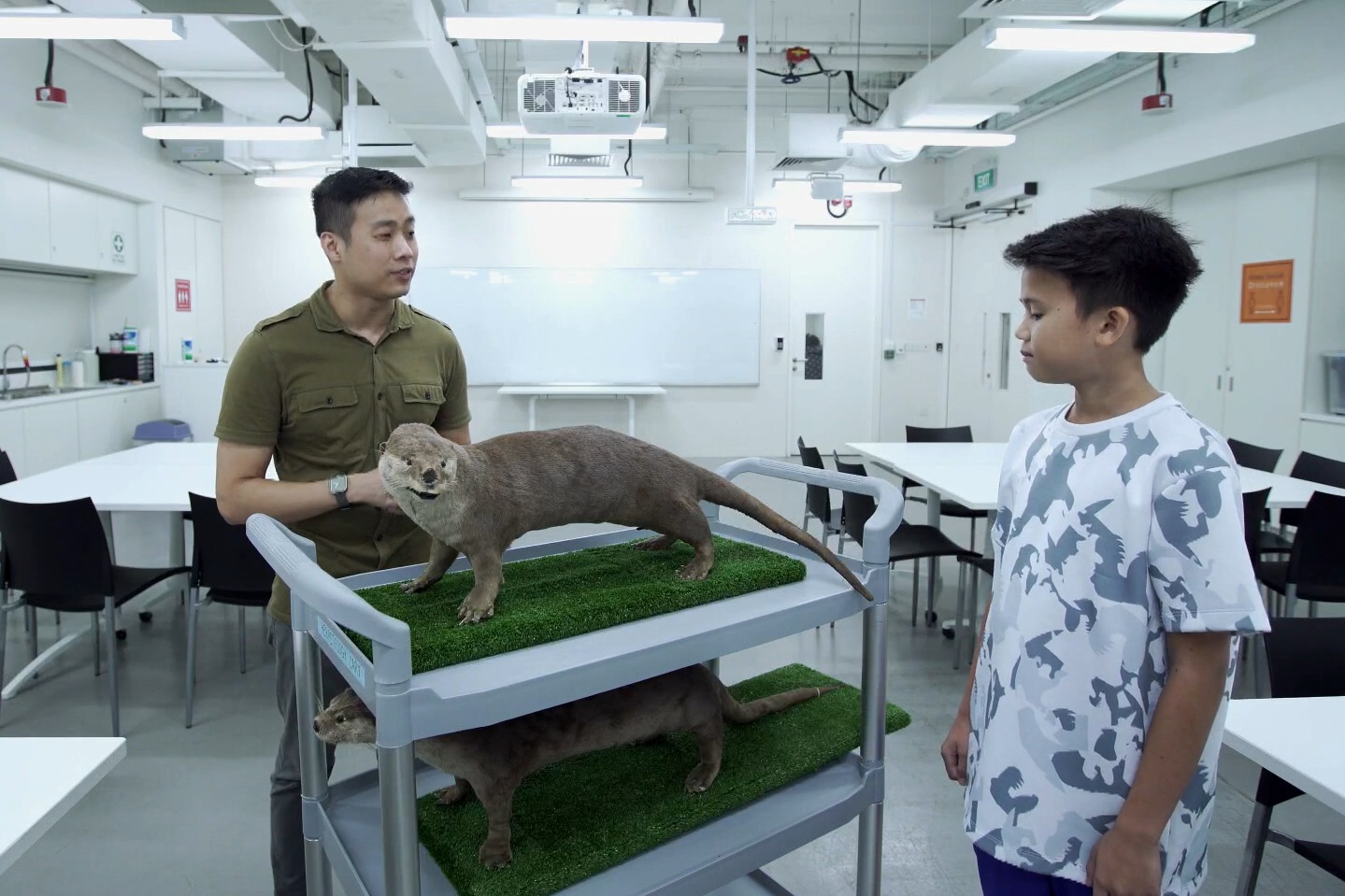
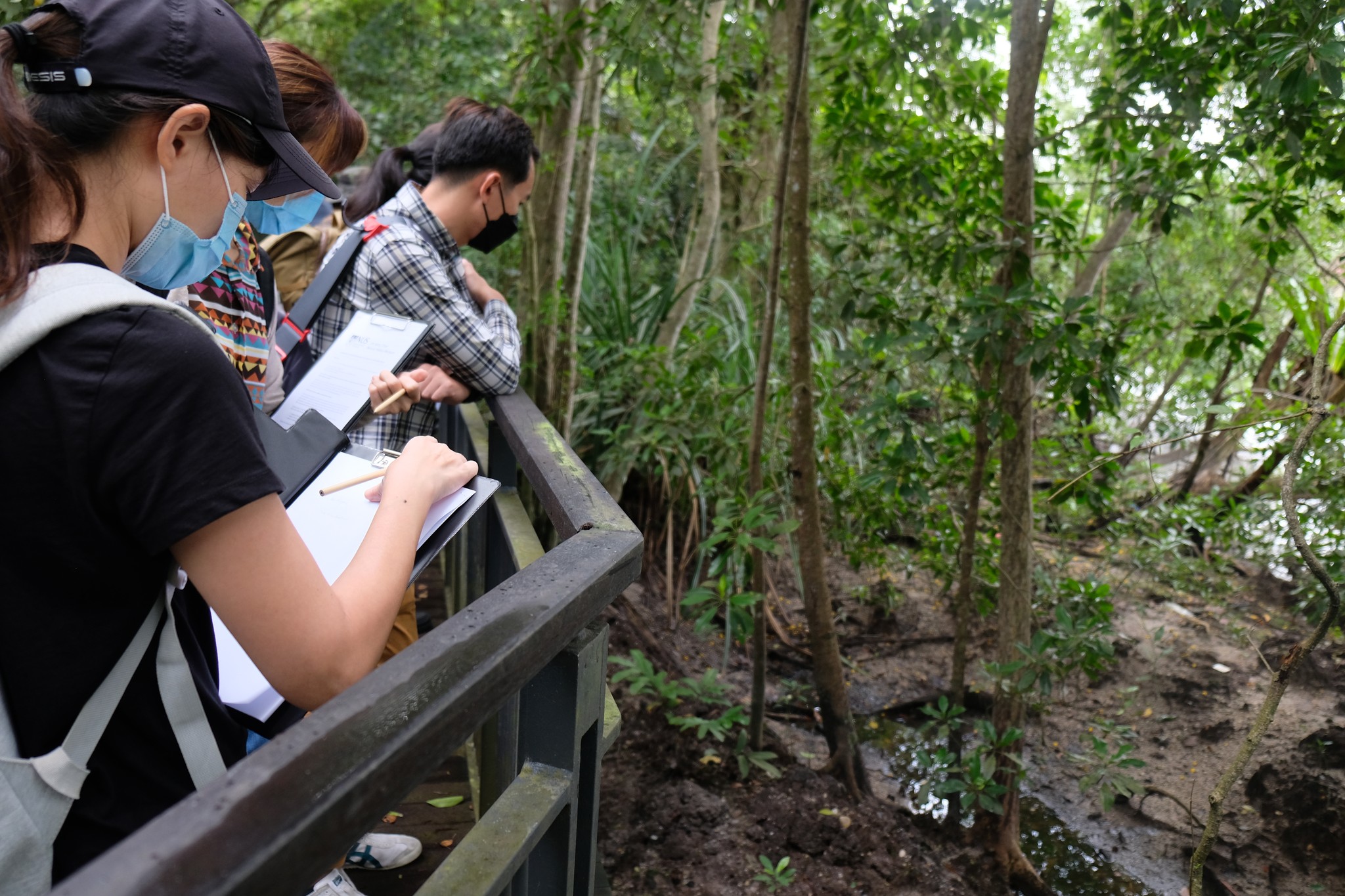
The museum also offers educational programs for students and teachers, including guided tours and workshops. These programs are designed to enhance students’ understanding of the natural world and to inspire a love for nature and science. The museum’s outreach programs are also geared towards promoting public awareness and appreciation of the importance of preserving biodiversity and the environment.
Another interesting aspect of the museum is its focus on Southeast Asian biodiversity. The museum showcases the unique flora and fauna found in the region, highlighting the importance of conserving these species for future generations. With Southeast Asia being one of the world’s most biodiverse regions, the museum plays a crucial role in promoting conservation efforts and raising awareness of the threats faced by the region’s wildlife.
The Lee Kong Chian Natural History Museum also serves as a hub for scientific research in Singapore and the wider region. The museum’s state-of-the-art research facilities and collections are invaluable resources for researchers working in the fields of biodiversity and evolution. The museum collaborates with scientists from around the world on a range of research projects, providing important insights into the natural world and informing conservation efforts.
Maps
Contact
Opening Hours
Video
FAQ's
How do I purchase my admission ticket?
Our admission tickets can be purchased at the museum ticketing counter, and subject to availability for each of the visit session. The same SISTIC booking fee still applies and do take note that the museum counter only accepts payment made by NETS or credit card. However, in order to secure the tickets in advance and to minimize queuing up at the counter, visitors are encouraged to purchase their tickets online through the SISTIC website. Admission tickets are available for purchase up to one month in advance.
Is there any price difference between buying the tickets at the museum counter, through SISTIC website or via SISTIC authorized agents?
There is no price difference between purchasing the tickets at the museum counter or through SISTIC. Besides purchasing tickets at our museum ticketing counter, or through the SISTIC website, admission tickets may also be purchased from all SISTIC authorized agents in Singapore and several neighbouring countries. You have the option to pay by cash, credit card or NETS for your purchase. Alternatively, you can also purchase our tickets through the SISTIC hotline at +65 6348 5555.
What is an E-Ticket?
An E-Ticket is an electronic form of ticket that can directly be used for admission at the museum. It is sent via a hyperlink on the email confirmation for free. E-Ticket comes in *PDF format, and can be downloaded from the link that is found on the top right corner of the email confirmation after your purchase online. Kindly note that there may be multiple pages as 1 ticket is required per person for admission. Each copy can only be used by one person as it contains a unique barcode. *Please be informed that you will need to have an Acrobat Reader to open the file containing the E-Ticket.
What are the operating hours of the museum?
The museum opens on Wednesdays to Sundays, from 10.00am to 6.00pm. Our last admission is at 4.30pm, as it will typically require around 1.5 hours to tour both the Biodiversity Gallery and Heritage Gallery. However, do check the LKCNHM website for any non-operational sessions
What do I have to take note for group visit?
There is a drop-off point right in front of the museum entrance, and a carpark behind the museum. However, there is no coach-parking bay within NUS. As there is limited toilet inside the gallery, it would be advisable for groups to go to the washrooms at the lobby first, before entering the museum.
What are the guidelines for purchasing tickets?
A valid identity card has to be presented for each admission ticket at the point of purchase and entry. Please note that random checks on tickets will be conducted at the point of purchase or entry. Visitors unable to present proof of eligibility are required to purchase another full-price ticket.
What are the guidelines in the gallery?
Children 3 years old and above are required to purchase a ticket for admission. No food and drinks are allowed inside the galleries. Flash photography and using of selfie-stick is prohibited inside the galleries. Lost ticket will not be replaced. Visitors are required to have their tickets with them for both entry and exit.