






The Lyman Museum is a cultural and natural history museum located in the town of Hilo on the Big Island of Hawaii. It was founded in 1931 and named in honor of missionary and ethnologist David Belden Lyman and his wife Sarah Joiner Lyman, who were instrumental in preserving the history and culture of the Hawaiian people.
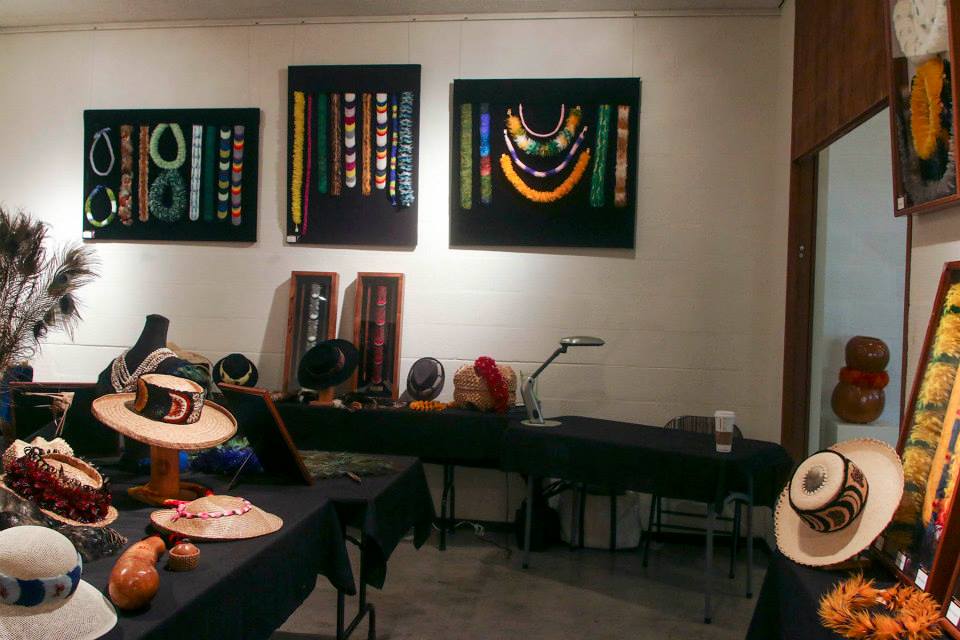
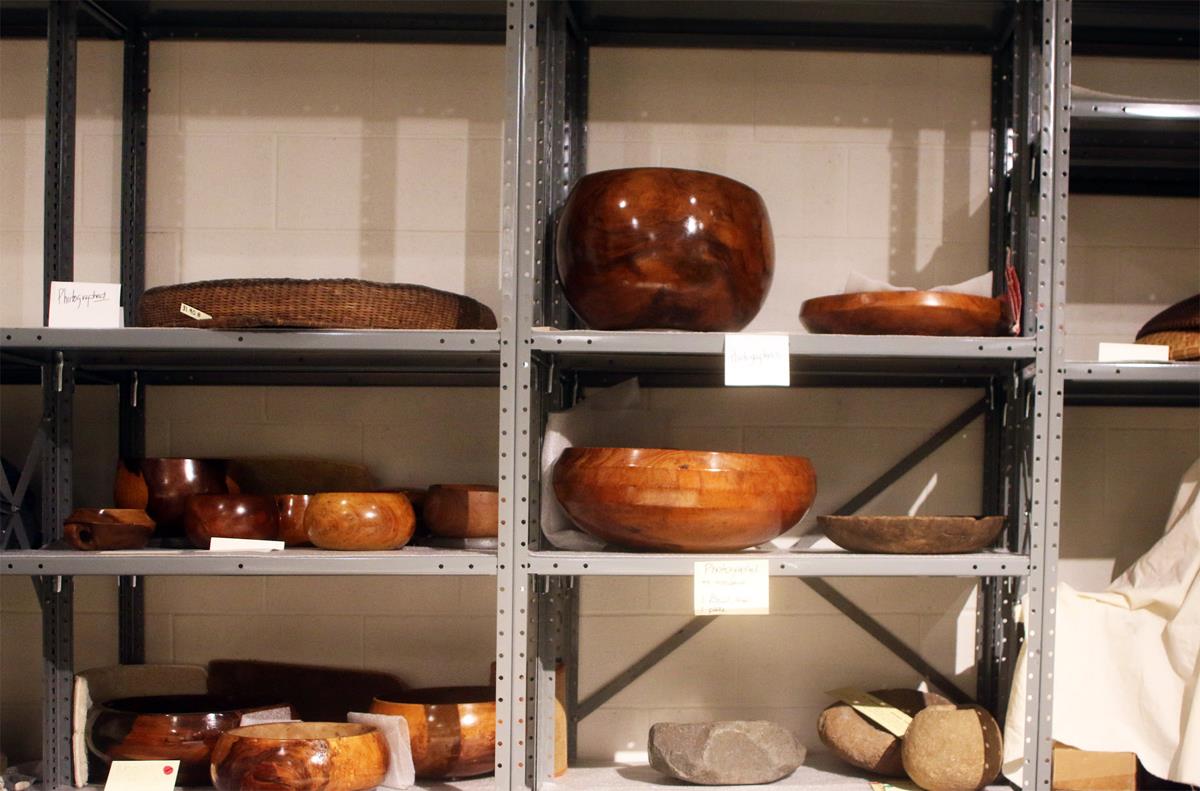
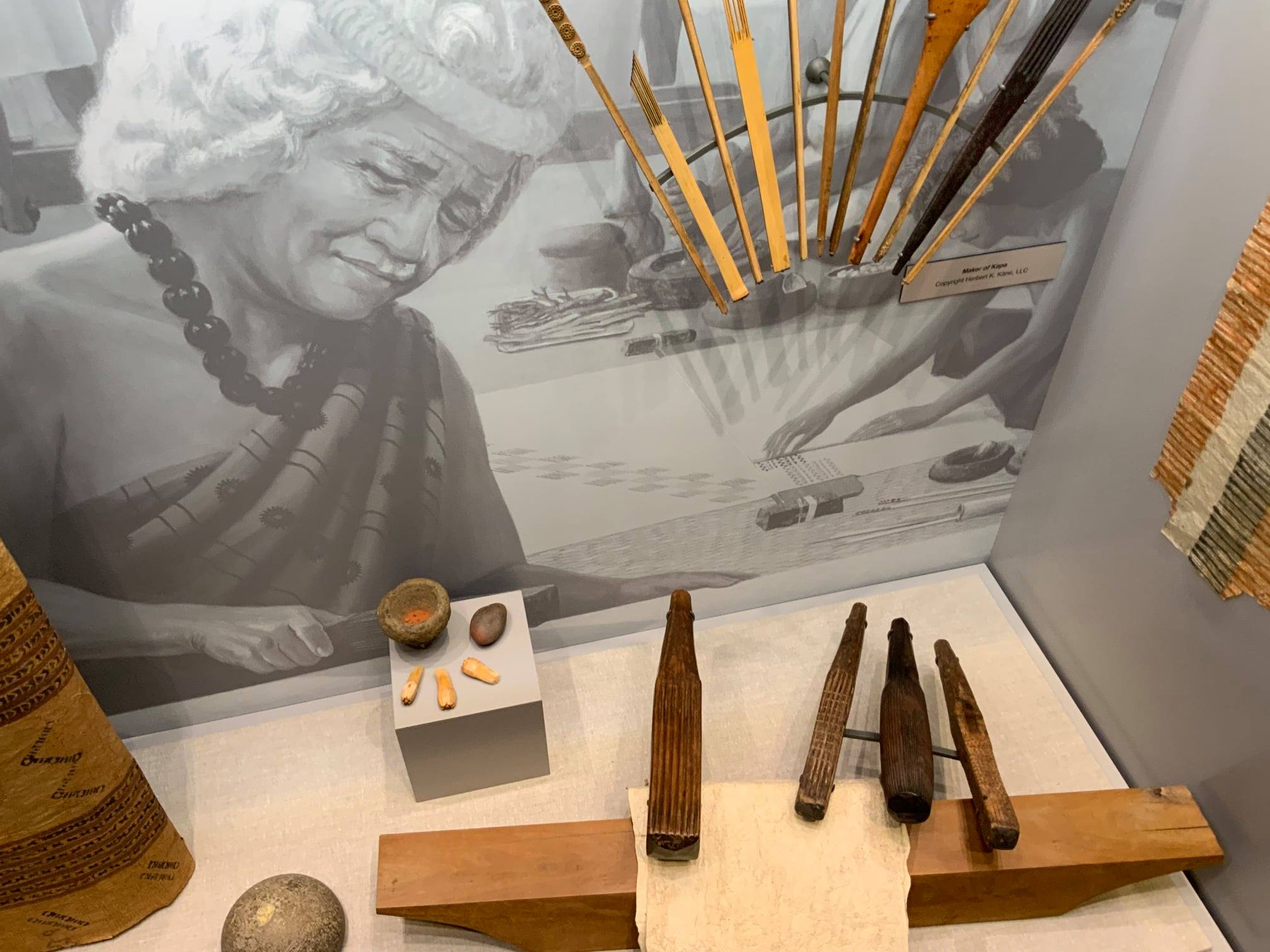
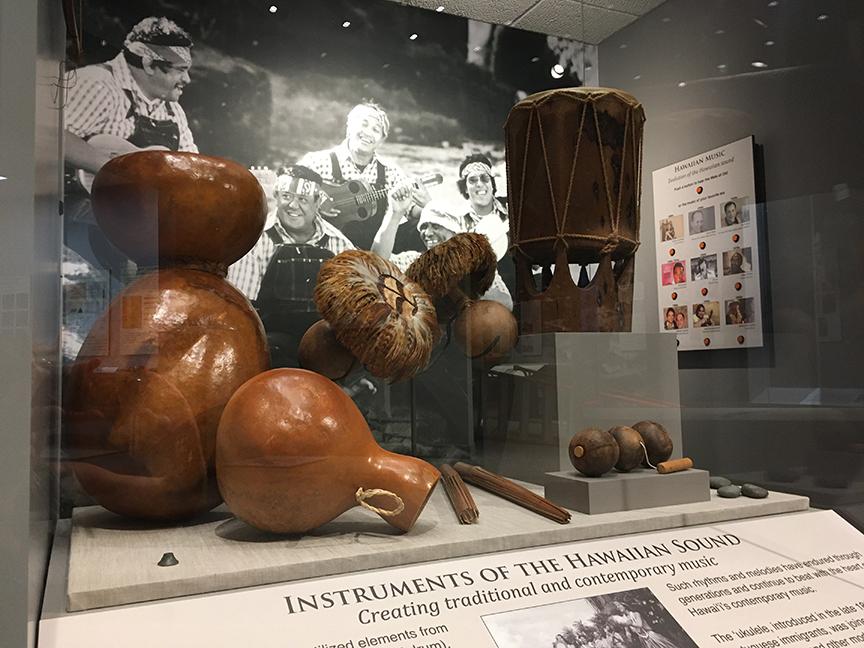
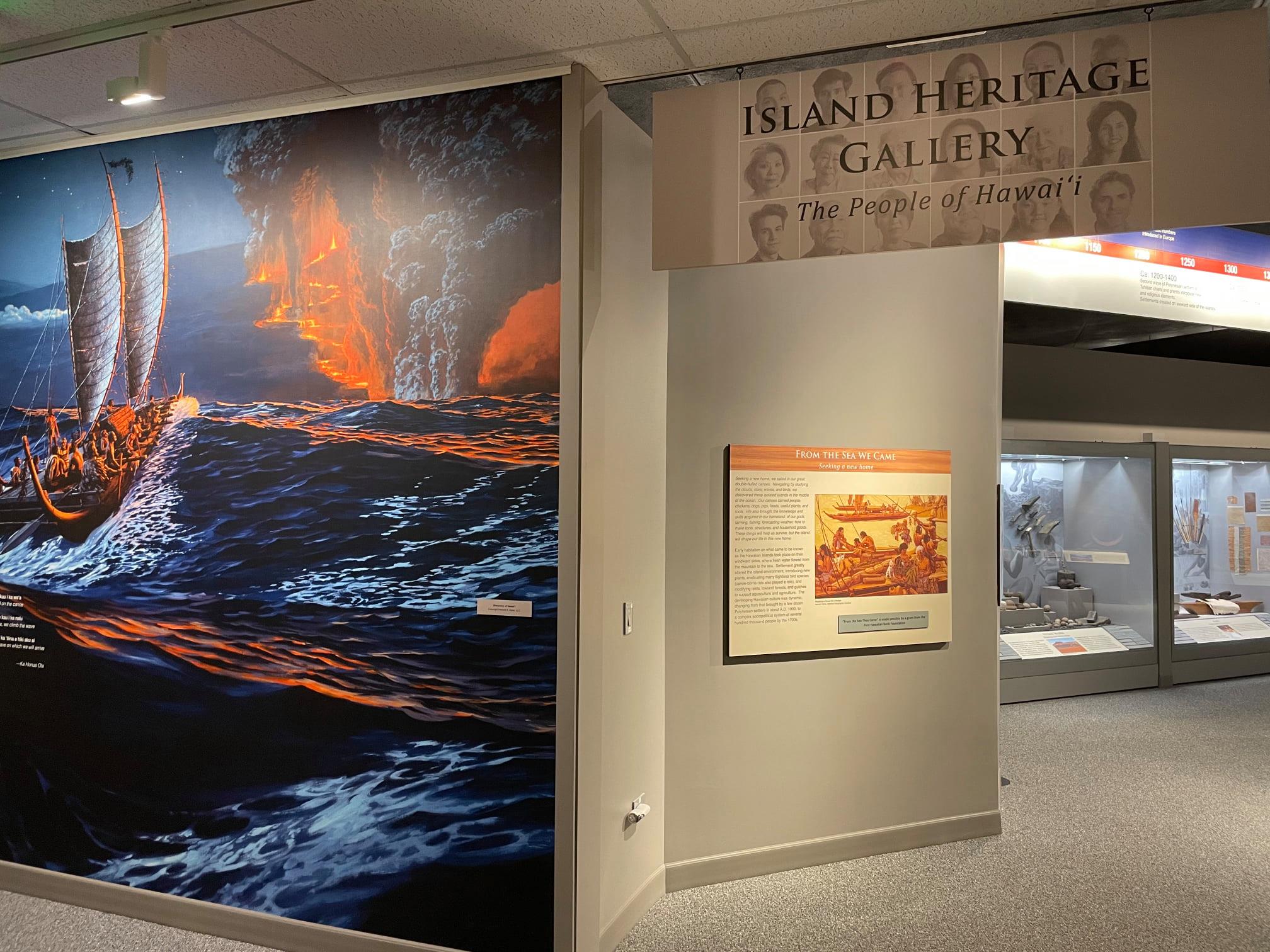
The museum features exhibits on the geology, flora, fauna, and cultural history of the Hawaiian Islands. It is home to over 8,000 artifacts and specimens, including a collection of Hawaiian quilts, rare books and manuscripts, and fossils of extinct species that once roamed the Hawaiian Islands. The museum’s collections also include photographs, paintings, and other artwork that depict the history and culture of the Hawaiian people.
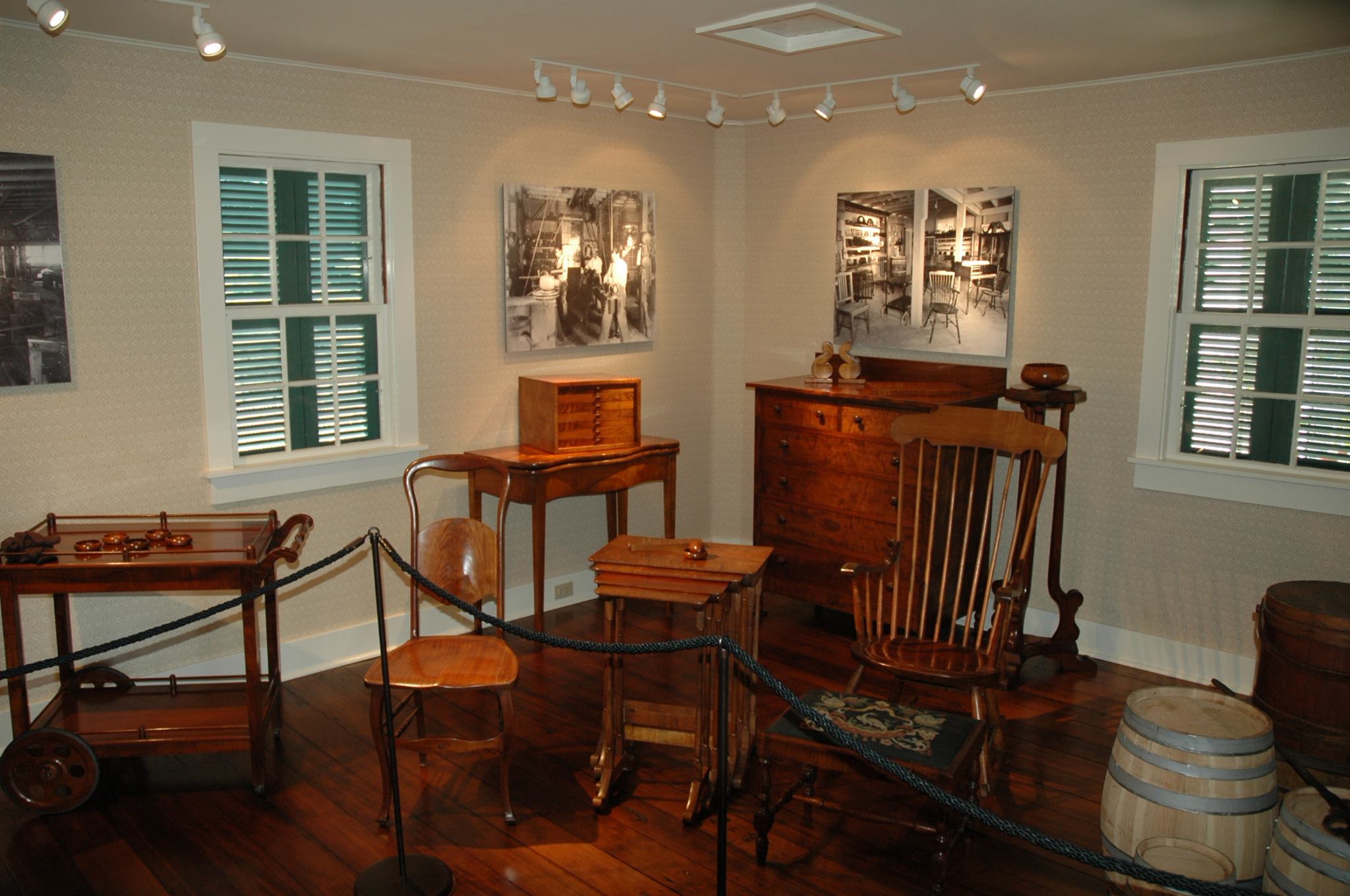
The Lyman Museum is housed in two historic buildings, the Mission House and the Lyman House Memorial Museum. The Mission House was built in 1839 and served as the home of David and Sarah Lyman and their family for many years. Today, it is the oldest wooden structure still standing on the island of Hawaii and is listed on the National Register of Historic Places. The Lyman House Memorial Museum was built in 1916 and served as the family’s main residence until 1931 when it was converted into a museum.
The museum offers a variety of educational programs and activities for visitors of all ages, including guided tours, lectures, and workshops. The museum’s staff and volunteers are dedicated to preserving and sharing the history and culture of the Hawaiian people with the community and visitors from around the world.
One of the museum’s most popular exhibits is the Missionary Room, which features artifacts and displays related to the early Christian missionaries who arrived in Hawaii in the early 19th century. The exhibit includes original Bibles, hymnals, and other religious texts, as well as photographs and personal items of the missionaries who helped shape the culture of the Hawaiian people.
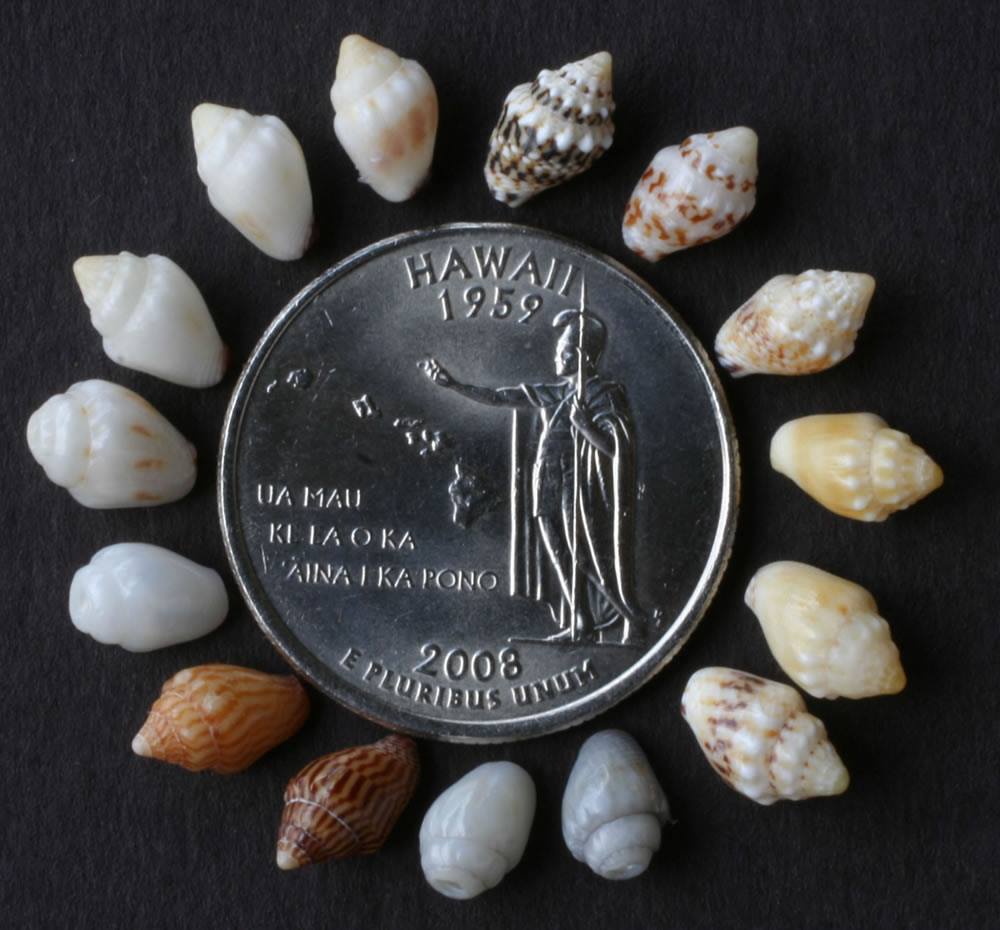
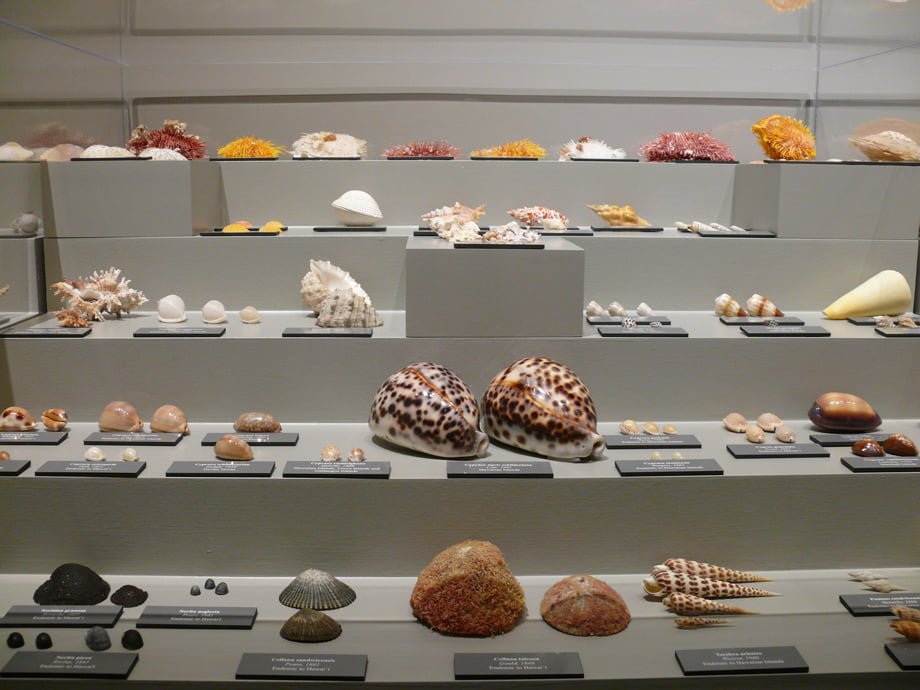
Another popular exhibit is the Natural History Room, which showcases the unique geology and flora and fauna of the Hawaiian Islands. The exhibit includes a collection of fossils of extinct species that once roamed the islands, as well as displays on the native plants and animals of the islands, including the endangered Nene goose.
The museum also has a collection of rare books and manuscripts related to the history and culture of Hawaii. The collection includes original manuscripts and published works by Hawaiian authors, as well as rare historical documents and maps.
The Lyman Museum is also home to a collection of over 100 Hawaiian quilts, which are on display in the Quilt Room. The collection includes traditional and modern quilts made by Hawaiian women over the past 200 years. Many of the quilts feature intricate designs and patterns that reflect the cultural history of the Hawaiian people.
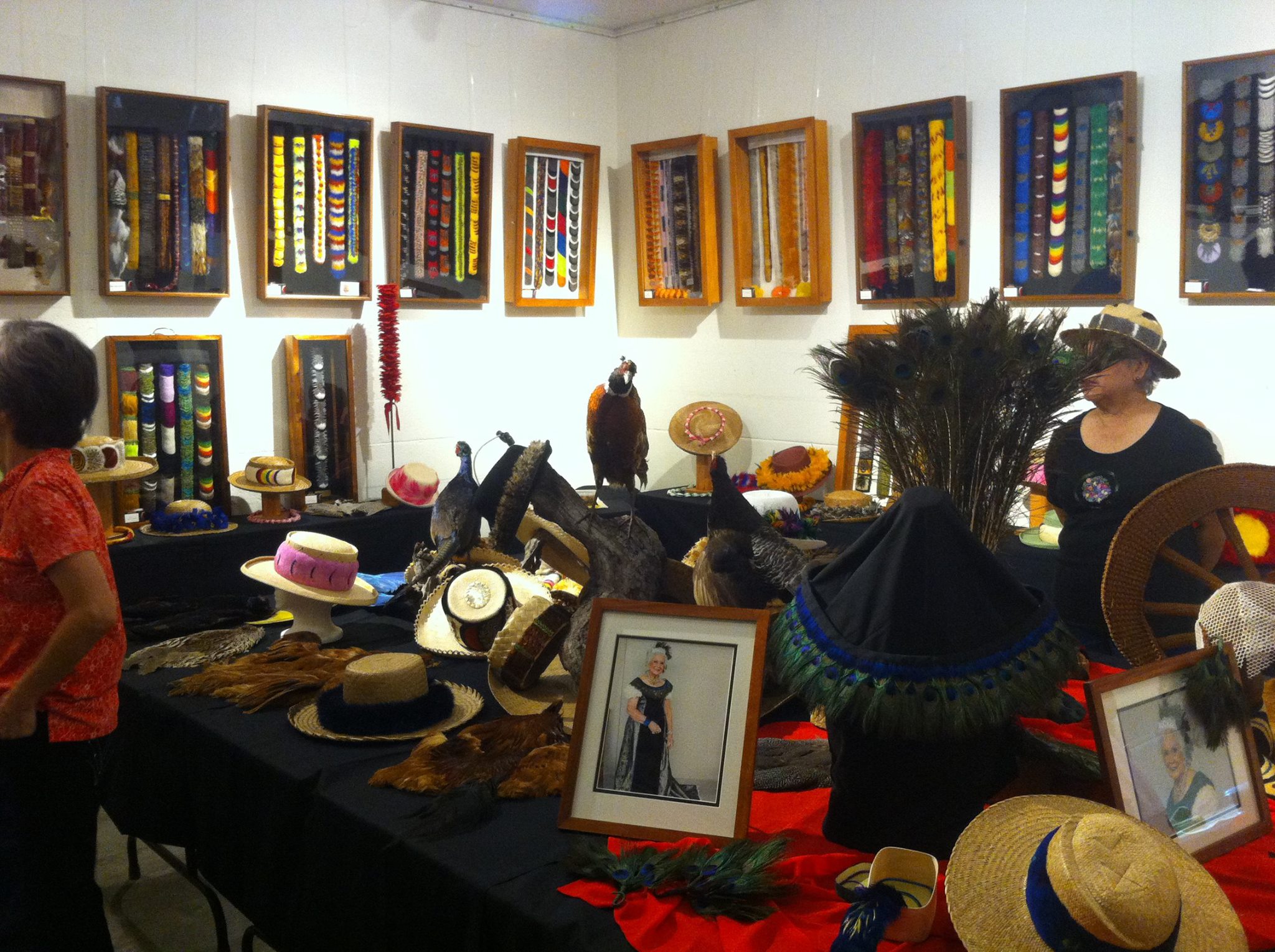
In addition to its permanent exhibits, the Lyman Museum also hosts a variety of temporary exhibits throughout the year. These exhibits feature a wide range of topics related to the history and culture of the Hawaiian Islands, and offer visitors the opportunity to learn more about the unique heritage of the Hawaiian people.
The museum is a popular destination for tourists and locals alike, and is considered one of the most important cultural and natural history museums in Hawaii. Its exhibits and programs provide visitors with a unique insight into the history, culture, and natural environment of the Hawaiian Islands, and offer a glimpse into the rich and diverse heritage of the Hawaiian people.


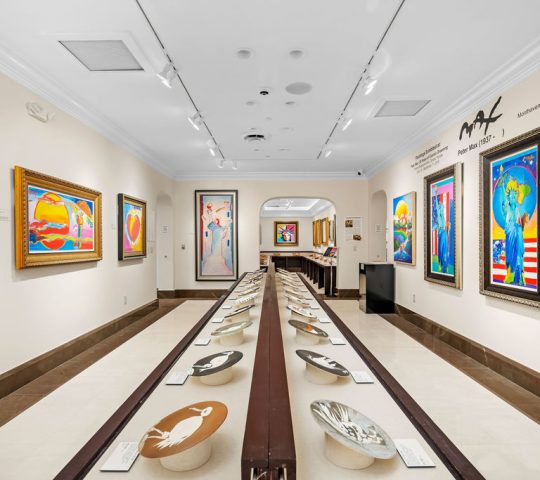




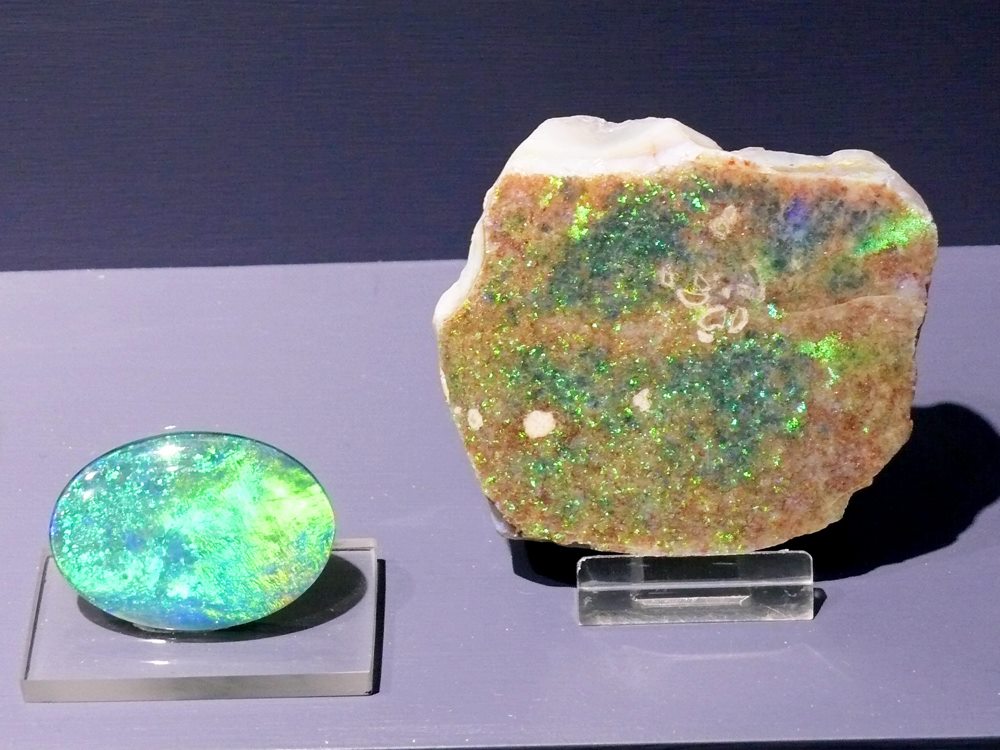
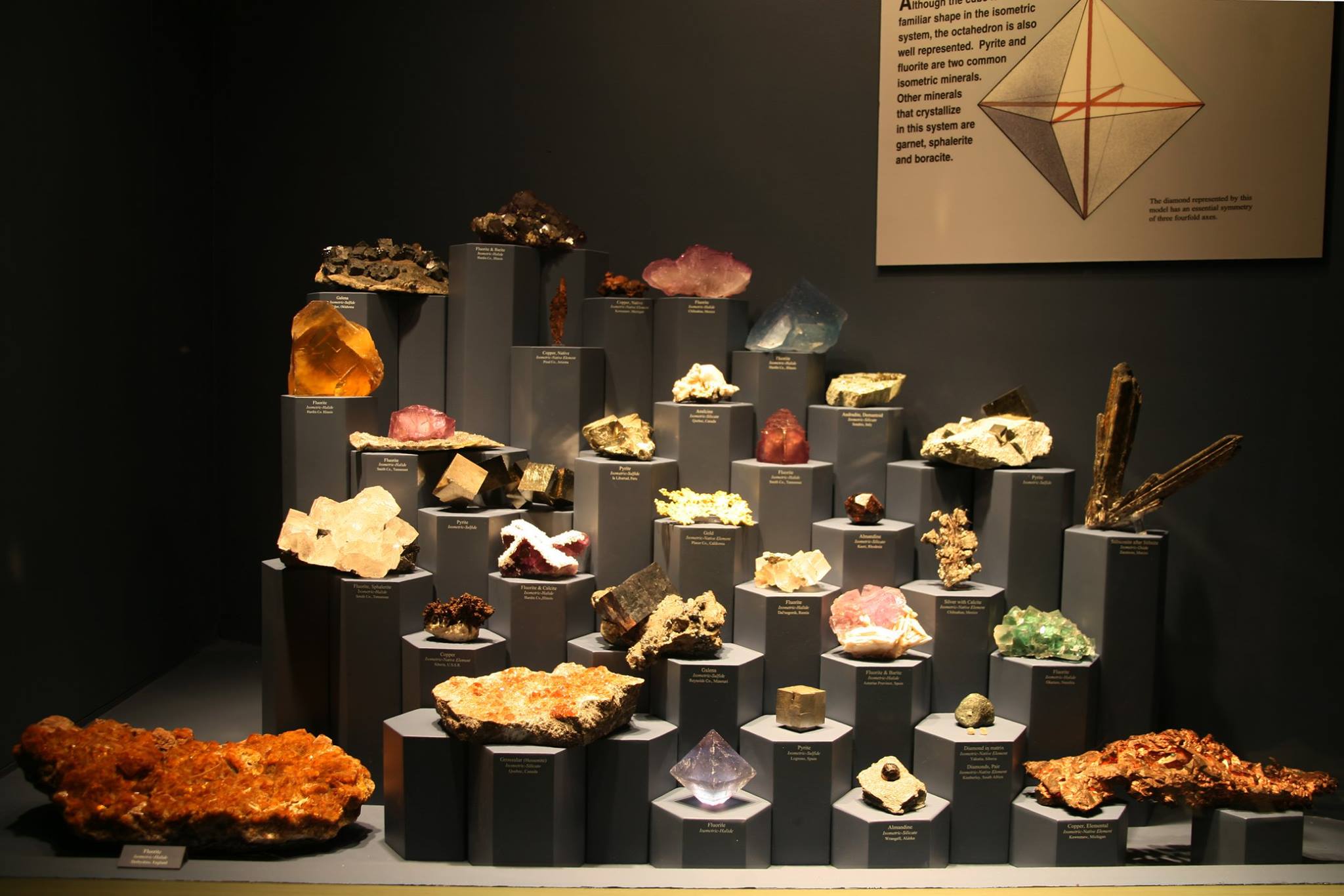
That's amazing! I thoroughly enjoyed this experience! The facility is beautiful and the exhibits are very well done! Mineral room was a bit of an obsession!