



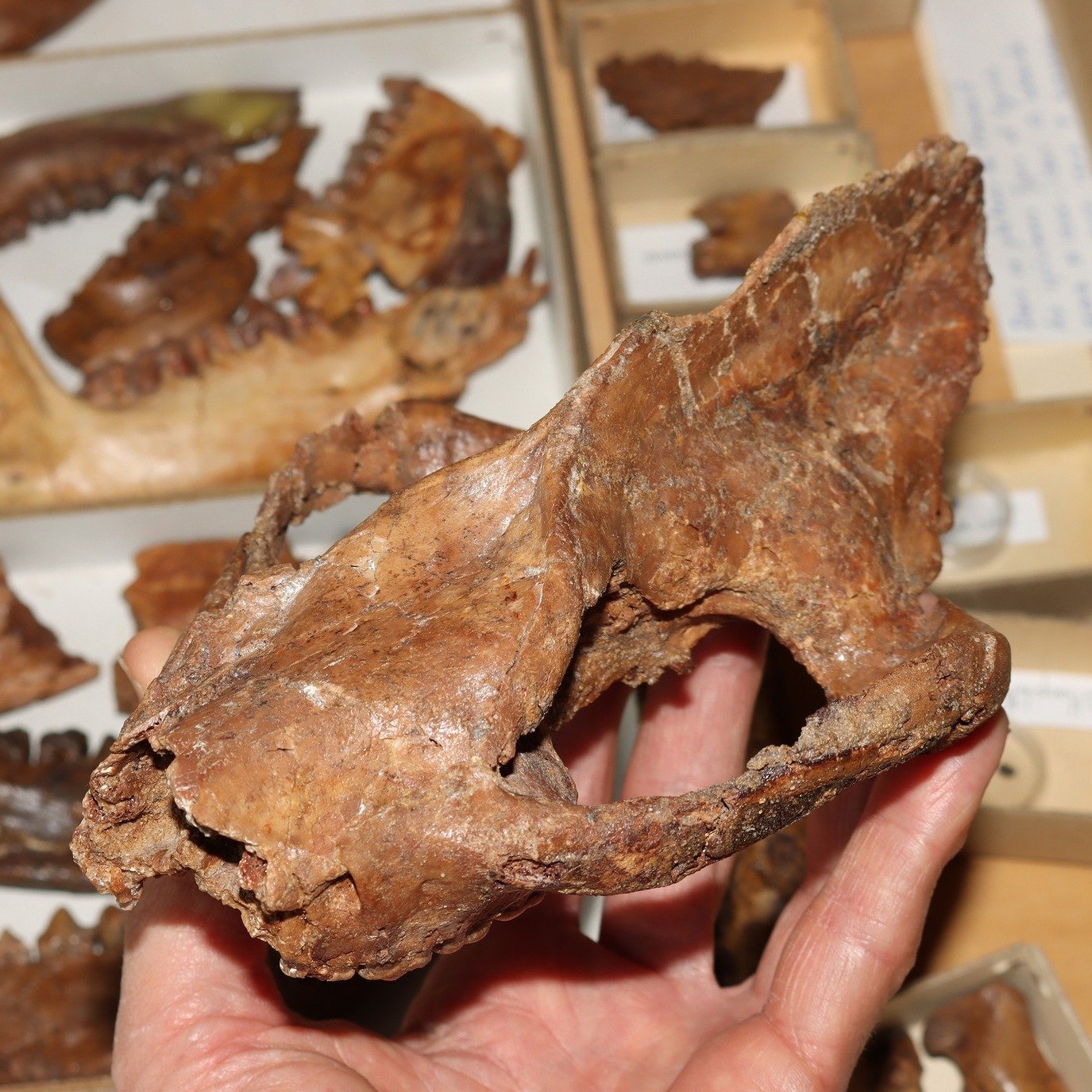
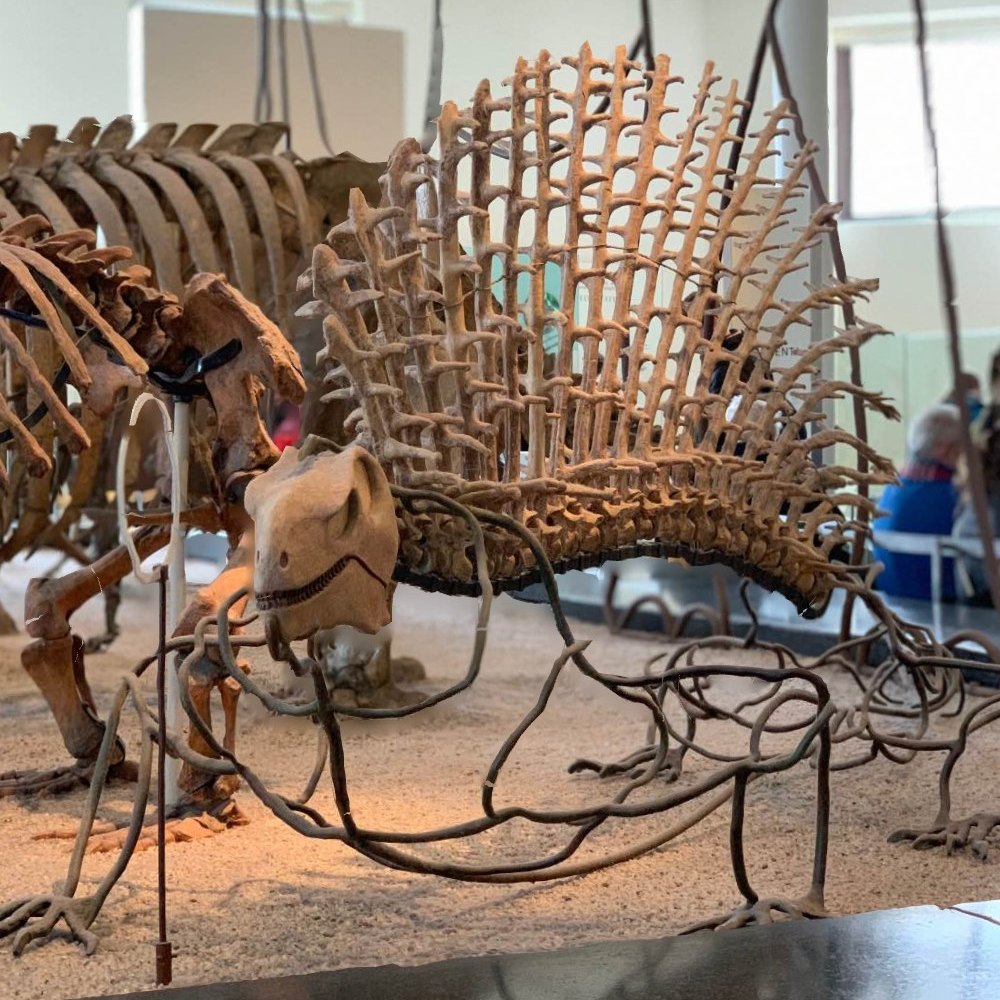
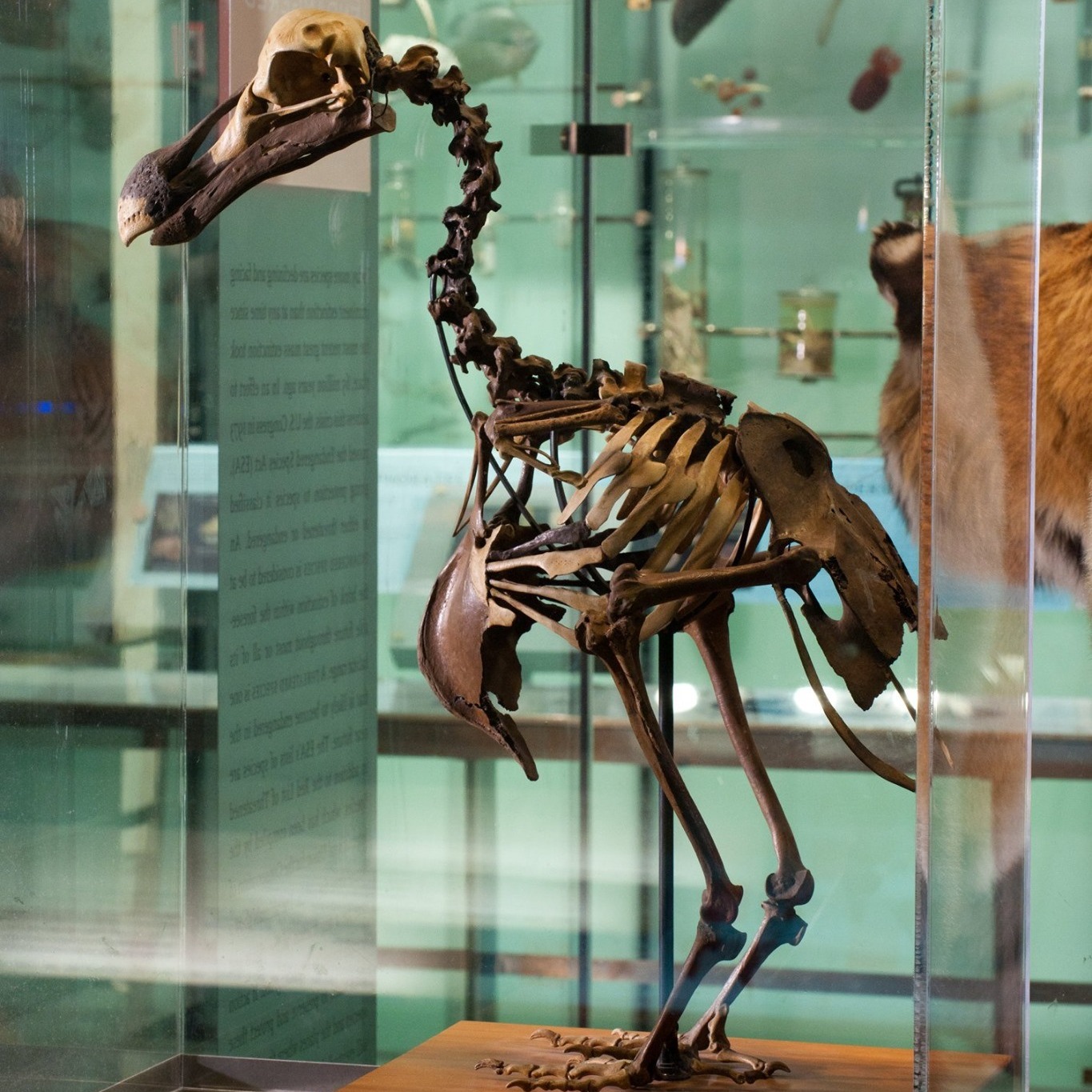
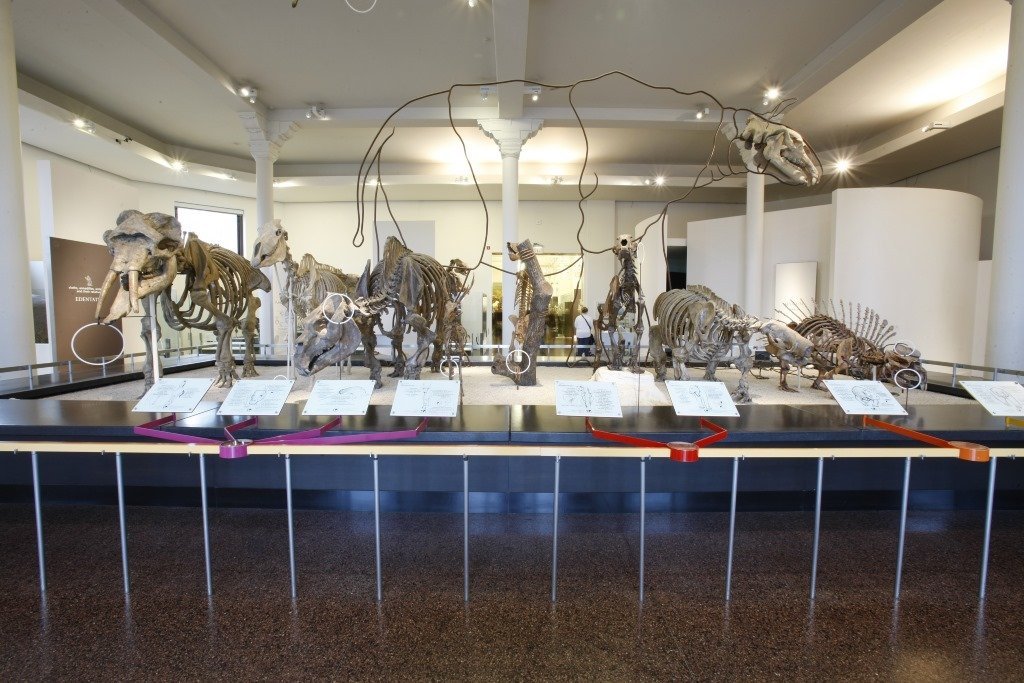

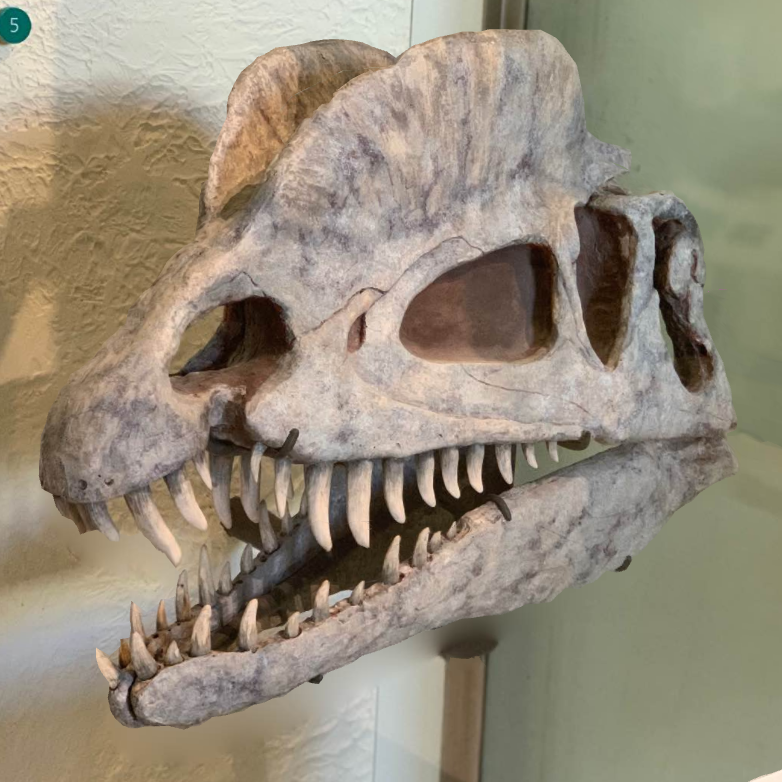
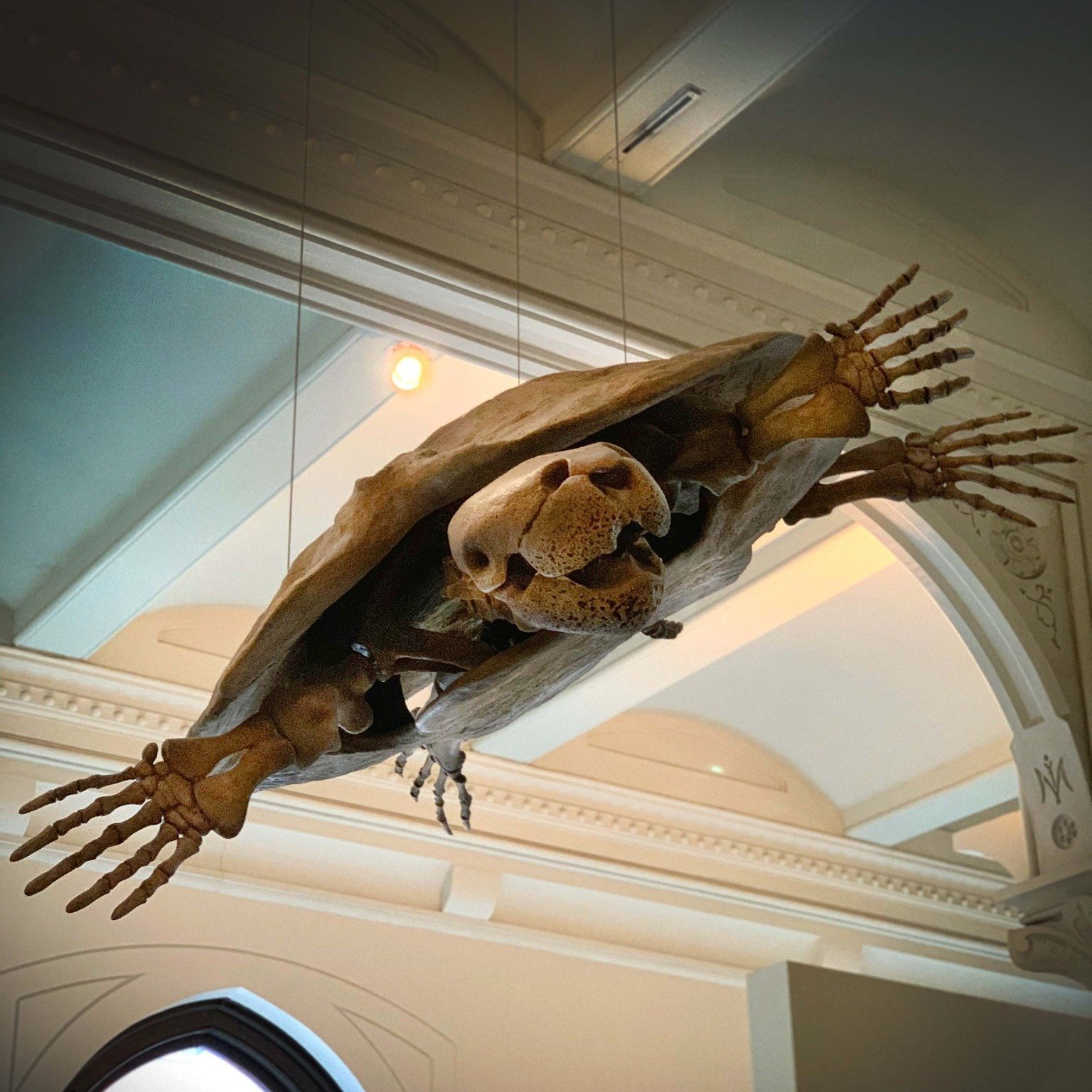
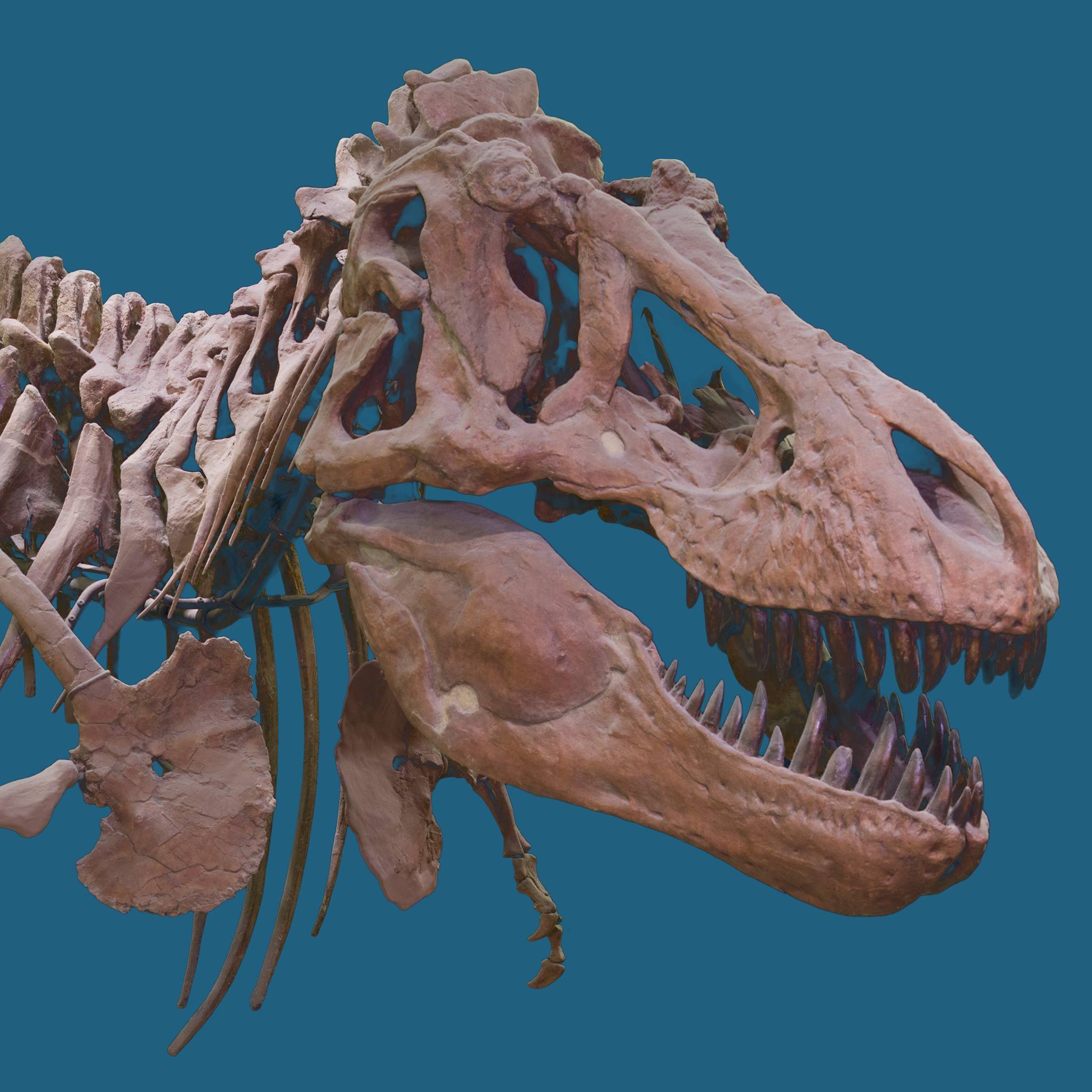



The American Museum of Natural History, located in New York City, is one of the largest and most renowned natural history museums in the world. The museum’s vast collections and exhibitions cover a wide range of topics, from the origins of the universe to the evolution of life on Earth. The museum is known for its impressive displays of fossils, minerals, and specimens, as well as its educational programs and research initiatives.
The American Museum of Natural History was founded in 1869 by a group of scientists, including the naturalist and explorer Theodore Roosevelt Sr. The museum’s original mission was to promote the study of natural history and to advance scientific knowledge. The museum’s collections quickly grew, and by the early 20th century, the museum had become one of the most important scientific institutions in the United States.
The museum’s main building, located on the west side of Central Park in Manhattan, was designed by the architectural firm of Calvert Vaux and Jacob Wrey Mould. The building’s distinctive architecture, which features intricate carvings, intricate ornamentation, and detailed sculptures, reflects the museum’s commitment to science and education.
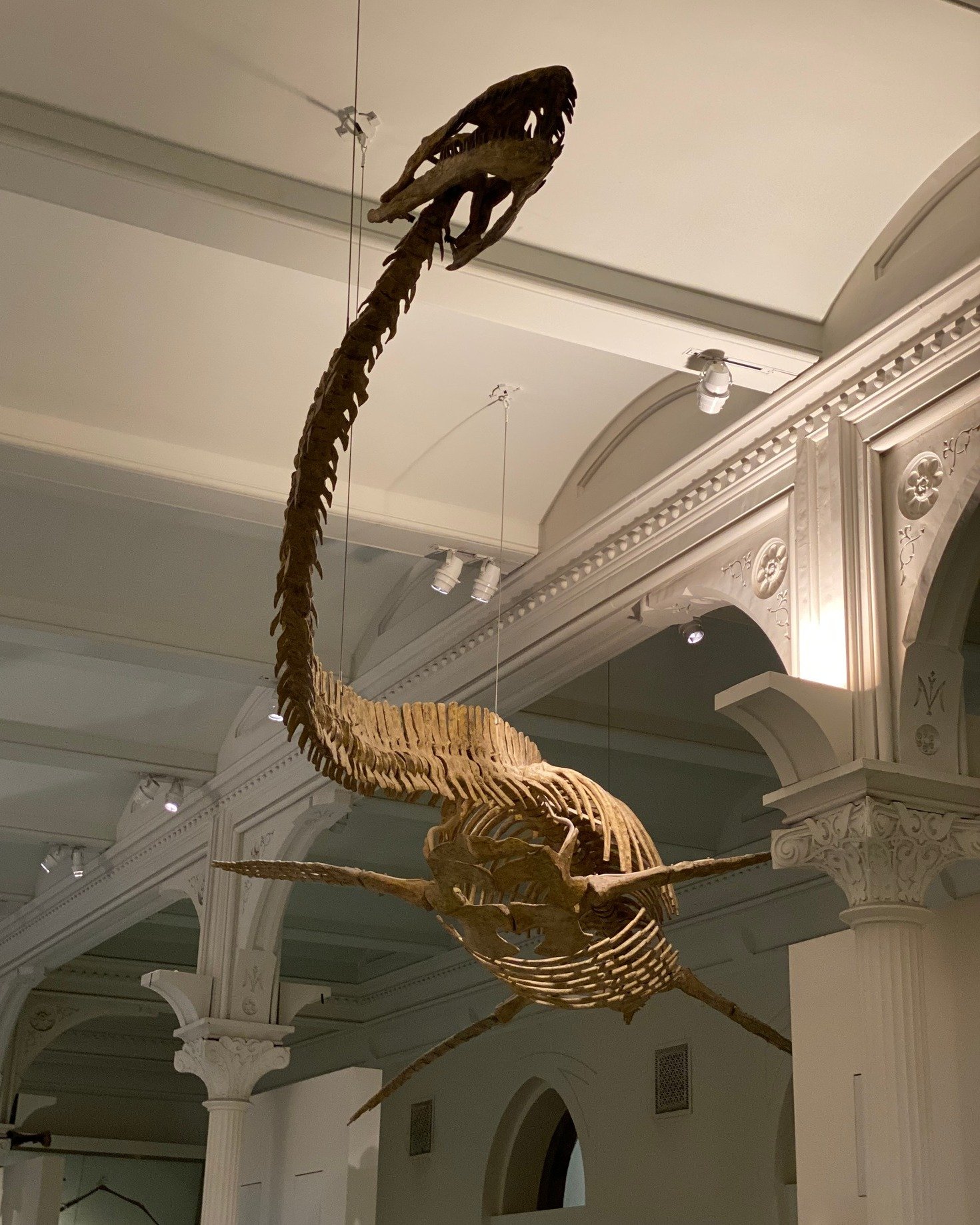
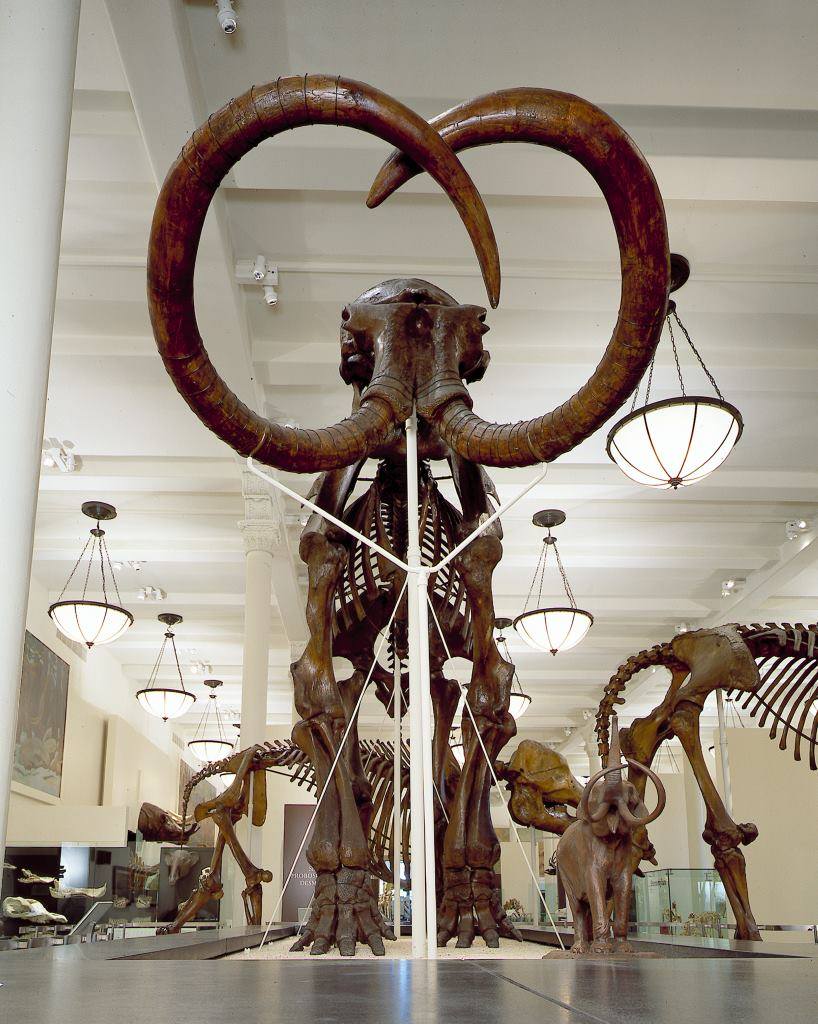
The museum’s collections are extensive, with more than 33 million specimens and artifacts in its care. The museum’s collections cover a wide range of subjects, including anthropology, paleontology, geology, astronomy, and biology. The museum is home to some of the most famous specimens in the world, including the Tyrannosaurus rex skeleton, which is one of the most complete and well-preserved dinosaur skeletons ever discovered.
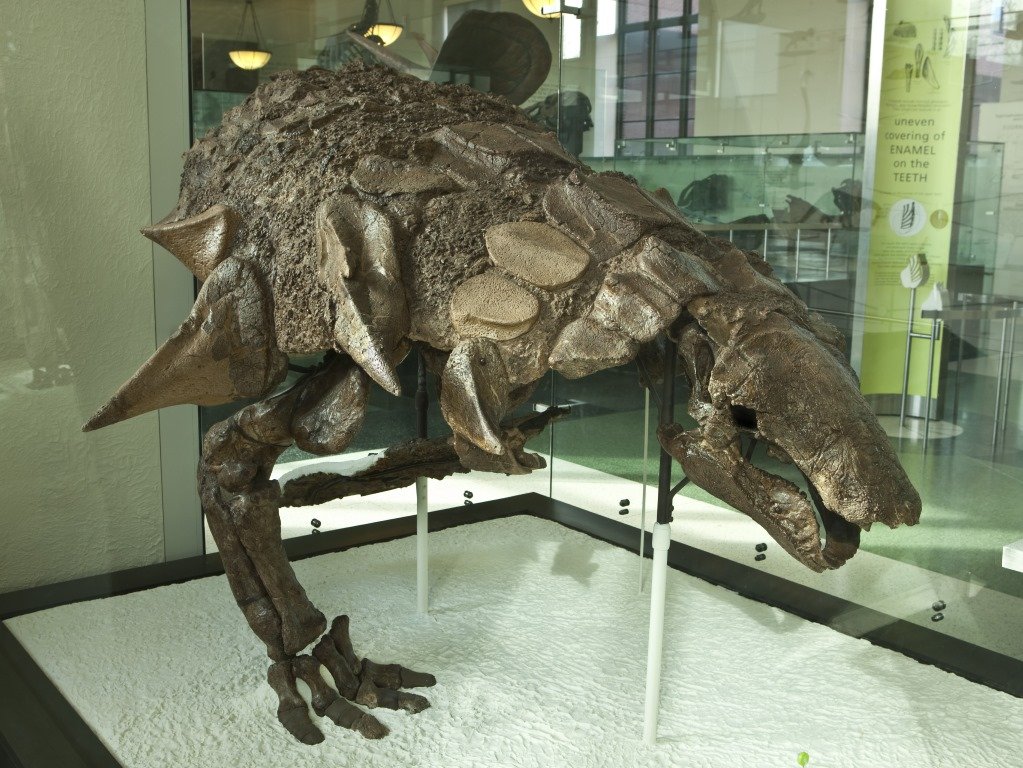
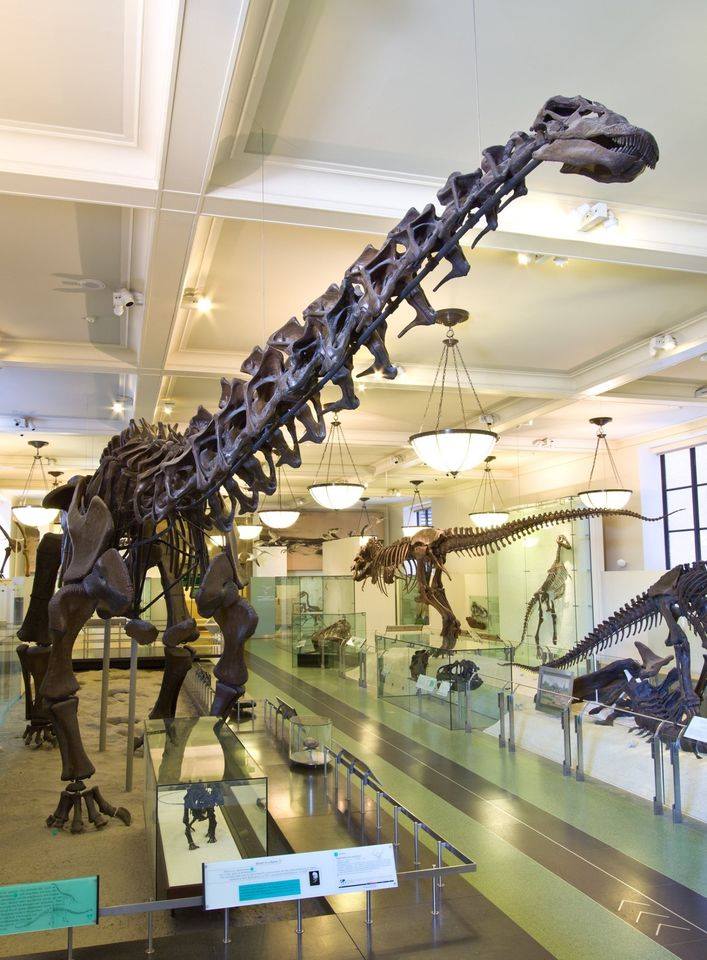
The museum’s exhibitions are designed to educate and inspire visitors of all ages. The museum’s Hall of Saurischian Dinosaurs features a collection of dinosaur skeletons, including a massive Apatosaurus and a fearsome Allosaurus. The museum’s Hall of Biodiversity features a range of exhibits that highlight the importance of biodiversity and the threats that it faces in the modern world.
The museum’s Hayden Planetarium is one of the most popular attractions at the museum. The planetarium offers a range of shows and exhibits that explore the universe and our place in it. The planetarium’s Space Theater features a state-of-the-art digital projection system that creates stunningly realistic views of the cosmos.
In addition to its exhibitions, the American Museum of Natural History is also known for its educational programs and research initiatives. The museum offers a range of educational programs, including school visits, teacher workshops, and online resources. The museum’s scientists are engaged in a wide range of research projects, from studying the origins of the universe to tracking the migrations of animal populations.
The American Museum of Natural History has also been the site of several controversies over the years. The museum’s history is intertwined with the history of colonialism and imperialism, and some of its collections were acquired through controversial means. In recent years, the museum has made efforts to address these issues, including repatriating some of its collections to their countries of origin.
The museum has also faced criticism for its portrayal of certain subjects in its exhibitions. In 2017, the museum’s exhibition on the Pacific island of Samoa was criticized for perpetuating stereotypes and cultural insensitivity. The museum responded by working with members of the Samoan community to revise the exhibition.
Despite these controversies, the American Museum of Natural History remains one of the most important cultural institutions in the world. Its collections and exhibitions are a testament to the power of science and the importance of understanding the natural world. The museum’s commitment to education and research ensures that it will continue to be a leader in the scientific community for generations to come.