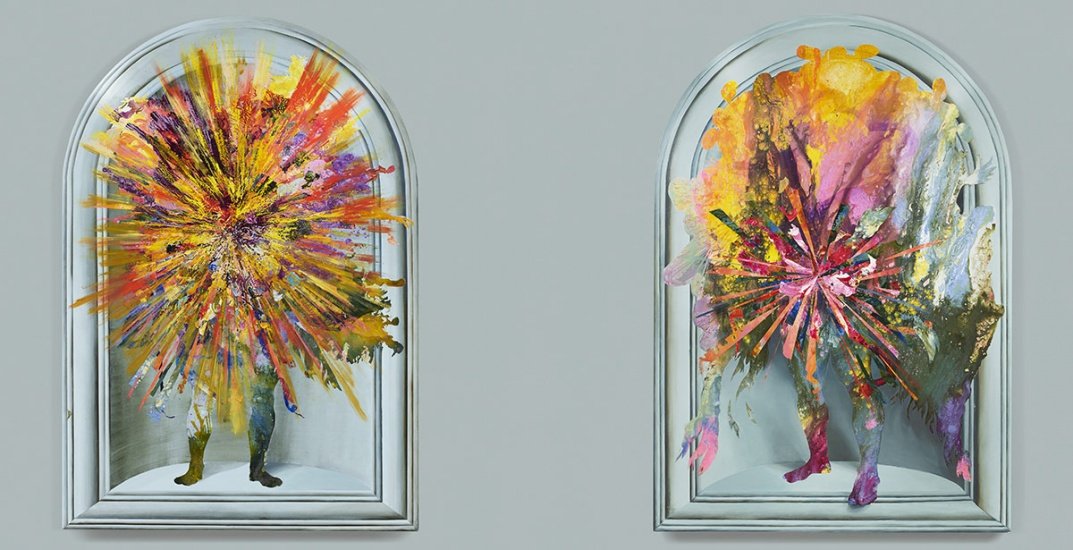


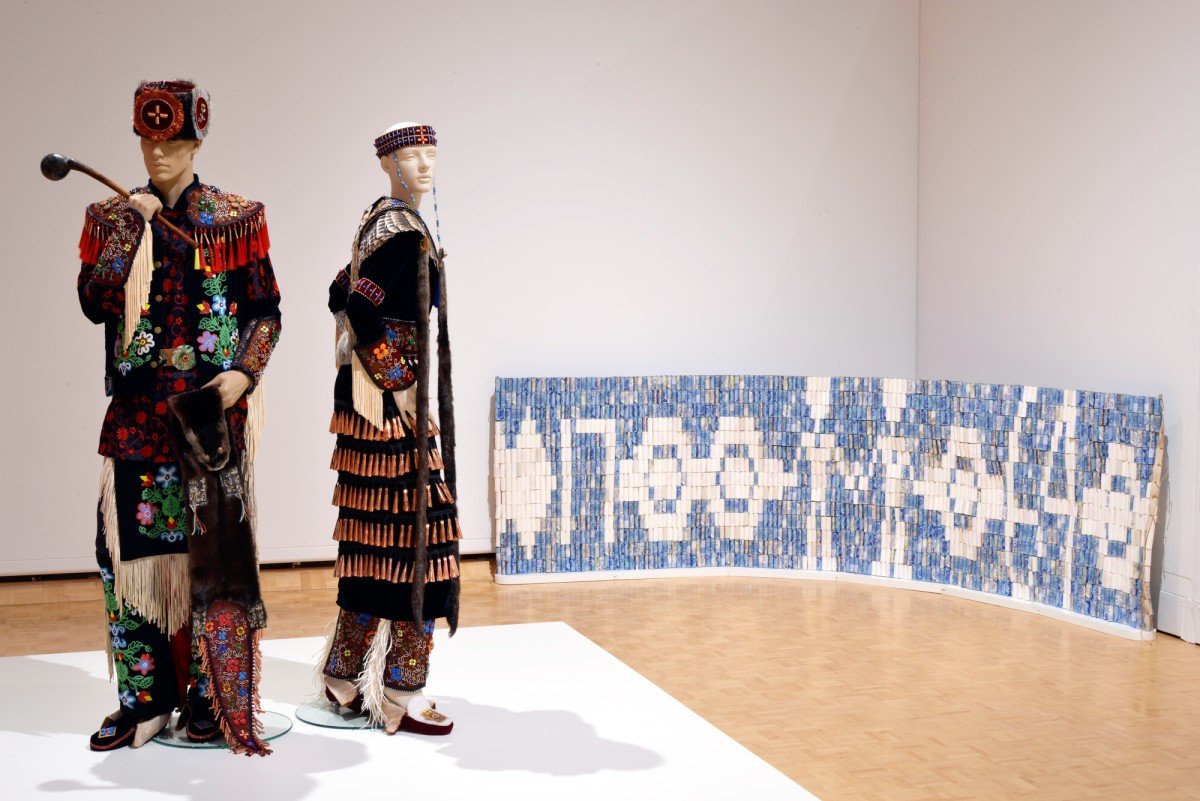


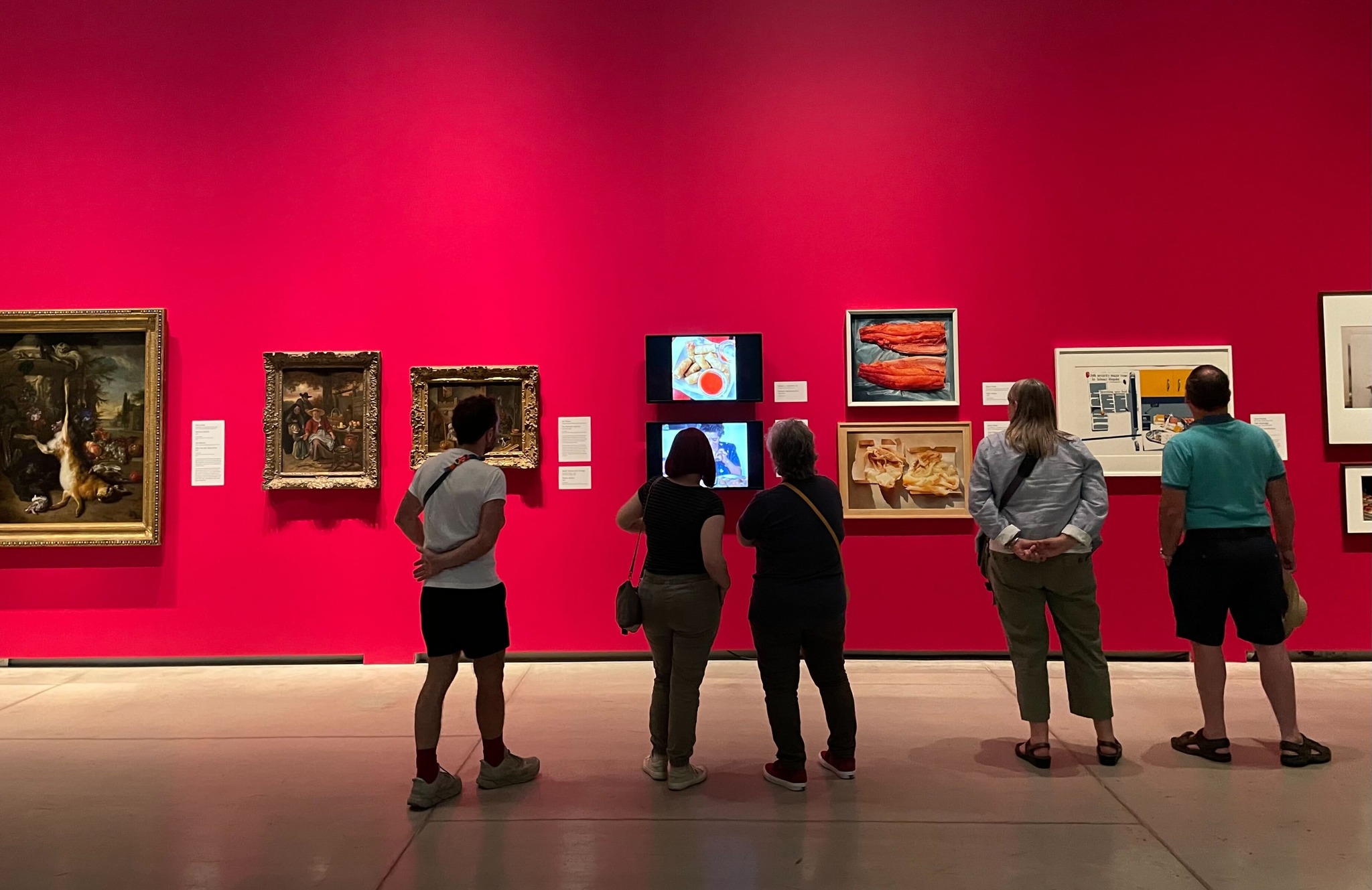
The Art Gallery of Ontario (AGO) is located in downtown Toronto, Canada, and is one of the largest art museums in North America. It is home to an extensive collection of more than 90,000 works of art, ranging from contemporary to historical pieces. The museum’s permanent collection includes works by renowned artists such as Pablo Picasso, Vincent van Gogh, and Claude Monet. The AGO also hosts various temporary exhibitions and events throughout the year.
History of the Art Gallery of Ontario:
The AGO was founded in 1900 by a group of private citizens as the Art Museum of Toronto. The museum was initially located in the Grange, a historic 19th-century mansion located on the grounds of what is now the Art Gallery of Ontario. In the early 1900s, the museum acquired several significant collections, including the George A. Reid collection of Canadian art and the James Mavor collection of European paintings.
In 1911, the museum was renamed the Art Gallery of Toronto and moved to a new building on the corner of Dundas Street and McCaul Street. The new building was designed by Darling and Pearson, the architects who also designed Toronto’s Union Station. The Art Gallery of Toronto continued to acquire new collections and expand its holdings throughout the 1920s and 1930s.
In 1966, the museum was renamed the Art Gallery of Ontario to reflect its expanded scope and reach. In the late 1960s, the AGO underwent a major expansion and renovation, which added several new wings to the museum and increased its exhibition space. The new design was created by Toronto architect John C. Parkin, and the expansion was completed in 1974.
In 2002, the AGO launched a $276 million renovation and expansion project, which was completed in 2008. The renovation and expansion were designed by renowned architect Frank Gehry, who is known for his innovative and striking architectural designs. The new design added 97,000 square feet of exhibition space and included a new entrance on Dundas Street.
The AGO Today:
Today, the Art Gallery of Ontario is one of the premier art museums in North America, attracting visitors from around the world. The museum’s collection is divided into several sections, including Canadian art, European art, African art, and contemporary art.
One of the highlights of the AGO’s collection is its extensive collection of Canadian art. The museum’s Canadian collection includes works by many of Canada’s most important artists, including Tom Thomson, Emily Carr, and the Group of Seven. The AGO is also home to the Thomson Collection of Canadian Art, which is one of the most significant collections of Canadian art in the world. The collection includes more than 900 works by Tom Thomson, the Group of Seven, and their contemporaries.
The AGO’s European collection includes works by many of the world’s most famous artists, including Vincent van Gogh, Pablo Picasso, and Rembrandt. The museum’s European collection spans several centuries, from the Renaissance to the present day. The AGO also has an extensive collection of African art, which includes masks, sculptures, and textiles from various regions of the continent.
The AGO’s contemporary collection features works by many of the most important artists of the 20th and 21st centuries. The museum’s contemporary collection includes works by Andy Warhol, Roy Lichtenstein, and Claes Oldenburg, among others. The AGO also hosts various temporary exhibitions throughout the year, which feature works by contemporary artists from around the world.
In addition to its extensive collection, the Art Gallery of Ontario is also known for its innovative programming and events. The museum hosts various talks, lectures, and workshops throughout the year, which explore various aspects of art and culture. The AGO also has a variety of educational programs for visitors of all ages, including school programs, family programs, and adult programs. The museum also offers guided tours of its exhibitions and collections, which are led by knowledgeable and engaging docents.
One of the most striking features of the AGO’s architecture is the iconic Galleria Italia, which was designed by Frank Gehry. The Galleria Italia is a large, light-filled space that spans the entire length of the museum’s facade on Dundas Street. The space features a series of curved wooden beams, which create a sense of fluidity and movement. The Galleria Italia is home to several large-scale installations, including an installation by Canadian artist Brian Jungen.
The AGO also has several dining options, including the café AGO, which features a menu of seasonal and locally sourced cuisine. The museum’s restaurant, FRANK, is located on the lower level and offers a more formal dining experience. FRANK features a menu of contemporary Canadian cuisine and a wine list that highlights Canadian and international wines.
In addition to its permanent collection and temporary exhibitions, the AGO also has several unique features that make it a must-see destination for art lovers. The museum’s library and archives are home to an extensive collection of books, manuscripts, and photographs related to art and culture. The AGO’s Weston Family Learning Centre is a state-of-the-art education and community center that features a variety of interactive exhibits and educational resources.
The AGO also has several public spaces that are available for rent, including the Baillie Court, a multi-purpose event space that can accommodate up to 600 guests. The museum also has several smaller event spaces, including the AGO Bistro, which can accommodate up to 150 guests for private events.
Overall, the Art Gallery of Ontario is a must-see destination for anyone interested in art and culture. With its extensive collection, innovative programming, and stunning architecture, the AGO is a world-class museum that is sure to inspire and delight visitors of all ages. Whether you’re a seasoned art lover or a first-time visitor, the AGO is a must-visit destination in Toronto.