




Casa do Pontal Museum Rio de Janeiro
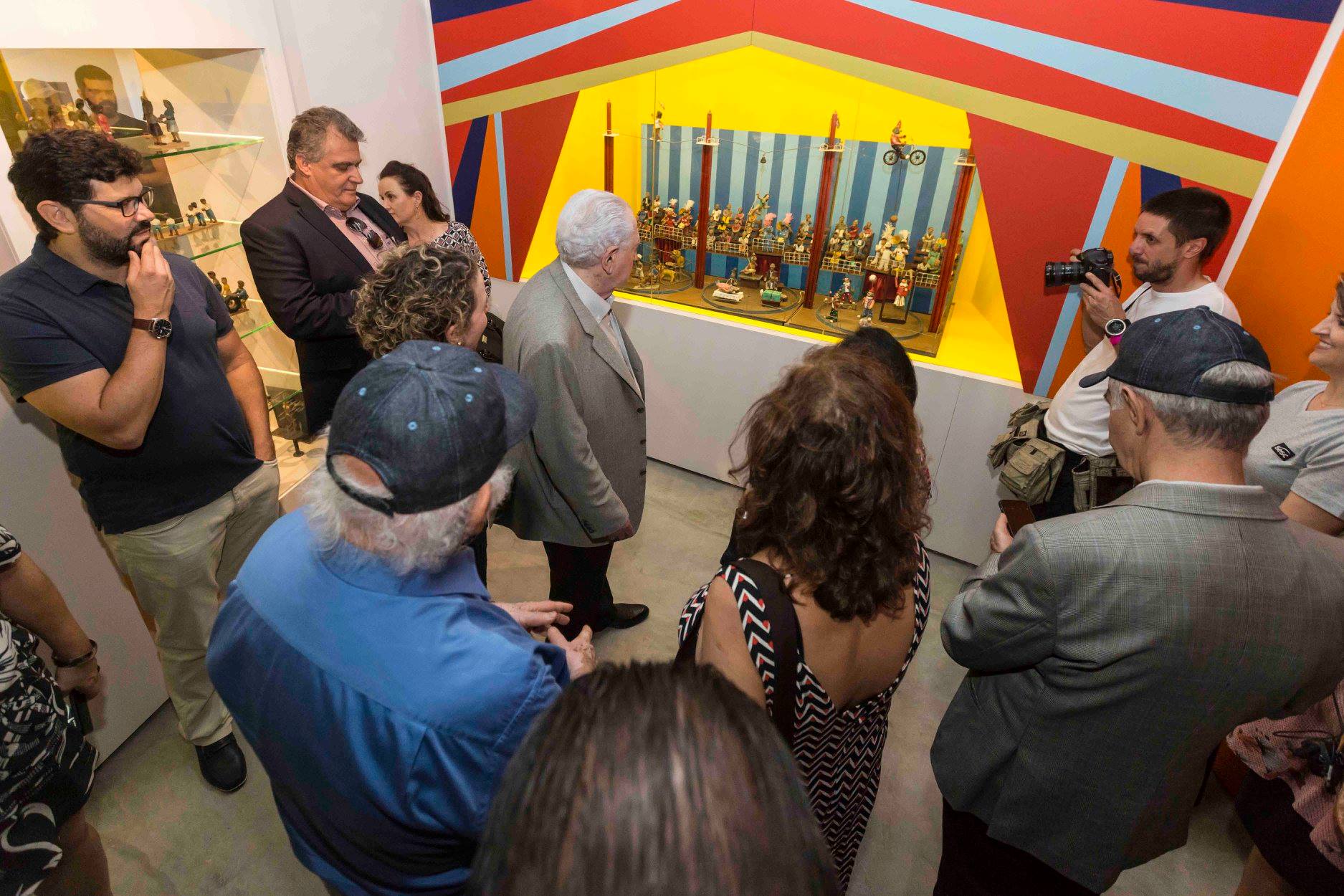
Casa do Pontal is a museum located in the city of Rio de Janeiro, Brazil, that houses one of the largest collections of Brazilian folk art in the country. The museum’s collection includes more than 8,000 works by over 200 artists, representing a wide range of styles and techniques.
History
The Casa do Pontal museum was founded in 1976 by French artist Jacques Van de Beuque, who had lived in Brazil for several years and had a strong interest in Brazilian folk art. Van de Beuque was inspired by the works of the artists he encountered in the rural regions of Brazil, and he began to collect their works in order to preserve them and promote them to a wider audience.
Van de Beuque’s collection grew over the years, and he eventually opened the Casa do Pontal museum in order to display the works to the public. The museum was located in the Rio de Janeiro suburb of Recreio dos Bandeirantes, which is known for its traditional rural communities.
The museum quickly became one of the most important cultural institutions in Rio de Janeiro, and it attracted visitors from all over the world who were interested in Brazilian folk art.
Collection
The Casa do Pontal museum has a vast collection of Brazilian folk art, representing a wide range of styles and techniques. The collection includes works by over 200 artists, many of whom are from the rural regions of Brazil.
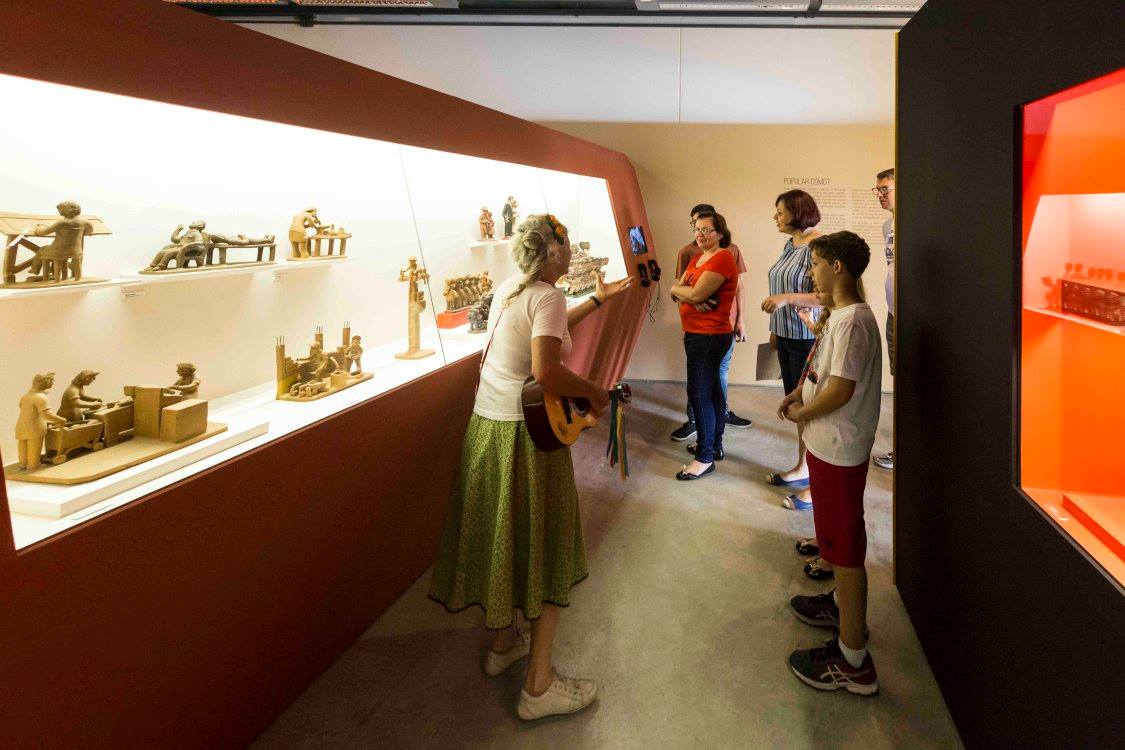
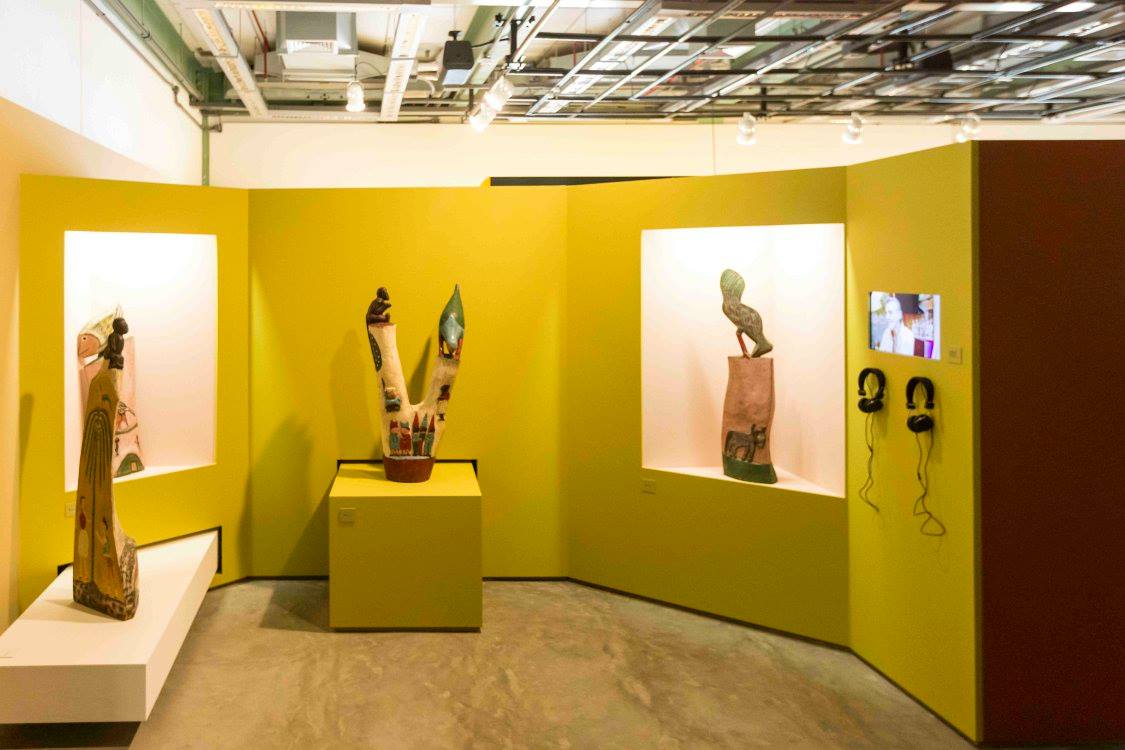
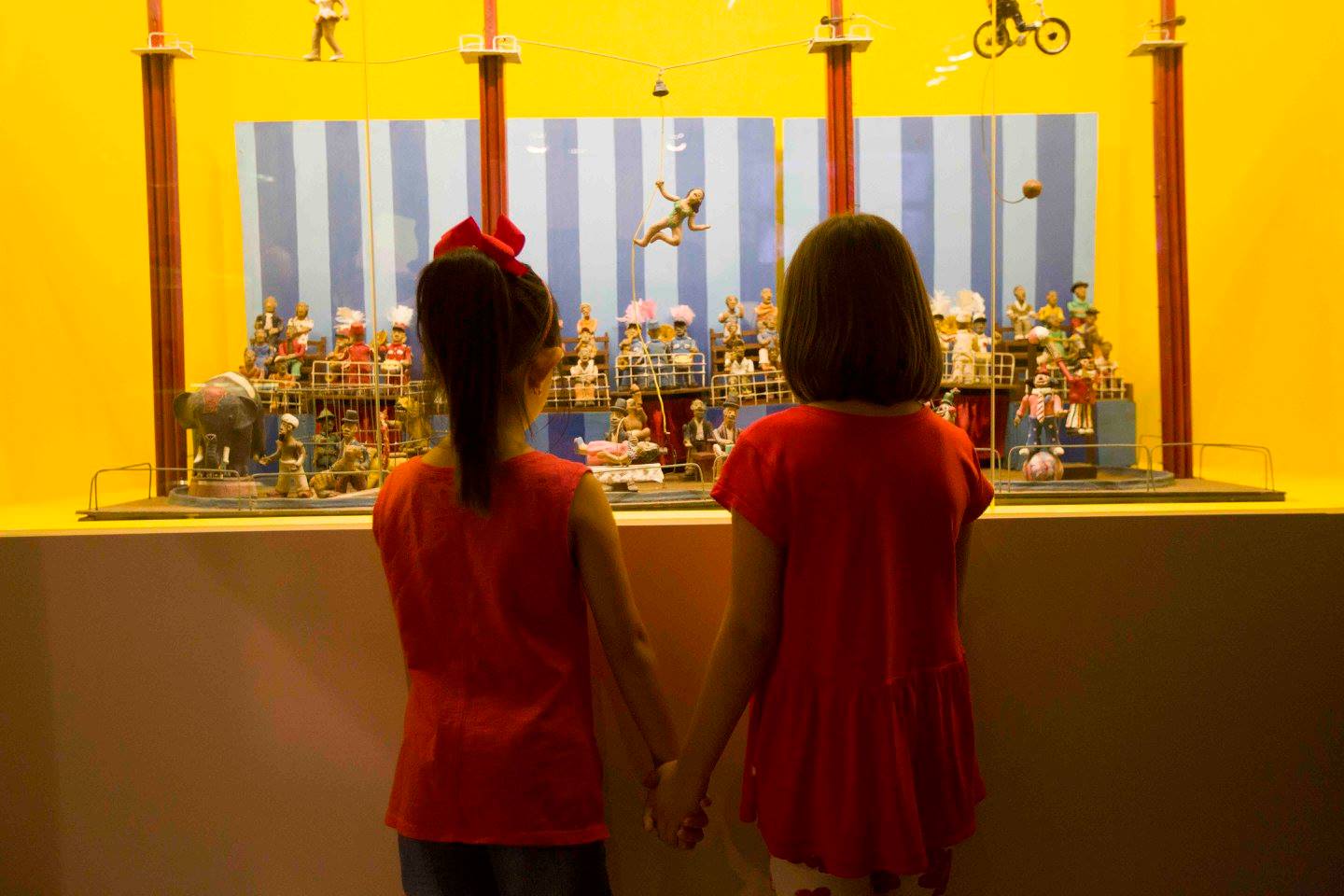
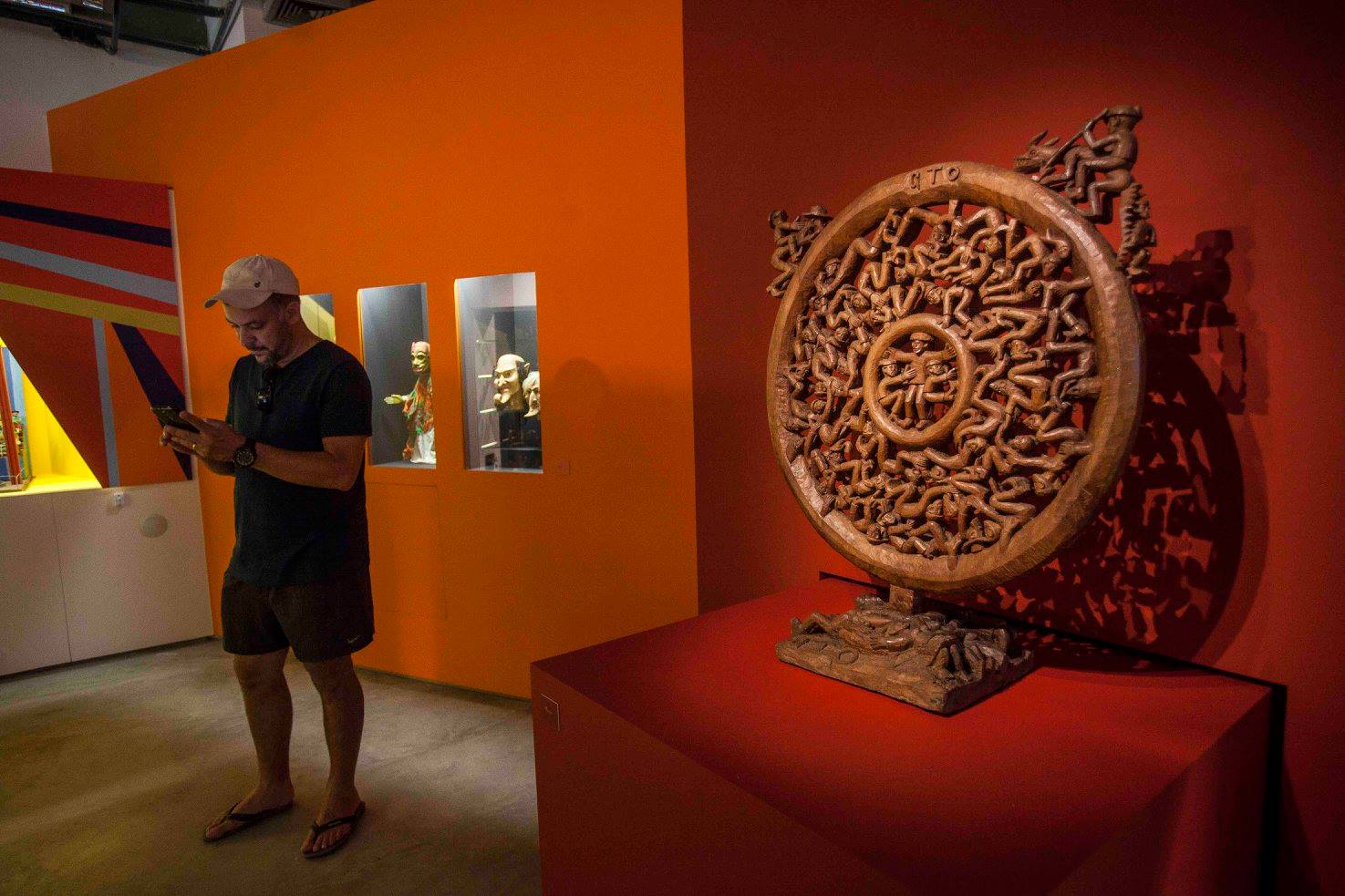
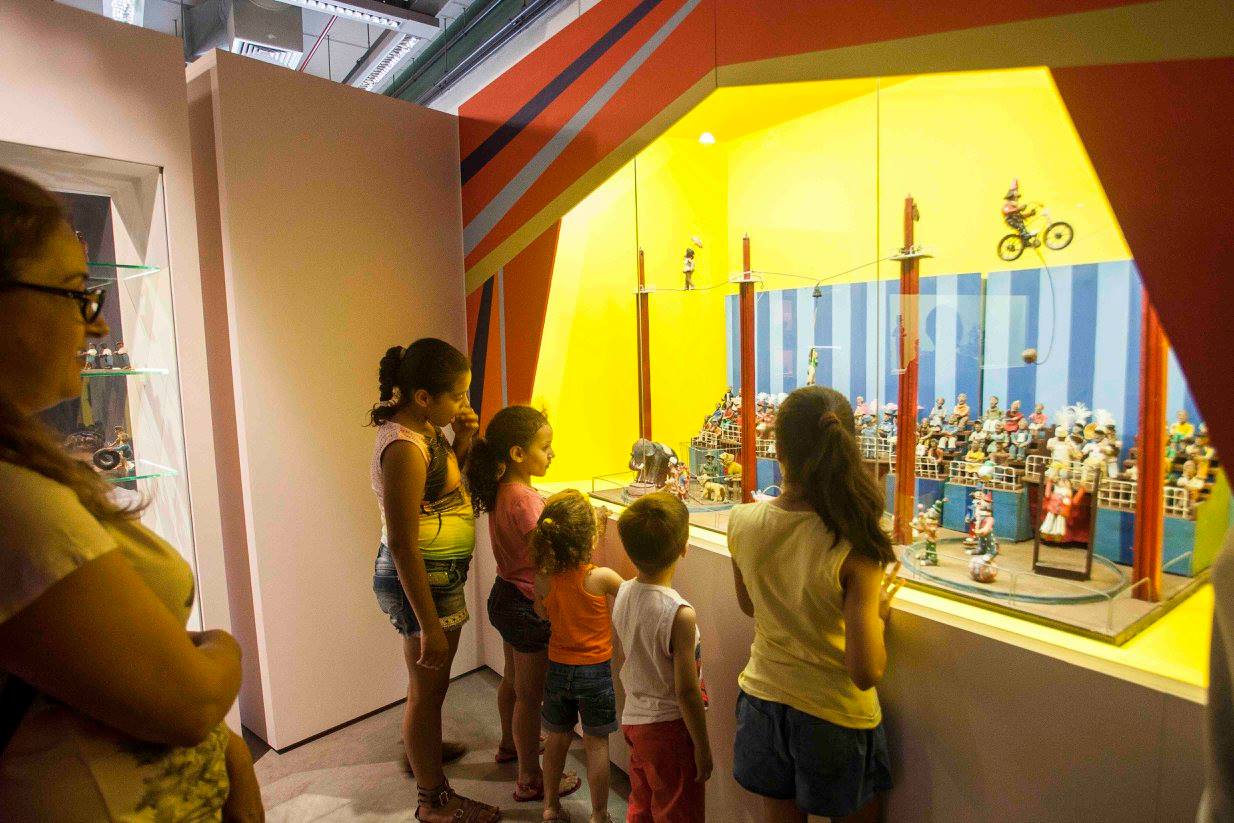
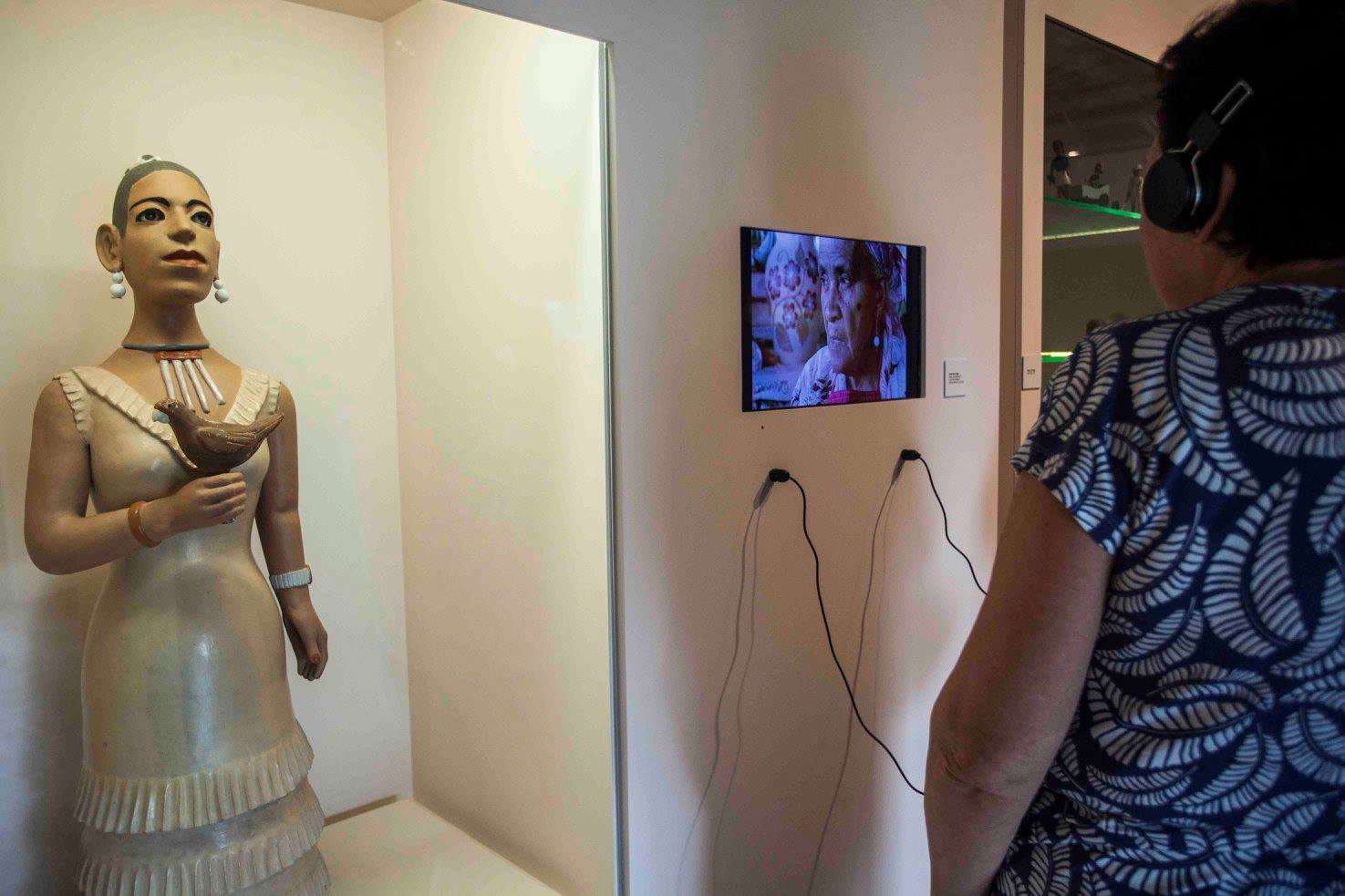
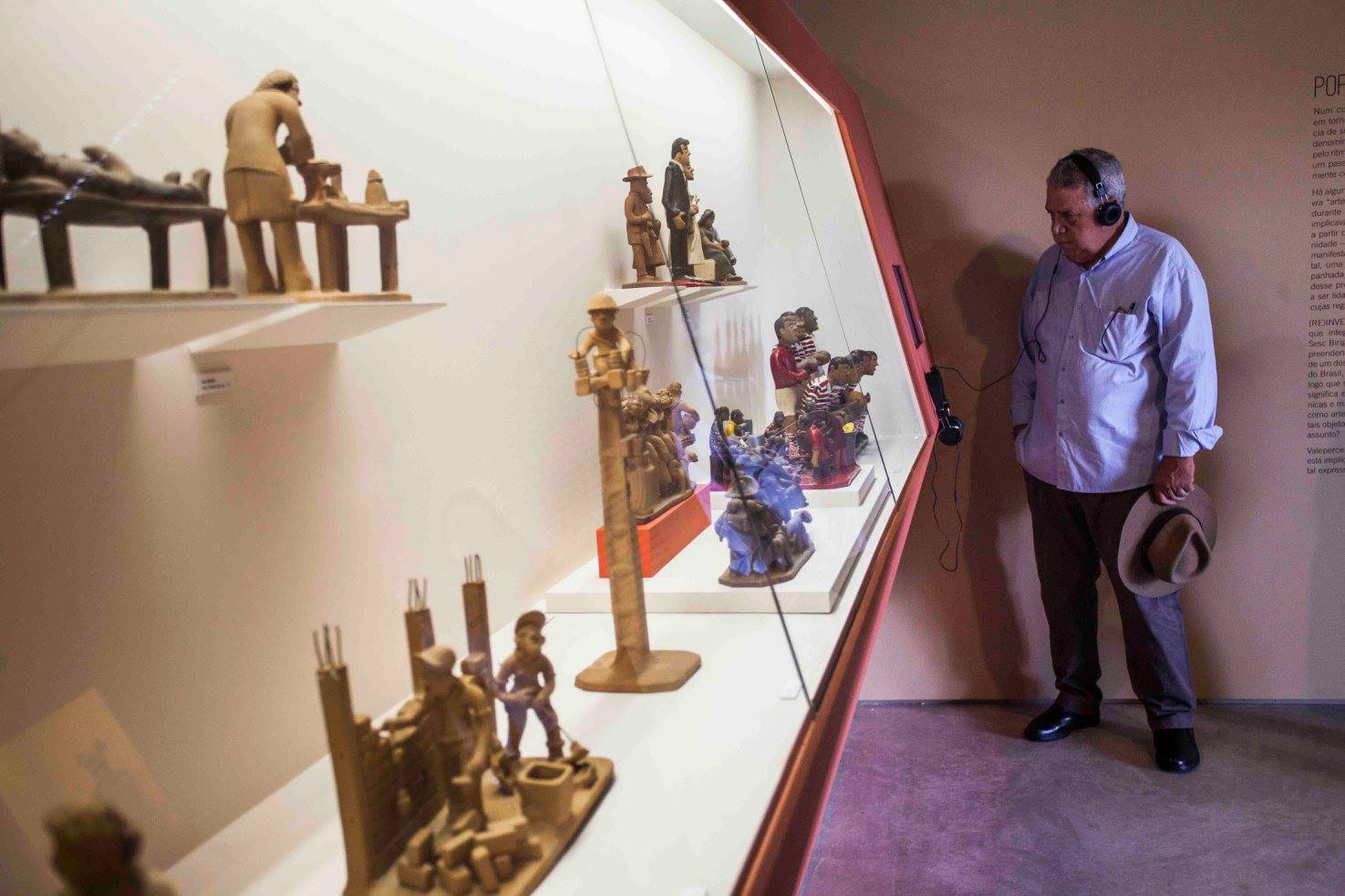
The museum’s collection includes ceramics, woodcarvings, textiles, and sculptures, as well as other types of folk art. The works in the collection are often inspired by the traditions and customs of Brazil’s rural communities, and they often depict scenes from everyday life.
The artists represented in the collection are from all over Brazil, and they come from a variety of different cultural backgrounds. Many of the artists are from traditional rural communities, and their works often reflect their connection to the land and their deep respect for the natural world.
Exhibitions
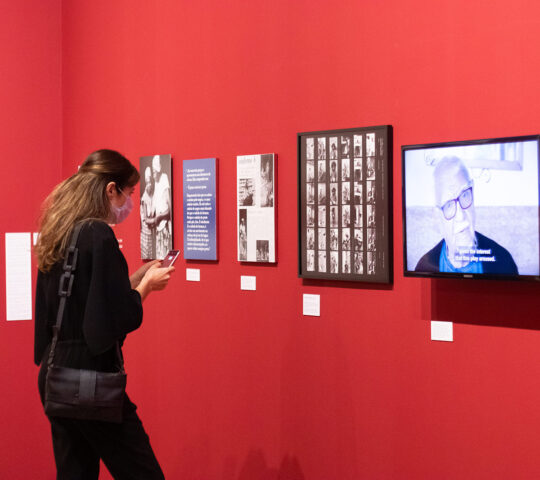
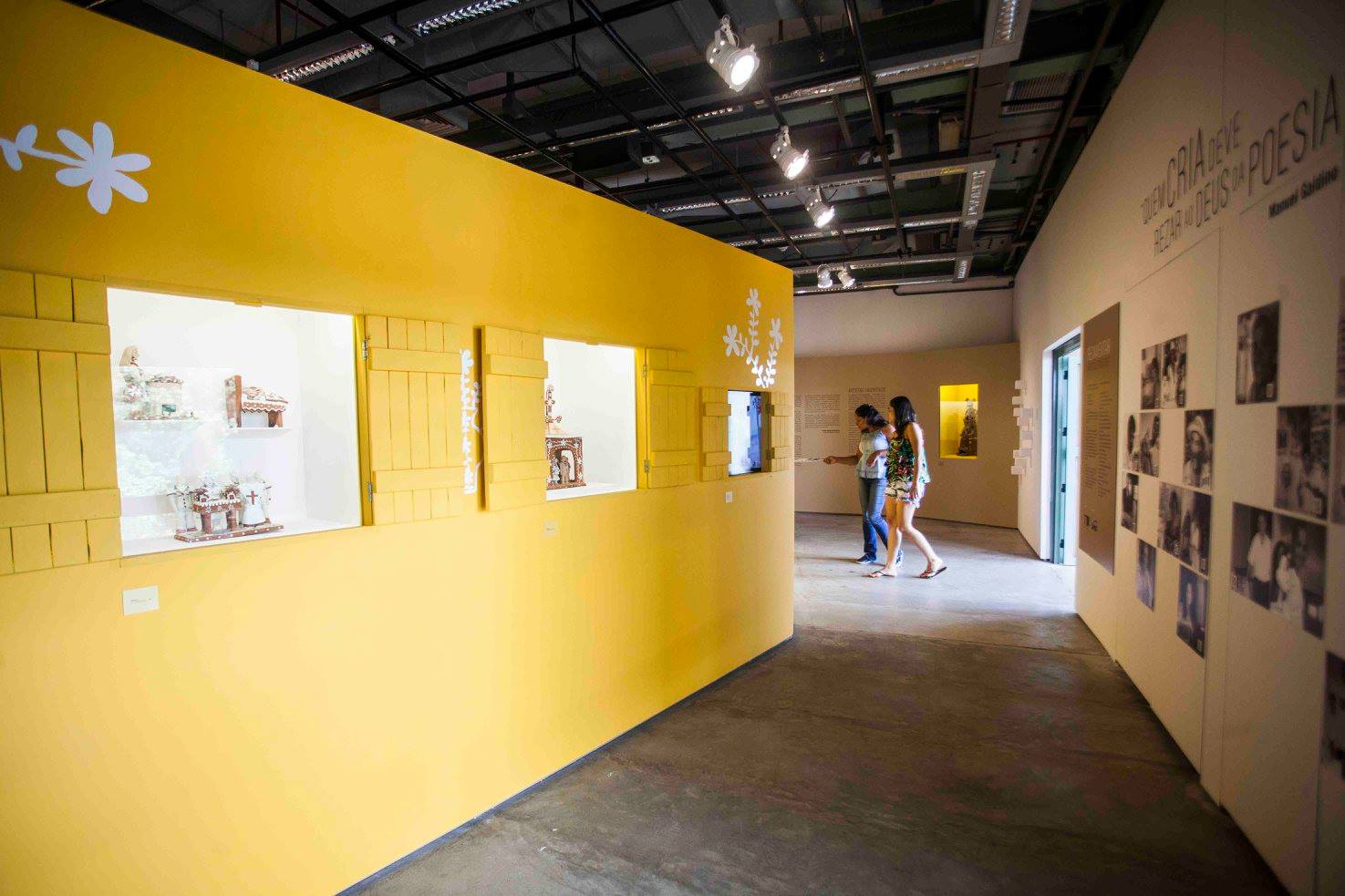
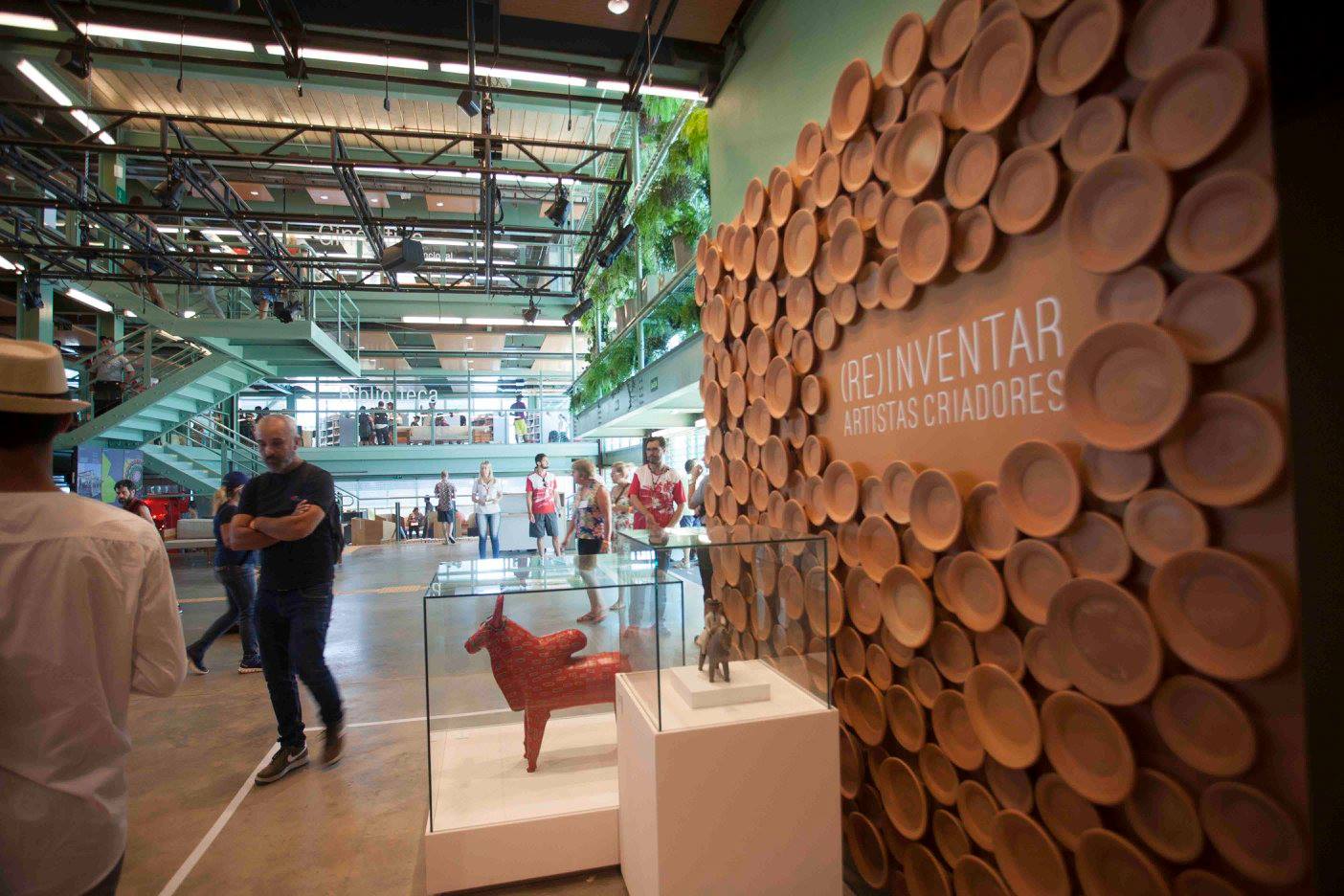
The Casa do Pontal museum hosts a range of exhibitions throughout the year, featuring the works of Brazilian folk artists. The exhibitions cover a range of themes, from traditional rural life to contemporary urban culture, and they often feature works from the museum’s permanent collection as well as temporary loans from other institutions.
One of the most popular exhibitions at the museum is its collection of ceramic works, which includes more than 1,500 pieces by over 150 artists. The ceramics in the collection are known for their vibrant colors and intricate designs, and they are often inspired by the natural world and the traditions of rural Brazil.
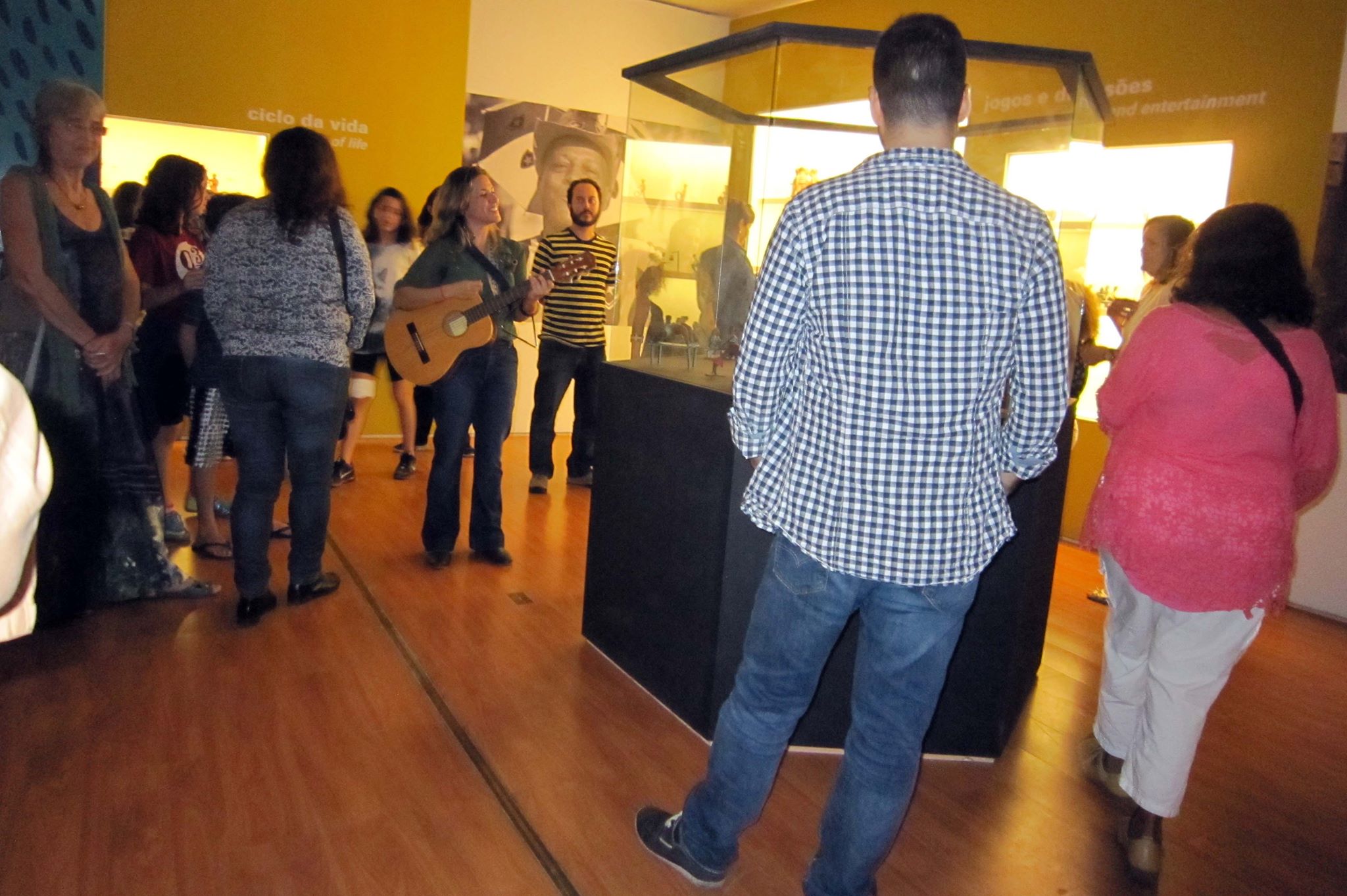
The museum also hosts a range of educational programs and activities, designed to engage visitors of all ages with the works in the collection. The museum’s education team offers guided tours of the exhibitions, as well as workshops and classes focused on ceramics, woodcarvings, textiles, and other types of folk art.
Impact
The Casa do Pontal museum has had a significant impact on Brazilian culture, particularly in the field of folk art. The museum has helped to preserve and promote the works of Brazilian folk artists, many of whom would not have had the opportunity to exhibit their works to a wider audience without the museum’s support.
The museum has also helped to raise awareness about the importance of Brazil’s rural communities, and their rich cultural traditions. The works in the museum’s collection often reflect the customs and beliefs of these communities, and they offer a unique window into the lives of people who are often marginalized in Brazilian society.
Conclusion
The Casa do Pontal museum is a must-visit destination for anyone interested in Brazilian folk art and culture. With its vast collection of ceramics, woodcarvings, textiles, and sculptures, the museum offers a unique and engaging perspective on the traditions and customs of Brazil’s rural communities.