






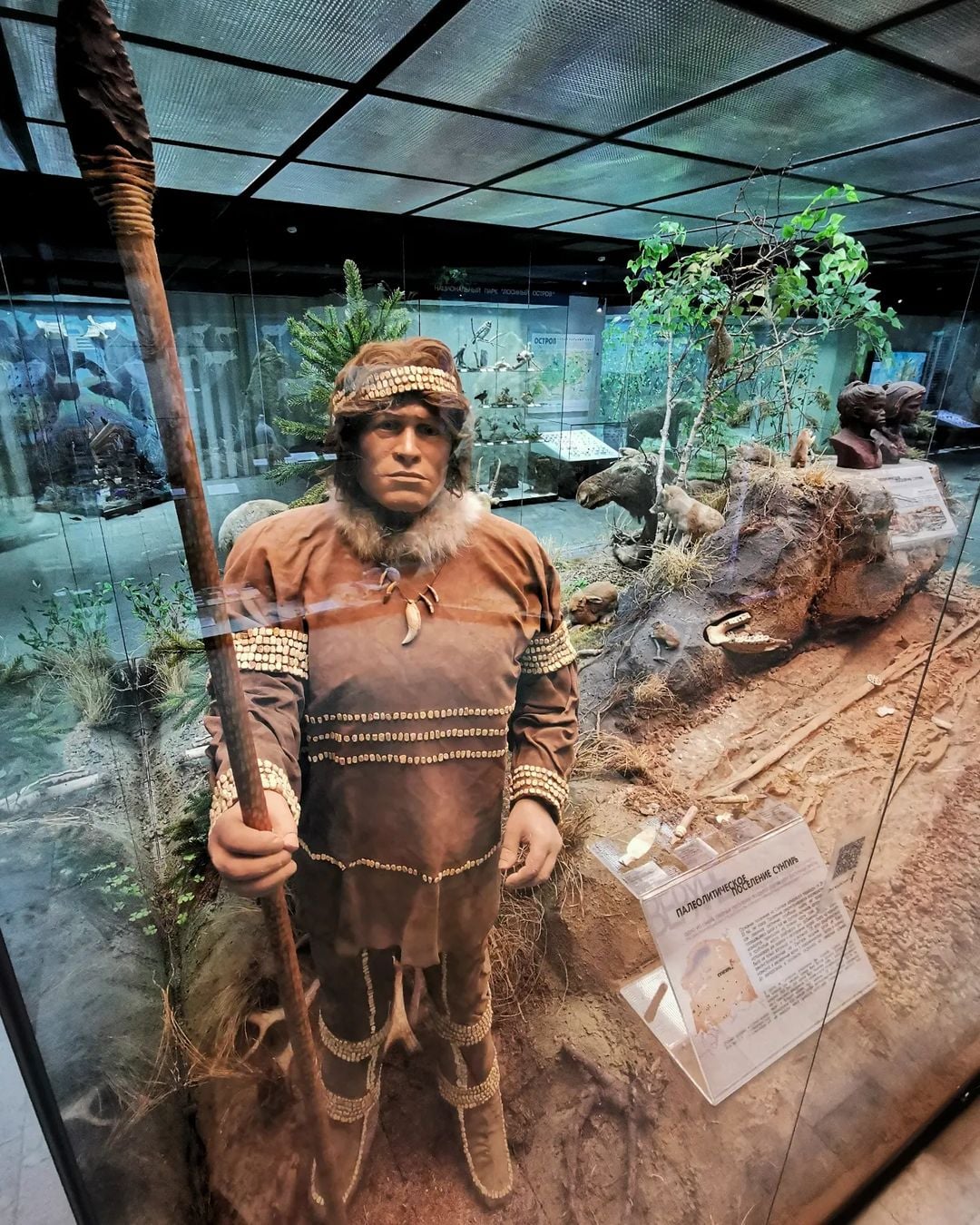


The Darwin Museum is a natural history museum in Moscow, Russia. It was founded in 1907 by zoologist Alexander Kots and named after Charles Darwin, the English naturalist and geologist who made significant contributions to the field of evolutionary biology. The museum’s collection includes more than 300,000 items, including zoological, botanical, geological, and paleontological specimens, as well as interactive exhibits and multimedia installations.
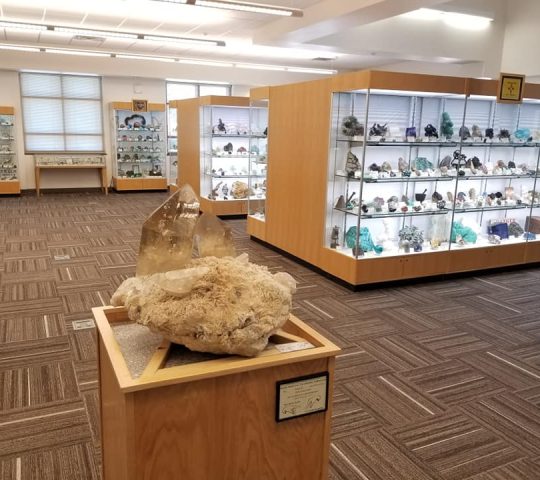
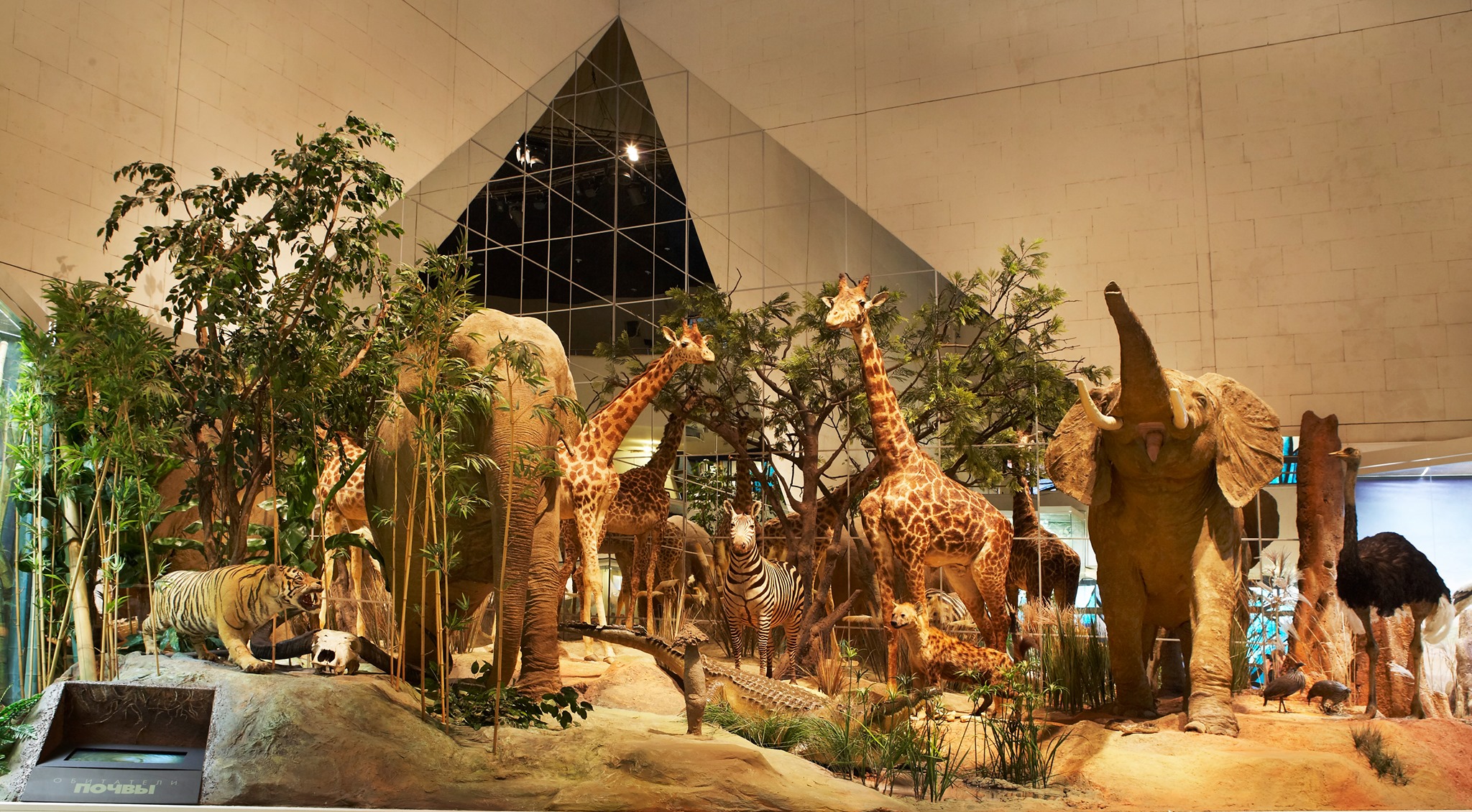
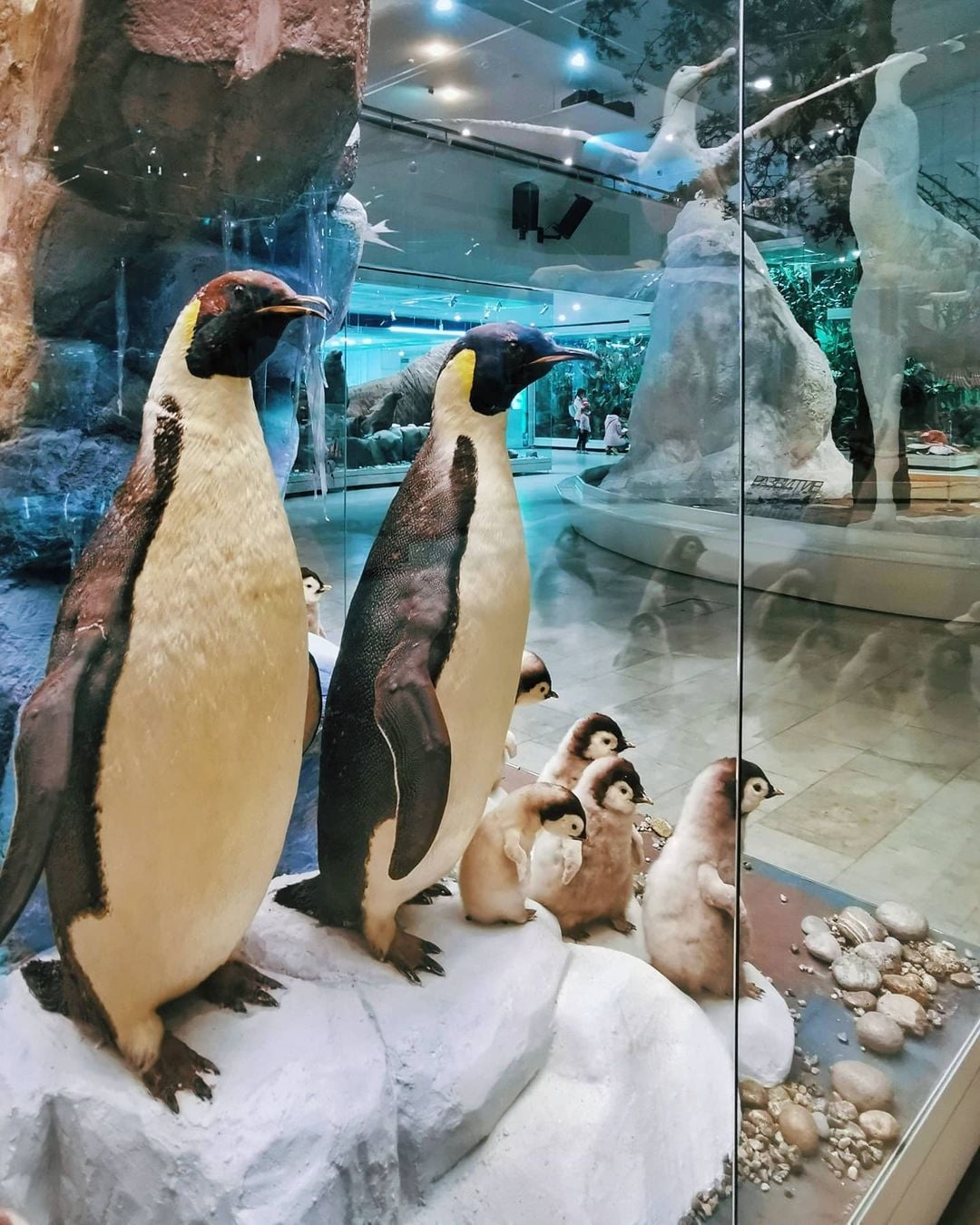
The Darwin Museum is located in the southwestern part of Moscow, in the neighborhood of Gagarinsky. The building was originally constructed in 1954 as a museum of the achievements of the Soviet aviation industry, but in the 1980s it was converted into the Darwin Museum. The museum’s exhibitions are spread over three floors and cover a wide range of topics related to natural history, including the evolution of life on Earth, the diversity of animal and plant species, and the structure and functioning of ecosystems.
One of the main attractions of the Darwin Museum is its extensive collection of insects, which is one of the largest in the world. The museum’s insectarium contains over 30,000 species of insects from all over the world, including butterflies, moths, beetles, ants, and termites. The collection also includes a variety of other arthropods, such as spiders, scorpions, and crustaceans.
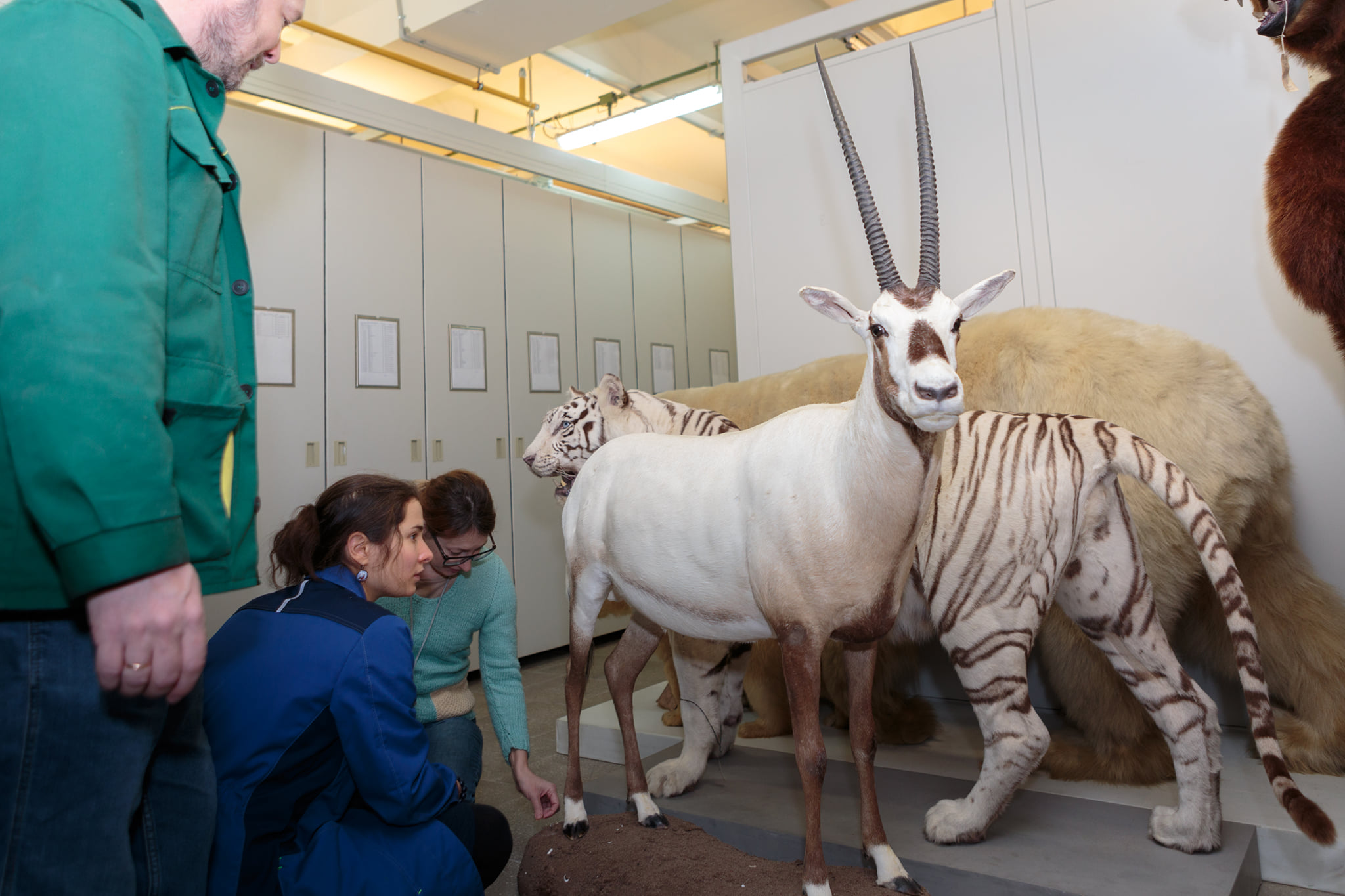
Another highlight of the museum is its collection of fossils, which includes dinosaur bones, mammoth tusks, and the remains of many other prehistoric animals. The collection also includes many specimens of plants and animals that are now extinct, such as the woolly rhinoceros and the saber-toothed tiger.
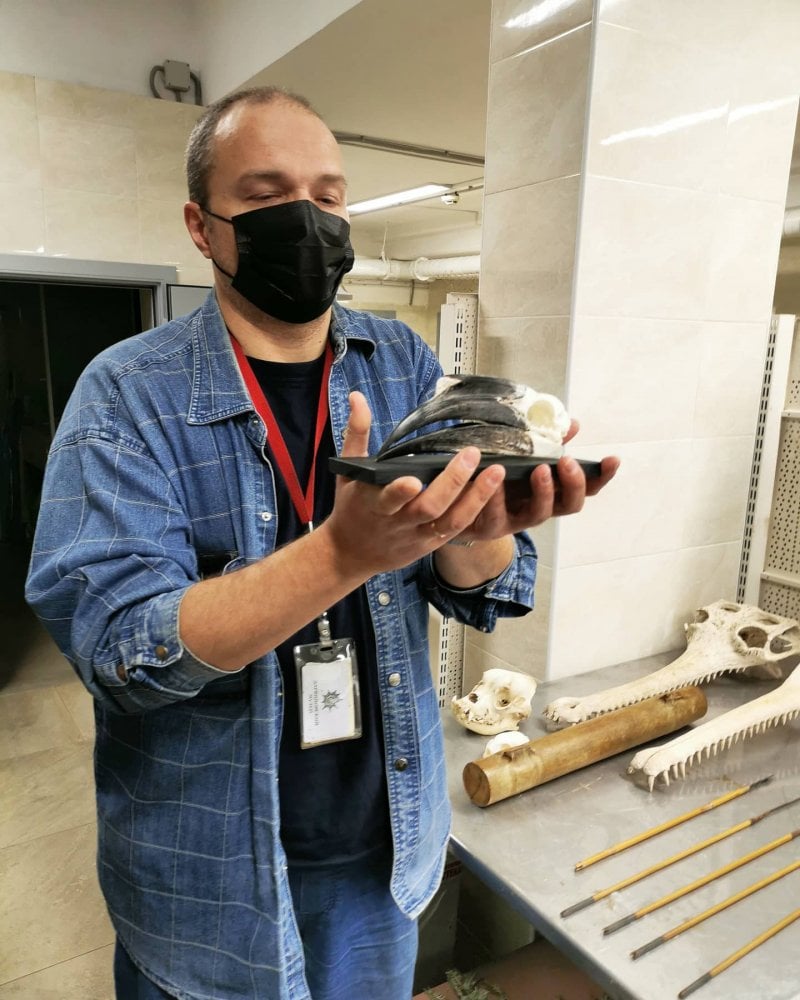
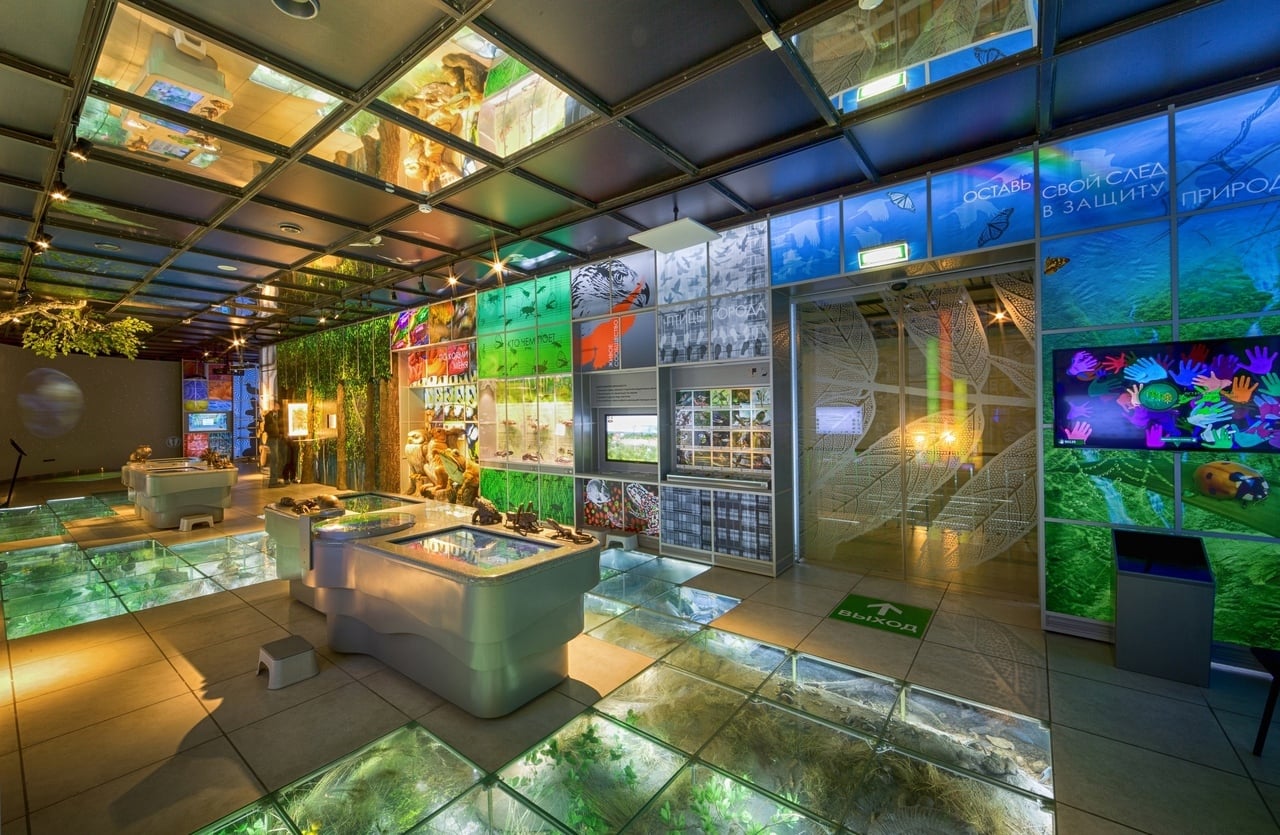
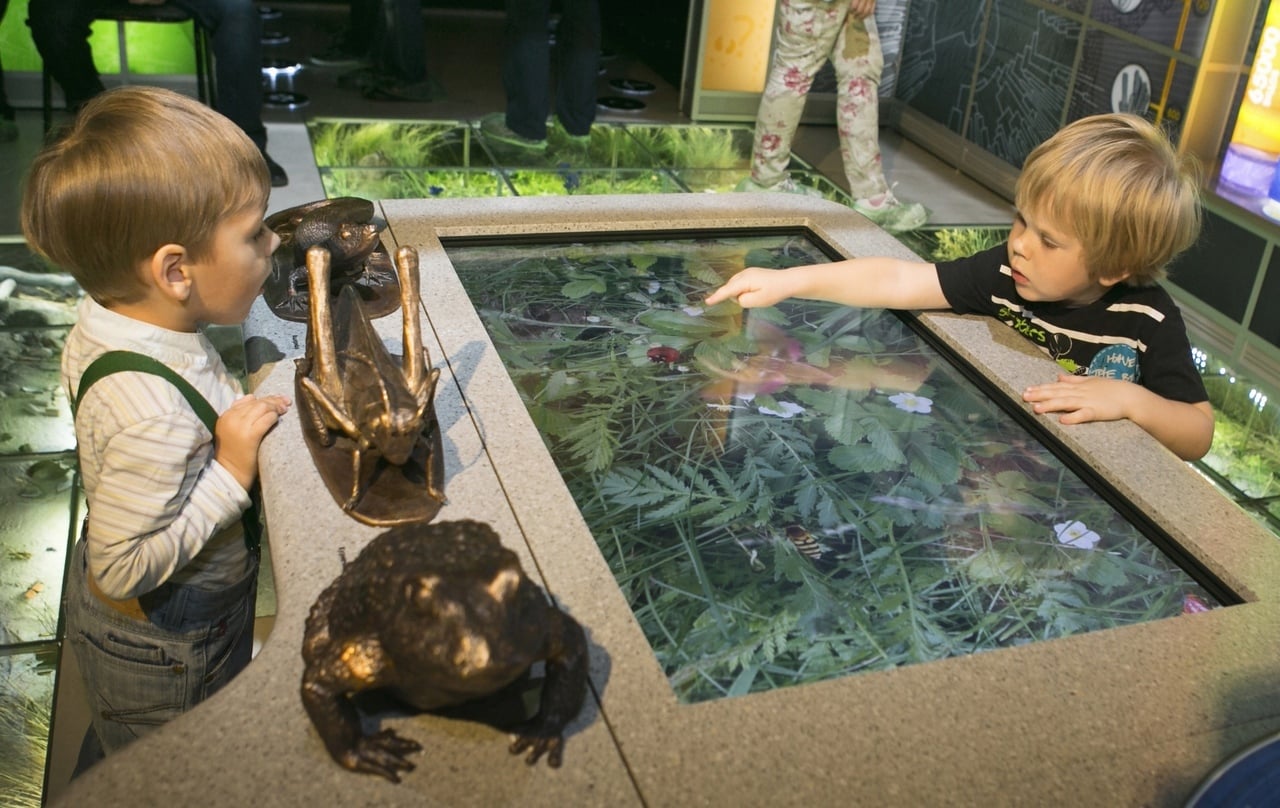
The museum’s exhibits are designed to be both informative and engaging, with many interactive installations and multimedia displays. For example, visitors can explore a replica of a tropical rainforest, complete with live plants and animals, or use a touch screen display to learn about the different layers of the Earth’s atmosphere. There are also many hands-on exhibits that allow visitors to touch and examine specimens from the museum’s collection, such as the skeletons of large mammals or the intricate structures of insects’ wings.
The Darwin Museum is not only a place for learning and exploration, but also a center for scientific research and conservation. The museum’s staff includes many scientists and researchers who conduct research in a variety of fields, such as ecology, zoology, and botany. The museum also works to promote public awareness of environmental issues and to encourage the conservation of natural habitats and biodiversity.
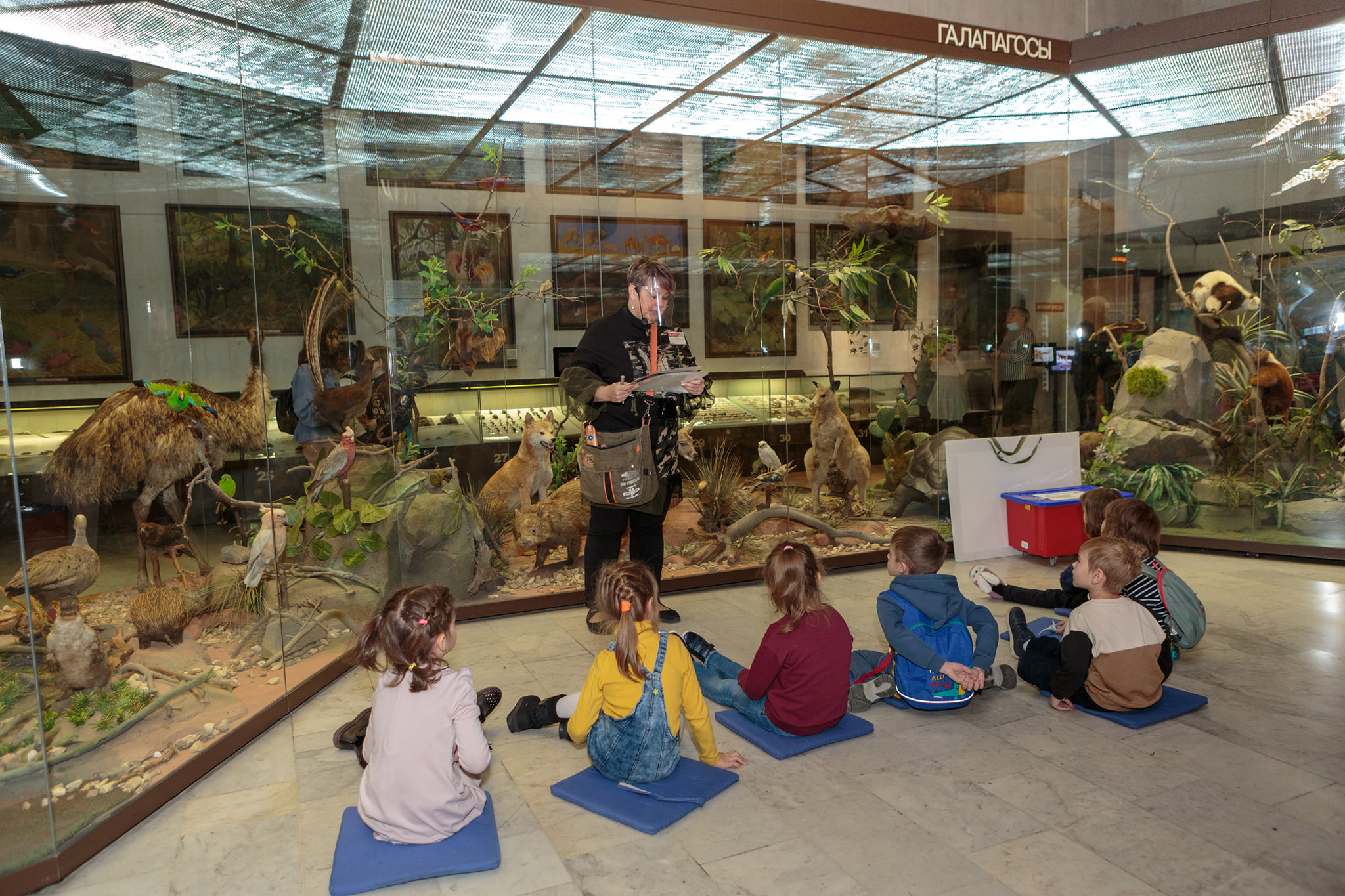
In addition to its permanent exhibitions, the Darwin Museum also hosts a variety of temporary exhibitions and events throughout the year. These may focus on specific themes or topics, such as the ecology of the Arctic tundra or the biodiversity of the rainforests of South America. The museum also offers educational programs for children and adults, such as workshops, lectures, and guided tours.
Overall, the Darwin Museum is a fascinating and educational destination for anyone interested in the natural world. With its extensive collections, interactive exhibits, and commitment to scientific research and conservation, it is one of the premier natural history museums in the world. Whether you are a student, a scientist, or simply a nature enthusiast, the Darwin Museum is sure to provide a memorable and rewarding experience.