


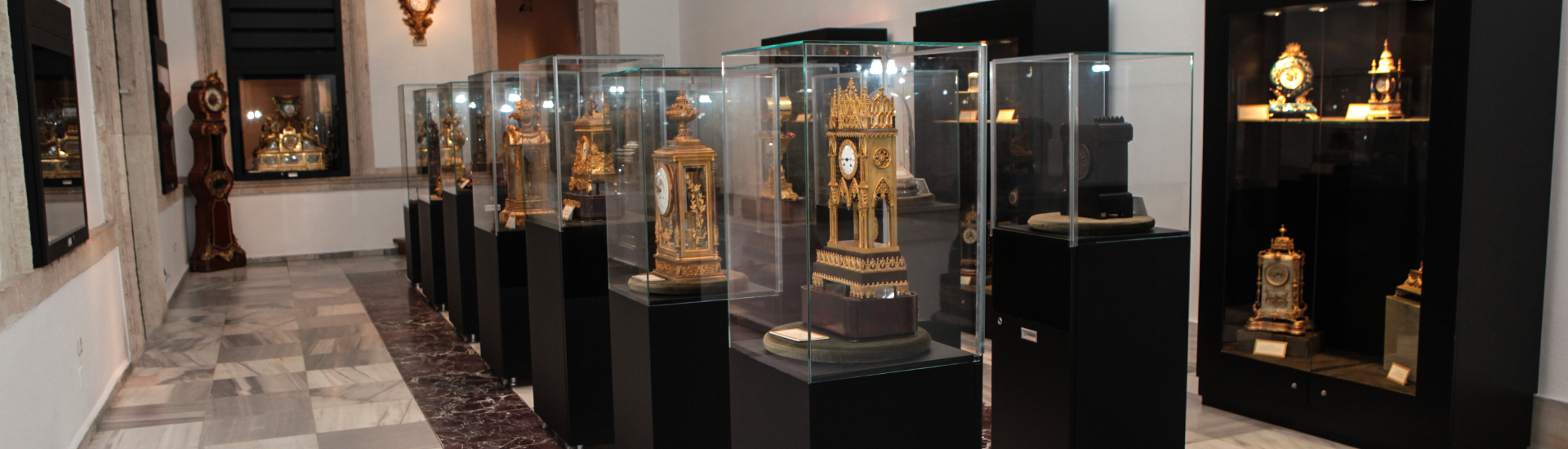

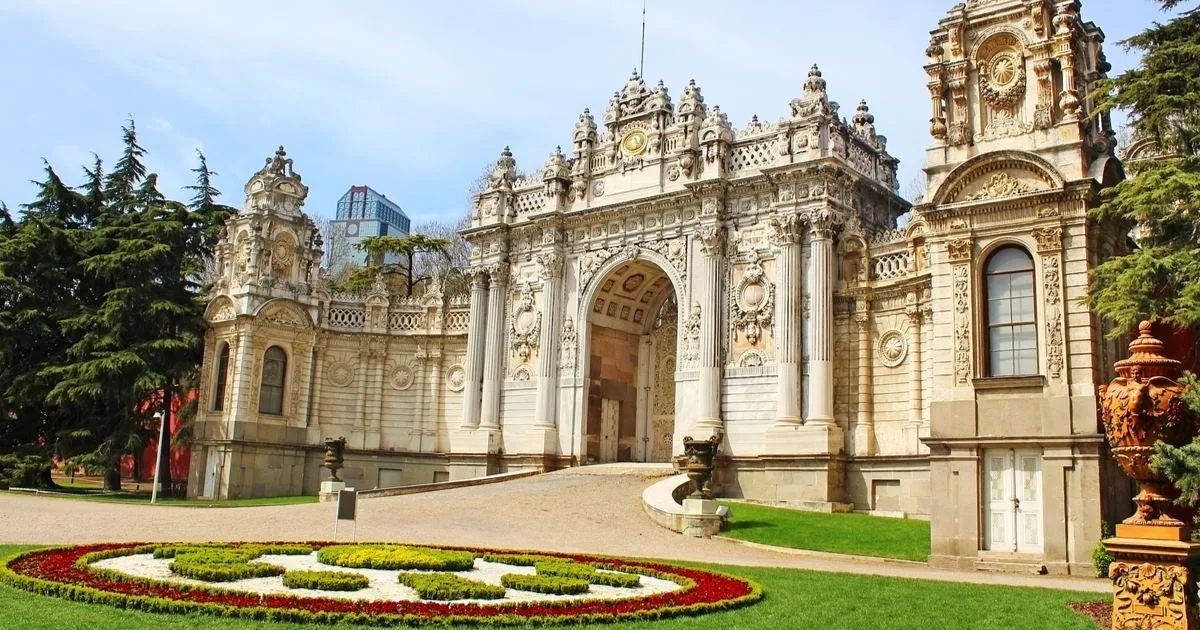
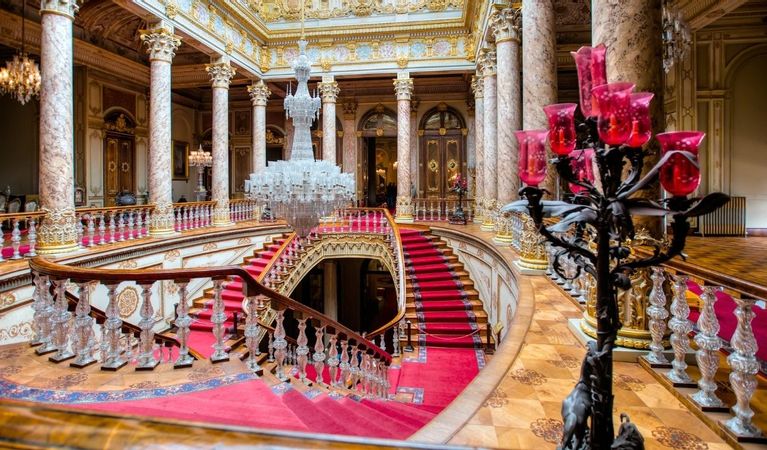

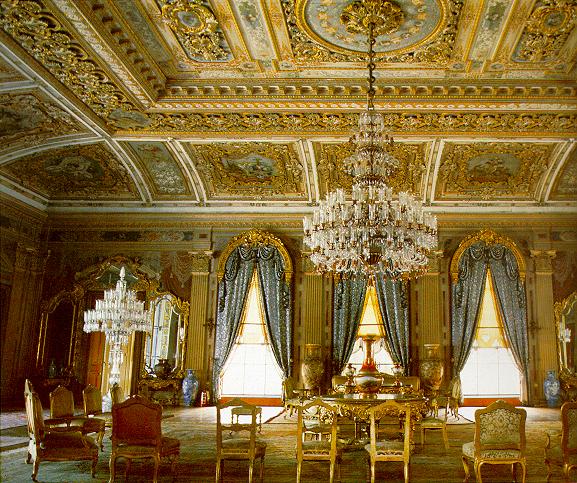
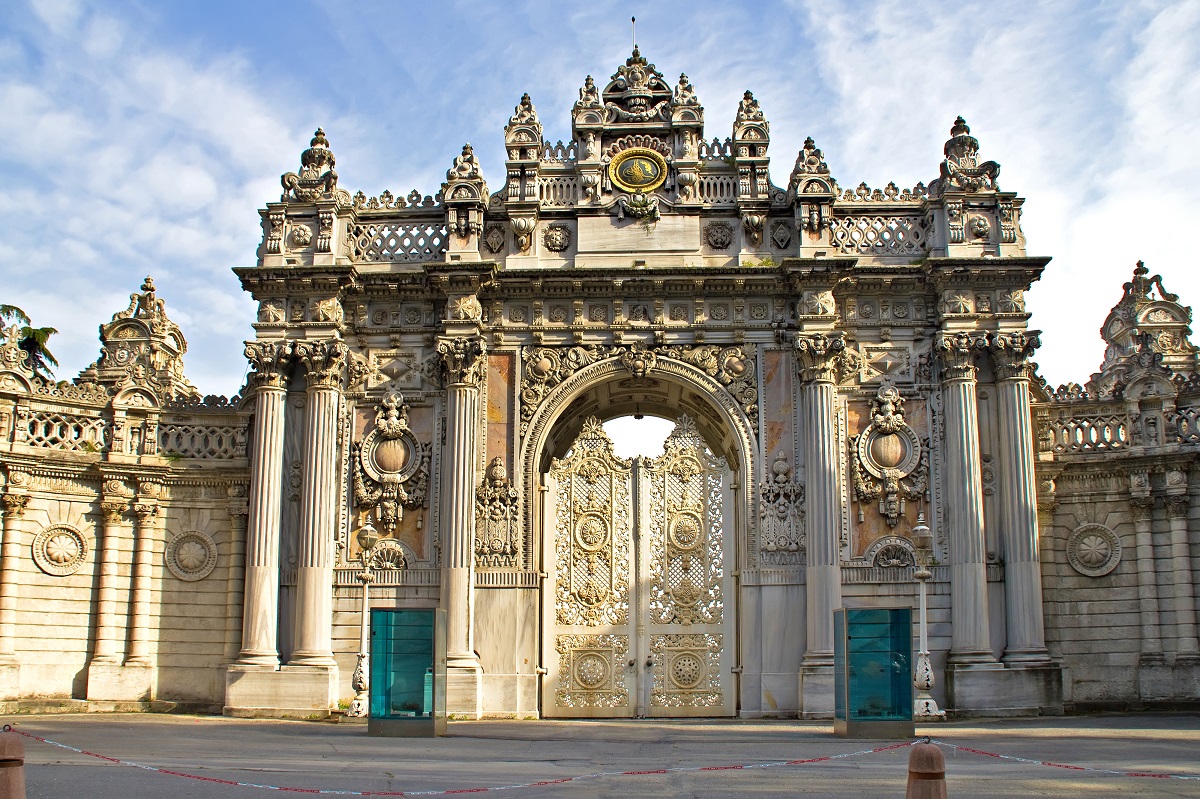
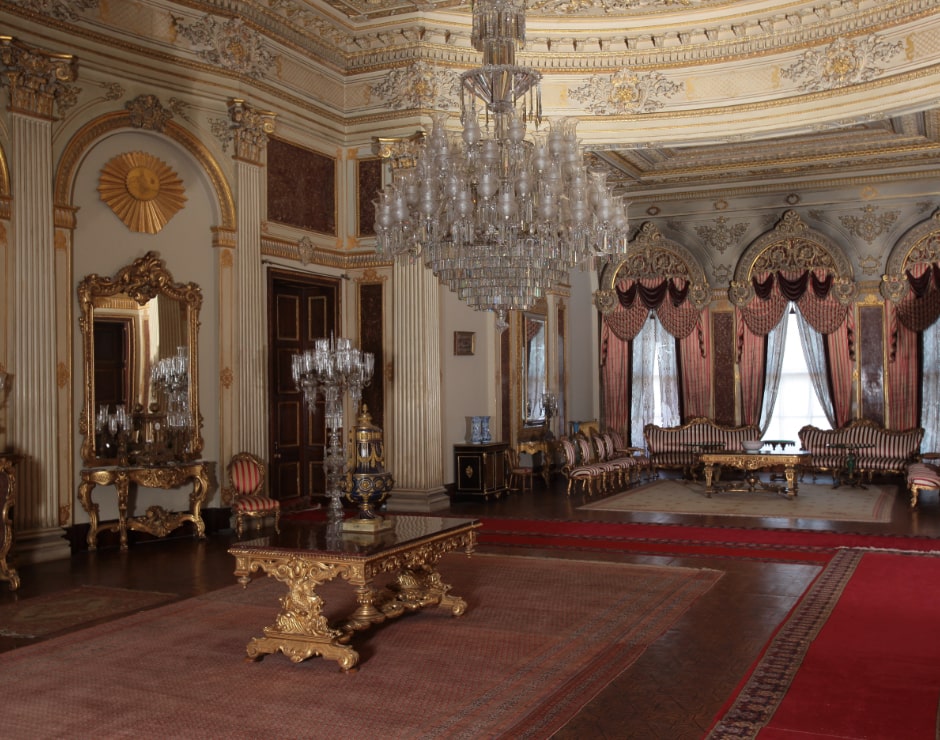
The Dolmabahce Clock Museum is a unique and fascinating museum located in Istanbul, Turkey. The museum is situated within the Dolmabahce Palace, a grand and opulent 19th-century palace that served as the primary residence of the Ottoman Sultans. The palace is known for its architectural beauty and historical significance, and it is one of the most popular tourist attractions in Istanbul. The Dolmabahce Clock Museum is a highlight of the palace, and it is home to an impressive collection of clocks from the 18th and 19th centuries.
The Dolmabahce Clock Museum was established in 1977 and was opened to the public in 1981. It is located in the former kitchens of the palace and features a wide variety of clocks and timepieces, ranging from small pocket watches to large and ornate grandfather clocks. The museum is home to over 300 clocks, and it provides visitors with a fascinating glimpse into the art and science of horology.
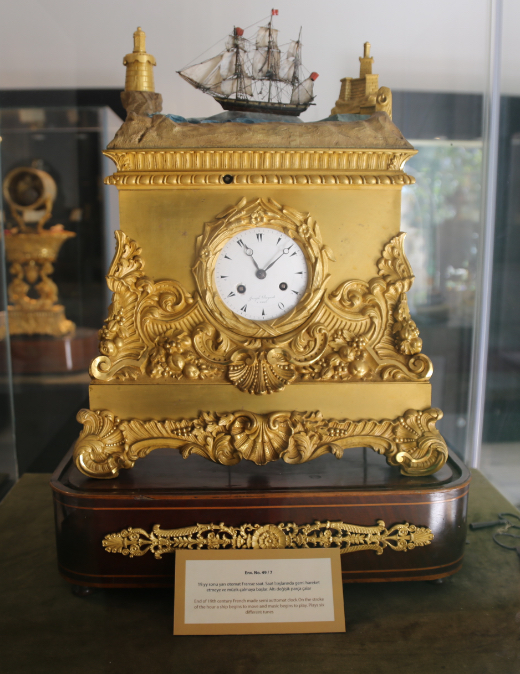
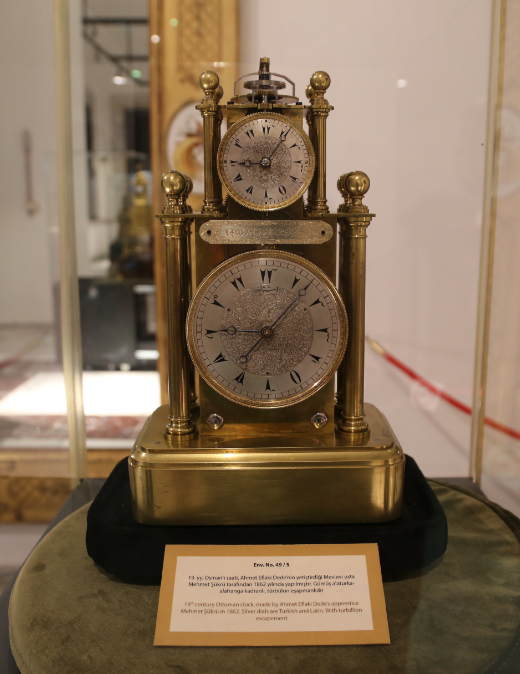
The clock collection at the Dolmabahce Clock Museum is truly impressive, and it includes a wide variety of clocks from all over the world. The collection includes clocks from France, England, Germany, and Switzerland, as well as a number of Ottoman and Turkish clocks. Many of the clocks in the collection are unique and one-of-a-kind, and they showcase the intricate and detailed craftsmanship that was required to create these timepieces.
One of the most impressive clocks in the collection is the Great Palace Clock, which was made in London in 1890 by the renowned clockmaker J.W. Benson. The clock is over three meters tall and weighs over four tons, and it features a complex mechanism that includes a calendar, a moon phase indicator, and a chime that plays different tunes at different times of the day. The clock was originally installed in the Dolmabahce Palace and was used to keep time for the entire palace complex.
Another notable clock in the collection is the Ottoman Imperial Clock, which was made in Paris in 1758. The clock is made of bronze and features intricate carvings and decorations that are characteristic of the Ottoman style. The clock was originally presented as a gift to Sultan Mahmud I by the French Ambassador, and it has been carefully preserved and restored by the museum.
The Dolmabahce Clock Museum is more than just a collection of clocks, however. It is also an important historical and cultural institution that provides visitors with a unique insight into the history and culture of the Ottoman Empire. The museum features a number of exhibits and displays that explore the history of timekeeping in the Ottoman Empire, as well as the role that clocks played in the daily lives of the Ottoman people.
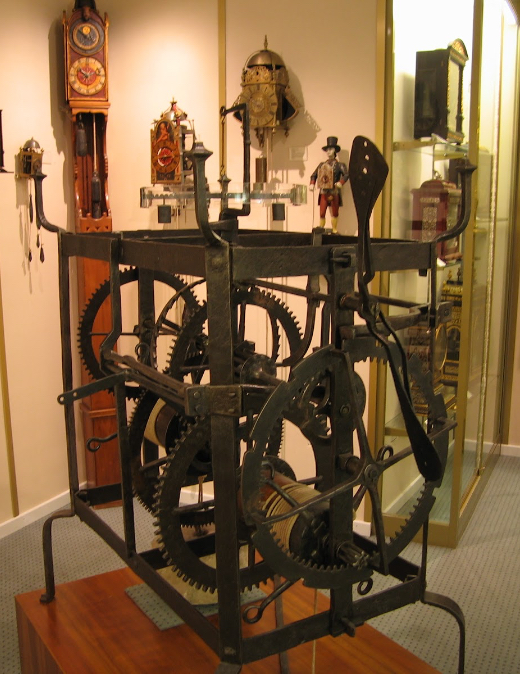
One of the most interesting exhibits in the museum is the section devoted to the clockmakers of Istanbul. The exhibit showcases the work of the many skilled artisans who were responsible for creating the clocks and timepieces that were used throughout the Ottoman Empire. The exhibit includes a number of tools and instruments that were used by these craftsmen, as well as a variety of examples of their work.
Another fascinating exhibit in the museum is the section devoted to the Ottoman Imperial Clock Workshop. This exhibit provides visitors with a unique glimpse into the workings of the clock workshop, and it features a number of original tools and instruments that were used by the clockmakers. The exhibit also includes a number of original sketches and plans that were used to design and build the clocks.




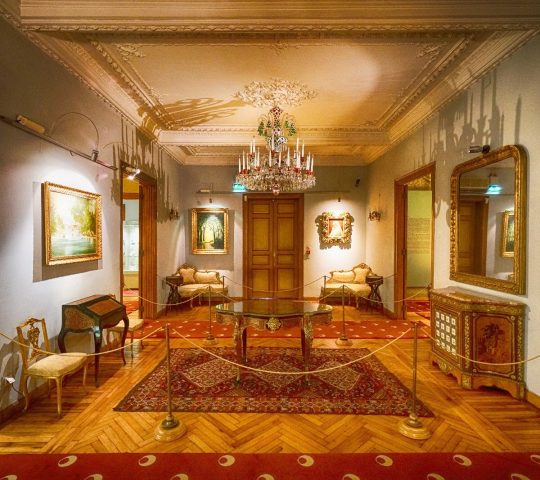





A luxurious, prestigious, elegant palace.. There are plenty of places to walk around for 2-3 hours. There was no charge for audio guides. There are long lines for tickets, so it is better to arrive early.