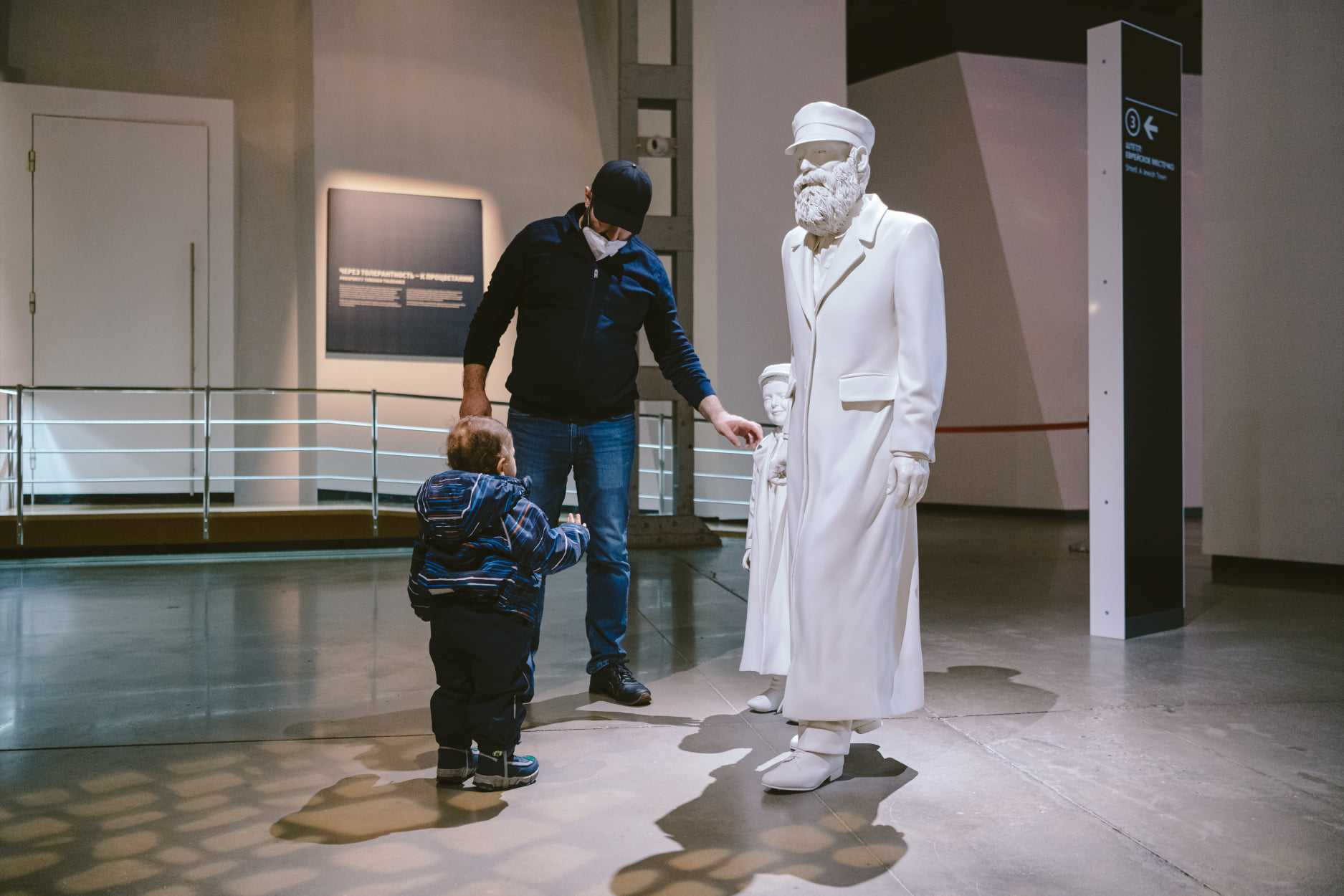


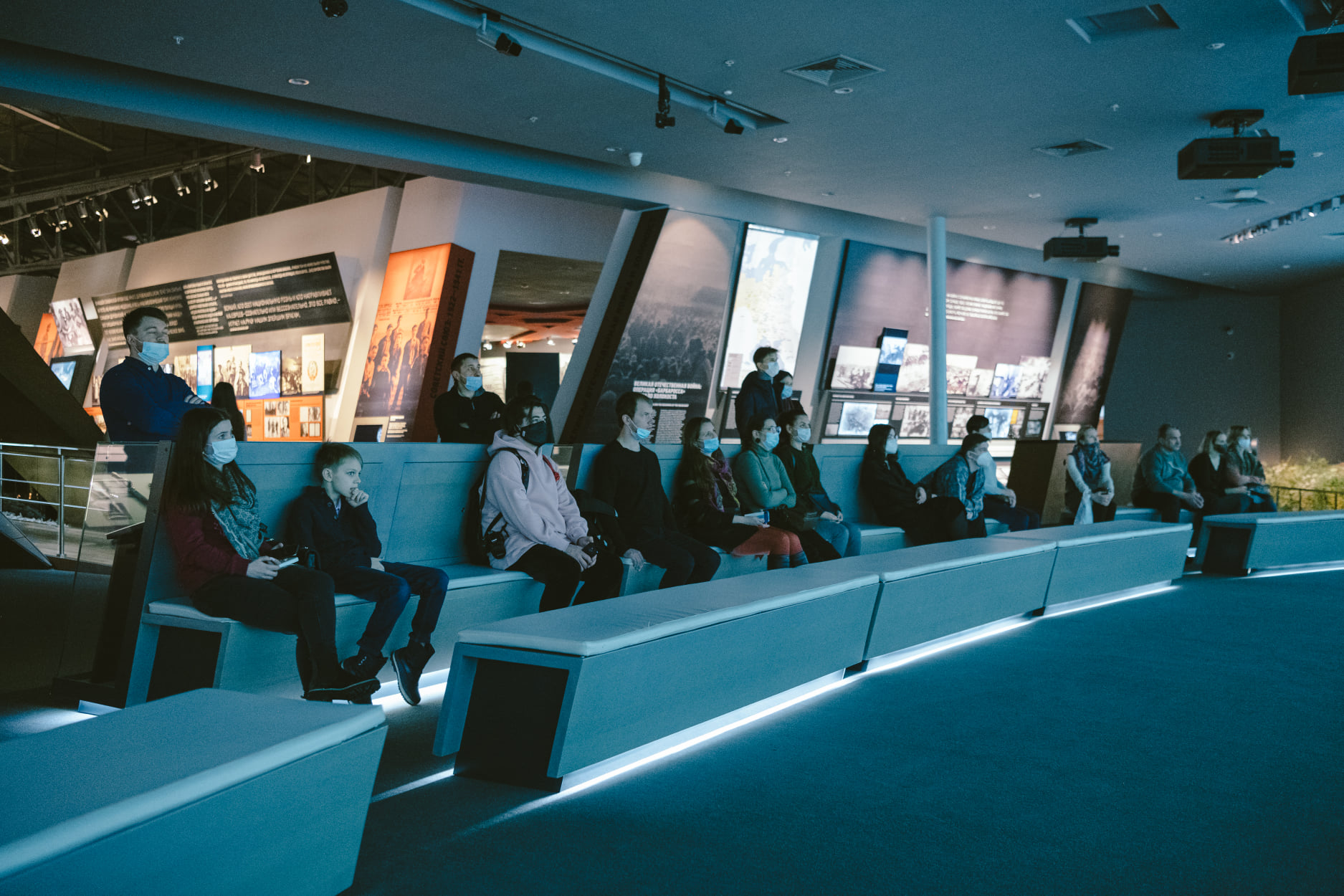
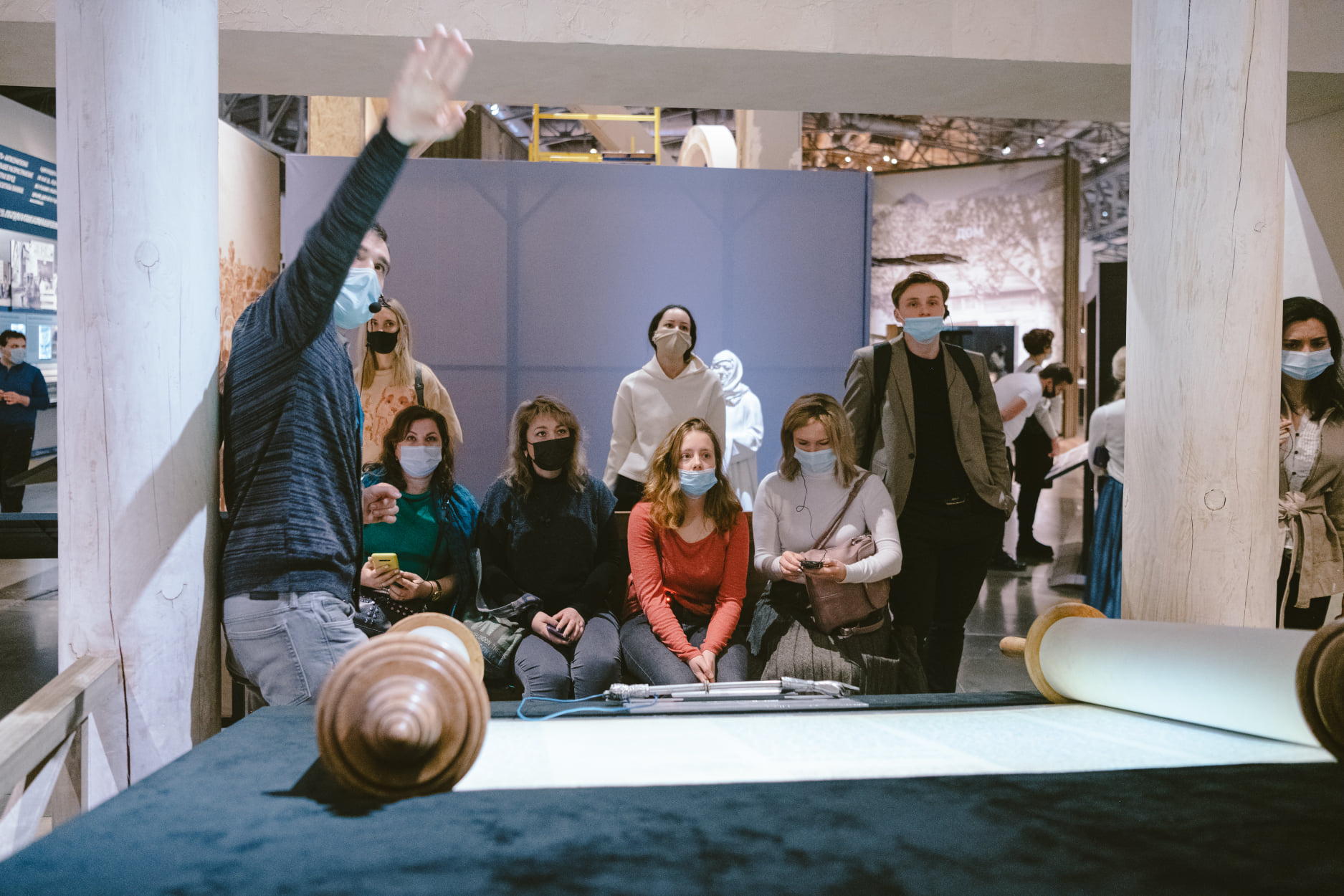
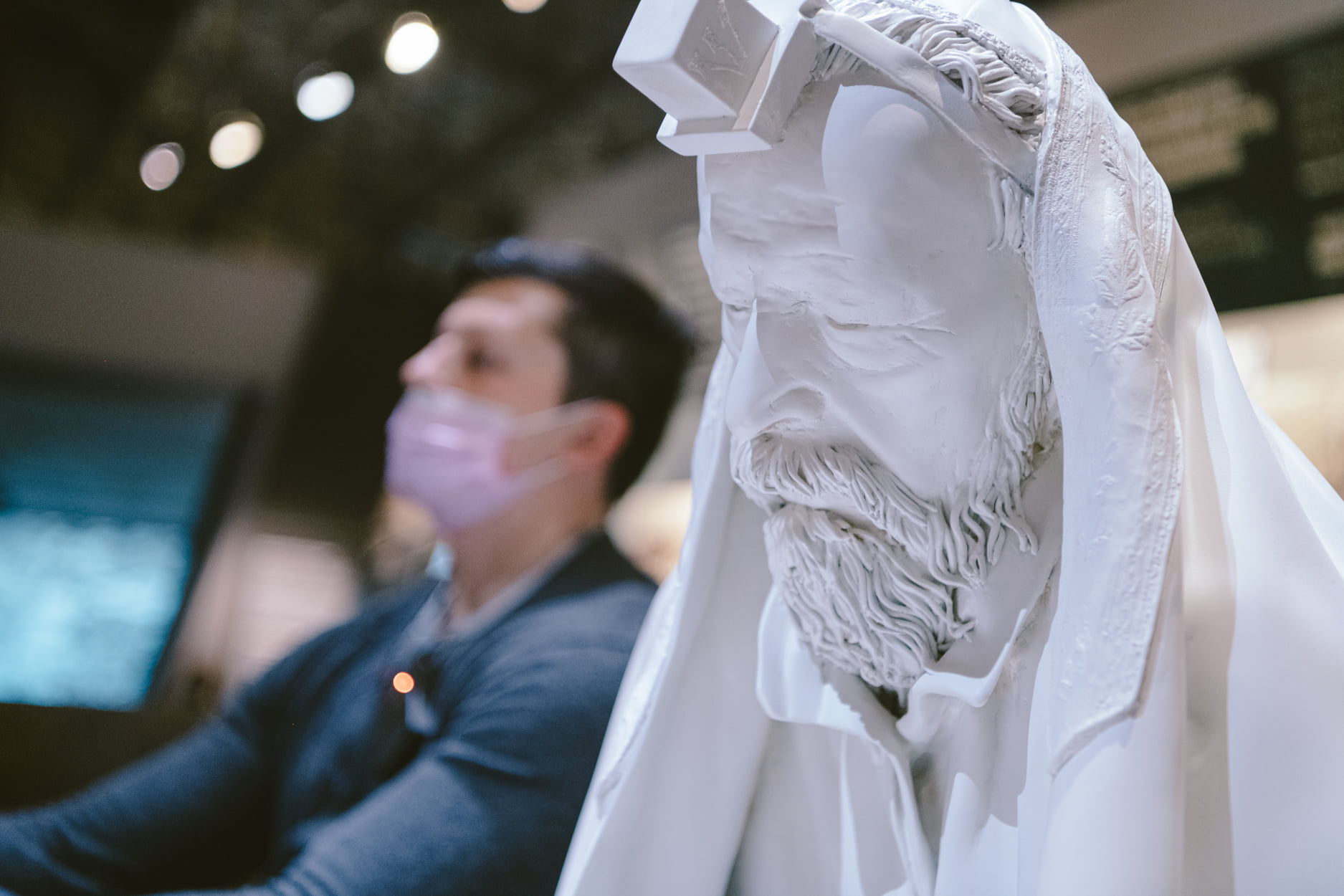



The Jewish Museum and Tolerance Center in Moscow is a unique and fascinating museum that presents the history of Jewish life and culture in Russia, as well as the history of Jewish persecution and resistance. The museum is housed in a stunning modern building, designed by architect Ralph Appelbaum, located in the Basmanny district of Moscow.
The museum was founded in 2012 by businessman Viktor Vekselberg and Rabbi Berel Lazar, the chief rabbi of Russia. Its mission is to educate visitors about the rich and complex history of Jews in Russia, and to promote understanding and tolerance between different communities in the country.
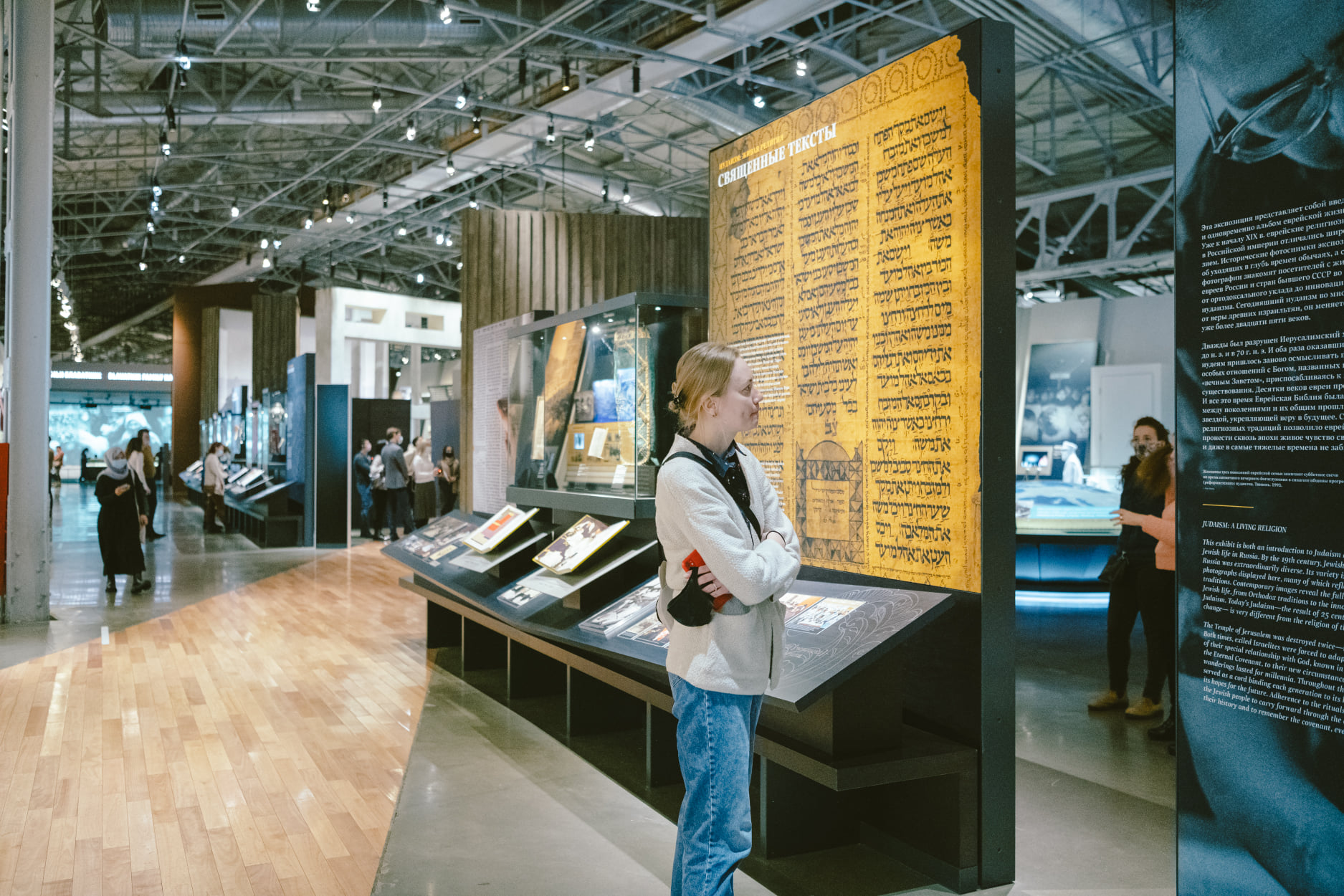
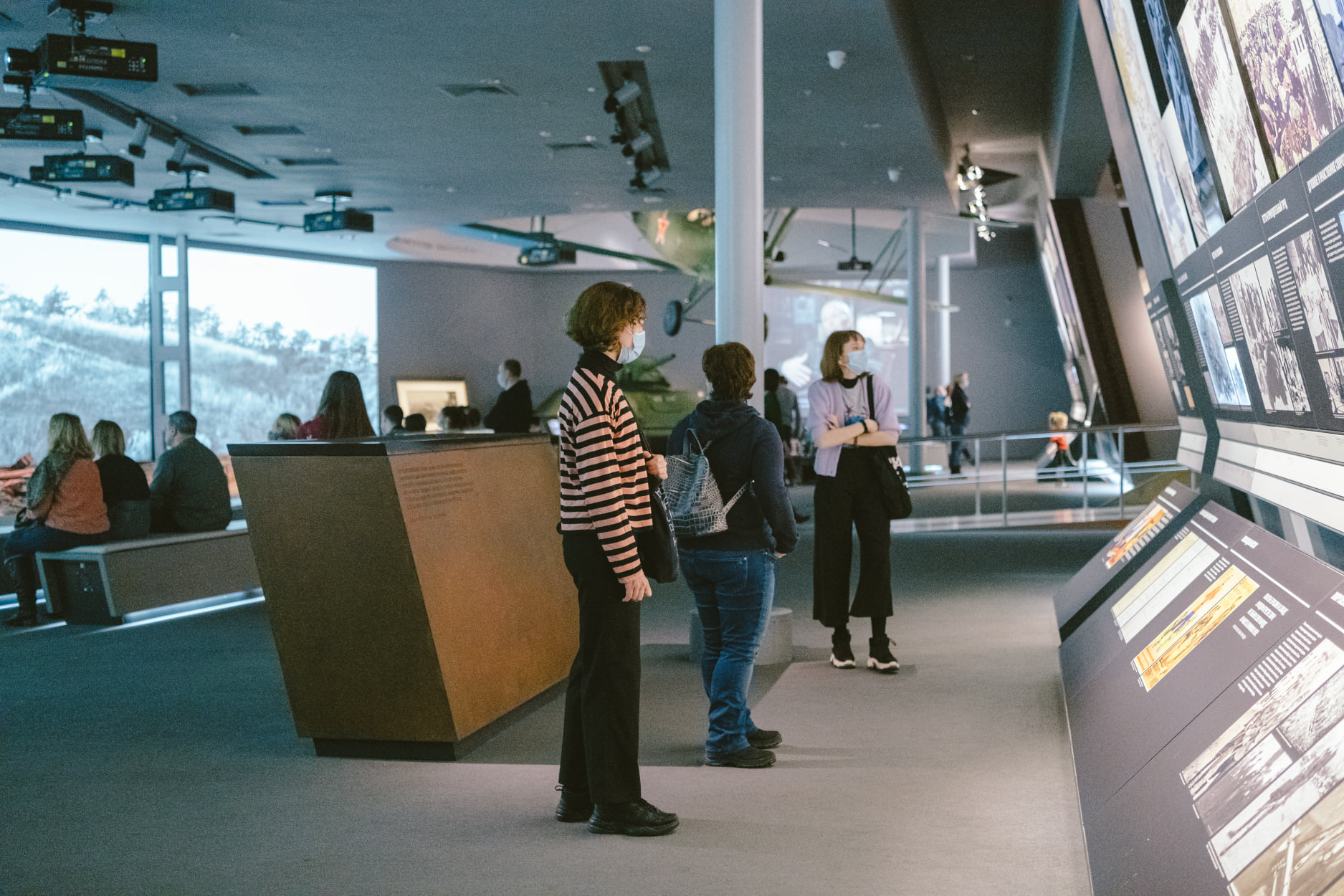
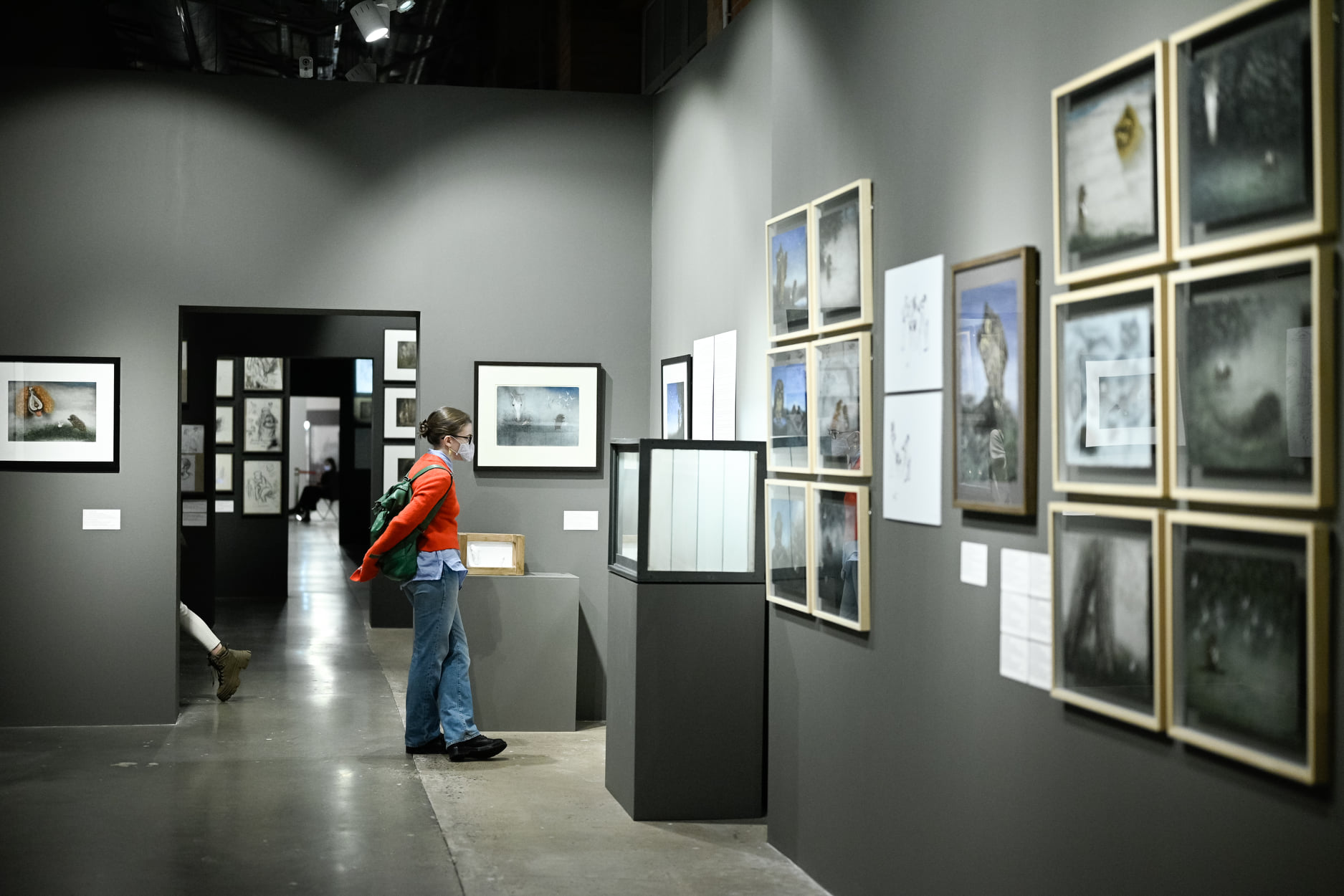
One of the most striking features of the museum is its use of cutting-edge multimedia technology to create an immersive and interactive experience for visitors. The exhibition space is divided into several themed galleries, each of which is designed to engage visitors on multiple levels, using a range of multimedia techniques including video, audio, and interactive displays.
The first gallery is called “Origins”, and it presents the early history of Jewish settlement in Russia, from the 10th century to the present day. The gallery is designed to resemble a bustling street scene in a medieval Jewish community, complete with recreated shops and houses. Visitors can explore the interactive displays and learn about the daily life of Jews in different periods of Russian history.
The second gallery, “Traditions”, explores the rich cultural heritage of Jewish life in Russia, including music, literature, art, and religious practices. The gallery features a range of multimedia displays, including interactive music stations where visitors can listen to traditional Jewish music from different parts of the world.
The third gallery, “Holocaust”, is dedicated to the history of Jewish persecution and resistance during World War II. The gallery is designed to be a solemn and reflective space, with stark displays of historical artifacts and photographs that convey the horror and tragedy of the Holocaust. However, the gallery also celebrates the courage and resilience of those who survived the Holocaust, and the gallery’s interactive displays encourage visitors to reflect on the importance of tolerance and human rights.
The fourth gallery, “Contemporary Issues”, presents the challenges faced by Jewish communities in Russia and around the world today. The gallery is designed to be a space for dialogue and reflection, with a range of interactive displays and multimedia installations that encourage visitors to think about issues such as identity, diversity, and social justice.
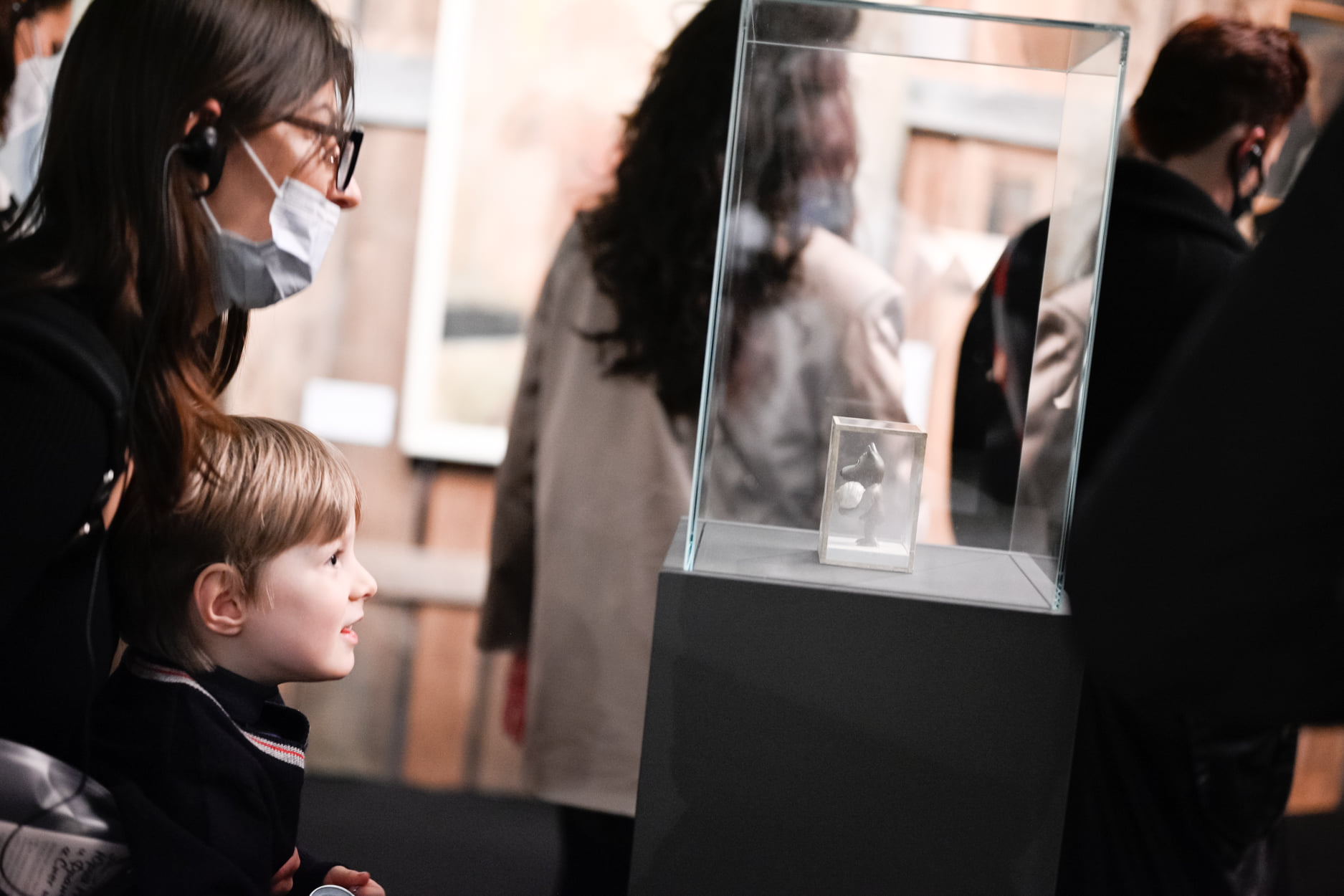
Throughout the museum, visitors can interact with the exhibits using a range of multimedia devices, including touchscreens, interactive maps, and virtual reality displays. The museum also offers guided tours and educational programs for schools and other groups.
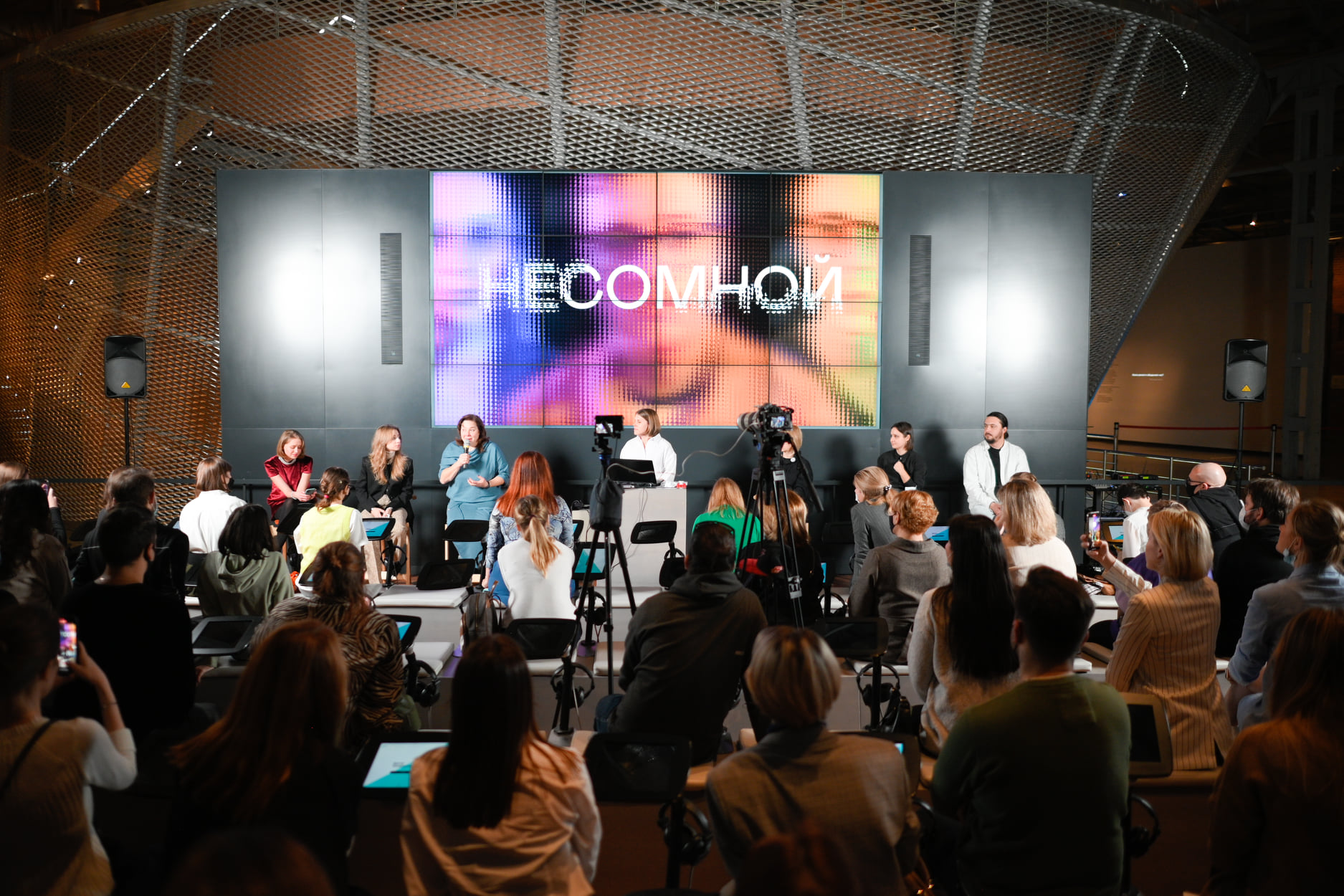
In addition to its permanent exhibition, the museum hosts a range of temporary exhibitions and cultural events throughout the year. These events include lectures, concerts, and film screenings, as well as exhibitions of contemporary art and photography.
The Jewish Museum and Tolerance Center is an important institution in Moscow, not only for its educational mission but also for its role in promoting intercultural dialogue and understanding. The museum’s message of tolerance and respect for diversity is particularly relevant in the current political climate in Russia, where tensions between different ethnic and religious groups can be high.
The museum’s location in the Basmanny district is also significant, as the area has a long and complex history of ethnic and religious diversity. The museum is located in close proximity to several other important cultural institutions, including the Central House of Artists and the Museum of Russian Impressionism, and the area is known for its vibrant cultural scene.
Overall, the Jewish Museum and Tolerance Center is a must-visit destination for anyone interested in Jewish history and culture, as well as for those interested in the complex social and political landscape of modern Russia.