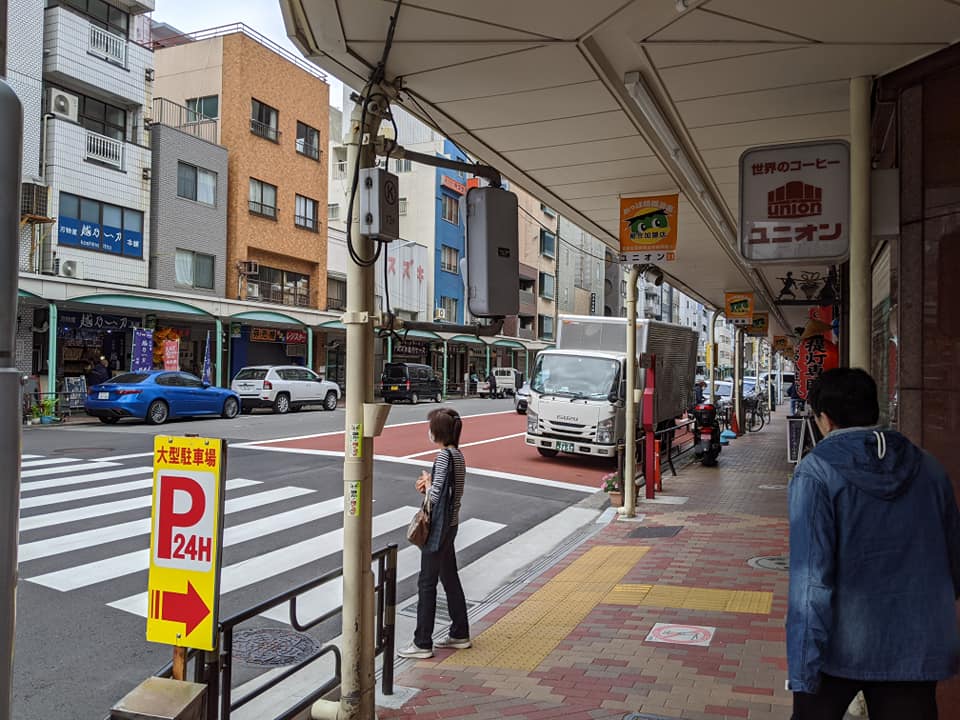
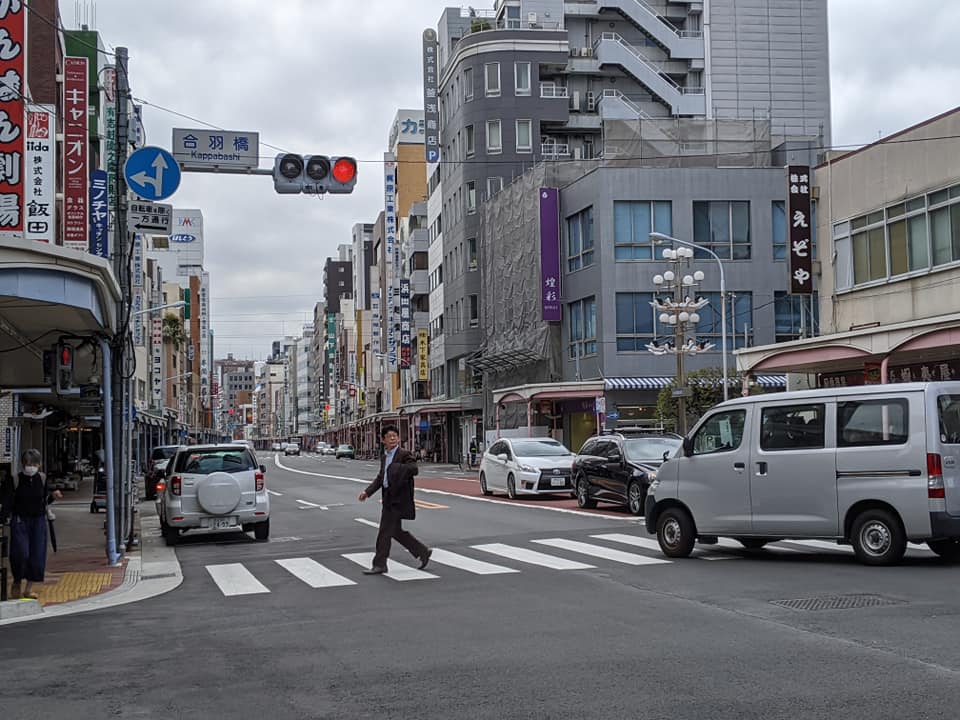


Kappabashi, also known as Kitchen Town or Kitchenware Town, is a famous shopping street located in the Taito ward of Tokyo, Japan. The street is lined with numerous shops and wholesalers that sell kitchenware, restaurant equipment, and plastic food replicas. Kappabashi is a one-stop-shop for chefs, restaurant owners, and home cooks who want to purchase high-quality kitchenware and equipment.
The History of Kappabashi
Kappabashi has a long and fascinating history that dates back to the Edo period, which lasted from 1603 to 1868. During this time, Kappabashi was a popular entertainment district where people could enjoy traditional Japanese performances, such as Kabuki and Bunraku puppet shows.
In the early 20th century, Kappabashi began to transform into a kitchenware district as many businesses began to focus on supplying restaurants with specialized kitchen equipment. The district continued to grow and develop throughout the 20th century, becoming the premier destination for chefs and restaurateurs to purchase high-quality kitchenware.
Today, Kappabashi is a thriving commercial district that attracts visitors from all over the world. The street has over 170 shops and wholesalers that offer everything from chopsticks and sake cups to custom-made knives and stoves.
What to Expect at Kappabashi
Kappabashi is a must-visit destination for anyone interested in food, cooking, or restaurant culture. The street is easy to navigate, with clear signage and helpful staff who can assist visitors with any questions they may have.
The shops along Kappabashi offer an incredible range of products, from basic kitchen tools like spatulas and mixing bowls to specialized items like sushi mats and soba-making machines. Visitors can find everything they need to set up a professional kitchen or enhance their home cooking experience.
One of the most popular items sold along Kappabashi is plastic food replicas. These realistic-looking models of Japanese dishes are used by restaurants to showcase their menu items in their front windows. The replicas are incredibly detailed and can be customized to look like almost any dish, making them a popular souvenir item for visitors to Japan.
In addition to kitchenware, Kappabashi also has a number of shops selling traditional Japanese ceramics, such as sake cups, tea sets, and dishes. Visitors can find unique and beautiful pieces to add to their collections or to give as gifts.
Kappabashi is also home to several shops that specialize in custom-made knives. These knives are made by skilled craftsmen using traditional techniques, and they are prized by chefs around the world for their quality and precision. Visitors can watch the craftsmen at work and even have knives made to their specifications.
Beyond the Shops: Other Attractions at Kappabashi
In addition to the shops, Kappabashi has several other attractions that are worth checking out. The Kappabashi Dogu Street Association, which manages the district, has set up several monuments and installations along the street that celebrate the area’s history and culture.
One of the most famous installations is the giant chef’s head that marks the entrance to Kappabashi. The head is made of fiberglass and stands over six meters tall, making it a popular photo spot for visitors.
Another popular attraction is the Kappabashi Dougu Museum. The museum showcases the history and craftsmanship of Japanese kitchenware, with exhibits on everything from knives and pots to plastic food replicas. The museum also has a gift shop selling unique and handmade kitchenware items.
Finally, Kappabashi is home to several food-related events throughout the year. The most famous of these is the Kappabashi Street Festival, which takes place every autumn. The festival features food stalls, live music, and a parade of giant food replicas that march down the street, delighting visitors of all ages.
Other events at Kappabashi include cooking demonstrations, sake tastings, and food-related workshops. These events provide visitors with a chance to learn more about Japanese cuisine and culture and to interact with local chefs and artisans.
Tips for Visiting Kappabashi
If you’re planning a visit to Kappabashi, there are a few things to keep in mind. First and foremost, be prepared to do a lot of walking. The street is about 800 meters long, and you’ll want to take your time exploring all the shops and attractions.
It’s also a good idea to bring cash, as many of the shops and wholesalers do not accept credit cards. However, there are several ATMs along the street where you can withdraw cash if needed.
Finally, be prepared to haggle. While most of the prices along Kappabashi are fixed, some of the wholesalers may be willing to negotiate on larger purchases. Just be respectful and don’t push too hard, as this can be considered rude in Japanese culture.
Conclusion
Kappabashi is a unique and fascinating destination that offers visitors a glimpse into the world of Japanese cuisine and culture. Whether you’re a professional chef or a home cook, there’s something for everyone along this bustling street.
From plastic food replicas to custom-made knives, Kappabashi has everything you need to create a professional-quality kitchen. And with its many attractions, events, and installations, it’s a fun and engaging place to explore.
So if you’re planning a trip to Tokyo, be sure to add Kappabashi to your itinerary. You won’t be disappointed!
Maps
Opening Hours
Video
FAQ's
When is Kappabashi Tool Town closed?
While Kappabashi Tool Town is always open, individual stores have their own holidays. Most of the stores are open on Saturdays. About 30% of the stores are open on Sundays too.
Do they sell products to individual customers?
Yes, almost all stores sell products to individual customers.
I am not a dealer. Can I purchase products?
Yes, of course. We welcome individual customers.
How should we go to Kappabashi?
See “Access – Information on Transportation” page.
Can we purchase products online?
Online shopping for the entire town is now under discussion by the Kappabashi Union; however, some stores have already started online shopping websites. Please see the column for the website URL of each store.
Is there a parking lot?
We provided some parking spaces with meters.
Where can I get a Kappabashi Convenient Map?
Each store and the Kappabashi Union Office. PDF version is available from below.