

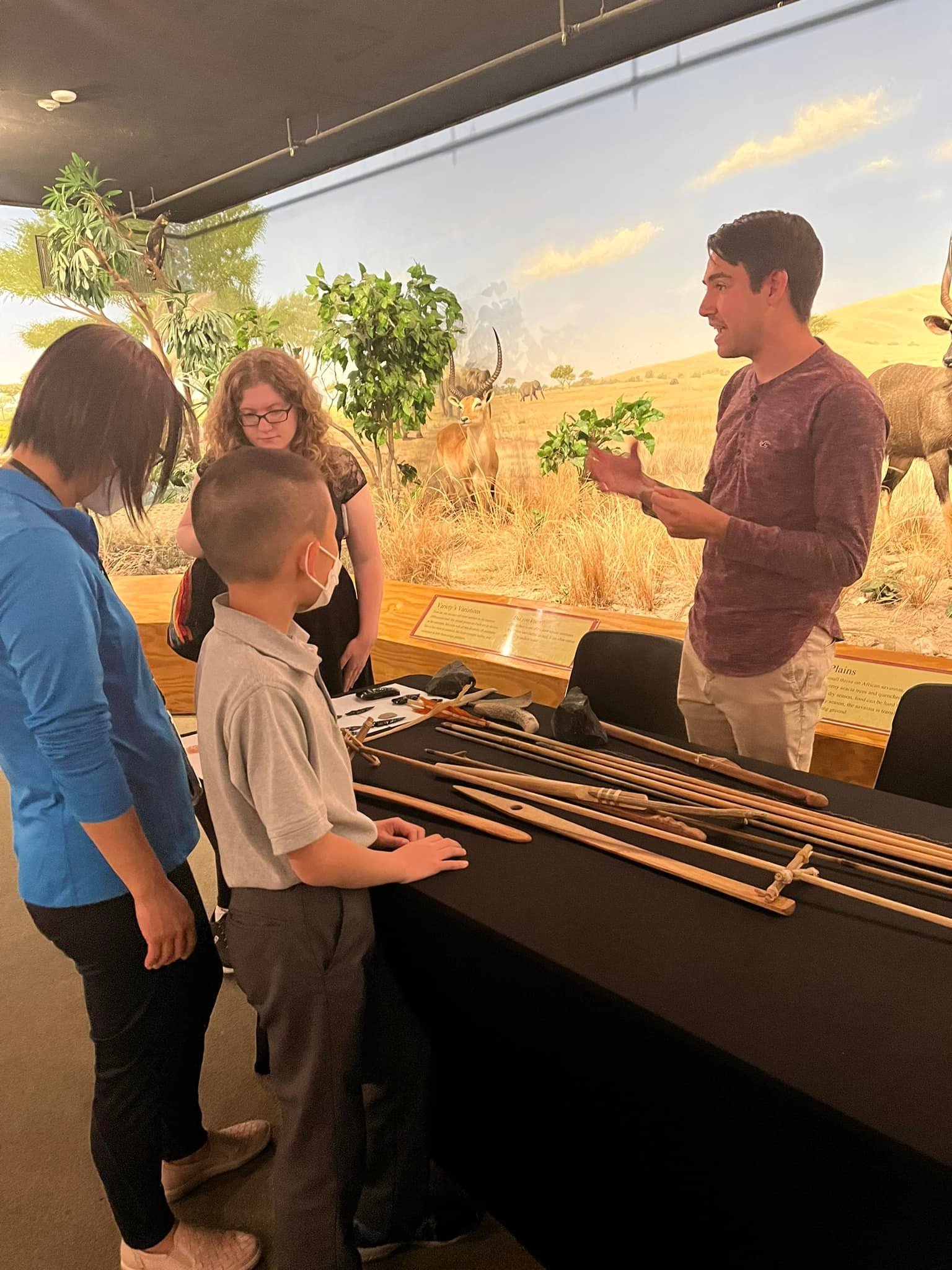
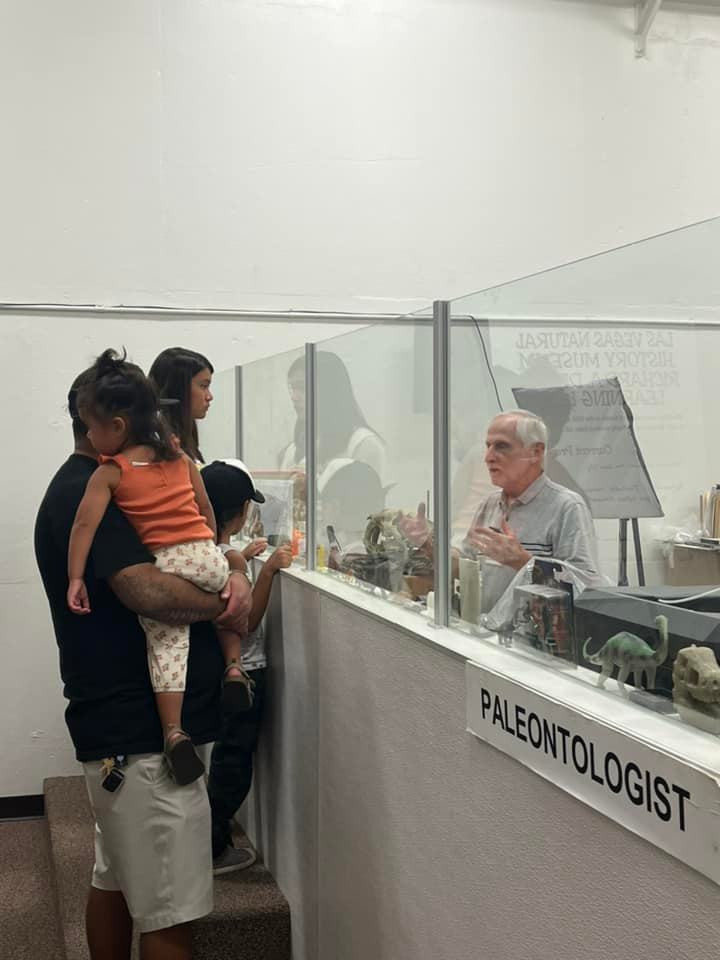

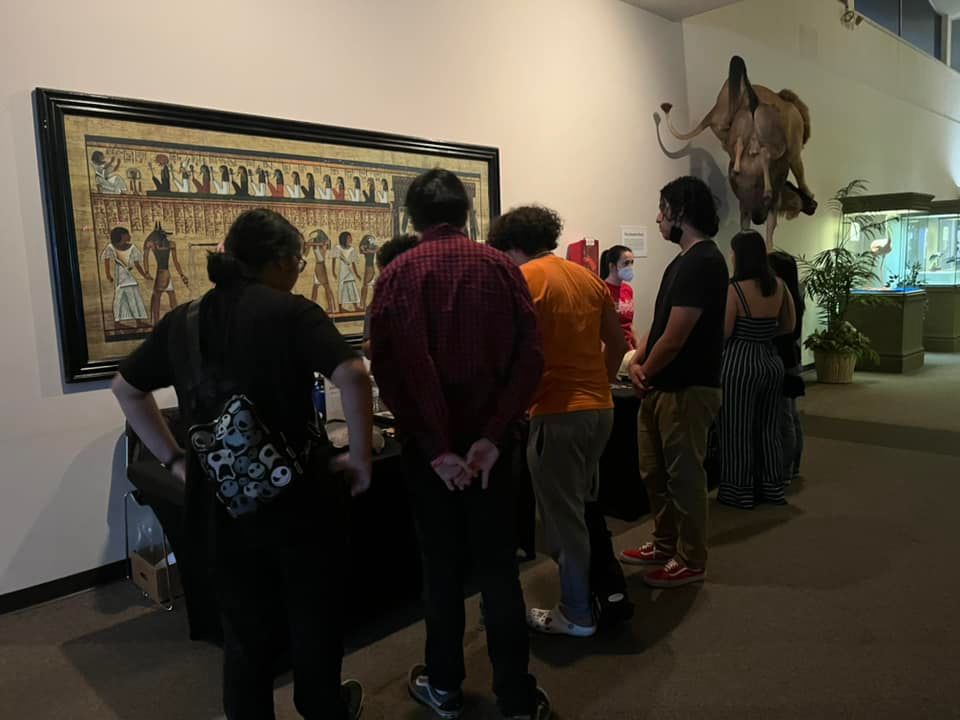


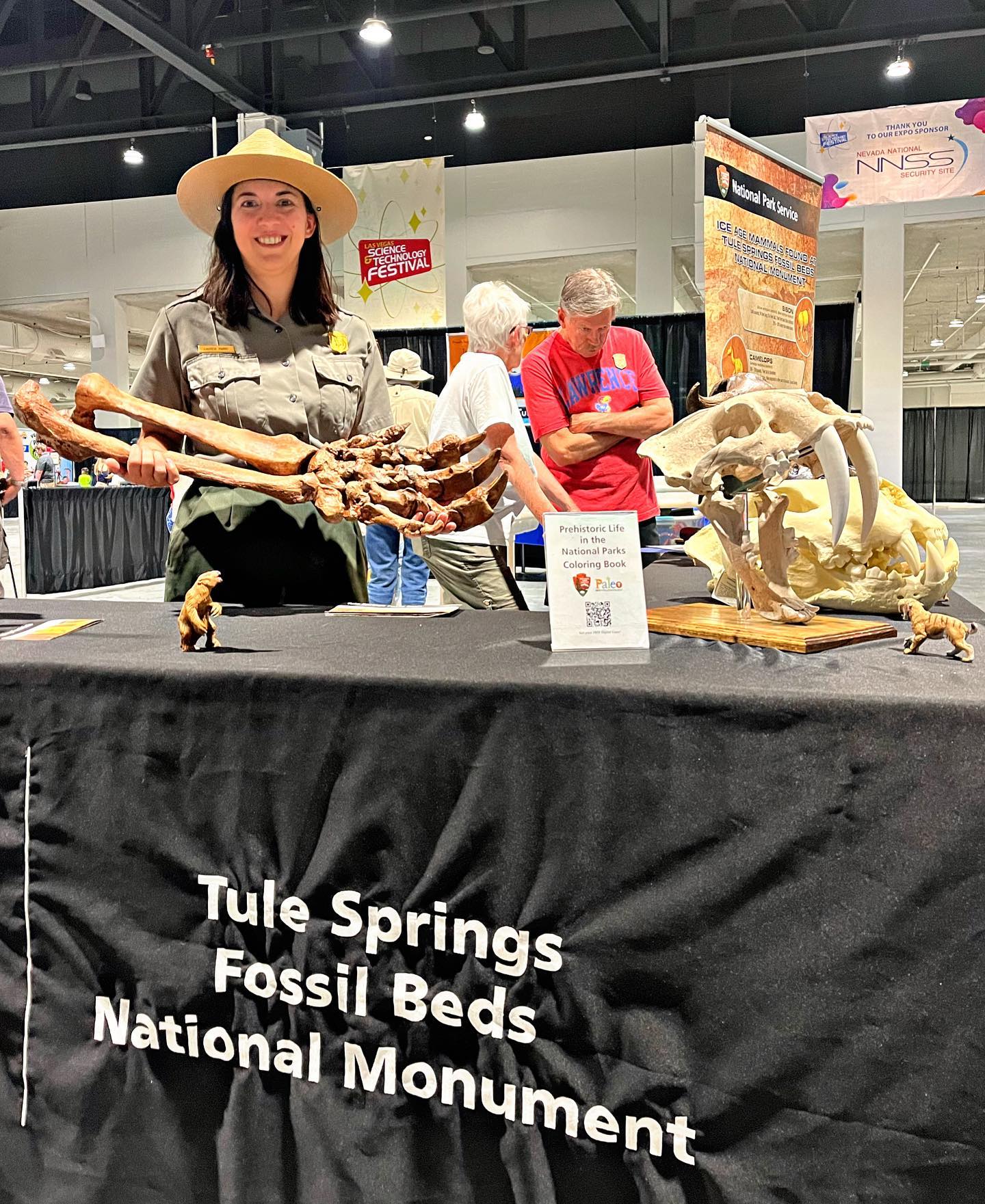



The Las Vegas Natural History Museum is an educational and engaging destination for visitors of all ages. Located in downtown Las Vegas, the museum provides a variety of exhibits, interactive displays, and educational programs that explore the natural world and its history. From dinosaurs to wildlife, the museum offers visitors a chance to experience the diversity of life on Earth and learn about the forces that have shaped it.
Exhibits and Displays
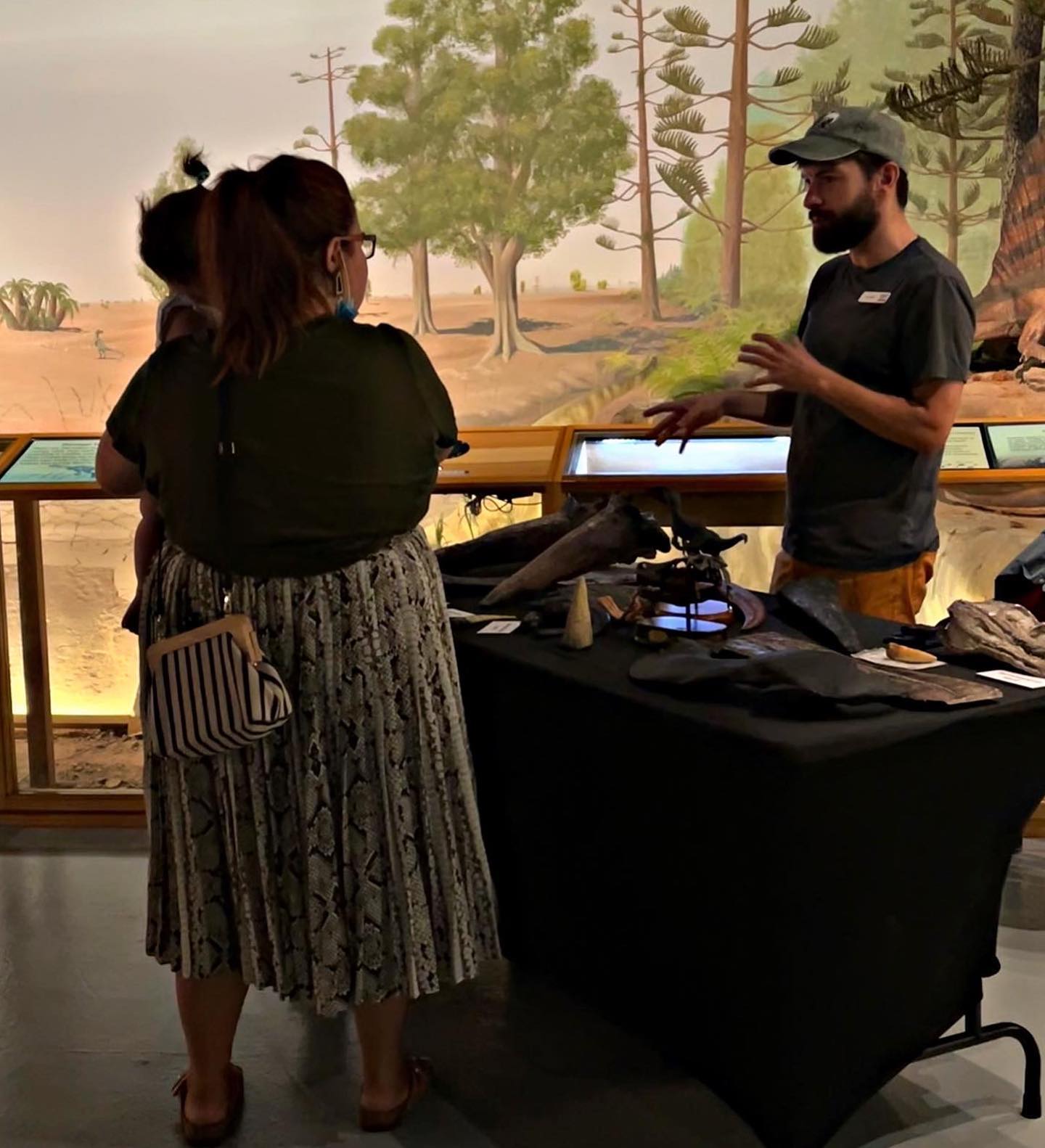
The museum features several exhibits that allow visitors to explore different aspects of the natural world. The prehistoric exhibit features a variety of dinosaur skeletons and fossils, as well as a life-size animatronic T-Rex. The exhibit explores the history of these ancient creatures and how they lived, as well as the forces that led to their extinction.
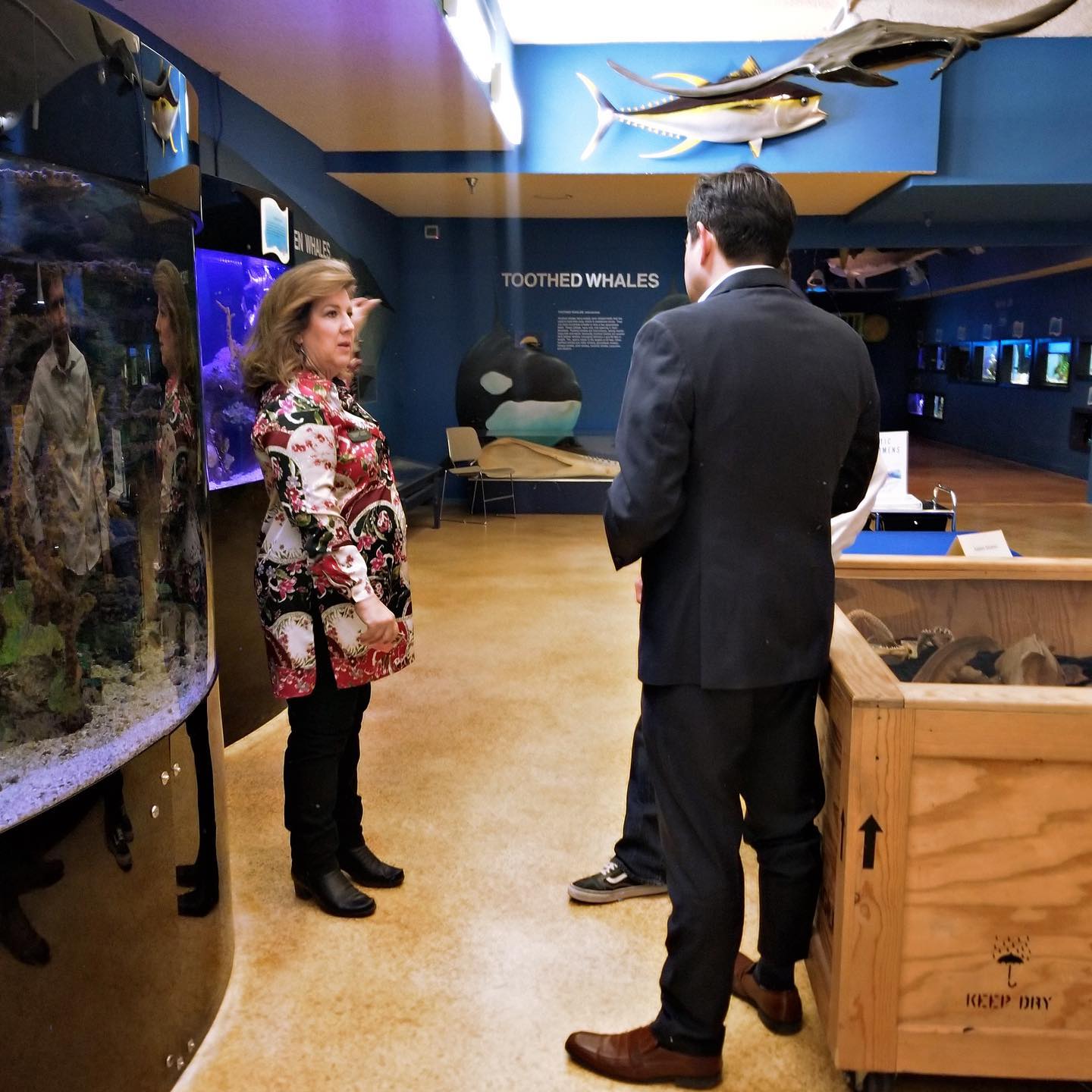
The marine life exhibit is another popular attraction, with an extensive collection of fish and other marine creatures from around the world. Visitors can see a variety of live coral and other invertebrates, as well as learn about the different types of marine ecosystems and the threats they face.
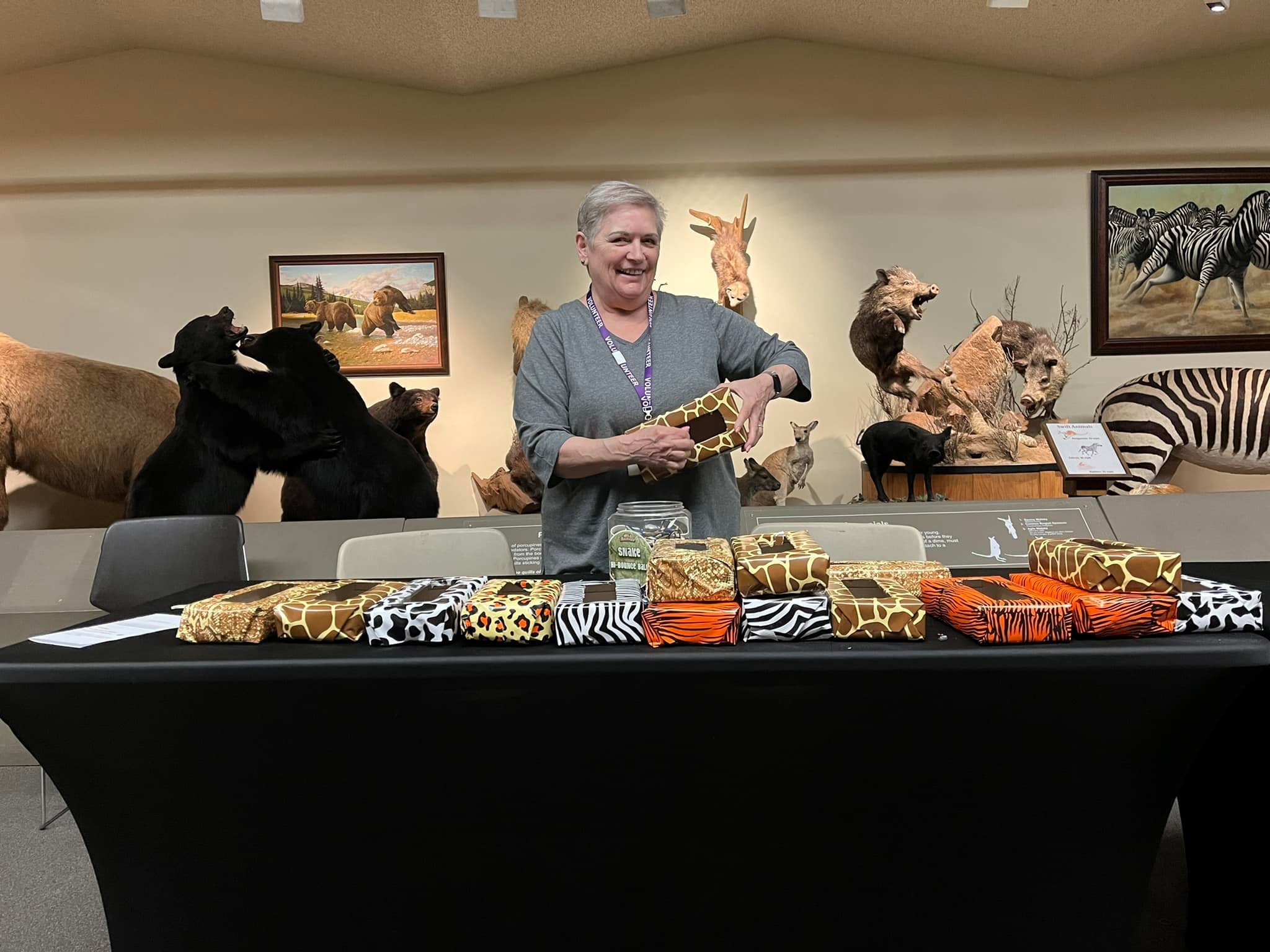
In addition to these exhibits, the museum also features displays on wildlife, geology, and the human body. The wildlife exhibit showcases animals from around the world, including mammals, birds, and reptiles. Visitors can learn about the different habitats these animals live in and the unique adaptations they have developed to survive.
The geology exhibit explores the different types of rocks and minerals found on Earth, as well as the processes that have shaped the planet over millions of years. Visitors can see examples of different types of rocks and learn about the geological history of the area around Las Vegas.
The human body exhibit provides an interactive look at the different systems of the human body, including the cardiovascular, digestive, and nervous systems. Visitors can learn about the different parts of the body and how they work together to keep us healthy.
Educational Programs
The Las Vegas Natural History Museum offers a variety of educational programs for visitors of all ages. These programs include guided tours, workshops, and summer camps, as well as school field trips and outreach programs.
Guided tours provide visitors with a chance to explore the museum with the help of a knowledgeable guide. Tours can be customized to meet the needs and interests of different groups, and can cover a variety of topics, including dinosaurs, marine life, and geology.
Workshops and summer camps provide hands-on learning opportunities for children and teenagers. These programs cover a variety of topics, including science, art, and history, and are designed to be both fun and educational. Participants can engage in activities such as fossil hunting, rock collecting, and animal encounters.
School field trips and outreach programs are also available, providing students with a chance to learn about the natural world in a fun and engaging way. These programs are designed to align with state and national science standards, and cover topics such as earth science, life science, and environmental science.
Special Events
The Las Vegas Natural History Museum also hosts a variety of special events throughout the year. These events include lectures, workshops, and family-friendly activities.
One of the museum’s most popular events is the annual Dino Day, which takes place in the fall. This event features a variety of activities and exhibits related to dinosaurs, including interactive displays, fossil hunts, and dinosaur-themed crafts.
Another popular event is the annual Pirate Day, which takes place in the spring. This event allows visitors to experience life as a pirate, with activities such as treasure hunts, sword fighting demonstrations, and pirate-themed crafts.
The museum also hosts a variety of lectures and workshops throughout the year, covering topics such as geology, paleontology, and marine biology. These events are led by experts in their fields and provide visitors with an opportunity to learn more about different aspects of the natural world.
Maps
Contact
Opening Hours
Video
FAQ's
Is the Museum wheelchair accessible?
Yes, all areas of the Museum are accessible, including the lower floor which can be reached by an elevator in the Engelstad Prehistoric Life Gallery. We offer a limited number of wheelchairs for use at the Museum.
Are there any outdoor areas available?
Yes, one of Las Vegas' best kept secrets is Heritage Park. The city park adjoins the Museum and offers covered picnic tables, playground amenities, etc. Because of its designation as a children's park, only those accompanying a child under the age of 12 may enjoy the park.
When is the Richard A. Ditton Learning Lab open?
When not out in the field, the research team generally opens the lab to the public during museum business hours on Tuesday, Wednesday, and Thursday. Feel free to call ahead of your visit if you are specifically visiting to see the lab and its team.
Are food and drink allowed in the Museum?
In an effort to protect the exhibits and artifacts, no food, alcohol, soda, tea, etc. is allowed. Water in a closed container is allowed in the Museum.
How long should I plan to be at the Museum?
We recommend a minimum of one (1) hour to experience the Museum. Depending on personal preference, some visitors easily spend 2 hours exploring the exhibits and galleries.
Do you offer any discounts?
Bank of America Museums on Us program participant ASTC program participant $10 Admission for Seniors and students/military with ID Children 2 and younger get free Museum Admission