








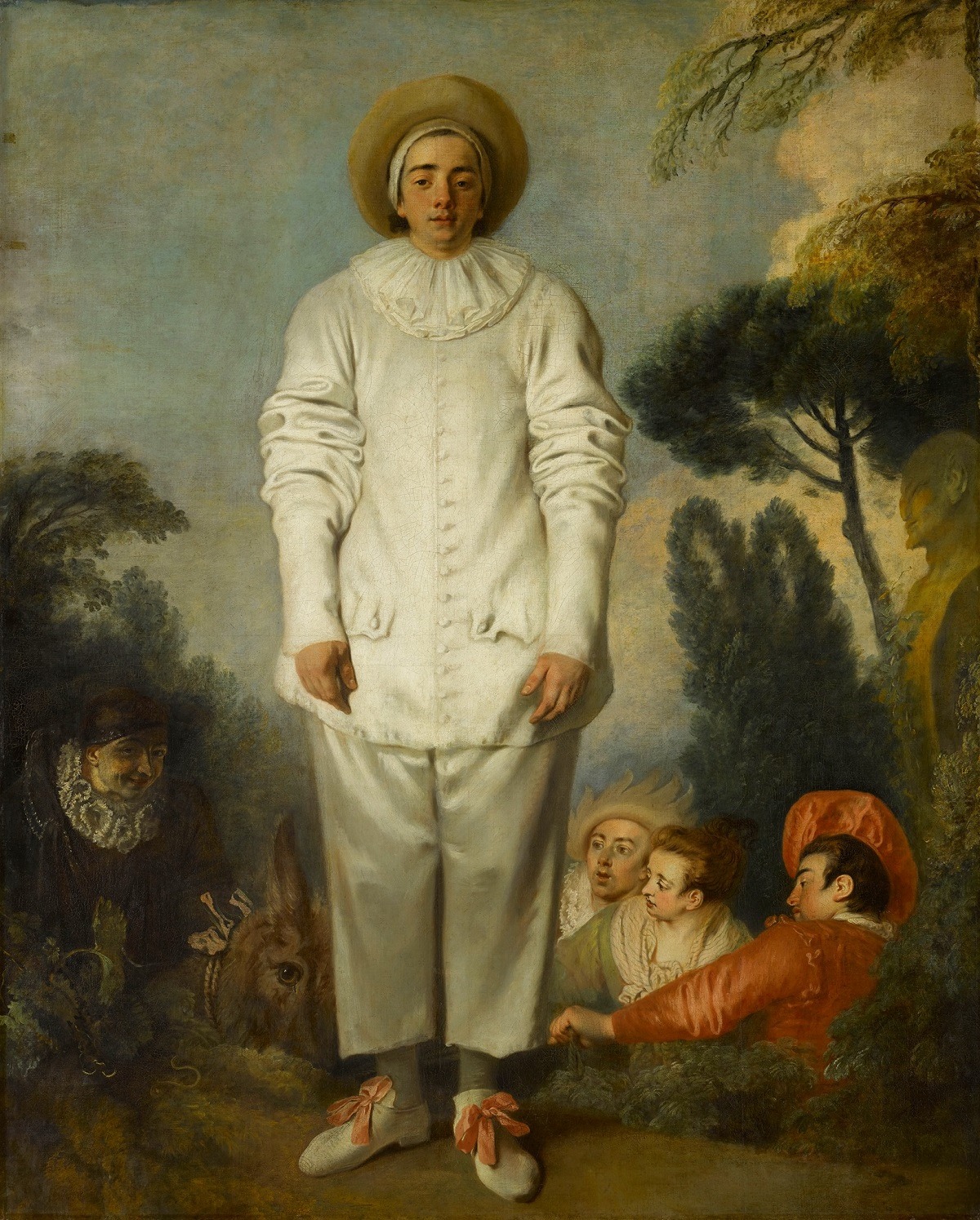


The Louvre Museum is one of the world’s most famous and prestigious art museums, located in the heart of Paris, France. Home to a vast collection of some of the world’s most important art and artifacts, the museum is a must-see destination for anyone interested in art, culture, and history. In this essay, we will explore the history, design, and significance of the Louvre Museum.
History
The Louvre Museum was originally built in the 12th century as a fortress, and over the centuries it has been transformed and expanded to become one of the world’s largest and most famous art museums. The museum’s collection includes more than 35,000 works of art, spanning a period of over 7,000 years, from ancient times to the present day.
The Louvre’s collection includes some of the most famous and iconic works of art in the world, including the Mona Lisa by Leonardo da Vinci, the Winged Victory of Samothrace, and the Venus de Milo. The museum has played an important role in the cultural life of Paris and has become an enduring symbol of the city’s creative spirit and cultural heritage.
Design
The design of the Louvre Museum is a testament to the creativity and ingenuity of its architects and designers. The museum is housed in a massive complex of buildings that span over 652,000 square feet, with a range of architectural styles and design elements that reflect the museum’s long and rich history.
The most iconic feature of the museum is the glass pyramid, which was designed by the famous architect I.M. Pei and was added to the museum in 1989. The pyramid serves as the museum’s main entrance and is an impressive and imposing work of art in its own right.
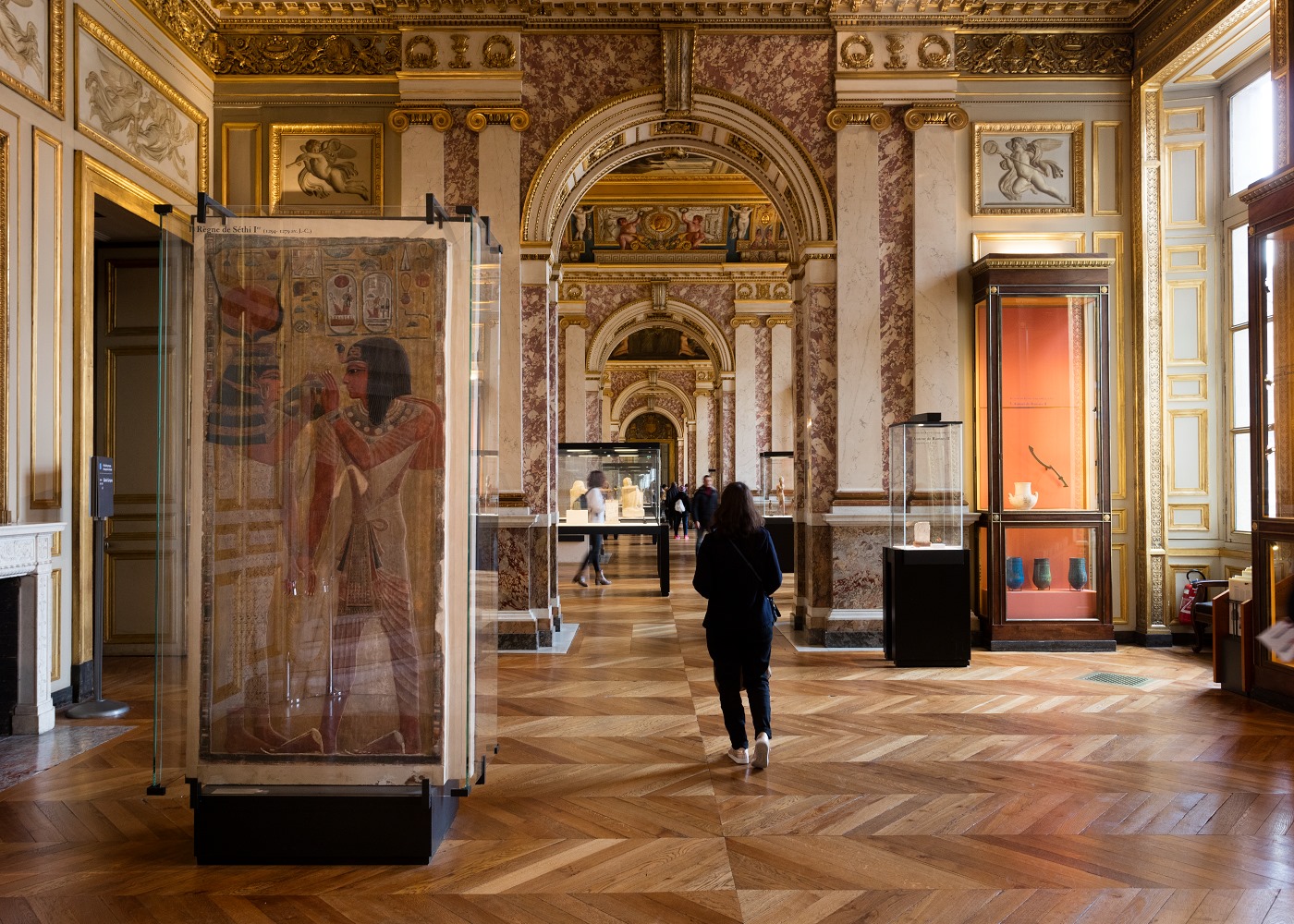
The interior of the museum is just as grand and impressive as its exterior, with a series of galleries and exhibition spaces that are designed to showcase the museum’s vast collection of art and artifacts. The museum’s collection is spread across eight different departments, with each department dedicated to a different period in art and history.
Significance
The Louvre Museum is more than just an art museum – it is a cultural icon that represents the creativity and spirit of Parisian culture. The museum has played an important role in the cultural life of Paris and has become an enduring symbol of the city’s creative spirit and cultural heritage.
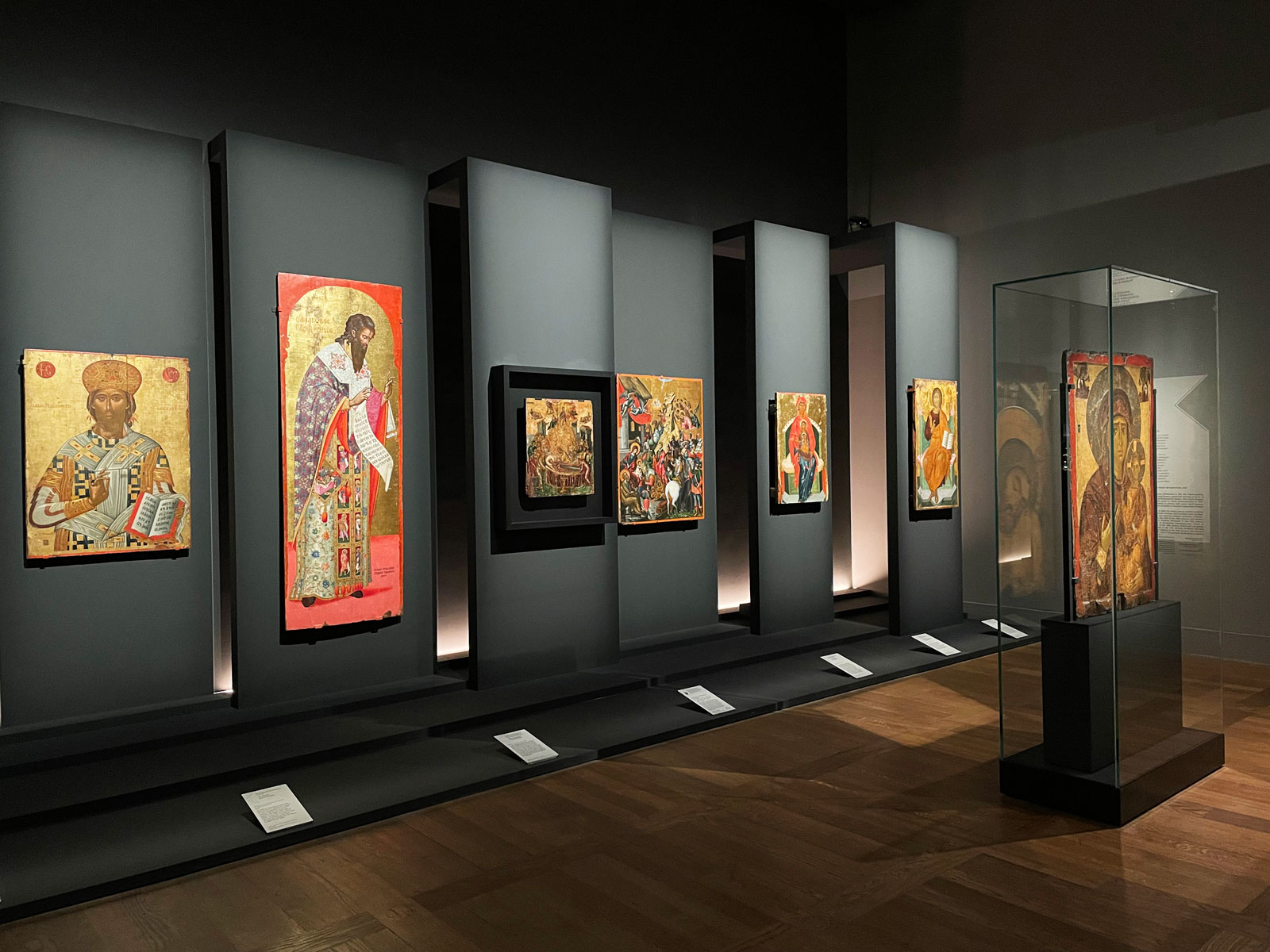
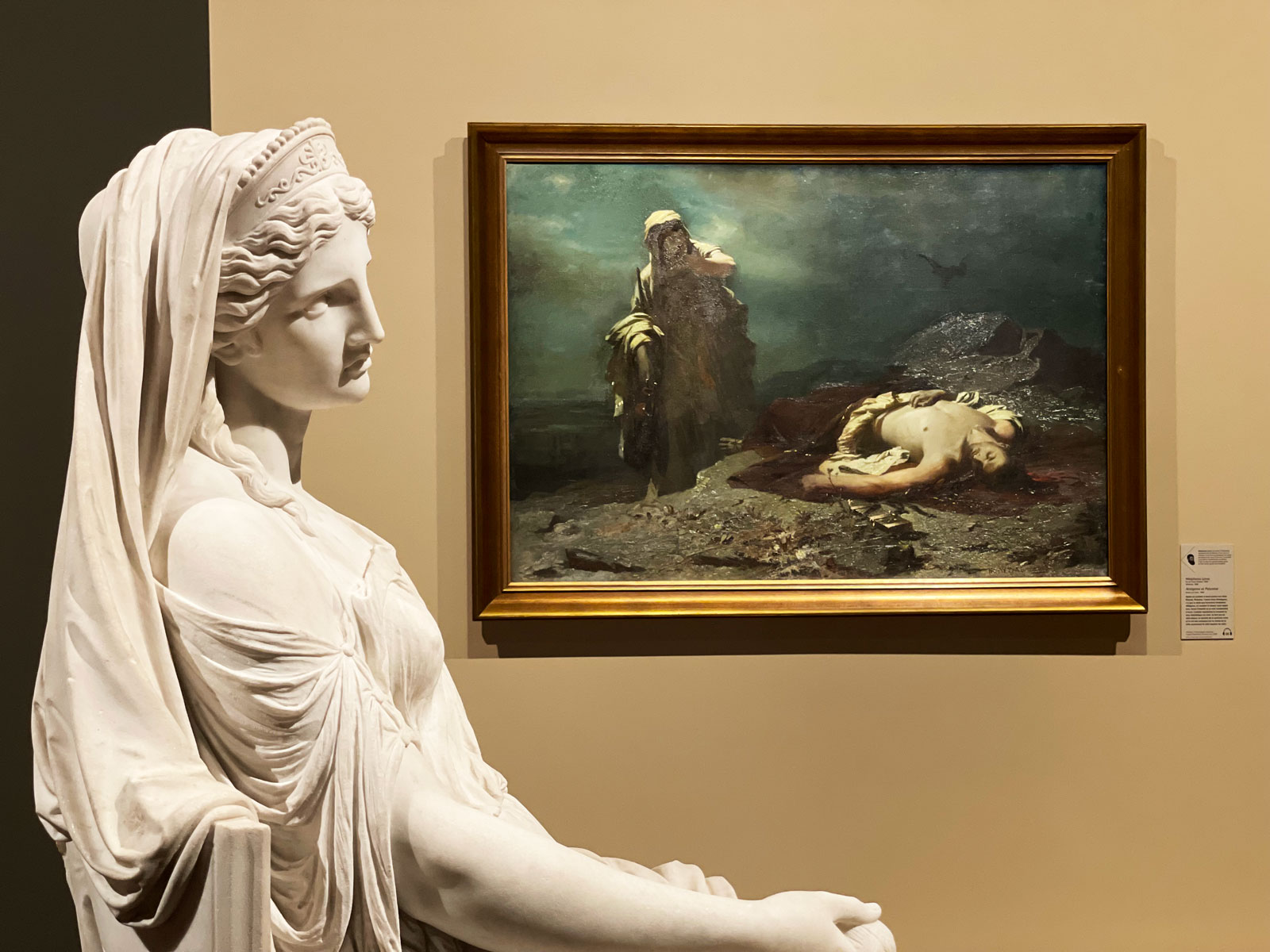
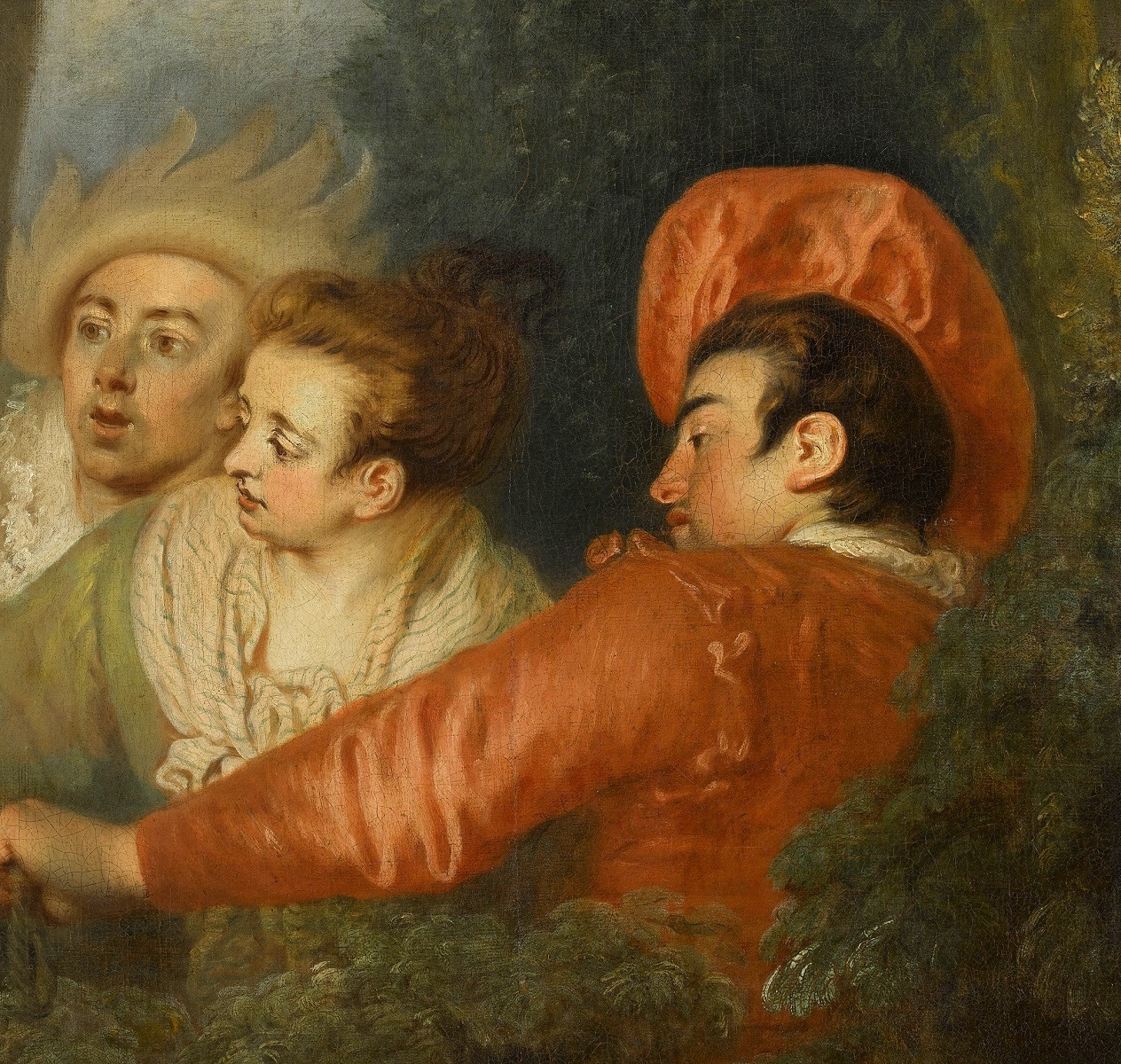
The museum’s collection is vast and diverse, featuring works by some of the most famous and influential artists and cultures in the world. The museum is also known for its commitment to education and scholarship, with a range of programs and resources designed to promote the study and appreciation of art and culture.
Today, the Louvre Museum is one of the most popular tourist attractions in Paris, drawing millions of visitors each year from all over the world. The museum is a must-see destination for anyone interested in art, culture, and history, and is a testament to the enduring appeal of one of the world’s most famous and prestigious museums.
Conclusion
The Louvre Museum is a true masterpiece of art and design, and an important symbol of the creativity and spirit of Parisian culture. Its history, design, and significance make it a fascinating subject for study, and its enduring popularity as a tourist attraction is a testament to its enduring appeal. Whether you are interested in art, culture, or history, or simply the grandeur and elegance of one of the world’s most famous and prestigious museums.
Maps
Contact
Opening Hours
Video
FAQ's
Can I visit the museum for free? Do I have to book tickets?
Admission is free to the Musée du Louvre and the Musée Eugène-Delacroix for the following visitors (valid proof required): all visitors under the age of 18 and 18-25 year-old residents of the European Economic Area (EU, Norway, Iceland, and Liechtenstein) holders of a valid ‘Pass Education’ card teachers of art, art history, and the applied arts (proof of subject taught required) artists affiliated to the Maison des Artistes (in France) or the IAA (International Association of Art) holders of a valid ICOM or ICOMOS card job seekers and people on income support, on presentation of proof of entitlement (dated within the last year or indicating a period of validity) visitors with disabilities and the person accompanying them Admission is free for all visitors on 14 July (unless it falls on a Tuesday, when the museum is closed). Due to the measures taken to prevent the spread of COVID-19, all visitors – including those entitled to free admission – must book a time slot. Go to the online ticketing service, choose a time slot and select the ‘free admission’ option.
How can I buy a ticket at concession price?
We do not sell concession tickets. The ticket price remains the same for both the permanent collections and temporary exhibitions. However, visitors under the age of 18 (or 26 for EU residents), disabled visitors and job seekers, among others, are entitled to free admission (see full list of visitors entitled to free admission). The following list of visitors are entitled to a reduced rate for workshops, guided tours and auditorium events: Visitors under the age of 18 and 18-25 year-old residents of the European Economic Area (EU, Norway, Iceland, and Liechtenstein) Holders of the following membership cards: Amis du Louvre, Louvre Professionnels, Cercles des Mécènes, Cercle International, Cercle Cressent, Amis du musée Eugène-Delacroix, Fnac Staff members of the French Ministry of Culture and Communication Official tour and museum guides Job seekers and people on income support Job seekers and people on income support Visitors paying with ‘Chèques-Vacances’
Can I buy fast-track tickets?
You can book a specific time slot via the online ticketing service and enter the museum within half an hour of the indicated time. If you are a regular visitor, you can become a member of the Amis du Louvre and skip the queues by entering the museum via the Richelieu entrance.
Can I get a refund?
The sale of tickets for admission to the museum or a related service is considered a sale of leisure services and confers no right to a refund. Tickets cannot be refunded or resold. However, in the event of a cancellation or modification of the relevant service by the Louvre, or an error in processing the order by the museum, you will be entitled to a refund. If that is the case, you need to send your request within 3 months of the date of cancellation or modification by email to assistance-billetterie@louvre.fr or by post to Musée du Louvre – Assistance billetterie – 75058 PARIS CEDEX 01.
Which entrance do I use if I have bought tickets online?
The Pyramid is the main entrance to the museum. There is a queue for people who have booked a time slot online, which guarantees entry within 30 minutes of the indicated time. There is also the Carrousel entrance and the Porte des Lions entrance.
Can I use my ticket to access temporary exhibitions?
Tickets cover admission to both the permanent collections and the temporary exhibitions of the Louvre, and admission to the Musée National Eugène-Delacroix within 48 hours of first use. For popular temporary exhibitions, booking a time slot may be highly recommend or obligatory.
What methods of payment can be used?
Due to measures taken to prevent the spread of COVID-19, only bank cards and ‘chèques-vacances’ can be used as payment methods in the museum.
Do I need to book tickets for children?
Children are entitled to free admission. However, due to the measures taken to prevent the spread of COVID-19, a time slot must be booked for all children.
Do you offer activities for children?
The museum organises a range of activities around the year for children to learn all about the Louvre: workshops, guided tours, storytelling sessions and free activities in the Studio to name but a few! Remember to ask for a ‘Louvre passport’ at the information desk under the Pyramid, which children can enjoy while going around the museum!
Are prams allowed in the museum?
Prams are indeed allowed in the museum. If the model you have is too large to be allowed in the museum lifts, you can borrow a pram from us under the Pyramid. Only baby carriers worn on the front of the body, not on the back, are allowed. Front baby carriers are also available on loan under the Pyramid.
Am I allowed to take photos?
You can take photos and videos in the permanent collections if they are for personal use. However, you are not allowed to use selfie sticks, flash or lighting. In some temporary exhibitions, you might not be allowed to take photos or videos of certain artworks.
Can I bring a suitcase to the museum?
You cannot bring large bags or suitcases to the museum but lockers are available free of charge for smaller items. Please note: Any items exceeding 55 x 35 x 20 cm are not permitted in the museum (welcome area and exhibition rooms). All items left in the lockers must be collected the same day. The museum shall not be held responsible for any items of value placed in the lockers. For more information, please contact us.
Will some rooms be closed on the day I have planned to visit?
Due to the size of the collections and the renovation of some exhibition areas, the museum cannot keep all rooms open at all times. Some parts are closed. To make sure that you will be able to access everything that you want to see, please check the list of available galleries.
How much time does it take to visit the Louvre?
The Louvre palace is huge, with over 400 rooms and 35,000 artworks! It’s impossible to see everything in one day. If you only have an hour or two, we recommend visiting the Denon wing, which houses some of the most famous masterpieces (Mona Lisa, the Winged Victory of Samothrace, The Raft of the Medusa, and more). If you want to spend the whole day at the museum, head to the Sully and Richelieu wings, which are much quieter.
Can I enter the Louvre several times in one day with the same ticket?
In order to help us manage the number of visitors and queues, any exit is final.
What hygiene measures are in place at the Louvre?
To prevent the spread of COVID-19 and ensure safe visiting conditions, the Louvre has: Made booking a time slot obligatory; Mask wearing is recommended while inside the museum; Put in place safety and social distancing rules;
Can I draw in the exhibition rooms?
Freehand lead pencil sketches on paper or light cardboard not exceeding 50 x 40 cm are permitted in the permanent collection and temporary exhibition galleries, provided that their authors do not obstruct the view or movement of other visitors.
How far ahead can I/do I have to book a time slot?
We recommend making the booking as soon as possible. All tour availabilities will be indicated on the pre-established calendar. Partners and groups of school children and disabled or disadvantaged visitors will be able to access the booking calendar a few days before it is made public. Visit the group booking pages for school groups and groups of disabled or disadvantaged visitors.
How many people can visit per group (pupils and leaders included)?
Groups may comprise 7 to 25 people maximum. All groups of more than 7 people, including leaders and participants, must make a reservation (time slot for the date and time).
What can I do/is expected of me as a group leader?
Whether visiting with an official guide or not, you are expected to ensure that your group is following the museum rules and regulations. Visitors are not allowed to touch the artworks or shout or run in the museum.
What does the ‘right to speak’ mean?
Permission must be acquired to have the right to speak in the museum and is granted to tour guides with a professional card. Once authorisation has been acquired, they will be allowed to speak publicly in the museum and exhibition rooms. In addition to professional tour guides, teachers are allowed to speak to their students in the museum.
There is a disabled person in our group. Where can I go for assistance?
Special equipment is available for children and disabled visitors at the visitor assistance area (wheelchairs, prams, etc.). If you have any problems, please speak to a member of staff under the Pyramid or at the group reception area. Please find all the information in the 'Accessibility' pages.
Can our group take a break during the visit or have lunch at the museum?
Chairs are available throughout the museum if you need to take a break during the visit. You cannot eat or drink in the exhibition rooms. For lunch, you can take a picnic in the Carrousel Garden or make a booking at one of the restaurants that accepts groups.