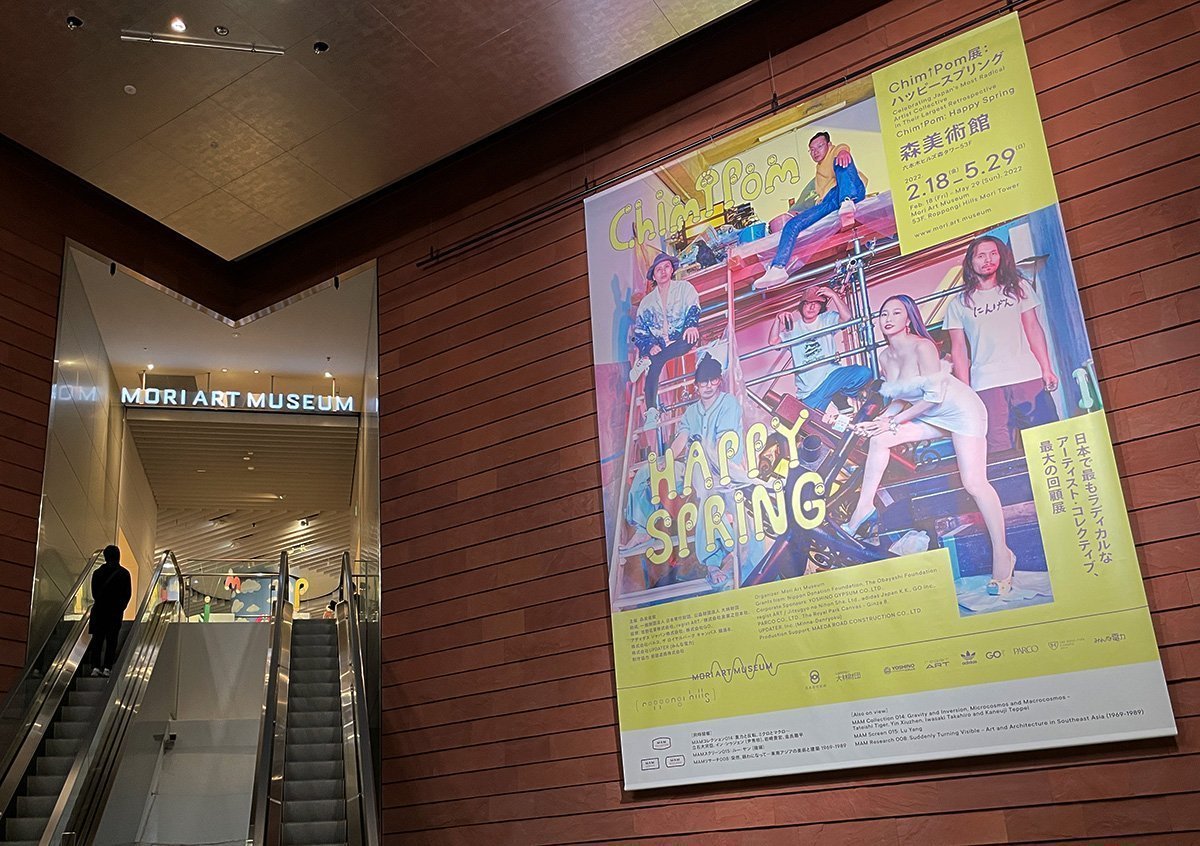
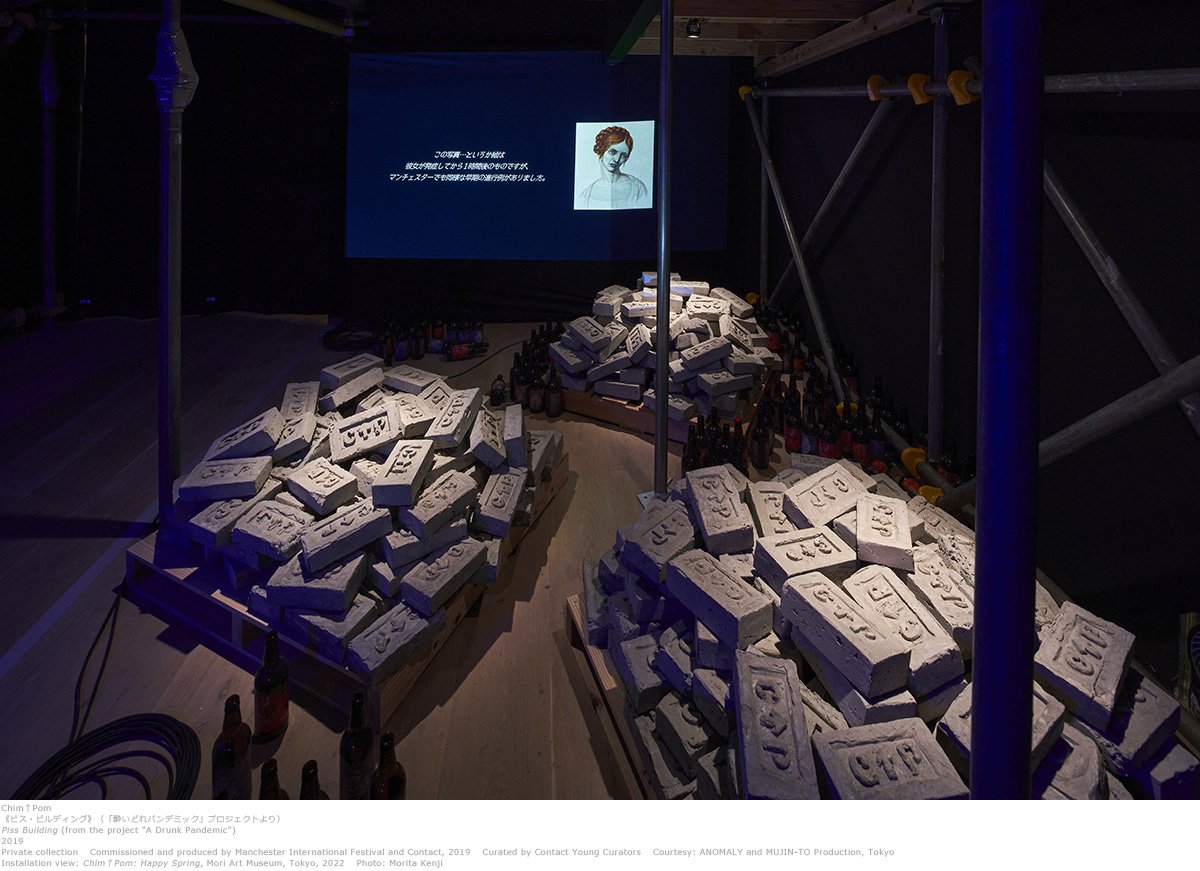
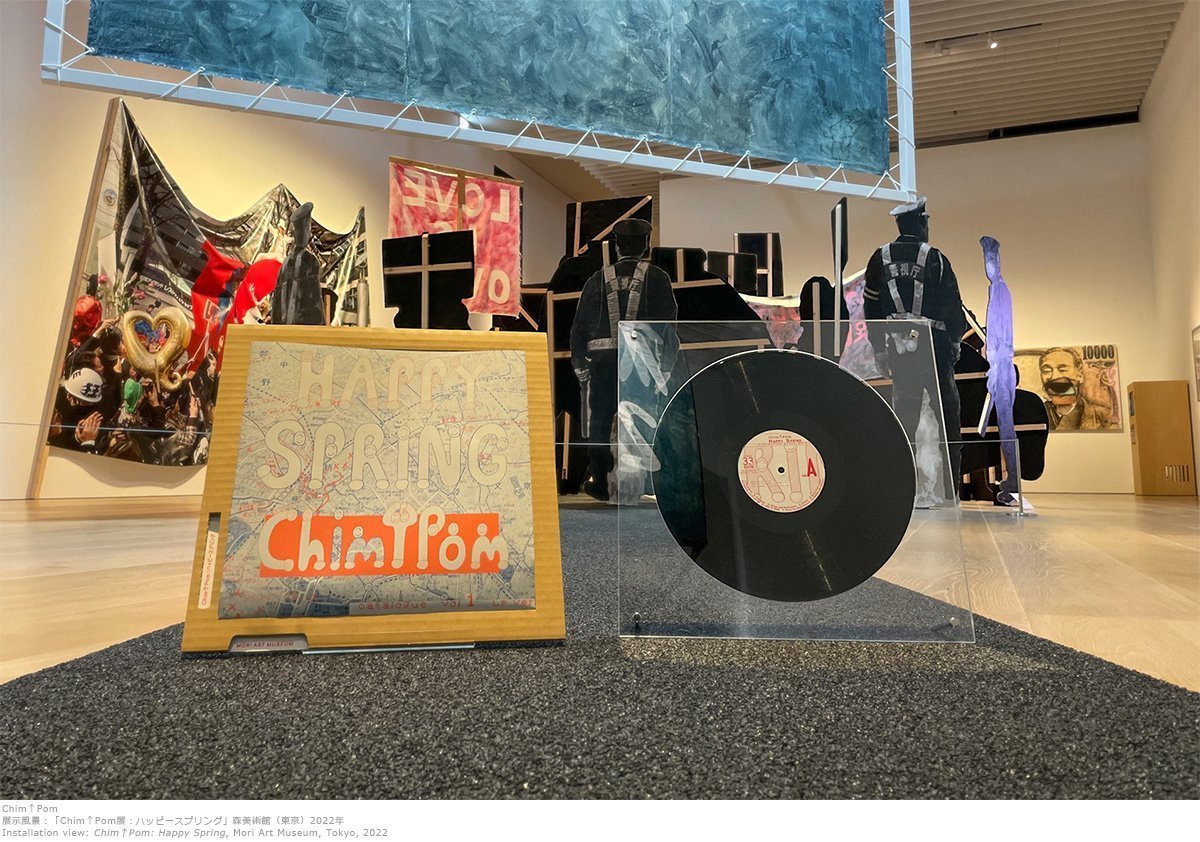
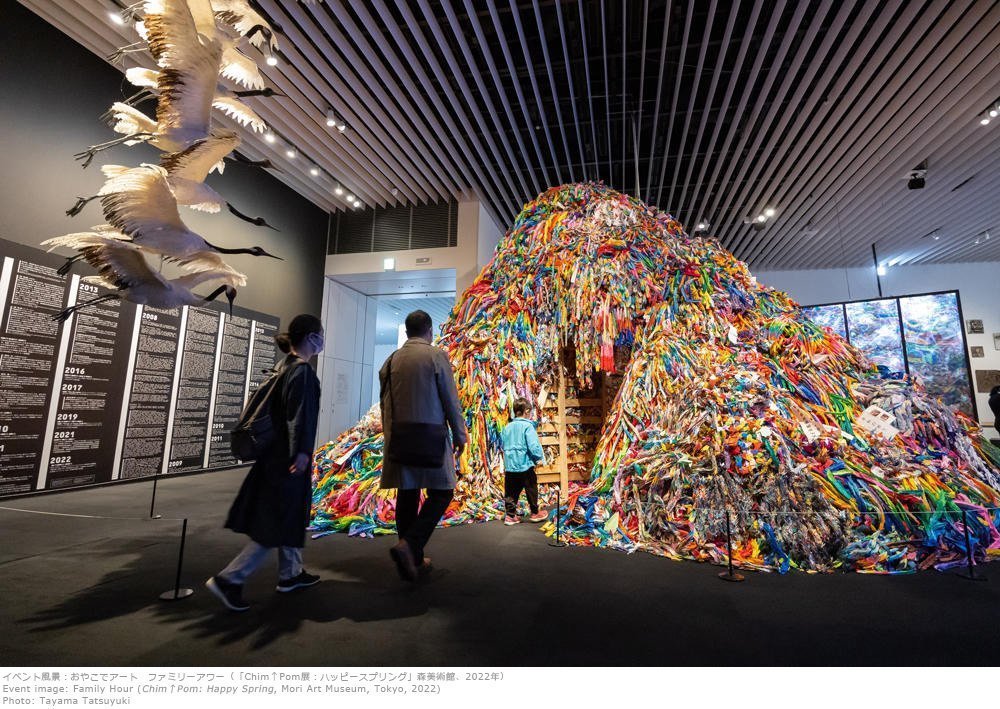

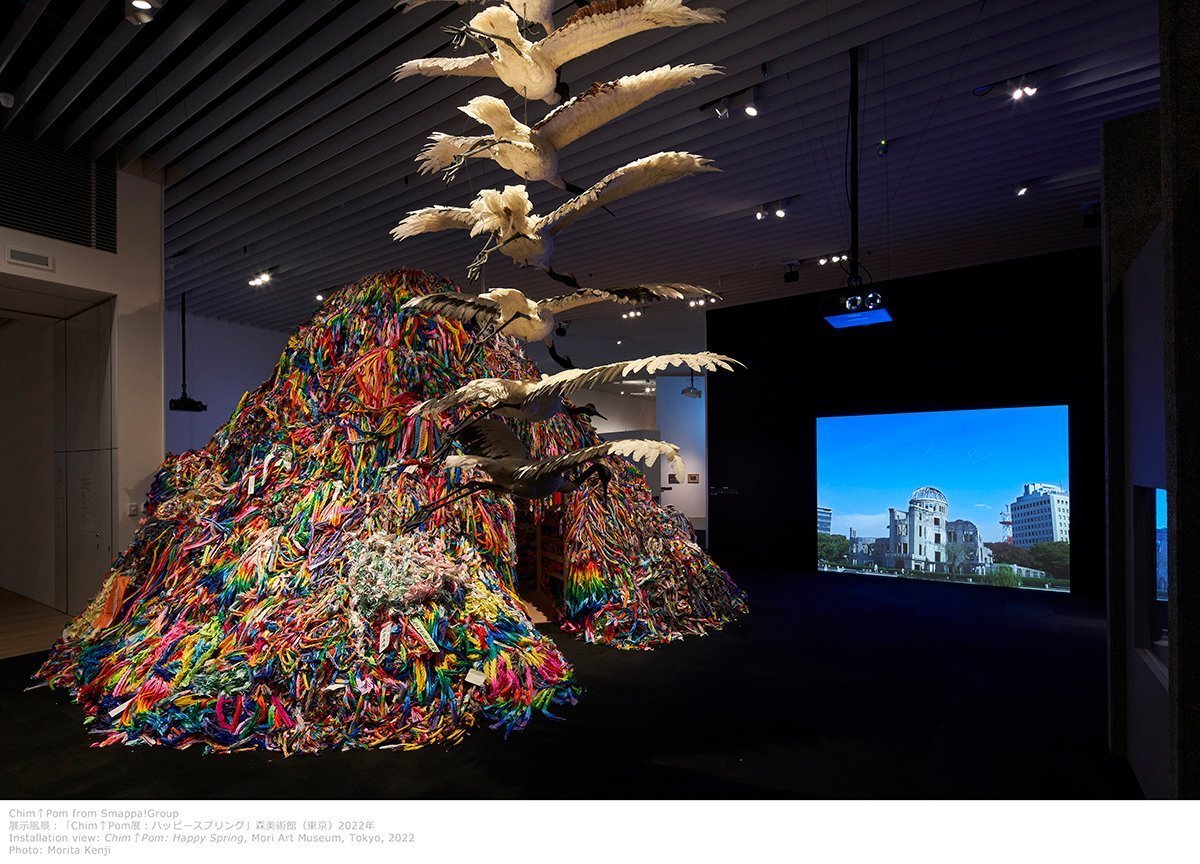
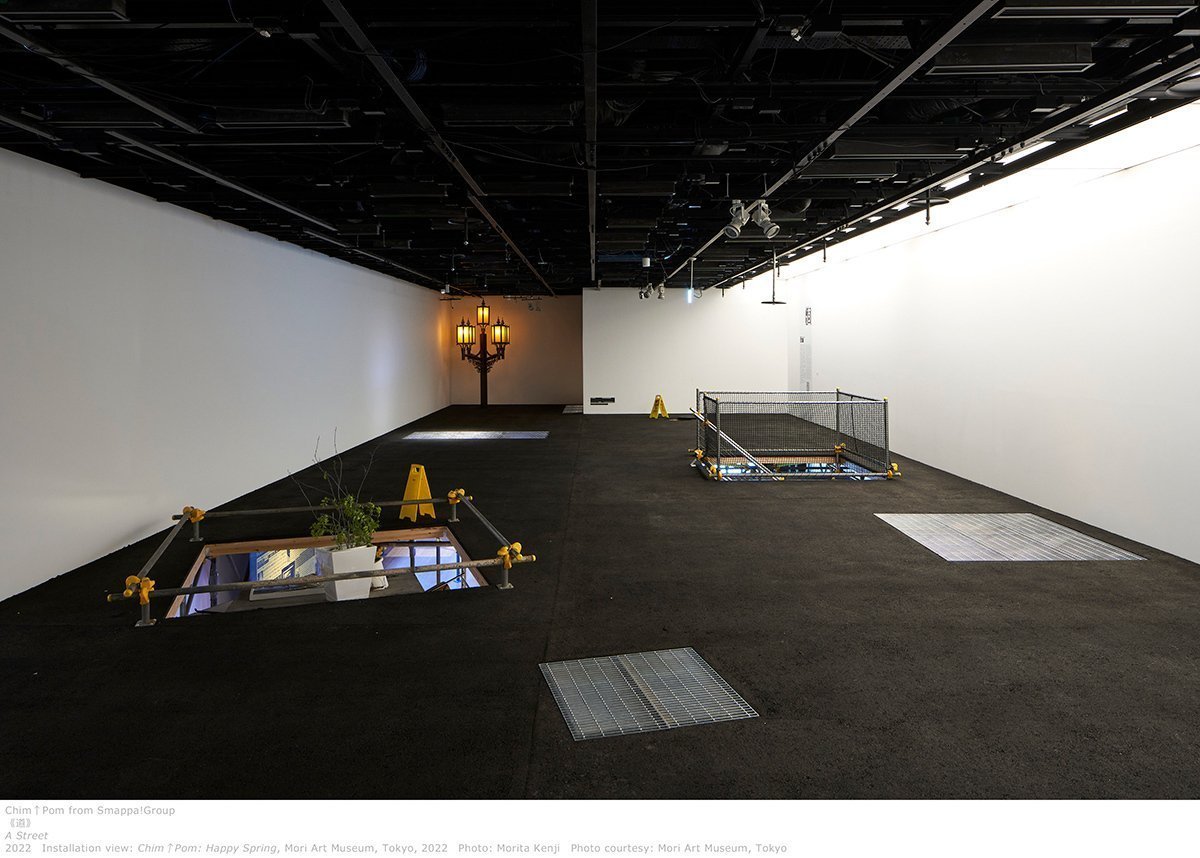
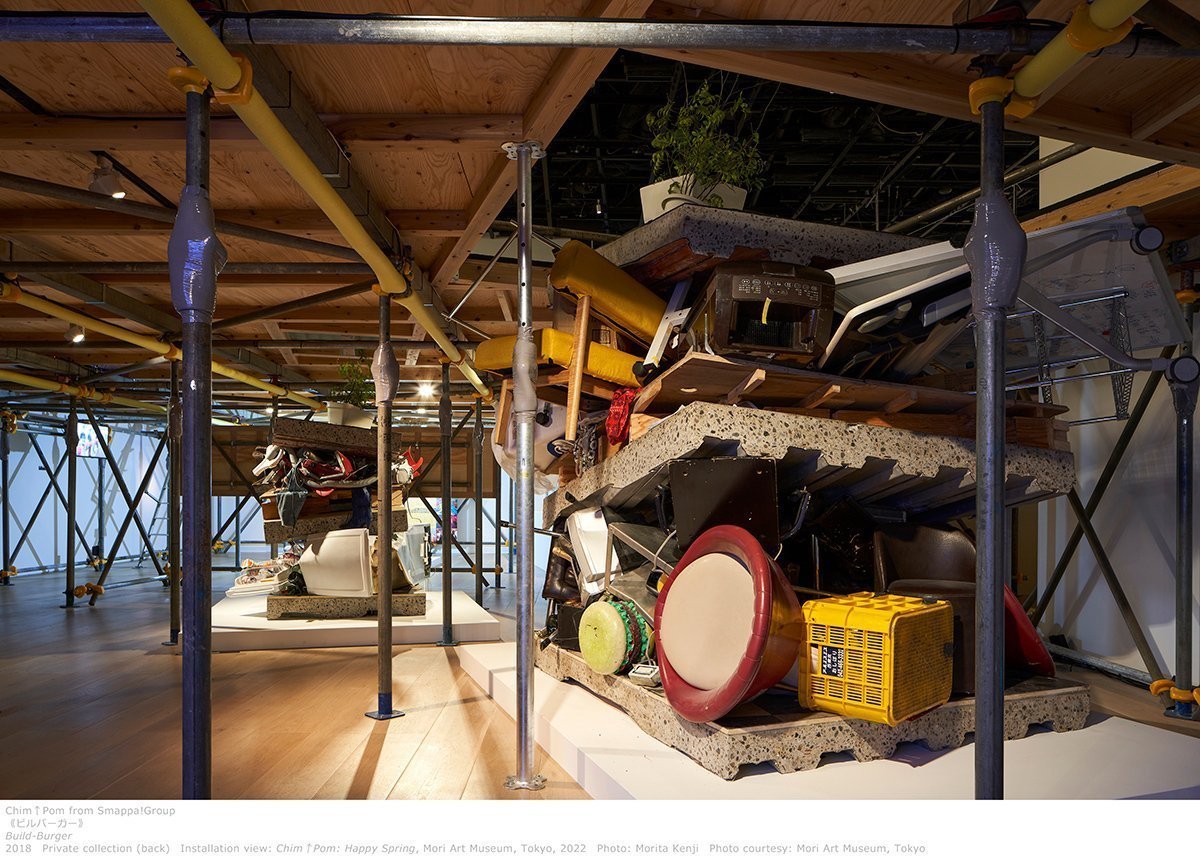

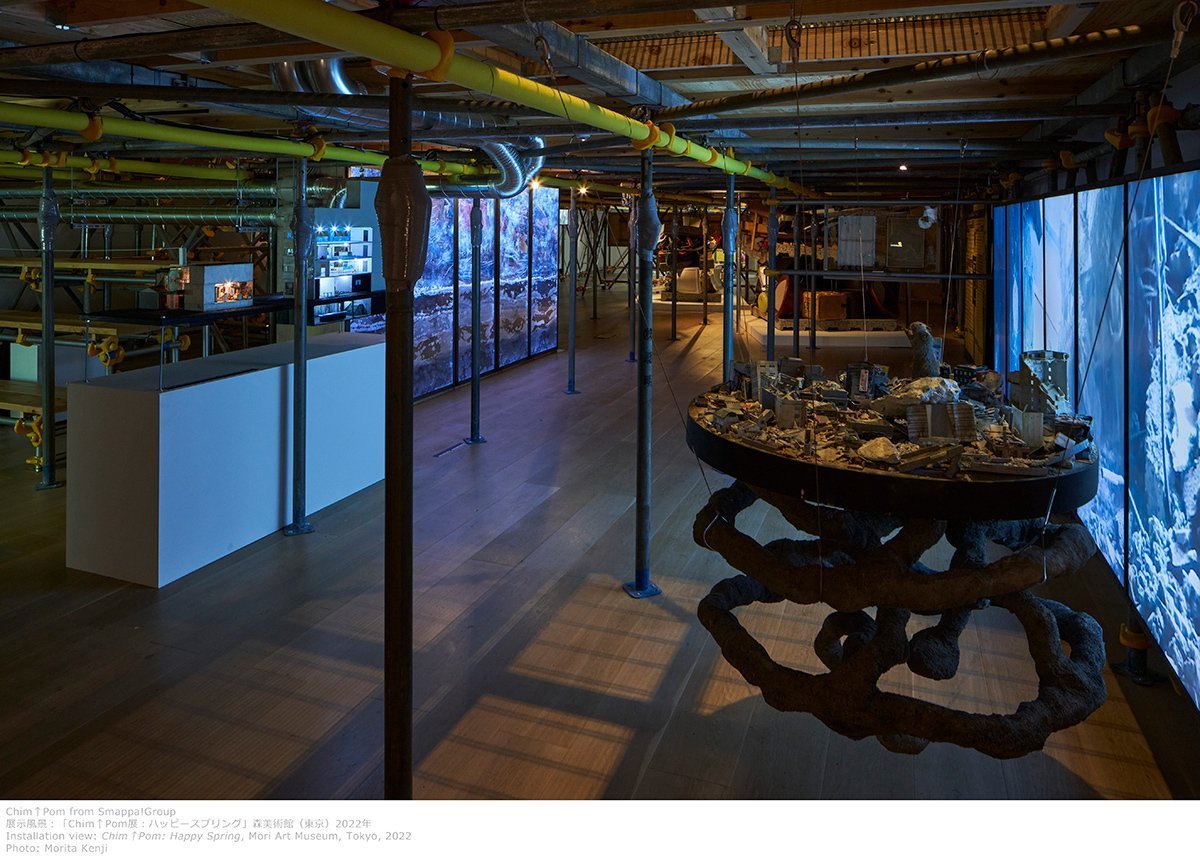

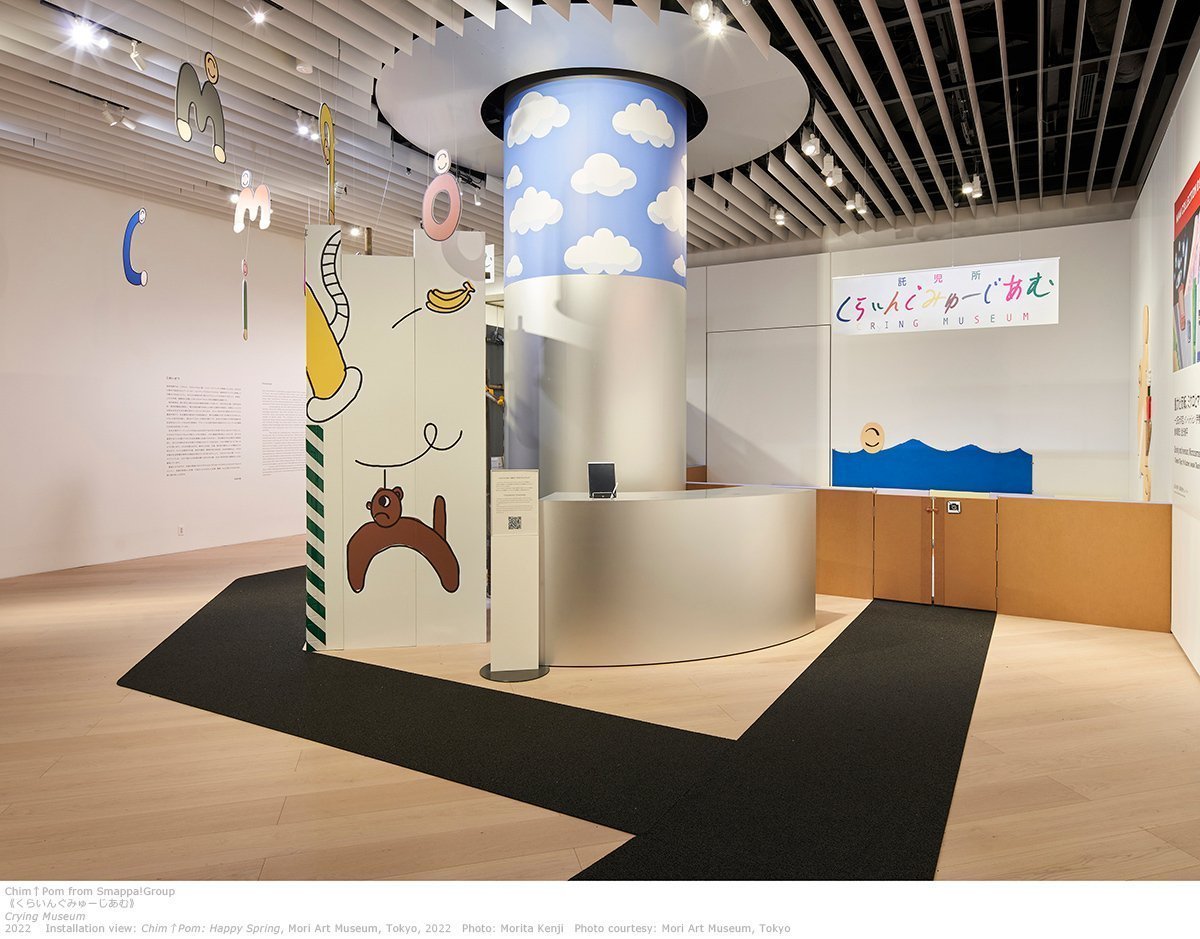


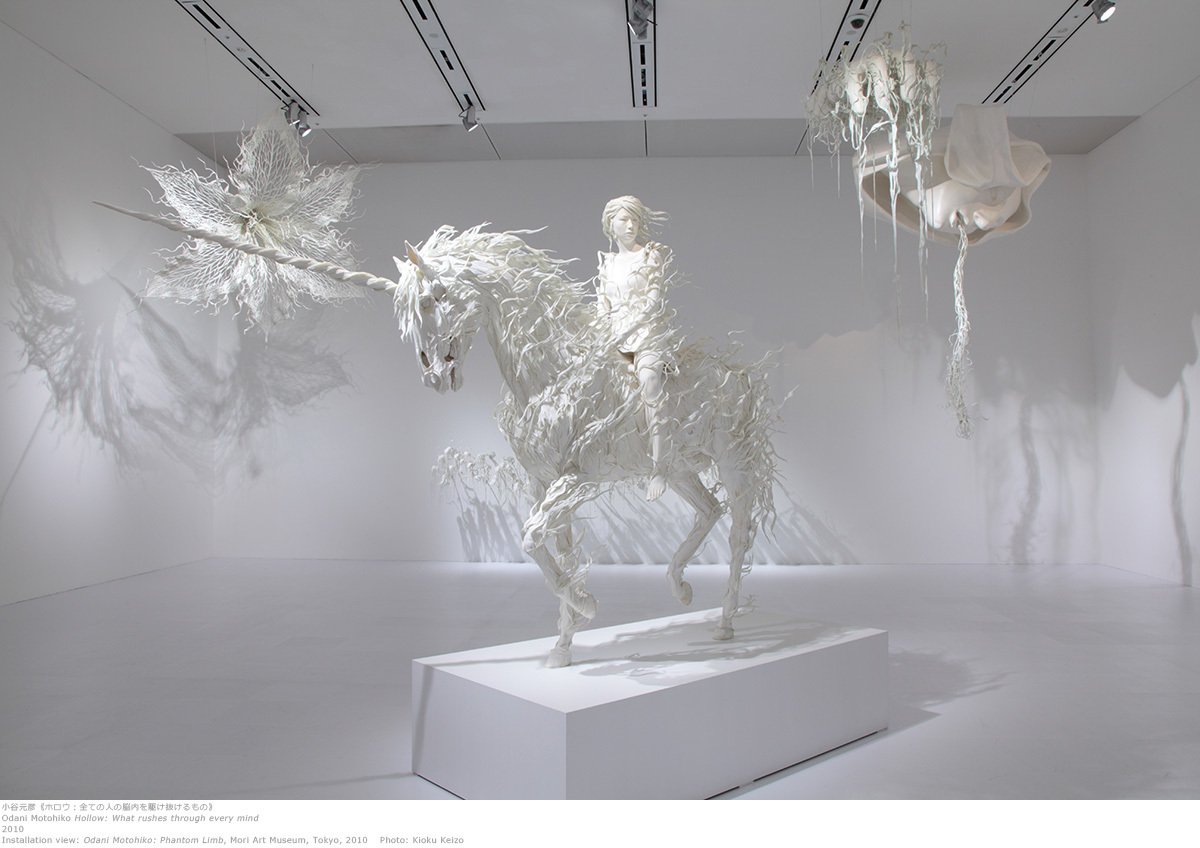


The Mori Art Museum is a contemporary art museum located on the 53rd floor of the Mori Tower in the Roppongi Hills complex in Tokyo, Japan. The museum was opened on October 25, 2003, and is a major cultural institution in Japan, showcasing contemporary art from around the world. The museum is named after its founder, Minoru Mori, who was a prominent Japanese real estate developer.
The Mori Art Museum is known for its cutting-edge exhibitions and its commitment to showcasing the most innovative and exciting contemporary art from around the world. The museum’s permanent collection includes over 400 works of art, including painting, sculpture, installation, video, and photography.
One of the most unique aspects of the Mori Art Museum is its location. The museum is situated on the top floor of the Mori Tower, which is one of the tallest buildings in Tokyo. Visitors to the museum can enjoy breathtaking views of the city from the observation deck on the 52nd floor before entering the museum on the 53rd floor.
The museum is designed to showcase art in a way that is both engaging and accessible to visitors of all ages and backgrounds. The space is divided into several galleries, each with its own distinct character and atmosphere. The galleries are designed to encourage visitors to explore and interact with the art on display.
The Mori Art Museum is also known for its commitment to showcasing the work of emerging artists. The museum regularly hosts exhibitions of up-and-coming artists from Japan and around the world, providing a platform for these artists to showcase their work to a wider audience.
In addition to its exhibitions, the Mori Art Museum also hosts a range of educational programs and events for visitors of all ages. These programs include lectures, workshops, and guided tours, as well as special events and performances.
One of the most popular exhibitions held at the Mori Art Museum was “Ai Weiwei: According to What?”. This exhibition showcased the work of Chinese artist and activist Ai Weiwei, and was the artist’s first major retrospective in Asia. The exhibition included a range of Ai’s work, from his early photography to his more recent installations and sculptures. The exhibition attracted large crowds and was praised for its thoughtful curation and its exploration of Ai’s complex and challenging work.
Another notable exhibition held at the Mori Art Museum was “Lee Bul: From Me, Belongs to You Only”. This exhibition showcased the work of Korean artist Lee Bul, and was the artist’s first major retrospective in Japan. The exhibition included a range of Lee’s work, from her early performances to her more recent sculptures and installations. The exhibition was praised for its exploration of Lee’s unique and powerful vision, and for its use of the museum space to create a fully immersive and engaging experience for visitors.
Overall, the Mori Art Museum is an essential destination for anyone interested in contemporary art and culture. With its innovative exhibitions, commitment to emerging artists, and engaging educational programs, the museum is a dynamic and exciting cultural institution that is helping to shape the future of contemporary art in Japan and around the world.
In addition to its exhibitions, the Mori Art Museum is also known for its innovative use of technology to enhance the visitor experience. The museum has implemented a range of digital tools and interactive displays to allow visitors to engage with the art in new and exciting ways. For example, visitors can use touchscreens and interactive displays to learn more about the art on display, and to explore the artist’s process and inspiration.
The museum has also launched a range of mobile apps and online resources to allow visitors to engage with the art before, during, and after their visit. These resources include virtual tours, audio guides, and interactive maps, as well as online forums and social media platforms where visitors can share their thoughts and experiences with others.
One of the most unique aspects of the Mori Art Museum is its commitment to showcasing the work of artists from Asia and the Pacific region. The museum has established itself as a leading institution for contemporary Asian art, and has played a key role in promoting the work of artists from countries such as China, Korea, and India.
The museum has also developed a range of partnerships and collaborations with other cultural institutions around the world, including museums, galleries, and arts organizations. These partnerships have allowed the museum to bring a diverse range of contemporary art to Tokyo, and to connect with artists and audiences from around the world.
The Mori Art Museum is also committed to sustainability and environmental responsibility. The museum has implemented a range of green initiatives to reduce its environmental impact, including energy-efficient lighting, water conservation measures, and waste reduction programs. The museum has also established a sustainability committee to oversee its environmental efforts and to promote awareness of sustainability among staff and visitors.
In conclusion, the Mori Art Museum is a dynamic and innovative cultural institution that is playing a leading role in promoting contemporary art and culture in Japan and around the world. With its cutting-edge exhibitions, commitment to emerging artists, and engaging educational programs, the museum is a must-visit destination for anyone interested in contemporary art and culture. The museum’s use of technology and its focus on sustainability make it a forward-thinking institution that is helping to shape the future of contemporary art and culture.
Maps
Contact
Opening Hours
Video
FAQ's
When do the facilities close?
lease see “Visit Us” section for the latest information. https://art-view.roppongihills.com/en/info/index.html The Mori Art Museum is open every day during exhibitions, and closed to the public when there are no exhibitions. Tokyo City View is open every day throughout the year, however may be partially closed, or entry to certain areas restricted, due to exhibitions and events and/or their preparation. The Mori Arts Center Gallery opening days/hours depend on exhibitions and closed to the public when there are no exhibitions. Facilities may be closed to the public during special events
Are the facilities open during the Golden Week and New Year holidays?
Yes. All facilities are open unless special events closed to the public are scheduled.
Are the facilities crowded? Do I have to wait in line?
It is encouraged to make advance booking for a designated date/time slot and purchase the admission ticket on the dedicated booking website to avoid “Three Cs.” See here for details. Alternatively, you may call the number below and the staff will inform you of the waiting time. Tokyo City View: +81-(0)3-6406-6652 (10:00-20:00 daily)
How much is the admission fee?
Please see under “Admission & Tix” on the “Visit Us” page for the pricing. Mori Art Museum and Tokyo City View ticket prices vary depending on whether the ticket is for a weekday or a weekend/holiday, and whether it is purchased online or on-site on the day of your visit. If purchased online, a discounted online rate will apply. Various discounts will however NOT be applied to tickets purchased online. Depending on the exhibition, admissions to the Mori Arts Center Gallery would vary. Please see “Admission & Tix” on the “Visit Us” for details
Where can I buy tickets?
Tickets can be purchased on the ticket vending machines or at the counter of “Museum & Observatory Tickets / Information” on the 3rd floor of Roppongi Hills Mori Tower on the day of your visit. Also tickets are sold online, on the dedicated booking website. However, the method of buying tickets may differ according to the exhibition and/or event. Please see the “Admission & Tix” section for the latest information.
Can I make a reservation or purchase tickets in advance?
Advance bookings can be made on the booking websites. However, the methods of ticket purchase may differ depending on the exhibition and/or event. Please see the “Admission & Tix” section for the latest information.
Are there e-tickets? Where and how can I buy one?
E-tickets can be purchased on the dedicated booking website called “Museum & Observatory Tickets | Membership Website.” To use the website, you must register for an ID. Click here to see the website. For details, refer to the “Guidance & FAQ.”
Are there discounts for the disabled?
The disabled along with one accompanied companion/caregiver will be entitled to free admission to Mori Art Museum and Tokyo City View Indoor Observation Deck upon presenting a Disabled Person’s Handbook or equivalent form of government-issued identification. See notes under “Admission & Tix” section on the “Visit Us” page. https://art-view.roppongihills.com/en/info/#tickets Free admission/discounts may not be applied depending upon some special events or exhibitions going on. Discounts from admission into the Mori Arts Center Gallery all differ depending on exhibitions. Refer to the notes under “Admission & Tix” section on the “Visit Us” page. Discounts do not apply to the rooftop Sky Deck admission. Discounts for the disabled cannot be combined with other discounts. For details, please inquire at the ticket counter.
Is there a passport that allows unlimited access to the facilities?
All sales and renewal services of the Annual Passport were terminated as of December 31, 2020. Launch of a new service to succeed the “Annual Passport” has currently been in planning. Updates will be provided on the website once details are worked out.
Can I use credit cards / e-money?
redit cards can be used for purchases on the ticket vending machines and at “Museum & Observatory Tickets / Information” (3F, Roppongi Hills Mori Tower), Museum Shops, and Museum Cafe & Restaurant. E-money can also be used at the ticket counter and Museum Shop (exclude some of the special shops) as well. Only credit cards however are accepted on the dedicated booking website.
I have a complimentary admission/discount ticket. How could I make my advance booking for a designated date/time slot?
Bookings can be made on the dedicated booking website, specifically from the “Booking Visit” calendar. Bring your e-ticket(s) to the “Museum & Observatory Tickets / Information” (3F, Roppongi Hills Mori Tower) on the day of your visit. See here for more information about online booking.
Can we make a group reservation?
Please see the “Visit Us” section. https://art-view.roppongihills.com/en/info/#group Yes. The Mori Art Museum and Tokyo City View accept reservations for groups of 15 or more from three months in advance until 20:00 on the day before the stated arrival date. Please download the group reservation application, and fax/email the completed form. For Mori Arts Center Gallery group reservations, please call the Tokyo City View Reservation Desk (+81-(0)3-6406-6771). Please contact the Reservation Desk when arriving in school classes.
Are there any group admission discounts?
A group admission rate applies to a parties of 15 or more persons only when the booking is made in advance. See the “Visit Us” section for details.
Is there a parking area for buses?
No, there is no parking area for buses inside Roppongi Hills.
Are there parking areas for cars and bicycles?
Please use the parking areas at Roppongi Hills. http://www.roppongihills.com/access/car.html
Are there any discounts on parking?
Please see the Roppongi Hills website. http://www.roppongihills.com/access/parking/fee.html
Who should I contact about lost property?
Please call the lost-and-found center in Roppongi Hills. Tel: +81-(0)3-6406-6697 (24/7, in Japanese-language only)
Are there wheelchairs available on loan?
Yes. Please note that the number of the wheelchairs is limited. Also available at the Roppongi Hills Information Counter.
Am I allowed to bring my pet?
We ask that you refrain from bringing pets into the Roppongi Hills Mori Tower. (Guide dogs, hearing assistance dogs, and other service dogs are exempt and welcome.)
It feels cold in the galleries. Can anything be done?
The environment differs in each exhibition. Temperature and relative humidity are controlled in all galleries for the conservation of artworks. We suggest bringing a jacket or similar upon your visit in case you feel cold in the galleries.
Is foreign-language information on the artworks available?
All material - including pamphlets, brochures, signage, and publications - concerning the Mori Art Museum is available in both Japanese and English. This includes the Audio Guide provided for exhibitions. Japanese-English simultaneous interpretation is available at most of the learning programs such as lectures and symposia.
Is the Mori Art Museum’s permanent collection available for viewing?
The Collection is not on permanent display, however since 2015 we have been running a MAM Collection (exhibition program) series featuring particular works from the Collection in the context of various themes. The MAM Collection program series usually runs concurrently with another main exhibition, so just like other exhibitions, the series runs only for a particular (temporary) length of time. https://www.mori.art.museum/en/exhibitions/
Does the Mori Art Museum have its own collection?
The Mori Art Museum has been building its own collection - of contemporary artworks primarily from Japan and the Asia-Pacific region since the summer of 2005. Please see “Collection” page for details.
May I take photos?
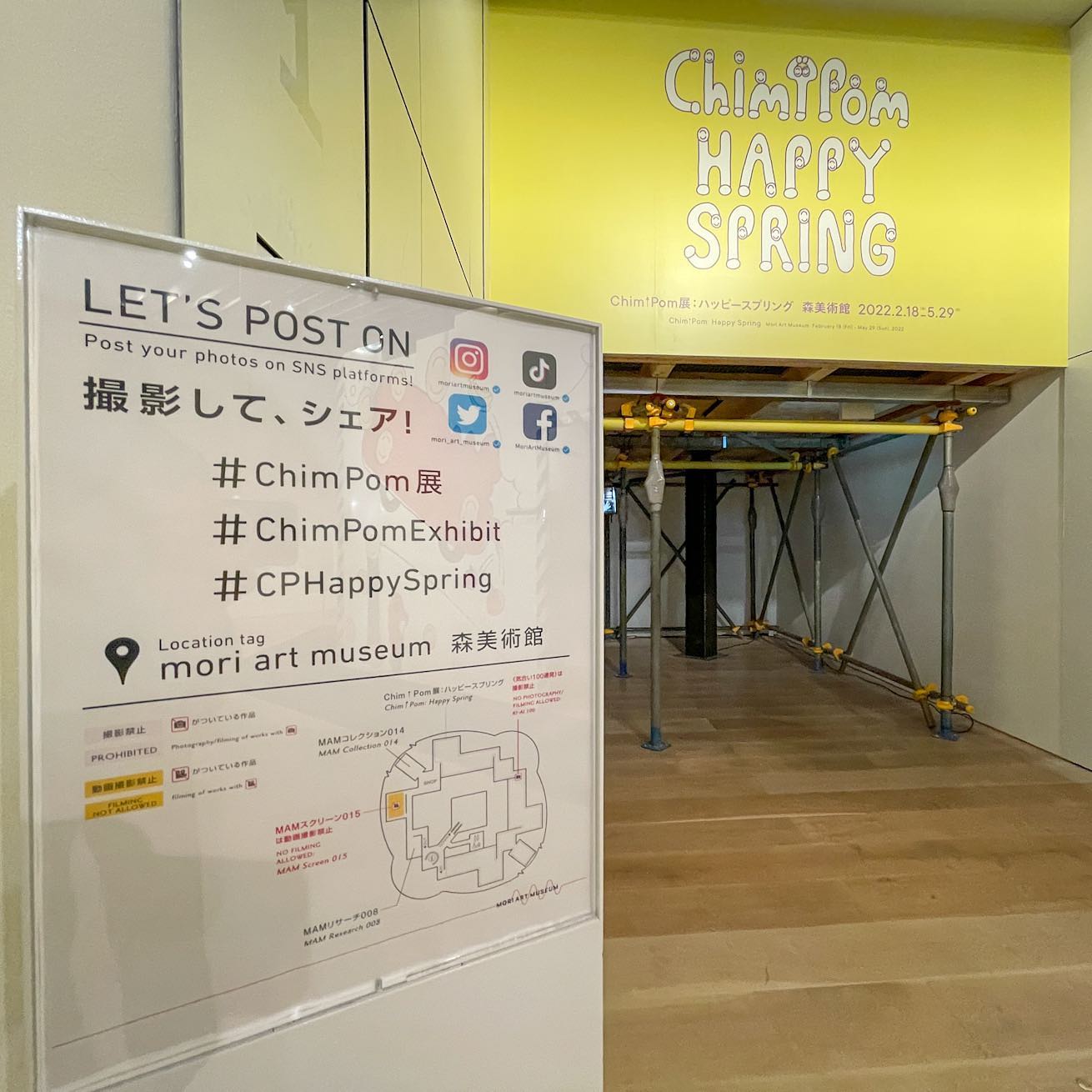
Photography is not usually permitted in the galleries, however photo spots may be available at some exhibitions. Please check for announcements on the Museum website / sign panels at the gallery entrance.