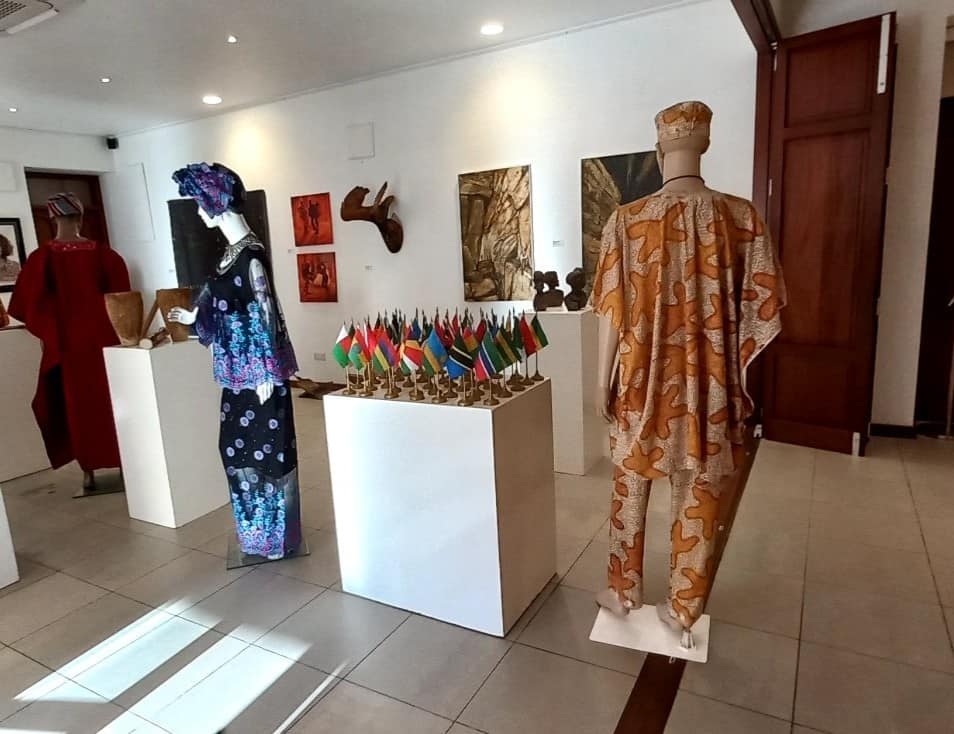


National Museum of History Seychelles
The National Museum of History in Seychelles is a fascinating destination for anyone interested in learning about the history, culture, and natural environment of this beautiful archipelago in the Indian Ocean. Located in the capital city of Victoria on the island of Mahé, the museum is housed in a colonial-era building that dates back to the early 1900s. With exhibits covering everything from early human settlements to the modern era, the National Museum of History provides a comprehensive look at Seychelles’ past and present.
History of the National Museum of History
The National Museum of History was established in 1964 and was initially located in a small building in Victoria. The museum’s collection grew rapidly over the years, and in 1989, it was moved to its current location in the former Supreme Court building, which had been built in 1903.
The building itself is a fascinating piece of history, with its distinctive architecture reflecting the colonial era in which it was constructed. The building’s exterior features a grand entrance with a set of steps leading up to the main doors, while the interior is characterized by its high ceilings, ornate columns, and marble floors.
Exhibits at the National Museum of History
The National Museum of History is divided into several sections, each covering a different aspect of Seychelles’ history and culture. The museum’s exhibits are displayed across two floors, with the lower level devoted to natural history and the upper level covering human history.
Natural History Exhibits
The natural history exhibits at the National Museum of History cover a wide range of topics, from geology and climate to plant and animal life. Visitors can learn about the formation of the Seychelles islands and the unique geological features that make them so distinctive, such as the granite boulders that dot the landscape.
The museum’s exhibits also explore the diversity of plant and animal life in Seychelles, from the giant tortoises that once roamed the islands to the rare and endangered species that are now protected. Visitors can see displays of shells, corals, and other marine life, as well as exhibits featuring the islands’ many bird species.
Human History Exhibits
The human history exhibits at the National Museum of History provide a comprehensive look at Seychelles’ past, from its earliest settlements to the present day. The exhibits cover a wide range of topics, including the island’s colonial history, its role in the slave trade, and its struggle for independence.
One of the museum’s most fascinating exhibits covers the ancient Aldabra giant tortoise, which is endemic to the Aldabra Atoll in Seychelles. Visitors can learn about the tortoise’s incredible lifespan and the efforts being made to protect this iconic species.
Another exhibit covers the Seychelles’ role in the spice trade, which was a major source of wealth for the islands in the 18th and 19th centuries. Visitors can see displays of spices such as cinnamon, nutmeg, and vanilla, as well as learn about the methods used to cultivate and harvest these valuable crops.
Other exhibits at the National Museum of History explore the island’s political history, including its struggle for independence from British colonial rule. Visitors can learn about the leaders who helped to shape modern Seychelles, as well as the challenges faced by the island’s people in the years following independence.
Visiting the National Museum of History
The National Museum of History is open to visitors from Monday to Friday, with reduced hours on Saturdays. Admission is free, although donations are welcome to help support the museum’s ongoing work.
Guided tours are available for visitors who want to learn more about the exhibits and the history of Seychelles. The tours are conducted by knowledgeable and enthusiastic guides who are happy to answer questions and provide insights into the island’s fascinating past.