




Ontario Place
Ontario Place is a unique landmark located in Toronto, Canada, that has been an important part of the city’s cultural landscape for over four decades. It was originally built in 1971 as a futuristic amusement park and entertainment complex and has since evolved into a diverse venue for festivals, concerts, exhibitions, and events. Ontario Place is located on a man-made island in Lake Ontario and is easily accessible from the mainland via pedestrian bridges or ferries. In this essay, I will explore the history, attractions, and cultural significance of Ontario Place.
History of Ontario Place
Ontario Place was designed by architect Eb Zeidler and opened its doors to the public in May 1971. It was built as a part of a larger initiative by the government of Ontario to revitalize the city’s waterfront and provide a recreational destination for visitors. The original vision for Ontario Place was to create a futuristic amusement park with rides, games, and other attractions. The complex was divided into three main areas: the Forum, the Cinesphere, and the Islands.
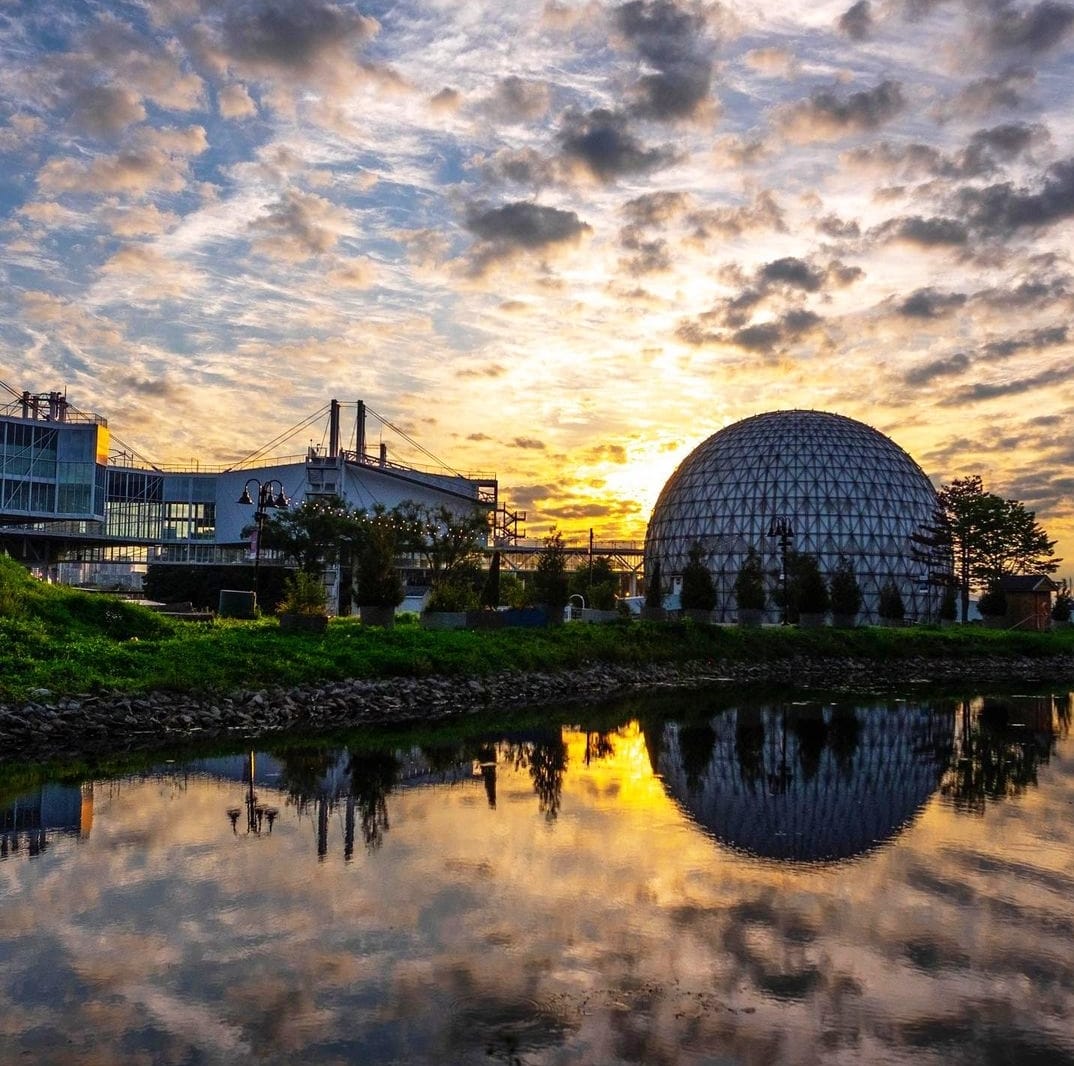
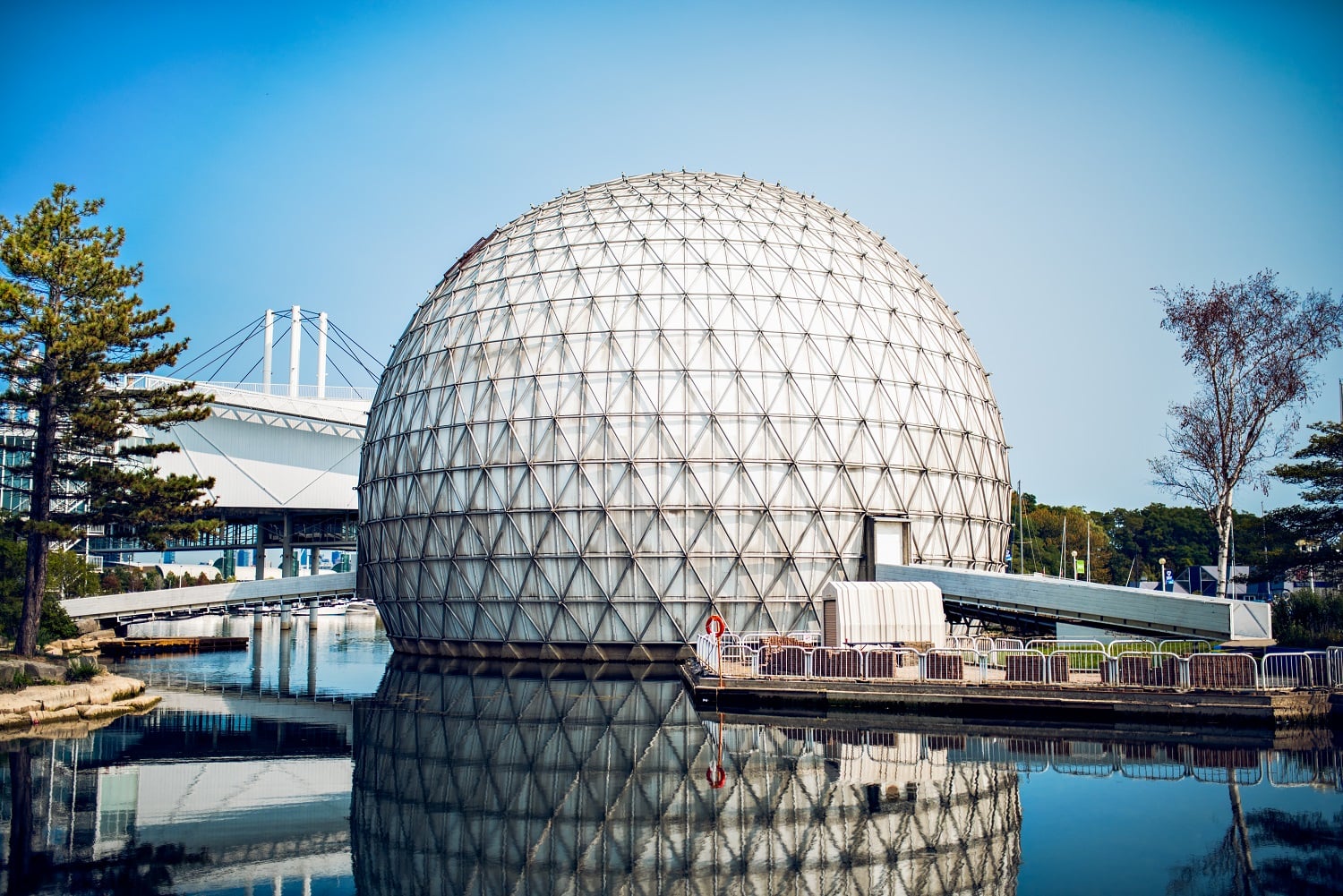
The Forum was the central area of Ontario Place and featured a large, open-air stage for concerts and other performances. The Cinesphere was a revolutionary IMAX theater that showed films on a giant curved screen, offering a unique movie experience. The Islands were a series of man-made islands connected by bridges and pathways, which housed various rides and attractions.
Over the years, Ontario Place underwent several changes and upgrades. In 1992, a new area called the Wilderness Adventure Ride was added, featuring a simulated white-water rafting experience. In 1997, a water park called the Soak City was added, featuring water slides, pools, and other water attractions. However, due to declining attendance and financial issues, Ontario Place was closed in 2012 for renovations.
In 2017, Ontario Place reopened with a new vision and a redesigned space that focused on public programming, festivals, and events. The new Ontario Place features a cultural hub, recreational amenities, and an open-air venue for concerts and other performances. It also incorporates sustainable design principles, including green roofs, rainwater harvesting, and solar panels.
Attractions at Ontario Place
Ontario Place offers a range of attractions and activities for visitors of all ages. The Cinesphere is a must-visit attraction, offering a unique movie experience on its giant curved screen. It is the world’s first permanent IMAX theater and still attracts moviegoers from all over the world. The theater has recently been upgraded with new sound and projection systems to enhance the viewing experience.
The new Ontario Place features several recreational amenities, including a marina, a boardwalk, and a walking trail. The marina offers boat rentals and sailing lessons, while the boardwalk is a popular spot for strolling and enjoying the lakefront views. The walking trail is a scenic route that winds through the park and offers access to various attractions and amenities.
The Trillium Park and William G. Davis Trail are two of the newest additions to Ontario Place. The Trillium Park is a waterfront park that offers panoramic views of the city skyline and the lake. It features a boardwalk, a beach, a fire pit, and a pavilion. The William G. Davis Trail is a 1.3-kilometer trail that winds through the park and offers access to the Trillium Park and various attractions.
Ontario Place also hosts several festivals and events throughout the year, including the Toronto International Film Festival, the Canadian National Exhibition, and the Electric Island music festival. These events attract thousands of visitors each year and contribute to the cultural significance of Ontario Place.
Cultural Significance of Ontario Place
Ontario Place has played a significant role in Toronto’s cultural landscape since its inception in 1971. It has been a popular destination for locals and tourists alike, offering a range of cultural experiences and entertainment options. The original design of Ontario Place reflected a vision of the future, with its futuristic architecture, cutting-edge technology, and innovative attractions. It was seen as a symbol of progress and modernity, and it helped to establish Toronto as a cultural hub and a tourist destination.
Over the years, Ontario Place has evolved to reflect changing cultural tastes and trends. The new Ontario Place is focused on public programming and community engagement, with a range of events and activities designed to bring people together and promote cultural exchange. It offers a platform for artists, musicians, and other creative professionals to showcase their work and connect with audiences.
Ontario Place has also played a significant role in the development of the city’s waterfront. The park’s location on a man-made island in Lake Ontario was a deliberate choice, as it helped to reclaim a previously unused and neglected space and turn it into a vibrant cultural hub. Ontario Place has set a precedent for other waterfront development projects in Toronto and has helped to shape the city’s urban landscape.
In addition to its cultural and architectural significance, Ontario Place has also been an important economic driver for the city. It has created jobs, generated revenue, and attracted tourists from around the world. The park’s reopening in 2017 after a period of decline and disuse was seen as a significant milestone in Toronto’s ongoing efforts to revitalize its waterfront and promote economic growth.
Conclusion
Ontario Place is a unique landmark in Toronto that has played a significant role in the city’s cultural and economic development. From its futuristic origins as an amusement park and entertainment complex to its current iteration as a community hub and cultural destination, Ontario Place has continued to evolve and adapt to changing times and tastes. It offers a range of attractions and activities for visitors of all ages, and its location on a man-made island in Lake Ontario provides stunning views of the city skyline and the water. As Toronto continues to grow and evolve, Ontario Place will undoubtedly continue to play an important role in shaping the city’s cultural and urban landscape.
Maps
Contact
Opening Hours
Video
FAQ's
What is happening at Ontario Place?
Come and explore this iconic waterfront location in Toronto. Take in a few deep breaths of lakeside air and it’s easy to forget you’re steps away from the heart of the city. Discover new ways to enjoy Ontario Place and see what's ON!
Is there food and beverage available for purchase?
The Vista Eatery offers a limited menu for take out only. *Please note the Vista Eatery is currently closed for the winter.
What is Trillium Park and William G. Davis Trail?
Trillium Park and William G. Davis Trail is located along the eastern edge of Ontario Place. The park features an open-air pavilion, and lots of rocky areas to climb and see the views of Lake Ontario. The new trail is named in honour of Bill Davis who was Premier when Ontario Place first opened in 1971. Visit our Trillium Park and William G. Davis Trail page for more info.
How do I host a fire in the Trillium Park fire pit?
We have four pit pit locations available for reservation. Please visit our Fire Pit page for more information.
Where can I park?
Ontario Place has several parking lots for public use. Entrances to the parking lots can be accessed from Remembrance Drive and Ontario Place Boulevard. Visit our Parking page for more info.
Can I walk or ride my bike to Ontario Place?
There is a pedestrian and bike path called The Martin Goodman Trail that runs past Ontario Place along Lakeshore Blvd from Etobicoke in the west end to the beaches in the east end. You can also cross Lakeshore from the CNE grounds, which will take you directly to the Ontario Place West entrance. Cyclists must dismount and walk bicycles within the event space and/or pedestrian crossing bridges. Locate a Bike Share(opens in a new tab) location near Ontario Place.