










Sambadrome Marquês de Sapucaí Rio de Janeiro
The Sambadrome Marquês de Sapucaí is a stadium located in Rio de Janeiro, Brazil. The stadium is used for the annual Carnival parade, which is one of the most important cultural events in Brazil.
The Sambadrome was first proposed in the 1930s by Brazilian artist and activist Mario Filho, who envisioned a purpose-built stadium that would serve as the main venue for the Carnival parade. Construction on the stadium began in the 1980s and was completed in 1984. The stadium has a capacity of 72,500 spectators and is considered one of the most important cultural landmarks in Brazil.
Design
The Sambadrome Marquês de Sapucaí was designed by Brazilian architect Oscar Niemeyer. The stadium is located in the heart of Rio de Janeiro and features a long, straight avenue that is lined with spectator stands on either side.
The stadium is divided into several sectors, each of which has its own name and unique features. The most famous sector is Sector 9, also known as the “Grandstand of the Universe,” which is located at the end of the avenue and offers the best view of the parade.
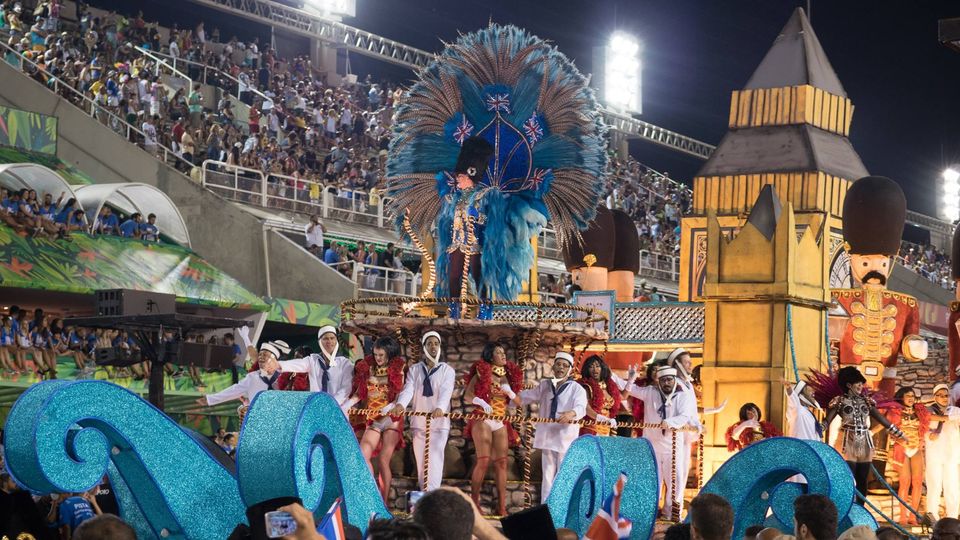
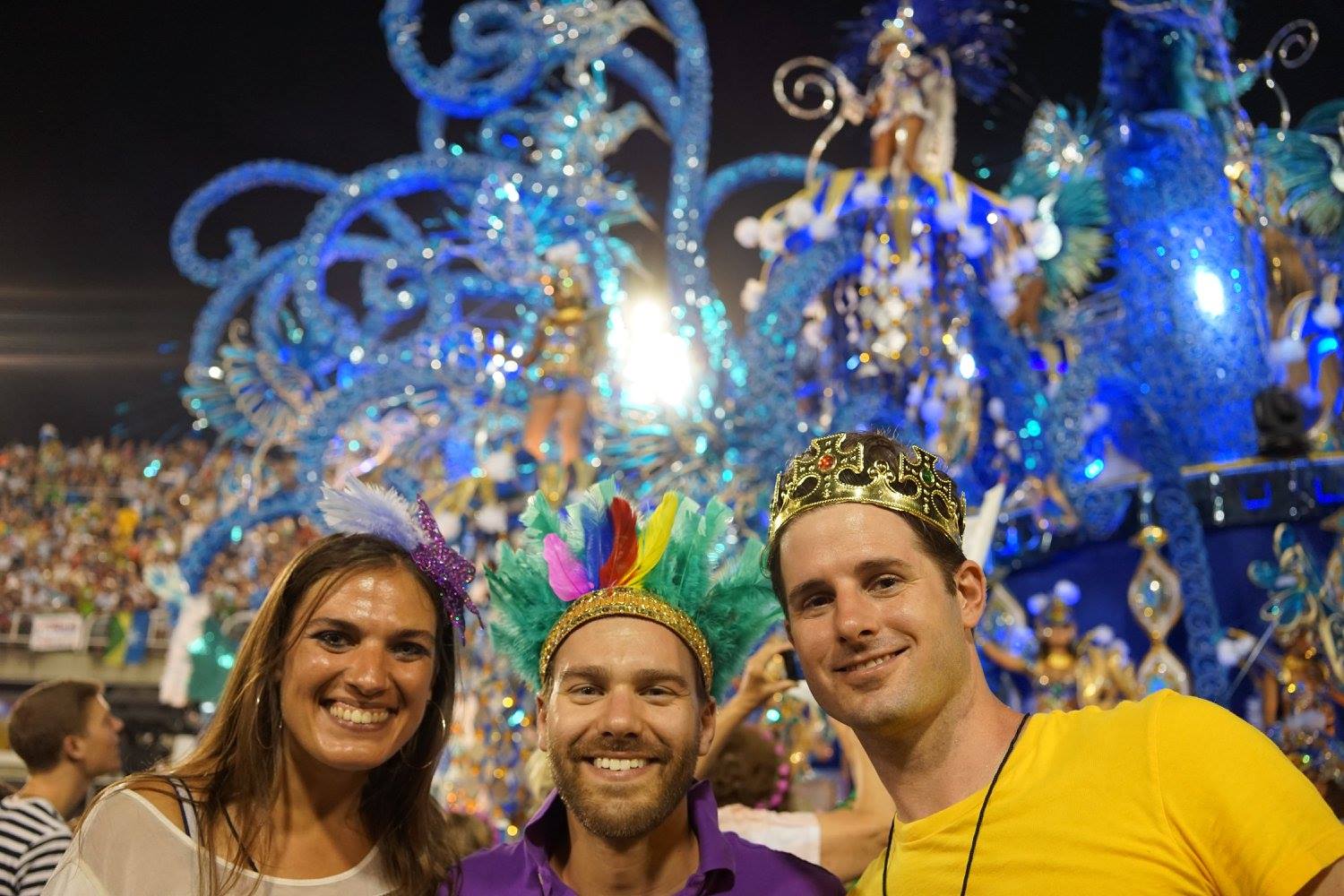
The stadium’s design is intended to create a sense of excitement and anticipation, with the straight avenue leading directly to the grandstand. The spectator stands are decorated in bright colors and patterns, adding to the festive atmosphere of the Carnival parade.
Parade
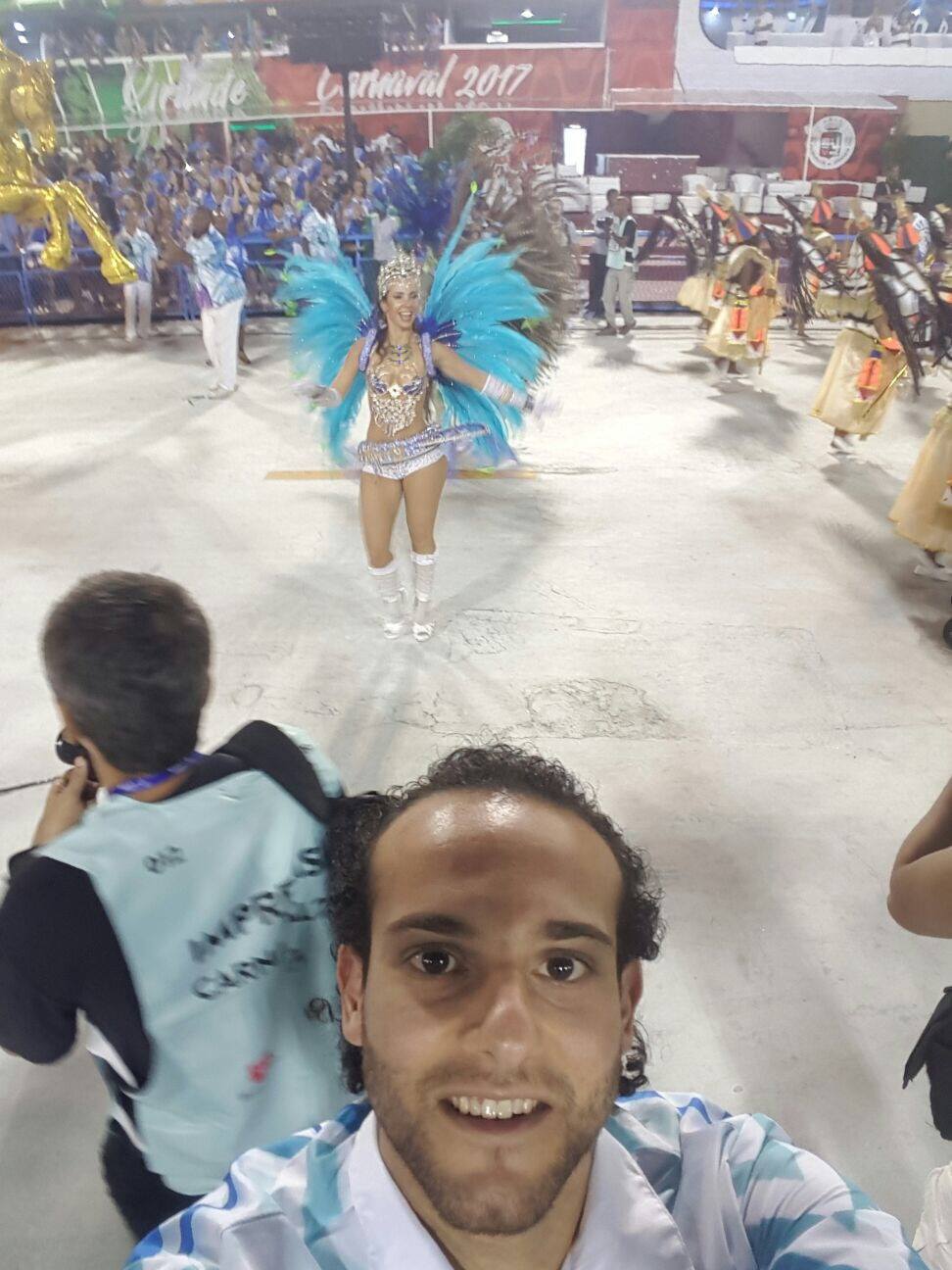
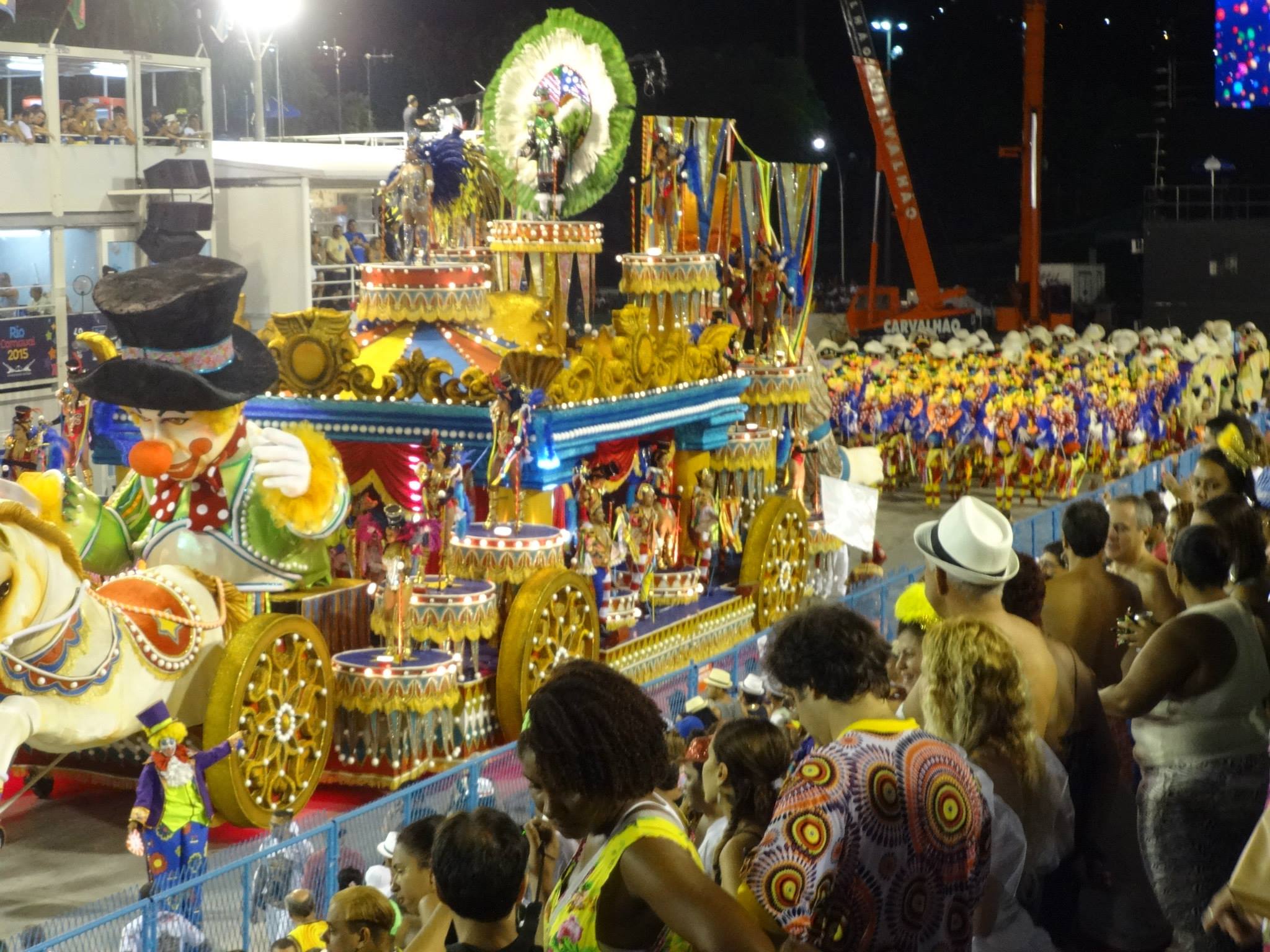
The Carnival parade is the main event held at the Sambadrome Marquês de Sapucaí. The parade is a competition between different samba schools, each of which has its own unique style and theme.
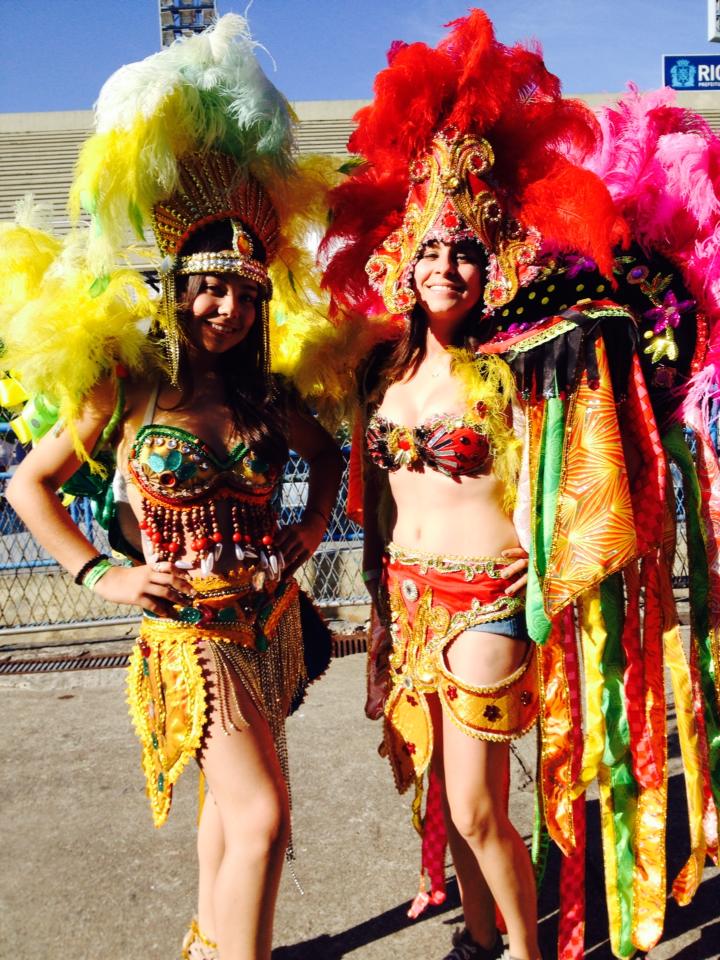
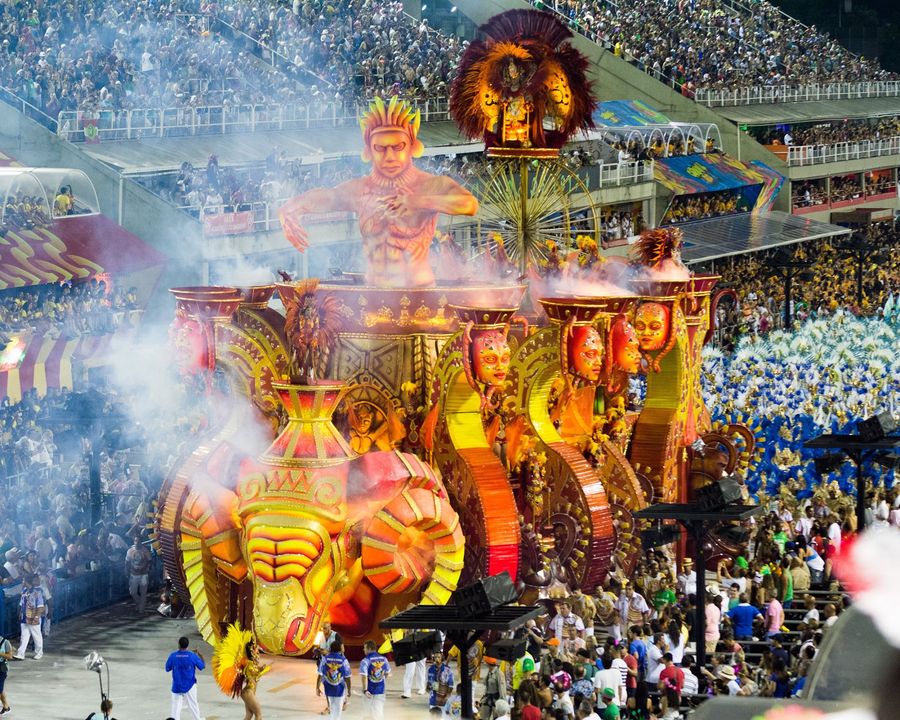
The samba schools spend months preparing for the parade, creating elaborate costumes, floats, and choreography. The parade is a celebration of Brazilian culture, with samba music, dancing, and colorful costumes.
The parade is divided into several different sections, each of which is judged separately. The sections include the percussion section, the samba school’s flag-bearers, and the floats.
Each samba school is judged on several different criteria, including their costumes, music, choreography, and overall theme. The winning samba school is awarded a trophy and is recognized as the champion of the Carnival parade.
Events
In addition to the Carnival parade, the Sambadrome Marquês de Sapucaí also hosts a range of other events throughout the year. The stadium is used for concerts, sporting events, and other cultural activities.
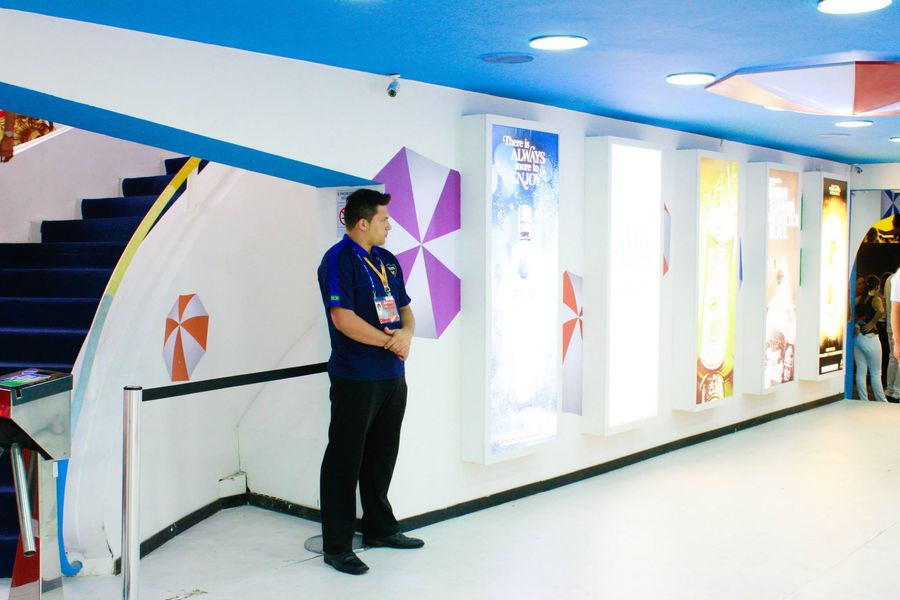
The stadium is also open to visitors year-round, allowing tourists to explore the facility and learn more about the history of the Carnival parade. The stadium has a museum that showcases the history of the parade, as well as a range of souvenir shops and food and beverage outlets.
Conclusion
The Sambadrome Marquês de Sapucaí is an iconic landmark in Rio de Janeiro and an important part of Brazilian culture. The stadium’s design and atmosphere create a sense of excitement and celebration, making it the perfect venue for the Carnival parade.
If you’re planning a trip to Rio de Janeiro, be sure to visit the Sambadrome Marquês de Sapucaí and experience the excitement of the Carnival parade. With its colorful costumes, samba music, and festive atmosphere, the parade is a unique and unforgettable experience that you won’t want to miss.