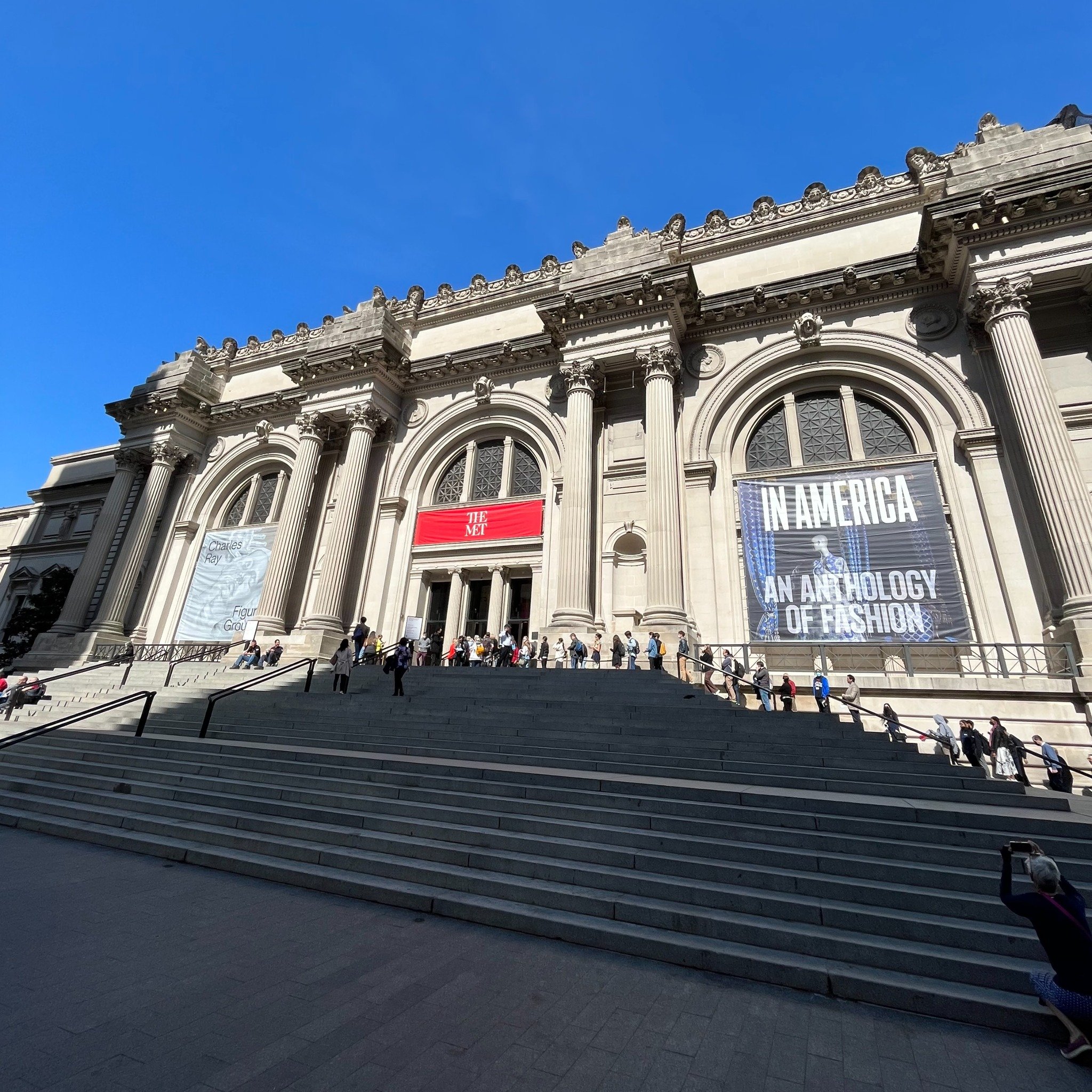
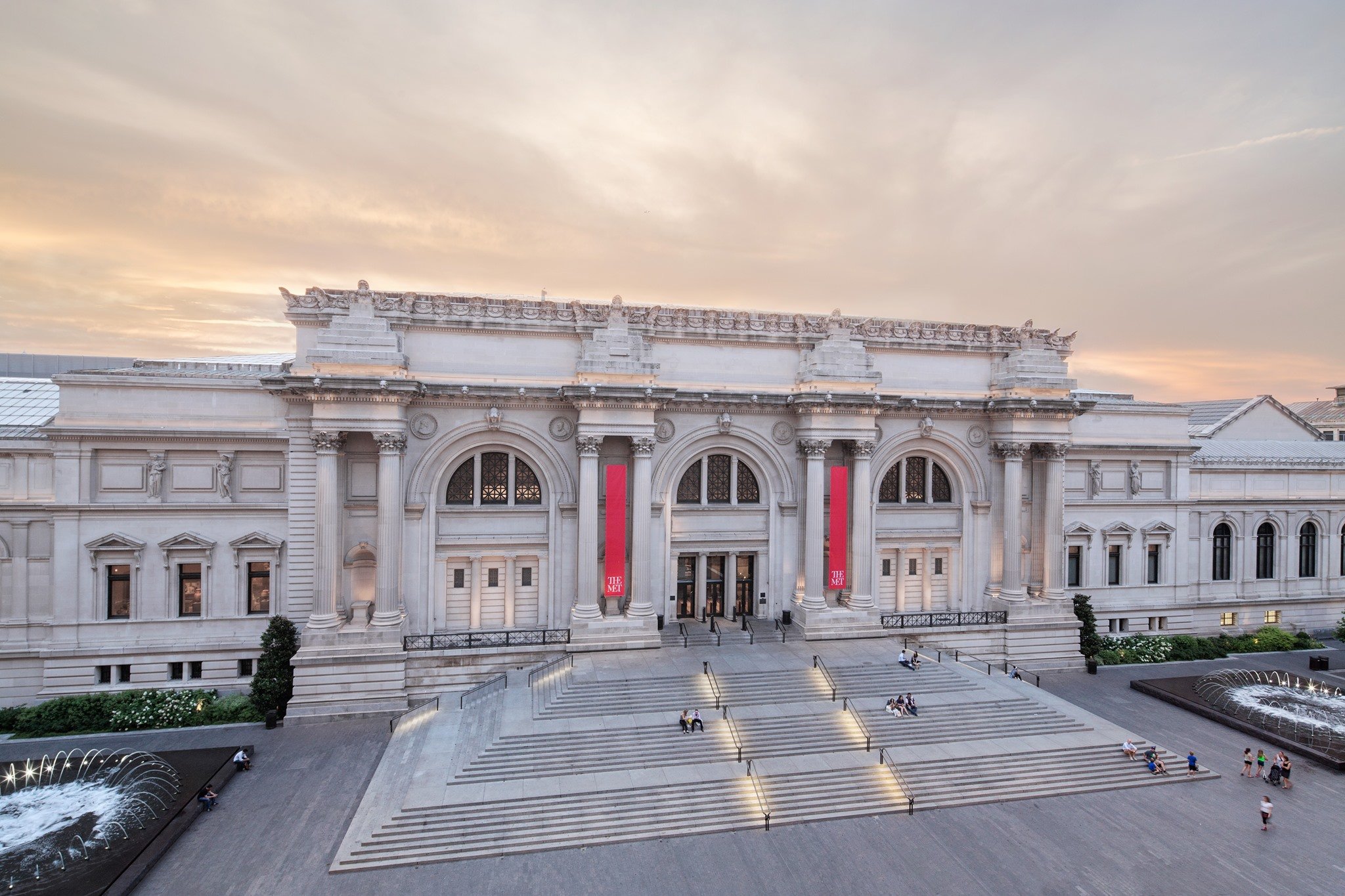
The Cloisters is a unique and beloved cultural institution located in New York City. Situated on a hill overlooking the Hudson River in Upper Manhattan, the Cloisters is part of the Metropolitan Museum of Art and is dedicated to the art and architecture of medieval Europe.
The Cloisters was founded in 1938 by John D. Rockefeller Jr., who was passionate about preserving and celebrating the art and architecture of the Middle Ages. The museum is built around a series of cloisters, or covered walkways, that were brought to the United States from various parts of Europe and reassembled on site.
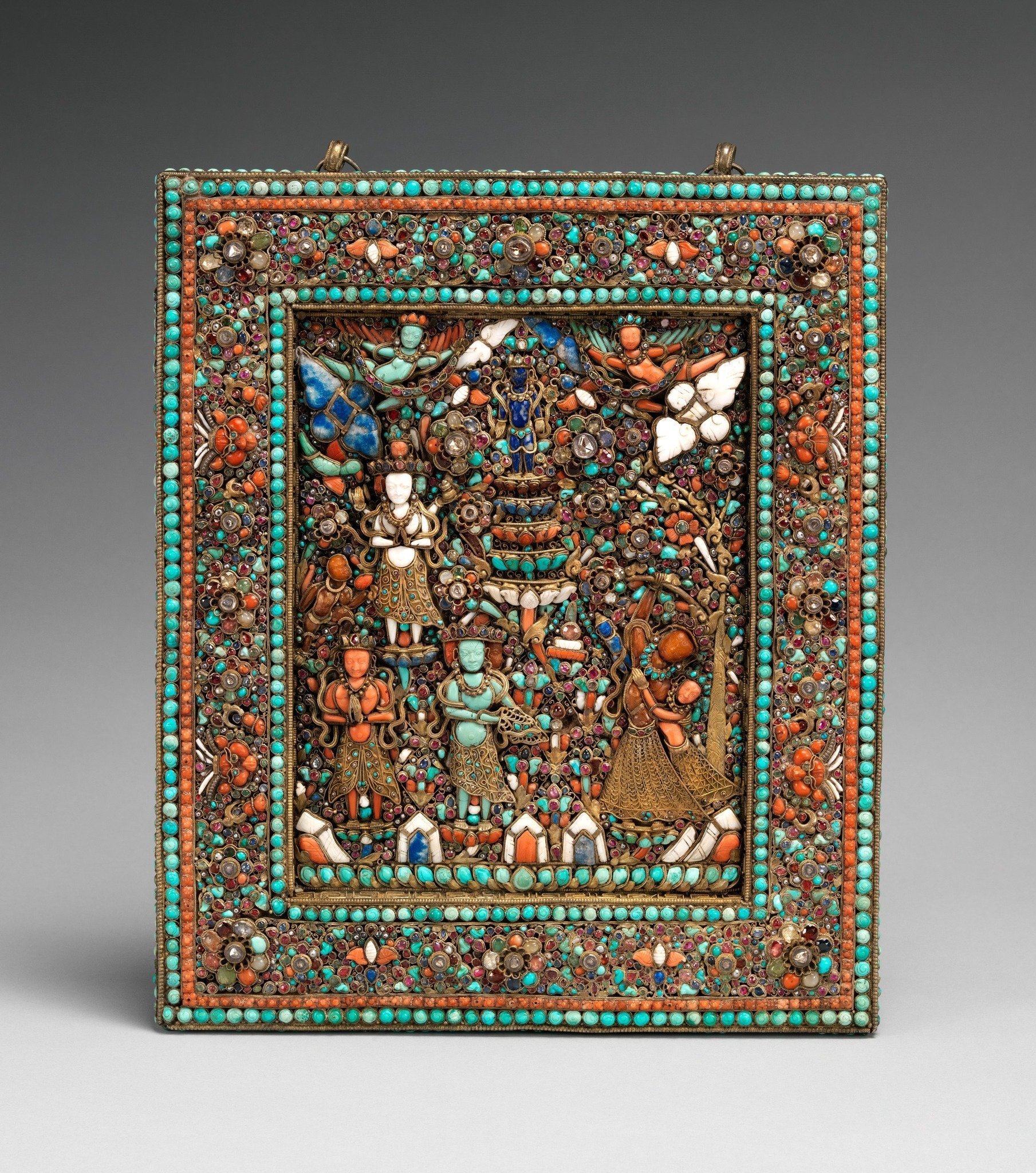
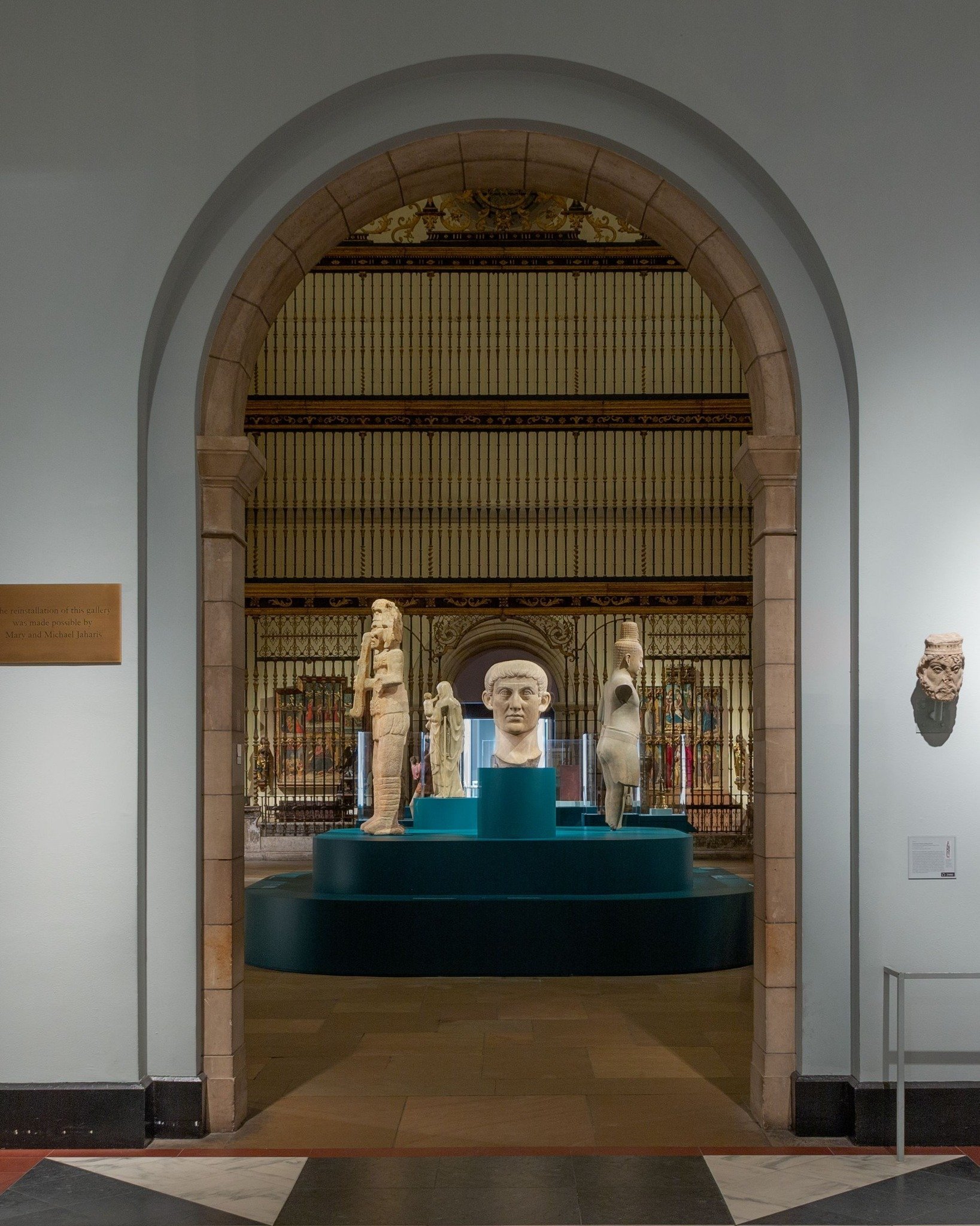
The Cloisters is home to a wide range of objects and artifacts from the medieval period, including sculptures, paintings, illuminated manuscripts, and architectural fragments. The museum’s collections cover a wide range of topics, from the everyday life of medieval people to the art and architecture of the great cathedrals and monasteries.
One of the most notable features of the Cloisters is its collection of illuminated manuscripts. The museum has over 5,000 manuscripts in its care, including some of the most important and beautiful examples of medieval book art. The manuscripts cover a wide range of topics, from religious texts to secular literature, and are an important resource for scholars and researchers.
The museum is also home to a number of famous works of art, including the Unicorn Tapestries, a series of seven tapestries that were made in the late Middle Ages and depict the hunt and capture of a mythical creature. The tapestries are considered to be some of the finest examples of medieval tapestry art, and they remain one of the most popular attractions at the museum.
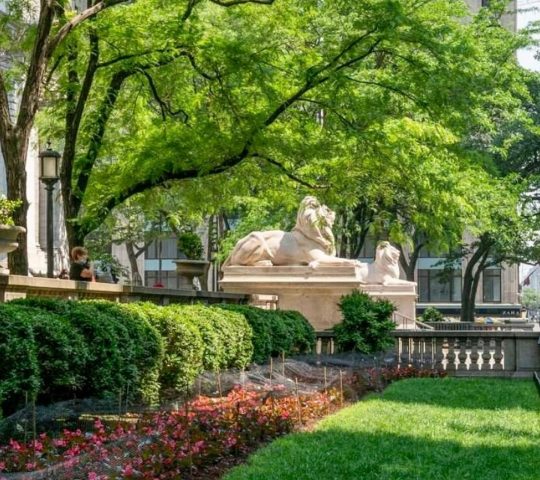
In addition to its collections and exhibitions, the Cloisters is also known for its beautiful gardens and outdoor spaces. The museum’s gardens are designed to replicate the style and spirit of medieval gardens, with a focus on herbs, flowers, and other plants that would have been grown in the Middle Ages. The gardens provide a peaceful and idyllic escape from the noise and chaos of the city, and are a popular spot for picnics, walks, and other outdoor activities.
The Cloisters has faced some challenges and controversies over the years. One of the most notable controversies involved the museum’s decision to remove a statue of the Archangel Michael from its galleries in 2018. The statue, which had been on display since the museum’s opening in 1938, was removed after a group of activists called for its removal, arguing that it depicted a white savior figure and perpetuated harmful stereotypes.
Despite these challenges, the Cloisters remains one of the most important and beloved cultural institutions in New York City. Its unique and beautiful collections, immersive exhibitions, and peaceful outdoor spaces continue to inspire and educate visitors from around the world, and its ongoing commitment to the preservation and interpretation of medieval art and architecture ensures that its legacy will endure for generations to come.