The Imperial Palace East Gardens in Tokyo is a historical and cultural landmark that attracts visitors from around the world. It is situated on the site of the former Edo Castle, which was the residence of the shogun during the Edo period (1603-1867). Today, the gardens are a beautiful and tranquil oasis in the heart of Tokyo, offering visitors a chance to step back in time and experience a glimpse of Japan’s rich cultural heritage.
The history of the East Gardens dates back to the 15th century when Ota Dokan, a powerful samurai warrior, built a fortress on the site to defend against invading armies. Later, the fortress was expanded and became known as Edo Castle. During the Edo period, the shogun and his family resided in the castle, which was also the center of political power in Japan.
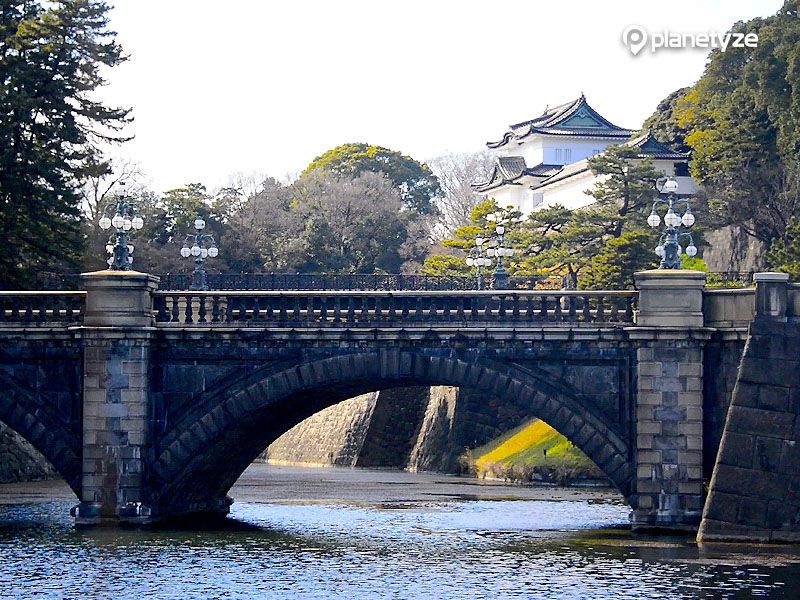
The East Gardens of the Imperial Palace cover an area of around 210,000 square meters and are divided into several sections. The most popular area is the Ninomaru Garden, which was once the residence of the shogun’s vassals. It features a central pond, a tea house, and several beautiful stone bridges. Visitors can stroll along the winding paths, enjoying the scenery and the tranquility of the garden.
Another popular section of the East Gardens is the Sannomaru Shozokan Museum, which houses a collection of artifacts and artworks from the Imperial Household. The exhibits include paintings, calligraphy, ceramics, and other decorative arts, many of which are of great historical and cultural significance.
One of the most impressive features of the East Gardens is the Fushimi Yagura, a large watchtower that was built in the 17th century to protect the castle from attack. Visitors can climb to the top of the tower and enjoy panoramic views of the surrounding area, including Tokyo Station and the Marunouchi business district.
Another notable structure in the East Gardens is the Otemon Gate, which was once the main entrance to Edo Castle. It is one of the few remaining structures from the original castle and is a testament to the architectural and engineering skills of the Edo period.
Throughout the East Gardens, visitors will also find a number of smaller shrines and temples, including the Hyakunin Bansho Memorial Tower, which commemorates the lives of the 100 guards who protected the castle during the Edo period.
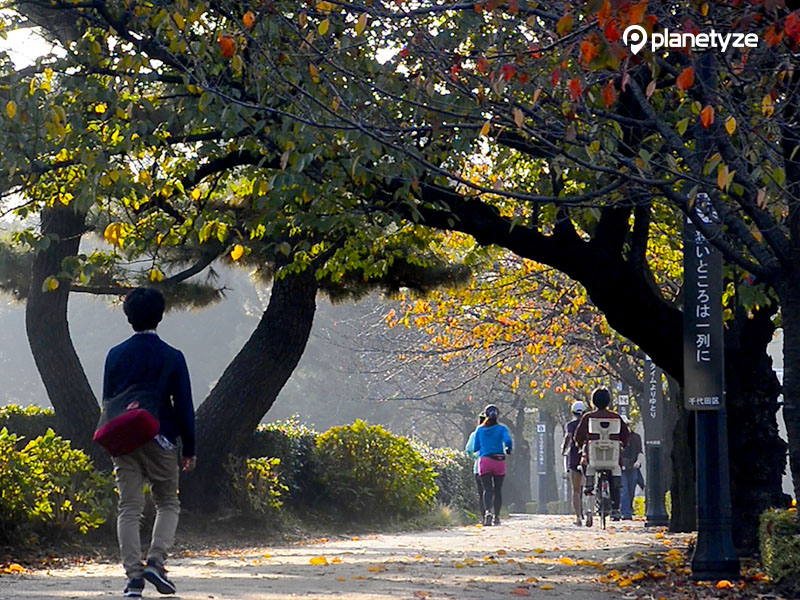
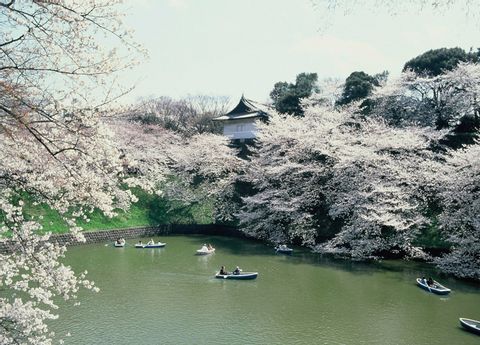
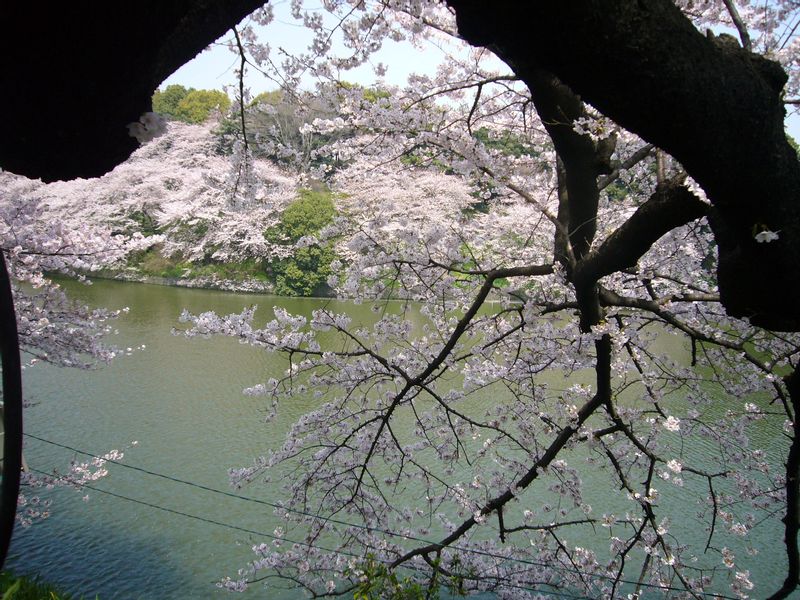
Despite its historical significance, the East Gardens of the Imperial Palace are also a popular destination for modern-day Tokyoites, who come to enjoy the peaceful surroundings and the natural beauty of the gardens. The gardens are particularly popular during the cherry blossom season, when the trees burst into bloom, and the entire area is covered in a sea of pink and white flowers.
In conclusion, the Imperial Palace East Gardens in Tokyo is a must-see attraction for anyone interested in Japanese history and culture. With its beautiful gardens, historic buildings, and impressive collection of art and artifacts, the gardens offer visitors a unique and unforgettable experience. Whether you are a history buff, an art lover, or simply looking for a peaceful escape from the hustle and bustle of Tokyo, the East Gardens of the Imperial Palace are well worth a visit.
In addition to its historical and cultural significance, the East Gardens of the Imperial Palace also offer visitors a chance to relax and unwind in the midst of the busy city. The gardens are designed in the traditional Japanese style, with winding paths, peaceful ponds, and carefully tended plants and trees. Visitors can sit on benches or on the grass, take in the sights and sounds of nature, and forget about the stresses of modern life.
The East Gardens are open to the public year-round, except for a few days in December and January when they are closed for maintenance. Admission is free, and visitors are welcome to explore the gardens at their own pace. There are information boards and maps throughout the gardens, as well as English-language audio guides that provide additional information about the history and significance of the various sites.
The gardens are easily accessible by public transportation, with several subway and train stations located nearby. The closest station is Otemachi Station, which is just a short walk from the gardens’ main entrance. There are also several bus stops located nearby, making it easy to reach the gardens from other parts of the city.
In addition to its many attractions, the East Gardens of the Imperial Palace also offer visitors a chance to learn more about Japan’s rich cultural heritage. Throughout the year, there are various events and exhibitions held in the gardens, including traditional Japanese music and dance performances, tea ceremonies, and flower arrangement displays.
For those who are interested in learning more about Japanese history and culture, there are several museums and other cultural institutions located nearby, including the Tokyo National Museum, the National Museum of Modern Art, and the National Museum of Western Art.
Overall, the Imperial Palace East Gardens in Tokyo are a beautiful and fascinating destination that offer something for everyone. Whether you are interested in history, culture, nature, or simply in need of a peaceful break from the hustle and bustle of the city, the gardens are a must-visit destination. With their tranquil beauty, historic landmarks, and impressive collection of art and artifacts, the East Gardens are truly a treasure of Japan’s cultural heritage.
Maps
Contact
Opening Hours
Video
FAQ's
Where is His Majesty the Emperor in the chronological list of emperors?
His Majesty is the 126th Emperor.
What kinds of affairs of state does His Majesty the Emperor have?
For the people of Japan, His Majesty the Emperor carries out those affairs of state delineated in the Japanese Constitution in accordance with the advice and approval of the Cabinet. Some of the affairs of state are appointing the Prime Minister as designated by the Diet; appointing the Chief Judge of the Supreme Court as designated by the Cabinet; attestation of the appointment and dismissal of Ministers of State and other officials; convocation of the Diet; promulgation of constitutional amendments, laws, cabinet orders and treaties; awarding of honors; attestation of credentials of ambassadors and ministers; and receiving foreign ambassadors and ministers.
Tell me about the activities of Their Majesties the Emperor and Empress.
Their activities include official duties and public activities at the Imperial Palace, official visits in Japan and fostering friendly relations with other countries. The activities are explained on the respective pages.
What is the Imperial Palace like?
The Imperial Palace has traditional Japanese architectural beauty and a large roof, pillars and beams. The palace is a steel-framed two story building with an underground floor and an inclined roof with long overhanging eaves. The palace includes the Seiden (Main Building) and six wings (Homei-Den, Rensui, Chowa-Den, Chigusa-no-Ma and Chidori-no-Ma and others) with a total floor space of 22,949 square meters. The palace was completed in October in 1968 and was used starting in April of the following year.
On what occasions is Imperial Palace used?
Various activities are held in the Imperial Palace. Some of these activities are the New Year greeting, Imperial investiture, Ceremony of the Presentation of Credentials, Ceremony of Imperial Conferment of Decoration, luncheons, dinners and audiences.
Are there establishments that relate to the Imperial family other than the Imperial Palace?
Other than the Imperial Palace, the imperial establishments include the grounds of the Akasaka Estate, Imperial villas, Kyoto Imperial Palace, Katsura Imperial Villa, Shugakuin Imperial Villa, Shosoin and Ryobo (mausolea and tombs), Goryo Bokujo (Imperial Stock Farm) and Kamoba (Imperial Wild Duck Preserves).
Can we visit the Imperial Palace?
The East Gardens are open to the public without fee to the extent that the public does not impact activities at the Imperial Palace. To attend the guided tours, advance application is required.
What is The Museum of the Imperial Collections, Sannomaru Shozokan like?
The Museum of the Imperial Collections, Sannomaru Shozokan was built in September in 1992 in the East Gardens of the Imperial Palace and opened on November 3 the following year. The museum is for preserving, studying and exhibiting the art collections. These collections include paintings, calligraphy, and artifacts handed down from generation to generation in the Imperial Family, which were donated to Japan in June in 1989. The Museum of the Imperial Collections, Sannomaru Shozokan currently owns approximately 9,800 items of art. These items include the bequeathed collections of the late Princess Chichibu, which were added in October in 1996; the late Empress Kojun's belongings, which were added in April in 2001;the bequeathed collections of the late Princess Takamatsu, which were added in October in 2005;and the collections donated by the Prince Mikasa Family, which were added in March in 2014.