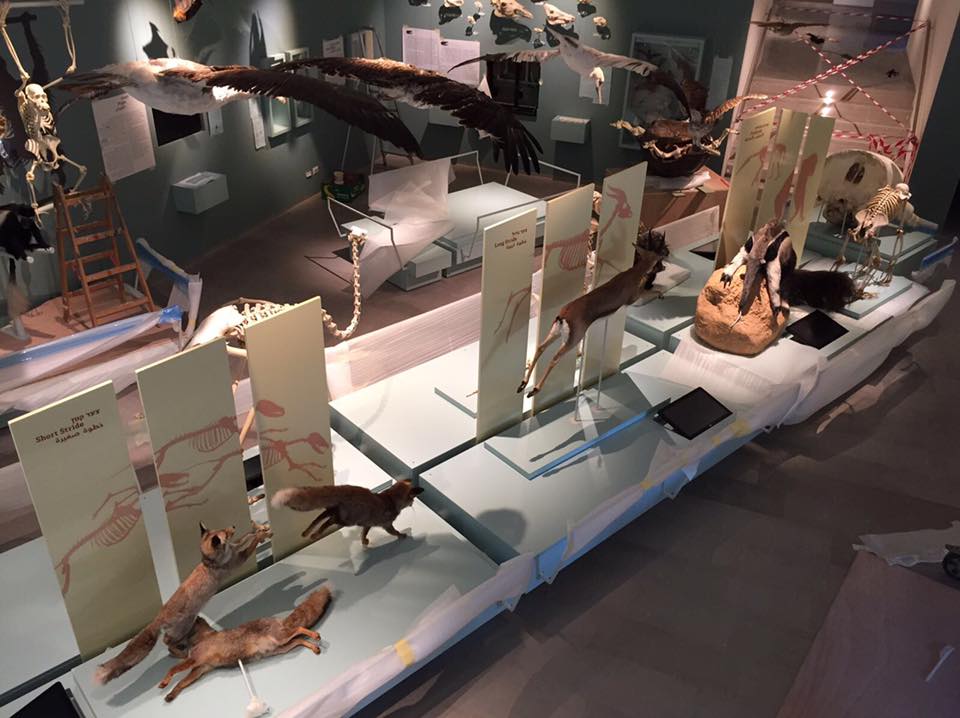

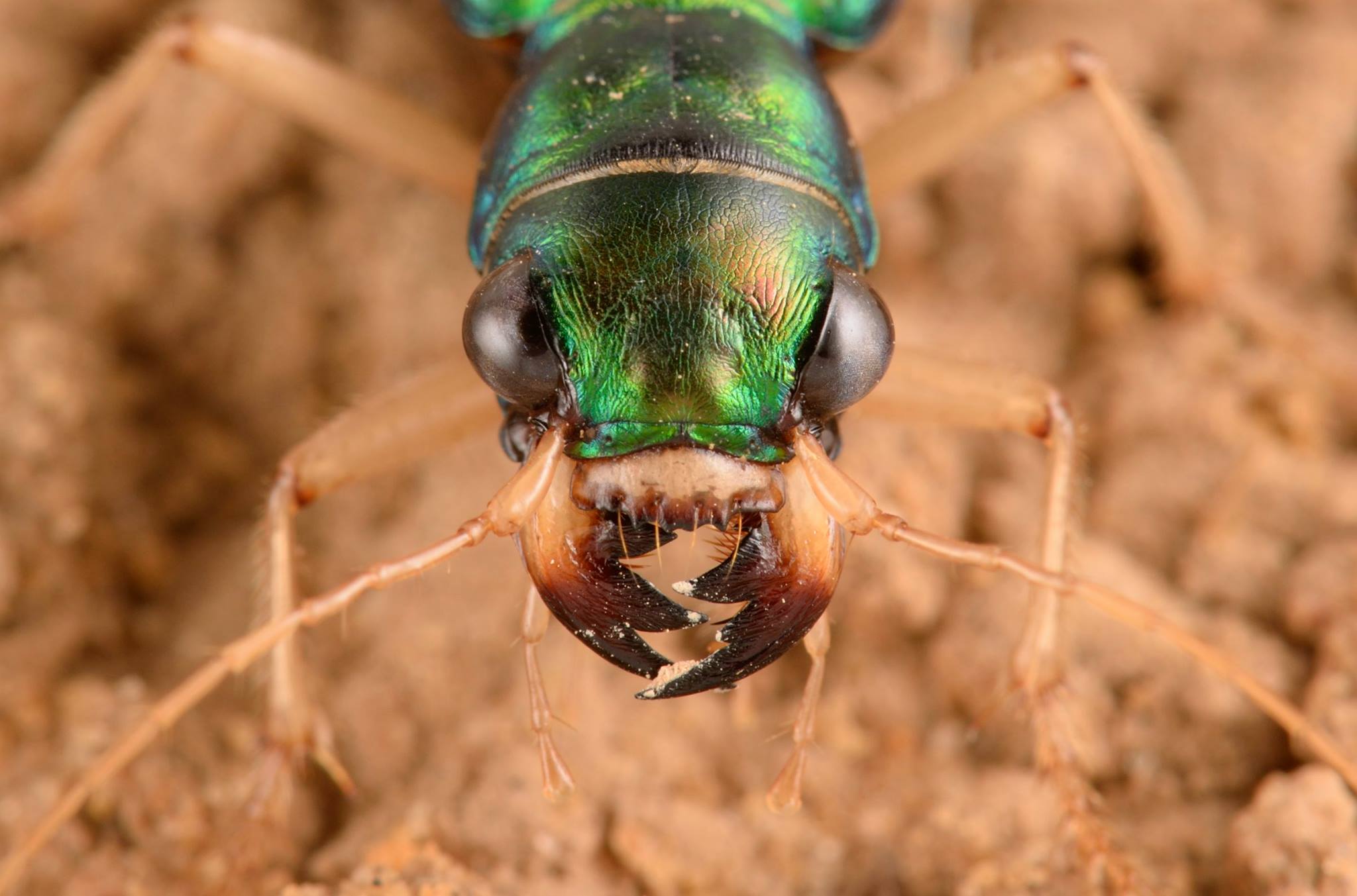

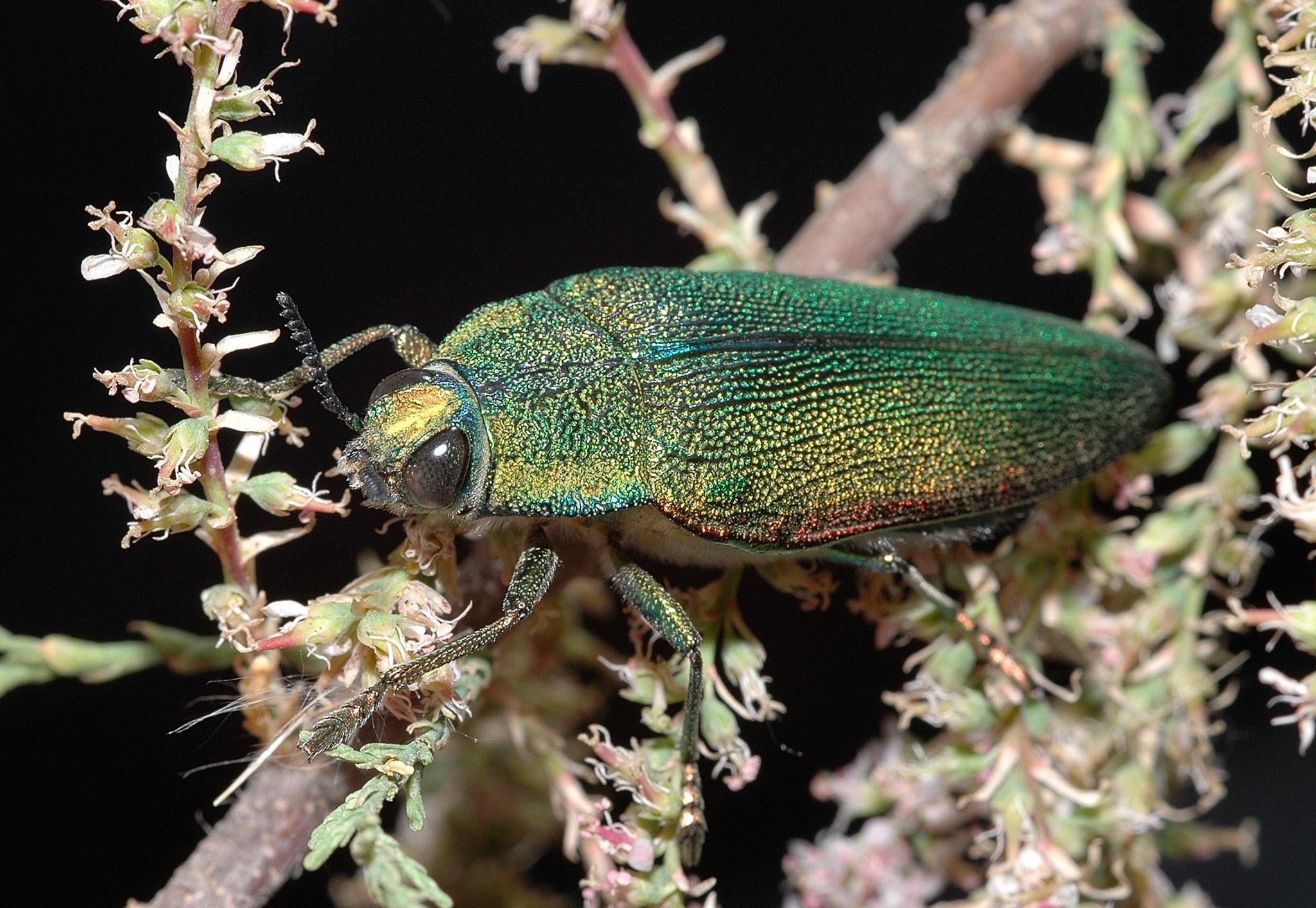
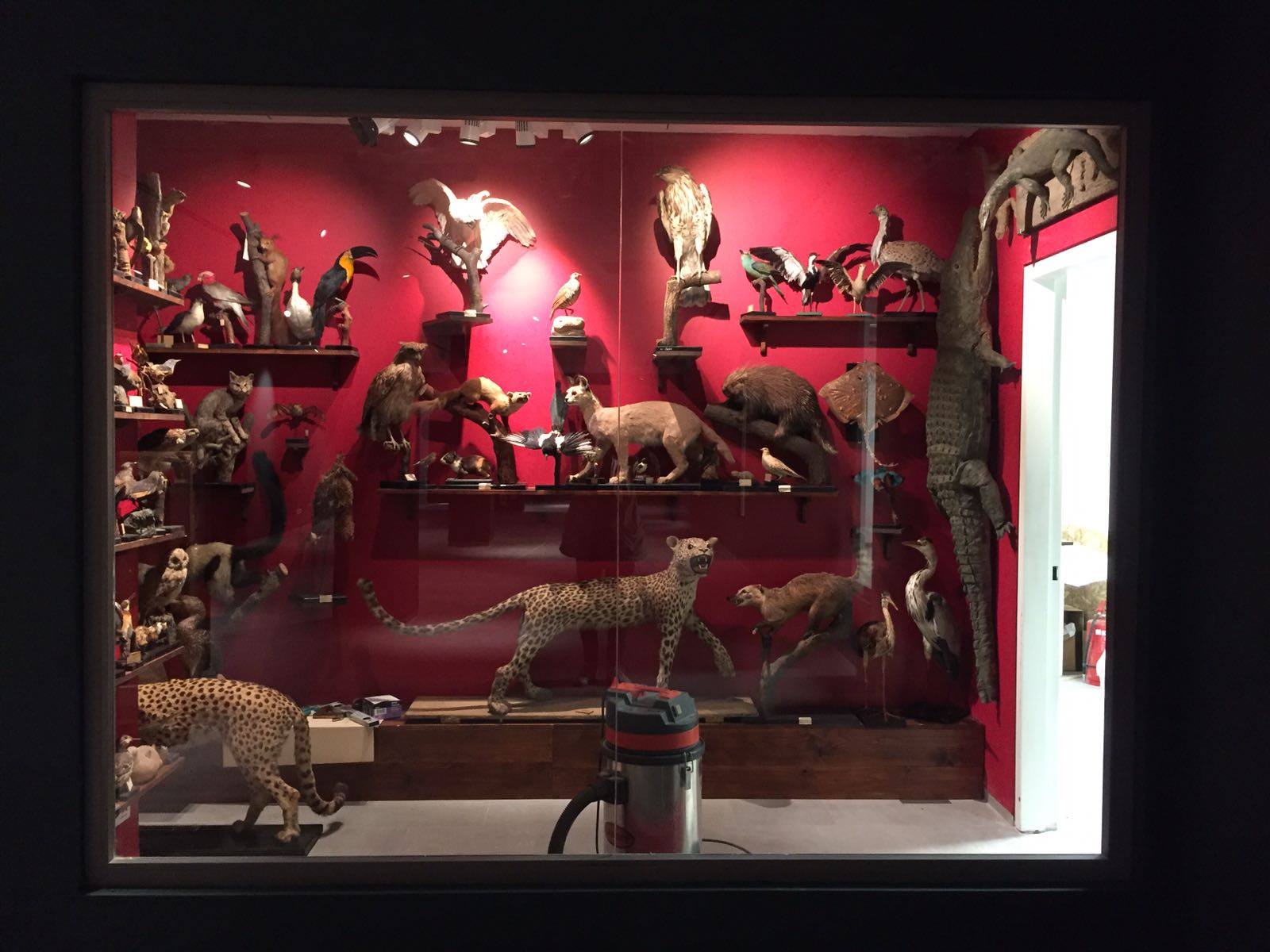
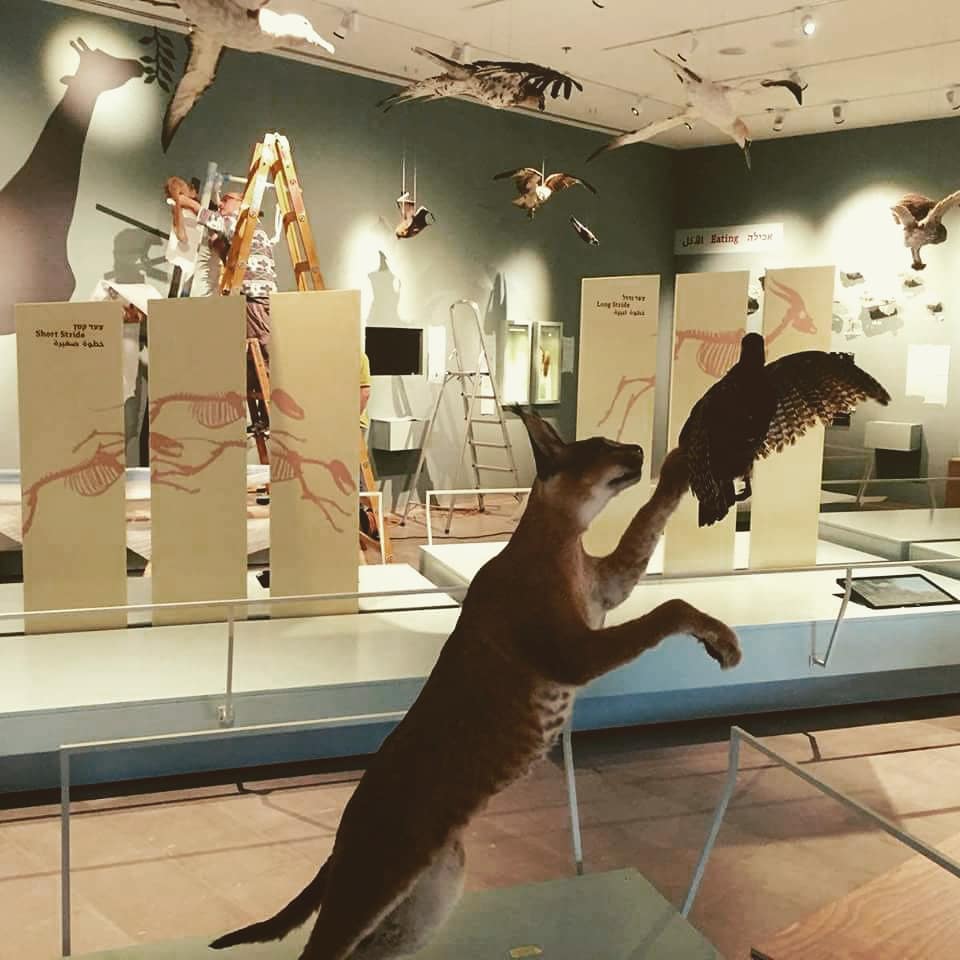


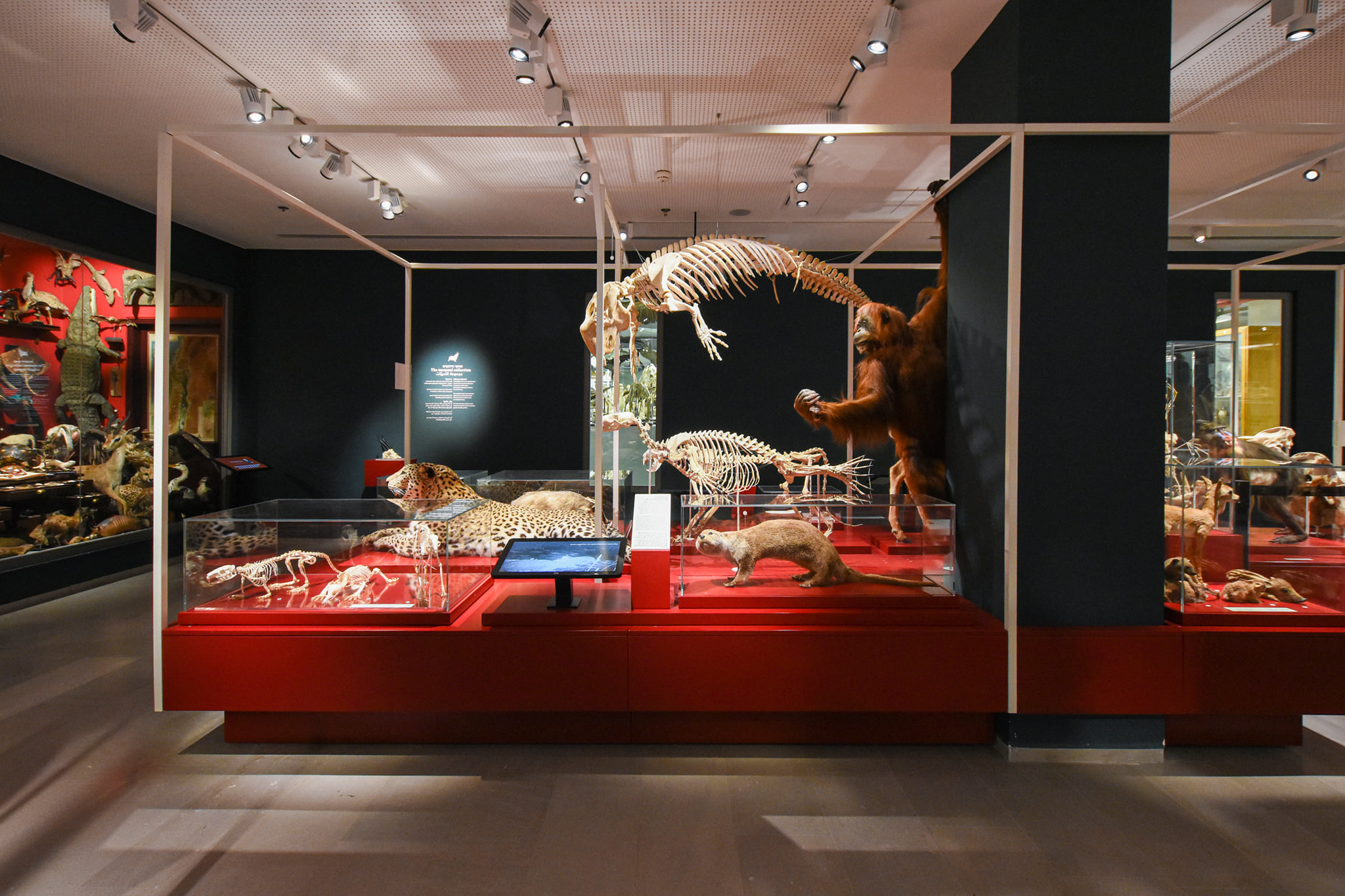
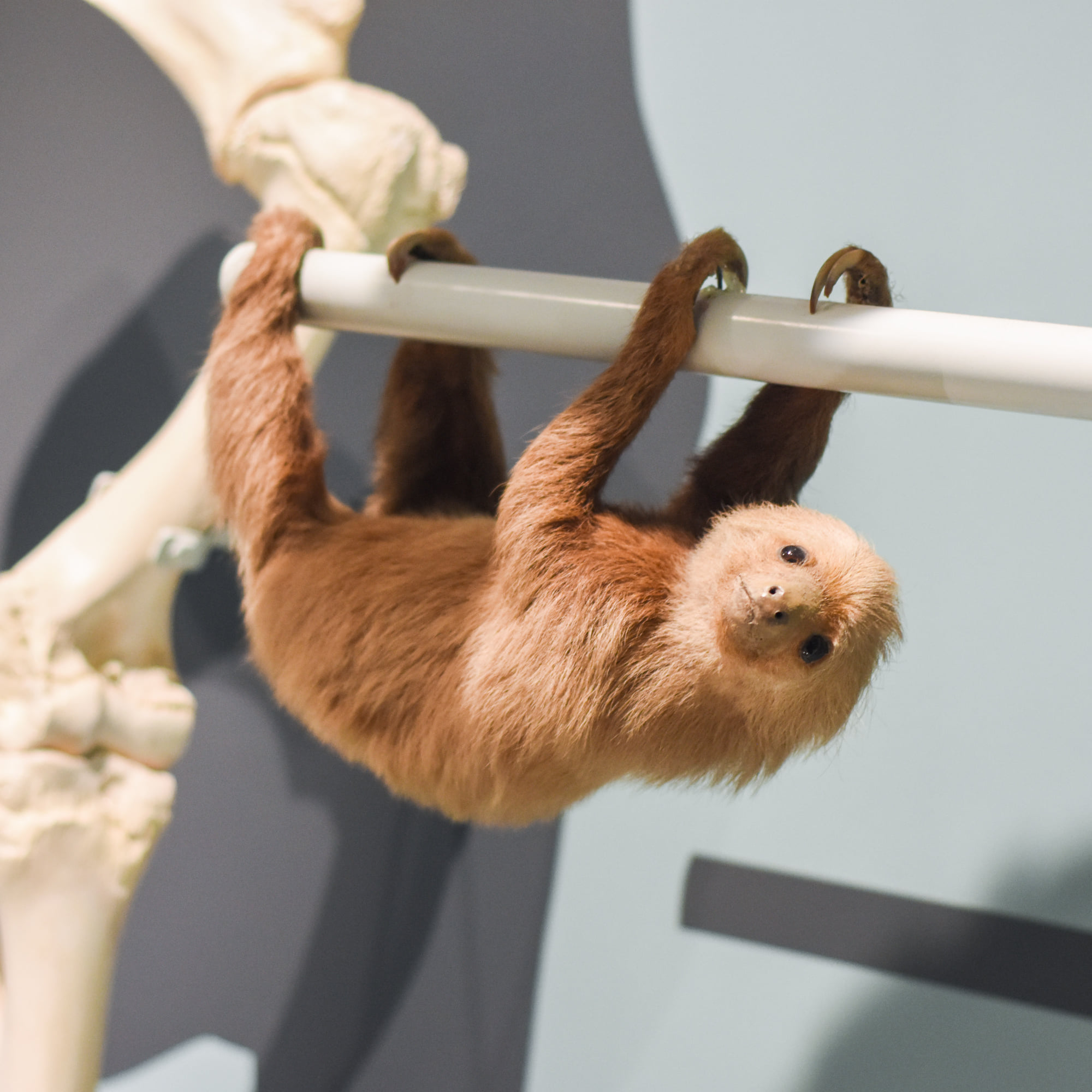
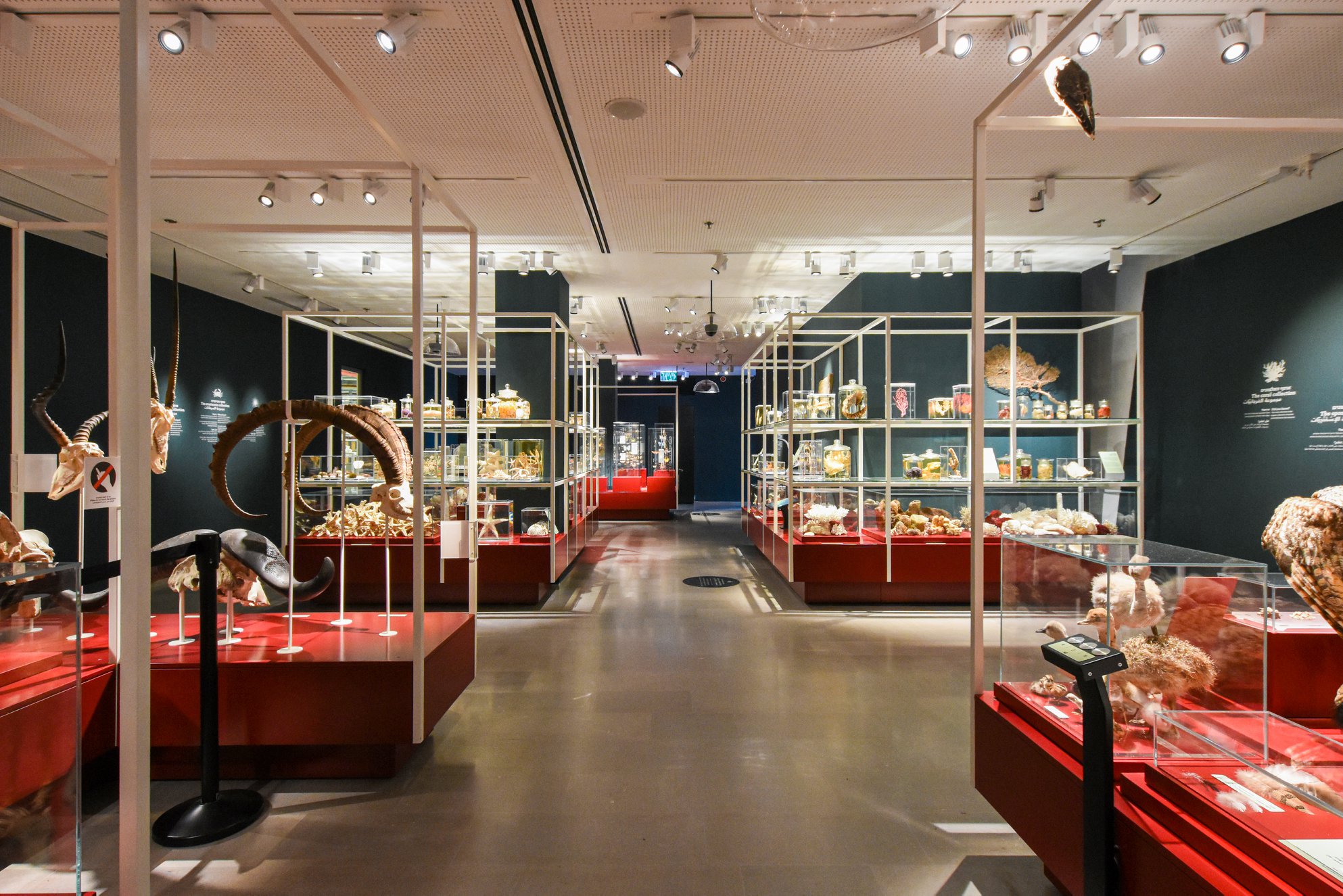



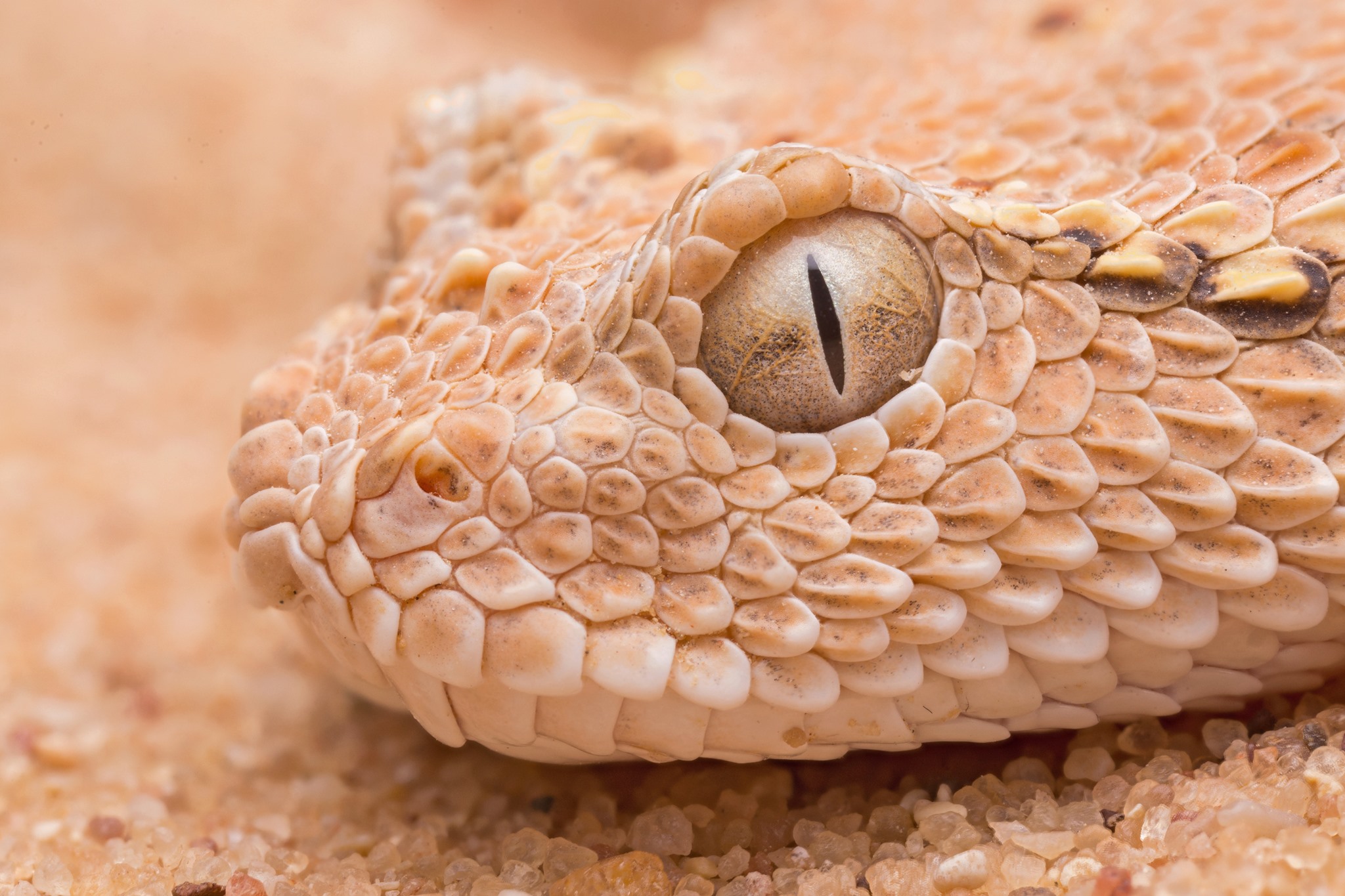
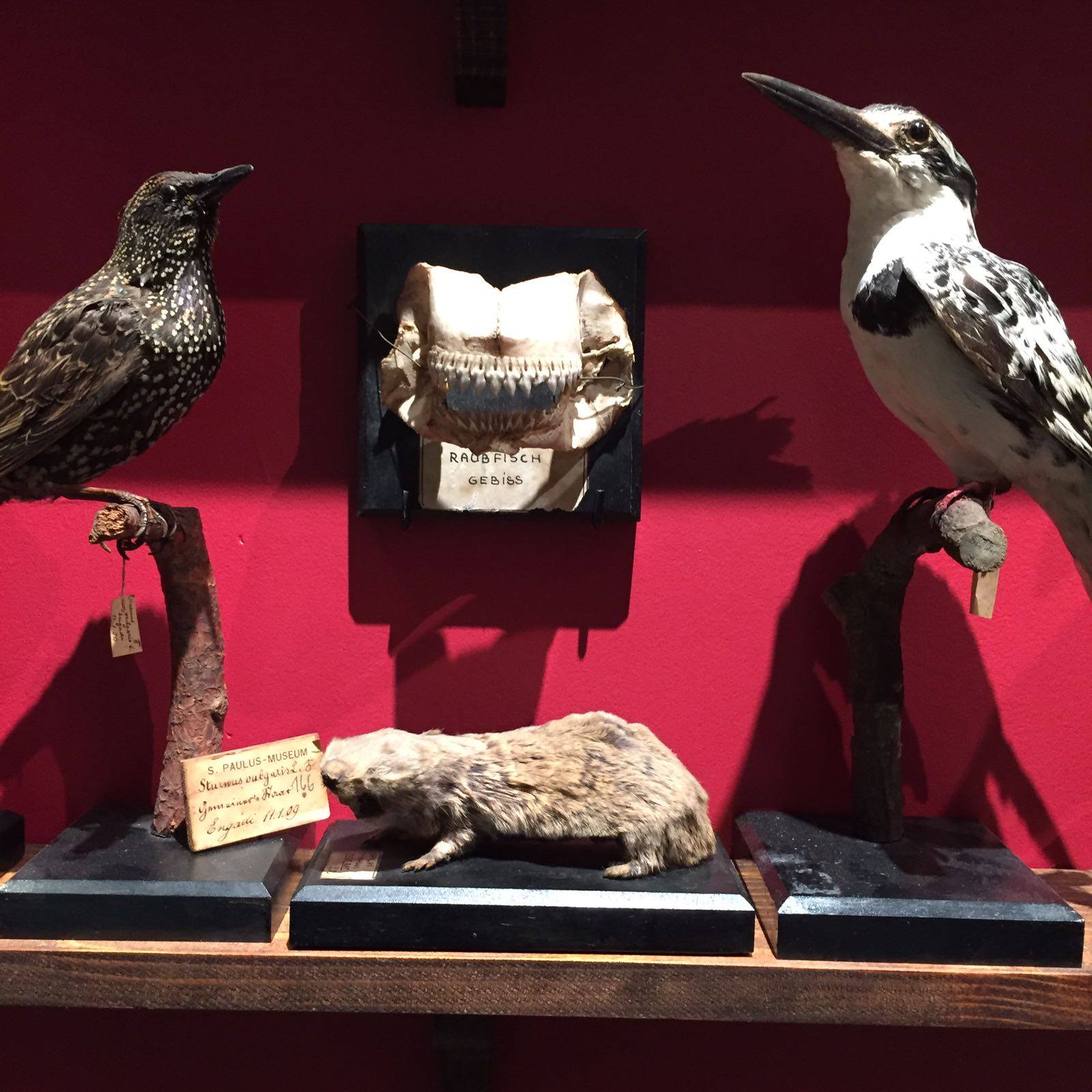
The Steinhardt Museum of Natural History, located in Tel Aviv, Israel, is one of the most fascinating museums in the world. It opened in 2018 and quickly became a must-visit destination for tourists and locals alike. The museum houses over 5 million specimens, representing all aspects of Israel’s natural history, and is dedicated to the conservation, research, and education of the natural world. In this article, we will explore the history, exhibits, and unique features of the Steinhardt Museum of Natural History.
History:
The Steinhardt Museum of Natural History was established in 1931 by the Israel Academy of Sciences and Humanities, and was initially located in Jerusalem. The museum’s collection began with the personal collection of Prof. Heinrich Mendelssohn, a well-known entomologist who had an extensive collection of insects. The collection expanded rapidly over the years, with contributions from various researchers and collectors, and eventually outgrew its original location.
In 2011, the museum began planning for a new facility that would be able to accommodate its growing collection and provide a modern, state-of-the-art visitor experience. The new museum was designed by Israeli architect Moshe Safdie, who is known for his innovative and sustainable designs. The building’s unique design is inspired by the geological formations found in the nearby Ramon Crater, and features a striking facade made up of over 100,000 fossil-shaped tiles.
Exhibits:
The Steinhardt Museum of Natural History features a wide range of exhibits that showcase Israel’s rich natural history. One of the museum’s most popular exhibits is the “African Savanna,” which is a replica of a savanna ecosystem found in Africa. The exhibit features a variety of animals, including lions, zebras, and giraffes, all displayed in their natural habitats. The exhibit is a great way for visitors to learn about the animals that live in the African savanna and the complex relationships that exist between them.
Another popular exhibit is the “Dead Sea Scrolls,” which showcases the famous ancient manuscripts discovered in the caves near the Dead Sea. The exhibit features a replica of one of the caves where the scrolls were found, and visitors can learn about the history and significance of these important documents.
The museum also features exhibits on Israel’s geology, including displays of rocks, minerals, and fossils. Visitors can learn about the geological history of Israel and the forces that shaped the landscape.
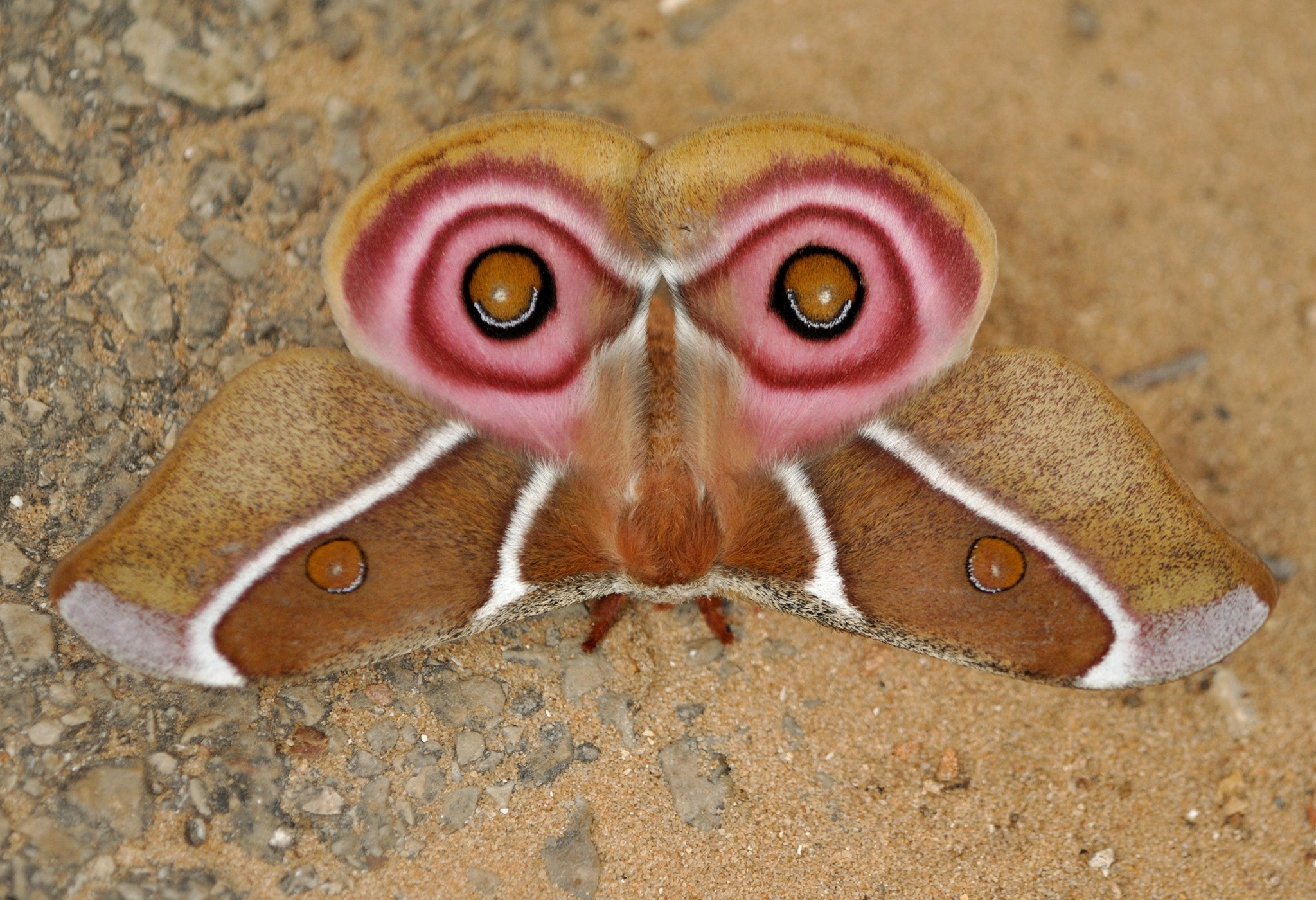
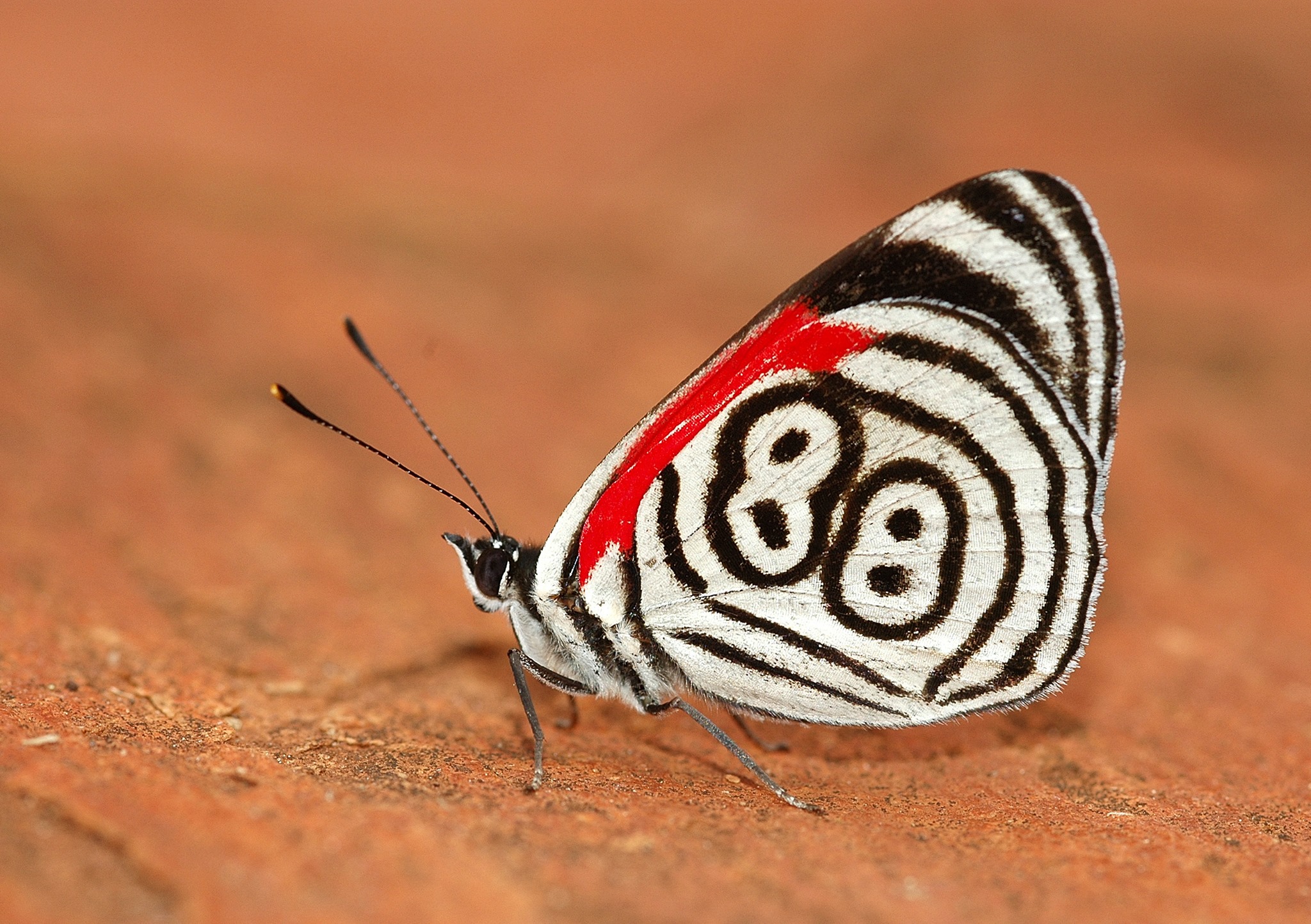
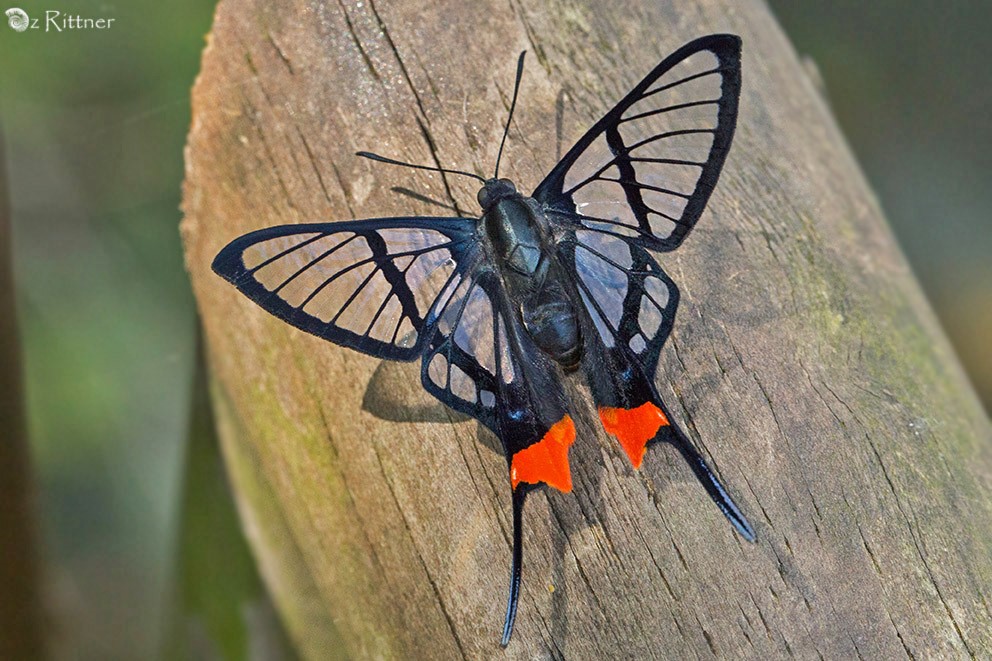
In addition to its permanent exhibits, the museum also features rotating exhibits that focus on a variety of topics related to natural history. Recent temporary exhibits have included “Butterflies,” which showcased the incredible diversity of butterfly species found in Israel, and “Extinction,” which explored the causes and consequences of species extinction.
Unique Features:
One of the unique features of the Steinhardt Museum of Natural History is its emphasis on conservation and research. The museum houses a research center that is dedicated to studying Israel’s natural history and developing strategies for conservation. The museum also works closely with universities and research institutions to support scientific research on a wide range of topics related to natural history.
The museum also places a strong emphasis on education, with a range of programs and activities designed to engage visitors of all ages. The museum offers guided tours, workshops, and educational programs for school groups, and has a range of interactive exhibits that allow visitors to explore and learn about natural history in a hands-on way.
Another unique feature of the museum is its focus on sustainability. The museum was designed with a range of environmentally friendly features, including a green roof that helps to reduce the building’s energy consumption, and a rainwater collection system that is used to irrigate the museum’s gardens.
Conclusion:
The Steinhardt Museum of Natural History is a unique and fascinating museum that offers visitors a chance to learn about Israel’s rich natural history and the importance of conservation and research in preserving the natural world. With its wide range of exhibits, emphasis on education and sustainability, and state-of-the-art facilities, the museum is a must-visit destination for anyone interested in natural history.
One of the most impressive aspects of the Steinhardt Museum of Natural History is the sheer scope and diversity of its collection. With over 5 million specimens, the museum is home to an incredible array of plants, animals, and fossils, representing all aspects of Israel’s natural history. Visitors can explore exhibits that range from the African savanna to the Dead Sea Scrolls, and learn about everything from the geology of the region to the incredible biodiversity of its ecosystems.
Beyond its impressive collection, however, the museum is also a center for research and conservation, working to develop strategies for protecting and preserving Israel’s natural resources. The museum’s research center is dedicated to studying the region’s flora and fauna, and developing strategies for mitigating the impact of human activity on the environment. Through its partnerships with universities and research institutions, the museum is also at the forefront of scientific research on a wide range of topics related to natural history.
In addition to its research efforts, the museum also places a strong emphasis on education, with a range of programs and activities designed to engage visitors of all ages. Whether through guided tours, workshops, or interactive exhibits, the museum seeks to inspire curiosity and foster a deeper understanding of the natural world. For school groups, the museum also offers a range of educational programs that are aligned with the national curriculum, providing students with a unique and engaging way to learn about science and nature.
Finally, the Steinhardt Museum of Natural History is also a model of sustainability, with a range of environmentally friendly features designed to reduce its impact on the environment. From its green roof to its rainwater collection system, the museum is a testament to the importance of sustainability in protecting the planet for future generations.
In conclusion, the Steinhardt Museum of Natural History is a unique and valuable institution that offers visitors a chance to explore and learn about Israel’s rich natural history. With its impressive collection, focus on research and conservation, and commitment to education and sustainability, the museum is a true gem, and a must-visit destination for anyone interested in the natural world.