

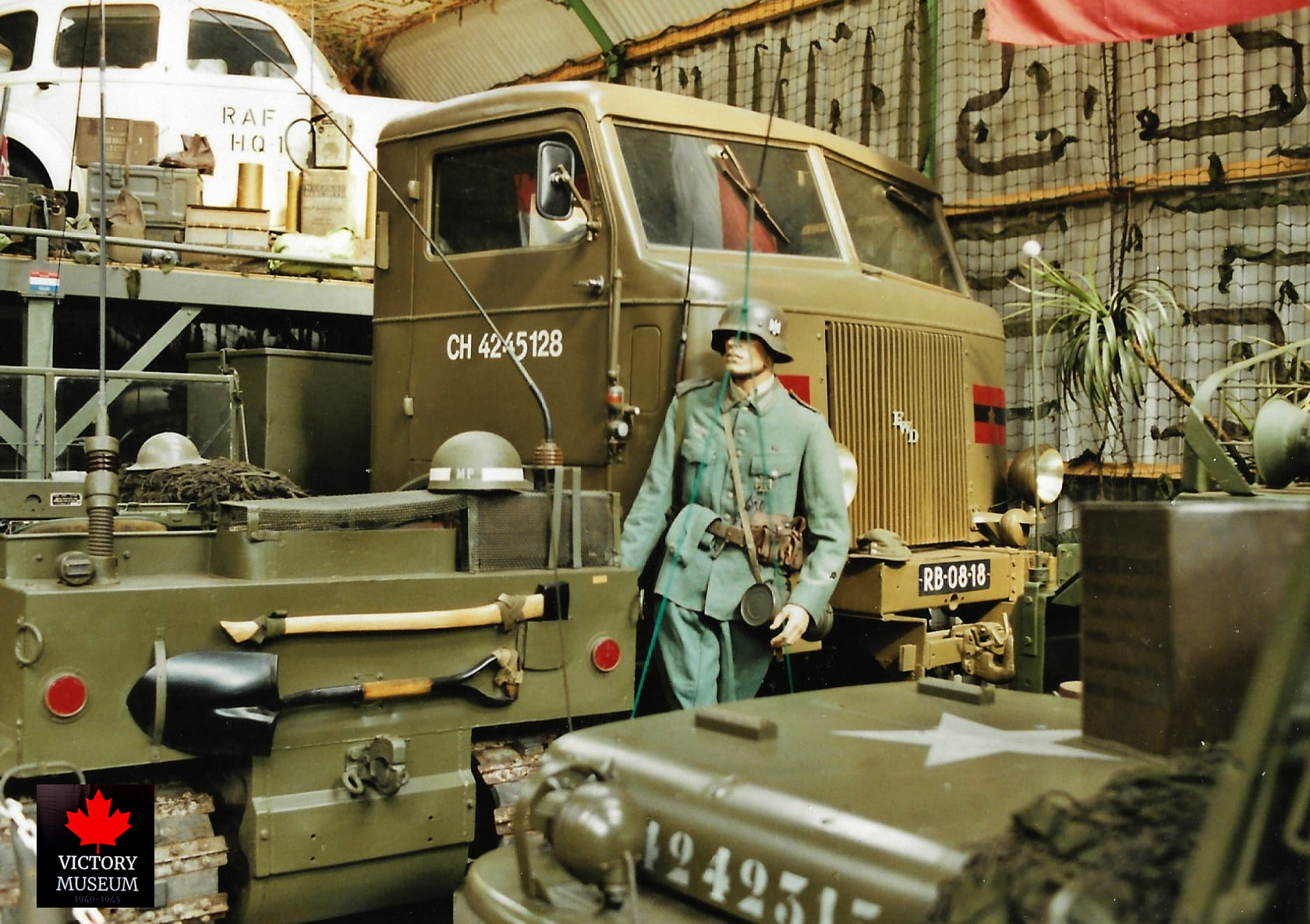


The Victory Museum in Moscow is a testament to the courage and resilience of the Russian people, and to the valor and sacrifice of the Soviet soldiers who fought in the Great Patriotic War, as World War II is known in Russia. The museum, officially called the Central Museum of the Great Patriotic War, is located in the northwestern part of Moscow, near the Poklonnaya Gora (Bow-down Hill) War Memorial Complex, which is one of the largest and most impressive war memorials in the world.
The Victory Museum was opened in 1995, on the occasion of the 50th anniversary of the end of the Great Patriotic War, and underwent a major renovation and expansion in 2013-2014, in preparation for the 70th anniversary of the victory over Nazi Germany. The museum’s collection includes over 60,000 exhibits, ranging from weapons and military equipment to documents, photographs, and personal belongings of soldiers and civilians.
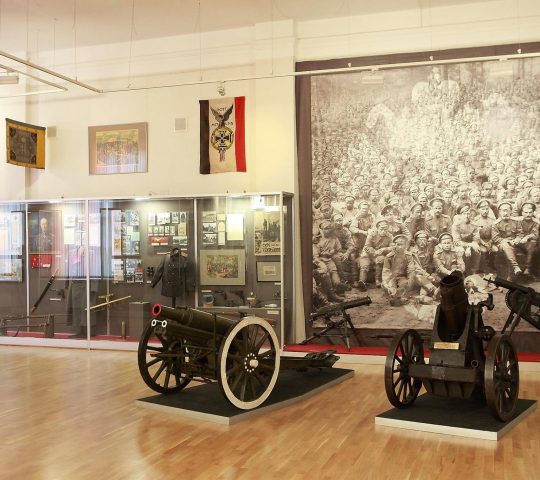
The main building of the museum is a massive, gray, concrete structure, with a cylindrical tower that houses a huge, bronze statue of a Soviet soldier, holding a banner with a hammer and sickle. The tower is visible from afar and serves as a symbol of the museum and of the heroism of the Soviet soldiers. The interior of the museum is spacious, modern, and well-designed, with a large central hall that showcases a wide variety of exhibits, ranging from tanks and airplanes to flags and uniforms.
One of the most impressive exhibits in the central hall is a giant panoramic painting, called the Battle of Moscow, which depicts the famous Soviet counter-offensive of 1941, that stopped the advance of the Nazi army towards the capital. The painting is 17 meters high and 120 meters long, and provides a vivid and realistic representation of the battle, with the use of special lighting effects and sound effects, such as gunfire and explosions. Visitors can walk around the painting and view it from different angles, and feel as if they are in the middle of the action.
The Victory Museum also houses several smaller halls and galleries, dedicated to various aspects of the war and its aftermath. One of these galleries, called the Road of War, is a long, narrow corridor that showcases a collection of weapons and equipment used by the Soviet army, as well as propaganda posters, photographs, and documents. Another gallery, called the Hall of Memory, is a solemn and moving space, where visitors can pay their respects to the fallen soldiers and civilians of the war, and learn about their lives and sacrifices.
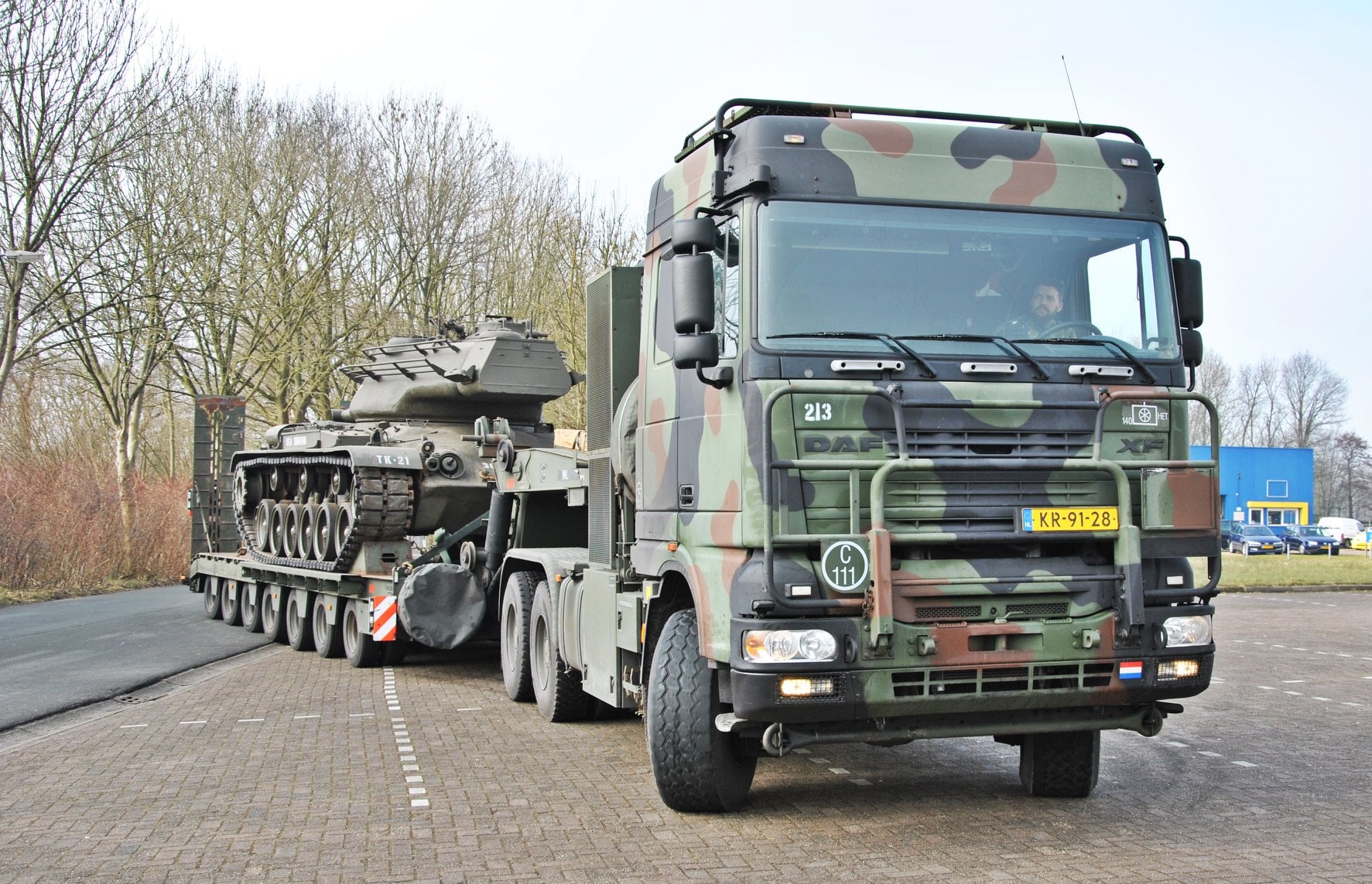
The museum also has a large outdoor exhibition area, where visitors can see and touch a variety of military equipment and weapons, such as tanks, planes, and cannons, as well as a monument to the Unknown Soldier, that honors the memory of the millions of soldiers who died in the war. The outdoor area also includes a memorial wall, that displays the names of the soldiers who were awarded the title of Hero of the Soviet Union, the highest honor of the Soviet military.
The Victory Museum is not only a place of remembrance and reflection, but also a center of education and research, that offers a variety of programs and activities for visitors of all ages and backgrounds. The museum has a library, an archive, and a research center, that houses a vast collection of historical documents and publications, and provides access to scholars and researchers. The museum also has a cinema and a lecture hall, that host a variety of events, such as film screenings, lectures, and seminars, on the history and culture of the Soviet Union and the Great Patriotic War.