








Al Bastakiya
Al Bastakiya is a historic district located in the heart of Dubai. Also known as Al Fahidi Historical Neighborhood, this area is one of the oldest neighborhoods in Dubai and dates back to the early 1900s. This article will explore the history, architecture, and cultural significance of Al Bastakiya.
History:
Al Bastakiya was established by a group of wealthy merchants from Bastak, Iran, who settled in Dubai in the early 1900s. They built traditional Arab-style houses using coral and limestone, and these structures became known as the wind-tower houses. These houses were designed to capture the sea breeze and channel it into the homes, providing natural air conditioning.
During the 1970s, many of the original wind-tower houses were destroyed to make way for modern buildings. However, in the 1990s, the Dubai Municipality initiated a restoration project to preserve the remaining wind-tower houses and transform Al Bastakiya into a cultural hub.
Architecture:
The wind-tower houses in Al Bastakiya are made of coral and limestone, which are abundant in the region. The houses feature intricate Arabic geometric designs on the walls and wooden doors, which reflect the traditional Islamic architecture of the region.
The wind-tower houses are named after the wind towers, which are the most distinctive feature of the houses. The wind towers are tall structures that protrude from the roof and are designed to catch the sea breeze. The wind is then channeled into the house through a series of vents and ducts, providing natural air conditioning.
The houses in Al Bastakiya are built around courtyards, which were designed to provide privacy and shade from the intense sun. The courtyards are often decorated with fountains, plants, and trees, creating a peaceful and tranquil atmosphere.
Cultural Significance:
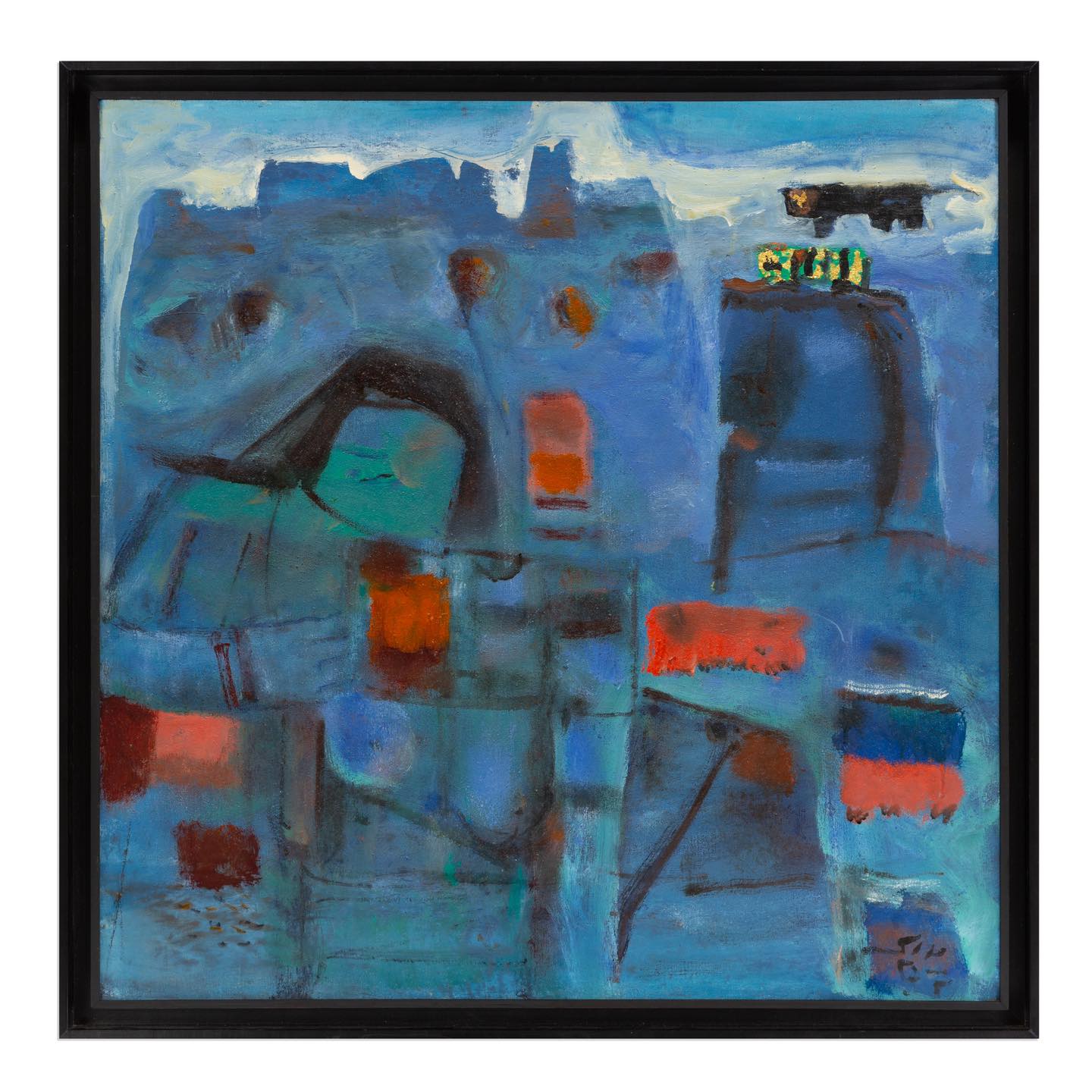
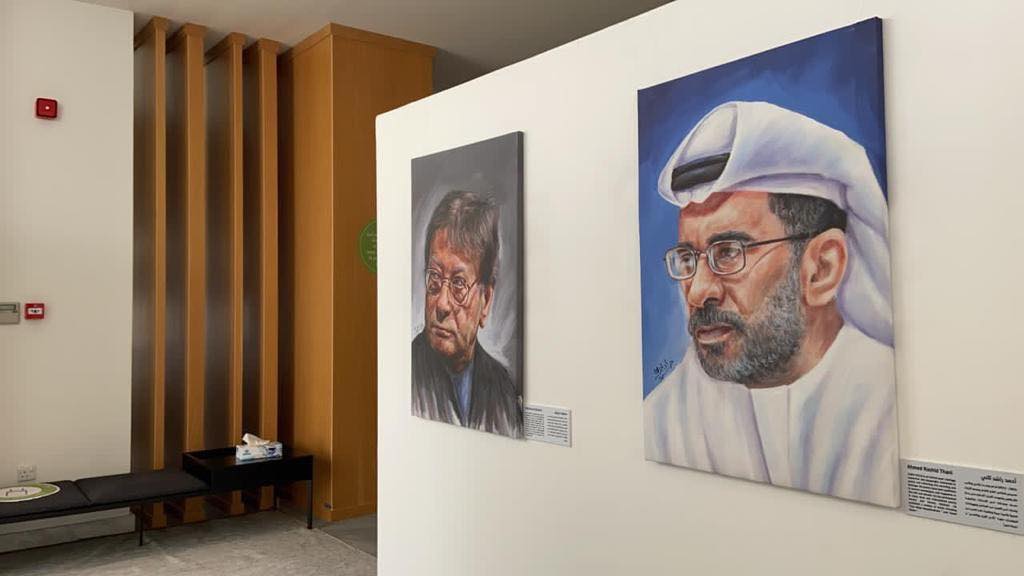
Al Bastakiya is a living testament to Dubai’s rich cultural heritage. The district is home to several museums and galleries, which showcase the region’s art, history, and culture. The area also hosts cultural events, such as the annual Sikka Art Fair, which brings together local and international artists to showcase their work.
In addition to the cultural attractions, Al Bastakiya is also home to several cafes, restaurants, and boutique shops. Visitors can sample traditional Emirati cuisine, purchase handicrafts and souvenirs, or simply wander through the narrow alleys and soak up the ambiance of the neighborhood.
Visiting Al Bastakiya:
Al Bastakiya is located in Bur Dubai, just a short walk from the Dubai Museum and the Dubai Creek. The area is easily accessible by public transportation, and visitors can also take a traditional abra (water taxi) across the creek to reach the neighborhood.
Upon arrival, visitors can pick up a map of the area and explore the narrow alleys and winding streets. The district is home to several landmarks, such as the Sheikh Mohammed Centre for Cultural Understanding, which offers cultural tours and workshops.
Visitors can also explore the many art galleries and museums in the area, such as the Majlis Gallery, which showcases contemporary art from the region. Other notable attractions include the XVA Gallery, which is housed in a traditional wind-tower house, and the Dubai Coffee Museum, which celebrates the history and culture of coffee in the region.
Al Bastakiya is a unique and historic neighborhood that provides a glimpse into Dubai’s rich cultural heritage. The wind-tower houses, traditional architecture, and tranquil courtyards create a peaceful and timeless atmosphere, while the museums, galleries, and cultural events showcase the region’s art, history, and culture. Visiting Al Bastakiya is a must for anyone interested in experiencing the authentic side of Dubai.
Maps
Contact
Opening Hours
Video
FAQ's
What is Dubai Culture & Arts Authority?
Dubai Culture represents the city’s soul, celebrates its identity, promotes cultural exchange & innovation and positions Dubai on the global cultural map. Launched on March 8, 2008 by His Highness Sheikh Mohammed Bin Rashid Al Maktoum, UAE Vice President & Prime Minister and Ruler of Dubai, the activities of Dubai Culture are aligned to the Dubai Plan 2021 to achieve a city of happy, creative and empowered people, who celebrate their cultural identity.
What is the vision, mission and strategic objectives of Dubai Culture?
Vision To be a platform of diverse cultural exchange and innovation, regionally and globally. Mission To enrich the cultural scene by maintaining a sustainable cultural ecosystem while preserving the Emirati Heritage and nurturing talents to enhance cultural diversity and social cohesion Strategic objectives - Develop a cultural and artistic product that is regionally and internationally significant. - Enhance public awareness about the value of culture, heritage and art sector. - Increase the economic value of culture, heritage and arte sector through commerce, creative enterprises, and nurture and stimulates skills and talents of the sector in Dubai. - Develop an effective framework for governance and management to support culture, heritage and art sector. - Develop a key infrastructure for culture, heritage and art sector.
Who leads Dubai Culture?
Her Highness Sheikha Latifa bint Mohammed bin Rashid Al Maktoum is the Chairperson of the Dubai Culture & Arts Authority. She is actively engaged in culture, arts, education, and technology in the UAE, and plays a major role in ensuring the cross-incubation of these industries to further establish Dubai as a vibrant, global Arabian metropolis that shapes culture in the region.
How can contact Dubai Culture?
Dubai Culture offices are located in: Dubai Culture offices are located in: - Dubai Design District, Buliding 2, Level 6,7 P.O.Box 115222 Dubai, UAE Phone: 600560000 Info@dubaiculture.ae
How many branches of Dubai Public Libraries are there?
There are eight branches in total: seven in Dubai and one in Hatta.
What are the different types of memberships for the libraries?
Individual membership for children and adults; family membership and corporate membership for institutions and businesses.
What are the requirements and fees for the individual membership?
o Copy of a valid ID card o New ID photo o Kids membership fee: AED 75 (refundable deposit) o Adults membership fee: AED 150 (refundable deposit) + AED 50 membership fee + AED 20 additional knowledge fee
What are the requirements and fees for the family membership?
o Copy of a valid ID card o New ID photo o Adults membership fee: AED 200 (refundable deposit) + AED 50 membership fee + AED 20 additional knowledge fee
What are the requirements and fees for the corporate membership?
o Official letter from the company to apply for membership in libraries o Copy of the trade license of the company and the establishment (not applicable to government institutions). o 2 photocopies of labour cards of the authorised borrowers o 2 ID copies of the authorised borrowers o Institutes membership fees: AED 200 (refundable deposit) + AED 100 membership fee for library membership + AED 20 additional knowledge fee.
What is the duration of the library membership?
The membership is valid for five years, and it can be renewed for all memberships.
How many items are members allowed to borrow at one time?
Children can borrow a maximum of 10 items and adults can borrow 15 items at one time. Families have a maximum borrowing limit of 25 items and for corporations, that number is 100.
How long is the borrowing period?
28 days for all memberships
Can I subscribe to the library membership?
Membership is available to all UAE citizens and residents
When will deposits be refunded?
One year after the subscription date
What is the difference between the individual membership and the family membership?
For the family membership, all members are allowed to borrow materials from both the children and adult libraries. For individual membership, children are limited to the children’s library and adults can only borrow from the adult’s library.
Are there internet services at the libraries?
Internet services are available and free for all members. There is a nominal for non-members on services such as: internal and external borrowing, guidance, electronic search (automatic indexing), periodical and newspapers, issuing certificates, printing, photographing and scanning.
What are the opening hours of Dubai Public Libraries?
From Saturday to Thursday, from 8:00 am to 8:00 pm.
As a Dubai Public Library member, can you borrow knowledge materials from all branches?
Yes.
If the book is available in other branches, is it available for delivery to the nearest branch?
Yes.
Are braille books available?
Yes.
Can I make suggestions to request new books for the collection?
Yes, through the website or apps or through filling out the a paper form.
Are any materials from the libraries for sale?
No.
Is the education room reservation service available at the libraries?
Yes, it is available at Al Rashidiya Public Library and Hor Al Anz Public Library.
Is there any public library at Hatta?
Yes.
Are there spaces for leasing in Dubai Public Libraries?
Yes, multi-purpose rooms are available for hiring.
Are there activities and events for children?
Yes, in all libraries
Are those activities and events paid or free?
It depends on the activity, some are free and some carry a charge
Is there free parking?
All Libraries have free parking, except Al Twar Public Library and Al Mankhool Public Library.