




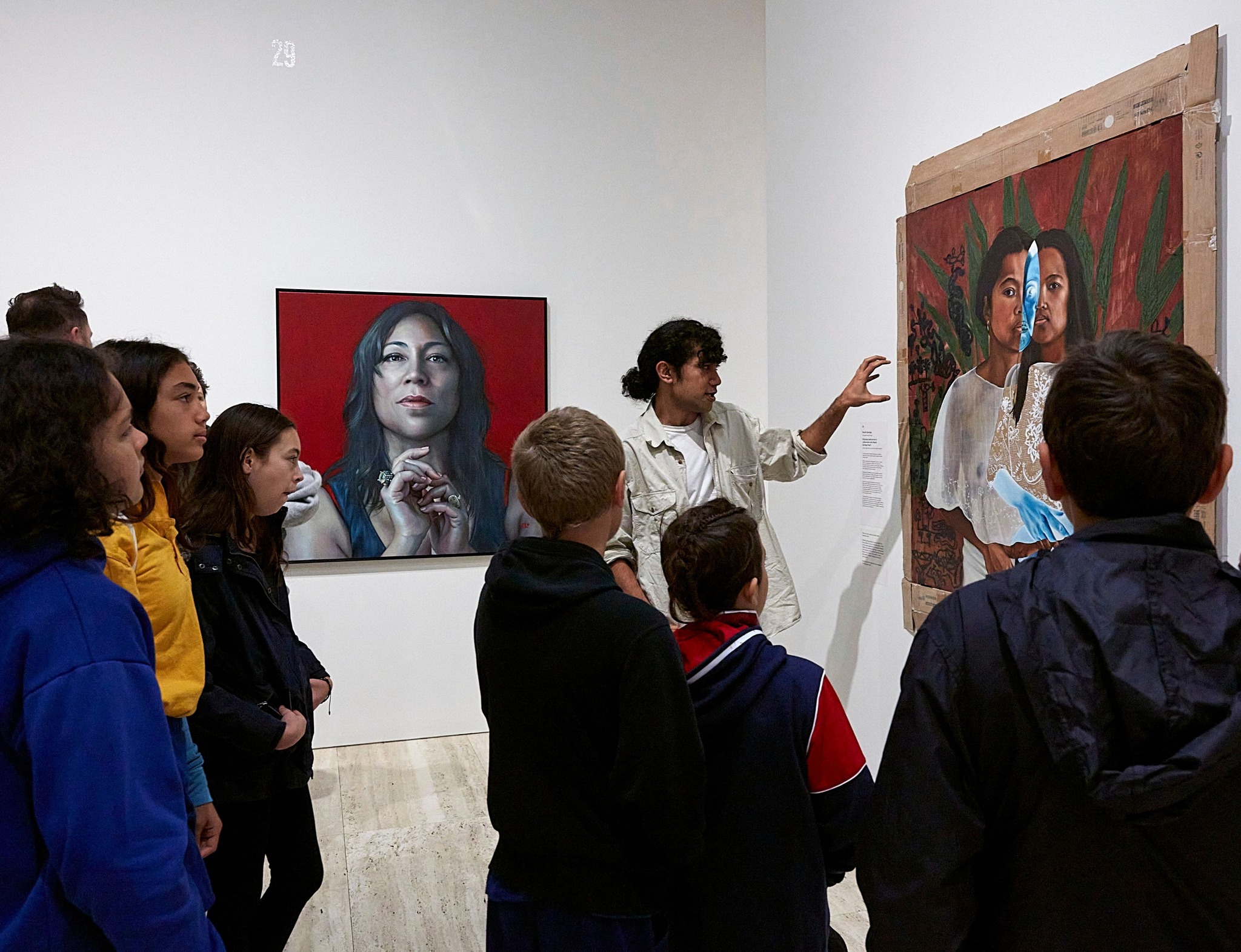

The Art Gallery of New South Wales (AGNSW) is one of the leading cultural institutions in Australia, situated in the heart of Sydney. The gallery, which was established in 1871, has an extensive collection of Australian, European, and Asian art, including paintings, sculptures, decorative arts, and photographs. The AGNSW has become an essential part of the city’s cultural landscape and attracts visitors from all over the world.
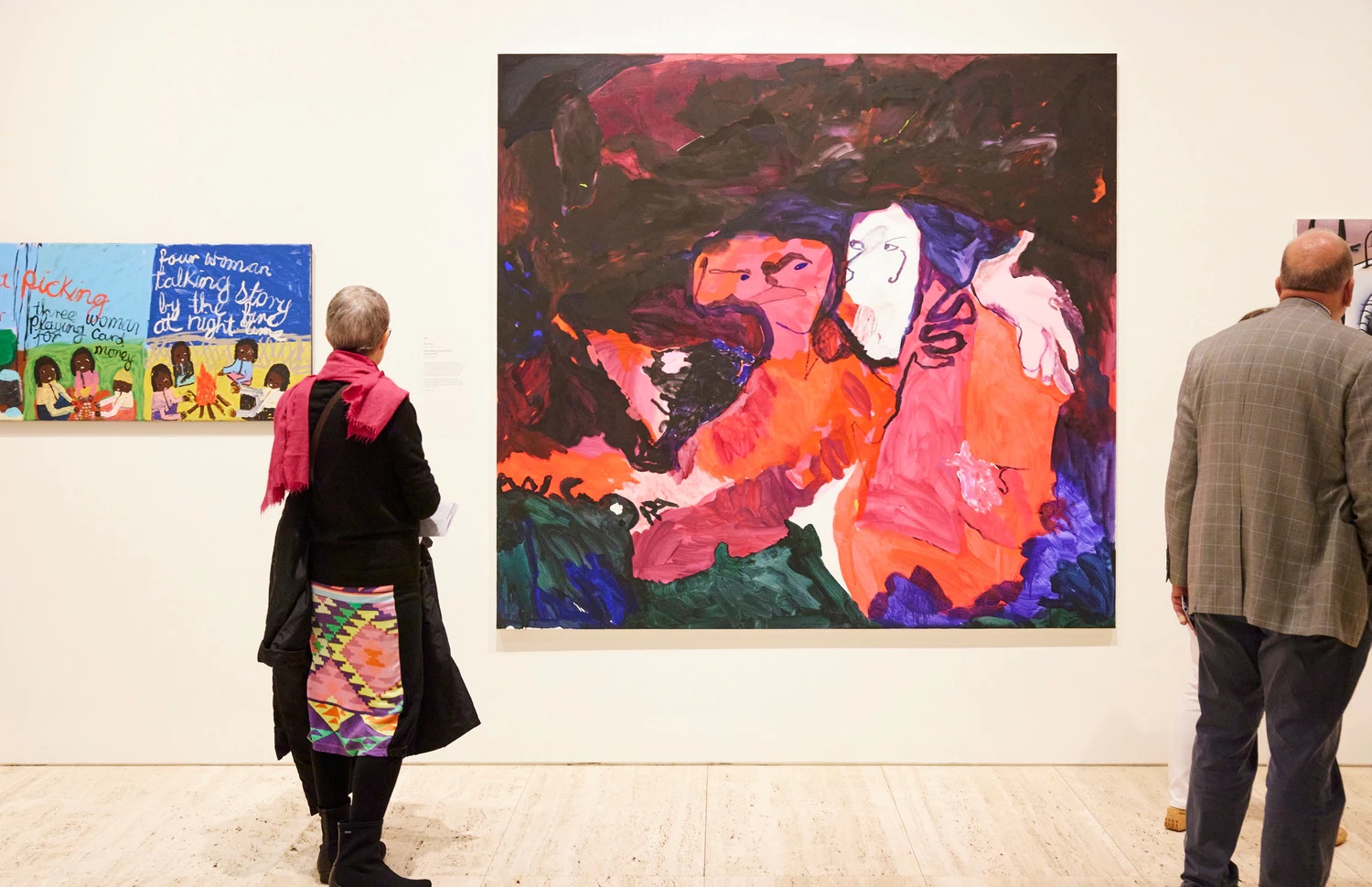
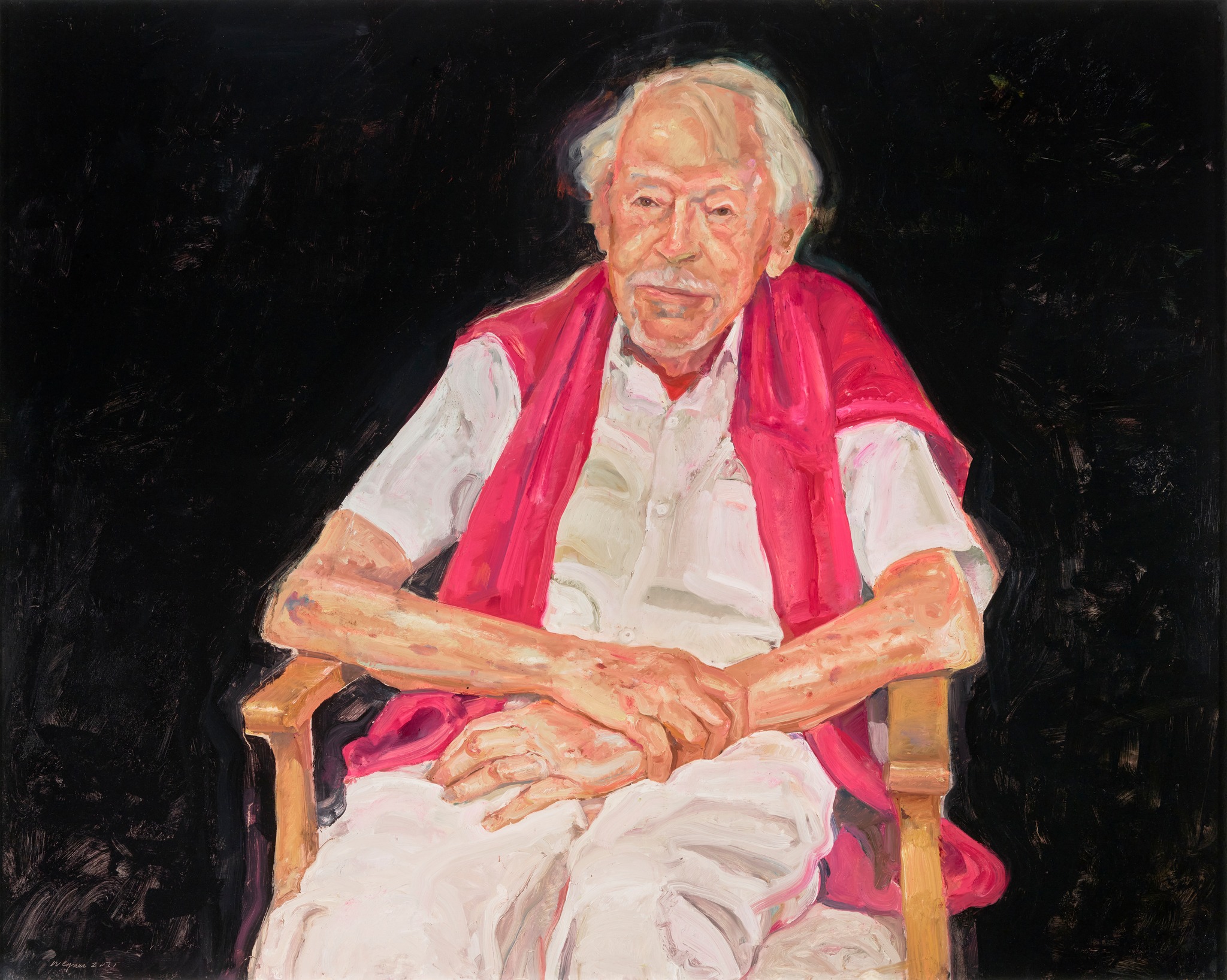
The AGNSW collection is spread over four levels and covers a broad range of styles, periods, and genres. The Australian collection is particularly extensive, with works spanning from colonial to contemporary times. The gallery’s European collection includes works by many of the great masters, such as Rembrandt, Rubens, and Monet, as well as significant examples of decorative arts, including furniture, ceramics, and glassware. The Asian collection is also extensive and comprises works from China, Japan, Korea, and Southeast Asia.
One of the most significant works in the AGNSW collection is Arthur Streeton’s ‘Fire’s On,’ painted in 1891. The painting depicts a bushfire raging in the Blue Mountains, and it is widely regarded as one of the most iconic images of the Australian landscape. Another notable work is Sidney Nolan’s ‘Ned Kelly’ series, which comprises 26 paintings depicting the life and exploits of the notorious Australian bushranger. The AGNSW also has an extensive collection of works by the Australian modernist painter Brett Whiteley, including his famous ‘Lavender Bay’ series.
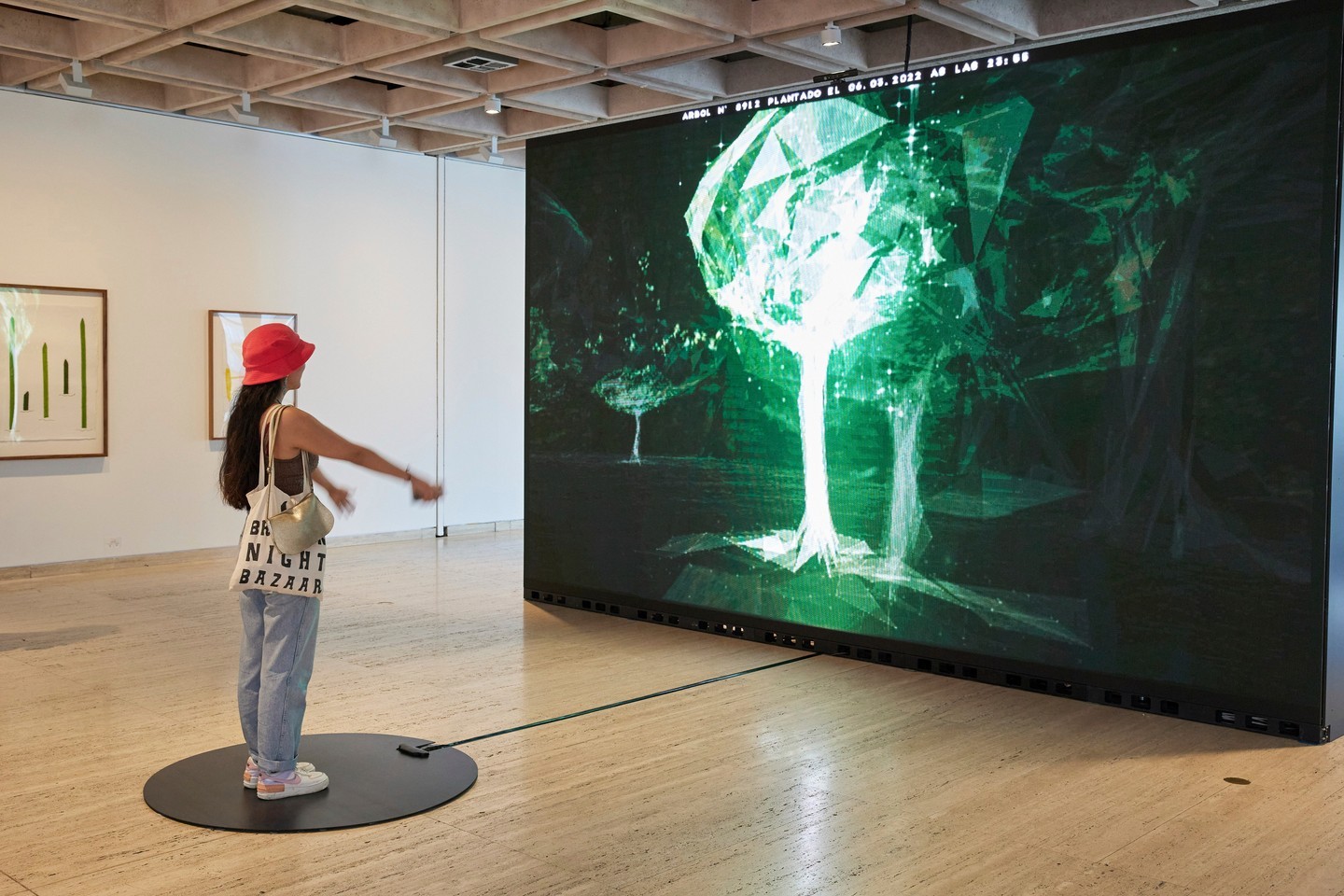
The AGNSW hosts several major exhibitions each year, which attract visitors from around the world. Recent exhibitions include ‘Japan Supernatural,’ which explored the role of supernatural beings in Japanese art and culture, and ‘Hugh Ramsay,’ which showcased the works of the Australian impressionist painter. The gallery also hosts regular events, including lectures, concerts, and film screenings.
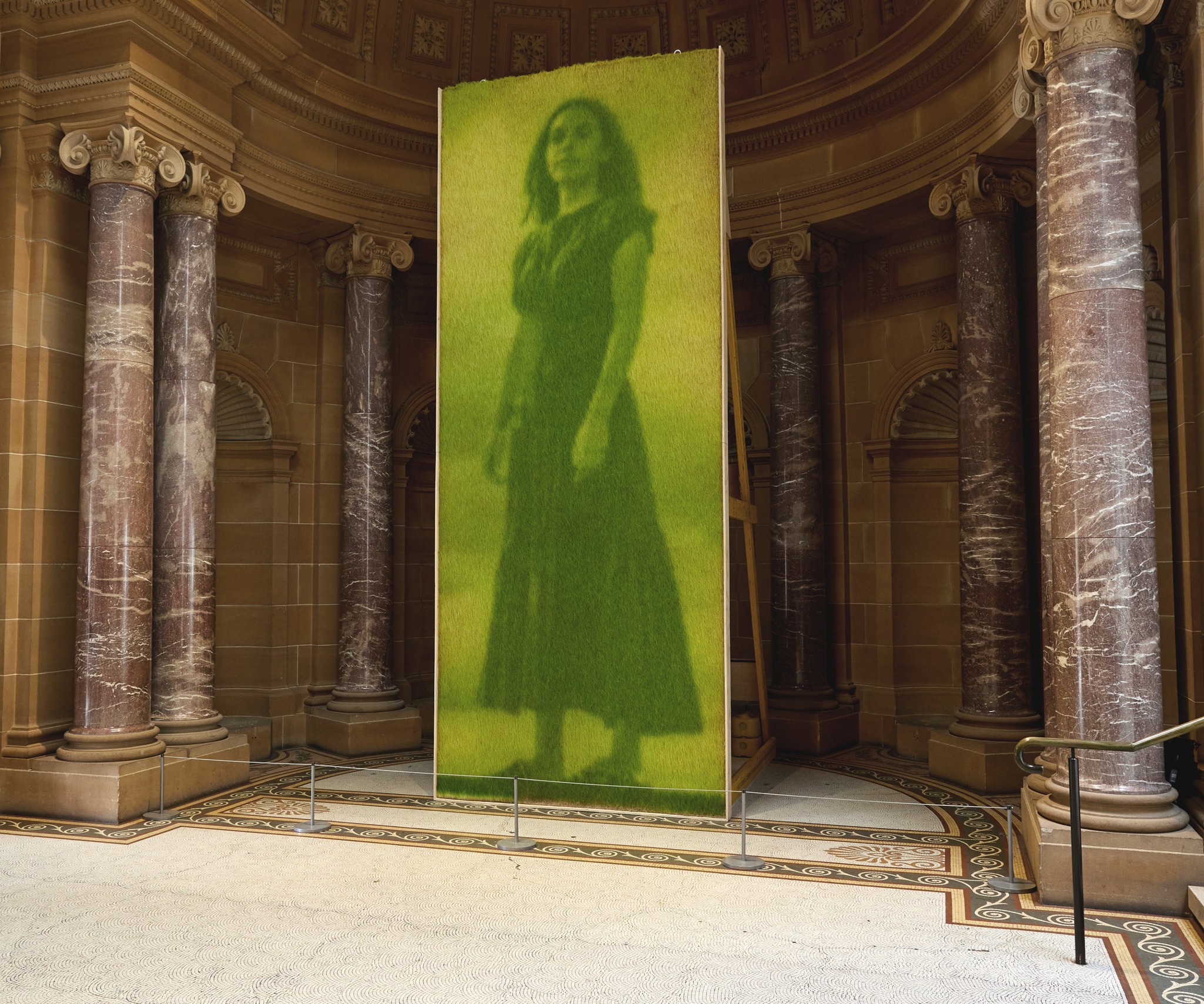
One of the most striking features of the AGNSW is its architecture. The gallery was originally housed in a Victorian-era building but has undergone several extensions and renovations over the years. The most significant of these was the recent expansion, designed by renowned architect Renzo Piano. The expansion included the addition of new galleries, a sculpture terrace, a new entrance, and a café, as well as the refurbishment of existing spaces. The new building is characterized by its use of glass and light, which create a sense of openness and connection with the surrounding parklands.
Another standout feature of the AGNSW is its commitment to accessibility and inclusion. The gallery has implemented several programs and initiatives to make its collection and events accessible to all visitors, including those with disabilities, diverse cultural backgrounds, and limited financial means. The gallery offers free admission to its permanent collection and many of its events, as well as special programs for schools and community groups.
In addition to its permanent collection and temporary exhibitions, the AGNSW also has an extensive research library and archive. The library contains over 120,000 items, including books, journals, and exhibition catalogues, and is open to researchers and the general public. The archive includes the gallery’s own records and documents, as well as collections related to Australian and international art history.
The AGNSW has played an essential role in the development of Australian art and culture over the past century. Its collection and exhibitions have helped to shape the national artistic identity and have fostered a deeper understanding and appreciation of art in the wider community. The gallery’s commitment to accessibility and inclusion has also ensured that its collection and programs are accessible to all, regardless of background or circumstances.
In conclusion, the Art Gallery of New South Wales is a vital cultural institution in Sydney and Australia, housing a world-class collection of art and hosting significant exhibitions and events. Its recent expansion and ongoing commitment to accessibility and inclusion have made it a more welcoming and inclusive space, and its research library and archive provide valuable resources for researchers and scholars. The AGNSW is a must-visit for anyone interested in art, culture, and history and is an essential part of Sydney’s cultural landscape.
One of the most significant exhibitions hosted by the AGNSW in recent years was the 2019 exhibition ‘Japan Supernatural.’ The exhibition explored the role of supernatural beings in Japanese art and culture, showcasing works from the Edo period to the present day. The exhibition included a range of media, including painting, sculpture, and prints, and featured works by some of the most significant artists in Japanese art history, such as Katsushika Hokusai and Utagawa Kuniyoshi.
The exhibition was curated by Melanie Eastburn, Senior Curator of Asian Art at the AGNSW, and was a collaboration with the Museum of Fine Arts, Boston. The exhibition was a significant success, attracting over 160,000 visitors during its three-month run and receiving critical acclaim for its innovative approach to exploring the intersection of art and folklore.
The AGNSW’s commitment to accessibility and inclusion is evident in its programs and initiatives aimed at making art accessible to all. One of these initiatives is the Art and Dementia program, which provides tailored tours and art-making activities for people living with dementia and their carers. The program has been running since 2012 and has been widely praised for its positive impact on participants’ quality of life.
Another program aimed at increasing accessibility is the Art Access program, which provides free admission and tailored tours to visitors with disabilities. The program also includes audio descriptions and tactile tours, which allow visitors with vision impairments to engage with the collection through touch and sound.
The AGNSW’s commitment to accessibility is also reflected in its physical spaces, which have been designed to be accessible to all visitors. The recent expansion included the addition of wheelchair accessible lifts and ramps, as well as accessible toilets and facilities.
The AGNSW’s research library and archive are an essential resource for scholars and researchers interested in Australian and international art history. The library contains over 120,000 items, including books, journals, and exhibition catalogues, and is open to the public for research and study. The archive includes the gallery’s own records and documents, as well as collections related to Australian and international art history.
The AGNSW’s commitment to research is also reflected in its publication program, which includes books and catalogues on the gallery’s collection and exhibitions. Recent publications include ‘John Russell: Australia’s French Impressionist’ and ‘Margaret Preston: Catalogue Raisonné,’ both of which received critical acclaim for their scholarship and insights into Australian art history.
The AGNSW’s recent expansion, designed by renowned architect Renzo Piano, has transformed the gallery into a modern and open space, connecting the gallery to the surrounding parklands and creating a sense of openness and accessibility. The new building includes a range of new galleries, a sculpture terrace, a new entrance, and a café, as well as the refurbishment of existing spaces.
The most striking feature of the new building is its use of glass and light, which create a sense of openness and connection to the surrounding environment. The glass walls allow visitors to see the artworks in natural light, while the use of skylights and light wells ensures that the galleries are bathed in natural light.
In conclusion, the Art Gallery of New South Wales is a vital cultural institution in Australia, housing a world-class collection of art and hosting significant exhibitions and events. Its recent expansion and ongoing commitment to accessibility and inclusion have made it a more welcoming and inclusive space, and its research library and archive provide valuable resources for researchers and scholars. The AGNSW’s focus on accessibility and inclusion is evident in its programs and initiatives aimed at making art accessible to all, including those with disabilities and dementia. The gallery’s recent expansion, designed by renowned architect Renzo Piano, has transformed the space into a modern and open environment, connecting the gallery to the surrounding parklands and creating a sense of openness and accessibility. The AGNSW is a must-visit for anyone interested in art, culture, and history and is an essential part of Sydney’s cultural landscape.
Maps
Contact
Opening Hours
Video
FAQ's
Do I need a ticket?
There is no ticket or fee required for entering the Art Gallery or visiting most of the displays and exhibitions. A few special exhibitions require tickets, which are sometimes timed entry, where you need to specify a date and time when booking. For current exhibitions, see What’s on. See current entry requirements.
Can I borrow a wheelchair or portable stool?
Wheelchairs, mobility scooters and portable stools are available for use without charge. Ask one of our friendly staff when you arrive. See Access.
Where are the accessible toilets?
Accessible toilets are on the upper level, lower level 1 and lower level 2, near the lifts. See Access.
Is there a parents and carers room?
There is a parent's room with baby changing and feeding facilities on lower level 1, near the cafe and lifts. There are also baby change tables in the male and female toilets on lower level 1, near the Centenary Auditorium. All-gender toilets with change tables are located on lower level 2. The Gallery is fully pram-accessible, and you are welcome to take your pram into Gallery spaces. See our staff at the Information desk for family activities or recommendations.
Do you have all-gender toilets?
All-gender toilets with wash basins and hand dryers are located on Lower level 2. The amenities include ambulant, accessible and change table facilities.
Do you have a Changing Places facility?
An accredited Changing Places facility is located on Lower level 2 for visitors with high support needs and their carers. Please ask a staff member at the Information Desk for assistance to access the facility.
Where is the accessible entrance to the Art Gallery?
A temporary access ramp – on the right as you face the building on Art Gallery Road – provides an alternative to the stairs at the main entrance. All public areas inside the building can be accessed by ramps and two lifts (as well as stairs and elevators). See Access. Taking photographs In most places in the Art Gallery, you’re welcome to take photos or make videos or films if: • it’s for personal use only • you don’t use a flash, selfie-stick, tripod or monopod • there’s no sign prohibiting photography Check with one of the uniformed Gallery officers if in doubt. You need to make a written request if you intend to photograph or film for publication or commercial purposes. For contact details, see Using images of the collection.
Where can I buy tickets?
Tickets for all paying exhibitions and events can be bought online or in person at the Art Gallery’s ticketing desk. We strongly recommend that you buy your tickets online in advance as times and dates can sell out. Tickets bought online will be provided by email, which can be scanned from your mobile device or printed for entry into the exhibition. If you are having problems booking online, call 9225 1627 Monday to Sunday, 10am to 5pm.
How do I book for a school or group?
School group visits should be booked in advance on our website or through our Learning and Participation Office. School group bookings for paid exhibitions are usually $8 per student (depending on exhibitions or program). Personal guided tours can be booked for small groups. Contact our Venues Department on 02 9225 1703.
Does the Art Gallery accept the companion card?
Yes. Care partners accompanying a visitor have free admission to paid exhibitions. Present your companion card at the ticketing desk on the ground level. See Access.
What is a concession?
If you hold a Senior’s Card, Health Care Card, Veterans Affairs Card, Pensioner Card, NAVA Membership Card or Full Time Student Card, you are eligible for a concession ticket. Please bring your card with you to show at the exhibition entry.
Do members need to buy tickets?
New members receive a free exhibition ticket when joining. You can become a member at the information desk or members lounge, or you can join online. Members pay a discounted price and can purchase tickets onsite via the exclusive members’ queue or online. They are also invited to free viewings for members. See Become a member.
What happens if I miss my timeslot for a timed-entry exhibition?
If you are more than 15 minutes late, please go to the information desk on the ground level and staff will try to place you in the next available session.
Can I exchange my tickets for another date for a timed-entry exhibition?
Tickets are non-refundable and cannot be exchanged, but if something unexpected happens that prevents you from visiting at the date and time you have booked, please enquire at the information/ticketing desk or call 9225 1627.
Can I buy an untimed ticket for a timed entry exhibition?
Untimed and undated tickets for paid exhibitions can be purchased for yourself or as a gift through our box office on 02 9225 1627. We can also issue these from the information desk at the Gallery. If you have one of these tickets, please go to the exhibition entrance. You will be admitted to the next available session; there may be a short waiting period.
Can someone else use my ticket?
There are no names on tickets so they can be used by anyone, regardless of who purchased it.
How long can I spend in an exhibition?
You can take as long as you like to enjoy any exhibition during normal operating hours, although you must enter a timed-entry exhibition at the allocated time on your ticket.
Can I enter an exhibition more than once with my ticket?
Each ticket is valid for a single entry; however, staff will accommodate re-entry on the same day, in certain circumstances.