
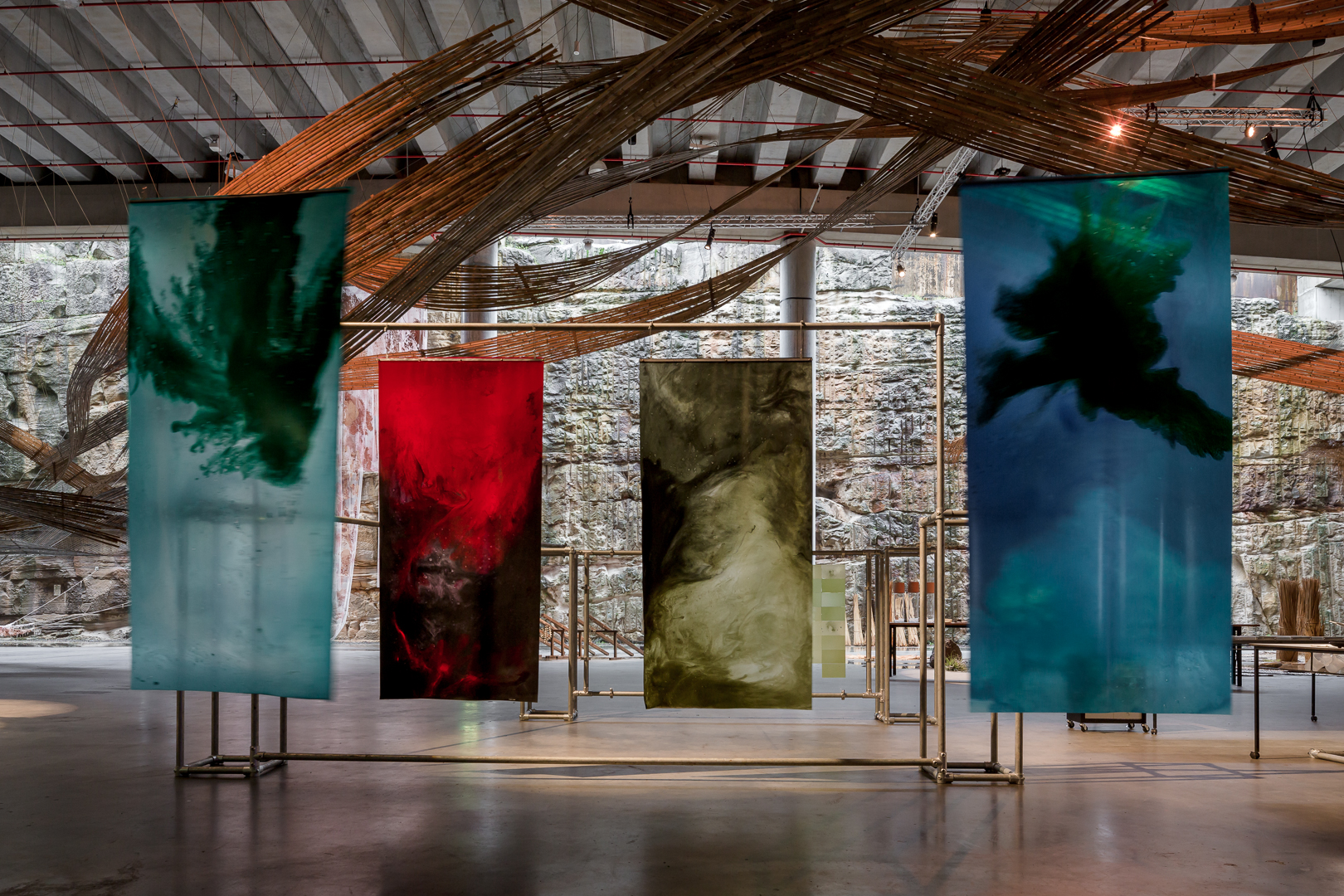
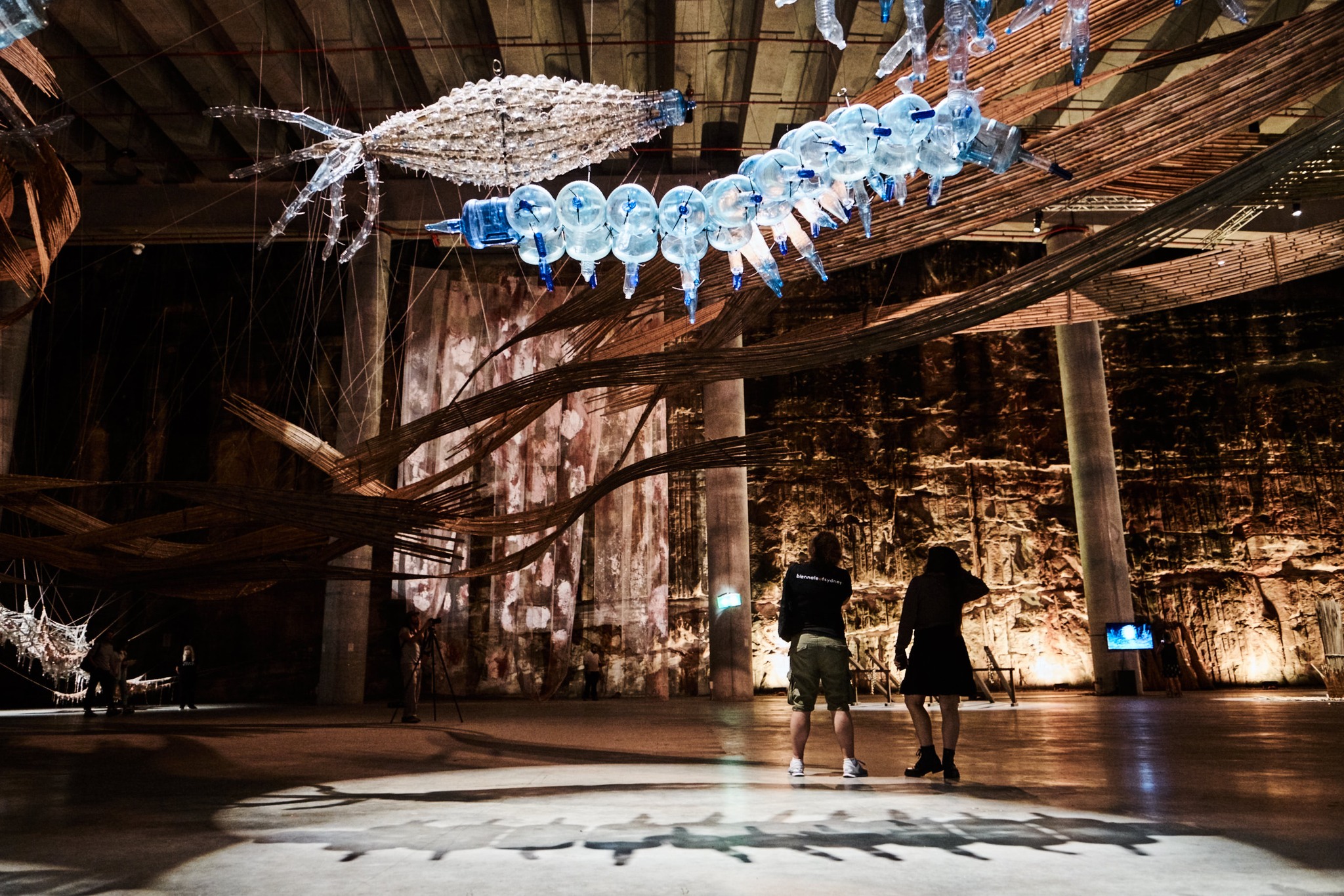
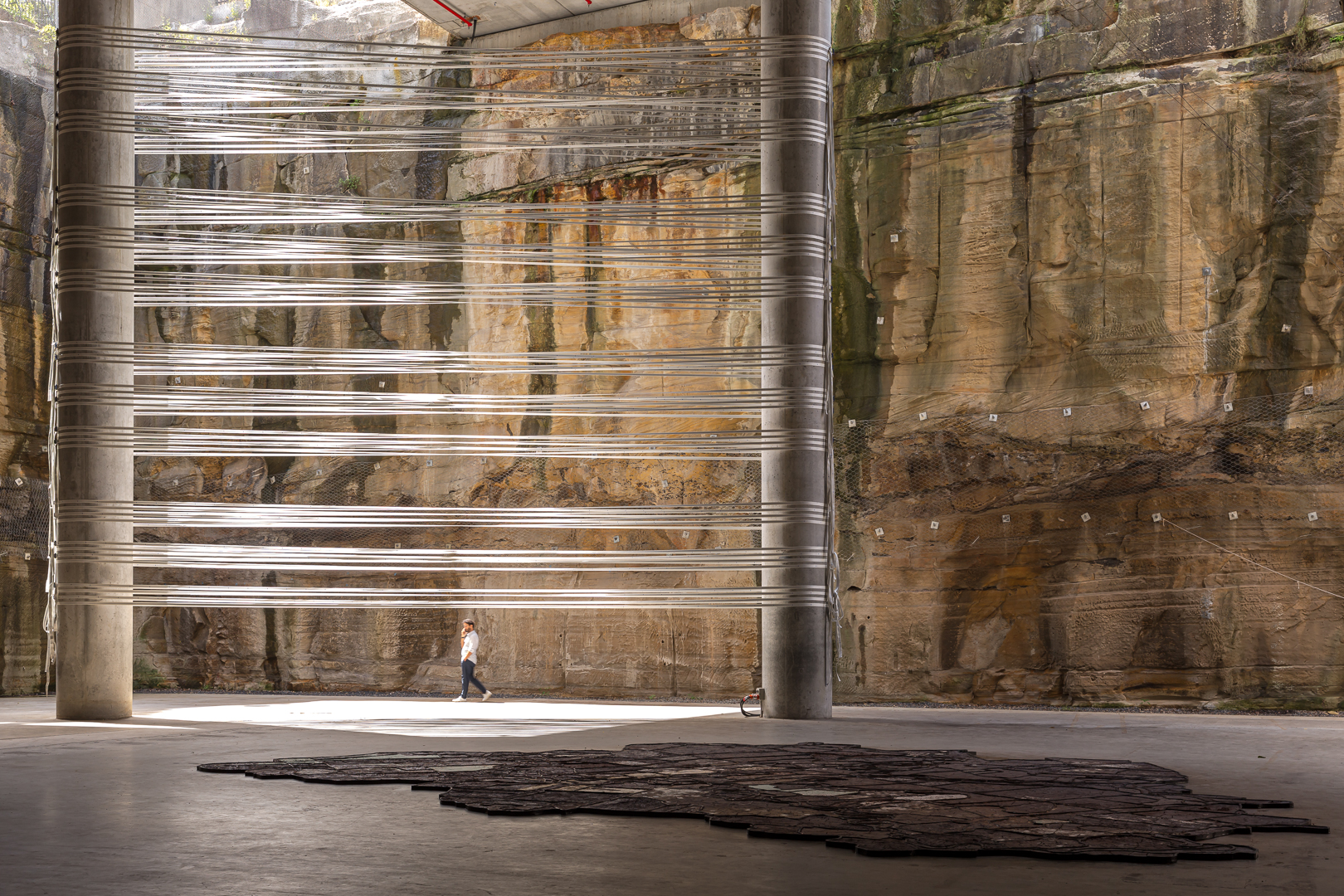

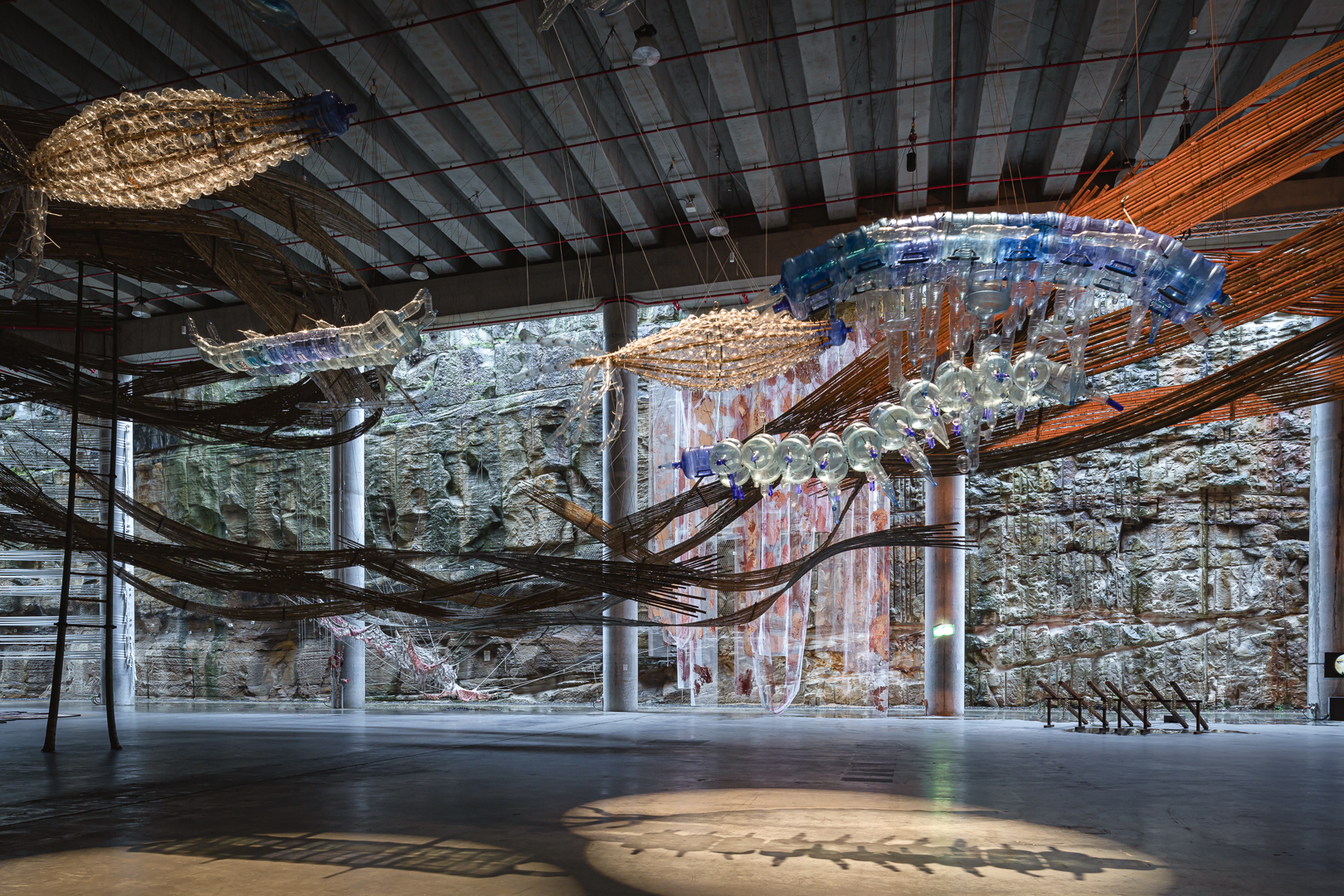


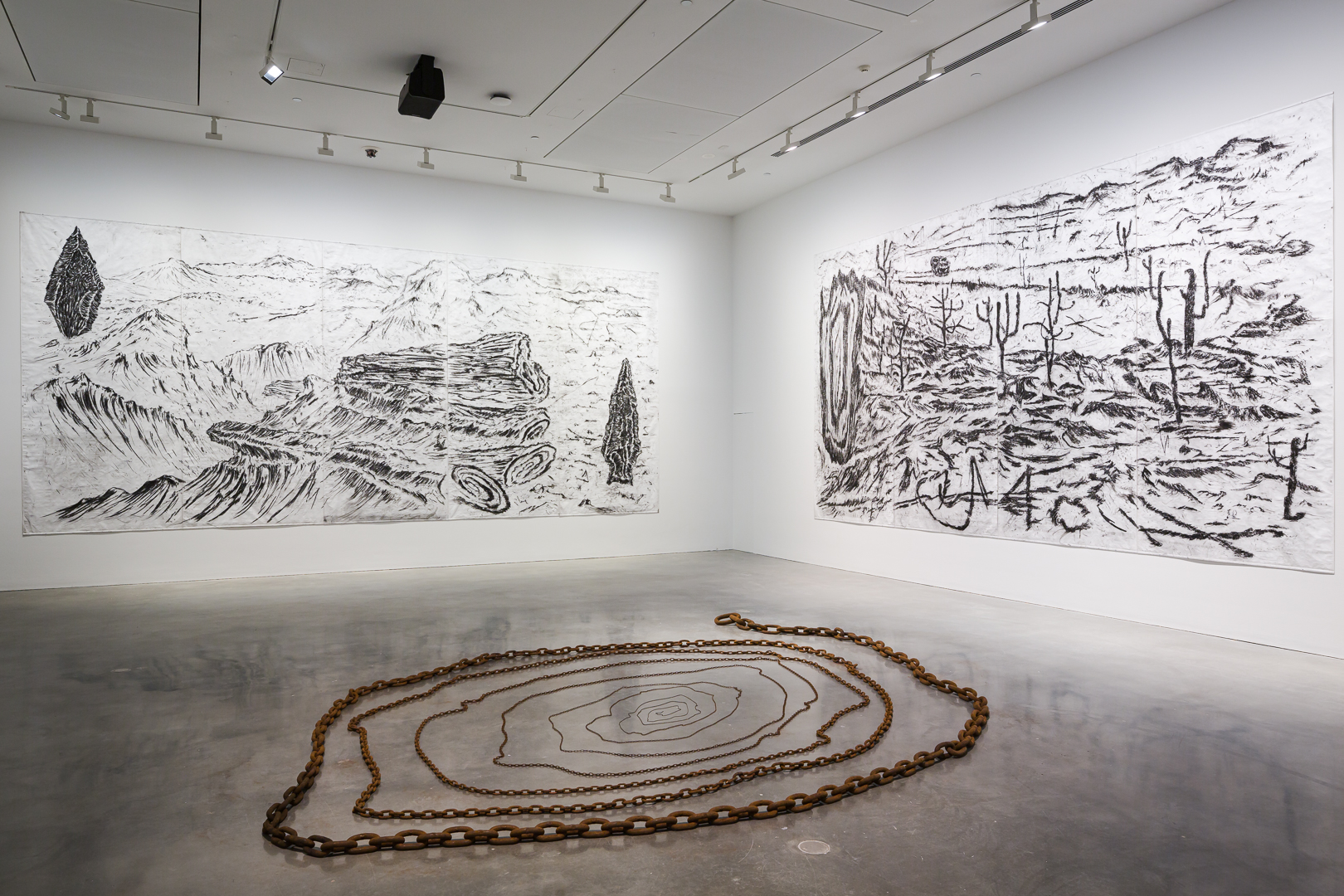
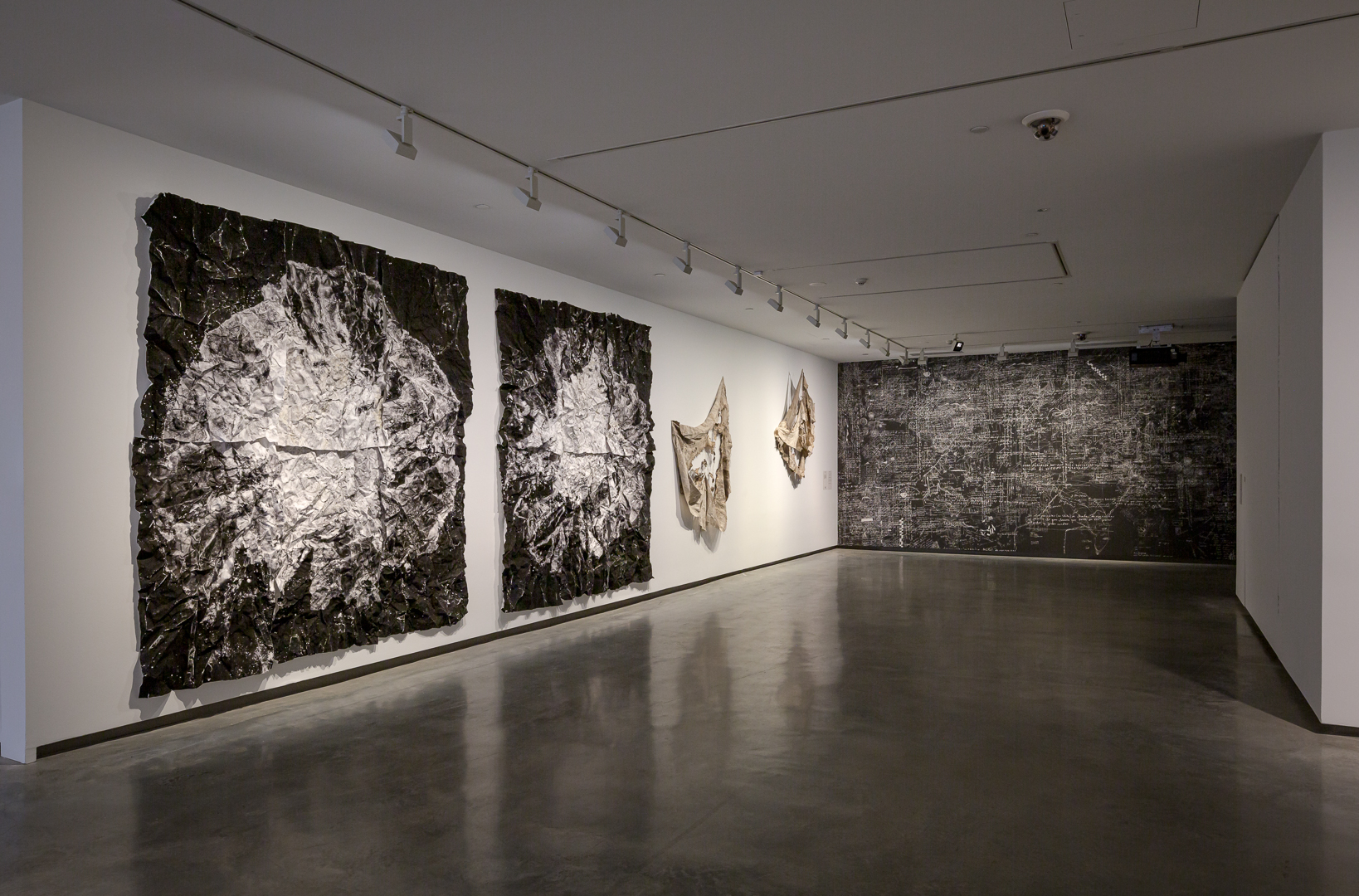
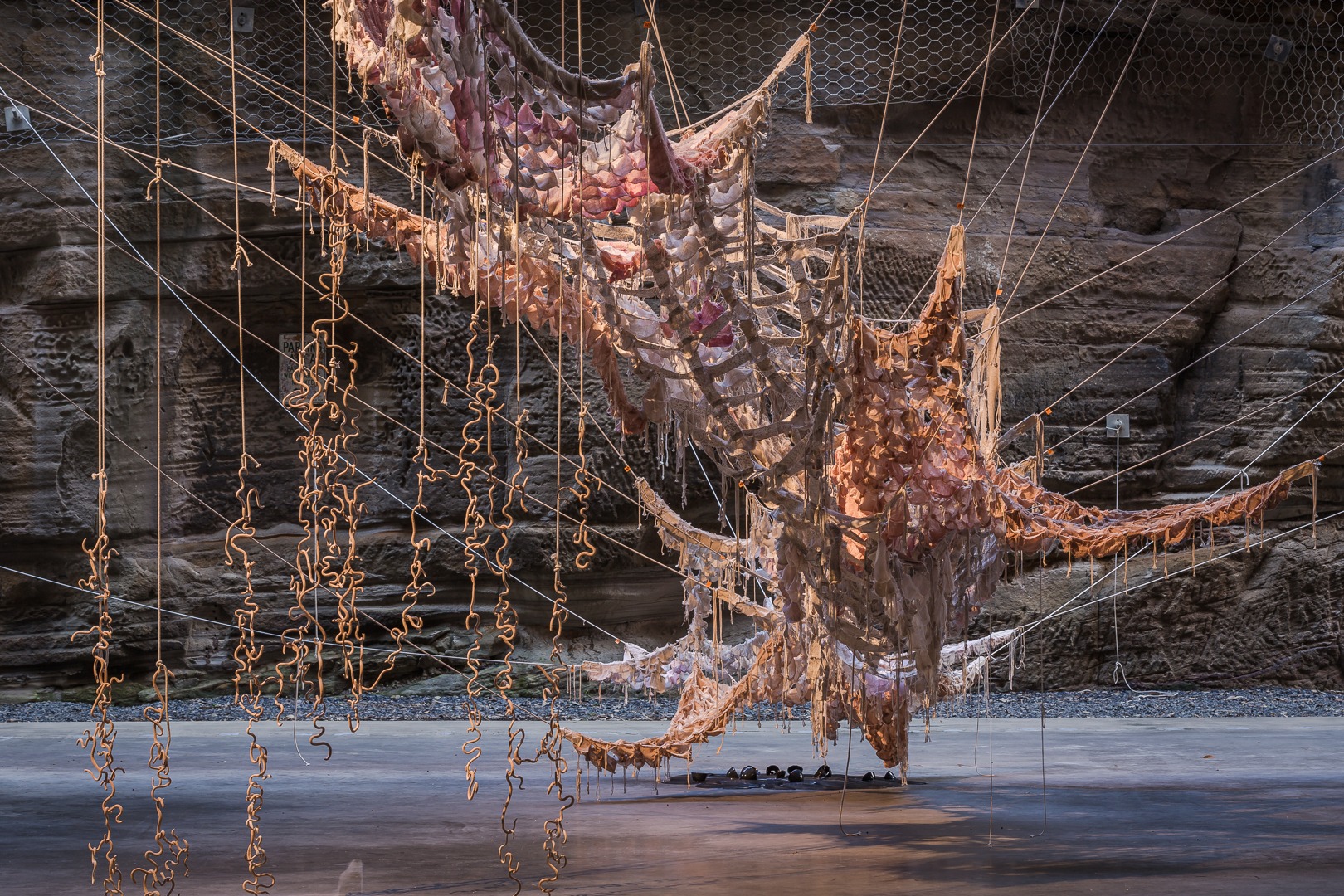
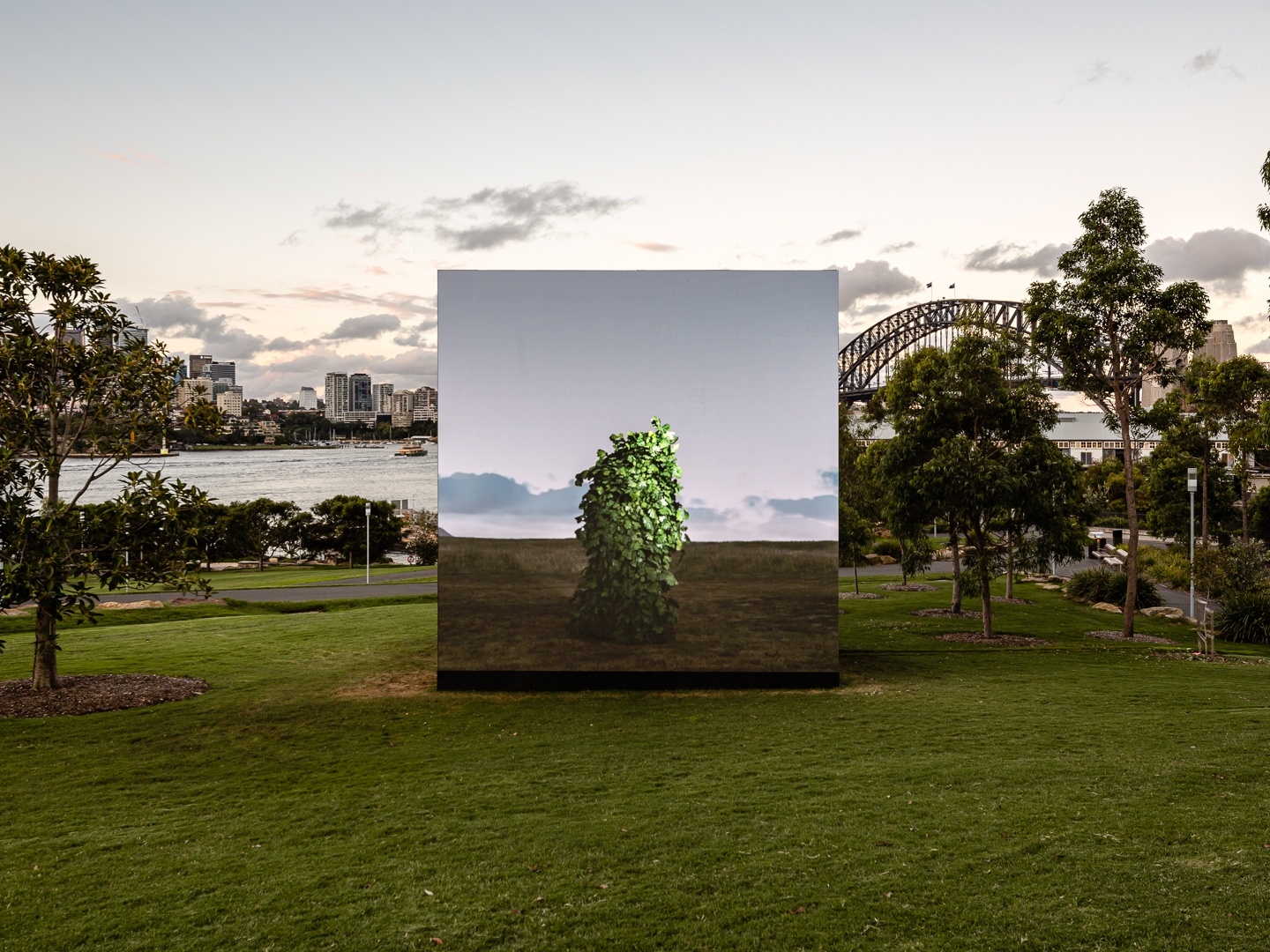
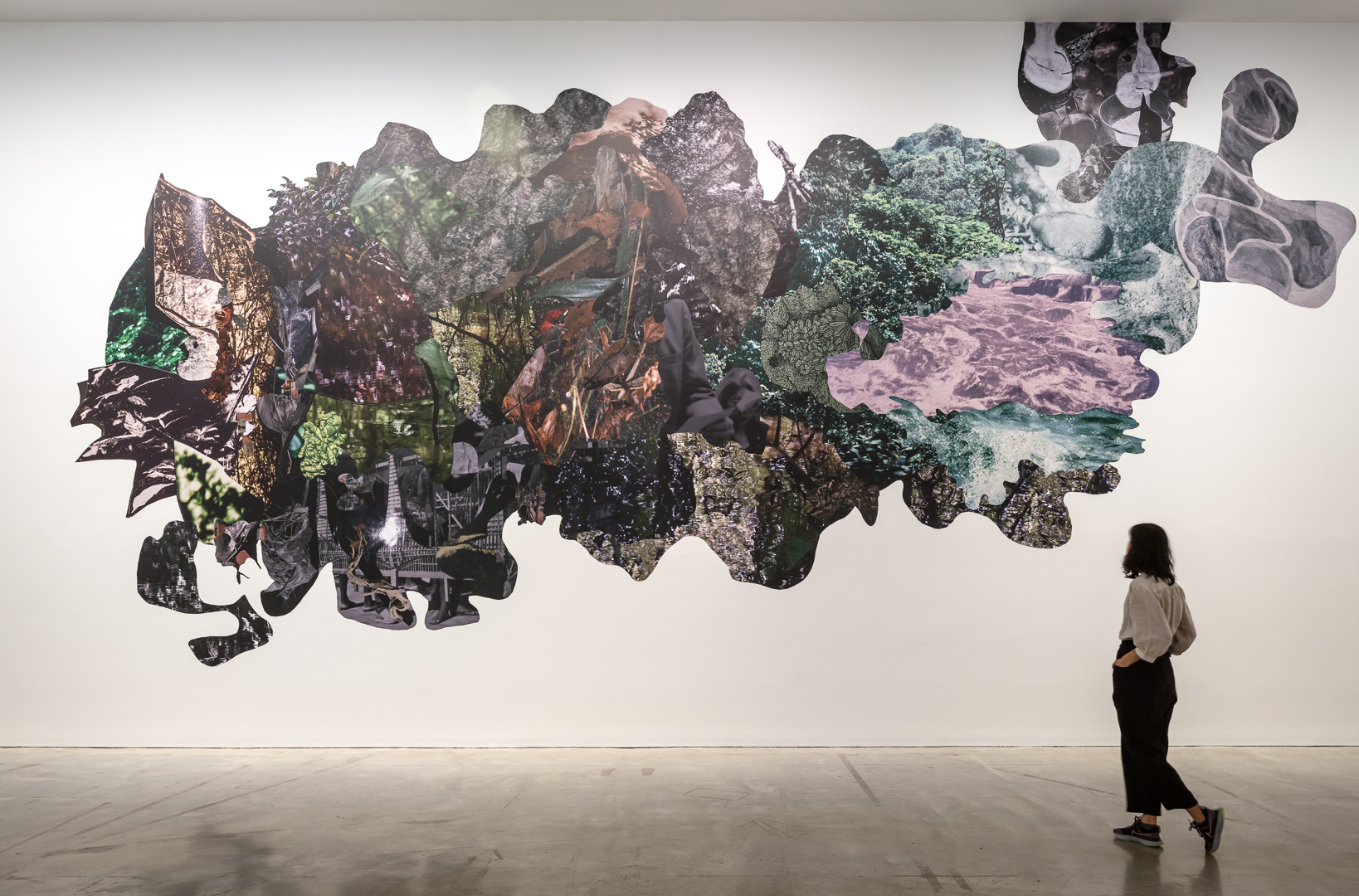

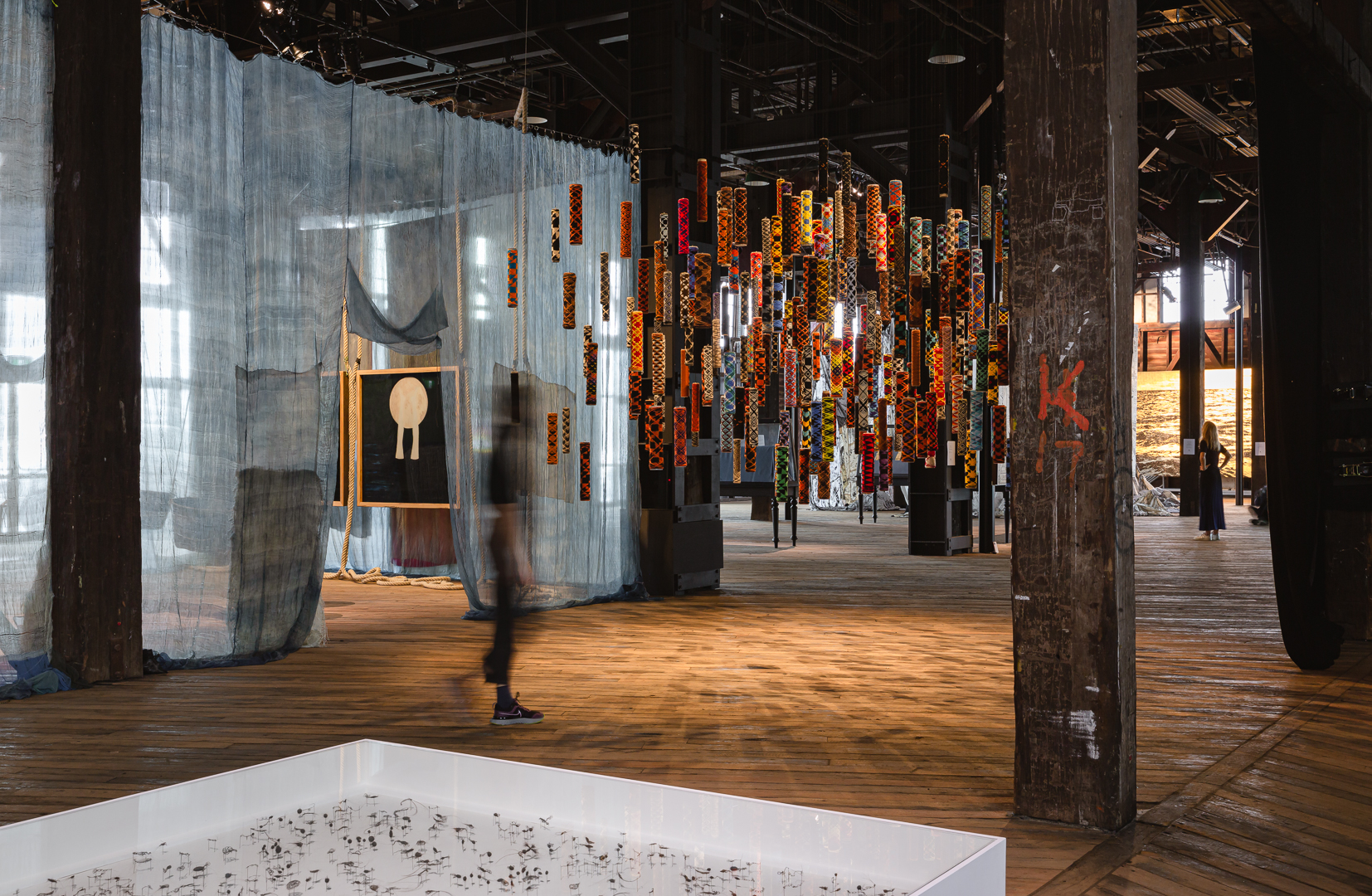

The Biennale of Sydney is one of the oldest and most prestigious contemporary art events in the world. Held every two years in Sydney, Australia, the Biennale has been a platform for showcasing cutting-edge works of art from across the globe since its inception in 1973. With each edition, the event has grown in scale and significance, drawing thousands of visitors and gaining international acclaim as a hub for the latest in contemporary art.
The Biennale of Sydney was established by Franco Belgiorno-Nettis, a prominent businessman and philanthropist, with the aim of bringing the best of contemporary art to the city. The inaugural edition was held in 1973 and featured works by 37 artists from 11 countries, attracting an audience of over 180,000. Since then, the event has been held every two years, with the most recent edition taking place in 2022.
The Biennale of Sydney is unique in that it does not have a fixed curatorial theme. Instead, each edition is curated by a different artistic director, who is given complete freedom to develop their own curatorial vision. This approach has led to a diverse range of exhibitions over the years, showcasing everything from painting and sculpture to video installations and performance art.
One of the hallmarks of the Biennale of Sydney is its commitment to showcasing works from across the Asia-Pacific region. This focus on the region is reflected in the selection of curators and artists, many of whom hail from Asia-Pacific countries. In recent years, the Biennale has also taken steps to address issues of cultural representation and diversity, with a greater emphasis on works by Indigenous and First Nations artists.
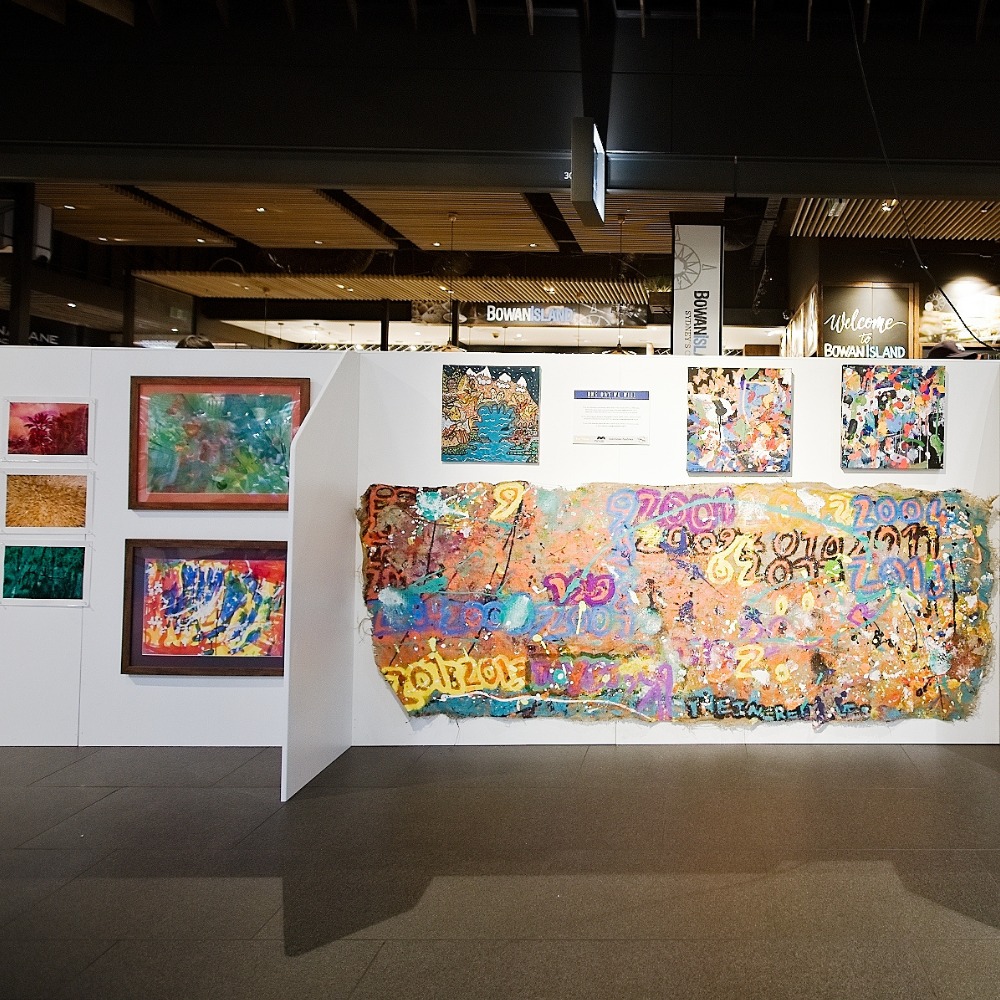
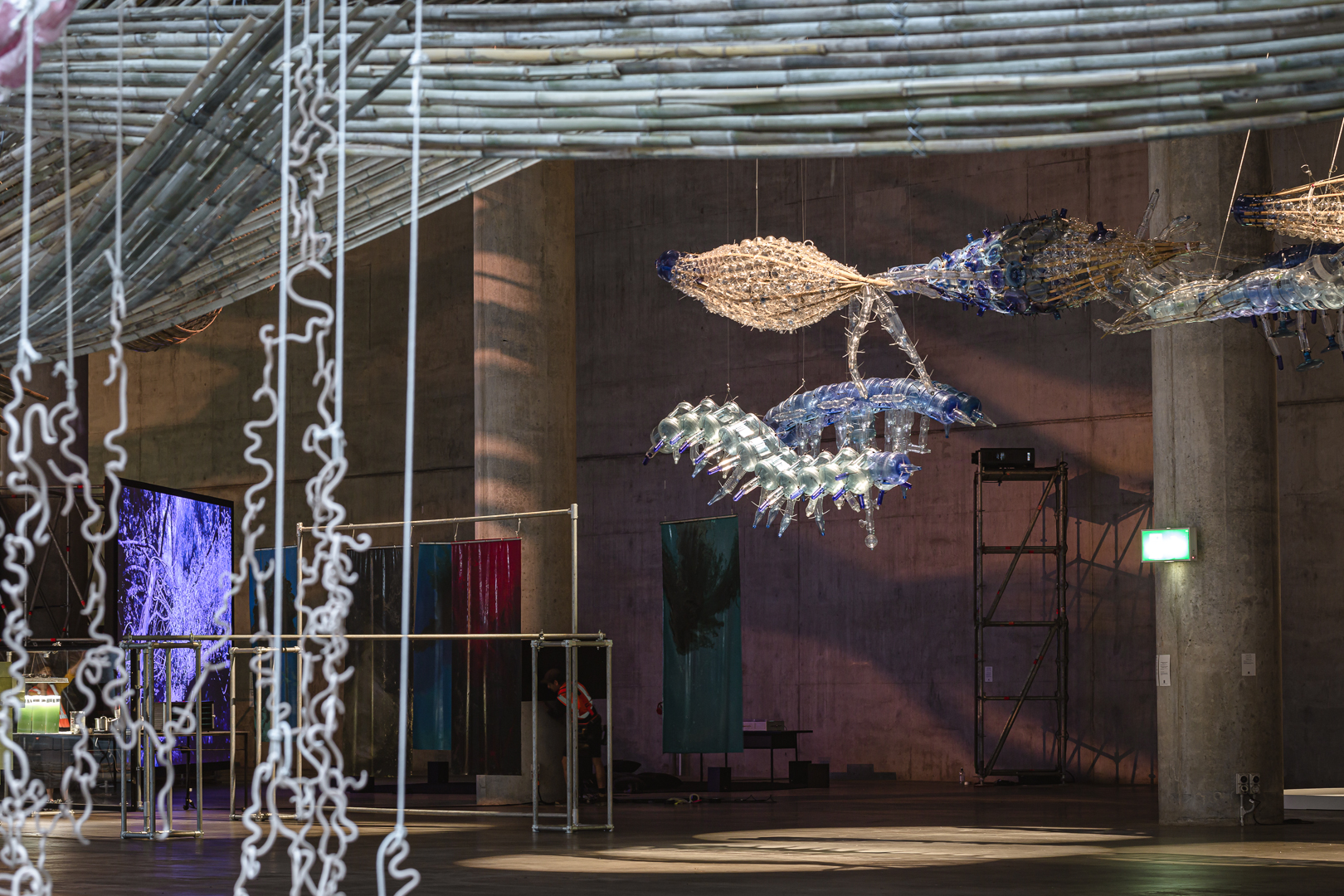
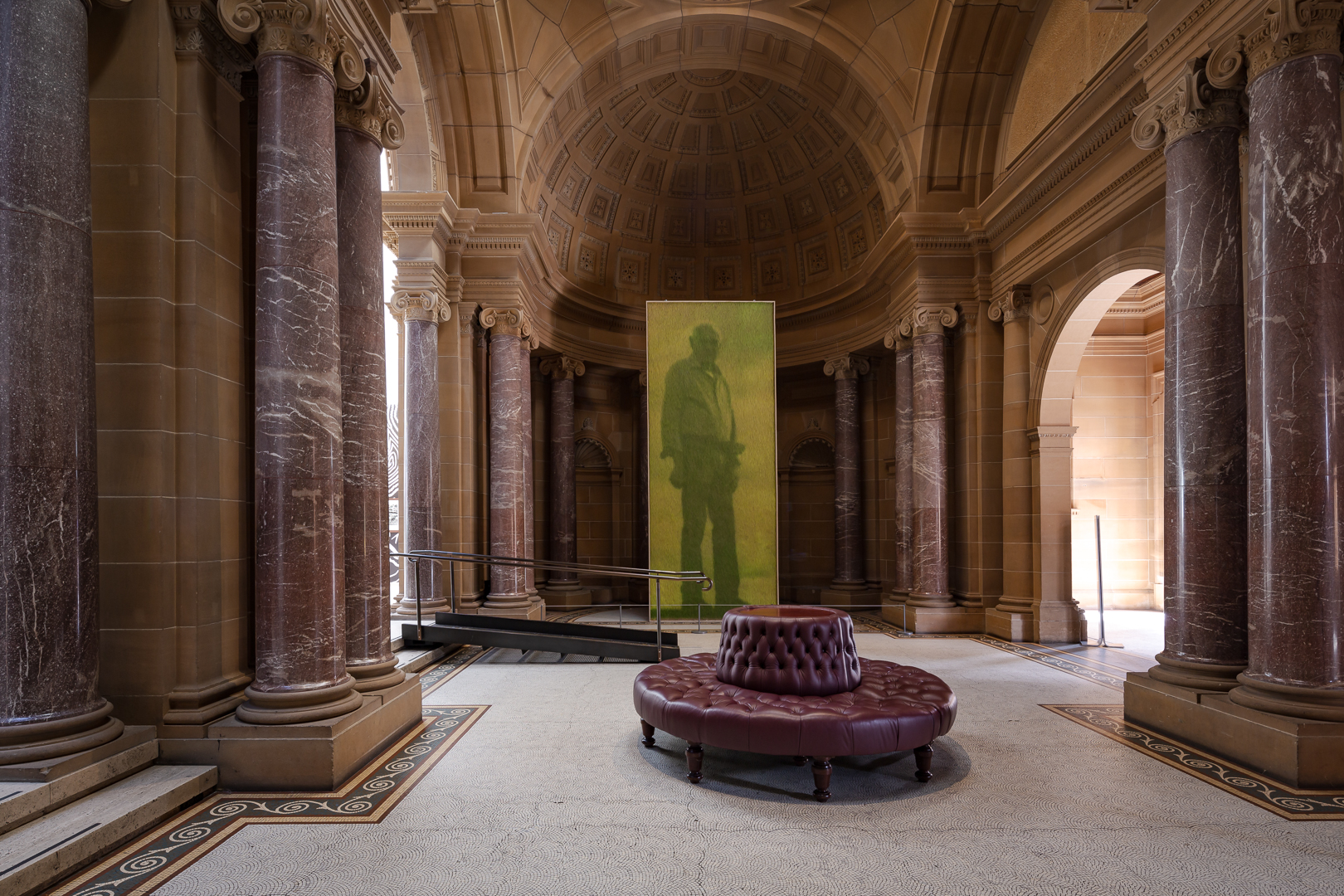
The Biennale of Sydney is held at multiple venues across the city, with each edition featuring a different selection of exhibition spaces. Some of the most iconic venues to have hosted the Biennale include the Art Gallery of New South Wales, the Museum of Contemporary Art Australia, and Cockatoo Island. The use of multiple venues allows the Biennale to showcase a wide variety of works in diverse settings, from traditional art galleries to unconventional outdoor spaces.
One of the most notable editions of the Biennale of Sydney was the 2008 event, which was curated by Carolyn Christov-Bakargiev. Titled “Revolution: Forms That Turn”, the exhibition explored the idea of revolution in a broad sense, showcasing works that addressed themes of transformation, upheaval, and change. The exhibition featured works by over 180 artists from 42 countries, and was praised for its thought-provoking and engaging approach to the theme.
Another standout edition of the Biennale was the 2018 event, which was curated by Mami Kataoka. Titled “Superposition: Equilibrium & Engagement”, the exhibition explored the idea of coexistence and interdependence in a world marked by political and social divisions. The exhibition featured works by 70 artists from 35 countries, and was praised for its thoughtful curation and emphasis on works by artists from the Asia-Pacific region.
The most recent edition of the Biennale of Sydney, which took place in 2022, was curated by José Roca. Titled “Nirin”, which means “edge” in the Wiradjuri language, the exhibition explored the idea of boundaries and borders, both physical and conceptual. The exhibition featured works by over 700 artists from 67 countries, including a strong representation of works by Indigenous and First Nations artists. The exhibition was praised for its ambitious scale and thought-provoking approach to the theme.
One of the most unique aspects of the Biennale of Sydney is its commitment to engaging with the local community. The event features a range of public programs, including talks, tours, and workshops, designed to encourage dialogue and interaction between artists, curators, and the public. The Biennale also offers a range of educational programs, including resources for teachers and school groups, to help foster a deeper understanding of contemporary art among young people.
In addition to its commitment to engaging with the local community, the Biennale of Sydney has also made efforts to reduce its environmental impact in recent years. The event has implemented a range of sustainability measures, such as reducing paper waste, using renewable energy sources, and promoting public transport options for visitors.
The Biennale of Sydney has played an important role in the development of contemporary art in Australia and around the world. Through its focus on showcasing the latest in contemporary art, the Biennale has helped to foster a vibrant arts scene in Sydney, attracting international attention and helping to establish the city as a hub for contemporary culture.
The Biennale has also provided a platform for emerging and established artists to showcase their work to a global audience, helping to launch the careers of many notable artists over the years. The event has also helped to facilitate cultural exchange between artists and audiences from different parts of the world, fostering greater understanding and appreciation of diverse cultural perspectives.
Overall, the Biennale of Sydney remains an important and influential event in the contemporary art world. With each edition, the event continues to push the boundaries of what is possible in contemporary art, showcasing innovative and thought-provoking works from around the globe. As the event continues to evolve and grow, it is sure to remain a key player in the world of contemporary art for years to come.