




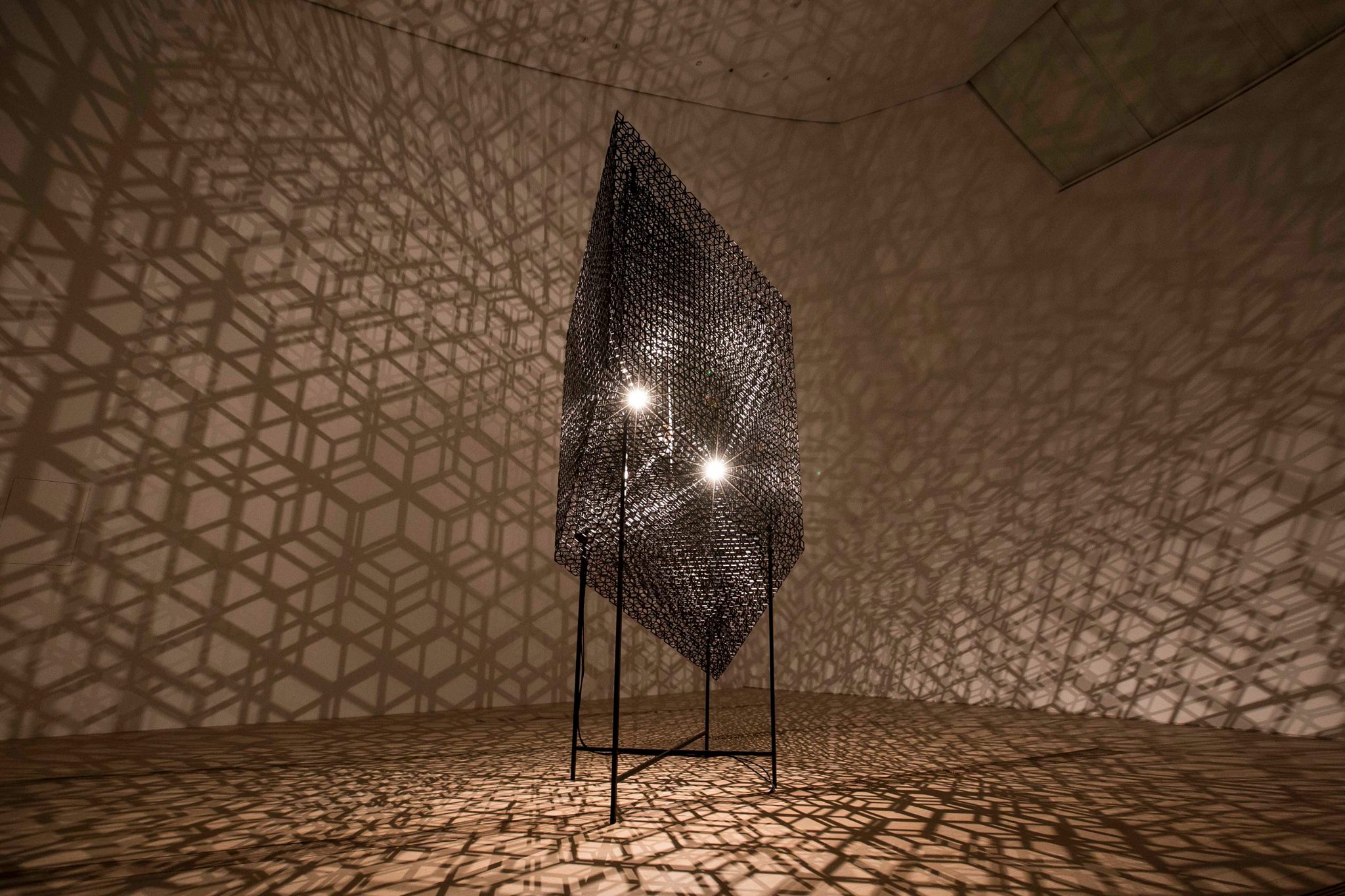
The ArtScience Museum is a world-class museum located in Singapore, known for its unique design and innovative exhibitions that explore the intersection between art, science, and technology. Opened in 2011, the museum has quickly become one of Singapore’s most popular attractions, drawing visitors from around the world.
Design and Architecture:
The museum’s design is one of its most distinctive features. Shaped like a giant lotus flower, the building was designed by renowned architect Moshe Safdie and is located at the Marina Bay Sands complex. The lotus-shaped design is meant to symbolize the welcoming nature of Singapore, as well as its aspirations for the future.
The building itself is made up of 10 “fingers,” each housing a different exhibition space. These spaces are interconnected by a central atrium, which provides visitors with a stunning view of the surrounding cityscape. The museum’s exterior is made up of over 7,000 unique glass panels, giving it a futuristic and otherworldly appearance.
Exhibitions:
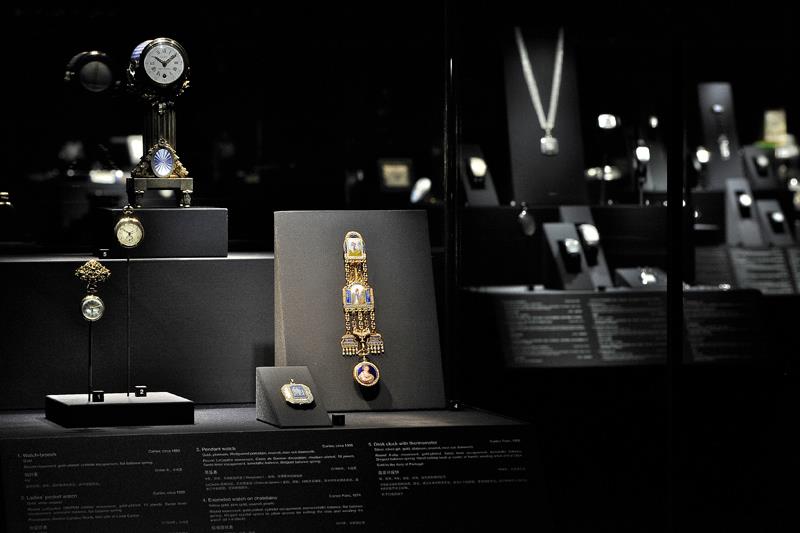
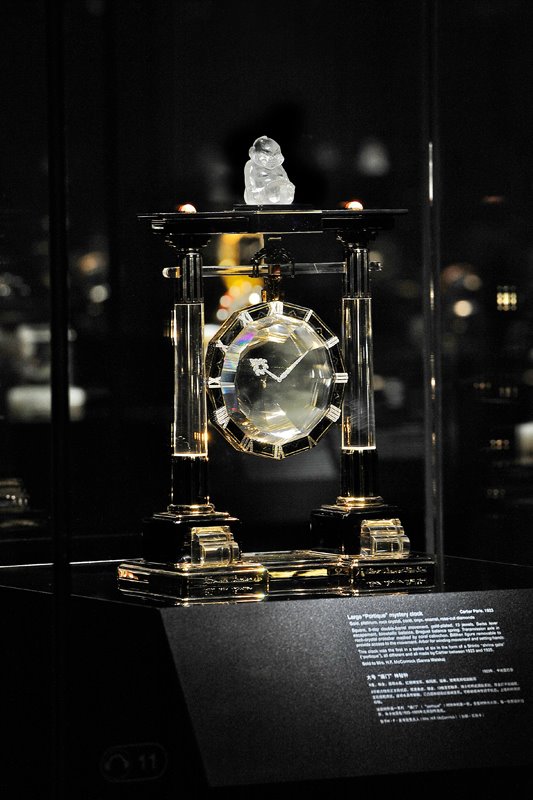
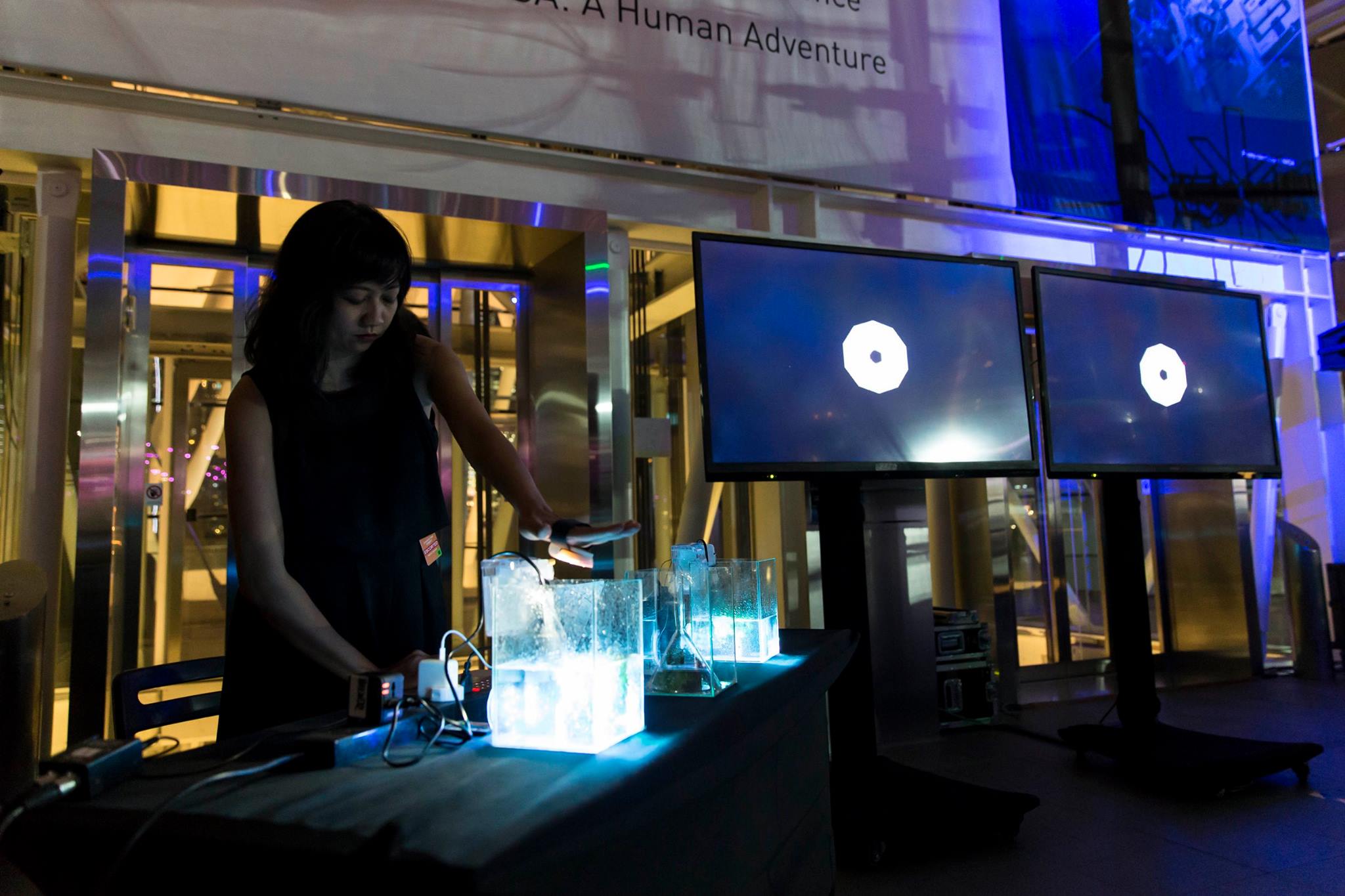
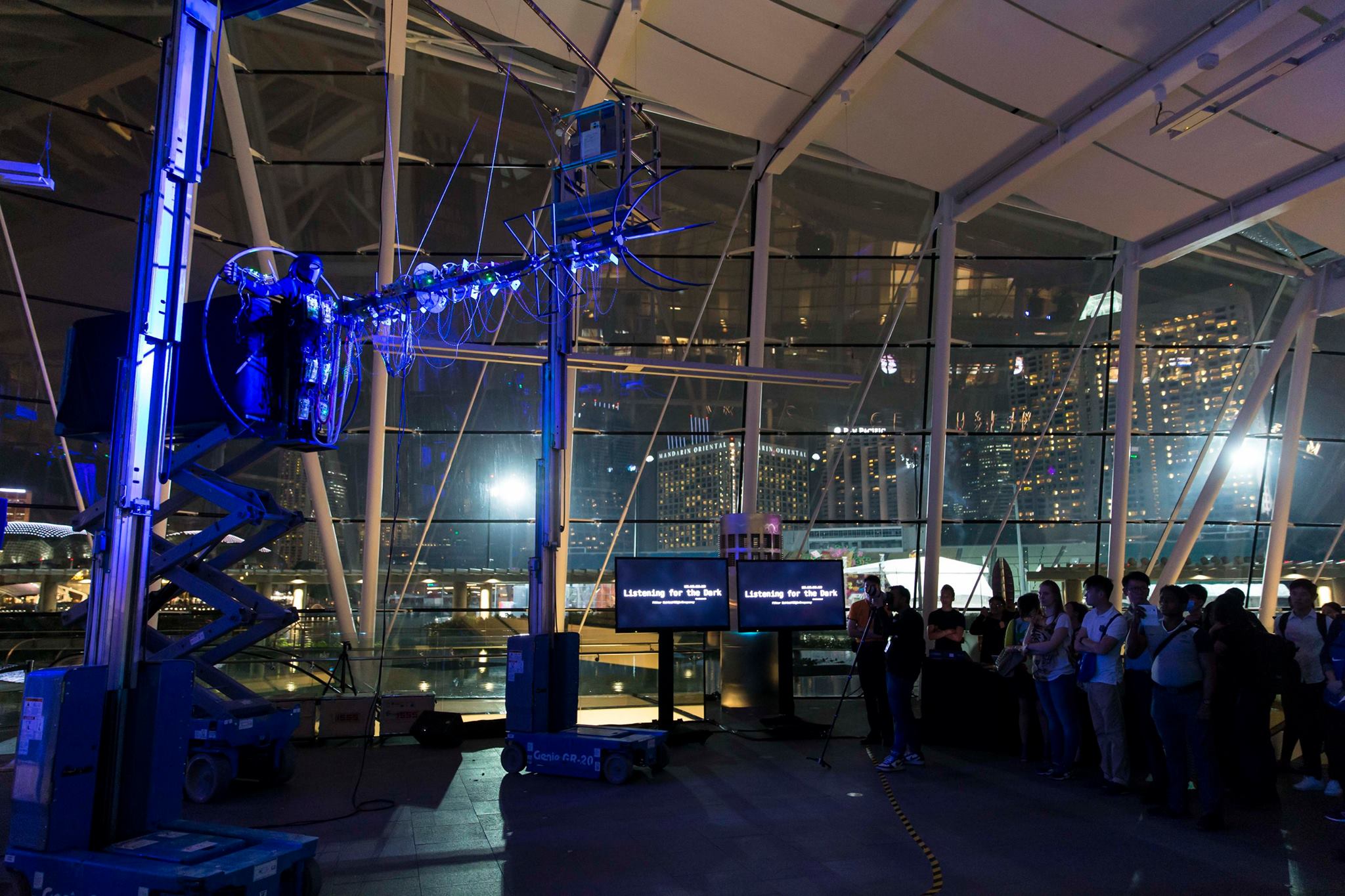
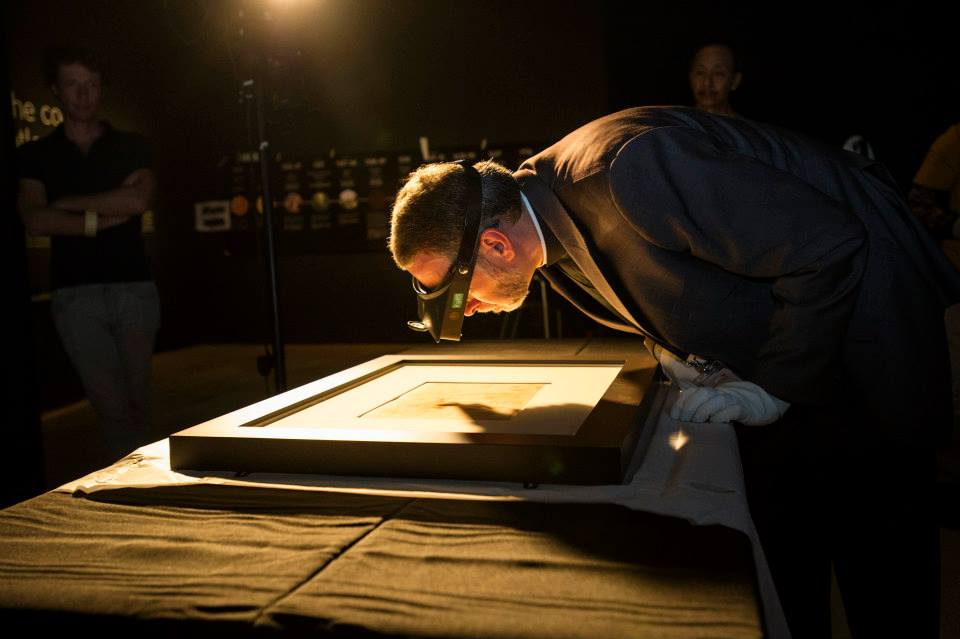
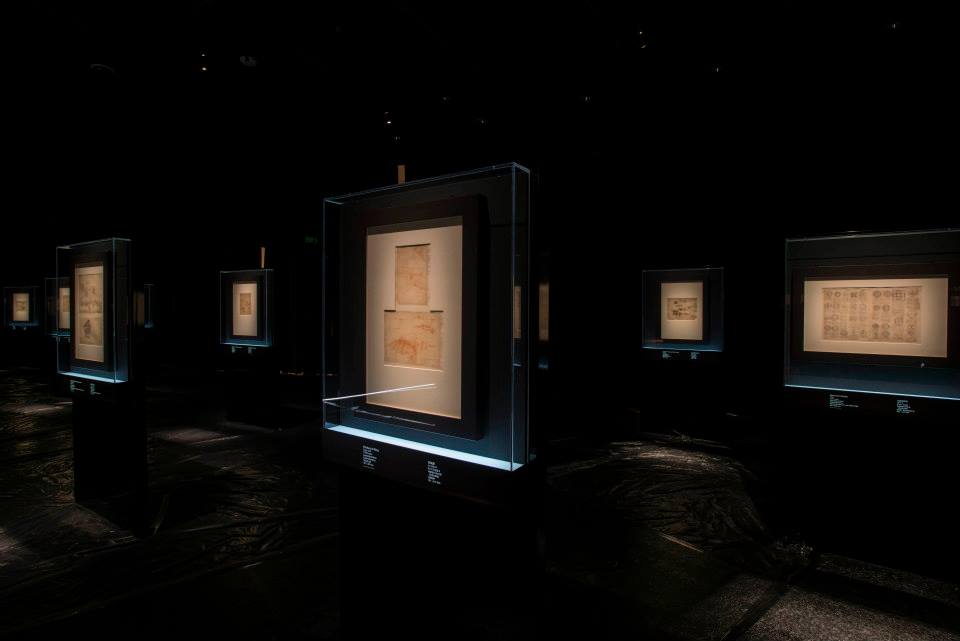
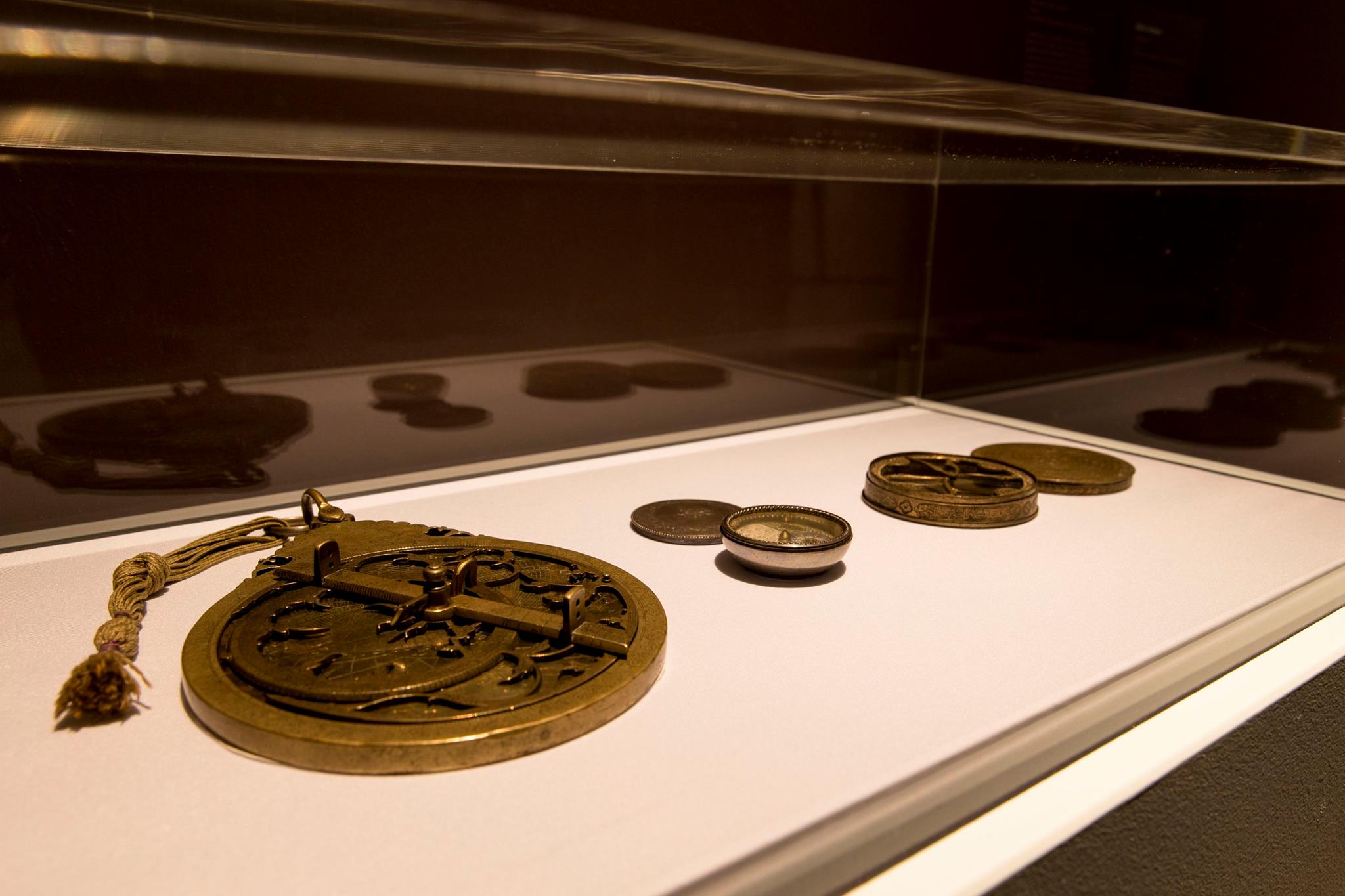
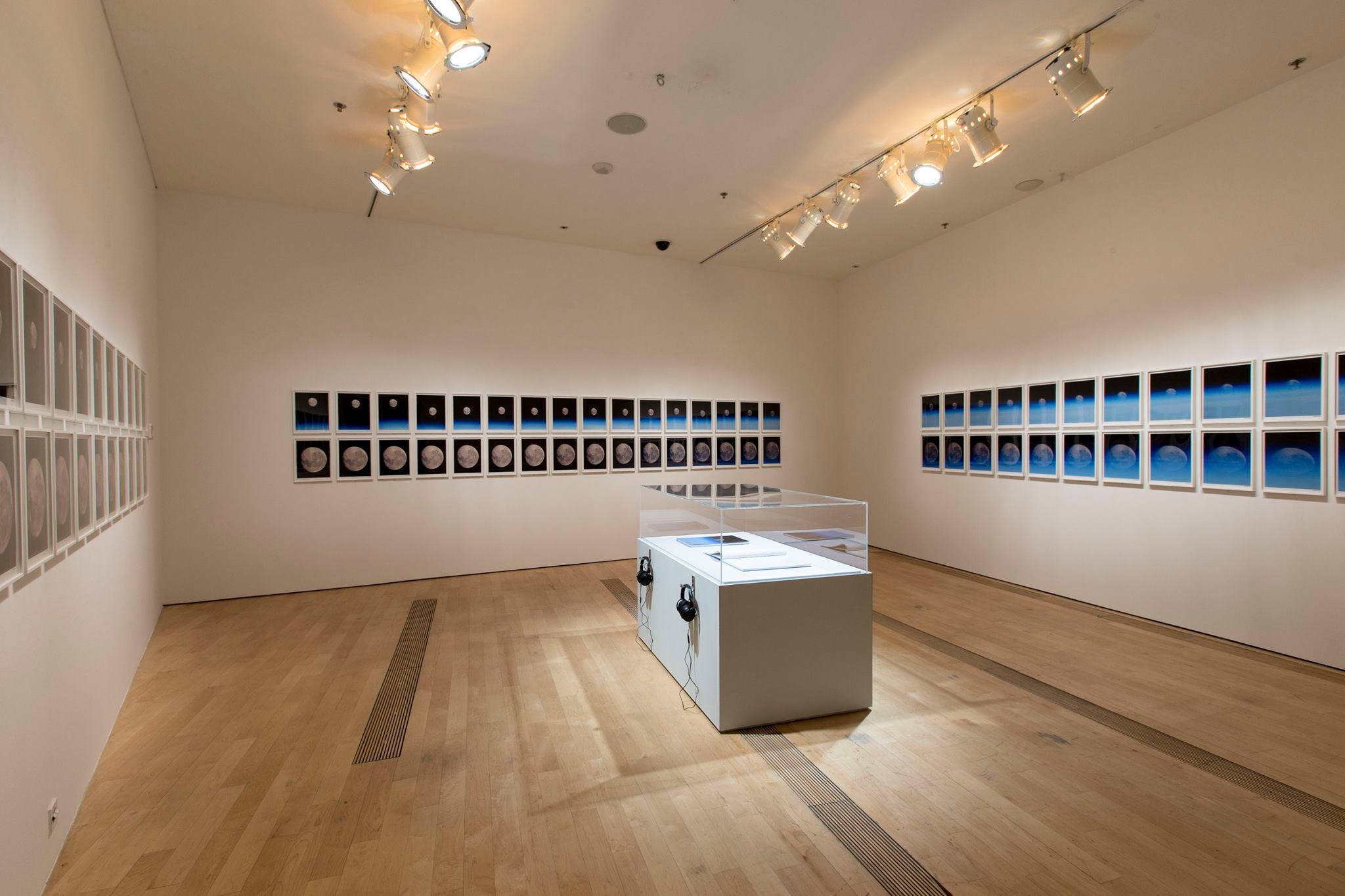
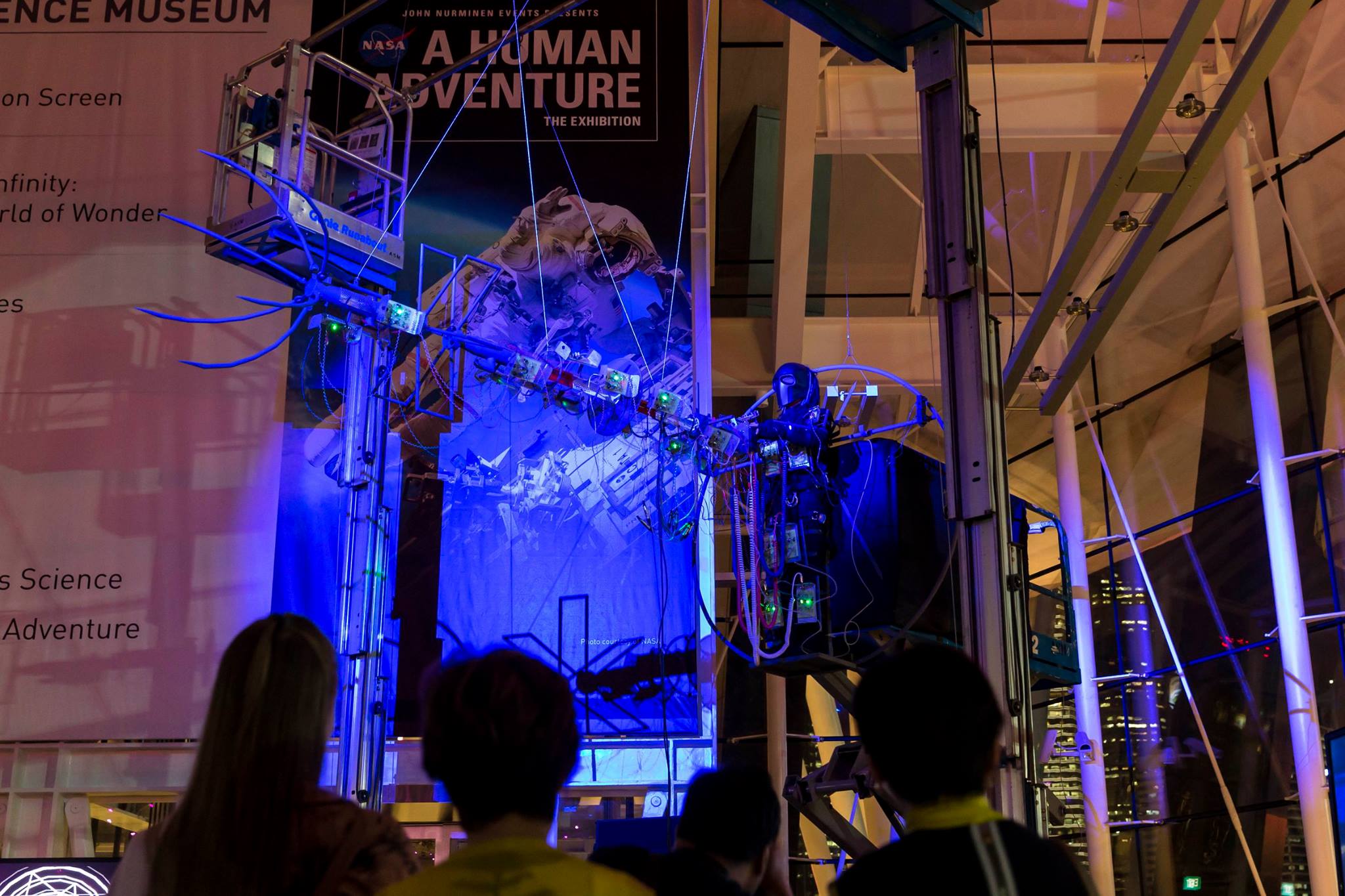
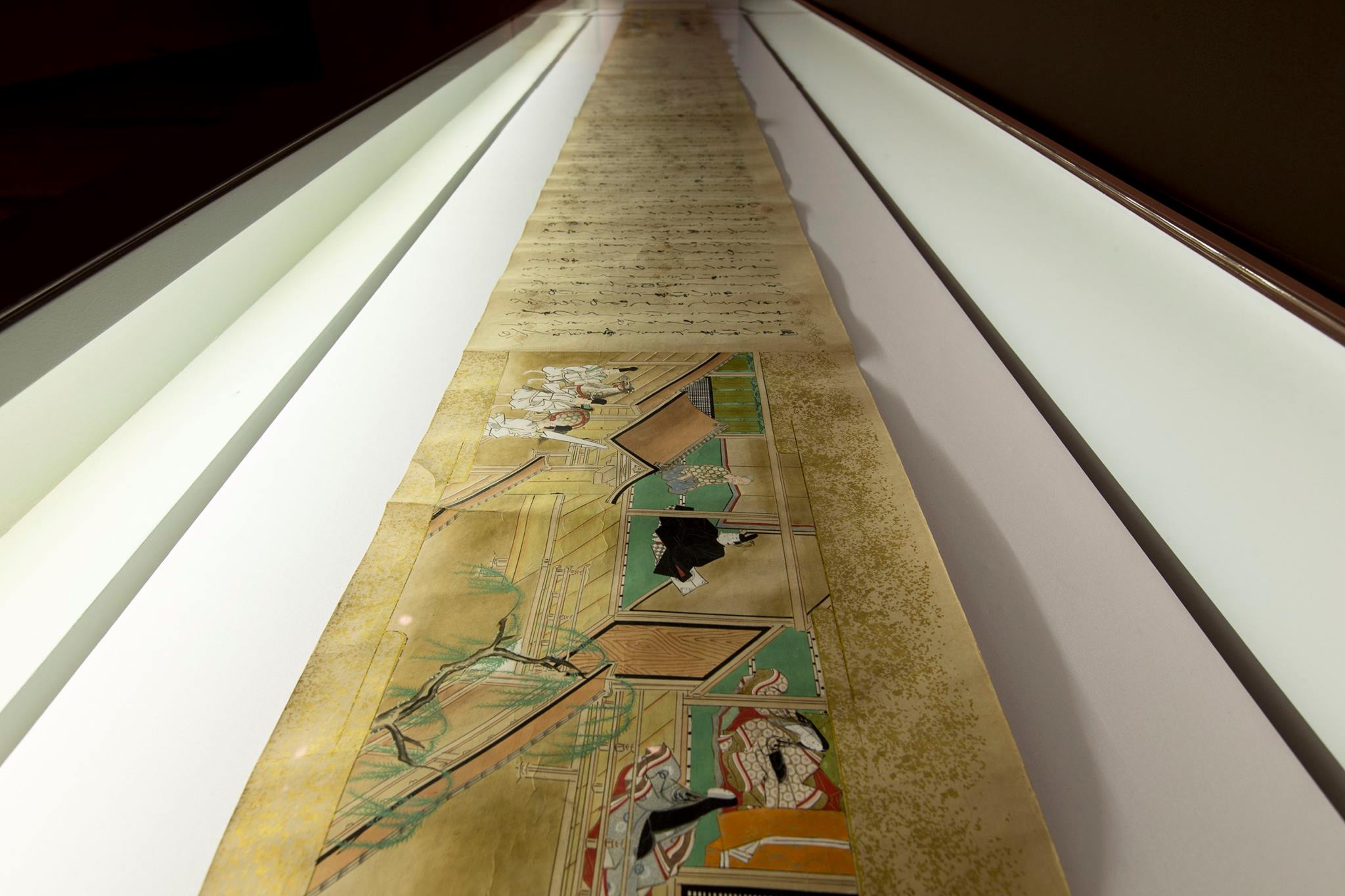
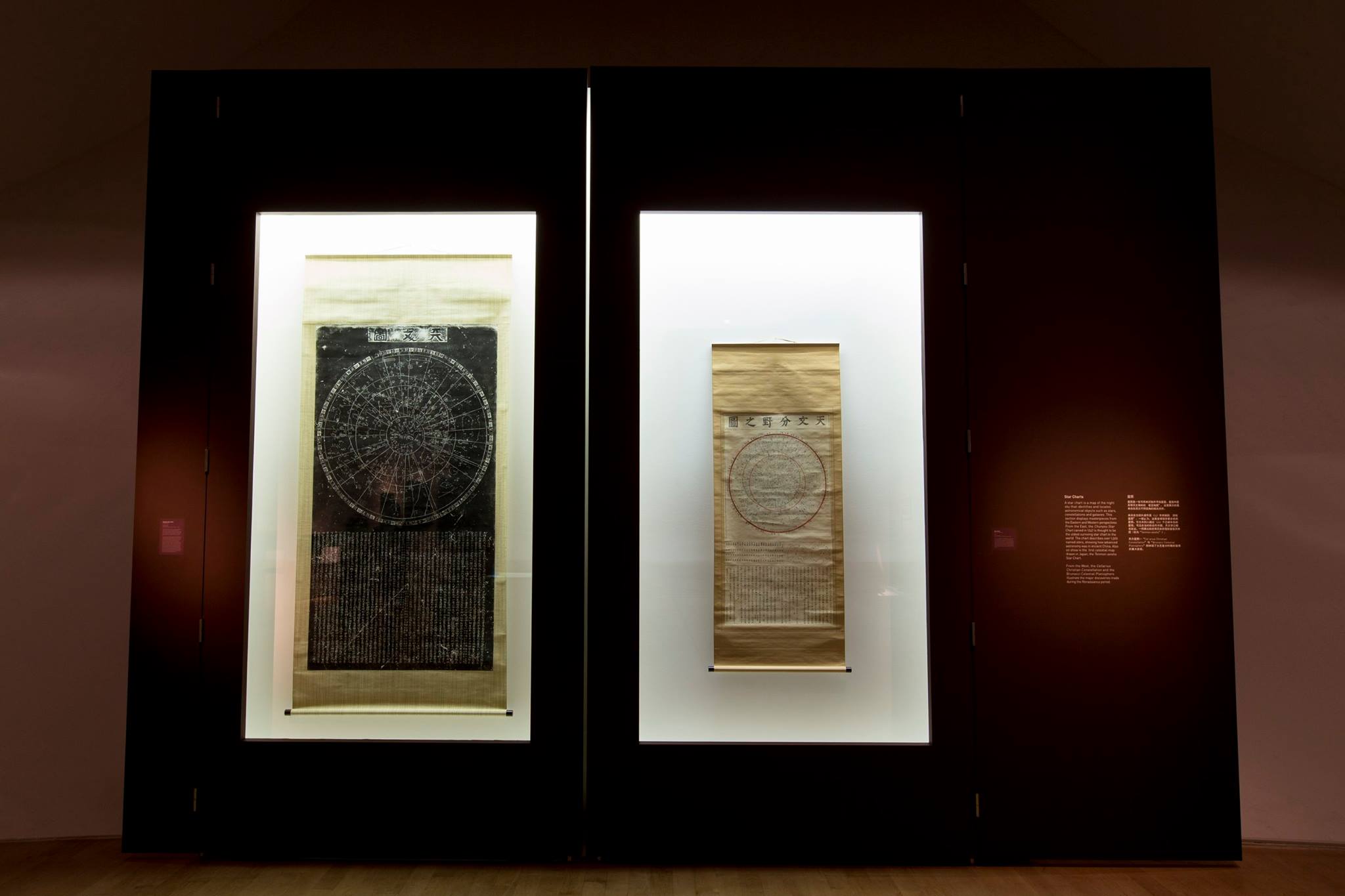
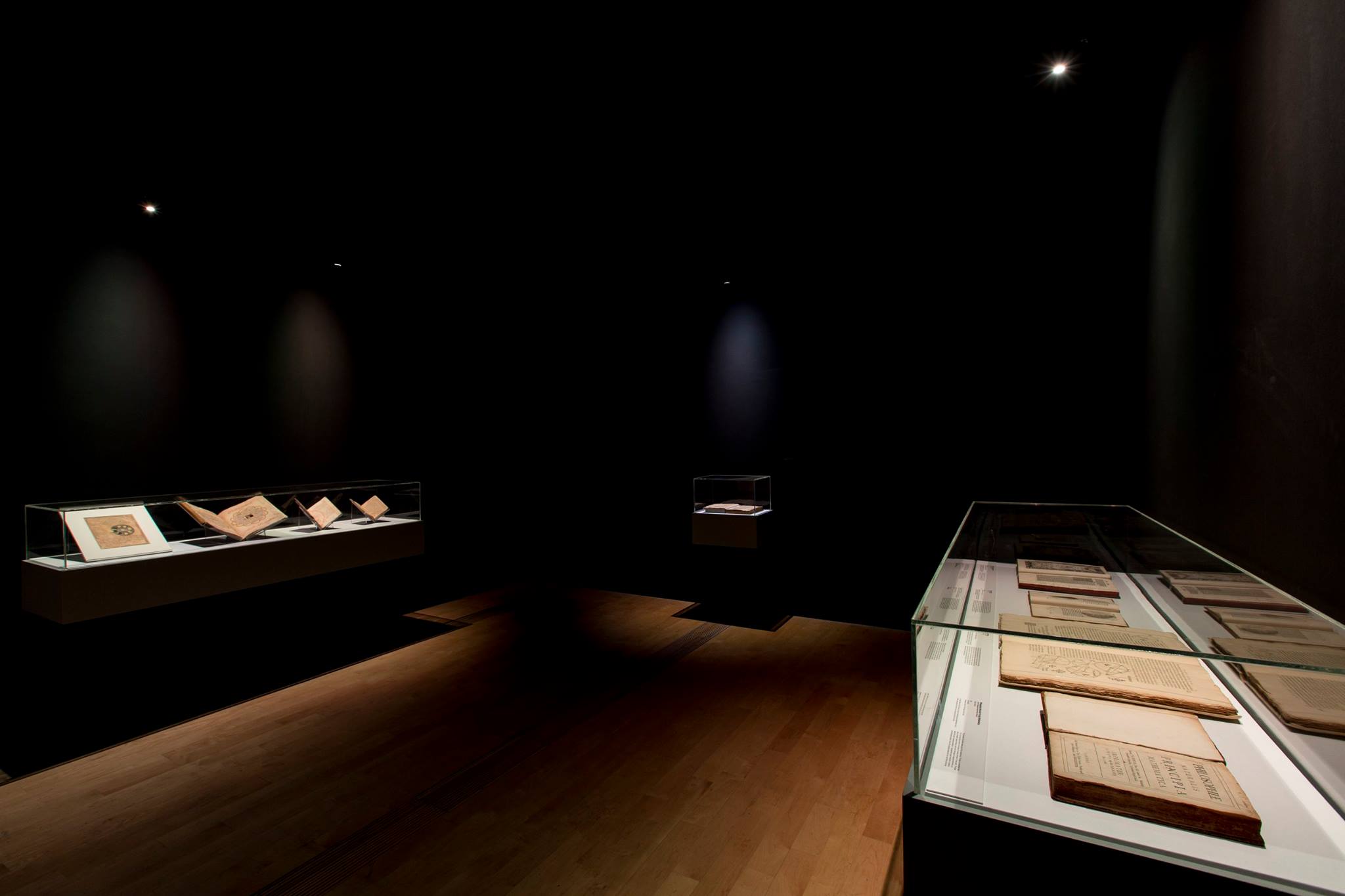
The ArtScience Museum is known for its innovative exhibitions, which explore the intersection of art, science, and technology. The museum hosts a variety of exhibitions throughout the year, many of which are designed to be interactive and engaging for visitors of all ages.
One of the most popular exhibitions at the museum is “Future World,” an immersive digital art experience that uses cutting-edge technology to create stunning visual displays. The exhibition features a variety of interactive installations, including a virtual waterfall that visitors can walk through and a space-themed installation that allows visitors to create their own planets.
Other popular exhibitions at the museum have included “Harry Potter: The Exhibition,” which featured costumes and props from the Harry Potter films, and “Van Gogh Alive,” an immersive multimedia experience that brought Van Gogh’s paintings to life.
In addition to its exhibitions, the museum also hosts a variety of educational programs and events, including talks, workshops, and film screenings. These events are designed to promote dialogue and engagement with the museum’s themes and topics.
Impact on Singapore’s Cultural Scene:
The ArtScience Museum has had a significant impact on Singapore’s cultural scene since its opening in 2011. The museum has helped to establish Singapore as a hub for art, science, and technology in Southeast Asia, attracting visitors and artists from around the world.
In addition, the museum has helped to promote interdisciplinary thinking and collaboration between artists, scientists, and technologists. By showcasing the ways in which these fields intersect and influence one another, the museum has encouraged new ideas and approaches to creative expression.
The museum’s impact can also be seen in the way it has influenced other cultural institutions in Singapore. Since the opening of the ArtScience Museum, a number of other museums and galleries in Singapore have begun to incorporate interactive and multimedia elements into their exhibitions, reflecting the growing interest in these types of experiences among visitors.
Future Plans:
The ArtScience Museum has a number of exciting plans for the future, including the expansion of its exhibition spaces and the development of new programs and initiatives.
One of the most notable upcoming exhibitions is “The Deep,” a collaboration with the Australian National Maritime Museum that will explore the wonders of the ocean and its inhabitants. The exhibition will feature a variety of interactive installations and multimedia displays, providing visitors with a unique and immersive experience.
The museum also plans to expand its exhibition spaces in the coming years, adding new galleries and installations to its already impressive collection. This expansion will allow the museum to showcase even more innovative and exciting exhibitions, cementing its reputation as one of the world’s leading museums of art, science, and technology.
Conclusion:
The ArtScience Museum is a world-class institution that has had a significant impact on Singapore’s cultural scene since its opening in 2011. Its innovative exhibitions and interdisciplinary approach have helped to promote new ideas and approaches to creative expression, while its unique design and architecture have made it a must-visit destination for tourists and locals alike.
As the museum continues to expand and develop new programs and exhibitions, it is likely to remain at the forefront of the art, science, and technology scene in Singapore and around the world. By promoting collaboration and dialogue between different fields, the museum is helping to drive innovation and creativity in a rapidly changing world.