



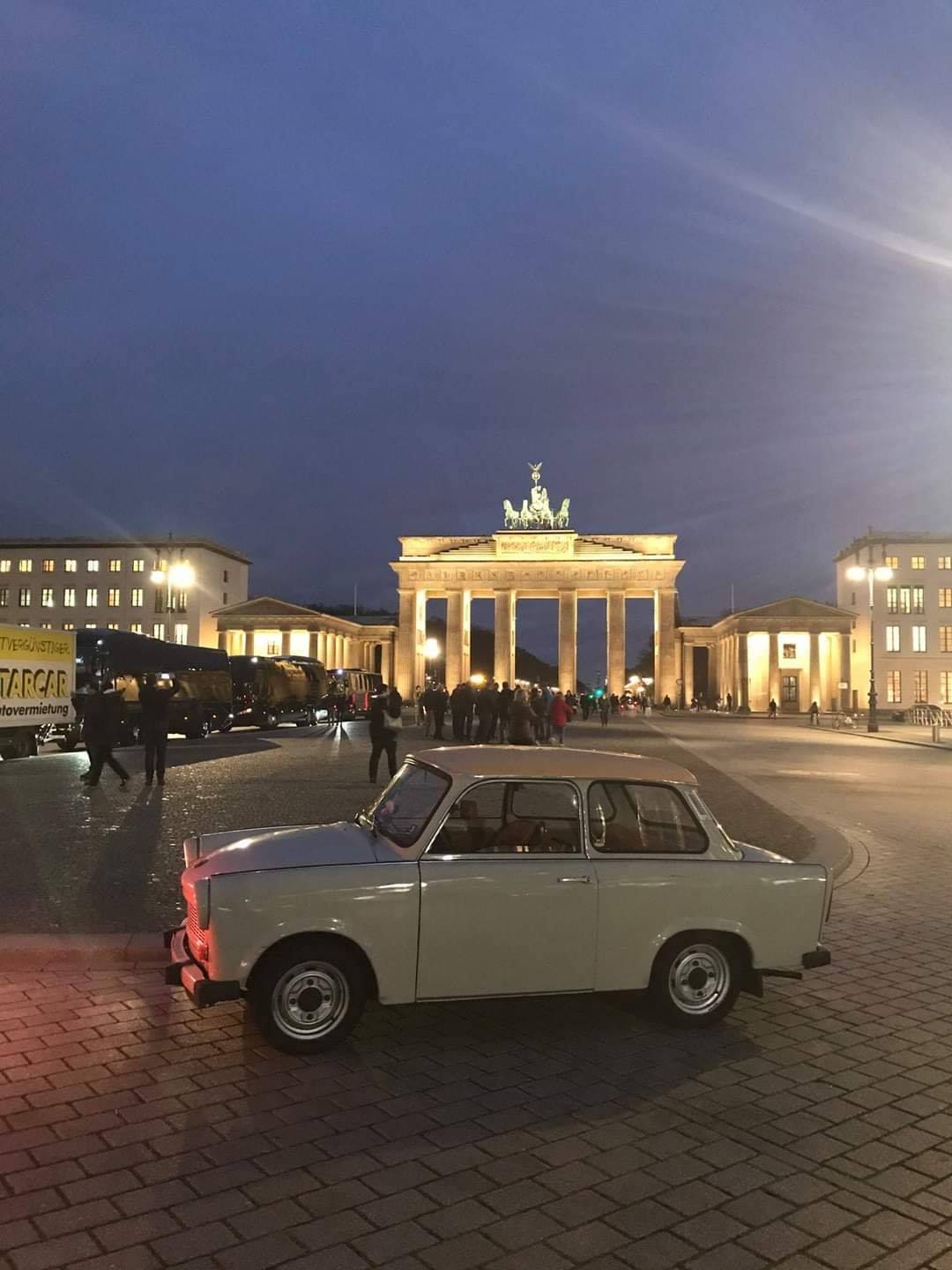

The Brandenburg Gate is one of the most iconic landmarks of Berlin, Germany, and a symbol of the city’s tumultuous history. It is a grand neoclassical arch that stands at the western end of the Unter den Linden boulevard in the heart of Berlin, near the Tiergarten park.
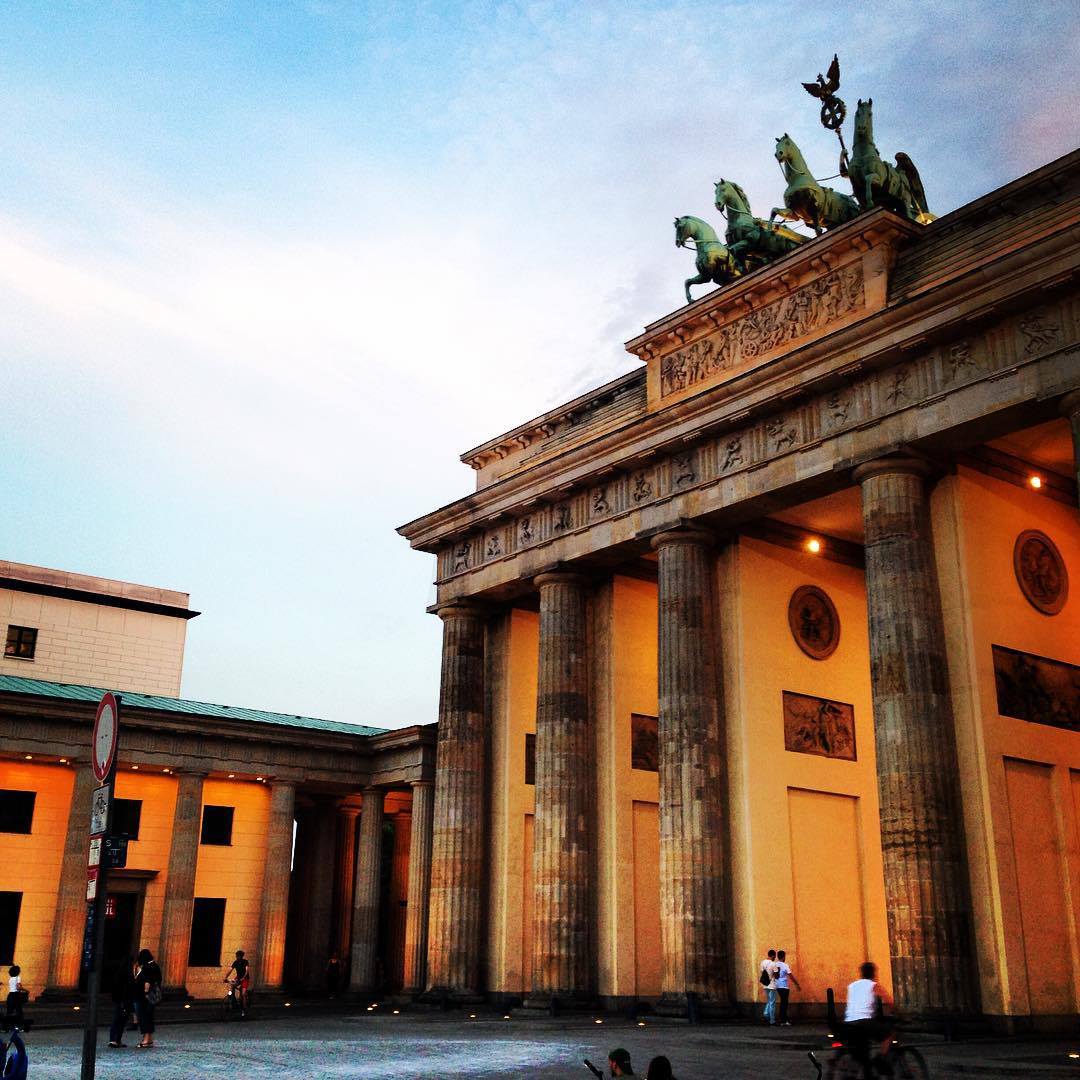
The gate was designed by Carl Gotthard Langhans and built between 1788 and 1791. It is 26 meters high, 65.5 meters wide and 11 meters deep. The gate consists of twelve Doric columns that support a tympanum with a relief depicting a quadriga, a chariot drawn by four horses.
The Brandenburg Gate has witnessed some of the most important events in German history. During the Napoleonic Wars, the gate was taken by the French and used as a triumphal arch. In 1918, after World War I, it was the site of a victory parade by the German army. In 1933, the Nazi party used the gate for its rallies and parades, and in 1945, it was heavily damaged during the Battle of Berlin.
After World War II, the Brandenburg Gate became a symbol of the divided city, standing in no-man’s land between East and West Berlin. When the Berlin Wall was erected in 1961, the gate was closed and inaccessible for almost three decades. It was not until the fall of the Berlin Wall in 1989 that the gate was reopened and restored to its former glory.
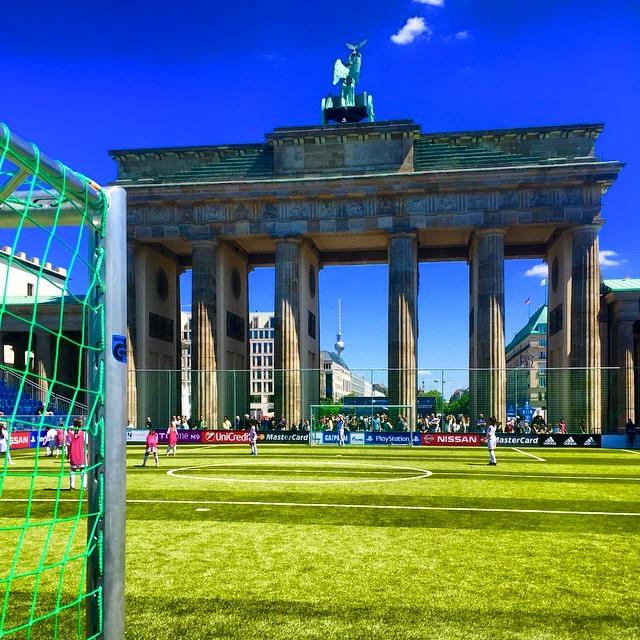
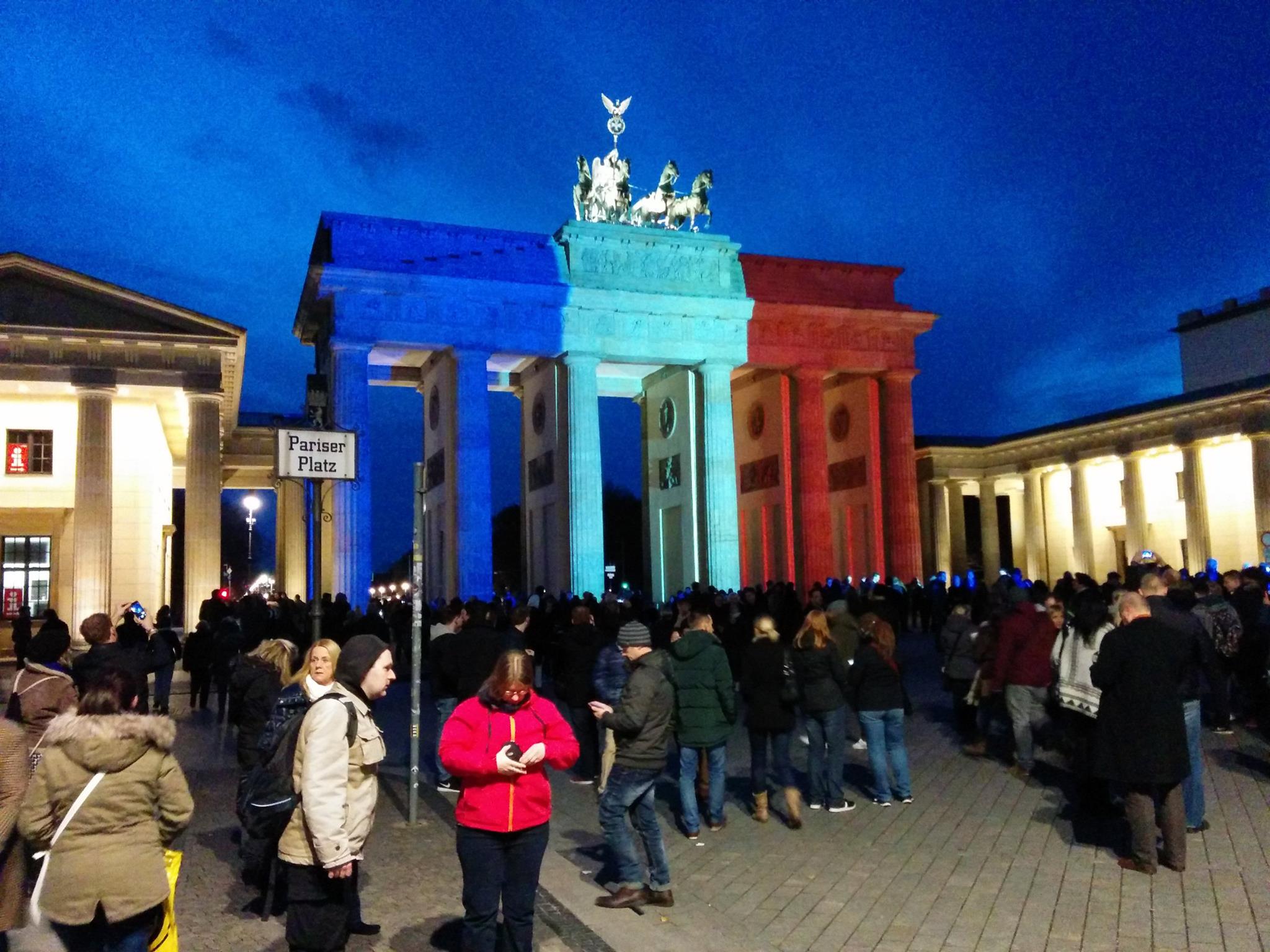
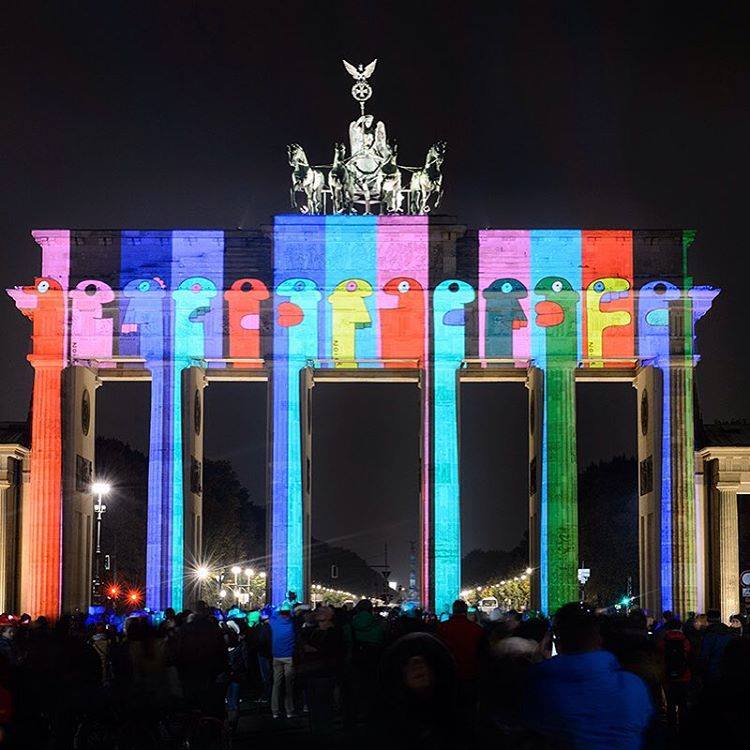
Today, the Brandenburg Gate is one of the most popular tourist attractions in Berlin. It serves as a backdrop for many events, including New Year’s Eve celebrations, and is the starting point for many walking tours of the city. It is also the site of many political events, including speeches by world leaders and the signing of important treaties.
The Brandenburg Gate has become a symbol of Germany’s reunification, a powerful reminder of the country’s past and a beacon of hope for its future. It is an enduring symbol of freedom, democracy and unity, and a testament to the resilience of the human spirit.