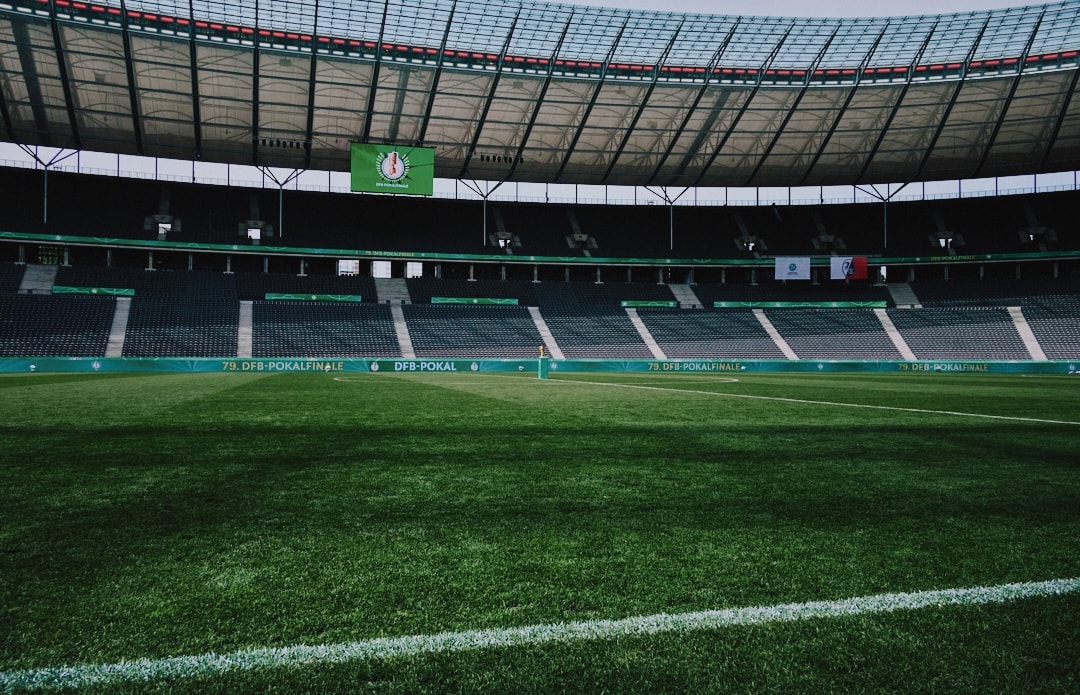


The Olympiastadion Berlin, often simply called the Olympic Stadium, is a sports stadium located in the western part of Berlin. Built between 1934 and 1936 to host the 1936 Summer Olympics, the stadium has a rich history and is considered an important landmark of the city.
The stadium was designed by architect Werner March and is characterized by its distinctive sweeping roof, which was inspired by the ancient Greek Pantheon. The stadium has a capacity of 74,475 seats and is used primarily for football matches and other sporting events. It is the home stadium of the Hertha Berlin football team, and also serves as a venue for international football matches and other major sporting events.
During the 1936 Summer Olympics, the stadium played host to several historic events, including the famous “Nazi Olympics” that were orchestrated by Adolf Hitler’s regime. The most memorable event was the gold medal victory of African-American sprinter Jesse Owens, who won four gold medals and set several world records. The victories of Owens and other non-Aryan athletes were a major blow to Hitler’s propaganda efforts, which had attempted to portray the Aryan race as superior.
After the end of World War II, the stadium was used by the British occupation forces as a depot for their military vehicles. In 1948, the stadium was partially rebuilt and became the home stadium for the Hertha Berlin football team. Over the years, the stadium has undergone several renovations and upgrades to modernize its facilities and enhance its spectator experience.
In addition to football matches and other sporting events, the stadium has also hosted several major concerts and cultural events over the years. Some of the most notable musical acts to have performed at the stadium include The Rolling Stones, U2, and Michael Jackson.
Today, the Olympiastadion Berlin is one of the most recognizable landmarks of the city and a popular destination for sports fans and history buffs alike. Visitors can take a guided tour of the stadium and learn more about its history and significance, or attend a football match or other sporting event to experience the electric atmosphere of this iconic stadium.
Maps
Contact
Opening Hours
Video
FAQ's
Can I also visit the restricted areas without a guide (for example, the players' changing rooms, VIP areas, etc.)?
No, this is not possible. Without a guide you can only visit the exterior areas, including the stadium’s grandstands.
Is the entrance fee included in the price of a guided tour?
Yes, the total price includes both the guided tour and entrance fee.
How far in advance can I book a guided tour? What lead time is required?
Private guided tours can be booked with a maximum lead time of 6-8 weeks, and public tours with a lead time of about 4-6 weeks.
What is the maximum number of people that can participate in a guided tour?
A maximum of 20 people is allowed per guide. For the Technology-Tour and the Exclusive-Technology-Tour a maximum of 15 people is allowed.
In general, how much time do you need for a visit to Olympiastadion Berlin and Olympiapark Berlin?
We recommend planning around one to two hours for a visit.
Can I take a dog along?
No, dogs are not allowed.