



Jantar Mantar Delhi
Jantar Mantar is an astronomical observatory located in the heart of New Delhi, India. It is a complex of several architectural instruments used for observing and measuring astronomical phenomena. It is one of five Jantar Mantars built by the Rajput king Sawai Jai Singh II, in different parts of the country, during the 18th century. The Jantar Mantar in Delhi is the largest of them all and was built in 1724.
The name Jantar Mantar is derived from the Sanskrit words ‘yantra’ (meaning instrument) and ‘mantra’ (meaning calculation). The instruments at the observatory are used to measure the positions of the sun, moon, and planets, and to determine the time of day, seasons, and eclipses. The Jantar Mantar is also considered an important landmark of the scientific and cultural heritage of India.
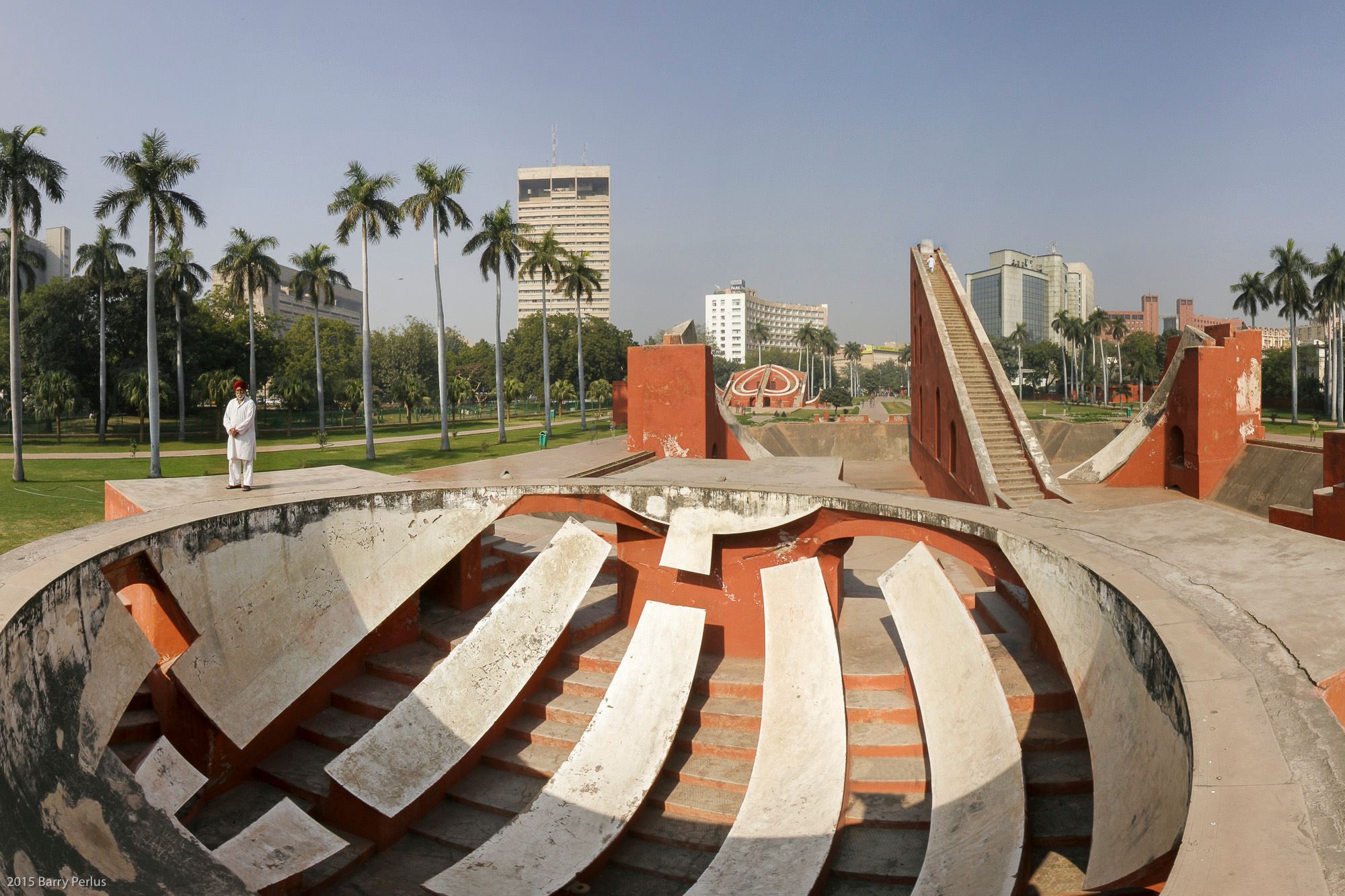
The Jantar Mantar in Delhi consists of 13 architectural astronomical instruments. The most notable ones include the Samrat Yantra, the Jayaprakash Yantra, the Ram Yantra, and the Misra Yantra. The Samrat Yantra is a sundial that measures time with an accuracy of two seconds. It is also the largest of all the instruments, standing at a height of 27 meters.
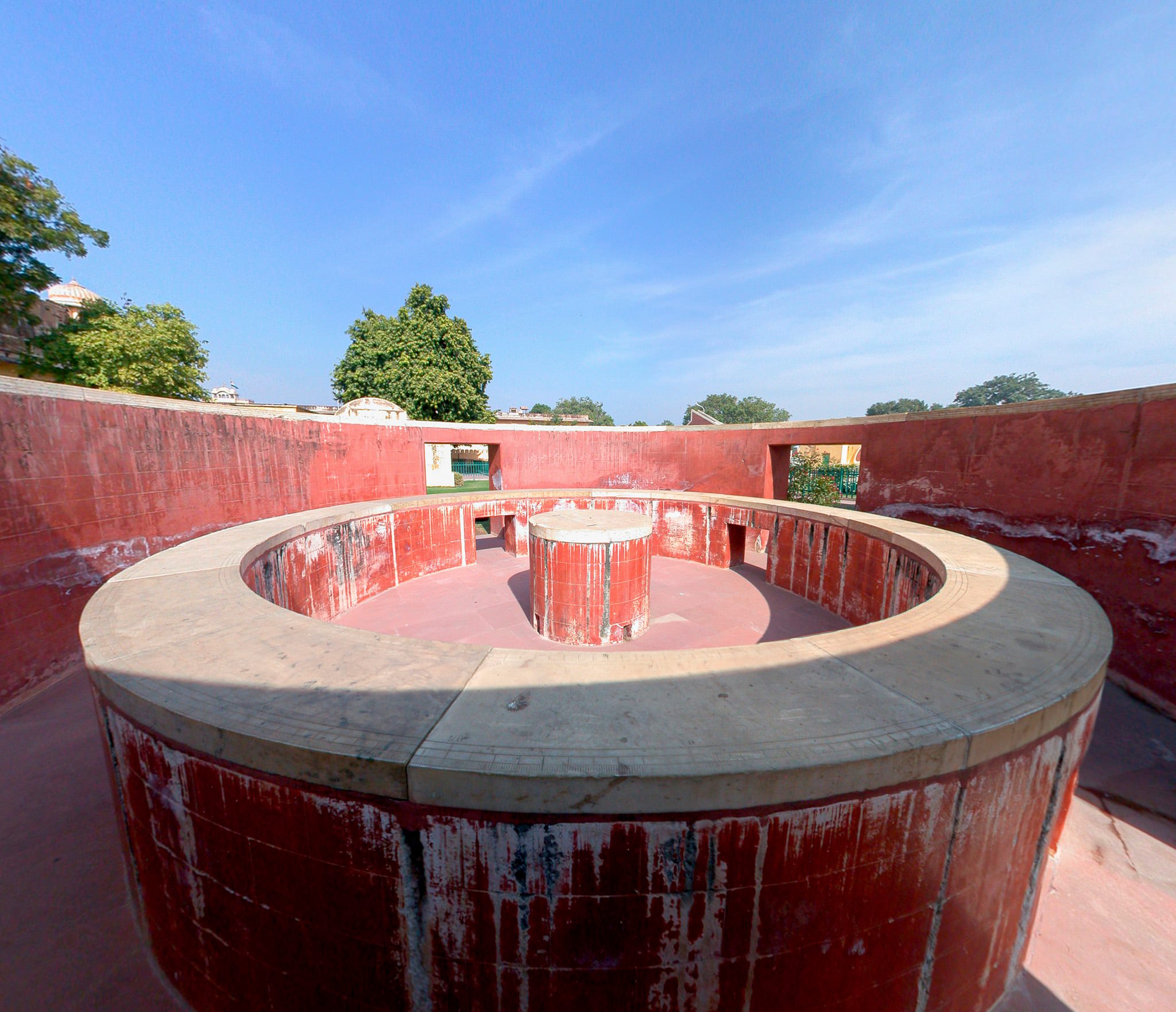
The Jayaprakash Yantra is a set of two concave hemispherical structures that are used to determine the position of celestial objects. The Ram Yantra is a set of two cylindrical structures with a large scale marked on them that is used to measure the altitude and azimuth of celestial objects. The Misra Yantra is a set of five instruments that are used to measure the altitude and azimuth of celestial objects.
The Jantar Mantar is also home to the largest equatorial sundial in the world. It is called the Giant Sundial or the Prince of Dials and is 27 meters in height. The sundial can be used to measure time with an accuracy of about two seconds. The shadow of the gnomon falls on the arc that is calibrated to show the time.
Apart from its scientific and cultural significance, the Jantar Mantar is also a popular tourist destination in Delhi. It attracts a large number of visitors from all over the world who are interested in astronomy, history, and architecture. The complex has been designated as a UNESCO World Heritage Site and is maintained by the Archaeological Survey of India.
The Jantar Mantar is located in the heart of the city, near Connaught Place, and is easily accessible by public transport. The complex is open to visitors from 9:00 am to 5:00 pm every day of the week. There is an entrance fee to visit the site, which is nominal and includes a guide who can explain the functioning of the instruments in detail.