






Qutub Minar Delhi
Qutub Minar is one of the most famous monuments in Delhi, India. It is a UNESCO World Heritage Site and is a popular tourist attraction. Located in the southern part of the city, Qutub Minar is a soaring tower that stands at a height of 73 meters, and it is the tallest minaret in India. The tower is made of red sandstone and marble, and it is beautifully adorned with intricate carvings and inscriptions.
History and Architecture
Qutub Minar was built in the early 13th century by Qutb-ud-din Aibak, the first Muslim ruler of Delhi. He started the construction of the minaret in 1192, and it was completed by his successor, Iltutmish, in 1220. The tower was built to celebrate the Muslim conquest of Delhi and to mark the beginning of the Muslim rule in India.
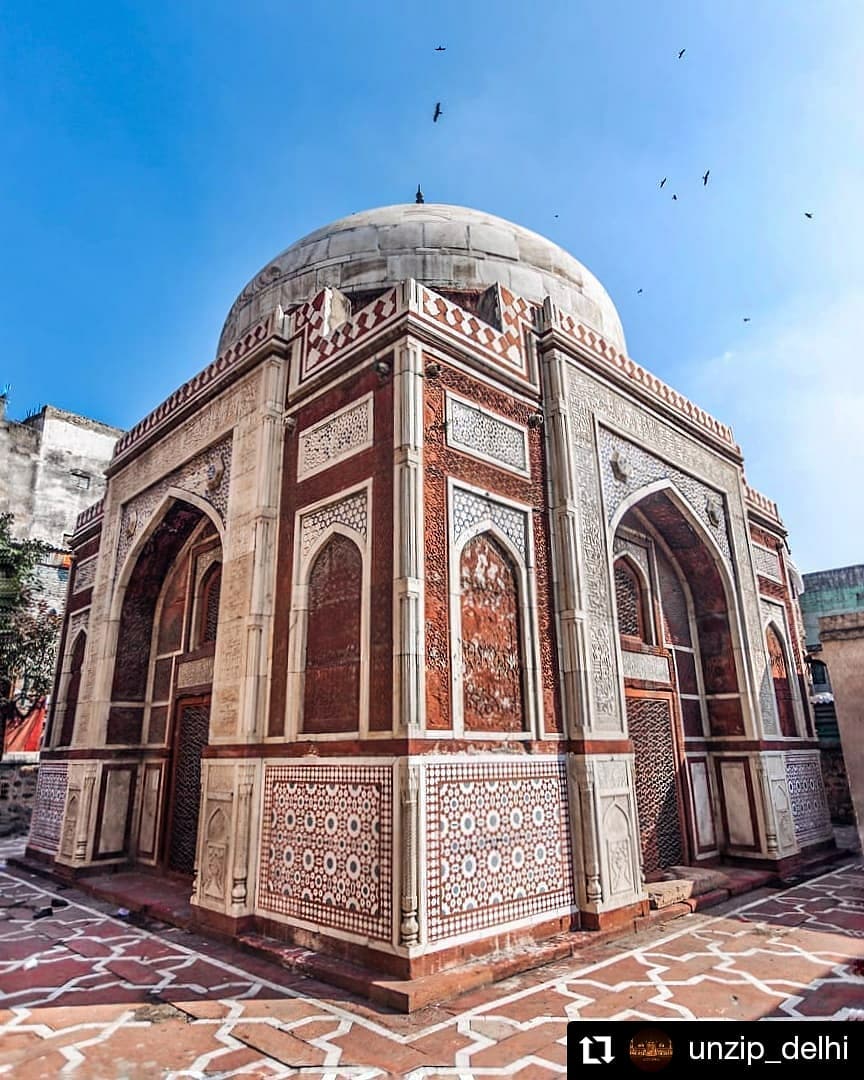
The tower is an excellent example of Indo-Islamic architecture, with a fusion of Islamic and Hindu architectural styles. The tower has five distinct stories, each with a balcony, and is made of intricately carved sandstone and marble. The first three stories are built in a fluted pattern, while the top two stories are plain. The tower has a spiral staircase that leads to the top, where there is a platform that offers a breathtaking view of the surrounding area.
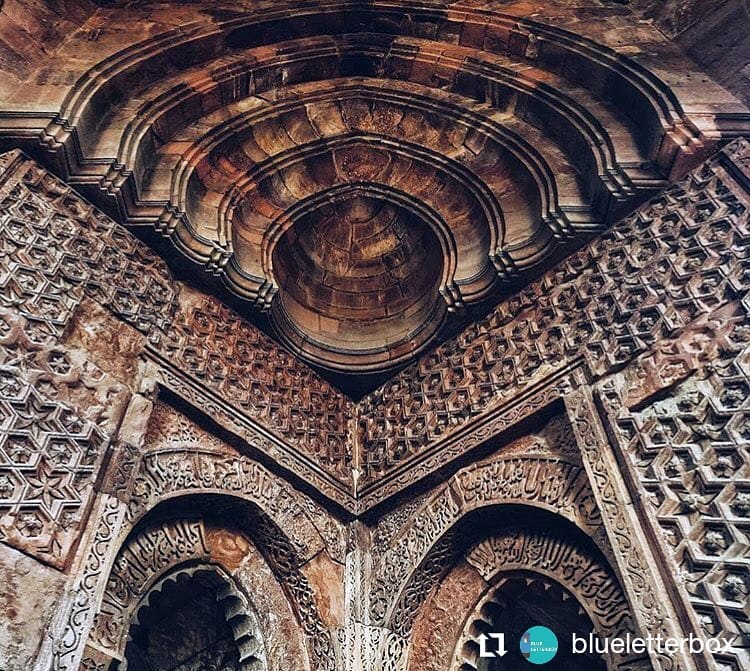
The carvings and inscriptions on the tower are also noteworthy. They include verses from the Quran, as well as inscriptions in Arabic and Nagari script. The carvings depict Hindu gods, such as Brahma, Vishnu, and Shiva, as well as scenes from Hindu mythology.
In 1368, the top story of the tower was damaged by lightning and was repaired by Firoz Shah Tughlaq. He added a cupola and a new story to the tower, which was later removed in the 19th century.
The Complex
The Qutub Minar complex is not just a single tower but a vast complex that includes several other monuments and structures. The complex also includes the Iron Pillar, a 7-meter high pillar made of iron that is believed to date back to the 4th century. The pillar is renowned for its rust-resistant properties, and it has remained standing for over 1600 years without rusting.
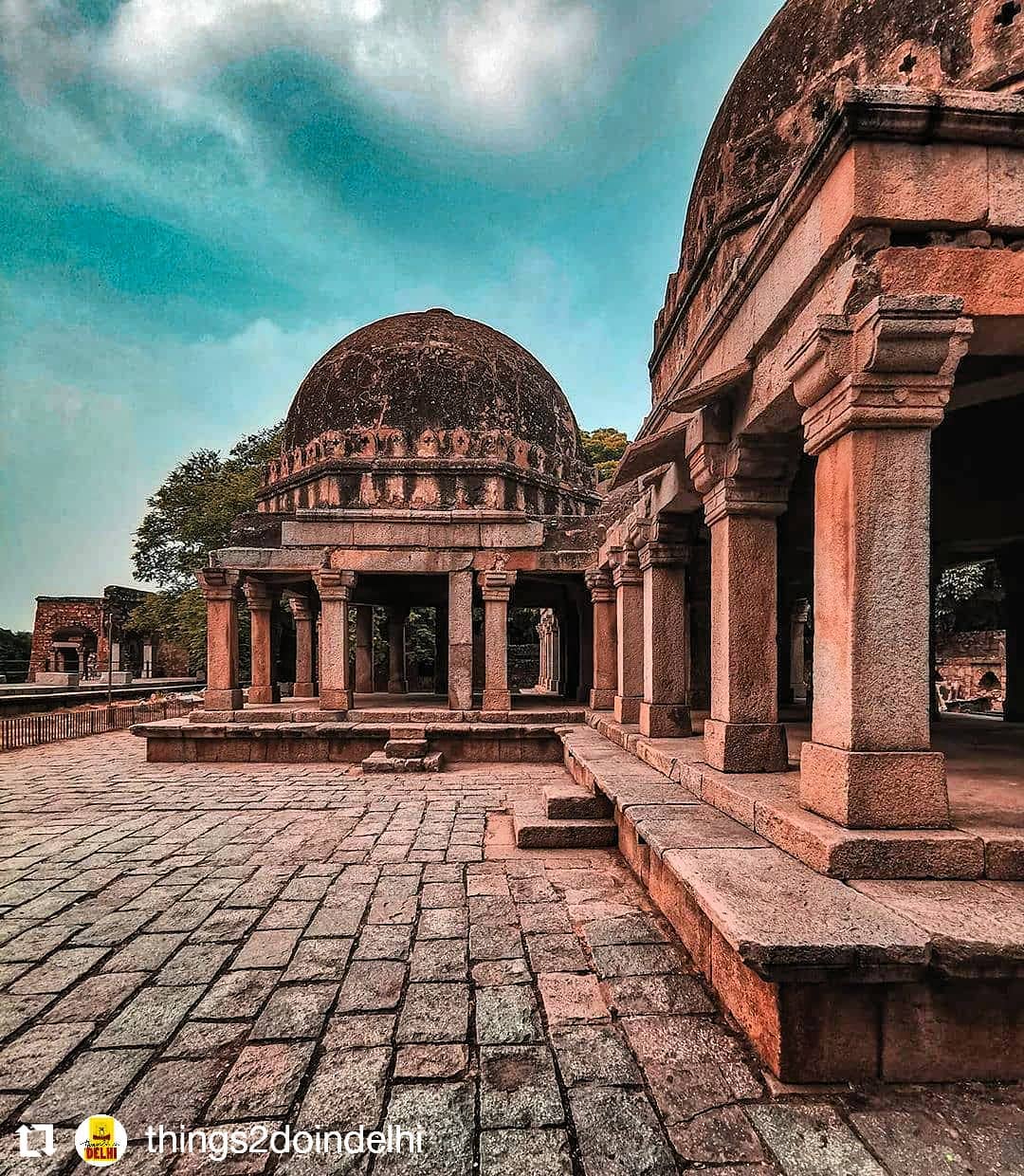
The complex also includes several other structures, such as the Alai Darwaza, the Quwwat-ul-Islam Mosque, and the Tomb of Iltutmish. The Alai Darwaza is an impressive gate built in 1311 by Alauddin Khilji. The Quwwat-ul-Islam Mosque is one of the oldest mosques in India, built in the 12th century. The mosque is an excellent example of Indo-Islamic architecture, with a fusion of Islamic and Hindu architectural styles.
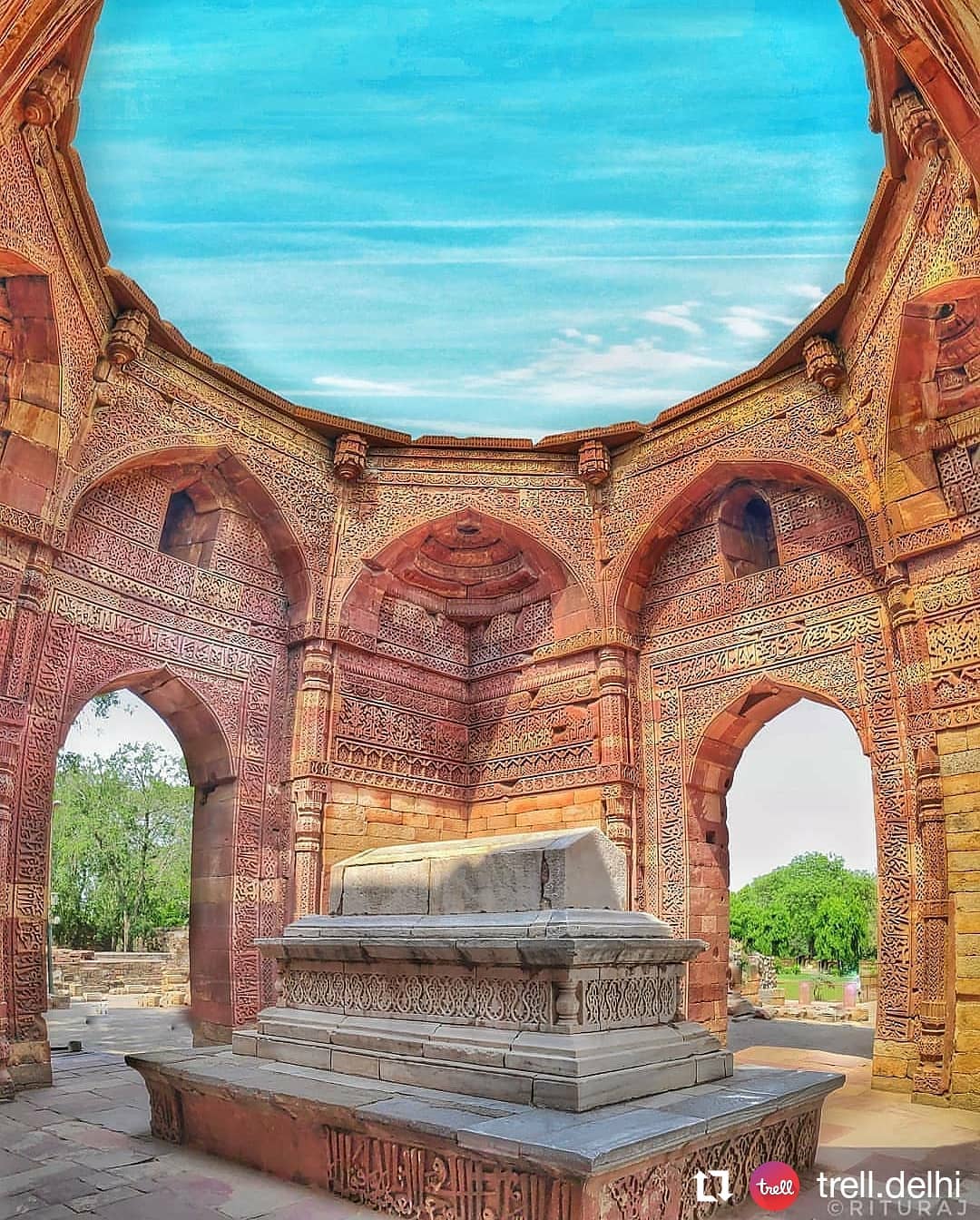
The Tomb of Iltutmish is a mausoleum built for Iltutmish, the second ruler of the Delhi Sultanate. The tomb is an excellent example of Indo-Islamic architecture and is beautifully adorned with intricate carvings and inscriptions.
Visiting Qutub Minar
Qutub Minar is open to visitors throughout the year. The complex is open from sunrise to sunset, and it is best to visit early in the morning or late in the afternoon to avoid the crowds and the heat. There is an entrance fee to the complex, and visitors are required to dress modestly and remove their shoes before entering the mosque.
Visitors can also hire a guide to learn more about the history and architecture of the complex. The guides are available at the entrance and can provide an in-depth understanding of the complex and its significance in Indian history.