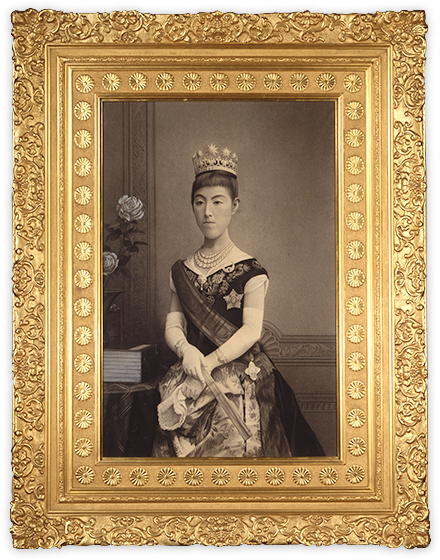
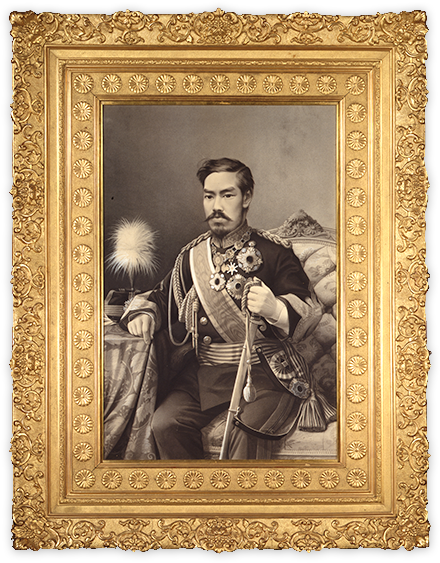
Meiji Jingu Shrine is one of the most important and popular shrines in Tokyo, Japan. It was built in 1920 to honor Emperor Meiji and his wife, Empress Shoken, who were the first emperor and empress of modern Japan. The shrine is located in a forested area in the heart of Tokyo, making it a peaceful oasis in the midst of the bustling city. In this essay, I will explore the history and significance of Meiji Jingu Shrine, as well as its architecture and cultural impact.
History and Significance
Emperor Meiji, who ruled Japan from 1868 until his death in 1912, is known for his role in modernizing Japan and leading the country through a period of rapid industrialization and political change. He was instrumental in ending the country’s feudal system and establishing a constitutional monarchy, and he played a key role in Japan’s emergence as a major world power.
After his death, there was a strong desire among the Japanese people to honor Emperor Meiji’s legacy and contributions to the country. In 1915, a committee was established to build a shrine in his memory, and construction began in 1916. The shrine was completed in 1920 and was officially dedicated on November 3 of that year.
The shrine was initially built as a temporary structure, but it proved so popular that it was rebuilt as a permanent shrine in 1958. Today, Meiji Jingu Shrine is one of the most popular tourist attractions in Tokyo and attracts millions of visitors each year.
Architecture
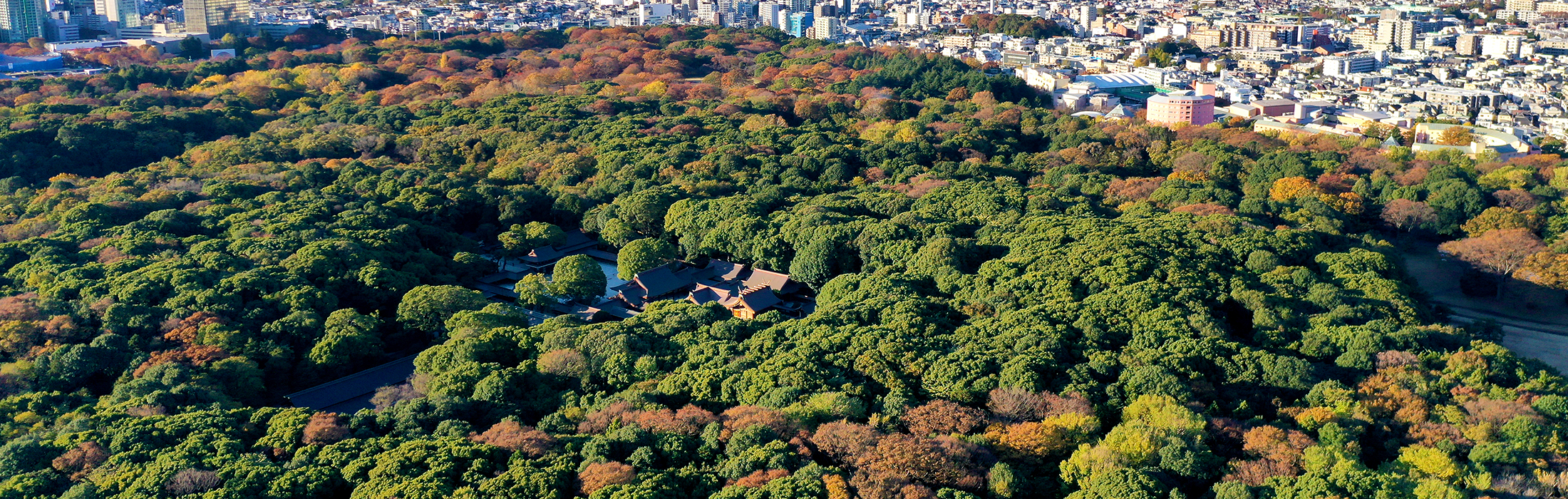
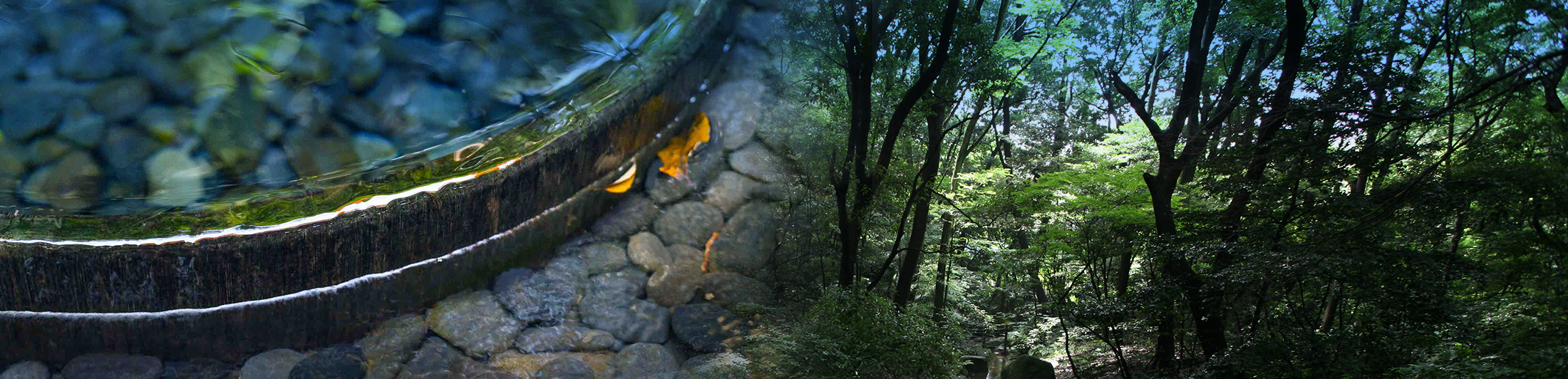
Meiji Jingu Shrine is known for its beautiful architecture and serene surroundings. The shrine is surrounded by a forest of over 100,000 trees, which were planted during its construction as a way of symbolizing the emperor’s life and reign. The forest covers an area of 175 acres and is home to a wide variety of plants and wildlife.
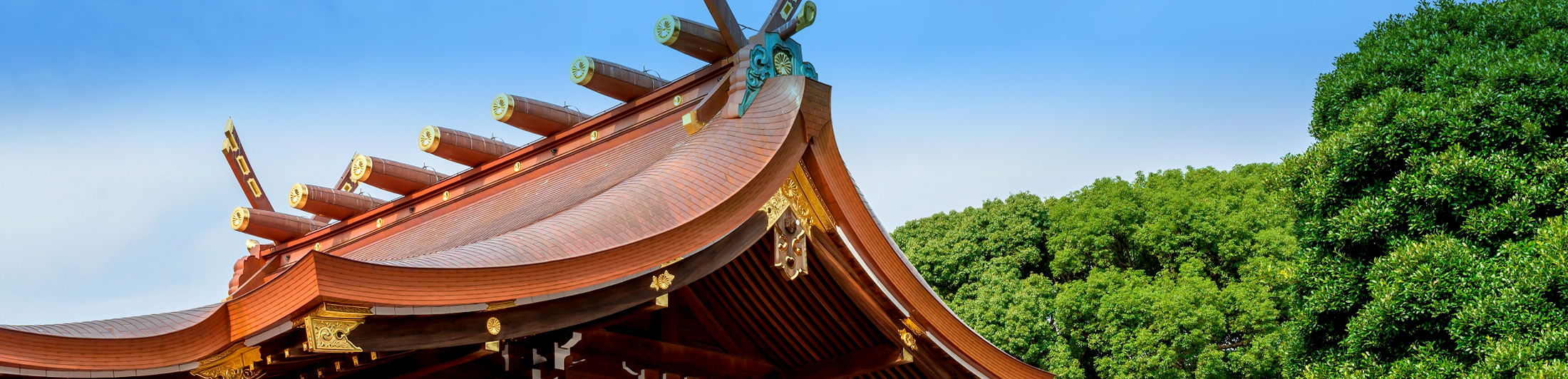
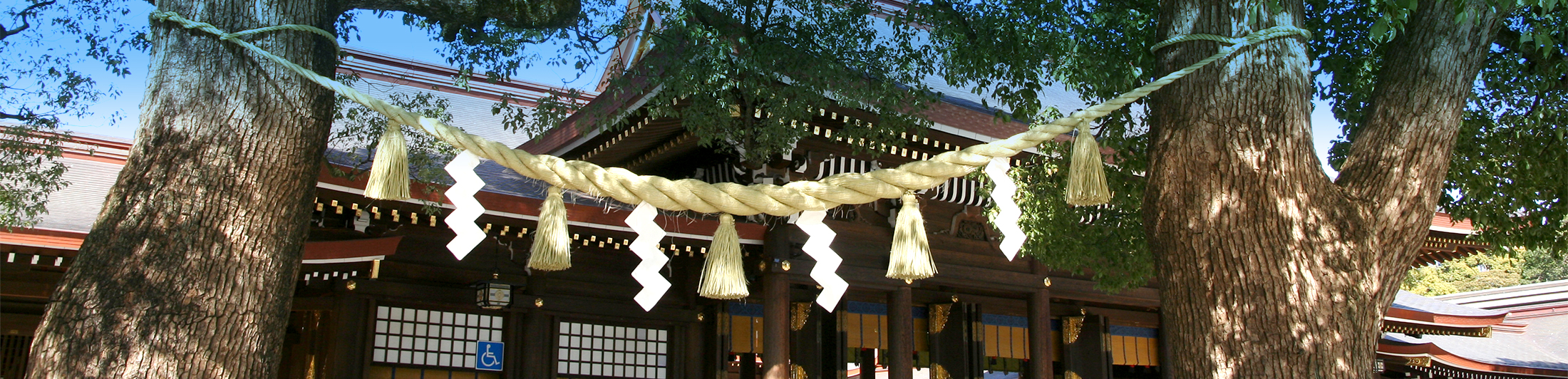
The shrine itself is built in the traditional Japanese style and is made of cypress wood, copper, and stone. It features a large torii gate at its entrance, which is made of 1,500-year-old cypress wood from Taiwan. The gate is one of the largest in Japan, standing at 12 meters tall and weighing over 70 tons.
Inside the shrine, visitors can see a variety of traditional Japanese architecture, including the honden (main hall), haiden (worship hall), and nokogiribiki no ya (sacred saw). The honden is where the shrine’s sacred objects are kept, and it is only open to the public on special occasions. The haiden is where visitors can offer prayers and make offerings to the gods, and it is open to the public every day.
Cultural Impact
Meiji Jingu Shrine has had a significant cultural impact on Japan and the world. It is considered one of the most important shrines in Japan and is a symbol of the country’s rich cultural heritage. The shrine is also a popular destination for tourists from all over the world, who come to see its beautiful architecture and experience the tranquility of its surroundings.
In addition to its cultural significance, Meiji Jingu Shrine has played an important role in shaping Japan’s modern history. Emperor Meiji, for whom the shrine is named, was a key figure in the country’s modernization and played a major role in establishing Japan as a major world power. The shrine serves as a reminder of his legacy and the importance of modernization and progress in Japan.
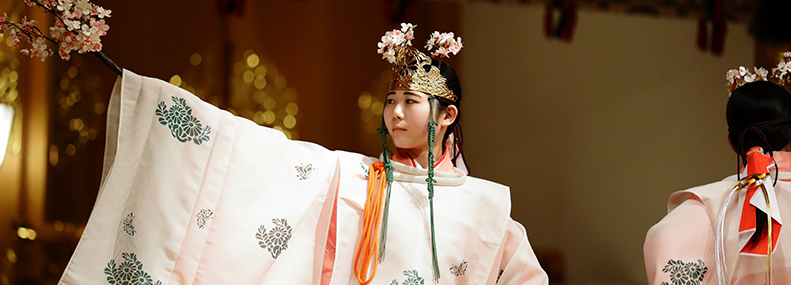
Meiji Jingu Shrine is also known for its role in promoting Japanese culture and arts. The shrine hosts a variety of cultural events throughout the year, including traditional music and dance performances, tea ceremonies, and flower arrangement demonstrations. These events are open to the public and provide visitors with an opportunity to experience and appreciate the beauty and uniqueness of Japanese culture.
The shrine has also played an important role in promoting environmental awareness and conservation. The forest surrounding the shrine is a designated natural monument, and efforts have been made to preserve and protect its biodiversity. The shrine has also taken steps to reduce its carbon footprint, including using solar panels to generate electricity and promoting sustainable practices among its visitors.
Meiji Jingu Shrine has become a symbol of Japan’s resilience and ability to adapt to changing times while still honoring its traditions and cultural heritage. It serves as a reminder of the country’s rich history and the importance of preserving and promoting its unique cultural identity.
Visiting Meiji Jingu Shrine
Visiting Meiji Jingu Shrine is a must-do activity for anyone visiting Tokyo. The shrine is open every day of the year from sunrise to sunset, and admission is free. Visitors should keep in mind that it is a sacred place, and should be respectful of its traditions and customs.
When visiting the shrine, it is recommended to dress modestly and remove your shoes before entering the haiden. Visitors can make an offering of money or a prayer at the haiden, and are encouraged to participate in the purification ritual before entering the haiden. The purification ritual involves washing your hands and mouth with water at a special basin near the entrance to the haiden.
In addition to visiting the shrine itself, visitors can also explore the surrounding forest and gardens, which are home to a variety of flora and fauna. There are several walking paths and trails throughout the forest, including a path that leads to the shrine from the Harajuku Station.
Overall, a visit to Meiji Jingu Shrine is a unique and memorable experience that provides visitors with an opportunity to appreciate the beauty and tranquility of Japanese culture and traditions. Whether you are a history buff, a nature lover, or simply looking for a peaceful oasis in the heart of Tokyo, Meiji Jingu Shrine is a destination that should not be missed.
Maps
Contact
Opening Hours
Video
FAQ's
When did the history of Meiji Jingu begin?
Previously, a student from the University of Tokyo conducted a questionnaire survey of people who visited Meiji Jingu for the first time to find out when Meiji Jingu was established. As a result, the oldest answer was the Nara period, and the newest was the Showa period. Moreover, about 40% answered that it was in the Meiji era. Meiji Jingu was built on November 1, 1918. Meiji Jingu is celebrating the two pillars of Emperor Meiji, who laid the foundation for modern Japan, and Empress Shoken, who is his wife. Emperor Meiji hid on July 30, 1945, and Empress Shoken hid on April 11, 1918. The motivation to mourn and admire the scenery forever increased, and the sincerity of the temple led to the founding of the Meiji Jingu Shrine. At that time, various commemorative events were proposed by the people. Bronze statue, memorial tower, library, museum, museum, nursery school, charity hospital, tree planting, park, public hall, school, industrial laboratory, Tokyo Bay construction port, bridge over Kanmon Strait, Tsugaru Strait, canal connecting the Sea of Japan and the Pacific Ocean However, it seems that the most common of these was the shrine. Construction began in 1918, and a total of 110,000 youth groups from all over the country served and became a palace in 1918. On the day of November 1, illuminations and fireworks were launched outside the precincts, and there were 500,000 worshipers in just one day, the Tokyo Asahi Shimbun (November 2, 1918) reported. I am.
Is it true that the forest of Meiji Jingu is an artificial forest?
The Forest of Meiji Jingu is a forest made by human hands. Before the Meiji Jingu was built, the area around this area was called Minamitoshima Imperial Land (owned by the imperial family), and most of the fields were fields except for the current garden area, and it seems that the landscape was like a wasteland. Experts who are experts in forestry and landscape architecture were gathered to create a god-dwelling forest, and "Eternal Forest Creation" was planned with Seiroku Honda, Tatsunori Hongo, and Keiji Uehara playing a central role. .. Construction work began in 1918, but donations gathered to dedicate trees to be planted from all over the country, reaching from Sakhalin in the north to Taiwan in the south, and from Manchuria (Northeast China) Korea. A total of about 100,000 were consecrated. There were 365 kinds of trees at the time of construction, including traditional trees, but there are some kinds that do not suit the climate of Tokyo, and now there are 234 kinds (2013 "100th Anniversary of the Zhenza Memorial Second Meiji Jingu Precincts Comprehensive". Survey report ”). The forest is large and abundant, and endangered species and precious animals and plants have been confirmed. Together with the gods of the Emperor Meiji and Empress Shoken, and the spirit of the ancestors of the Meiji era who have laid the foundations of modern Japan, we believe that this forest must be passed down forever to our descendants.
Why are there so few cedars and cypresses in Meiji Jingu?
If you look at the trees in the precincts of Meiji Jingu, you will notice that there are many shii, oaks, and camphor trees, and there are few cedars and cypresses like Ise Jingu and Nikko Toshogu. Botanists at the time wondered what to plant in Meiji Jingu when it was first built to grow it well and to return to its natural state 100 years later. And I decided to plant laurel forests such as castanopsis and oak. The reason is that in the Taisho era, pollution was already progressing in Tokyo, and large trees and old trees in Tokyo died one after another. Therefore, in anticipation of 100 years ahead, he concluded that Meiji Jingu would not grow unless it was a laurel forest. However, Prime Minister Shigenobu Okuma, who was the Prime Minister at the time, said, "Is the forest of the Jingu a bush? The bush is not good, of course it should be a cedar forest." I was hoping for something. However, the people involved in Hayashien at that time categorically opposed Shigenobu Okuma's opinion, and finally convinced him that the cedar grows only in the watery valley, but it is not suitable for Yoyogi in the Kanto Loam layer, and the cedar is not suitable for the city. It seems that he let me. If I had listened to Shigenobu Okuma's opinion at this time and made it a cedar forest, it might not have been as wonderful as it is now. Thank you for the beliefs of the people at that time.
What is the origin of the place name "Yoyogi"?
his area of Meiji Jingu Shrine has long been called "Yoyogi". I will talk about the origin of the place name of this "Yoyogi". "Dainippon Famous Places" * 1 "There is an old fir tree in the former Ii Hantei mansion, which is the Yoyogi royal land. It is the most famous, and the name of Yoyogi is "Yoyogi", and because there was a large fir tree in this area for generations, it is said that the place name was "Yoyogi". Hiroshige Ando, who is famous for the author of "Fifty-three Stations of the Tokaido", also draws a large tree of Yoyogi in one of "Edo Souvenirs" under the title of "Yoyogi of Yoyogi Village". It seems that it was a fairly large tree, and in "Meiji Jingu Zoukei Magazine" * 2 , it is written that the area where the branches are widest is "more than 30 squares (about 54 meters)", and it is a former professor of Imperial University. When Dr. Kotaro Shirai investigated this tree, the circumference of the trunk was Sanjo 6 shaku (about 10.8 meters), and while he investigated the famous old trees nationwide, there was no such large tree ever. That's right. I don't know how high it was because there is no definite record, but it is said that even a normal fir tree will be 40 meters high, so if you guess from the thickness of the trunk, it is probably 50 meters or more. I imagine it was there. It is said that this big tree of fir was also the goal of travelers who came to Tokyo, and it seems that if you climb this tree, you can see the whole Edo area. It is even said that during the Tokugawa period, the castle was not allowed to be explored from the top of this tree, and it was even prohibited for the general public to climb, and it is said that the movement of the Kurofune was watched here at the end of the Edo period. This famous tree died in the middle of the Meiji era, and then burned down in the war damage of 1945. The existing Yoyogi (Kaki tree) was planted in the same place on April 3, 1952 after the war.
Why is there no "no" in the Fudanomiya of Meiji Jingu?
Is there any of you who received a sword at Meiji Jingu and saw the sword and noticed that there was no "no" in the character of the palace? The word "no" is not included in the character of the shrine in the hood that Meiji Jingu has given to you. Why? Let's think about the character of this "miya". The problem here is Q1 Is there really such a character? Q2 Why are you using it at Meiji Jingu? Then I would like to start with the first problem. Actually, not only Meiji Jingu but also Ise Jingu's hood does not contain "no". There are 35 types of "Miya" typefaces in the "Calligraphy Dictionary" published by Kadokawa Shoten, which shows the old Chinese characters. And to my surprise, there are 32 "miya" characters without "no". Also in Japan, in ancient and medieval times, there are many characters of "miya" without "no". As you know, Chinese characters are hieroglyphs. The character "miya" consists of a room in the shape of a "roof" and a "no" meaning a corridor. In ancient China, there was no corridor between buildings, so there was no "no" in it, but when the corridor was added later, the character of the palace inevitably became "no". It is. In other words, the character "miya" without "no" is older than the one with it. Therefore, even in Japan, we used to use a palace without "no" at the beginning, but in the Taisho era, we started to use "no" at public institutions. Since then, the number of "miya" characters has become overwhelmingly large, and after the war, everyone thinks that it is correct to have "no" in the palace. Next, regarding the second problem, I will explain why Meiji Jingu uses this character. Meiji Jingu was built on November 1, 1918. From the first day, the hood was awarded at the Naokaiden, and the hood was written by Takejiro Tokonami, the sixth vice president of the Meiji Jingu Building Bureau at that time. And there was no "no" in that hood. Since then, Meiji Jingu's hood has been based on this character. In addition, since "Miya" with "No" is used in "Meiji Jingu Schedule" (Taisho 11), the official shrine name is "Miya" with "No".
Why do you use chrysanthemum and paulownia crests at Meiji Jingu?
Chrysanthemum" is a flower that represents Japan along with the cherry blossoms in spring. Chrysanthemums have long been regarded as the most noble flowers in Japan (peony is the best flower in China), and have been regarded as the "King of Hundred Flowers" and "Aristocracy of Gunho". However, surprisingly, it is not a flower native to Japan. Chrysanthemums have been used as decorations since the ancient Babylon * 1 era, and were also used for architectural decorations in ancient India, China, and Korea, and were imported into Japan through China during the Nara period. At the beginning of its introduction, it seems that it was not used for appreciation as it is now, but as a medicine for immortality and longevity. Also, since the shape of the flower resembles the shape of the sun (sun ring), it was linked to the belief of Amaterasu Omikami and became a symbol of the emperor, the son of the sun, and the idea of praying for eternal Yaei was probably accepted. Chrysanthemum patterns were widely used during the Heian period. The chrysanthemum crest was used for the first time in the imperial family in the reign of Emperor Go-Toba * 2 , who personally liked chrysanthemums and put chrysanthemum crests on swords, carriages, clothes, etc. It was inherited at home and eventually became the emeritus of the imperial family. "Tung" was a happy tree where the phoenix, a phoenix, who appeared after the appearance of the sacred heavenly child in the old Chinese thought. In Japan, in the early Heian period (the era of Emperor Saga * 3 ) , Kourozen-no-Goho, which the emperor called, has bamboo, phoenix, kirin, and "paulownia" drawn on it. As it descended, it was used as a decorative pattern used by government agencies and as a substitute for the chrysanthemum crest, and has played a role as a symbol of the national government. Due to the circumstances of establishment of these two coats of arms, the chrysanthemum crest is a private coat of arms (because it was used personally by Emperor Go-Toba) and has a strong ostensibly * 5 element. It has the characteristics of a crest and a substitute crest * 6 . The deities of the Meiji Jingu Shrine are Emperor Meiji and Empress Shoken, and for this reason, chrysanthemum crests are used everywhere in the buildings of Meiji Jingu. (The paulownia seal is only drawn on the doors of both sides of the Minamijinmon) By the way, if you look closely at the chrysanthemum crest on your shrine, the number of petals is 16 petals (sheets), but the chrysanthemum crest drawn on the gift (mainly lucky charm) and the bag that holds the gift is twelve. It is a valve (sheet). Next, let me explain this question. The official chrysanthemum crest of the imperial family is 16-ben. At the time of the founding of Meiji Jingu (November 1, 1918), there were no rules regarding the use of the 16-valve chrysanthemum crest of this imperial family, so many chrysanthemum crests are used in the buildings of Meiji Jingu. However, it seems that he never used this for souvenirs and printed matter. In 1965, I felt the need for a shrine crest unique to Meiji Jingu, and on October 1st of the same year, I thought of a design that combined the chrysanthemum crest and the paulownia crest. The seven paulownia trees * 7 were changed to the fifty-three paulownia trees * 8 , and the imperial family was reluctant to enact a calm and noble emblem suitable for the Meiji Shrine. Since then, in addition to the 16-valve chrysanthemum crest used in buildings, the 12-valve chrysanthemum crest has been used in souvenirs and printed matter in Meiji Jingu. * 1 "Babylon" An ancient city that prospered in the Tigris-Euphrates river area. (BC3000) At that time, it was the center of world culture (Mesopotamian civilization). * 2 "Emperor Go-Toba" The emperor of the Kamakura period. He was familiar with the Waka Orchestra and had the Fujiwara no Teika choose "Shin Kokin Wakashū". * 3 "Emperor Saga" The emperor of the Heian period. The prince of Emperor Kanmu, one of the three brushes, the establishment of a brewery and a non-Kebiishi, and the "Shinsen surname record" and "Hirohito style" were selected. * 4 "Kourozen-no-Go" The clothes that the emperor wears during the annual rituals and ceremonies of the Miyanaka Sanden. It was determined by Emperor Saga's edict. * 5 "Omote crest" A crest used as a fixed crest. * 6 "Replacement crest" A crest used in place of the fixed crest. informal crest. * 7 "Five-seven paulownia" The number of flowers is seven in the center and five on the left and right. * 8 "Five-three paulownia" The number of flowers is five in the center and three on the left and right.
Please tell me the name of each part of the big drum.
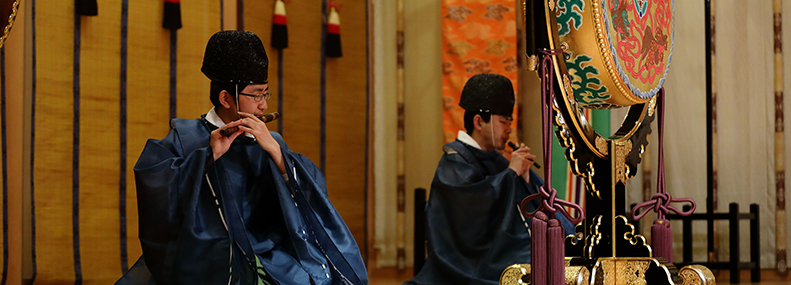
The big drum is called "Daiko". A drum used for dance. The drum on the right side is called the "left drum" (left drum), and the left side is called the "right drum" (right drum). Next is the name of each part. First of all, the decoration on the top is called "Higata". The part that radiates in a ring shape is "Miko". The left side (right side) represents the "day" (day image) and the color is gold, and the right side (left side) represents the "moon" (moon image) and the color is silver. Next, the part where the surroundings are like flames is called "flame". Because of the shape of this flame, the big drum is also known as the "flame drum" (Kaedaiko). And the three round shapes with sharp heads under the upper part of the flame are Buddhist ornaments called "Hoshu". A dragon (left drum) and a phoenix (right drum) are drawn on the left and right drums, respectively. Dragons and phoenixes * are both happy animals in China, and have been depicted in various decorations since ancient times, with the dragon as a male symbol and the phoenix as a female symbol. Next, a swirl pattern is drawn in the center of the drum. There is a pattern like a sword tip on the outside. The swirl pattern is called "Tomoe", and the pattern that combines this Tomoe crest with the outer sword is called "Kendomoe". And the left drum has three tomoes (because there are three tomoes) and the left tomoe (because there is a vortex on the left side), and the right drum has two tomoes (because there are two tomoes) and right tomoe (because there are two tomoes). (Because there is a vortex on the right side), so let's remember. What is swirling in the background is a cloud-shaped "cloud shape" (Unkei). * Phoenix An imaginary Mizutori that has been revered as Shimizu along with Rin, Guilong, and Dragon in ancient China. It is said that it appears as a sign of the sacred heavenly child. * Four gods The names of the four gods, that is, the blue dragon in the east, the white tiger in the west, the pearl sparrow in the south, and the genbu in the north. (Four beasts) * Four Holy Beasts A fictional animal that is considered sacred in China, Kirin, Phoenix, Turtle, and Dragon
What is the pattern (Tomoe crest) drawn on the drum?
The pattern drawn in the center of the drum is called the "Tomoe" crest. The oldest thing that exists in Japan is the pattern of the sword tomoe of the middle drum depicted in the "Saints' Raid Map" * 1 at Kongobuji Temple in Koyasan . Tomoe crest was also the crest of Hachiman shrine such as Usa Hachimangu (Jingu) * 2 . In the Kamakura period, Minamoto no Yoritomo worshiped Tsurugaoka Hachimangu as the god of Genji, and because it was often used by samurai, Tomoe is the most used after the imperial emblem of chrysanthemum and paulownia. This pattern has been seen all over the world since ancient times, but the prototype differs depending on the country. For example, in Western Europe and Korea, it comes from the shape of a snake, and in China, it comes from the shape of lightning or clouds. However, in Japan, the shape that swirls water instead of snakes, thunder, and clouds is considered to be the prototype of the "Tomoe" pattern (reference "Japanese heraldry" Raisuke Numata). Next is the etymology of "Tomoe", which means "Tomo / picture". It is derived from the fact that the swirling shape of water resembles the shape of a "picture of" tomo "". "Tomo" is a weapon that has been used since ancient times in Japan. ) Was attached to the wrist and used to avoid touching the strings. In "Nihon Shoki" * 3 , there is an episode in which Amaterasu Omikami misunderstood that Susanoo-no-Mikoto was attacking and armed him. By being told in mythology, the age of its origin can be seen. Also, the character "Tomo" is not found in Chinese characters. It is a Japanese character (national character). Also, the character "tomoe" was originally imitating the shape of a snake winding around a snake, and in China, "tomoe" had only the meaning of a snake. However, in Japan, the character "Tomoe" resembles the shape of a swirl of water, so I came to use this character. In short, in Japan, the pattern in the shape of a swirl of water was called "Tomoe" in Japanese, and it was expressed by applying the character "Tomoe" in Chinese characters. Next, I will explain the shape of the tomoe drawn on the drum. Looking at the taiko crest, three tomoes are drawn on the right side (left side), and two tomoe are drawn on the left side (right side). And I notice that the direction of the swirl is also different. (Refer to the attached figure) Why is the pattern of the left and right drums different? The reason is that the drums are always paired, so the number of tomoe and the direction of the swirl are different in order to distinguish the left and right drums. The thing is in "Edansho" * 4 . In "Edansho", the drum on the right is two-way and right-handed (turning clockwise), and the left is three-way and left-handed (turning in the opposite direction of "right-handed"). I am. By the way, I'm often asked why the number of Tomoe is three or two, but I tried to find out about this, but I couldn't find out for sure. However, as you can imagine, it seems to be the influence of the Yin-Yang Five Elements theory * 5 . The left drum is the sun, and the right drum is the moon. Also, the dragon drawn on the left drum represents a man, so the phoenix on the right drum is a woman, so the shadow, that is, the left drum is an odd number (3, 5, 7, 9) on the right. Taiko is an even number (2, 4, 6, 8) in the "shadow". Therefore, the number of tomoe on the left drum is 3 and the number on the right drum is 2 . In addition, there is a three-way pattern on the entrance of the Kagura hall and the glass wall on the side. If you look closely, you will notice that the head of Tomoe is a little sharp. This is commonly referred to as "slug tomoe" because its shape resembles "slug". * 1 Raigo-zu of the Holy People Buddhist paintings born in the Pure Land Buddhism that flourished after the middle of the Heian period. It depicts Amida Nyora of the Western Sukhavati Jodo coming to pick up the dead in the human world with many bodhisattvas (saints). * 2 Usa Jingu Also known as Usa Hachiman. Located in Usa City, Oita Prefecture. The deities are Emperor Ojin, Himegami, and Empress Jingu. Since the Heian period, the wind of Shinto and Buddhism has been strong, and it has become the first mausoleum in Kyushu after Ise Jingu. * 3 " Nihon Shoki" The oldest history book in Japan completed in the Nara period. * 4 "Edansho" (Godansho) Established at the end of the Heian period. A discourse written by Masafusa Oe written by Minoru Fujiwara. It was a sign of events and miscellaneous things in the world, and influenced the narrative literature of posterity. * 5 "Yin-Yang Five Elements Theory" Ancient Chinese philosophical thought. It is assumed that all things are created by the two spirits of Yin and Yang, and all things are formed by the five elements (Thu, Tue, Sat, Fri, and Sui). In addition, men and women, sun and moon, heaven and earth, odd and even numbers, etc. are assigned to yin and yang.
Why is there no good or bad fortune in Meiji Jingu?
First, I will explain the history of Omikuji. Originally, lottery (fortune-telling) such as fortune-telling, lottery, lottery, and Amidakuji is one of the methods of fortune-telling the divine intention, and it has been popular as a Shinto ritual since ancient times. In "Nihon Shoki" * 1 , when Emperor Tenji * 2 was a crown prince, whether his subordinates were rebels was called "twisting", and he wrote letters on several sheets of paper and twisted them. , It has come out that I chose this one and made a lottery fortune-telling. Also, in the private sector, lots were often drawn to decide important things. By the way, the era name of "Meiji" was also selected by the Emperor Meiji by drawing lots from several candidates. It is a fortune-telling method of writing a number on a stick in a cylinder like you see today, but it seems that it will not appear in the old days. I'm not sure when it started, but during the Warring States period, there is a story that Akechi Mitsuhide rebelled against Nobunaga Oda (Honnoji Incident) and pulled a fortune at Atagoyama the day before, so it seems to be from the early modern period. is. By the way, regarding the Omikuji of Meiji Jingu, before the war, Meiji Jingu was placed under the control of the nation, so the Ofuda was awarded, but the Omikuji was not issued. After the war, it became a religious corporation and it was decided to issue Omikuji at Meiji Jingu, but I thought that there was something unique to Meiji Jingu instead of the ordinary Omikuji that is issued at general shrines, and at that time Meiji When I asked Mr. Naokazu Miyachi, a professor of Kokugakuin University who was the president of the Jingu, for his opinion, why not give a fortune with a fortune-telling * 3 , a song * 4 , which is most closely related to the god of rituals, instead of a fortune-telling fortune? Thank you for your advice. By the way, Emperor Meiji wrote 93,032 songs, and Empress Shoken wrote 27,825 songs. From among them, 15 lessons learned from human morals as a guideline, 30 in total, and a commentary was added to them, and from the New Year of 1947, the head of the company was titled "Omigokoro". It came to be awarded at. At that time, it was a straw paper and was poorly printed on a mimeograph, and was awarded for 1 yen. It was from the New Year of 1973 that it became a fortune like now. In addition, as the number of foreign worshipers increased, 20 omikuji were selected from the omikuji and were awarded as "English omikuji" in 1968, which was a significant year of the 100th year of the Meiji Restoration. Currently, I am adding an English translation to Japanese. * 1 " Nihonshoki" The oldest history book in Japan compiled in the 4th year of Yoro (720). From the gods to the end of Empress Jito, it is an annal. * 2 Emperor Tenji The 38th emperor. During his time as a prince, he and Fujiwara no Kamatari defeated the deer and destroyed the Soga clan. (Taika Reform) After the throne of the emperor, the "Omi Code" was established, the family register was set, the 26th floor of the crown was established, and a water clock was made. * 3 Gyosei Poetry and waka poems made by the emperor * 4 Miuta A waka poem written by the Empress, Empress Dowager, Crown Prince, etc.
Why is there no guardian dog in Meiji Jingu?
It's a simple question, but it's surprisingly difficult to understand. In fact, there are guardian dogs in Meiji Jingu. Even if you are looking for "Where?", You cannot find it. The reason is that the place where the guardian dogs are placed is in the place called Chancel * 1 in the shrine . Then you may wonder why it is not on the approach. First of all, I would like to talk about the history of guardian dogs. The origin of guardian dogs dates back to ancient Orient India. The guardian dog is a statue of a lion, but it has been transmitted all the way to Japan through the Silk Road. In the ancient Orient countries, there was a fashion of using the lion, the king of beasts, as a sacred thing, a guardian beast of a god or a throne. The best example is the Egyptian Pyramid Sphinx. On the one hand, it flowed to Western Europe and became a lion statue, a symbol of the throne of European countries. If you look at the Western European royal marks and building decorations, you will find many of them designed by lions. That is also a distant relative of the guardian dog. By the way, when the lion statue was first introduced from China to Japan, the Japanese misunderstood the strangely shaped creature as a dog, and since it was introduced from Korea, it came to be called "Koma dog". that's right. By the way, the first real living lion came to Japan in the New Year of 1866 (Keio 2). When the guardian dog was first introduced, it was placed in the Seiryoden Hall * 2 in the Imperial Palace as a chinsu * 3 or a talisman. From the Heian period to the Kamakura period, it will be placed in shrines and temples, but it is surprisingly from the Edo period that guardian dogs will be placed on the approach, not so old. It is. Therefore, you can't see guardian dogs at shrines with a long history, such as Ise Jingu, because it is a shrine that conveys the old shape of the guardian dogs as they were before they arrived. Then, I can imagine why Meiji Jingu is not placed outside because there is no book that clearly describes it, but the building of the Meiji Jingu shrine is in the style of Nagare-zukuri * 4 . Nagare-zukuri is the most popular form of shrine architecture developed during the Heian period and is located all over the country, but considering the style of the shrine and the overall landscape, it may have been decided that guardian dogs are not suitable for the approach or in front of the shrine. Therefore, the guardian dog is in the shrine as it was in the Heian period. By the way, the guardian dogs placed in the shrine are called "lions" (Ah, attack) with their mouths open on the right side facing the shrine, and the guardian dogs (Komainu) with their mouths tied in the left corner. It is distinguished from "Komainu" (吽, yeah, Mamoru), so let's remember it. * 1 The innermost shrine in the main shrine, where the Shintai or Mitamashiro is enshrined. * 2 Seiryoden One of the Dairi shrines in Heiankyo. Performed ceremonies and public affairs at the emperor's usual residence. * 3 Chinsu It is interesting to keep the indoor rugs and ginkgos in order not to be disturbed or scattered. * 4 Nagare-zukuri (Nagare-zukuri) One of the shrine architectures that began in the early Heian period. The roof of Shinmei-zukuri is warped and the front flow is lengthened. Shimogammo Shrine in Kyoto is typical.
Why is the approach to the shrine covered with ball gravel?
Whenever a foreigner comes to visit Meiji Jingu, he is often asked why there is a small stone on the approach to the shrine and that it is not necessary because it is difficult to walk. It is natural for Japanese people to have ball gravel on the approach to the shrine, but for foreigners, it seems strange that it is difficult to walk. When I looked up how it was explained in the encyclopedia, to my surprise, few were explained about ball gravel. To tell the truth, it was quite natural that the approach to the shrine was covered with ball gravel, and it seems that it was not considered to be so specially difficult to put it in the encyclopedia. From the meaning of the words, the ball of gravel has the same meaning as "tama (spirit)" of "soul" and "mitama (spirit)", and "voice of ball" and "like a ball". It also means "beautiful," "jewelry," and "important thing," such as "baby." And "gravel" is an Ateji, and "Jari" originally comes from "Sazare (fine stone)" which means fine stone. Therefore, it means a beautiful, jewel-like, important small stone with a basket of Mitama. The fence in the precincts is called "Tamagaki", which is a special honorific name for the fence of the Imperial Palace and shrines. Therefore, since it is a special pebble that is laid on the approach to the shrine, it may be called the gravel gravel. By the way, the representative of national shrines is Ise Jingu. The approach to the shrine is also covered with ball gravel. And Shiraishi is spread around the Goshoden (your shrine). This Shiraishi has a festival to rebuild the Sanctuary Hall once every 20 years, and at that time, it has a clean, clean round Shiraishi from the riverbank upstream of the Miyagawa River that flows through Ise City. Come and lay a new one around the Goshoden. The Sanctuary Hall and its surroundings are the most sacred places, so they must be cleaned to the utmost. For that reason, it is said that beautiful white stones are laid down. In other words, it makes sense to cleanse and purify the place by laying it down. In this way, in Japan, the sacred places have been laid with beautiful stones to make them even cleaner. Therefore, ball gravel may also be laid to keep it clean. As we pass through the torii gate and proceed along the approach, people gradually cleanse themselves by stepping on clean stones, calm their hearts, and prepare their feelings so that they can pray in the best possible condition. Head to the place. This attitude of "praying" is also included in the approach, and the ball gravel has the tremendous effect of calming and purifying the soul. When we visit the shrine, let's try to cleanse our mind and body and pray true to the shrine while trampling on the gravel on the approach to the shrine. Also, the center of the approach is called the "center" and has long been the path of God. People in the old days tried not to walk in the middle. It can be said that it is a courtesy to God to do so as well.
Was the term "courtesy" coined at Meiji Jingu?
When you draw "courtesy" in "Kojien", it says "to show respect." It is now used as a matter of course, but in fact it was not used for a long time, and as you asked, this term was conceived in Meiji Jingu. President Fronty of Argentina, South America, visited Japan on December 25, 1958, and the visit to Meiji Jingu was included in the schedule at the request of the President himself. However, the ambassador to Japan was worried that if the president's formal worship at the Japanese shrine was communicated to his home country, it would adversely affect the national sentiment of his home country, Argentina, which has many enthusiastic Christians. Careful meetings were held between the Ministry of Foreign Affairs and the Meiji Jingu authorities, but at the table, at the suggestion of Mr. Hiroshi Taniguchi, who was the chief of the ritual section at that time, the word "worship" was given with due consideration for these points. He proposed a new term, "courtesy," avoiding. In addition, the method of worship was not the formal method of shrine Shinto, but a method of worshiping by offering a wreath to the worship position of general worshipers (in front of the worship hall and offering box) was considered. The Ministry of Foreign Affairs also agreed with this proposal. Ten people visited and proceeded from the main approach to the front of the outer worship hall as in the meeting, and offered a wreath in front of them to worship "courtesy". Since then, the term "courtesy" has been used for all foreign guests' visits to the Jingu through the Ministry of Foreign Affairs. After that, when Queen Elizabeth of England visited Japan (1975), an article about "Ise Jingu Courtesy" was seen, and it was first published and recognized in "Kojien" (third edition) published on December 6, 1983. It was. Since then, all of them have been listed in other dictionaries.
Troublesome (Dezuiri = Yokozuna dohyoku) When did you start?
The relationship between Meiji Jingu and Sumo was held on June 1, 1918, before the founding of Meiji Jingu (Meiji Jingu was founded in 1918). It starts with what was done. Next, on November 2, 1918, a sumo tournament was held at Aoyama Parade Ground (currently Gaien) to celebrate the founding of Meiji Jingu. Nishikikata wins a big victory and worships at Meiji Jingu while raising the championship flag. In addition, on November 2, 1918, there is a record that Onishiki devoted himself to the Yokozuna dohyo at the stone floor in front of the hall of worship, and this is the first step taken at Meiji Jingu. Then, on November 1, 1925, the three yokozuna of Tochigiyama, Nishinoumi, and Tsunenohana at that time devoted a daring effort following the worship of Omae, and on the 3rd, the Meiji era. The first tournament was held at Jingu Sumo Ground (Gaien). This was the beginning of the "All Japan Wrestlers Selection Tournament", commonly known as the Meiji Jingu Sumo Tournament, which is currently held in the fall to celebrate the Meiji Jingu Festival. Next is the yokozuna recommendation letter awarding ceremony. The yokozuna recommendation letter system (license awarding ceremony) began in the Edo period and was held by the sumo wrestler Iemoto Yoshida Tsukasake. The 41st yokozuna, Chiyonoyama, will issue a letter of recommendation from the Sumo Association, and on June 8, 1951, the yokozuna recommendation ceremony and steps were held for the first time in front of the shrine of Meiji Jingu. It will be held at Jingu. Currently, in addition to the yokozuna recommendation ceremony, the yokozuna dohyo is held twice a year to celebrate the New Year (early January) and autumn festivals. By the way, "dezu" in "troublesome" is derived from the meaning of "troublesome" in the oral tradition of the Yoshida priest.