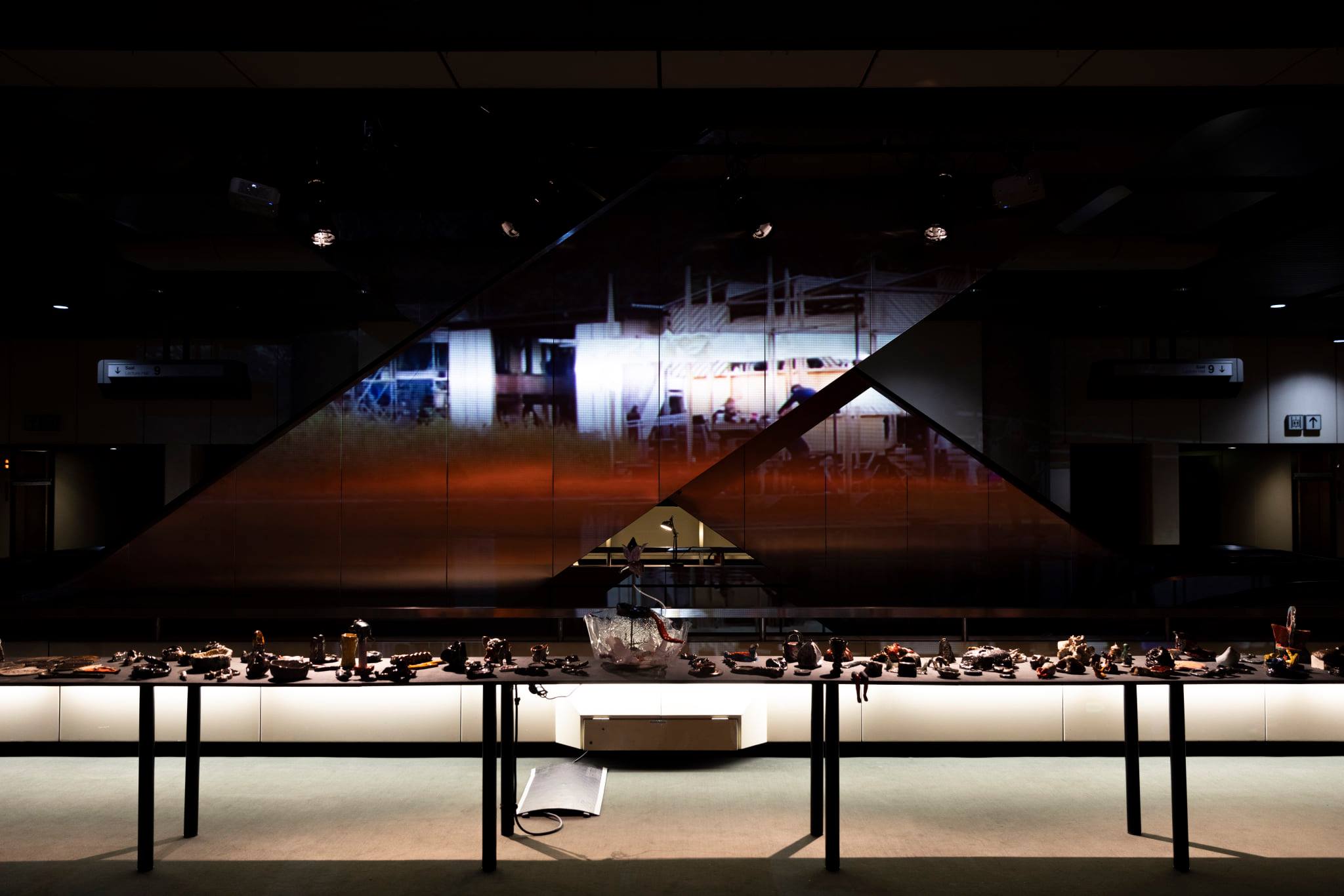


Gropius Bau, located in Berlin, is one of the most important exhibition venues in Europe. It was originally constructed in 1881 as a museum of applied arts and has been serving as an exhibition space since 1981. The building was designed by Martin Gropius, the great-uncle of Walter Gropius, the founder of the Bauhaus movement.
Throughout the years, the Gropius Bau has become known for hosting some of the most important and high-profile exhibitions in the world. The museum has shown works from renowned artists like Andy Warhol, David Bowie, and Yoko Ono, and has also featured significant cultural events like the Berlin Biennale.
The Gropius Bau’s impressive history and stunning architecture are enough to draw visitors in, but it is the museum’s commitment to showcasing innovative, forward-thinking work that keeps them coming back. The museum is dedicated to exploring the relationships between art, society, and politics, and its exhibitions often address contemporary social issues.
One of the museum’s most popular exhibits was the 2018 “Lee Bul: Crash” exhibit, which featured the work of the Korean artist Lee Bul. The exhibit explored the artist’s fascination with the relationship between utopia and dystopia and was highly praised by both visitors and critics.
The Gropius Bau also regularly hosts concerts, workshops, and other events. The museum’s commitment to inclusivity and accessibility is demonstrated through the many programs it offers, including free guided tours for visitors with visual or hearing impairments.
With its stunning architecture and commitment to exploring important social and cultural issues, the Gropius Bau is truly one of Europe’s most important exhibition venues. Visitors to Berlin should make sure to include the Gropius Bau on their list of must-see cultural attractions.