


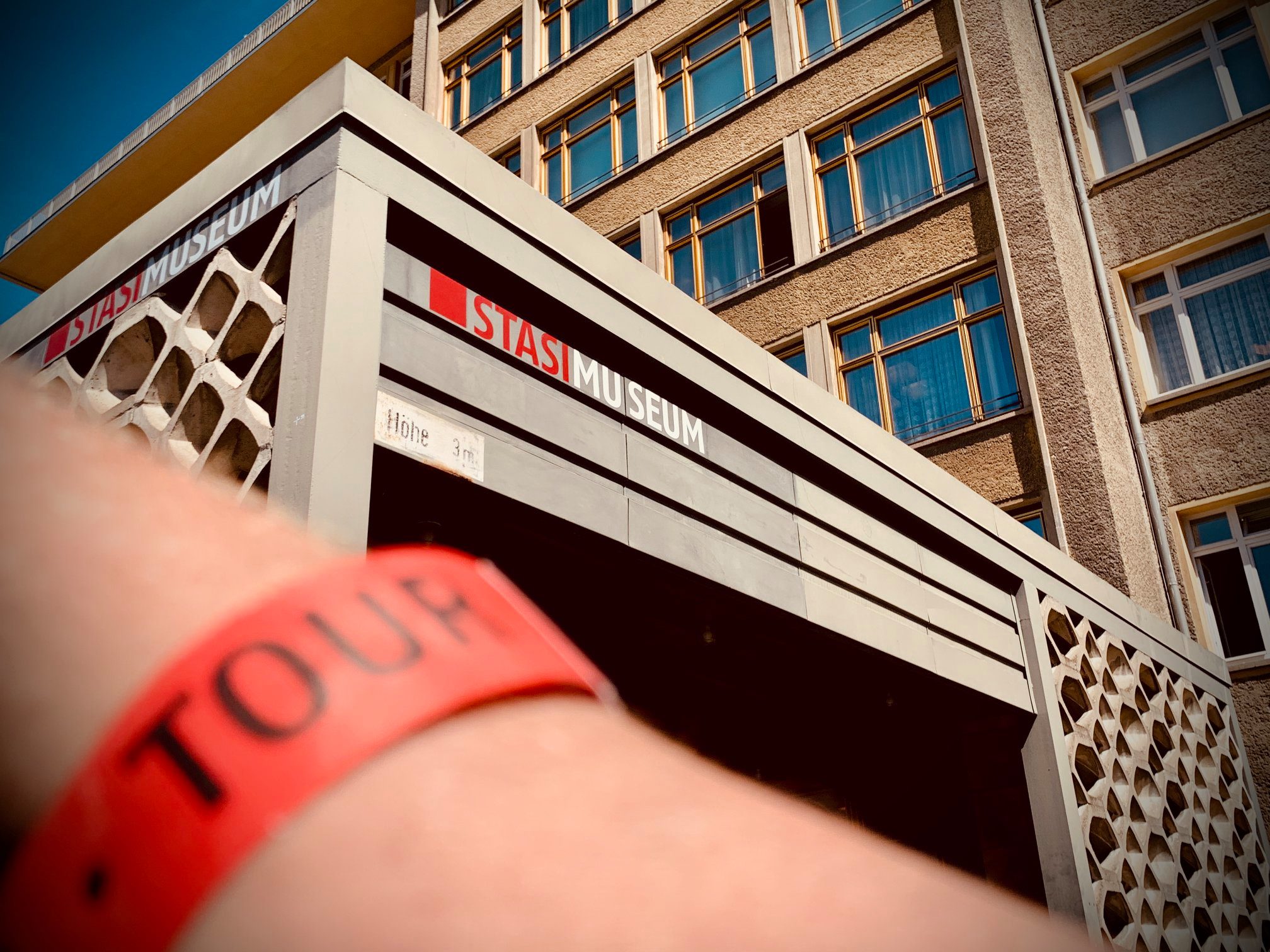


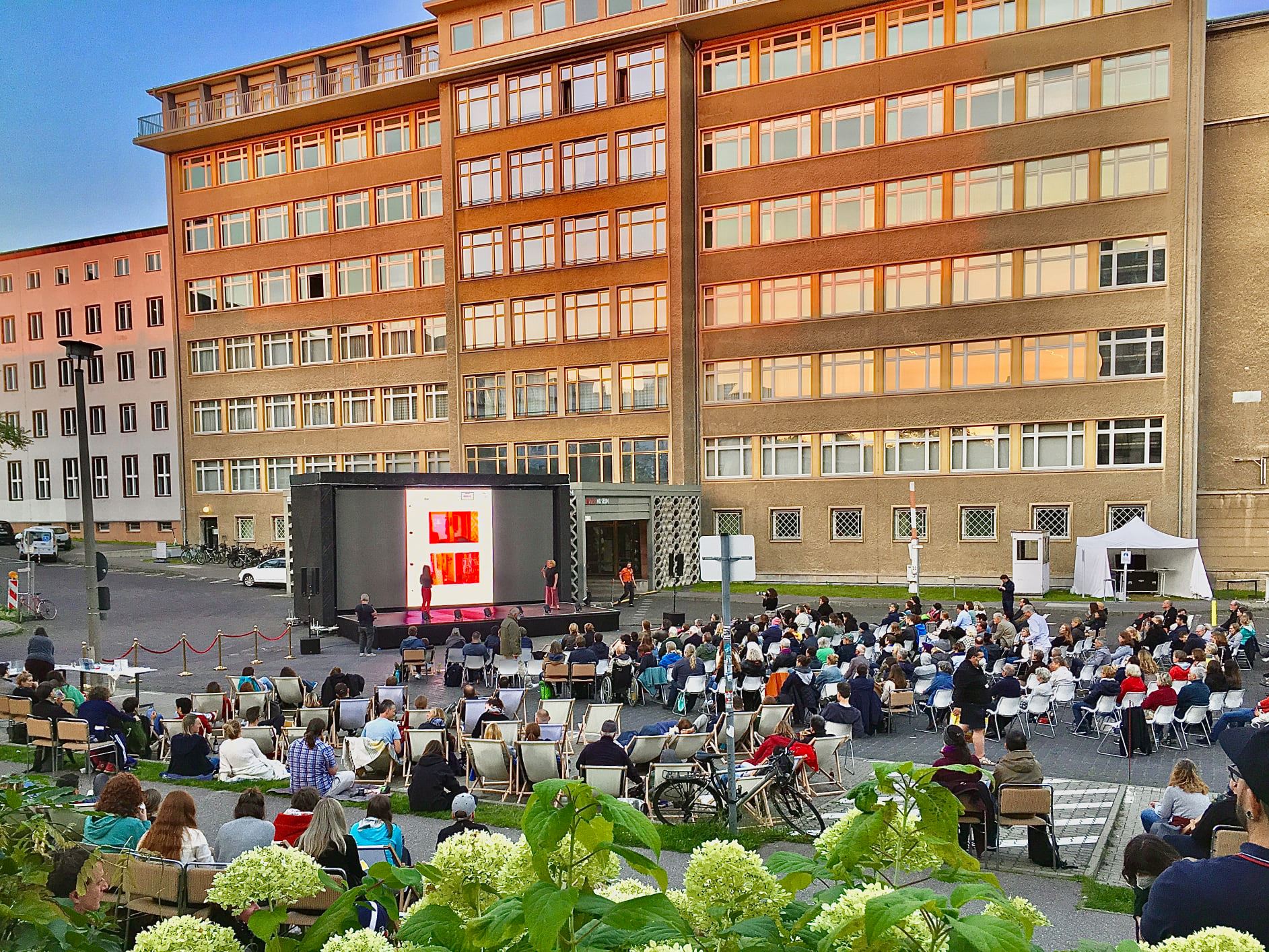
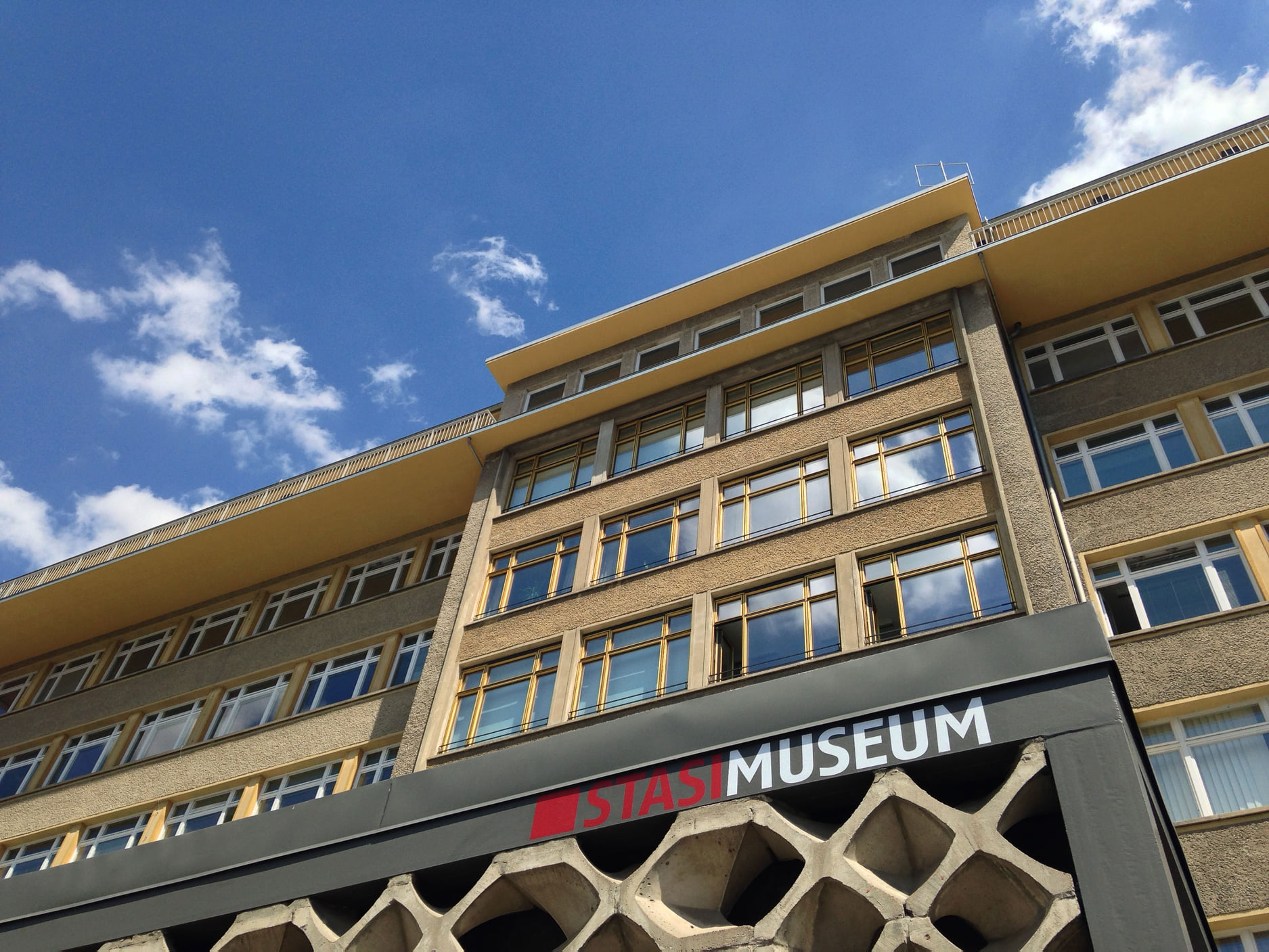
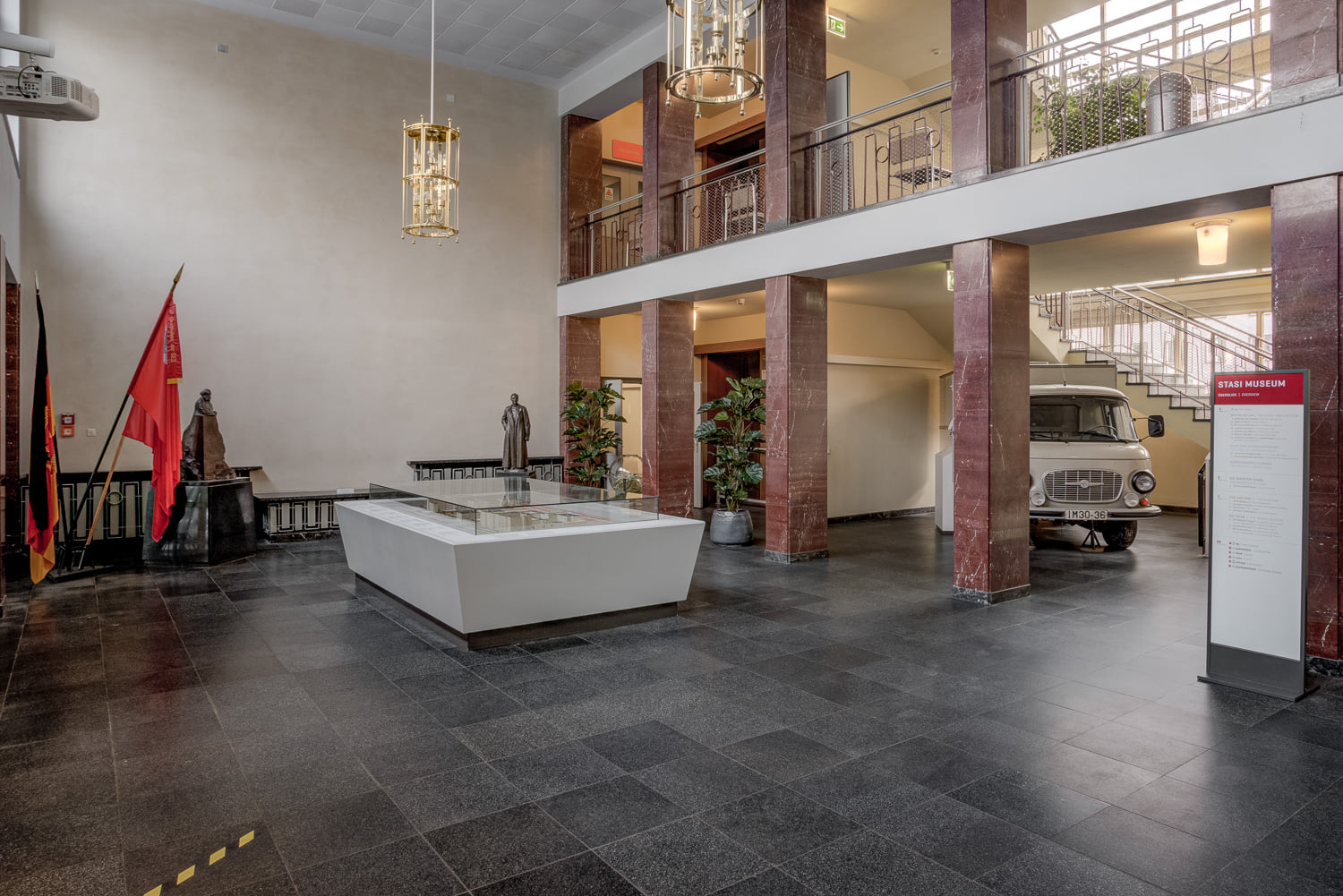


The Stasi Museum Berlin, officially known as the Stasi Museum in the Normannenstraße, is located in the former headquarters of the East German Ministry of State Security, commonly known as the Stasi. The museum is situated in Lichtenberg, Berlin and is dedicated to the history of the Stasi and its methods of surveillance, repression, and control of the population during the Cold War era.
The building itself is a remarkable example of the socialist architecture of the former German Democratic Republic (GDR), with its imposing concrete façade and austere design. The museum is located on the site of the former Stasi prison, which was used to detain and interrogate political prisoners during the GDR era.
The museum was established in 1990, shortly after the fall of the Berlin Wall and the reunification of Germany. Its mission is to preserve the history of the Stasi and to educate the public about the methods used by this organization to control the population of the GDR.
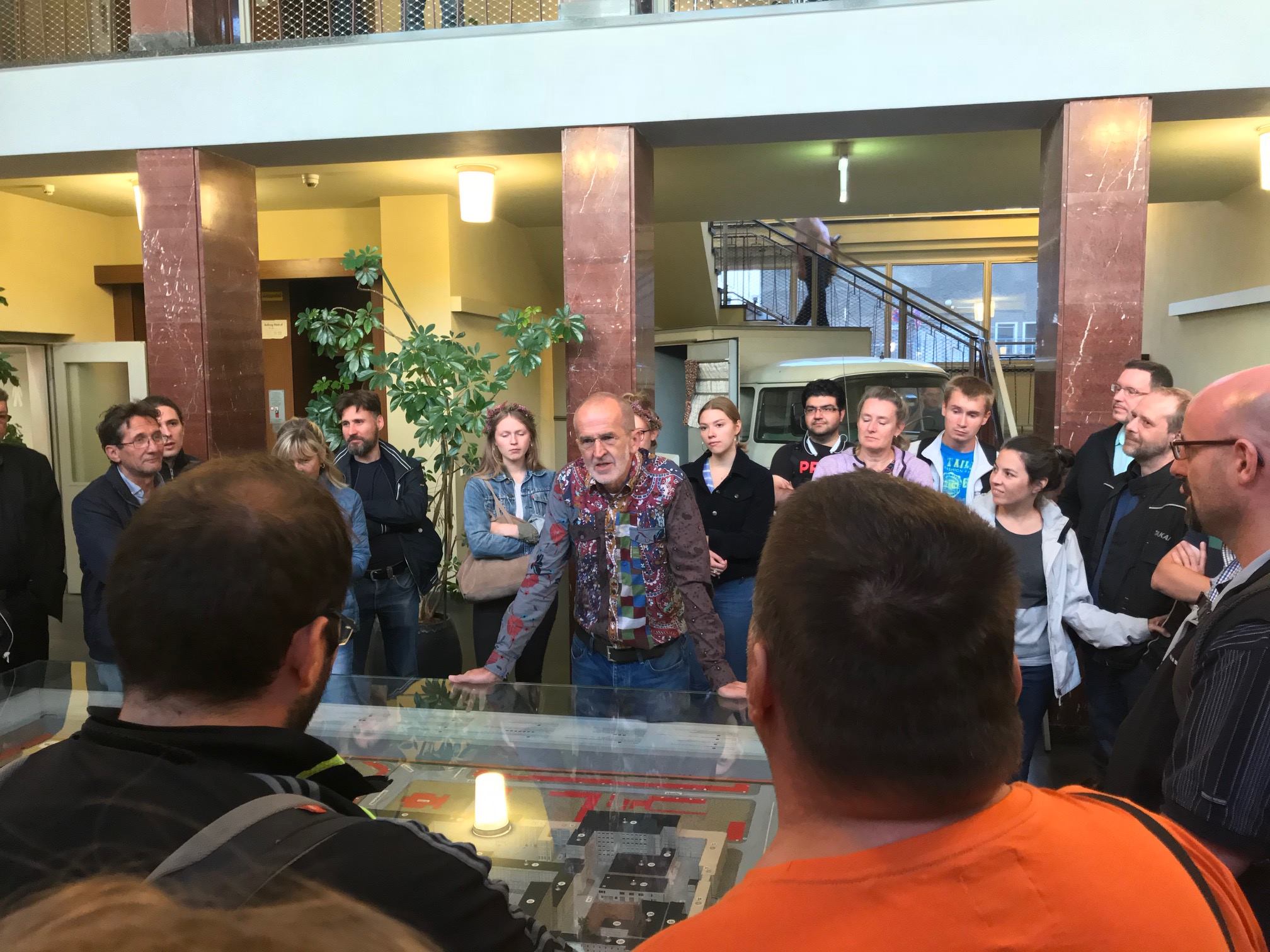
The exhibition is divided into several sections, each focusing on a different aspect of the Stasi’s activities. One section is dedicated to the history of the Stasi and its structure, including its various departments and the roles played by its agents. Another section focuses on the methods of surveillance and control used by the Stasi, including the use of informants, wiretapping, and other forms of surveillance.
Perhaps the most disturbing section of the museum is the former prison, which has been preserved as it was during the GDR era. Visitors can walk through the cramped cells and view the various instruments of torture and interrogation that were used to extract information from prisoners. This includes the infamous “honey trap,” in which female agents were used to seduce male targets and extract information from them.
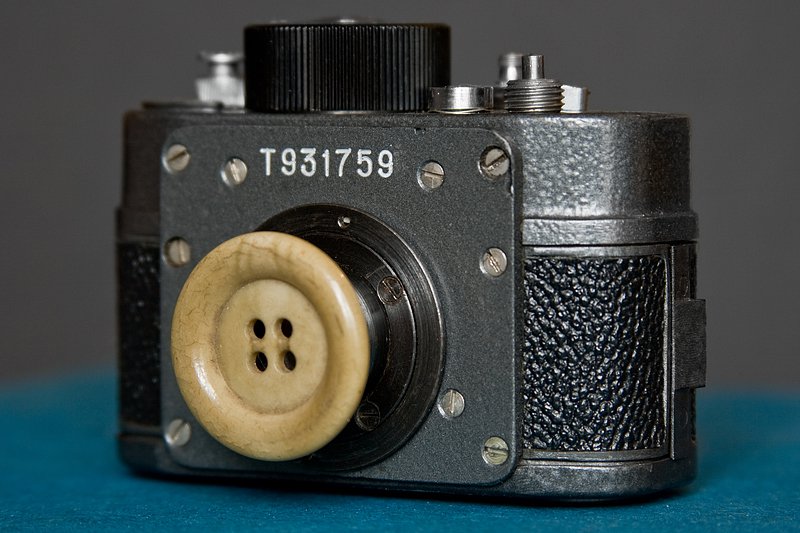
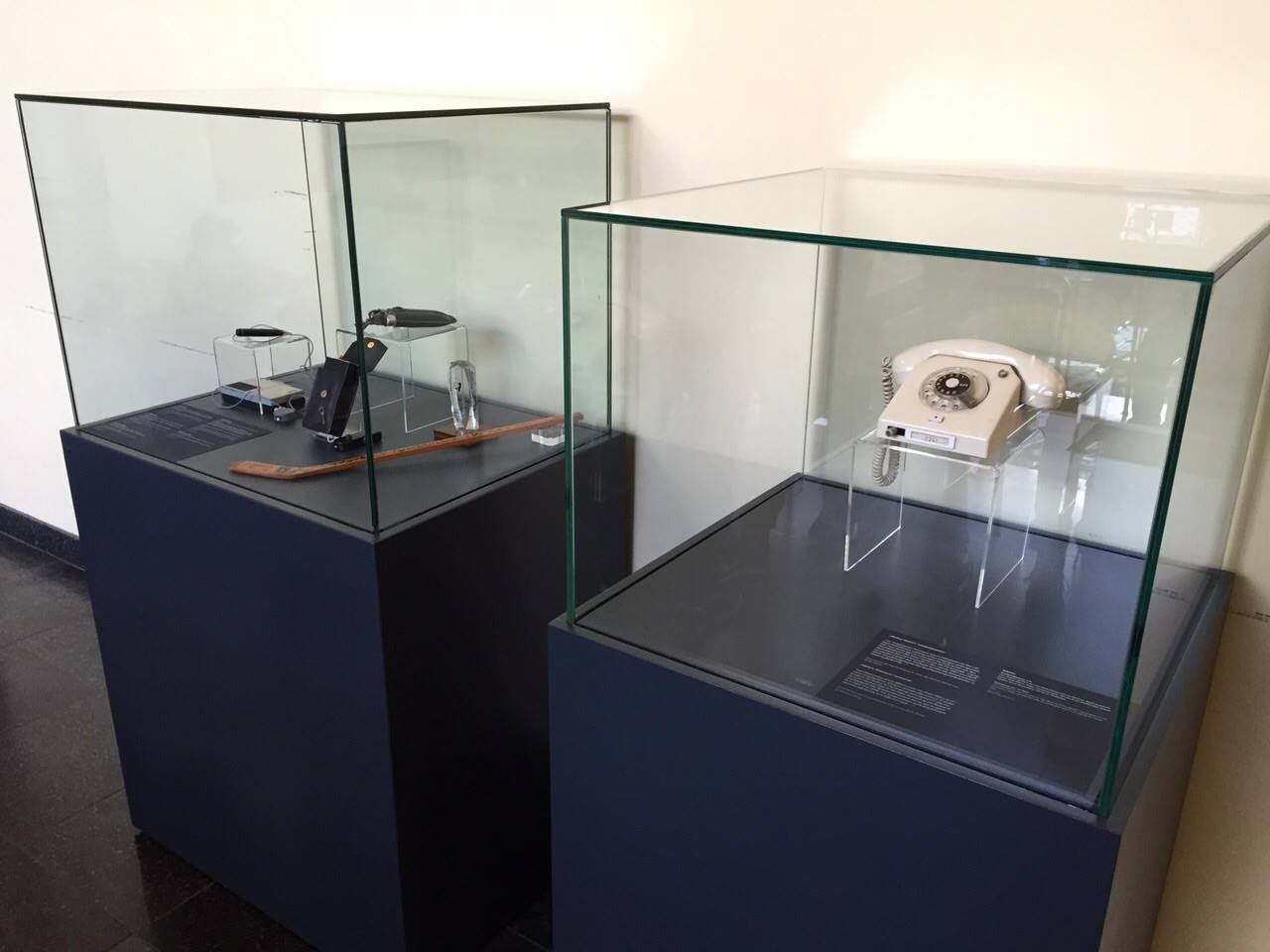
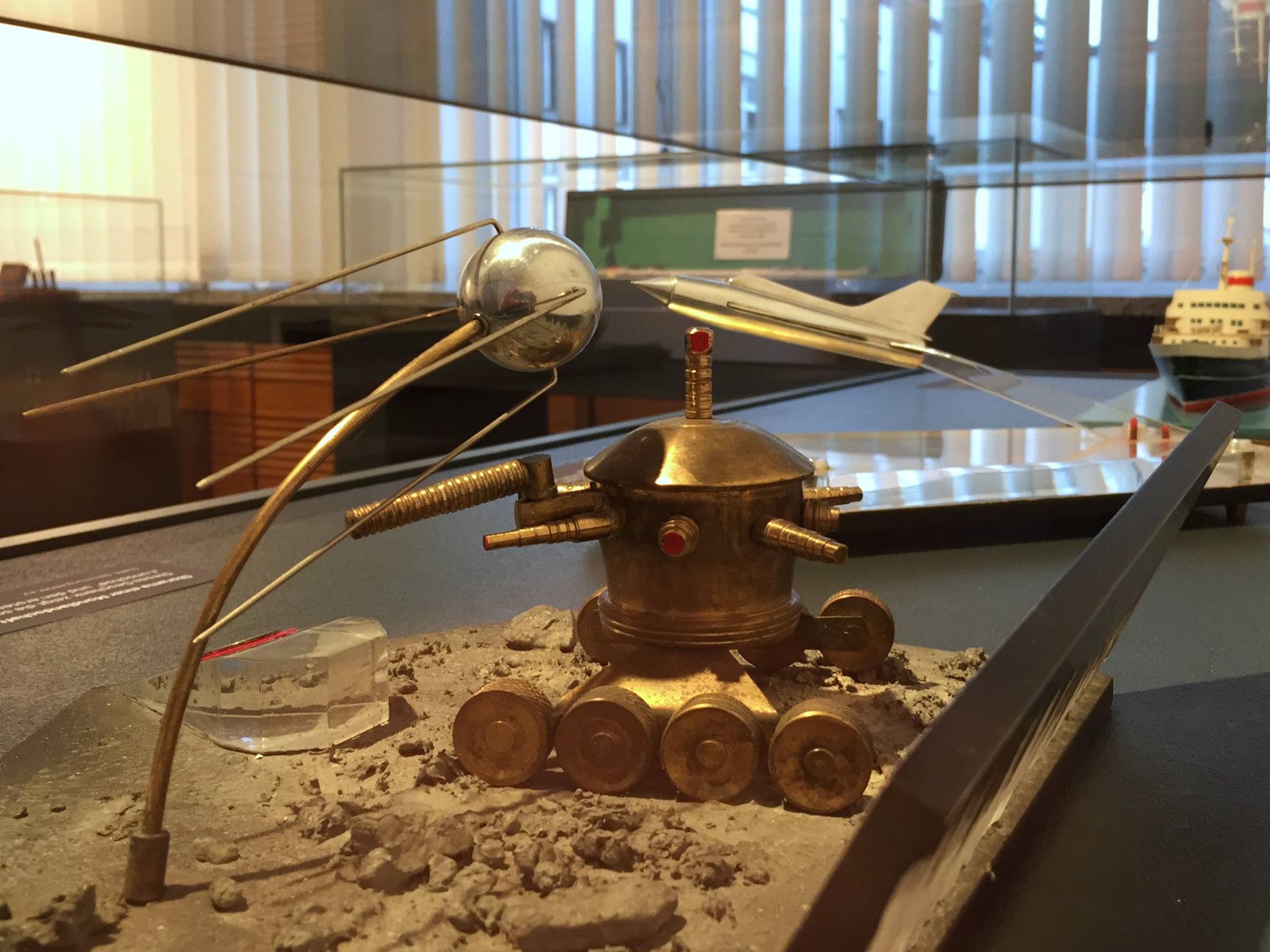
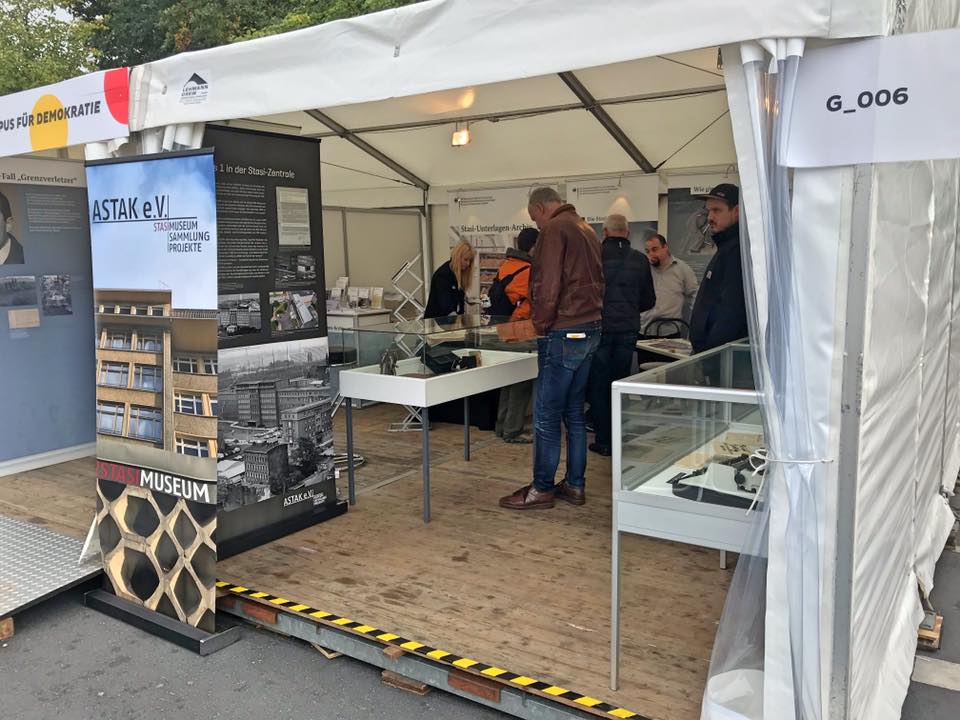
The museum also has a large collection of documents and artifacts related to the history of the Stasi. These include photographs, videos, and other records that document the activities of the organization. There is also a research library that is open to the public, which contains a wealth of information about the history of the GDR and the Stasi.
Overall, the Stasi Museum Berlin is a chilling reminder of the repressive regime that once existed in East Germany. It provides a unique insight into the workings of the Stasi and the methods used to control the population of the GDR. For anyone interested in the history of the Cold War, or in the history of Germany in general, it is a must-see attraction.
Maps
Contact
Opening Hours
Video
FAQ's
Are dogs allowed in the museum?
With the exception of guide dogs, no animals may be brought into the museum.
Accessibility statement
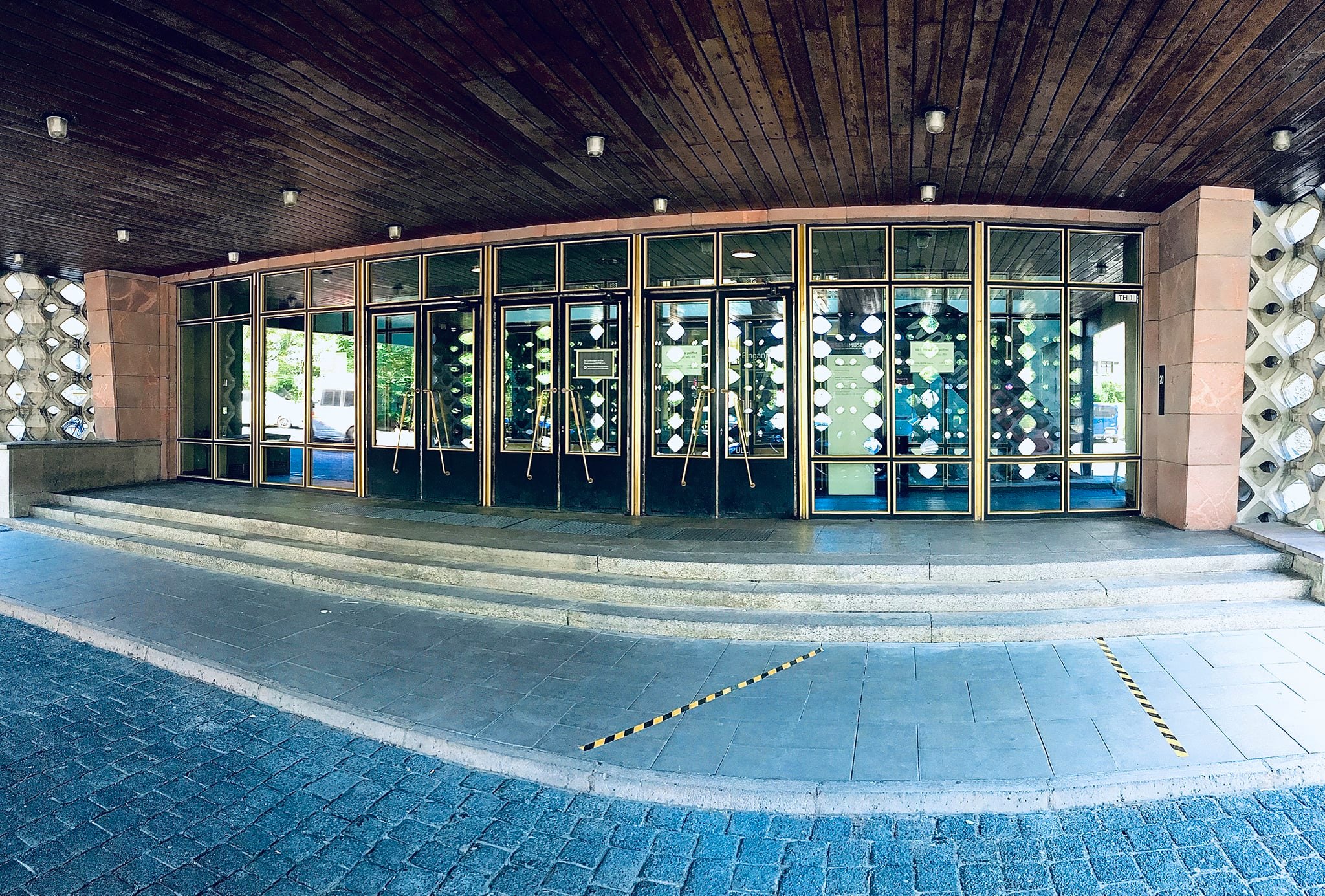
The museum is accessible for wheelchair users by the seperate entrance with an automatic door left from the main entrance (see image). There you can reach the lift to the exhibitions and a stairlift to the restroom and the entrance hall.
How Can I Book a Tour?
Please send an e-mail as early as possible to info@stasimuseum.de. Your request should include the following information: Desired date and time of tour, along with an alternative appointment if possible. Size of group Type of group (pupils, students, adults…) Desired language (tours are currently available in German, English, French, Italian and Danish) Contact person, address and telephone number You will receive a written confirmation containing information about the price, payment methods and cancellation conditions. If you have additional questions, please contact us by telephone: +49 (0)30 553 68 54. Please note that requests are not processed on weekends and holidays.